
Introducción: Las tabletas masticables están diseñadas para ser masticado en lugar de tragado entero, haciéndolos fáciles de usar, especialmente para niños, personas mayores, y cualquier persona con dificultades para tragar. Al descomponerse en la boca, masticables Ofrece la comodidad de una dosificación sin agua., sabor agradable, y la estabilidad de una tableta sólida. Son ampliamente utilizados para medicamentos pediátricos y suplementos nutricionales (Piense en esas pastillas masticables de vitamina C o multivitaminas.), e incluso en medicamentos veterinarios. Según la guía de la FDA, Los fabricantes deben prestar especial atención a atributos críticos de calidad (CQA) al desarrollar tabletas masticables. Estos CQA incluyen factores como la dureza de la tableta., enmascaramiento del sabor, y uniformidad del contenido para garantizar la seguridad y la eficacia.. En breve, Los masticables combinan lo mejor de las tabletas. (exactitud, estabilidad en anaquel) con mejor cumplimiento del paciente. En esta guía, veremos qué son las tabletas masticables, sus beneficios, como estan hechos, y qué máquinas de envasado se utilizan para manipularlos, todo desde un ambiente amigable, perspectiva de la industria.
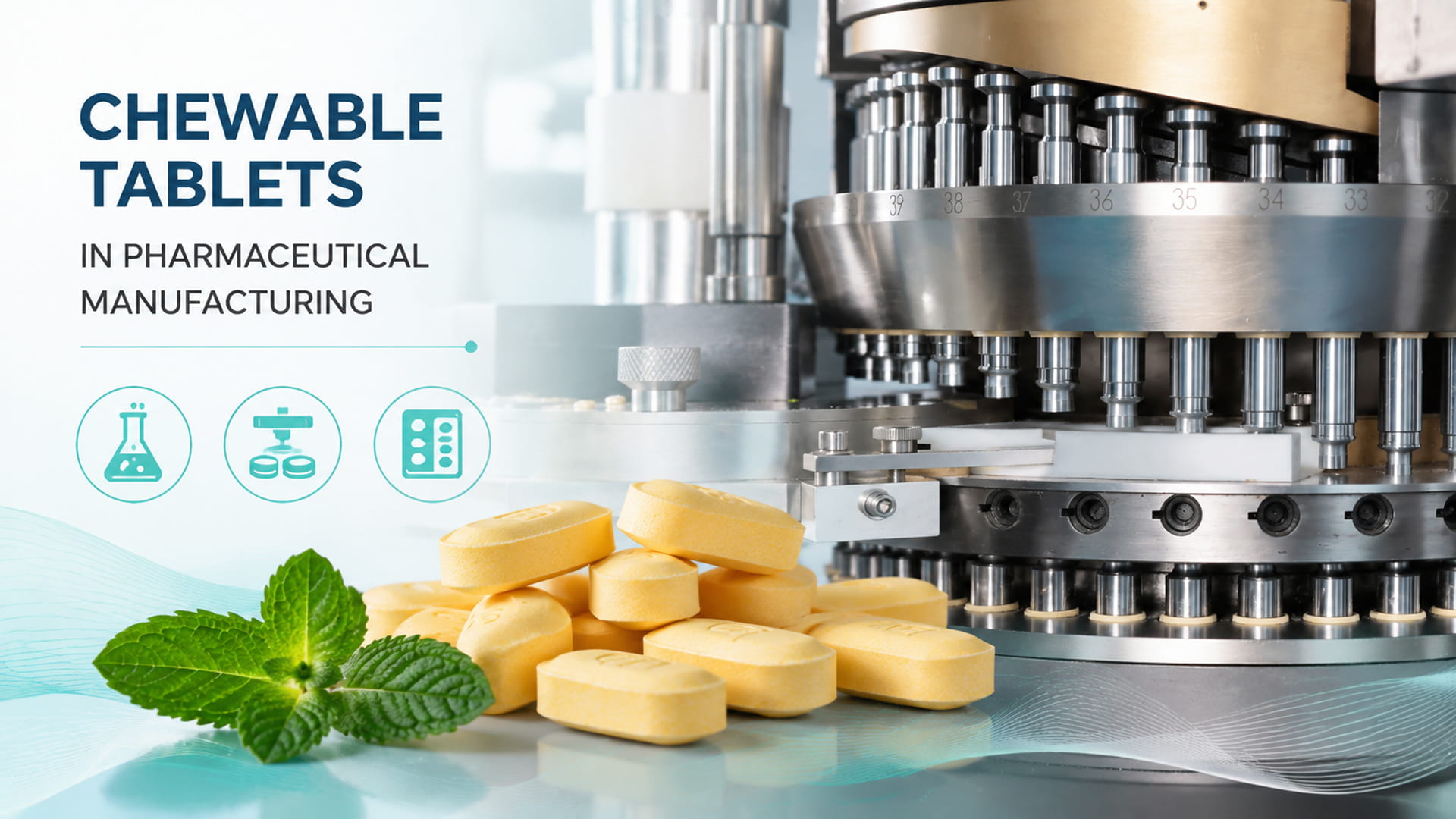
Las tabletas masticables son un tipo de oral forma de dosificación sólida diseñado para ser masticado antes de tragar. A diferencia de las tabletas convencionales (que te tragas entero) o tabletas de desintegración oral (ODTS) que se disuelven en la lengua, los masticables son descompuesto en la boca al masticar. Esto facilita la dosificación para muchos pacientes..
Según la tecnología farmacéutica, Los comprimidos masticables se definen como comprimidos “diseñados para procesarse masticando para facilitar la liberación del ingrediente activo”.(s)". En la práctica, Esto significa que los masticables a menudo contienen ingredientes como alcoholes de azúcar. (polioles) que añaden dulzura y volumen. También se pueden moldear en formas divertidas. (animales, copas, etc.) para atraer a los niños. Porque los masticables se rompen en partículas en la boca., se pueden hacer más grande o con forma diferente que las pastillas que tragarías, aún así se disuelve rápidamente después de masticar.
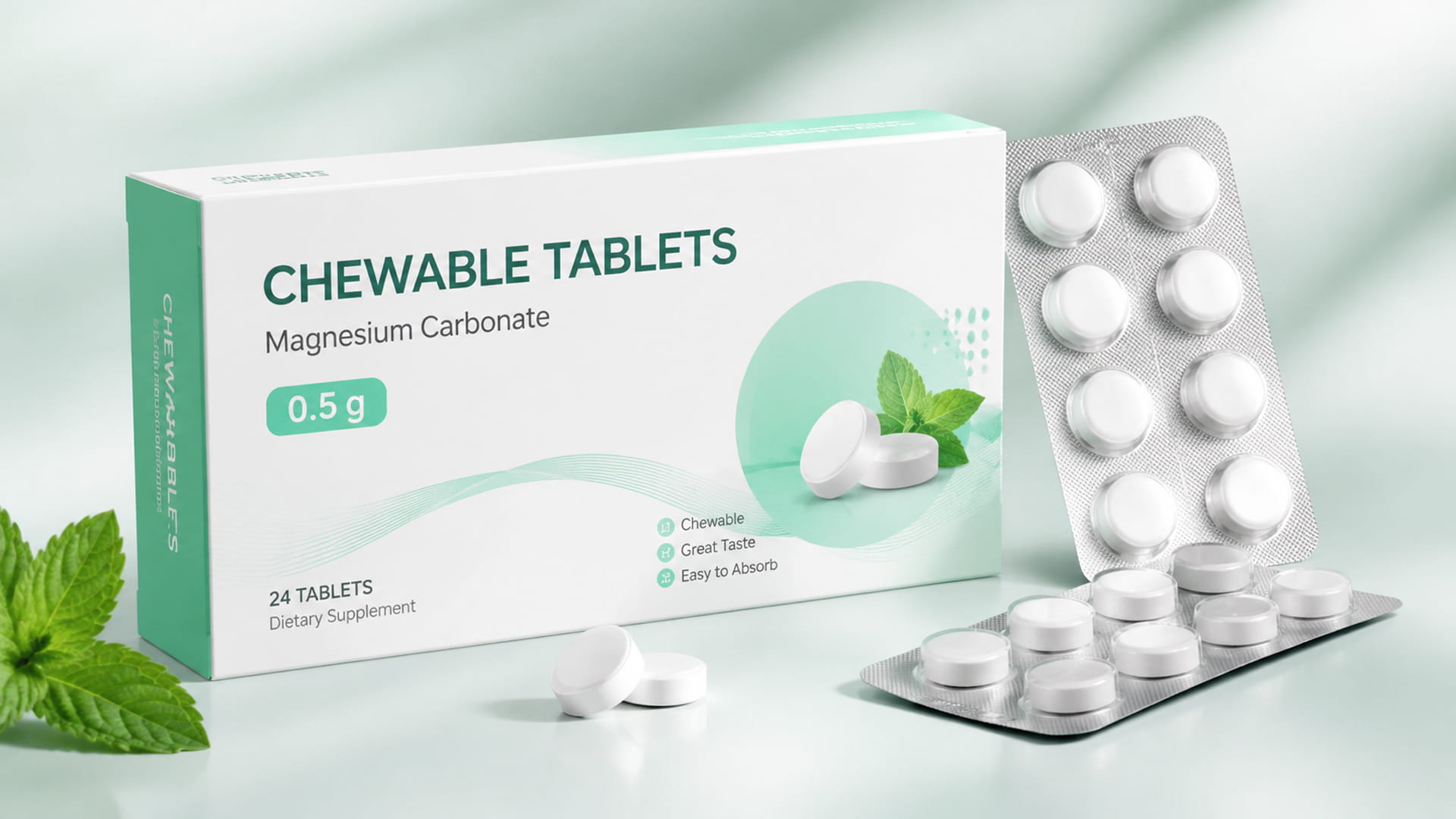
Las tabletas masticables son populares en varios segmentos del mercado sanitario.:
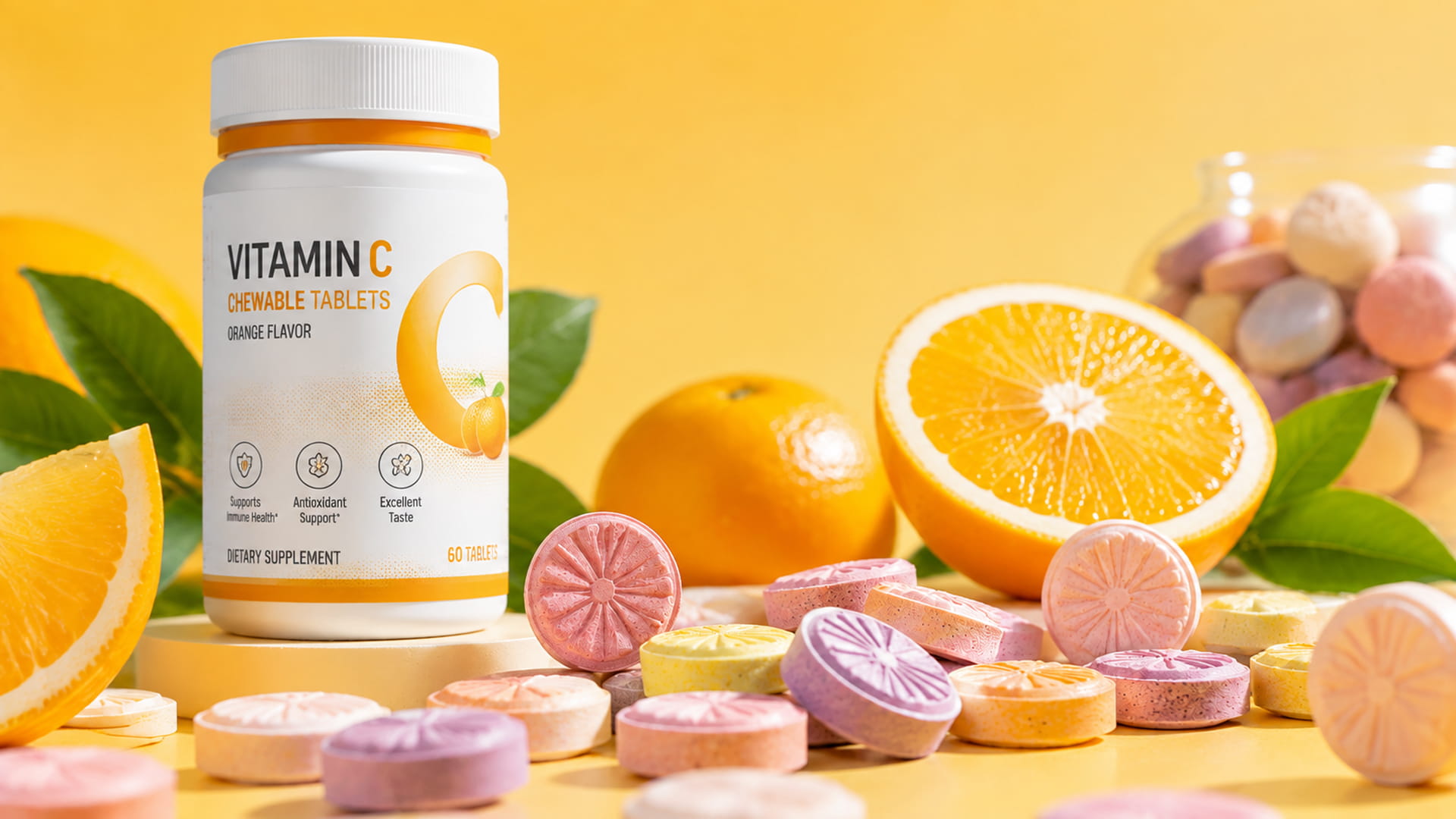
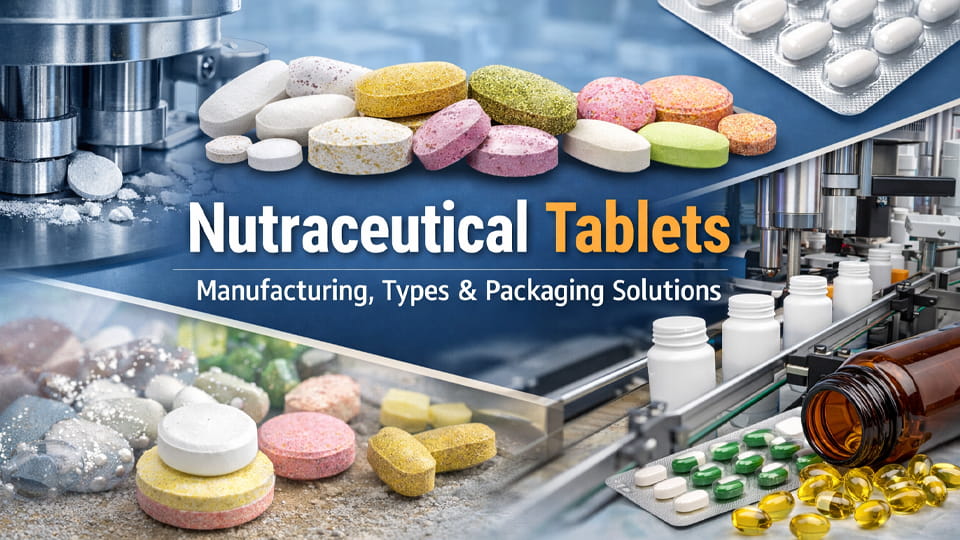
Esta foto muestra vitaminas y suplementos en forma de tableta masticable. Vitamina C masticable, multivitaminas, y las tabletas minerales a menudo parecen caramelos con colores brillantes. Su forma y sabor los convierten en una opción amigable tanto para los consumidores como para los pacientes preocupados por su salud..
Formular una tableta masticable es un acto de equilibrio. La tableta debe ser sabroso y fácil de masticar, todavía fuerte y estable suficiente para manipulación y almacenamiento. Esto significa:
Enmascaramiento del sabor & Sabor agradable: A diferencia de las tabletas tragables, Los masticables se asientan en la boca., exponer drogas a las papilas gustativas. Muchas drogas activas son amargas., entonces los formuladores agregan edulcorantes (azúcares o alcoholes de azúcar) y agentes aromatizantes para hacer que la tableta sea agradable. Para API muy amargas, Se pueden utilizar capas finas o excipientes especiales que bloqueen el sabor para evitar que el mal sabor llegue a la lengua.. Por ejemplo, Las tabletas de vitaminas masticables suelen utilizar sabores de frutas y bases dulces. (como sorbitol o manitol) para mejorar el sabor.
Textura & Sensación en boca: Una buena tableta masticable debe ser lo suficientemente suave como para romperse suavemente sin sentirse arenoso o demasiado calcáreo. El tamaño de las partículas y la elección del excipiente son importantes: ingredientes finamente molidos y rellenos "suaves" (p.ej. manitol, xilitol) ayudar a que la tableta se desmorone suavemente al masticarla. Por otro lado, todavía se necesitan masticables alguno Dureza para que no se deshagan durante el almacenamiento.. Las directrices de la industria sugieren mantener la dureza de las tabletas relativamente baja (p.ej. por debajo de ~12 kilopondios) a menos que la tableta se desintegre rápidamente en la boca. Utilizar excipientes y aglutinantes altamente comprimibles. (como la celulosa microcristalina o ciertos polímeros) ayuda a mantener la tableta intacta durante el envasado pero masticable en la boca.
Desintegración & Liberación de drogas: Los masticables deben descomponerse y liberar el fármaco de forma eficaz una vez masticados.. Generalmente se clasifican como formas farmacéuticas de liberación inmediata., por lo que deben cumplir con los mismos estándares de desintegración y disolución que otras tabletas de liberación inmediata.. En la práctica, Esto significa probar las tabletas masticables para asegurarse de que se disuelvan dentro del tiempo requerido. (a menudo menos de unos minutos) después de masticar. Los formuladores suelen incluir desintegrantes (p.ej. glicolato de almidón de sodio) para ayudar a una rápida descomposición y garantizar una biodisponibilidad constante.
Estabilidad: Como cualquier tableta, Los masticables pueden ser sensibles a la humedad y la temperatura.. Porque muchos masticables (p.ej. vitaminas o masticables efervescentes) utilizar rellenos higroscópicos, La formulación debe ser estable durante toda la vida útil del producto.. Esto implica un control adecuado de la humedad durante la fabricación y el envasado.. De hecho, directrices regulatorias (p.ej. Guías de estabilidad de la FDA) Requerir el envío de datos de estabilidad para demostrar potencia y seguridad a lo largo del tiempo.. Para vitaminas masticables con altas cargas de fármaco., Se necesita cuidado adicional para equilibrar el sabor con los ingredientes activos mientras se mantiene la estabilidad..
Excipientes comunes: Los ingredientes clave más allá de la API incluyen relleno (diluyentes) a granel, carpetas para mantener la tableta unida, lubricantes para evitar que se pegue, y, en tono rimbombante, aromas/edulcorantes para el gusto. Los rellenos típicos de los masticables son alcoholes de azúcar como manitol o sorbitol., o edulcorantes como sacarosa y lactosa. manitol, por ejemplo, es popular porque produce un fresco, sensación dulce en la boca y ayuda a que las tabletas se desintegren rápidamente. Desintegrantes (celulosa microcristalina, glicolato de almidón de sodio) Se utilizan para asegurar una rápida descomposición en la boca.. Aditivos aromatizantes (sabores de frutas, menta, etc.) y los agentes colorantes también son comunes para hacer que las tabletas sean atractivas para los consumidores..
Centrándose en estos factores: enmascaramiento del gusto, textura, y desintegración: los desarrolladores farmacéuticos crean tabletas masticables que son efectivas y fáciles de usar para el paciente.. La formulación adecuada sienta las bases para una fabricación y un envasado sin problemas.
Producir una buena tableta masticable significa equilibrar la calidad farmacéutica con la aceptabilidad del paciente. Los atributos críticos de calidad incluyen:
Cumplir con estos factores de calidad no es trivial, Es por eso que la FDA publicó una guía especial sobre los atributos de las tabletas masticables.. La guía enfatiza la documentación de todos los pasos de desarrollo y pruebas en presentaciones regulatorias. (NDA/ANDA). la comida para llevar: una tableta masticable sigue siendo un medicamento y debe tratarse con total rigor de calidad, solo con un toque amigable para el paciente.
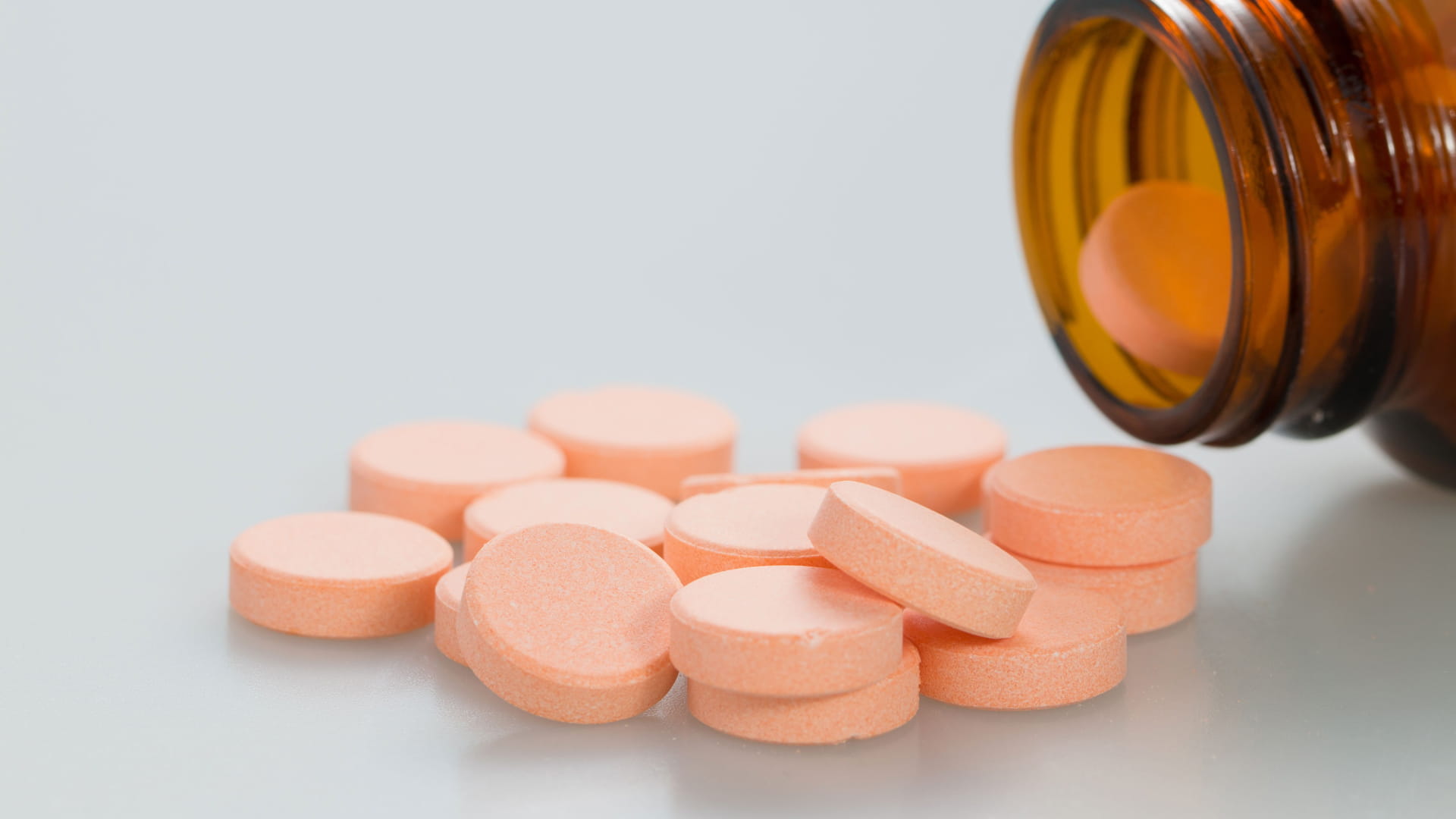
La fabricación de comprimidos masticables sigue en gran medida el proceso de producción de comprimidos estándar., con algunos ajustes especiales para masticabilidad y sabor.. A continuación se muestra una descripción general de los pasos clave en la producción de masticables.:
En cada etapa, Los fabricantes siguen las regulaciones cGMP. (p.ej. FDA 21 Parte CFR 211 en los estados unidos) para garantizar la limpieza, precisión, y trazabilidad. Las prensas de tabletas modernas suelen tener controles PLC para ajustar la presión y la velocidad., y características como sensores de fuerza para mantener una compresión constante. Para masticables, una tecla es simplemente presionarla “suave pero uniformemente”.
Después de la producción, Las tabletas masticables necesitan el empaque adecuado para mantenerse frescas y efectivas.. A continuación se detallan enfoques de embalaje comunes y equipos utilizados.:


Las estuchadoras pueden ser completamente automáticas (no se necesita operador humano) e incluir sensores para garantizar que cada caja tenga los insertos correctos y esté sellada adecuadamente. Los beneficios del encartonado automatizado incluyen una velocidad y consistencia mucho mayores en comparación con el envasado manual.. Como bromeó una vez un ingeniero de embalaje, los estuchadores dan “aspecto profesional, cajas de cartón resistentes a manipulaciones” con mano de obra mínima.
Consejo: Si sus tabletas masticables van en frascos (p.ej. botellas de vitaminas), puede que no haya una ampolla, pero esas botellas a menudo también van en cajas de cartón, siguiendo el mismo proceso de estuchado.
esto completamente línea de embotellado automatizada Es ideal para productos masticables como los masticables de vitamina D o las tabletas masticables de calcio que se venden en botellas.. Garantiza que cada botella tenga el recuento correcto (piensa con precisión 60 tabletas masticables de vitamina C por frasco) y acelera la producción.
Calidad & Cumplimiento: Todas estas máquinas de envasado deben cumplir con los estándares farmacéuticos.. Por ejemplo, Las líneas de blister y estuchado están construidas según las especificaciones cGMP. (21 CFR 211 en los estados unidos) con diseño sanitario, trazabilidad, y protocolos de validación. Los sistemas de visión en línea comprueban a menudo los niveles de llenado y el sellado., previniendo errores. Buenos sellos de embalaje en calidad del producto.: Los estudios muestran que sacar una pastilla de su paquete acelera prematuramente la degradación.. En breve, invertir en envases robustos (como blísteres de alta barrera y estuchadoras/contadores precisos) es crucial para mantener seguros los comprimidos masticables desde la fábrica hasta el paciente.
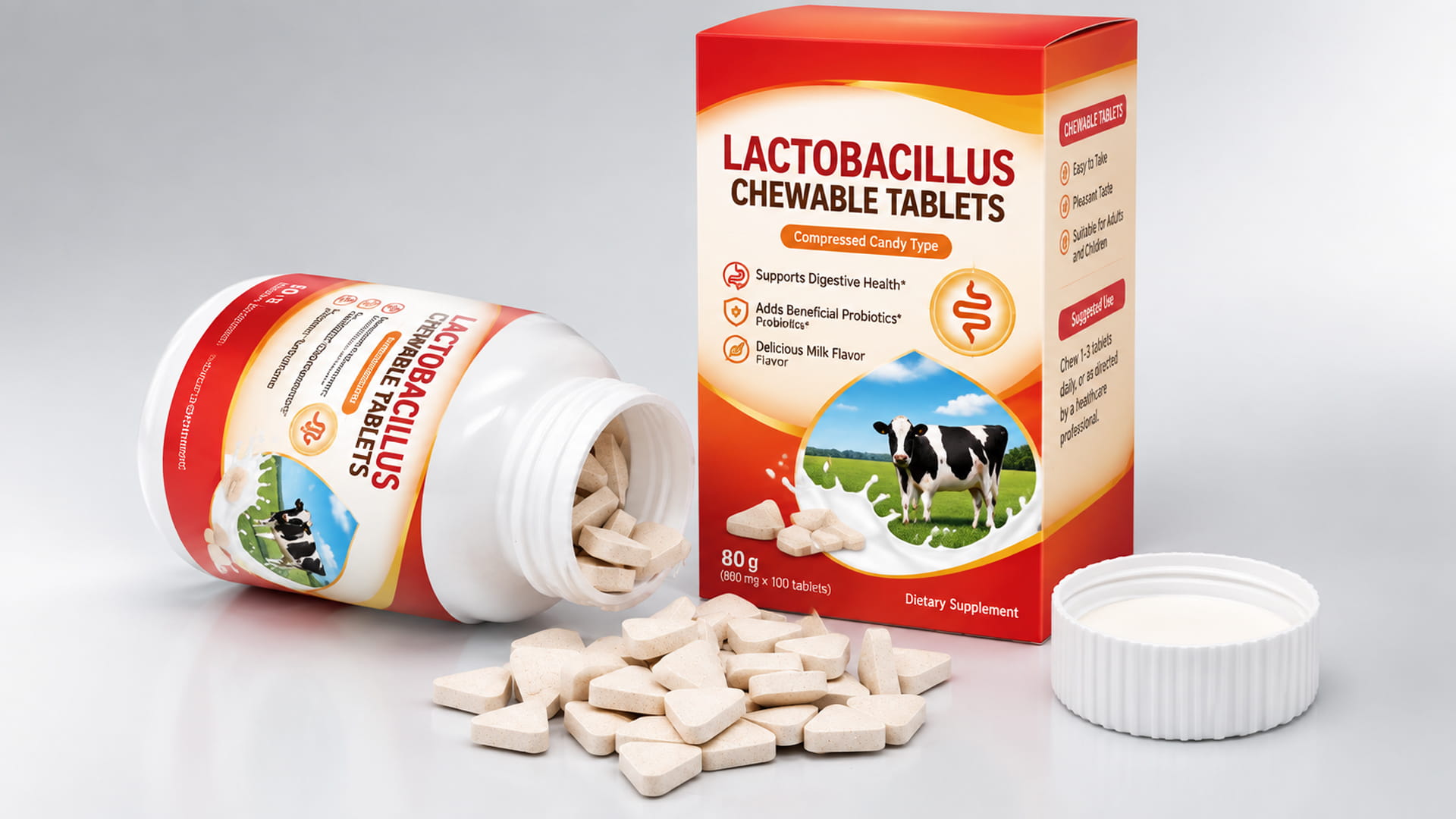
En resumen, Las tabletas masticables son un amigable para el paciente y forma de dosificación versátil en farmacia. Mejoran el cumplimiento (no se necesita agua!), y con modernas técnicas de formulación (edulcorantes, sabores) pueden saber bastante bien. En su producción se utilizan equipos de tableteado estándar. con algunos ajustes: compresión de baja presión, golpes especiales, y un cuidadoso control de calidad. El embalaje también juega un papel fundamental: las máquinas blister, cartón, y las líneas de conteo garantizan que cada tableta masticable se mantenga fresca y correctamente dosificada en el paquete final.
Si se dedica a la fabricación de productos farmacéuticos o nutracéuticos y explora la producción de tabletas masticables, recordar: el socio de equipos adecuado puede marcar una gran diferencia. A los fabricantes les gusta Embalaje de Jinlu ofrecer prensas de tabletas personalizadas, envasadores de blister, y estuchadoras construidas para productos masticables. Si necesitas un prensa rotatoria de tabletas por miles de pastillas masticables por hora o una línea de blister de alta velocidad para sellar tus pestañas de vitaminas, Un equipo de calidad mantendrá su producción eficiente y sus tabletas amigables para el paciente..
Listo para mejorar su línea de tabletas masticables? Póngase en contacto con los expertos de Jinlu Packing para soluciones personalizadas de producción y envasado de tabletas farmacéuticas
Una tableta masticable es una forma farmacéutica sólida oral diseñada para masticarse antes de tragarla.. Proporciona una administración más fácil en comparación con las tabletas tradicionales y se usa comúnmente para productos farmacéuticos., vitaminas, y suplementos dietéticos.
Las tabletas masticables se fabrican mediante un proceso que incluye la mezcla de materiales., granulación o compresión directa, prensado de tabletas, pruebas de calidad, y embalaje. Una máquina prensadora de tabletas rotativa se usa comúnmente para producir tabletas de tamaño consistente., peso, y dureza.
El principal equipo utilizado para la producción de tabletas masticables incluye una máquina prensadora de tabletas., mezclador de polvo, desempolvador de tabletas, detector de metales, máquina de envases de ampollas, máquina de contar, y máquina estuchadora. La selección del equipo depende de la capacidad de producción y los requisitos de embalaje..
La principal diferencia es cómo se toman.. Los comprimidos normales se tragan enteros., mientras que las tabletas masticables están diseñadas para masticarse antes de tragarlas. Las tabletas masticables suelen requerir formulaciones específicas para lograr un mejor sabor., textura, y rendimiento de masticación.
Sí. Una prensa rotativa para tabletas puede producir tabletas masticables ajustando la fuerza de compresión., diseño de herramientas, y parámetros de producción. La configuración adecuada de la máquina ayuda a lograr el equilibrio necesario entre la fuerza de la tableta y la masticabilidad..
Los ejemplos comunes incluyen tabletas masticables de vitamina C., multivitaminas masticables, tabletas de calcio masticables, tabletas de hierro masticables, y tabletas masticables de vitamina D. Estos productos se utilizan ampliamente en suplementos nutricionales y aplicaciones farmacéuticas..
No siempre. Aunque el proceso de compresión es similar, Las tabletas masticables requieren atención adicional al sabor., sensación en boca, dureza, y estabilidad de la formulación. Los fabricantes deben controlar cuidadosamente tanto la calidad del producto como la experiencia del usuario..
Las soluciones de envasado habituales para tabletas masticables incluyen el envasado en blíster., sistemas de conteo de botellas, y máquinas de cartón. Una máquina de envasado farmacéutico adecuada ayuda a proteger las tabletas de la humedad y garantiza una precisión, producción eficiente.
Las tabletas de vitaminas masticables se están volviendo populares porque son convenientes., fácil de tomar, y más aceptable para niños y adultos que tienen dificultad para tragar pastillas. Productos como la vitamina C masticable y las multivitaminas masticables se utilizan ampliamente en el mercado de suplementos..
La elección de una línea de producción de tabletas masticables depende de factores como el tamaño de la tableta., capacidad de producción, nivel de automatización, y método de embalaje. Los fabricantes farmacéuticos deberían considerar tanto los equipos de compresión de tabletas como las soluciones de envasado posteriores al seleccionar la maquinaria..
Referencias:
1.Consideraciones sobre los atributos de calidad para tabletas masticables Guía para la industria —— A NOSOTROS. Administración de Alimentos y Medicamentos
2.Tabletas masticables: Una revisión de las consideraciones de formulación —— Farmacéutica
3.Tabletas masticables: Una revisión completa —— Revista asiática de investigación y desarrollo farmacéutico
4.Formulación, Fabricación y Evaluación de Tabletas Masticables —— farmaproach.com
5.Tabletas blandas masticables de paracetamol mediante método de granulación por fusión: Formulación y Caracterización —— Biblioteca Nacional de Medicina