
Μια παρτίδα καψουλών μπορεί να φαίνεται τέλεια όταν μπαίνει στην αποθήκη και να προκαλεί προβλήματα μερικές εβδομάδες αργότερα. Στη γραμμή πλήρωσης της κάψουλας, τα κελύφη μπορεί να ραγίσουν κατά τον διαχωρισμό. Μια άλλη παρτίδα μπορεί να είναι μαλακή, παραμόρφωση στη χοάνη, ή να κολλήσουν μαζί. Η παραγωγή μπορεί να κατηγορήσει την πληρωτικό κάψουλας, Η QA μπορεί να υποψιαστεί τον προμηθευτή του κελύφους, και η προμήθεια μπορεί να αναρωτηθεί εάν το υλικό συσκευασίας είναι ανεπαρκές.
Πολύ συχνά, το πραγματικό ζήτημα είναι ισορροπία υγρασίας.
Τα σκληρά κελύφη κάψουλας ανταλλάσσουν νερό με τον περιβάλλοντα αέρα, ο σύνθεση γεμίσματος, και το headspace μέσα στη συσκευασία τους. Ειδικά για τα κελύφη ζελατίνης, Η απώλεια υπερβολικής υγρασίας μειώνει την ευελιξία και αυξάνει ευθραυστότητα της κάψουλας; η απόκτηση υπερβολικής υγρασίας μπορεί να προκαλέσει μαλάκωμα, πρήξιμο, και κολλώδεις κάψουλες. HPMC και πουλλουλάνη συμπεριφέρονται διαφορετικά, αλλά δεν είναι και εντελώς ανεξάρτητα από την υγρασία. Η USP αναγνωρίζει τη ζελατίνη, υπρομελλόζη, και σκληρά κελύφη πουλλουλάν ως πολυμερή συστήματα που περιέχουν νερό, ενώ η καθοδήγηση USP αντιμετωπίζει χωριστά την περιεκτικότητα σε νερό, υδάτινη δραστηριότητα, και η μετάδοση της υγρασίας της συσκευασίας είναι σημαντική φαρμακευτική ποιότητα έννοιες.
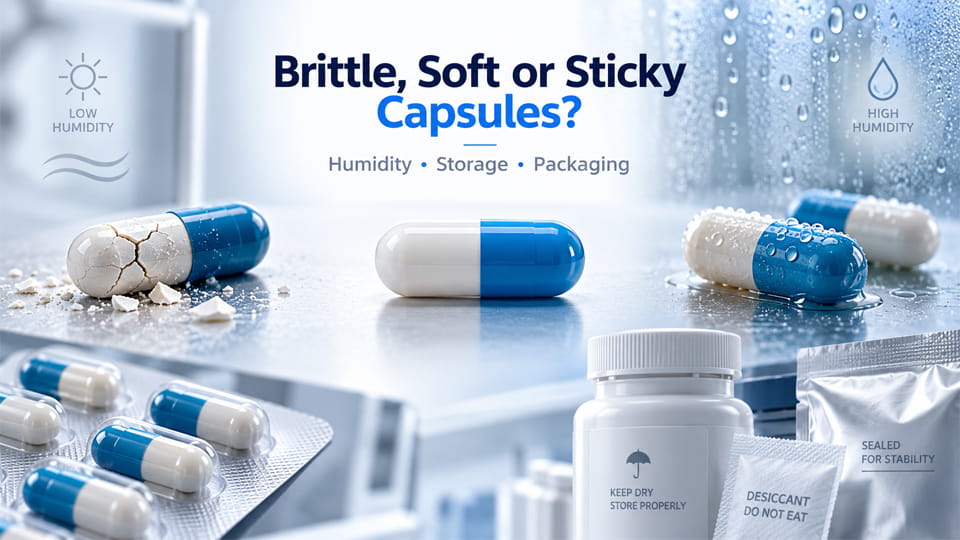
Αυτό το άρθρο εστιάζει σε σκληρές κάψουλες δύο τεμαχίων που γίνονται μαλακές, όχι η ξεχωριστή μορφή δοσολογίας που συνήθως ονομάζεται α κάψουλα μαλακής γέλης.
Οταν οι κάψουλες γίνονται εύθραυστες, ξεκινήστε αναζητώντας απώλεια υγρασίας. Οι κάψουλες σκληρής ζελατίνης συνήθως περιέχουν περίπου 13– 16% νερό υπό κατάλληλες συνθήκες. Η έρευνα δείχνει ότι όταν η περιεκτικότητά τους σε νερό πέφτει κάτω από το κανονικό εύρος λειτουργίας—λόγω της χαμηλής σχετικής υγρασίας, πολύ ξηρά ή υγροσκοπικά γεμίσματα, ή μετανάστευση υγρασίας—το κέλυφος χάνει προοδευτικά την ελαστικότητά του και μπορεί να σπάσει πιο εύκολα. Αντίστροφως, Η υπερβολική πρόσληψη νερού μπορεί να πλαστικοποιήσει τη ζελατίνη, κάνοντας τα κοχύλια πιο μαλακά και δυνητικά κολλώδη.
Για ομάδες παραγωγής και QA, τέσσερις βαθμοί έχουν τη μεγαλύτερη σημασία:
Παρακάτω είναι μια γρήγορη περίληψη των κοινών περιβαλλοντικών παραγόντων και των επιπτώσεών τους στις κάψουλες:
| Κατάσταση | Εφέ κελύφους κάψουλας | Εφέ γεμίσματος/σκόνης | Προληπτική Δράση |
| Πολύ ξηρό (Χαμηλή RH) | Οι κάψουλες χάνουν νερό και γίνονται εύθραυστος; μπορεί να σπάσει ή να σπάσει | Οι λεπτές σκόνες μπορούν προσκολληθείτε στο κέλυφος λόγω στατικής; Το υγροσκοπικό γέμισμα μπορεί να αντλήσει υγρασία από το κέλυφος | Ανεβάστε την υγρασία (χρησιμοποιήστε υγραντήρες); αίθουσες παροχής σφραγίδων; χρησιμοποιήστε λιγότερο απορροφητική κάψουλα (HPMC) |
| Υπερβολικά Υγρό (Υψηλή RH) | Οι κάψουλες απορροφούν την υγρασία, μαλακώσουν ή διογκωθούν; μπορεί να γίνει χαλαρό ή κολλώδες | Οι σκόνες συσσωρεύονται; τα λάδια μπορεί να διογκωθούν οι κάψουλες | Χρησιμοποιήστε αφυγραντήρες; χρησιμοποιούν συσκευασίες υψηλού φραγμού; προσθέστε αποξηραντικά |
| Μετανάστευση υγρασίας | Το νερό κινείται μεταξύ του κελύφους και του περιεχομένου μέχρι να ισορροπήσει; κουτί στεγνώσει κέλυφος ή υγρός ανάλογα με το γέμισμα | Τα ενεργά συστατικά μπορεί να αποικοδομηθούν ή να συσσωματωθούν | Ταιριάξτε το κέλυφος και γεμίστε την υγρασία; εξισορροπήστε τις κάψουλες σε ελεγχόμενη RH πριν την πλήρωση |
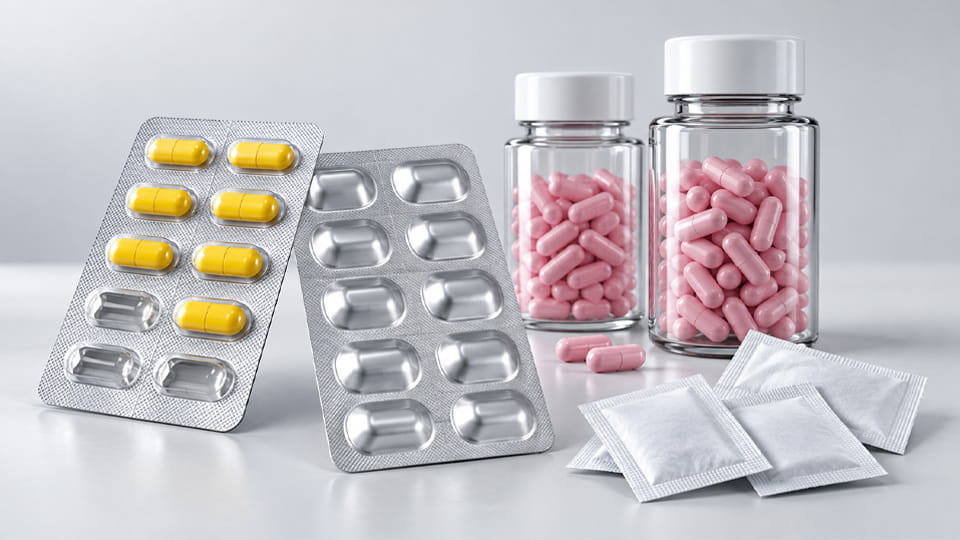
| Θέματα συσκευασίας | Διαρροές ή κακές στεγανοποιήσεις αφήνουν την υγρασία μέσα/έξω, προκαλώντας απρόβλεπτη υγρασία κελύφους | Μόλυνση ή εισροή υγρασίας από το περιβάλλον | Χρησιμοποιήστε ερμητική συσκευασία (Κυψέλες Alu-Alu, θήκες από αλουμινόχαρτο); εξασφαλίστε τις σωστές σφραγίδες; περιλαμβάνουν αποξηραντικά |
| Ακραίες Θερμοκρασίες | Η υψηλή θερμοκρασία μαλακώνει τη ζελατίνη (~30–32°C σημείο τήξεως), προωθεί τη διασύνδεση; πολύ χαμηλή θερμοκρασία μπορεί να συμπυκνώσει την υγρασία | Η θερμότητα μπορεί να επιταχύνει την υποβάθμιση του γεμίσματος; Το πάγωμα μπορεί να βλάψει ορισμένα API | Φυλάσσεται στους συνιστώμενους 15–25°C (ζελατίνη); αποφύγετε τα θερμά σημεία και το ηλιακό φως |
Επομένως, ο πρακτικός στόχος δεν είναι «να διατηρούνται στεγνές οι κάψουλες». Είναι η διατήρηση της επικυρωμένης ισορροπίας μεταξύ περιεκτικότητα σε υγρασία της κάψουλας, σχετική υγρασία, υδάτινη δραστηριότητα, διατύπωση, συσκευασία, και συνθήκες αποθήκευσης.
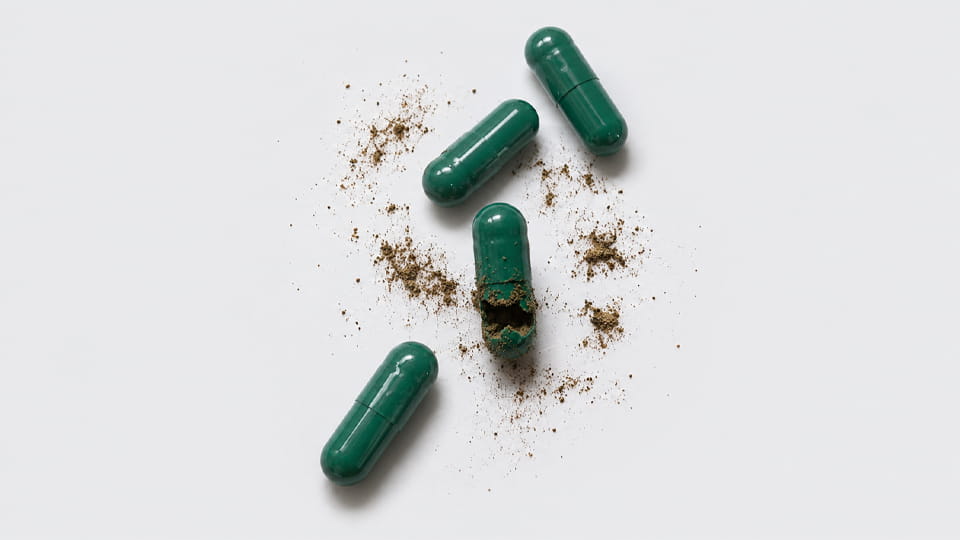
Ένα σκληρό κέλυφος κάψουλας δεν είναι ένα αδρανές πλαστικό δοχείο. Ζελατίνη, HPMC, και το pullulan είναι υδρόφιλα πολυμερή συστήματα, και το νερό αλληλεπιδρά με τη δομή τους. Οι μονογραφίες USP και για τους τρεις τύπους σκληρού κελύφους περιλαμβάνουν ρητά το νερό ως μέρος της σύνθεσης του κελύφους.
Για ζελατίνη, Το νερό συμβάλλει επίσης στην ευελιξία. Υπό κοινώς αναφερόμενες συνθήκες χονδρικής 15–25°C και 30–65% RH, Τα κελύφη σκληρής ζελατίνης συνήθως περιέχουν περίπου 13– 16% νερό. Έρευνα που εξετάζει την απόδοση της κάψουλας αναφέρει ότι η πτώση κάτω από αυτό το κανονικό εύρος προκαλεί σταδιακή απώλεια ευελιξίας, ενώ το υπερβολικό νερό κάνει το κέλυφος πιο μαλακό και πιο κολλώδες.
Γι' αυτό υγρασία κάψουλας δεν μπορεί να κριθεί μόνο από το δωμάτιο RH. Το σύστημα κινείται συνεχώς προς μια ισορροπία που περιλαμβάνει τον περιβάλλοντα αέρα, κέλυφος κάψουλας, διατύπωση, και το headspace πακέτου.
Η USP διακρίνει επίσης περιεκτικότητα σε νερό από υδάτινη δραστηριότητα (ω). Η συνολική υγρασία σας λέει πόσο νερό υπάρχει, ενώ η υδάτινη δραστηριότητα βοηθά να περιγράψει πόσο από αυτό το νερό είναι διαθέσιμο για συμμετοχή σε σωματική, χημική ουσία, ή μικροβιολογικές διεργασίες. Για υγροσκοπική σκόνη μέσα σε κάψουλα, Αυτή η διάκριση είναι χρήσιμη επειδή δύο υλικά με παρόμοια ολική υγρασία μπορεί να εξακολουθούν να έχουν διαφορετική τάση να ανταλλάσσουν νερό.
Ένα απλοποιημένο μοντέλο μετανάστευσης υγρασίας μοιάζει με αυτό:
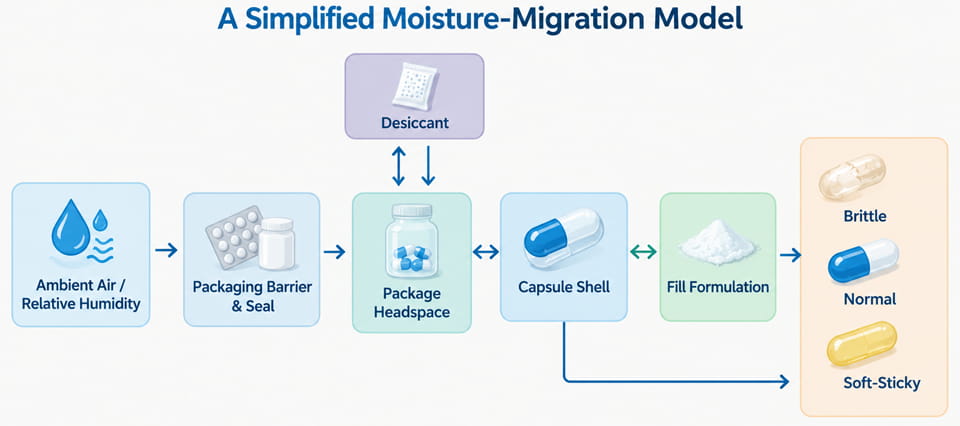
Το βασικό σημείο είναι ότι το νερό μπορεί να κινηθεί και προς τις δύο κατευθύνσεις. Μια συσκευασία μπορεί να επιβραδύνει την είσοδο υγρασίας από έξω, ενώ το νερό εξακολουθεί να ανακατανέμεται μεταξύ του κελύφους και του γεμίσματος μέσα στη σφραγισμένη συσκευασία. Μελέτες των κάψουλες σκληρής ζελατίνης έχουν δείξει ακριβώς αυτή τη μεταφορά υγρασίας από κέλυφος σε γέμισμα.
Ο πιο συνηθισμένος μηχανισμός είναι η υπερβολική απώλεια υγρασίας από το κέλυφος.
Χαμηλός σχετική υγρασία δημιουργεί μια κλίση υγρασίας μεταξύ του κελύφους και του περιβάλλοντός του. Καθώς η ζελατίνη χάνει νερό, γίνεται λιγότερο εύκαμπτο και λιγότερο ικανό να απορροφά τη μηχανική καταπόνηση. Η κλασική έρευνα βρήκε μια ισχυρή σχέση μεταξύ της ευθραυστότητας της κάψουλας ζελατίνης και της RH, ενώ μεταγενέστερες μελέτες έχουν επανειλημμένα επιβεβαιώσει ότι η μηχανική συμπεριφορά αλλάζει καθώς μειώνεται η υγρασία του κελύφους.
Στην πράξη, εύθραυστα κοχύλια μπορεί να εμφανιστούν ως:
Το σημαντικό διαγνωστικό ερώτημα είναι όπου σπάει η κάψουλα. Εάν οι κενές κάψουλες σπάσουν πριν εισέλθει η σκόνη στο σώμα, διερευνήστε την κατάσταση του κελύφους, αποθήκευση, ηλικία κάψουλας, περιβαλλοντική RH, επαφή εργαλείων, και πρώτα σκουπίστε την ηλεκτρική σκούπα. Εάν το ράγισμα συμβεί κυρίως κατά το κλείσιμο, υπερπλήρωση, βάθος κλεισίματος, ευθυγραμμία, και η υπερβολική μηχανική δύναμη γίνονται πιο πιθανό να συμβάλλουν. Η ανάλυση ελαττώματος πλήρωσης κάψουλας Jinlu κάνει την ίδια διάκριση μεταξύ αδυναμίας κελύφους και αιτιών εξοπλισμού/διεργασίας.
Συνήθως η κλίση υγρασίας κινείται προς την αντίθετη κατεύθυνση.
Σε υψηλή υγρασία, η ζελατίνη απορροφά το νερό. Το νερό πλαστικοποιεί το πολυμερές, μείωση της σκληρότητας και της ακαμψίας. ΕΝΑ 2025 ελεγχόμενη μελέτη που εκθέτει κελύφη ζελατίνης και HPMC σε 25°C/75% RH βρήκε ουσιαστική μαλάκυνση που σχετίζεται με την υγρασία στη ζελατίνη και σημαντική μείωση της μηχανικής της αντοχής; Το HPMC διατήρησε καλύτερα τη μηχανική ακεραιότητα κάτω από την ίδια δοκιμή.
Σε όροφο παραγωγής, Η υπερβολική υγρασία μπορεί να εμφανιστεί ως μαλακά σώματα, αλλαγές διαστάσεων, κακή κίνηση του καλύμματος/σώματος, κάψουλες που κολλάνε η μία στην άλλη, αστάθεια σίτισης, ή παραμόρφωση. Προηγούμενες μηχανικές μελέτες βρήκαν επίσης ότι η μαλάκυνση της κάψουλας έγινε ιδιαίτερα αισθητή καθώς η RH κινήθηκε πάνω από χονδρικά 60%, αν και η ακριβής απόκριση εξαρτάται από τη σύνθεση του κελύφους.
Η θερμοκρασία έχει σημασία γιατί αλλάζει τόσο τη συμπεριφορά του υλικού όσο και τη δυναμική μεταφοράς υγρασίας. Η ξαφνική κίνηση μεταξύ δροσερών και θερμών περιβαλλόντων μπορεί επίσης να δημιουργήσει κίνδυνο τοπικού συμπύκνωσης. Για το λόγο αυτό, αποφύγετε να αντιμετωπίζετε την RH και τη θερμοκρασία ως άσχετους ελέγχους; το προϊόν βιώνει και τα δύο ταυτόχρονα.
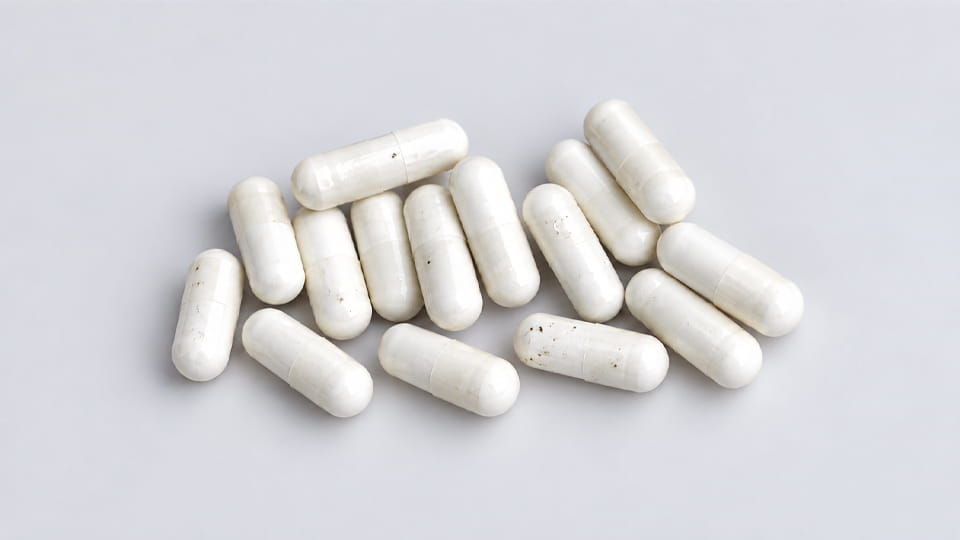
Ναι—και αυτή είναι μία από τις αιτίες που παραβλέπονται πιο συχνά ευθραυστότητα κάψουλας ζελατίνης.
Ας υποθέσουμε ότι η αποθήκη σας ελέγχεται σωστά, οι κλειστές κάψουλές σας πέρασαν από την εισερχόμενη επιθεώρηση, και τα άδεια κοχύλια λειτουργούν καλά στο μηχάνημα. Μετά το γέμισμα και αρκετές εβδομάδες αποθήκευσης, ωστόσο, οι έτοιμες κάψουλες σπάνε εύκολα.
Το γέμισμα μπορεί να τραβάει νερό από το κέλυφος.
Μια γνωστή μελέτη Journal of Pharmaceutical Sciences διερεύνησε μια εξαιρετικά υγροσκοπική φαρμακευτική ουσία γεμισμένη σε κάψουλες σκληρής ζελατίνης. Η υγρασία μεταφέρεται από το κέλυφος στη σκόνη, μείωση της περιεκτικότητας σε νερό κελύφους αρκετά ώστε να δημιουργήσει πρόβλημα ευθραυστότητας. Οι ερευνητές χρησιμοποίησαν σχέσεις ρόφησης/εκρόφησης υγρασίας για να προβλέψουν την ισορροπία και να επανασχεδιάσουν την ισορροπία υγρασίας.
Αυτός είναι ο λόγος για τον οποίο οι ομάδες σύνθεσης θα πρέπει να αξιολογούν περισσότερα από την αρχική απώλεια της σκόνης κατά την ξήρανση.
ΕΝΑ υγροσκοπική σκόνη έχει συγγένεια με το ατμοσφαιρικό νερό. Εάν η υδάτινη δραστηριότητα και τα χαρακτηριστικά υγρασίας ισορροπίας διαφέρουν έντονα από αυτά του κελύφους της κάψουλας, Η μετανάστευση υγρασίας μπορεί να συνεχιστεί ακόμα και μετά τη σφράγιση της κάψουλας. Το πλαίσιο υδάτινης δραστηριότητας του USP είναι χρήσιμο εδώ, επειδή το aw αντιμετωπίζει τη θερμοδυναμική διαθεσιμότητα του νερού και όχι απλώς τη μέτρηση του συνολικού ποσοστού νερού.
Με πρακτικούς όρους, Οι ομάδες QA και σύνθεσης θα πρέπει να ρωτήσουν:
Είναι το γέμισμα πολύ στεγνό? Είναι έντονα υγροσκοπικό? Ποια είναι η ισόθερμη προσρόφησής του? Ποια είναι η υδάτινη δραστηριότητα του? Τι συμβαίνει αφού το κέλυφος και η σύνθεση φτάσουν σε ισορροπία?
Μην υποθέτετε ότι αρκεί να προσδιορίσετε ανεξάρτητα την υγρασία του κελύφους και την υγρασία της σκόνης. Η σταθερότητα του τελικού προϊόντος εξαρτάται από το συνδυασμένο σύστημα.
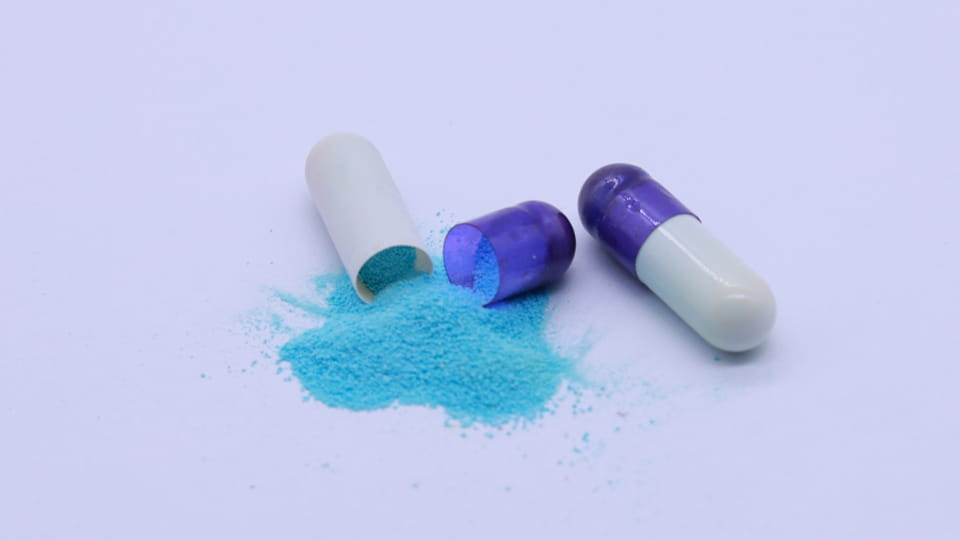
Για άδειες κάψουλες σκληρής ζελατίνης, η φαρμακευτική βιβλιογραφία αναφέρει συνήθως περίπου 15–25°C και 30–65% RH ως κατάλληλο παράθυρο εργασίας/αποθήκευσης που σχετίζεται με την κανονική περιοχή 13–16% κελύφους νερού. Ορισμένες εμπορικές και βιομηχανικές οδηγίες χρησιμοποιούν μια ελαφρώς στενότερη ζώνη υγρασίας όπως 35–65% RH. Αυτές οι τιμές θα πρέπει να αντιμετωπίζονται ως γενική τεχνική καθοδήγηση — όχι ως καθολική προδιαγραφή. Οι εγκεκριμένες οδηγίες αποθήκευσης και το πιστοποιητικό/προδιαγραφή του προμηθευτή της κάψουλάς σας θα πρέπει να έχουν προτεραιότητα.
Για αποθήκευση κάψουλας ζελατίνης, αποφύγετε την παρατεταμένη έκθεση σε πολύ ξηρό αέρα, υψηλή υγρασία, υπερβολική ζέστη, άμεσο ηλιακό φως, και επαναλαμβανόμενο άνοιγμα συσκευασίας. Διατηρήστε τις κενές κάψουλες στην αρχική τους προστατευτική συσκευασία μέχρι να τις χρειαστούν, και αφήστε τα σφραγισμένα δοχεία να εξισορροπηθούν στο δωμάτιο επεξεργασίας πριν τα ανοίξετε όταν υπάρχει σημαντική διαφορά θερμοκρασίας. Αυτές οι πρακτικές ακολουθούν την ευρύτερη αρχή USP ότι η φαρμακευτική αποθήκευση πρέπει να προστατεύει τα υλικά από την υγρασία και την υπερβολική περιβαλλοντική έκθεση και να διατηρεί επισημασμένες συνθήκες αποθήκευσης.
Για το γεμισμένο φαρμακευτικό προϊόν, μην αντιγράψετε απλώς το εύρος αποθήκευσης με κενό κέλυφος στην ετικέτα του προϊόντος σας. Οι συνθήκες διάρκειας ζωής πρέπει να υποστηρίζονται από δεδομένα σταθερότητας που δημιουργούνται με το σκεύασμα στο προβλεπόμενο σύστημα κλεισίματος δοχείων. I Q1A(R2), όπως εγκρίθηκε από τον FDA, καθιερώνει πλαίσια δοκιμών σταθερότητας που περιλαμβάνουν συνθήκες ελεγχόμενης θερμοκρασίας/RH; αυτές είναι συνθήκες μελέτης σταθερότητας, όχι αυτόματα τις προδιαγραφές λειτουργίας για κάθε δωμάτιο με άδεια κάψουλες.
Ζελατίνη vs. HPMC vs. Πουλουλάν
Η σύγκριση παρακάτω συνοψίζει την έρευνα για την απορρόφηση υγρασίας που έχει αξιολογηθεί από ομοτίμους, Ορισμοί κελύφους USP, Τεχνικές προδιαγραφές ACG/Qualicaps, και πρόσφατες μελέτες υγρασίας. Το HPMC έχει γενικά χαμηλότερη αρχική υγρασία και μεγαλύτερη μηχανική ελαστικότητα χαμηλής RH; Η πουλλουλάνη απορροφά λιγότερη υγρασία από τη ζελατίνη, αλλά εξακολουθεί να αλλάζει μηχανικά με τη διακύμανση της υγρασίας.
| Κέλυφος κάψουλας | Τυπική συμπεριφορά υγρασίας | Κίνδυνος ευθραυστότητας σε χαμηλή υγρασία | Συμπεριφορά σε υψηλή υγρασία | Πρακτική εφαρμογή |
| Ζελατίνη | Κοινή υγρασία κελύφους περίπου 13–16% | Υψηλότερη ευαισθησία από τα τρία | Μπορεί να μαλακώσει, φουσκώνουν και γίνονται κολλώδεις | Συμβατικά φαρμακευτικά προϊόντα και συμπληρώματα όπου η υγρασία είναι καλά ελεγχόμενη |
| HPMC | Χαμηλότερη υγρασία κελύφους, συνήθως περίπου 3-8% ανάλογα με το προϊόν | Γενικά πολύ πιο ανθεκτικό | Ακόμα ανταλλάσσει υγρασία, αλλά συχνά διατηρεί τη μηχανική ακεραιότητα καλύτερα από τη ζελατίνη | Υγροσκοπικά ή ευαίσθητα στην υγρασία γεμίσματα; προϊόντα φυτικής προέλευσης |
| Πουλουλάν | Χαμηλότερη απορρόφηση υγρασίας από τη ζελατίνη; Η κατακράτηση υγρασίας διαφέρει από το HPMC | Μπορεί ακόμα να γίνει εύθραυστο εάν στεγνώσει επαρκώς | Η διακύμανση της υγρασίας μπορεί να αλλάξει τις μηχανικές ιδιότητες | Προϊόντα φυτικής προέλευσης, ειδικά όπου άλλες ιδιότητες φραγμού είναι επίσης σημαντικές |
Για μια βαθύτερη σύγκριση υλικού, δείτε το Jinlu's Οδηγός Gelatin Capsule vs HPMC Capsule, Οδηγός κάψουλας Pullulan, και Οδηγός άδειας κάψουλες. Το υπάρχον περιεχόμενο του Jinlu βοηθά επίσης στην αποφυγή υπερφόρτωσης αυτού του άρθρου με θέματα υλικού κάψουλας που αξίζουν τη δική τους πρόθεση αναζήτησης.
Καλός συσκευασία κάψουλας δεν «παγώνει» το περιεχόμενο υγρασίας της κάψουλας. Η δουλειά του είναι να ελέγχει τον ρυθμό με τον οποίο το εξωτερικό περιβάλλον αλλάζει το εσωτερικό σύστημα.
USP <671> αξιολογεί την απόδοση του δοχείου χρησιμοποιώντας μετάδοση υγρασίας-ατμού, και η έρευνα για τις φαρμακευτικές συσκευασίες δείχνει γιατί αυτό έχει σημασία: διαφορετικές δομές συσκευασίας μπορούν να παράγουν πολύ διαφορετικούς ρυθμούς εισόδου υγρασίας και επομένως διαφορετική σταθερότητα προϊόντος.
| Επιλογή συσκευασίας | Σχετική προστασία από την υγρασία | Πρακτική καθοδήγηση |
| Κυψέλη PVC | Χαμηλή έως μέτρια | Οικονομικό για σκευάσματα των οποίων τα δεδομένα σταθερότητας δείχνουν ότι αυτός ο φραγμός είναι επαρκής |
| Κυψέλη PVC/PVDC | Υψηλότερο από το απλό PVC | Χρήσιμο όταν απαιτείται περισσότερη προστασία από την υγρασία χωρίς να μετακινείται απευθείας σε αλουμίνιο ψυχρής μορφής |
| Κυψέλη ψυχρής μορφής Alu-Alu | Πολύ ψηλά | Ισχυρός υποψήφιος για προϊόντα υψηλής ευαισθησίας στην υγρασία ή απαιτητικά περιβάλλοντα διανομής |
| Μπουκάλι HDPE + αποτελεσματικό σφράγισμα κλεισίματος/επαγωγής | Δυνητικά υψηλό σε επίπεδο συστήματος | Η απόδοση εξαρτάται από τη φιάλη, πλοίο της γραμμής, κλείσιμο, headspace, ακεραιότητα σφραγίδας και σχέδιο ανοίγματος |
| Μπουκάλι + αποξηραντικό | Ενεργός έλεγχος υγρασίας | Ο τύπος και η ποσότητα ξηραντικού πρέπει να επιλέγονται από δεδομένα σταθερότητας/ισορροπίας υγρασίας, όχι υποθέτοντας «περισσότερο, τόσο καλύτερα» |
Σε μια δημοσιευμένη επιταχυνόμενη μελέτη ενός από του στόματος προϊόντος ευαίσθητου στην υγρασία, Οι απλές συσκευασίες με κυψέλες PVC είχαν σημαντικά χειρότερη απόδοση από τις δομές κυψελών υψηλότερου φραγμού, ενώ το αλουμίνιο ψυχρής μορφής και μια φιάλη HDPE σφραγισμένη με επαγωγή παρείχαν σημαντικά ισχυρότερη προστασία. Οι ακριβείς αριθμοί είναι προϊόν- και συγκεκριμένη γεωμετρία, οπότε το μάθημα δεν είναι να αντιγράψετε τη συσκευασία ενός άλλου προϊόντος - είναι να επικυρώσετε το εμπόδιο ενάντια στη δική σας σύνθεση.
Η ίδια αρχή ισχύει για αποξηραντικό. Τα αποξηραντικά μειώνουν την υγρασία του χώρου της συσκευασίας και μπορεί να είναι εξαιρετικά χρήσιμα για γεμίσματα ευαίσθητα στην υγρασία. Αλλά επειδή η ίδια η ευελιξία του κελύφους της ζελατίνης εξαρτάται από το νερό, Το επιθετικό στέγνωμα του άνω χώρου μπορεί θεωρητικά να μετατοπίσει το νερό ισορροπίας μακριά από το κέλυφος. Αυτό είναι ένα συμπέρασμα μηχανικής από καθιερωμένα μοντέλα μεταφοράς υγρασίας κελύφους/πλήρωσης και αποξηραντικού-ισορροπίας: ο σωστός στόχος είναι μια επικυρωμένη ισορροπία υγρασίας, όχι το χαμηλότερο δυνατό RH.
Για περισσότερες λεπτομέρειες συσκευασίας, Η Jinlu έχει ήδη ένα αφιερωμένο Πλήρης οδηγός για τις επιλογές συσκευασίας κάψουλας, Επομένως, αυτό το άρθρο θα πρέπει να παραμείνει εστιασμένο στην αστοχία υγρασίας αντί να επαναλάβει έναν πλήρη οδηγό υλικού κυψέλης.
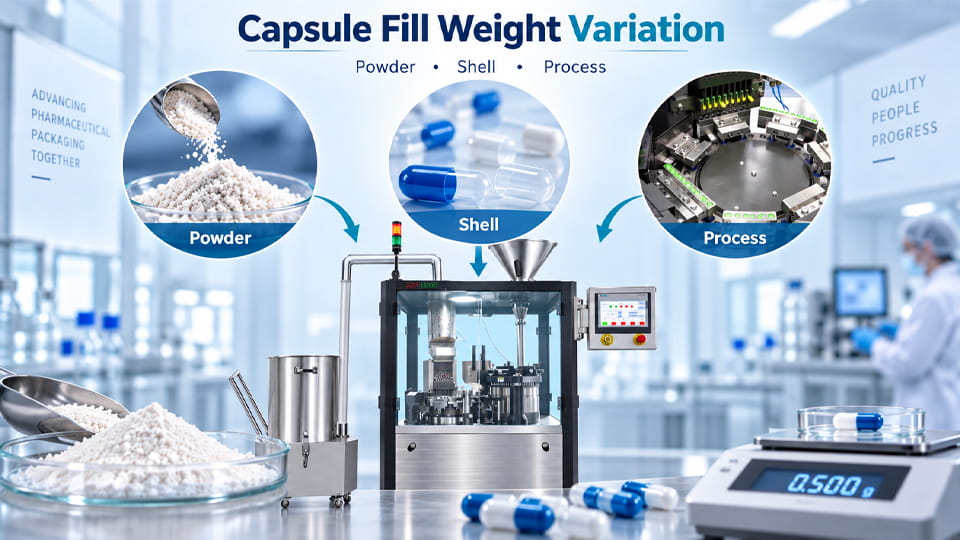
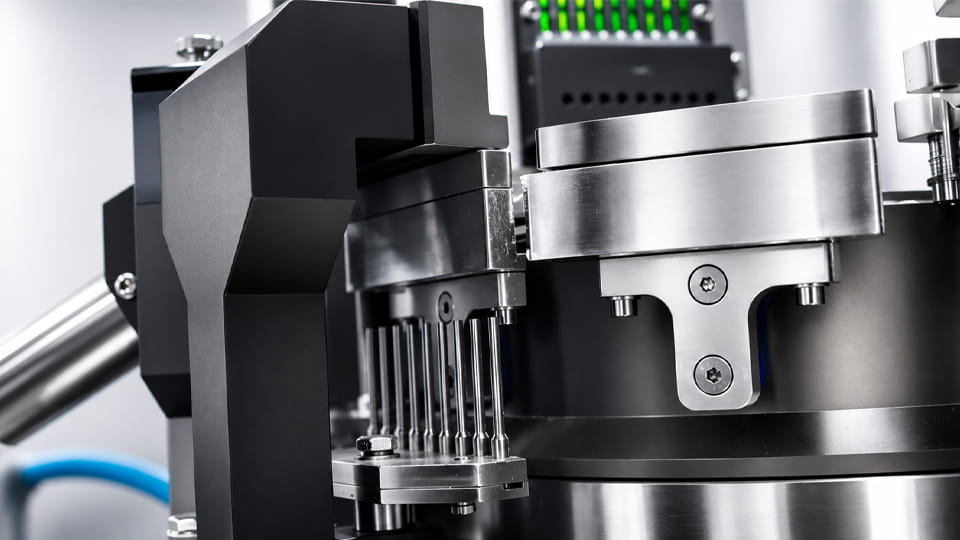
Ο μηχανή πλήρωσης κάψουλας είναι συχνά όπου γίνεται ορατό ένα πρόβλημα υγρασίας ανάντη.
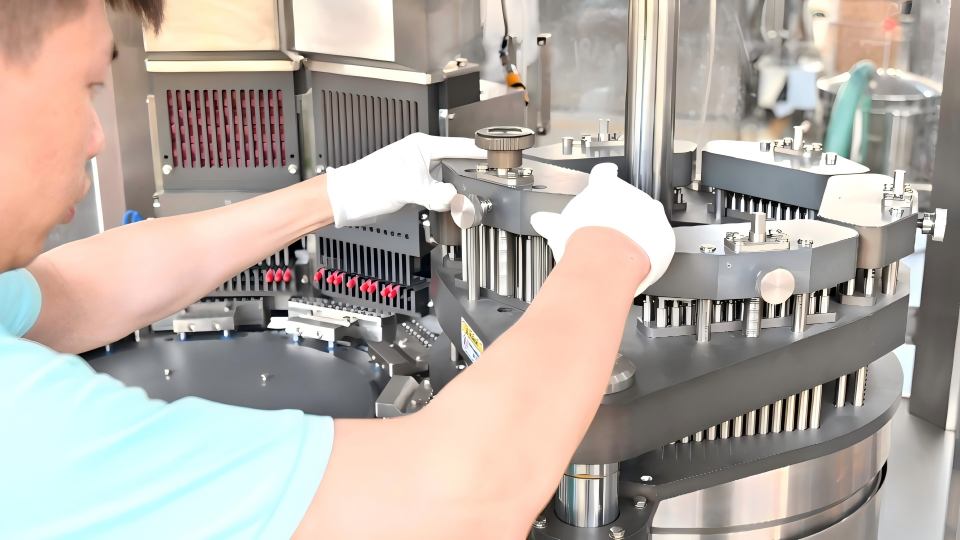
Ένα εύθραυστο κέλυφος μπορεί να επιβιώσει από την αποθήκευση και τη τροφοδοσία αλλά να σπάσει όταν το σώμα της κάψουλας τραβιέται από το καπάκι, όταν το σώμα εισέρχεται στο τμήμα, ή όταν εφαρμόζεται δύναμη κλεισίματος. Ένα μαλακωμένο κέλυφος μπορεί να δημιουργήσει το αντίθετο πρόβλημα: αλλαγές διαστάσεων και υψηλότερη πρόσφυση στην επιφάνεια μπορεί να επηρεάσουν την ομαλή τροφοδοσία, προσανατολισμός, διαχωρισμός καπακιού/σώματος, και κλείδωμα. Οι ξηρές συνθήκες μπορούν επίσης να αυξήσουν τα προβλήματα χειρισμού που σχετίζονται με τη στατική, ενώ η υγρή ή συνεκτική σκόνη μπορεί να δημιουργήσει τις δικές της δυσκολίες σίτισης και δοσολογίας.
Αυτός είναι ο λόγος για τον οποίο οι ομάδες παραγωγής πρέπει να αντισταθούν στο ένστικτο να αποζημιωθούν αμέσως περισσότερο κενό, περισσότερη πίεση κλεισίματος, ή μικρότερη ταχύτητα. Επιθεωρήστε πρώτα τις αχρησιμοποίητες κάψουλες από την ίδια παρτίδα. Συγκρίνετε τη φυσική τους κατάσταση με κάψουλες που έχουν περάσει χρόνο στην αίθουσα πλήρωσης. Ελέγξτε τα αρχεία RH αποθήκης και δωματίου, χρόνος ανοιχτής τσάντας, συμπεριφορά υγρασίας της σύνθεσης, και την υγρασία του κελύφους εάν το μετρήσει το πρόγραμμα QC σας. Στη συνέχεια επιθεωρήστε την υποπίεση, ευθυγράμμιση εργαλείων, όγκος πλήρωσης, ρυθμίσεις δοσολογίας, και βάθος κλεισίματος.
Για παράδειγμα, εάν οι κενές κάψουλες έχουν ήδη ραγίσει κατά τον ήπιο χειροκίνητο χειρισμό, Η αύξηση του κενού του μηχανήματος δεν θα διορθώσει το υποκείμενο πρόβλημα. Εάν οι κάψουλες είναι υγιείς πριν την πλήρωση αλλά χωρίζονται μόνο αφού ένα υπεργεμισμένο σώμα φτάσει στο σταθμό κλεισίματος, το μηχάνημα ή η διαδικασία δοσομέτρησης αξίζει περισσότερη προσοχή.
Jinlu's Ελαττώματα πλήρωσης κάψουλας: Κοινά Προβλήματα, Αιτίες & Οδηγός αντιμετώπισης προβλημάτων καλύπτει τη μηχανική πλευρά—συμπεριλαμβανομένου αποτυχία διαχωρισμού, θραύση, υπερπλήρωση, αδειάζω, ευθυγραμμία, και κλείσιμο ρυθμίσεων—με περισσότερες λεπτομέρειες.
Όταν οι κάψουλες γίνονται ξαφνικά εύθραυστες, μαλακός, ή κολλώδες, χρησιμοποιήστε την ίδια σειρά κάθε φορά:
Πίνακας αντιμετώπισης προβλημάτων υγρασίας κάψουλας
| Σύμπτωμα | Πιθανή αιτία | Τι να επαληθεύσετε πρώτα | Γρήγορη διορθωτική κατεύθυνση |
| Το κέλυφος ραγίζει εύκολα | Απώλεια υγρασίας / χαμηλή RH | Δωμάτιο RH, υγρασία κελύφους, ανοιχτή έκθεση | Επαναφέρετε τις ελεγχόμενες συνθήκες; διαχωρισμός ύποπτων οβίδων |
| Οι κάψουλες σπάνε κατά τον διαχωρισμό | Εύθραυστο κέλυφος ή υπερβολική υποπίεση/μηχανική καταπόνηση | Κατάσταση μη συμπληρωμένου κελύφους + κενό/εργαλείο | Διορθώστε το περιβαλλοντικό πρόβλημα πριν αυξήσετε το κενό |
| Οι κάψουλες γίνονται μαλακές | Υπερβολική πρόσληψη υγρασίας | RH, ιστορικό αποθήκευσης, φράγμα συσκευασίας | Μειώστε την έκθεση και αναθεωρήστε την προστασία φραγμού |
| Οι κάψουλες κολλάνε μεταξύ τους | Υψηλή υγρασία, θερμότητα, παραμόρφωση | RH, θερμοκρασία, σφραγίδα συσκευασίας | Περιβάλλον ελέγχου; αξιολογήσει την επηρεασμένη παρτίδα |
| Οι κάψουλες είναι κανονικά κενές αλλά εύθραυστες μετά το γέμισμα | Υγροσκοπικό/πολύ ξηρό γέμισμα | Συμπλήρωσε aw, δεδομένα ρόφησης, μεταφορά υγρασίας από κέλυφος σε γέμισμα | Επαναξιολογήστε τη συμβατότητα σύνθεσης-κελύφους |
| Η σκόνη γίνεται κολλώδης ή η ροή επιδεινώνεται | Πρόσληψη υγρασίας σε σκόνη | Σκόνη aw, RH, συσκευασία | Ελέγξτε την έκθεση και αξιολογήστε τη σύνθεση/συσκευασία |
| Τα προβλήματα εμφανίζονται μόνο μετά από μήνες στη συσκευασία | Ισορροπία συσκευασίας ή εισροή υγρασίας | Δεδομένα σταθερότητας, MVTR, κλείσιμο, αποξηραντικό | Επαναξιολογήστε το τελικό σύστημα κλεισίματος δοχείων |
Αυτές οι σχέσεις συμπτώματος προς αιτία υποστηρίζονται από μελέτες μεταφοράς υγρασίας ζελατίνης, πρόσφατη έρευνα υγρασίας κάψουλας, Αρχές συσκευασίας USP, και αποδεικτικά στοιχεία αντιμετώπισης προβλημάτων μηχανής πλήρωσης.
Για την πρόληψη ρουτίνας, κρατήστε τις κενές κάψουλες σφραγισμένες μέχρι τη χρήση; παρακολουθεί το πραγματικό περιβάλλον παραγωγής; ελαχιστοποιήστε την περιττή ανοιχτή έκθεση; χαρακτηρίζουν τα υγροσκοπικά σκευάσματα αντί να τα κρίνουν από την εμφάνιση; επιλέξτε το υλικό του κελύφους γύρω από το σκεύασμα; επιλέξτε συσκευασία από δεδομένα φραγμού υγρασίας και σταθερότητας; αποξηραντικό μεγέθους επιστημονικά; και επιβεβαιώστε το τελικό προϊόν στην τελική συσκευασία της αγοράς μέσω ενός κατάλληλου προγράμματος σταθερότητας.
Συνοπτικά, Η ευθραυστότητα ή η κολλώδης κάψουλα είναι σχεδόν πάντα θέμα υγρασίας. Με τον έλεγχο της υγρασίας, επιλέγοντας το σωστό υλικό κάψουλας, και χρησιμοποιώντας κατάλληλη συσκευασία, Οι κατασκευαστές μπορούν να διατηρήσουν την ποιότητα της κάψουλας και να αποφύγουν τους πονοκεφάλους παραγωγής. Για παράδειγμα, Οι λύσεις της Jinlu Packing περιλαμβάνουν ακριβείς περιβαλλοντικούς ελέγχους και μηχανήματα συσκευασίας υψηλού φραγμού για τη διατήρηση των καψουλών στις προδιαγραφές.
Διατήρηση 40–60% RH, αποθήκευση στους 15–25°C (ζελατίνη), χρησιμοποιώντας κυψέλες από αλουμινόχαρτο ή αποξηραμένα μπουκάλια, και η επιλογή τύπων καψουλών σταθερών στην υγρασία είναι το κλειδί για την αποφυγή ευθραυστότητας ή κολλώδους. Όταν προκύπτουν ζητήματα, ανατρέξτε στη λίστα ελέγχου αντιμετώπισης προβλημάτων και στο διάγραμμα ροής παραπάνω: αναγνωρίστε εάν το πρόβλημα οφείλεται σε χαμηλή ή υψηλή υγρασία, στη συνέχεια διορθώστε το περιβάλλον ή τον εξοπλισμό ανάλογα. Με τις βέλτιστες πρακτικές, οι κάψουλες θα γεμίσουν και θα αποσταλεί με επιτυχία, διατήρηση της αποτελεσματικότητας του προϊόντος και της εμπιστοσύνης των πελατών.
Έτοιμοι να βελτιστοποιήσετε την παραγωγή της κάψουλάς σας? Η Jinlu Packing προσφέρει προηγμένο εξοπλισμό ενθυλάκωσης και συσκευασίας σχεδιασμένο για ευαίσθητα στην υγρασία φαρμακευτικά προϊόντα. Επικοινωνήστε με τους ειδικούς μας για οδηγίες σχετικά με τον έλεγχο της υγρασίας, λύσεις συσκευασίας, και γραμμές πλήρωσης υψηλής ταχύτητας που διατηρούν τις κάψουλες απόλυτα σταθερό από αποθήκη σε ασθενή.
Κάψουλες (ιδιαίτερα ζελατίνη) στεγνώσει όταν η RH του περιβάλλοντος είναι χαμηλή. Τα κελύφη ζελατίνης έχουν συνήθως ~ 13-16% νερό; εάν πέσει η RH (π.χ.. θερμαινόμενη αποθήκη), τα κοχύλια χάνουν την υγρασία και γίνονται εύθραυστα. Για να αποτραπεί αυτό, αποθηκεύστε τα σε ~40–50% RH και 15–25°C. Η χρήση σακουλών ή φυσαλίδων υψηλού φραγμού διατηρεί επίσης την υγρασία τους.
Όταν η RH είναι υψηλή, οι κάψουλες απορροφούν την υγρασία και μαλακώνουν. Σε αυξημένη υγρασία ή θερμοκρασία, η ζελατίνη γίνεται ζελατινώδης και μπορεί να κολλήσει μεταξύ τους. Αυτός είναι ο λόγος για τον οποίο χρησιμοποιούνται συσκευασίες blister ή αποξηραντικά: κρατούν την υγρασία έξω. Αν δείτε κολλώδεις κάψουλες, ελέγξτε ότι η συσκευασία ήταν σφραγισμένη και χαμηλότερο RH αποθήκευσης.
Ναί. Μια πολύ ξηρή σκόνη μέσα μπορεί να τραβήξει την υγρασία από ένα υγρό κέλυφος ζελατίνης, καθιστώντας το εύθραυστο. Επίσης, ένα πολύ υγρό ή λιπαρό γέμισμα μπορεί να προσθέσει υγρασία σε ένα πιο στεγνό κέλυφος. Χρησιμοποιήστε κάψουλες που έχουν αξιολογηθεί για τον τύπο πλήρωσής σας (π.χ.. HPMC για υγροσκοπικές σκόνες) και εξισορροπήστε την υγρασία του κελύφους και της πλήρωσης για να ελαχιστοποιήσετε τη μετανάστευση.
Παρακολουθήστε το RH της περιοχής παραγωγής σας. Εάν είναι εκτός του συνιστώμενου εύρους 35–65%., πιθανώς ο ένοχος είναι η υγρασία. Ελέγξτε επίσης την περιεκτικότητα σε υγρασία της άδειας κάψουλας εάν είναι δυνατόν. Συχνές αστοχίες σε συγκεκριμένες εποχές (χειμώνας vs. καλοκαίρι) συχνά υποδεικνύουν περιβαλλοντικά θέματα RH.
Οι κάψουλες HPMC προσφέρουν την καλύτερη αντοχή στην υγρασία; έχουν πολύ χαμηλή υγρασία βάσης και πολύ μικρότερη διαπερατότητα υγρασίας. Το Pullulan είναι καλύτερο από τη ζελατίνη αλλά όχι τόσο καλό όσο το HPMC. Η ζελατίνη είναι λιγότερο ανθεκτική στην υγρασία.
Τα αποξηραντικά μπορούν να βοηθήσουν σε μπουκάλια ή σακουλάκια, αλλά χρησιμοποιήστε τα με σύνεση. Εάν στεγνώσετε υπερβολικά τις κάψουλες με πολύ ξηραντικό, μπορεί να γίνουν εύθραυστα. Τυπικά, μία συσκευασία πυριτίου ανά φιάλη (με κατάλληλο μέγεθος) είναι επαρκής. Δοκιμάστε τις παρτίδες με και χωρίς ξηραντικό για να βρείτε τη σωστή ισορροπία.
Η συσκευασία blister σφραγίζει κάθε κάψουλα στη δική της κοιλότητα, παρέχοντας εξαιρετική υγρασία και ελαφρύ φράγμα (ειδικά αλουμινόχαρτο Alu-Alu). Σπουδές (και τον οδηγό συσκευασίας της Jinlu) Οι φουσκάλες δείχνουν «ανώτερη προστασία από την υγρασία και το φως» σε σύγκριση με τα χύμα μπουκάλια. Οι φιάλες είναι πιο οικονομικές για μεγάλους όγκους, αλλά βασίζονται σε στεγανοποιητικά καπάκια και αποξηραντικό.
Οχι. Η περιεκτικότητα σε υγρασία μετρά την ποσότητα του νερού που υπάρχει. Η δραστηριότητα του νερού περιγράφει τη θερμοδυναμική διαθεσιμότητα του νερού και είναι ιδιαίτερα χρήσιμη κατά την αξιολόγηση της μεταφοράς υγρασίας, χημική σταθερότητα, και συμπεριφορά σκευάσματος.
Συχνά, Ναί. Τα εμπορικά κελύφη HPMC περιέχουν γενικά πολύ λιγότερο νερό από τη ζελατίνη και διατηρούν τις μηχανικές ιδιότητες καλύτερα σε χαμηλή RH. Το Qualicaps τοποθετεί ειδικά τις κάψουλες HPMC για υγροσκοπικά σκευάσματα, και συγκριτική έρευνα αναφέρει ασθενέστερη απορρόφηση υγρασίας για HPMC από τη ζελατίνη ή την πουλλουλάνη. Η τελική επιλογή εξακολουθεί να απαιτεί δοκιμή συμβατότητας σκευάσματος και σταθερότητας.
Δεν υπάρχει καθολικός νικητής. Οι κυψέλες υψηλού φραγμού όπως το αλουμίνιο ψυχρής μορφής παρέχουν πολύ ισχυρή προστασία, ενώ μια σωστά κατασκευασμένη φιάλη HDPE, επαγωγική σφράγιση, και το αποξηραντικό σύστημα μπορεί επίσης να αποδώσει καλά. Επιλέξτε ανάλογα με την ευαισθησία της σύνθεσης στην υγρασία, αγορές-στόχους, χρησιμοποιήστε μοτίβο, MVTR, ακεραιότητα σφραγίδας, και αποτελέσματα σταθερότητας.
Αναφορές:
1.Μια μελέτη για την ευθραυστότητα της κάψουλας ζελατίνης: μεταφορά υγρασίας μεταξύ του κελύφους της κάψουλας και του περιεχομένου του —— PubMed
2.Η ευθραυστότητα της κάψουλας ζελατίνης ως συνάρτηση της σχετικής υγρασίας σε θερμοκρασία δωματίου —— ScienceDirect
3.Ιδιότητες ρόφησης υγρασίας και εκρόφησης ζελατίνης, HPMC και σκληρές κάψουλες pullulan —— PubMed
4.Δραστηριότητα νερού —— USP <922>
5.Συγκριτική αξιολόγηση κελύφους κάψουλας εισπνοής ζελατίνης και HPMC που εκτίθενται σε συνθήκες προσομοίωσης υγρασίας —— PubMed
6.Επιλογή συσκευασίας για προστασία από την υγρασία για στερεά, από του στόματος φαρμακευτικά προϊόντα —— Ηλεκτρονική βιβλιοθήκη WILEY