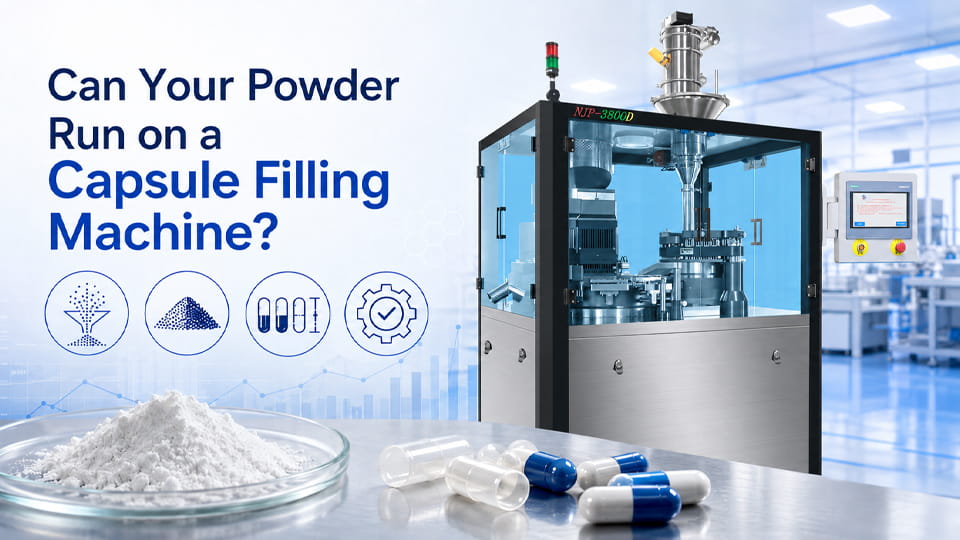
Αγοράζοντας α Μηχανή πλήρωσης καψουλών δεν είναι απλώς μια απόφαση ταχύτητας και τιμής. Ένα μηχάνημα μπορεί να σχεδιαστεί για να γεμίζει σκόνη, αλλά η πραγματική σας σύνθεση μπορεί ακόμα να γεφυρωθεί στη χοάνη, κολλήστε στα εξαρτήματα δοσολογίας, παράγουν ασταθές βάρος πλήρωσης κάψουλας, δημιουργούν υπερβολική σκόνη, ή να συμπεριφέρονται διαφορετικά όταν η γραμμή μετακινείται από δοκιμαστική ταχύτητα σε πλήρη παραγωγή. Η συμπεριφορά της φαρμακευτικής σκόνης είναι πολυδιάστατη, και το USP προειδοποιεί συγκεκριμένα ότι κανένα απλό τεστ ροής δεν μπορεί να το χαρακτηρίσει πλήρως.
Η καλύτερη ερώτηση είναι:
Μπορεί αυτό το μηχάνημα να γεμίζει επανειλημμένα τη σύνθεση μου στο απαιτούμενο μέγεθος κάψουλας, γεμίστε το βάρος, ακρίβεια και ταχύτητα παραγωγής?
Γρήγορη απάντηση: Πολλά σκευάσματα σκόνης μπορούν να ενθυλακωθούν, αλλά η συμβατότητα εξαρτάται από την αλληλεπίδραση μεταξύ ρευστότητα σκόνης, χύδην πυκνότητα, χτυπημένη πυκνότητα, κατανομή μεγέθους σωματιδίων, υγρασία, συνεκτικότης, συμβατότητα, στόχος πλήρωσης βάρους, μέγεθος κάψουλας και μηχανισμός δοσολογίας του μηχανήματος. Ο πιο αξιόπιστος τρόπος για να επιβεβαιώσετε τη συμβατότητα είναι να δοκιμάσετε την πραγματική σύνθεση στο προτεινόμενο εξοπλισμός πλήρωσης κάψουλας κάτω από ρεαλιστικές συνθήκες λειτουργίας. Έρευνα που συγκρίνει συστήματα πλήρωσης κάψουλας δείχνει ότι διαφορετικές αρχές δοσολογίας μπορεί να απαιτούν διαφορετικά χαρακτηριστικά σύνθεσης.
Για αγοραστές, διευθυντές παραγωγής και ομάδες σύνθεσης, αυτή η προσέγγιση είναι πολύ πιο ασφαλής από το να ρωτάς μόνο, «Χειρίζεται αυτό το πληρωτικό κάψουλας πούδρα?”
Πριν κανονίσετε ένα δοκιμή σκόνης ή δοκιμή δείγματος, δημιουργήστε ένα βασικό προφίλ σύνθεσης. Δεν χρειάζεται να μετατρέπετε κάθε αγορά μηχανήματος σε ερευνητικό έργο, αλλά χρειάζεστε αρκετά υλικά δεδομένα για να καταλάβετε πού βρίσκεται ο κίνδυνος. Η USP αντιμετωπίζει τη ροή σκόνης ως συνδυασμό ιδιοτήτων και όχι ως έναν μόνο αριθμό, ενώ οι μελέτες πλήρωσης κάψουλας δείχνουν ότι η πυκνότητα, συνοχή, Η συμπιεστότητα και η ροή μπορούν να αλληλεπιδράσουν διαφορετικά με διαφορετικούς μηχανισμούς πλήρωσης.
| Παράγοντας | Γιατί έχει σημασία στο γέμισμα κάψουλας | Πιθανό πρόβλημα |
| Ρευστότητα σκόνης | Ελέγχει πόσο σταθερά φθάνει το υλικό στη ζώνη δοσολογίας | Γεφύρωση, τρύπα αρουραίων, διαλείπουσα σίτιση |
| Ογκος / χτυπημένη πυκνότητα | Επηρεάζει τον όγκο, συμπεριφορά συσκευασίας και εφικτό βάρος πλήρωσης | Υποπλήρωση, μετατόπιση βάρους, λάθος μέγεθος κάψουλας |
| Κατανομή μεγέθους σωματιδίων | Επηρεάζει τη ροή, σκόνη και διαχωρισμός | Ξεσκόνισμα, απομίξη, ασυνεπής δοσολογία |
| Υγρασία / υγροσκοπικότητα | Μπορεί να αλλάξει τη συνοχή και την πρόσφυση | Συσσωμάτωση, κόλλημα, δύσκολος καθαρισμός |
| Συνεκτικότης / συμβατότητα | Επηρεάζει το σχηματισμό και την απελευθέρωση της δόσης της σκόνης | Αδύναμα βύσματα, κόλλημα, κακή εκτόξευση |
| Μηχανισμός δοσομέτρησης | Διαφορετικά συστήματα αλληλεπιδρούν διαφορετικά με την ίδια σύνθεση | Ένα σκεύασμα μπορεί να χρειάζεται εκ νέου βελτιστοποίηση κατά τη μεταφορά |
USP <616> ορίζει τη χύδην πυκνότητα ως προς τη μάζα της σκόνης σε σχέση με τον όγκο όγκου και τη διάταξη συσκευασίας της, ενώ USP <1063> σημειώνει ότι η ελεγχόμενη ροή σκόνης κατά τη μεταφορά και τη τροφοδοσία μπορεί να επηρεάσει χαρακτηριστικά όπως το βάρος και την ομοιομορφία του περιεχομένου.
Δύο χρήσιμοι δείκτες διαλογής είναι Carr's Index και Αναλογία Hausner, και οι δύο προέρχονται από χύμα και πυκνότητα:
Δείκτης Carr = × 100
Αναλογία Hausner = Πυκνότητα ÷ Μαζική πυκνότητα
Μπορείτε επίσης να χρησιμοποιήσετε τη γωνία ανάπαυσης ως απλή ένδειξη, ενώ η δοκιμή διατμητικής κυψέλης ή η πιο λεπτομερής ρεολογία σκόνης μπορεί να είναι πολύτιμη για δύσκολες συνθέσεις. Το βασικό σημείο είναι να μην μετατρέψετε κανένα αποτέλεσμα σε καθολικό κανόνα επιτυχίας/αποτυχίας. USP <1174> περιγράφει ρητά τη συμπεριφορά της φαρμακευτικής σκόνης ως πολύπλευρη και λέει ότι μια απλή δοκιμή δεν αρκεί για να χαρακτηρίσει επαρκώς τη ροή της σκόνης.
Αυτό έχει σημασία γιατί η σχέση μεταξύ ροής και ακρίβεια πλήρωσης κάψουλας αλλάζει με την αρχή πλήρωσης. Σε μια μελέτη δοσομετρητή-μπεκ, Οι ιδιότητες ροής σκόνης σχετίζονταν έντονα με το βάρος της κάψουλας και τη μεταβλητότητα βάρους. Μια άλλη μελέτη που χρησιμοποιούσε εξοπλισμό πλήρωσης τύπου tamping βρήκε ότι η ροή από μόνη της δεν ήταν αξιόπιστος προγνωστικός δείκτης της ομοιομορφίας βάρους της κάψουλας. Με πρακτικούς όρους: χρησιμοποιήστε το δείκτη Carr, Hausner Ratio και σχετικές δοκιμές για τον εντοπισμό του κινδύνου, στη συνέχεια επιβεβαιώστε την απόδοση στο πραγματικό σύστημα δοσολογίας.
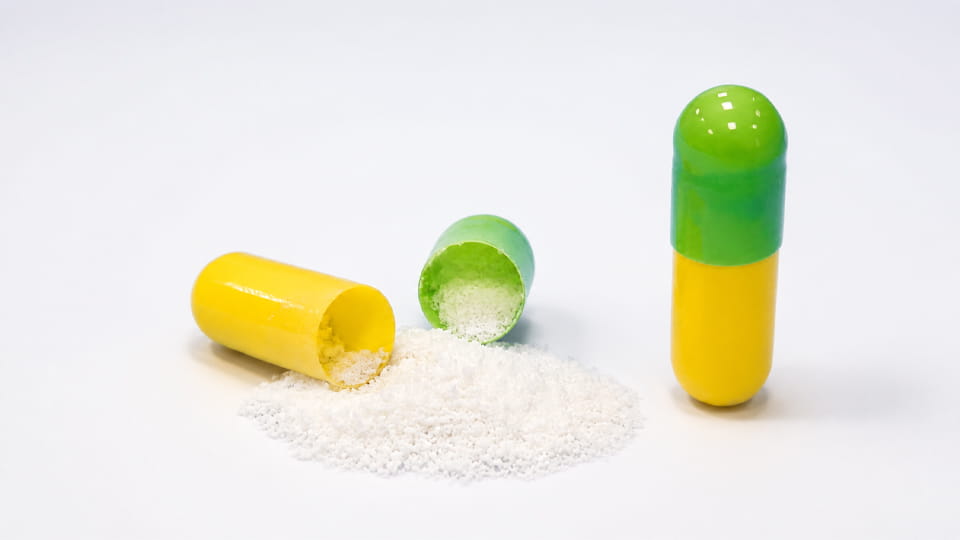
Η χύδην πυκνότητα σάς λέει χονδρικά πόσο φυσικό χώρο καταλαμβάνει η χαλαρή πούδρα σας. Αυτό είναι ιδιαίτερα σημαντικό όταν ένας πελάτης προσδιορίζει κάτι σαν «500 mg σε μέγεθος 0 κάψουλα." Τα χιλιοστόγραμμα περιγράφουν τη μάζα, όχι όγκος. Δυο 500 mg σκευασμάτων με πολύ διαφορετικές πυκνότητες μπορεί να απαιτούν πολύ διαφορετικούς όγκους κάψουλας. USP <616> τονίζει επίσης ότι η χύδην πυκνότητα εξαρτάται τόσο από την πυκνότητα του υλικού όσο και από τον τρόπο με τον οποίο τα σωματίδια συσκευάζονται στο στρώμα σκόνης.
Ένας χρήσιμος υπολογισμός πρώτης διέλευσης είναι:
Απαιτούμενος όγκος χαλαρής σκόνης ≈ Βάρος στόχου πλήρωσης ÷ Μαζική πυκνότητα
Πάρτε ένα Μέγεθος 0 κάψουλα ως απλό παράδειγμα. Ο κατασκευαστής καψουλών Suheung απαριθμεί έναν ονομαστικό όγκο περίπου 0.68 mL για Μέγεθος 0. Εάν το σκεύασμά σας έχει χύδην πυκνότητα από 0.60 g/mL, το χαλαρό υλικό που αντιστοιχεί σε αυτόν τον όγκο είναι περίπου:
0.68 mL × 0.60 g/mL = 0.408 g = 408 mg.
Ετσι, εάν το βάρος πλήρωσης της κάψουλας στόχος είναι 500 mg, Μέγεθος 0 φαίνεται σφιχτό όταν κρίνεται μόνο από τον χαλαρό όγκο όγκου.
Αυτό ισχύει δεν μέσο 500 mg είναι αυτόματα αδύνατο. Η συμπίεση ή το γέμισμα με δοσομετρητή μπορεί να παγιώσει τη σκόνη πέρα από τη χαλαρή της κατάσταση. Αλλά ο υπολογισμός λέει στον μηχανικό σας κάτι χρήσιμο αμέσως: μέγεθος κάψουλας, όγκος δοσολογίας, Πρέπει να επαληθευτεί η συμπαγοποίηση της σκόνης και ο απαιτούμενος βαθμός πύκνωσης παρά να υποτεθεί.
Για περισσότερες λεπτομέρειες σχετικά με τις διαστάσεις του κελύφους, μάθετε περισσότερα από το Jinlu's Πλήρης οδηγός για τα μεγέθη καψουλών, που καλύπτει μεγέθη από 000 διά μέσου 5 και συζητά την ικανότητα σε σχέση με την πυκνότητα της σύνθεσης.
Οι πολύ λεπτές σκόνες μπορεί να είναι συνεκτικές, σκονισμένο ή δύσκολο να κινηθεί σταθερά. USP <786> σημειώνει ότι για τα μικρά σωματίδια, οι επιφανειακές δυνάμεις συνοχής και πρόσφυσης γίνονται όλο και πιο σημαντικές, που είναι ένας λόγος που οι πολύ λεπτές σκόνες μπορούν να συμπεριφέρονται διαφορετικά από τους χονδροειδείς κόκκους. Η κατανομή μεγέθους σωματιδίων έχει επίσης σημασία όταν τα συστατικά σε ένα μείγμα έχουν πολύ διαφορετικά χαρακτηριστικά σωματιδίων, επειδή ο χειρισμός και οι κραδασμοί μπορούν να συμβάλουν στον κίνδυνο διαχωρισμού.
Η υγρασία προσθέτει μια άλλη μεταβλητή. Μια υγροσκοπική ή κολλώδης σκόνη μπορεί σταδιακά να προσκολληθεί στη χοάνη, δίσκος δοσομέτρησης, καρφίτσες ή επιφάνειες δοσομέτρησης. Αυτό μπορεί να κάνει μια σύνθεση που λειτουργεί καλά αρχικά να γίνει λιγότερο σταθερή αργότερα στην παρτίδα.
Αυτός είναι ο λόγος για τον οποίο μια μηχανή πλήρωσης καψουλών για κολλώδη σκόνη, αφράτο υλικό ή σκόνη κακής ροής θα πρέπει να αξιολογείται ως διαδικασία αντί να επιλέγεται μόνο από ένα φύλλο προδιαγραφών. Οι σημαντικότεροι ΚΑΕ φαρμακευτικού εξοπλισμού προσφέρουν διαμορφώσεις που στοχεύουν ειδικά σε δύσκολα προϊόντα.
Δύο σημαντικές αρχές δοσολογίας βιομηχανικής σκόνης είναι πείρο σφράγισης / δίσκος δοσομέτρησης και δοσαρκιστής πλήρωση.
Με σύστημα δοσομέτρησης δίσκου, η σκόνη εισέρχεται στις κοιλότητες σε έναν δοσομετρικό δίσκο και σταθεροποιείται σταδιακά από καρφίτσες συμπίεσης πριν τη μεταφορά της δόσης στο σώμα της κάψουλας. Με σύστημα δοσομέτρησης, ένας κοίλος δοσομετρικός σωλήνας εισέρχεται σε ένα κρεβάτι σκόνης, διατηρεί ένα μετρημένο βύσμα σκόνης, μετακινείται στο σώμα της κάψουλας και εκτοξεύει τη δόση.
Κανένα σύστημα δεν είναι παγκοσμίως «καλύτερο». Μια άμεση πειραματική σύγκριση βρήκε διαφορετικές απαιτήσεις για τη ρευστότητα της σύνθεσης, λιπαντικότητα και συμπαγή. Σε εκείνη τη μελέτη, το μηχάνημα δοσομέτρησης απαιτούσε υψηλότερο βαθμό συμπαγούς σύνθεσης, ενώ σχετικά λιγότερο λιπαντικό θα μπορούσε να επαρκεί στη μηχανή δοσομέτρησης. Οι ερευνητές κατέληξαν επίσης στο συμπέρασμα ότι η μεταφορά μιας σύνθεσης μεταξύ των δύο υποκατηγοριών μηχανών θα μπορούσε να είναι δύσκολη.
| Διατύπωση Συμπεριφορά | Πείρο σφράγισης / Δίσκος δοσομέτρησης | Δοχείο |
| Σκόνη που ρέει ελεύθερα | Συνήθως λειτουργεί με κανονική βελτιστοποίηση εγκατάστασης | Συνήθως εφαρμόσιμο εάν μπορεί να διατηρηθεί μια σταθερή δόση |
| Συνεκτικός / σκόνη κακής ροής | Μπορεί να ανταποκρίνεται στις ρυθμίσεις του κρεβατιού πούδρας και της συμπίεσης; απαιτείται δοκιμή | Μπορεί να λειτουργήσει, αλλά πρέπει να επαληθευτεί ο σχηματισμός και η απελευθέρωση του βύσματος |
| Πολύ συμπαγής πούδρα | Συχνά διαχειρίσιμο μέσω των ρυθμίσεων δίσκου και tamp | Μπορεί να υποστηρίξει το σχηματισμό βύσματος; η εξώθηση πρέπει ακόμα να ελέγχεται |
| Κολλώδης / υγροσκοπική σκόνη | Συνιστάται ανεπιφύλακτα η δοκιμή | Συνιστάται ανεπιφύλακτα η δοκιμή |
| Χαμηλή δόση / ειδική σύνθεση | Εξαρτάται από το σχεδιασμό εργαλείων και διαδικασίας | Τα εξειδικευμένα συστήματα δοσομέτρησης χρησιμοποιούνται ευρέως για εφαρμογές χαμηλών δόσεων |
| Μεταφορά από άλλη αρχή δοσολογίας | Μπορεί να χρειαστεί εκ νέου βελτιστοποίηση | Μπορεί να χρειαστεί εκ νέου βελτιστοποίηση |
Επτά πρακτικά προειδοποιητικά σημάδια αξίζουν προσοχή: γέφυρες πούδρας πάνω από την έξοδο της χοάνης; Το υλικό κολλάει πολύ σε επιφάνειες από ανοξείδωτο χάλυβα; το μείγμα δημιουργεί υπερβολικά λεπτά ή σκόνη; Η χύδην πυκνότητα αλλάζει αισθητά μεταξύ των παρτίδων ή κατά τον χειρισμό; Τα συστατικά παρουσιάζουν διαχωρισμό μετά τη μεταφορά; γεμίστε το βάρος παρασύρει κατά τη διάρκεια του τρεξίματος; ή η διαδικασία δεν μπορεί να σχηματιστεί επανειλημμένα, μεταφέρετε και εξάγετε μια σταθερή δόση σκόνης.
Κανένα από αυτά τα συμπτώματα δεν αποδεικνύει ότι η σύνθεσή σας δεν μπορεί να ενθυλακωθεί. Έρευνα με μηχανές πλήρωσης ταμπών έχει δείξει ότι ακόμη και οι σκόνες κακής ροής μπορούν μερικές φορές να αντιμετωπιστούν με τη βελτιστοποίηση του ύψους της κλίνης σκόνης και των ρυθμίσεων του μηχανήματος. Απλώς σου λένε ότι είναι σωστό δοκιμή δείγματος πλήρωσης κάψουλας αξίζει να το κάνετε πριν ολοκληρωθεί η διαμόρφωση του εξοπλισμού.
Για μια άγνωστη σύνθεση, η ισχυρότερη απόδειξη είναι πραγματική δοκιμή σκόνης χρησιμοποιώντας εξοπλισμό που αναπαράγει την προτεινόμενη παραγωγική διαδικασία. Χρησιμοποιήστε το πραγματικό μείγμα παραγωγής όπου είναι πρακτικό, δεν είναι πιο εύκολο υποκατάστατο. Χρησιμοποιήστε την προβλεπόμενη ζελατίνη, HPMC ή άλλο κέλυφος κάψουλας, το προτεινόμενο μέγεθος κάψουλας, και το πραγματικό βάρος πλήρωσης της κάψουλας στόχου.
Ξεκινήστε καταγράφοντας την παρτίδα του σκευάσματος, χύδην πυκνότητα, χτυπημένη πυκνότητα, κέλυφος κάψουλας, μέγεθος, δοσομετρικά μέρη, Επίπεδο κλίνης σκόνης και αρχικές ρυθμίσεις μηχανήματος.
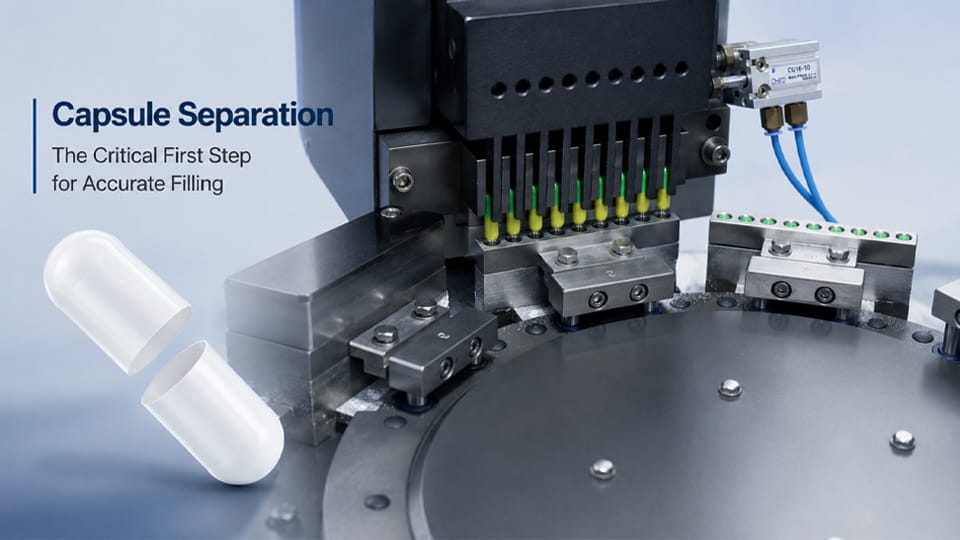
Στη συνέχεια, λειτουργήστε τη μηχανή πλήρωσης της κάψουλας σε περισσότερες από μία συνθήκες. Ξεκινήστε με συντηρητική ταχύτητα για να επιβεβαιώσετε τη σίτιση, διαχωρισμός κάψουλας, δοσολογία, μεταφορά και κλείδωμα. Επόμενος, μεταβείτε στην προγραμματισμένη κανονική ταχύτητα λειτουργίας. Τελικά, δοκιμάστε την στοχευόμενη ανώτερη ταχύτητα παραγωγής όταν αυτή η ταχύτητα αποτελεί μέρος της προδιαγραφής αγοράς σας.
Αυτό έχει σημασία γιατί η ταχύτητα δεν είναι πάντα απλώς ένας αριθμός διεκπεραιώσεως. Μια μελέτη δοσομετρητή διαπίστωσε ότι η αύξηση της ταχύτητας της μηχανής αύξησε τη δόνηση της μηχανής, που συμπύκνωσε την κλίνη σκόνης και άλλαξε σημαντικά το συλλεγόμενο βάρος πλήρωσης στο σύστημα δοκιμής. Άρα μια καθαρή επίδειξη πέντε λεπτών σε χαμηλή ταχύτητα δεν μπορεί, από μόνη της, αποδείξετε ότι το ίδιο σκεύασμα θα συμπεριφέρεται πανομοιότυπα στην ταχύτητα παραγωγής.
Κάψουλες δειγμάτων στο αρχή, μέση και τέλος του τεστ. Καταγράψτε τα συμφωνημένα ακαθάριστα ή καθαρά δεδομένα πλήρωσης, υπολογίστε τα απαιτούμενα στατιστικά στοιχεία μεταβλητότητας και τα έγγραφα που απορρίφθηκαν. Προσέξτε για γεφύρωση πούδρας, πείνα, σκόνη, συσσώρευση υπολειμμάτων, κόλλημα, αδύναμη μεταφορά δόσης, προβλήματα με το κλείδωμα της κάψουλας, διαρροή και υπερβολική ζήτηση καθαρισμού. Αυτές είναι επίσης χρήσιμες συνδέσεις με το Jinlu's Ελαττώματα πλήρωσης κάψουλας: Κοινά Προβλήματα, Αιτίες & Οδηγός αντιμετώπισης προβλημάτων, το οποίο καλύπτει τη διακύμανση πλήρωσης-βάρους, διαρροή, προβλήματα κλειδώματος και τροφοδοσίας.
Κάνω δεν εφαρμόστε έναν επινοημένο καθολικό κανόνα όπως "Ο FDA απαιτεί ±3%". Τα κριτήρια αποδοχής σας πρέπει να προέρχονται από τις προδιαγραφές του προϊόντος, URS, στρατηγική ανάπτυξης ή επικύρωσης και ισχύουσες απαιτήσεις ποιότητας. Για μια δοκιμή δειγμάτων FAT ή σκευάσματος εξοπλισμού, μπορεί να συμφωνήσετε εκ των προτέρων σχετικά με το βάρος πλήρωσης στόχου και τη μεταβλητότητα, σταθερή ταχύτητα παραγωγής, ποσοστό απόρριψης, ποιότητα κλεισίματος κάψουλας, απώλεια σκόνης και σταθερός χρόνος λειτουργίας. Οι ακριβείς τιμές πρέπει να είναι προϊόν- και για συγκεκριμένο έργο.
Ζητήστε τα δεδομένα της δοκιμής, όχι απλώς ένα βίντεο που δείχνει κάψουλες να βγαίνουν από το μηχάνημα. Μια χρήσιμη αναφορά προμηθευτή θα πρέπει να αναφέρει το μοντέλο του μηχανήματος και τη διαμόρφωση δοσολογίας, μέγεθος κάψουλας, παρτίδα σκόνης, στόχο και πραγματική ταχύτητα, αποτελέσματα δειγμάτων βάρους γεμίσματος, απορρίπτει, προσαρμογές που έγιναν κατά τη διάρκεια της δοκιμής, τελικές συνιστώμενες παραμέτρους και τυχόν περιορισμούς που παρατηρήθηκαν.
Για μετασκευαστές μηχανημάτων, χρησιμοποιήστε την ίδια λογική. Βελτιωμένη σίτιση, ανακίνηση, Η εξαγωγή σκόνης ή ο έλεγχος βάρους μπορεί να βελτιώσει μια σταθερή διαδικασία, αλλά η εκ των υστέρων τοποθέτηση δεν μπορεί να θεωρηθεί ότι εξαλείφει μια θεμελιώδη αναντιστοιχία μεταξύ της συμπεριφοράς της σκόνης και της αρχής της δοσολογίας. Αναπαράγετε πρώτα το υπάρχον πρόβλημα, στη συνέχεια συγκρίνετε την τροποποίηση χρησιμοποιώντας την ίδια σκόνη και τα ίδια κριτήρια αποδοχής. Αυτή είναι μια σύσταση μηχανικής που βασίζεται στην τεκμηριωμένη ευαισθησία της πλήρωσης της κάψουλας στα χαρακτηριστικά του υλικού, ρυθμίσεις μηχανής και αρχή δοσολογίας.
Εξετάστε επίσης την κανονική μεταβλητότητα της πρώτης ύλης. Μια δοκιμή που γίνεται με μια ασυνήθιστα εύκολη στη ροή παρτίδα μπορεί να μην αντιπροσωπεύει μελλοντική εμπορική παραγωγή. Όπου είναι δυνατόν, καταγράψτε την πυκνότητα της δοκιμασμένης παρτίδας, προφίλ υγρασίας και μεγέθους σωματιδίων, ώστε οι μεταγενέστερες παρτίδες να μπορούν να συγκριθούν με το υλικό που χρησιμοποιήθηκε κατά την άσκηση πιστοποίησης. Τα κεφάλαια σκόνης του USP υποστηρίζουν την αντιμετώπιση αυτών των ιδιοτήτων υλικού ως σημαντικών εισροών ανάπτυξης της διαδικασίας.
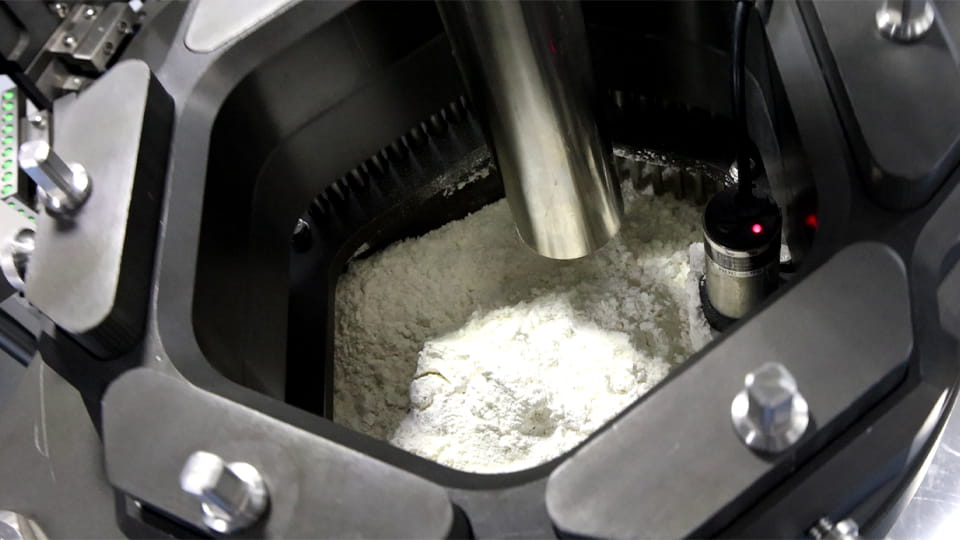
ΕΝΑ κατασκευαστής μηχανής πλήρωσης καψουλών μπορεί να σας δώσει μια πιο χρήσιμη σύσταση όταν το ερώτημά σας περιλαμβάνει δεδομένα διατύπωσης.
Τουλάχιστον, στείλτε το τύπο προϊόντος, στόχος πλήρωσης βάρους, μέγεθος κάψουλας και απαιτούμενη παραγωγική ικανότητα. Ιδανικά, παρέχουν επίσης χύδην πυκνότητα, χτυπημένη πυκνότητα, Carr's Index, Αναλογία Hausner, κατανομή μεγέθους σωματιδίων, πληροφορίες υγρασίας ή υγροσκοπικότητας, εάν η σκόνη ρέει ελεύθερα, συνεκτικό ή κολλώδες, υλικό κελύφους κάψουλας, τις απαιτήσεις συγκράτησης όπου είναι σχετικές και τα κριτήρια βάρους πλήρωσης για το συγκεκριμένο προϊόν.
Αυτές οι πληροφορίες βοηθούν τον προμηθευτή εξοπλισμού να αποφασίσει εάν ένα τυπικό αυτόματο Μηχανή πλήρωσης καψουλών είναι κατάλληλο ή εάν η εφαρμογή απαιτεί διαφορετική τροφοδοσία, δοσολογία, ρύθμιση σκόνης ή περιορισμού. Η τρέχουσα σειρά γεμίσματος κάψουλας της Jinlu περιλαμβάνει αυτόματη, ημιαυτόματος και υγρός εξοπλισμός πλήρωσης.
Όταν μια δοκιμή εμφανίζει προβλήματα, ξεχωριστός βελτιστοποίηση από την πλευρά της μηχανής από βελτιστοποίηση από την πλευρά της σύνθεσης.
Οι αλλαγές από την πλευρά του μηχανήματος μπορεί να περιλαμβάνουν το ύψος του κρεβατιού πούδρας, διαστάσεις δοσομετρικού δίσκου, βάθος ή ακολουθία ακίδων, ρυθμίσεις δοσομετρητή, συμπεριφορά τροφοδοσίας ή ταραχής, ταχύτητα παραγωγής, αδειάζω, Συχνότητα εξαγωγής σκόνης και καθαρισμού. Πειραματική εργασία πλήρωσης ταμπών έχει δείξει ότι το ύψος του κρεβατιού σκόνης και οι ρυθμίσεις σφράγισης μπορούν να επηρεάσουν την απόδοση πλήρωσης της κάψουλας, ειδικά με δύσκολες σκόνες.
Οι αλλαγές στην πλευρά της σύνθεσης μπορεί να περιλαμβάνουν έλεγχο μεγέθους σωματιδίων, κοκκοποίηση, διαχείριση υγρασίας ή αλλαγές στα ολισθητικά, λιπαντικά ή έκδοχα. Αυτές οι αποφάσεις μπορούν να επηρεάσουν περισσότερα από τη μηχανική ικανότητα, άρα ανήκουν στη διατύπωση του πελάτη, ποιοτικές και ρυθμιστικές ομάδες. Έρευνα σε σκευάσματα λιπαντικής κάψουλας δείχνει γιατί έχει σημασία αυτή η προσοχή: Η συγκέντρωση του λιπαντικού μπορεί να επηρεάσει τη συμπεριφορά του όγκου της σκόνης, μεταβλητότητα πλήρωσης και λειτουργία μηχανής με διαφορετικούς τρόπους.
Ένας προμηθευτής μηχανημάτων θα πρέπει να σας πει τι παρατήρησε ο εξοπλισμός. Δεν πρέπει να μετατρέπει τυχαία μια δοκιμή μηχανών σε μια ανεξέλεγκτη άσκηση ανάπτυξης σκευασμάτων.
Όταν συγκρίνετε πληρωτικά καψουλών, κρατήστε τη διαδρομή απόφασης απλή:
Χαρακτηρίστε τη σκόνη → επιβεβαιώστε τον όγκο πλήρωσης → αντιστοιχίστε την αρχή της δοσολογίας → δοκιμάστε την πραγματική σύνθεση → συγκρίνετε τα αποτελέσματα με προκαθορισμένα κριτήρια αποδοχής.
Αυτή η ακολουθία πέντε βημάτων φέρνει διατύπωση, μηχανική και προμήθεια στην ίδια απόφαση αντί να αφήνουμε κάθε ομάδα να αξιολογήσει το μηχάνημα από διαφορετική οπτική γωνία. Η επιστημονική βιβλιογραφία υποστηρίζει αυτή τη συνδυασμένη άποψη υλικού και διεργασίας: Η συμπεριφορά πλήρωσης της κάψουλας εξαρτάται τόσο από τα χαρακτηριστικά της σύνθεσης όσο και από τον μηχανισμό πλήρωσης.
Η πιο αξιόπιστη απάντηση σε «Μπορεί αυτή η μηχανή πλήρωσης κάψουλας να χειριστεί τη πούδρα μου?” Επομένως, δεν αποτελεί δήλωση φυλλαδίου.
Είναι:
Επαναλαμβανόμενα δεδομένα δοκιμής από την πραγματική σας σύνθεση, σχετικά με το προτεινόμενο σύστημα δοσολογίας, στο απαιτούμενο μέγεθος κάψουλας, βάρος πλήρωσης και ταχύτητα παραγωγής.
Τελική λίστα ελέγχου προαγοράς
☐ Το στοχευόμενο βάρος πλήρωσης και το μέγεθος της κάψουλας επιβεβαιώθηκαν
☐ Μετρήθηκε η χύδην πυκνότητα και η πυκνότητα χτύπημα
☐ Δείκτης Carr / Η αναλογία Hausner αναθεωρήθηκε ως δείκτες διαλογής
☐ Μέγεθος σωματιδίων, εκτιμήθηκε η υγρασία και η κολλητικότητα
☐ Η αρχή της δοσολογίας και η μέθοδος σίτισης επιβεβαιώθηκαν
☐ Ολοκληρώθηκε η πραγματική δοκιμή δείγματος σκόνης
☐ Ελεγμένες κανονικές και στοχευόμενες ταχύτητες παραγωγής
☐ Δεδομένα βάρους συμπλήρωσης, απορρίπτει και επεξεργάζεται παρατηρήσεις που καταγράφονται
☐ Τα κριτήρια αποδοχής συμφωνήθηκαν πριν από τη δοκιμή
☐ Τεκμηριώθηκαν οι τελικές ρυθμίσεις και οι γνωστοί περιορισμοί
Τα σύγχρονα πληρωτικά καψουλών έχουν κατασκευαστεί για να είναι εύκαμπτα. Το ίδιο μηχάνημα μπορεί συχνά να τρέξει διαφορετικές σκόνες – αλλά όχι απαραίτητα με την ίδια ρύθμιση.
Για παράδειγμα, Τα αυτόματα πληρωτικά της JinLu (σαν NJP-1200C και NJP-1500D) μπορεί να χειριστεί σκόνες, κόκκους, pellets και ακόμη και micro-tablet. Υποστηρίζουν μεγέθη κάψουλας #000–#5 με εξαρτήματα γρήγορης αλλαγής. Ωστόσο, εάν αλλάζετε από τη μια σκόνη στην άλλη, να είστε έτοιμοι να προσαρμοστείτε: διαφορετικές σκόνες μπορεί να χρειάζονται διαφορετικούς δοσομετρικούς δίσκους ή καρφίτσες συμπίεσης, και θα χρειαστείτε έναν πλήρη καθαρισμό.

Όπως σημειώθηκε προηγουμένως, Η μεταφορά μιας φόρμουλας μεταξύ του δοσομετρικού δίσκου και των μηχανών δοσομέτρησης θα πρέπει να γίνεται προσεκτικά. Εάν έχετε διάφορα προϊόντα (λέγω, και ένα λεπτό μείγμα βιταμινών και ένα πιο χοντρό κόκκο), μπορεί να χρειαστεί να αλλάξετε τους μηχανισμούς δοσολογίας. Επίσης, σκόνη vs. Τα υγρά γεμίσματα απαιτούν διαφορετικά μηχανήματα ή μονάδες.
Στην πράξη, Πολλοί πελάτες κάνουν κράτηση για ένα μηχάνημα ανά σειρά προϊόντων ή ξεπλένουν καλά το σύστημα. Αλλά ένα ευέλικτο υλικό πλήρωσης σημαίνει ότι μπορείτε ενδεχομένως να γεμίσετε τη σειρά των καψουλών σας σε μια πλατφόρμα με απλώς αλλαγή εξαρτημάτων.
ΕΝΑ Μηχανή πλήρωσης καψουλών μπορεί να φαίνεται τέλεια στο χαρτί και να εξακολουθεί να είναι η λανθασμένη διαμόρφωση για μια δύσκολη πούδρα. Αυτό δεν σημαίνει απαραίτητα ότι η μηχανή είναι κακή ή η σύνθεση είναι κακή. Συνήθως σημαίνει ότι το μηχάνημα και το υλικό πρέπει να αξιολογηθούν μαζί.
Ξεκινήστε με τα βασικά: ρευστότητα σκόνης, χύδην πυκνότητα, χτυπημένη πυκνότητα, κατανομή μεγέθους σωματιδίων, υγρασία, βάρος πλήρωσης κάψουλας στόχου και μέγεθος κάψουλας. Στη συνέχεια, κοιτάξτε προσεκτικά τον μηχανισμό δοσολογίας—ειδικά όταν συγκρίνετε δίσκος δοσομέτρησης / καρφίτσα σφράγισης vs. δοσαρκιστής συστήματα. Τελικά, δοκιμάστε το πραγματικό σκεύασμα υπό συνθήκες που μοιάζουν με την παραγωγή. Ερευνητική και εμπορική R&Ο εξοπλισμός D και οι δύο υποστηρίζουν αυτήν την προσέγγιση με βάση τη δυνατότητα επεξεργασίας.
Αυτή η σειρά δίνει στις προμήθειες μια ισχυρότερη βάση για σύγκριση προμηθευτών, δίνει στην παραγωγή μια πιο ρεαλιστική άποψη για το εφικτό αποτέλεσμα, και παρέχει στους μηχανικούς σκευασμάτων χρήσιμες πληροφορίες πριν παγώσει η διαμόρφωση του μηχανήματος.
Στο Συσκευασία Jinlu, η καλύτερη αρχική πληροφορία είναι η συμπεριφορά σας στη σύνθεση, χύδην και πυκνότητα, εάν είναι διαθέσιμη, δόση-στόχος, μέγεθος κάψουλας και απαιτούμενη απόδοση. Για άγνωστο, κολλώδης, αφράτο ή σκόνες κακής ροής, μια δοκιμή δείγματος μπορεί να βοηθήσει στην αξιολόγηση της προτεινόμενης διαμόρφωσης τροφοδοσίας και δοσολογίας πριν από την αγορά.
Ζητήστε μια δοκιμή σε σκόνη ή Στείλτε τα δεδομένα της διατύπωσής σας στο Jinlu Packing για να ελέγξετε την εφαρμογή και να προσδιορίσετε την κατάλληλη διαμόρφωση πλήρωσης κάψουλας.
Όχι απαραίτητα. Μια μηχανή πλήρωσης κάψουλας μπορεί να σχεδιαστεί για σκόνες, αλλά η πραγματική απόδοση εξαρτάται από τη ρευστότητα της σκόνης, χύδην πυκνότητα, μέγεθος σωματιδίων, υγρασία, συνεκτικότης, συμπιεστό, στόχος πλήρωσης βάρους, και το σύστημα δοσολογίας. Ο ασφαλέστερος τρόπος για να επιβεβαιώσετε τη συμβατότητα είναι να δοκιμάσετε την πραγματική σύνθεση υπό ρεαλιστικές συνθήκες παραγωγής.
Οι κύριες ιδιότητες περιλαμβάνουν τη ρευστότητα της σκόνης, χύδην και αξιοποιημένη πυκνότητα, κατανομή μεγέθους σωματιδίων, υγρασία, συνεκτικότης, ολισθηρότητα, και συμπιεστότητα. Αυτές οι ιδιότητες επηρεάζουν το πόσο σταθερά η σκόνη φτάνει στην περιοχή δοσολογίας, σχηματίζει μια δόση, μεταφέρεται στην κάψουλα, και διατηρεί σταθερό βάρος πλήρωσης.
Ξεκινήστε με δοκιμές προσυμπτωματικού ελέγχου όπως το Carr's Index, Αναλογία Hausner, γωνία ανάπαυσης, χύδην πυκνότητα, και πυκνότητα. Αυτές οι δοκιμές βοηθούν στον εντοπισμό των κινδύνων ροής, αλλά καμία μεμονωμένη τιμή δεν αποδεικνύει ότι μια διατύπωση θα εκτελεστεί με επιτυχία. Η τελική επιβεβαίωση θα πρέπει να προέρχεται από μια δοκιμή στην προβλεπόμενη μηχανή πλήρωσης καψουλών.
Η χύδην πυκνότητα καθορίζει πόσο όγκο καταλαμβάνει μια δεδομένη μάζα σκόνης. Για παράδειγμα, 500 mg μιας σκόνης χαμηλής πυκνότητας απαιτεί περισσότερο όγκο κάψουλας από 500 mg μιας πυκνής σκόνης. Επομένως, το μέγεθος της κάψουλας θα πρέπει να επιλέγεται χρησιμοποιώντας τόσο το στοχευόμενο βάρος πλήρωσης όσο και την πυκνότητα της σύνθεσης, στη συνέχεια επιβεβαιώθηκε από μια πραγματική δοκιμή πλήρωσης.
Συχνά ναι, αλλά οι δύσκολες σκόνες απαιτούν συνήθως πιο προσεκτική διαμόρφωση και δοκιμή του μηχανήματος. Οι προσαρμογές μπορεί να περιλαμβάνουν τροφοδοσία σε σκόνη, ανακίνηση, ύψος σκόνης-κρεβάτι, ρυθμίσεις συμπίεσης, δοσομετρικά μέρη, ή ταχύτητα λειτουργίας. Για κολλώδες, συνεκτικός, χνουδωτός, ή υγροσκοπικές σκόνες, συνιστάται ανεπιφύλακτα μια δοκιμή πραγματικού δείγματος πριν από την τελική επιλογή του μηχανήματος.
Οι συνήθεις αιτίες περιλαμβάνουν ασυνεπή ροή σκόνης, αλλαγές στη χύδην πυκνότητα, ανομοιόμορφες συνθήκες κλίνης σκόνης, αλλαγές υγρασίας, χωρισμός, λανθασμένες ρυθμίσεις δοσολογίας, εφέ ταχύτητας μηχανής, και μηχανική φθορά. Επειδή το γέμισμα της κάψουλας είναι συχνά ογκομετρικό, Ακόμη και μια μικρή αλλαγή στην πυκνότητα της σκόνης ή στη συμπεριφορά τροφοδοσίας μπορεί να αλλάξει το πραγματικό βάρος πλήρωσης.
Ένας πείρος σφράγισης ή ένα σύστημα δοσομετρικού δίσκου συμπυκνώνει σταδιακά τη σκόνη μέσα στις κοιλότητες του δοσομετρικού δίσκου πριν τη μεταφορά της δόσης στην κάψουλα. Ένα σύστημα δοσομέτρησης συλλέγει και συμπιέζει τη σκόνη μέσα σε έναν κοίλο σωλήνα δοσομέτρησης πριν από την εξαγωγή της δόσης. Τα δύο συστήματα αλληλεπιδρούν διαφορετικά με τη ροή της σκόνης, συμβατότητα, και λιπαντικότητα.
Κανένα σύστημα δεν είναι παγκοσμίως καλύτερο. Η καλύτερη επιλογή εξαρτάται από τη ρευστότητα του σκευάσματός σας, συμβατότητα, ολισθηρότητα, δόση-στόχος, μέγεθος κάψουλας, και απαιτήσεις παραγωγής. Έρευνα που συγκρίνει τα δύο συστήματα δείχνει ότι μπορεί να έχουν διαφορετικές απαιτήσεις σύνθεσης, οπότε η συγκριτική δοκιμή είναι προτιμότερη για δύσκολα προϊόντα.
Ναί, ειδικά για άγνωστο, κολλώδης, συνεκτικός, υγροσκοπικός, χαμηλής πυκνότητας, ή σκευάσματα υψηλής αξίας. Μια χρήσιμη δοκιμή θα πρέπει να χρησιμοποιεί το επιδιωκόμενο μέγεθος κάψουλας και το βάρος πλήρωσης και θα πρέπει να αξιολογεί τη συνοχή του βάρους πλήρωσης, σταθερότητα σίτισης, κόλληση σε σκόνη, διαρροή, κλείδωμα κάψουλας, απορρίπτει, και απόδοση σε ρεαλιστικές ταχύτητες μηχανής.
Τουλάχιστον, παρέχετε τον τύπο του προϊόντος, μέγεθος κάψουλας, στόχος πλήρωσης βάρους, και την απαιτούμενη παραγωγική ικανότητα. Εάν είναι διαθέσιμο, στείλτε επίσης χύδην πυκνότητα, χτυπημένη πυκνότητα, μέγεθος σωματιδίων, υγρασία, συμπεριφορά ροής σκόνης, τύπος κελύφους κάψουλας, απαιτούμενα κριτήρια πλήρωσης-βάρους, και πληροφορίες σχετικά με το εάν το σκεύασμα είναι κολλώδες, συνεκτικός, ή υγροσκοπικό.
Αναφορές:
1.Μαζική Πυκνότητα Σκόνης —— Φαρμακοποιία Ηνωμένων Πολιτειών
2.Σύγκριση των απαιτήσεων σύνθεσης των μηχανών αυτόματης πλήρωσης καψουλών δοσομετρητή και δοσομετρικού δίσκου —— Εθνική Βιβλιοθήκη Ιατρικής
3.Επιδράσεις των ιδιοτήτων ροής σκόνης στην ομοιομορφία βάρους πλήρωσης κάψουλας —— Εθνική Βιβλιοθήκη Ιατρικής
4.Φαρμακευτική Ανάπτυξη —— I Ε8(R2)
5.Ρευστότητα σκόνης ως ένδειξη της απόδοσης πλήρωσης της κάψουλας —— ScienceDirect
6.Οι επιδράσεις των χαρακτηριστικών του υλικού στο βάρος πλήρωσης της κάψουλας και τη μεταβλητότητα βάρους σε μηχανές με ακροφύσια δοσομετρητή —— ScienceDirect