Η επιλογή μιας κάψουλας φυτικής προέλευσης δεν είναι απλώς μια απόφαση ετικέτας. Για προμήθεια, επηρεάζει τα προσόντα και το κόστος του προμηθευτή. Για ομάδες σύνθεσης, αλλάζει το περιβάλλον υγρασίας και οξυγόνου γύρω από το γέμισμα. Για παραγωγή, μπορεί να επηρεάσει τον διαχωρισμό της κάψουλας, κλείδωμα, ποσοστά απόρριψης, και ταχύτητα πλήρωσης.
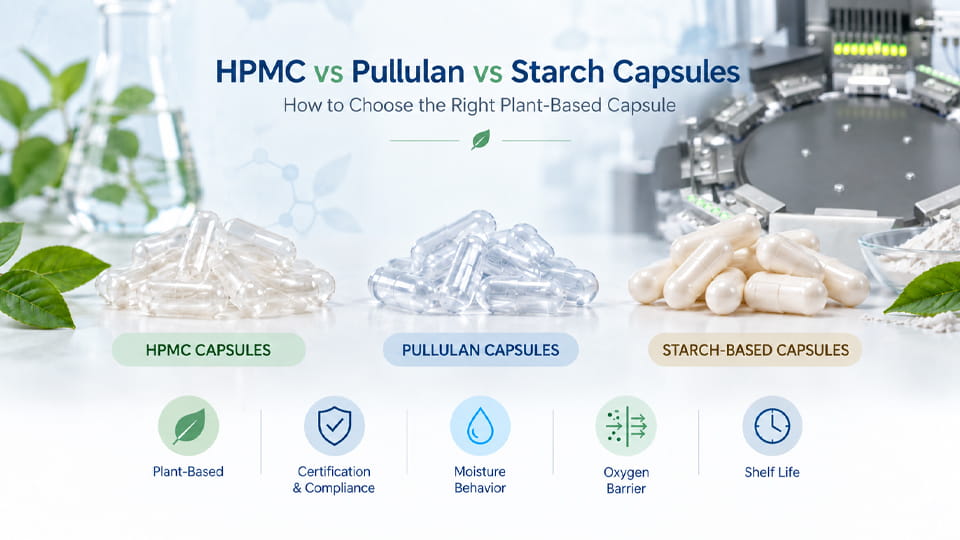
Έτσι το HPMC vs Pullulan vs Starch Capsules Η ερώτηση πρέπει να ξεκινά με το προϊόν, όχι το κέλυφος. Το HPMC είναι συχνά ο πρώτος πρακτικός υποψήφιος για υγροσκοπικά ή ευαίσθητα στην υγρασία γεμίσματα. Το Pullulan αξίζει σοβαρής προσοχής όταν η οξείδωση είναι ο κύριος κίνδυνος. Οι κάψουλες με βάση το άμυλο μπορούν να λειτουργήσουν καλά όταν απαιτείται συγκεκριμένο σύστημα φυτικού αμύλου ή θέση καθαρής ετικέτας, αλλά η "κάψουλα αμύλου" είναι μια ευρεία κατηγορία και όχι μια τυποποιημένη χημεία. Εργασία από ομοτίμους σε υλικά κάψουλας με βάση το άμυλο δείχνει ότι η σύνθεση πολυμερούς και η πηγή αμύλου μπορούν να επηρεάσουν ουσιαστικά το φιλμ και τη μηχανική συμπεριφορά.
Η πιο ασφαλής διαδρομή είναι απλή: καθορίζουν τον κίνδυνο της σύνθεσης, επαληθεύστε τα έγγραφα, δοκιμάστε το ακριβές κέλυφος στο πραγματικό μηχανή πλήρωσης κάψουλας, και επιβεβαιώστε το τελικό προϊόν διάρκεια ζωής στο προβλεπόμενο συσκευασία.
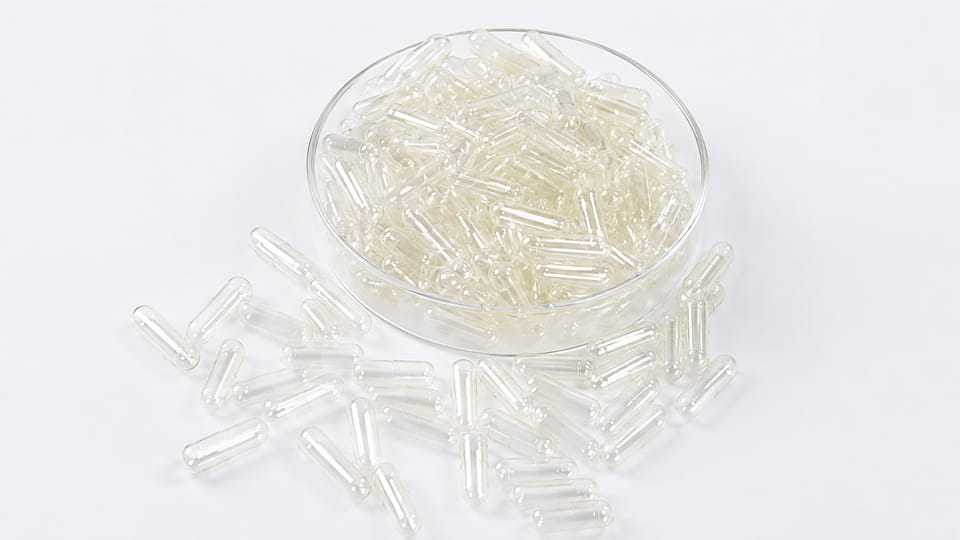
Κάψουλες HPMC. HPMC σημαίνει υδροξυπροπυλομεθυλοκυτταρίνη, ονομάζεται επίσης υπρομελλόζη. Χρησιμοποιείται ως πολυμερές που σχηματίζει φιλμ στο καπάκι και το σώμα της κάψουλας. Τα εμπορικά συστήματα καψουλών HPMC δεν είναι απαραίτητα πανομοιότυπα. Ανάλογα με την τεχνολογία και τον προμηθευτή, το κέλυφος μπορεί να περιέχει διαφορετικά βοηθήματα επεξεργασίας ή συστήματα ζελατινοποίησης, έτσι οι ομάδες προμηθειών θα πρέπει πάντα να εξετάζουν τις ακριβείς προδιαγραφές της κάψουλας αντί να υποθέτουν ότι όλα τα κελύφη HPMC συμπεριφέρονται το ίδιο.
Επομένως, το HPMC είναι ένας λογικός πρώτος υποψήφιος όταν το χρειάζεστε κάψουλες για υγροσκοπική σκόνη ή συστατικά ευαίσθητα στην υγρασία. Δημοσιευμένη σύγκριση ζελατίνης, HPMC, και οι σκληρές κάψουλες pullulan διαπίστωσαν ότι το HPMC είχε την ασθενέστερη συμπεριφορά απορρόφησης υγρασίας και διατήρησης υγρασίας από τα τρία υλικά που δοκιμάστηκαν.
Κάψουλες Pullulan. Το Pullulan είναι ένας πολυσακχαρίτης που παράγεται με ζύμωση. Εμπορικά Capsugel Plantcaps, για παράδειγμα, χρησιμοποιήστε πρώτη ύλη που προέρχεται από ταπιόκα που έχει υποστεί ζύμωση Aureobasidium εκκολαπτόμενο. Το Pullulan θεωρείται συχνά όταν η έκθεση στο οξυγόνο αποτελεί σημαντικό πρόβλημα σταθερότητας λόγω των ευνοϊκών χαρακτηριστικών του φραγμού οξυγόνου.
Το Pullulan δεν είναι απλώς ένα άλλο όνομα για το άμυλο. Το άμυλο μπορεί να είναι η πρώτη ύλη ζύμωσης, αλλά η πουλλουλάνη είναι το πολυμερές που παράγεται μέσω της ζύμωσης. Αυτή η διάκριση έχει σημασία κατά τη σύγκριση των προδιαγραφών του προμηθευτή.
Κάψουλες αμύλου. Αυτή η ετικέτα χρειάζεται περισσότερη φροντίδα. Το "με βάση το άμυλο" μπορεί να αναφέρεται σε τροποποιημένα συστήματα αμύλου, υδροξυπροπυλ άμυλο, ή μίγματα που περιέχουν άλλους σχηματιστές φιλμ. Έρευνα σε συστήματα καψουλών HPMC/υδροξυπροπυλ-αμύλου έχει δείξει ότι η σύνθεση πολυμερούς μπορεί να επηρεάσει το σχηματισμό φιλμ και τις μηχανικές ιδιότητες, γι' αυτό η "κάψουλα αμύλου" δεν πρέπει να αντιμετωπίζεται ως ενιαία τυποποιημένη κατηγορία υλικού: Η αναλογία πολυμερούς και η πηγή αμύλου μπορούν να αλλάξουν το φιλμ, δύναμη, σκληρότητα, και άλλα μηχανικά χαρακτηριστικά.
Όταν ένας προμηθευτής προσφέρει «κάψουλες ταπιόκας,Κάψουλες αμύλου,» ή «κάψουλες τροποποιημένου αμύλου,ζητήστε την πλήρη σύνθεση και τις προδιαγραφές του κελύφους προτού τα αντιμετωπίσετε ως ισοδύναμα με HPMC ή πουλλουλάνη.
Για τους αναγνώστες που χρειάζονται περισσότερο υπόβαθρο, Το JinluPacking έχει ήδη αφιερωμένα άρθρα για κάψουλες λαχανικών, κάψουλες πουλλουλάν, και άδεια κάψουλες.
Το τραπέζι είναι μια αφετηρία, όχι τελική κατάταξη υλικού. Η απόδοση της κάψουλας εξαρτάται από την ακριβή σύνθεση του κελύφους, υλικό πλήρωσης, σύστημα συσκευασίας, όροι αποθήκευσης, και διαδικασία παραγωγής. Για εμπορικά προϊόντα, η τελική επιλογή θα πρέπει να επιβεβαιωθεί μέσω δοκιμών συμβατότητας σκευάσματος και σταθερότητας.
| Παράγοντας | Κάψουλες HPMC | Κάψουλες Pullulan | Κάψουλες με βάση το άμυλο |
|---|---|---|---|
| Κύριο πολυμερές | Υπρομελλόζη (HPMC), ένα παράγωγο κυτταρίνης | Πουλουλάν, ένας πολυσακχαρίτης που προέρχεται από τη ζύμωση | Σύστημα αμύλου ή τροποποιημένου αμύλου; η σύνθεση ποικίλλει |
| Τοποθέτηση με βάση τα φυτά | Ισχυρός | Ισχυρός | Ισχυρός, ανάλογα με τα ακριβή συστατικά |
| Συμπεριφορά υγρασίας | Γενικά χαμηλή υγρασία κελύφους; μια ισχυρή επιλογή αξιολόγησης για γεμίσματα ευαίσθητα στην υγρασία | Χαμηλότερη απορρόφηση υγρασίας από τη ζελατίνη στη συγκριτική έρευνα, αλλά γενικά υψηλότερο από το HPMC σε αυτή τη μελέτη | Υψηλή σύνθεση- και εξαρτάται από τον προμηθευτή |
| Φράγμα οξυγόνου | Χρήσιμος, αλλά όχι συνήθως το πρωταρχικό του πλεονέκτημα | Ένας βασικός λόγος για να εξετάσετε την pullulan για σκευάσματα ευαίσθητα στο οξυγόνο | Προμηθευτής- και εξαρτάται από τη σύνθεση |
| Τυπικές εφαρμογές | Υγροσκοπικές σκόνες, ευαίσθητα στην υγρασία API, ευρεία φαρμακευτική και διατροφική χρήση | Ευαίσθητο στο οξυγόνο, Premium θρεπτικά και επιλεγμένα προβιοτικά σκευάσματα | Συγκεκριμένες πλατφόρμες με βάση το άμυλο ή με καθαρή ετικέτα |
| Βέγκαν / Χαλάλ / Αγνός κατά τον μωσαϊκόν νόμο | Μπορεί να είναι διαθέσιμη πιστοποίηση; επαληθεύστε το ακριβές προϊόν και προμηθευτή | Μπορεί να είναι διαθέσιμη πιστοποίηση; επαληθεύστε το ακριβές προϊόν και προμηθευτή | Επαληθεύστε την ακριβή σύνθεση και πιστοποίηση |
| Κατάσταση USP–NF | Μονογραφία Hard Hypromellose Capsule Shells | Μονογραφία Hard Pullulan Capsule Shells | Επαληθεύστε το ακριβές υλικό και το ισχύον πρότυπο |
| Απόδοση πλήρωσης | Χρησιμοποιείται ευρέως στην εμπορική πλήρωση καψουλών; επικυρώστε το κατάλληλο κέλυφος | Διατίθενται εμπορικές επιλογές; επικυρώστε τη συγκεκριμένη ρύθμιση του κελύφους και του μηχανήματος | Επικυρώστε το ακριβές κέλυφος με τον προβλεπόμενο εξοπλισμό πλήρωσης |
| Σχετικό κόστος | Συνήθως μέτρια | Συχνά υψηλότερα | Μεταβλητός |
| Το καλύτερο σημείο εκκίνησης όταν… | Η ευαισθησία στην υγρασία και η ευρεία συμβατότητα της σύνθεσης αποτελούν προτεραιότητες | Η ευαισθησία στο οξυγόνο είναι μια σημαντική ανησυχία | Μια συγκεκριμένη σύνθεση με βάση το άμυλο ή απαίτηση προμήθειας το καθιστά κατάλληλο |
Το USP ορίζει ξεχωριστά Κελύφη Κάψουλας Σκληρής Υπρομελλόζης και Σκληρά κελύφη κάψουλας Puullan ως κοχύλια δύο τεμαχίων, Και οι δύο μονογραφίες επιτρέπουν ορισμένα πρόσθετα ή βοηθήματα επεξεργασίας. Αυτή είναι μια χρήσιμη υπενθύμιση προμήθειας: αγοράστε με εγκεκριμένες προδιαγραφές για την ακριβή κάψουλα, όχι μόνο το όνομα του πολυμερούς.
Ξεκινήστε με την κυρίαρχη οδό αποδόμησης. Αυτό συνήθως δίνει μια πιο ξεκάθαρη απάντηση από το να ξεκινήσετε με τους vegan ισχυρισμούς, τιμή, ή εμφάνιση.
Εάν το γέμισμα προσελκύει ενεργά νερό, Το HPMC είναι συνήθως ο πρώτος υποψήφιος που αξίζει να ελεγχθεί. Οι κάψουλες HPMC του εμπορίου μπορεί να έχουν σχετικά χαμηλό κέλυφος νερού, και η έρευνα από ομοτίμους δείχνει χαμηλότερη απορρόφηση υγρασίας για το HPMC από την πουλλουλάνη ή τη ζελατίνη υπό τις συνθήκες που μελετήθηκαν.
Αυτό ισχύει δεν Κάντε ένα κέλυφος HPMC μια συσκευασία ανθεκτική στην υγρασία. Έρευνα για τη διαπερατότητα του κελύφους κάψουλας δείχνει ότι η κίνηση του νερού εξαρτάται από τη σχετική υγρασία και την προσρόφηση του υλικού, διάχυση, και συμπεριφορά διαπερατότητας. Η υγρασία μπορεί ακόμα να μετακινηθεί μεταξύ της συσκευασίας, κέλυφος, headspace, και γεμίστε.
Μια χρήσιμη πιλοτική δοκιμή είναι η πλήρωση αντιπροσωπευτικών καψουλών, ρυθμίστε τα στην αναμενόμενη υγρασία παραγωγής, στη συνέχεια παρακολουθήστε την κατάσταση του κελύφους, δραστηριότητα πλήρωσης νερού, χημική δοκιμή, προϊόντα αποδόμησης, και διάλυση κατά τη σταθερότητα.
Το HPMC και πάλι συχνά έχει νόημα ως πρώτη δοκιμή επειδή η χαμηλότερη υγρασία του κελύφους αφαιρεί μια πιθανή πηγή νερού. Το Capsugel τοποθετεί ειδικά το Vcaps Plus για υγροσκοπικό και ευαίσθητο στην υγρασία API.
Αλλά μην σταματάτε στην κάψουλα. Φτωχός συσκευασία μπορεί εύκολα να διαγράψει το όφελος ενός κελύφους χαμηλής υγρασίας.
Το Pullulan είναι το πιο λογικό σημείο εκκίνησης όταν η οξείδωση είναι ο κύριος τρόπος αποτυχίας. Αυτό μπορεί να περιλαμβάνει αντιοξειδωτικά, ορισμένα βοτανικά δραστικά, σκόνες λαδιού, και άλλα κάψουλες για ευαίσθητα στο οξυγόνο συστατικά. Το Pullulan θεωρείται ευρέως όταν η χαμηλή διαπερατότητα οξυγόνου είναι σημαντική απαίτηση του σκευάσματος.
Μην το μετατρέπετε σε «η pullulan δίνει πάντα τη μεγαλύτερη διάρκεια ζωής». Το οξυγόνο μπορεί επίσης να προέλθει από το headspace, διαπερατότητα συσκευασίας, επαναλαμβανόμενο άνοιγμα του δοχείου, και οξυγόνο που υπάρχει ήδη στο σκεύασμα. Για ένα προϊόν υψηλού κινδύνου, έκπλυση με άζωτο, απορροφητές οξυγόνου, ή πακέτα υψηλότερου φραγμού μπορεί να εξακολουθούν να είναι κατάλληλα ως μέρος του πλήρους συστήματος.
ΕΝΑ προβιοτικά είναι ένα καλό παράδειγμα του γιατί η μονοδιάστατη επιλογή δεν λειτουργεί. Ορισμένα στελέχη είναι ιδιαίτερα ευαίσθητα στην υγρασία; άλλα είναι έντονα ευαίσθητα στο οξυγόνο. Το HPMC μπορεί να έχει νόημα όταν η υγρασία είναι ο κυρίαρχος κίνδυνος, ενώ η πουλλουλάνη μπορεί να είναι πιο ελκυστική όταν η έκθεση στο οξυγόνο είναι η μεγαλύτερη ανησυχία. Η σωστή απάντηση θα πρέπει να προέρχεται από δεδομένα σταθερότητας CFU για συγκεκριμένο στέλεχος, δεν είναι ένας γενικός ισχυρισμός για την «καλύτερη προβιοτική κάψουλα»..
Ελέγξτε την υγροσκοπικότητα, υδάτινη δραστηριότητα, υπολειμματικών διαλυτών, αντιδραστικά συστατικά, και πτητικό περιεχόμενο. Το HPMC είναι μια πρακτική γραμμή βάσης. Το Pullulan γίνεται πιο ενδιαφέρον όταν έχει σημασία η οξείδωση ή η premium καθαρή τοποθέτηση ετικετών. Τα κελύφη με βάση το άμυλο μπορεί επίσης να λειτουργήσουν, αλλά η ακριβής δοκιμή του κελύφους είναι ιδιαίτερα σημαντική επειδή η κατηγορία είναι λιγότερο ομοιόμορφη.
Key Takeaway:Η σωστή φυτική κάψουλα δεν καθορίζεται μόνο από τη λέξη "φυτική βάση".. Ταιριάξτε το κέλυφος με τον κυρίαρχο κίνδυνο σταθερότητας, στη συνέχεια επιβεβαιώστε την επιλογή μέσω δοκιμών σταθερότητας και πλήρωσης ειδικά για τη σύνθεση.
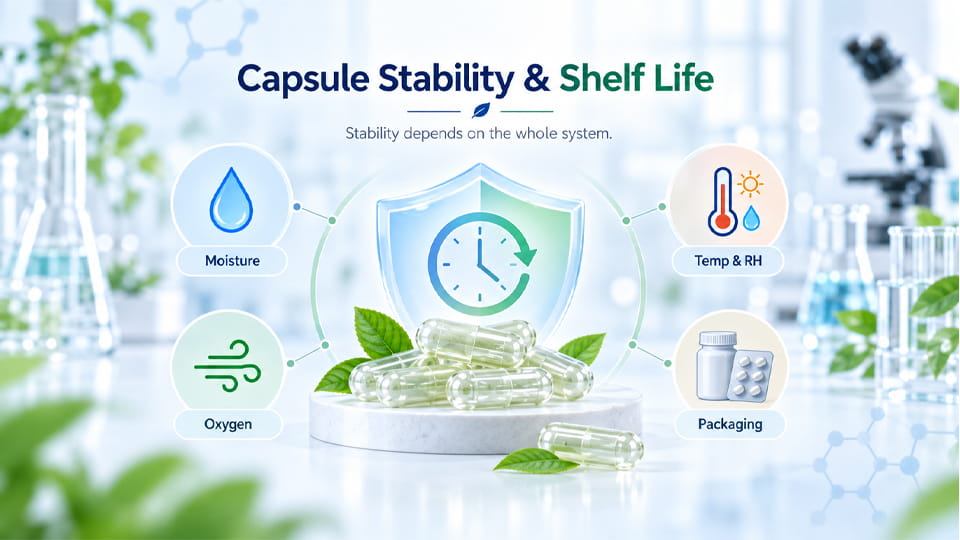
Η διάρκεια ζωής ανήκει σε όλο το σύστημα:
σύνθεση γεμίσματος + κέλυφος κάψουλας + διαδικασία + πρωταρχική συσκευασία + όροι αποθήκευσης.
Αυτός είναι ο βασικός κανόνας.
Για υγρασία, Το HPMC έχει ισχυρά στοιχεία ως επιλογή χαμηλής υγρασίας. Συγκριτική έρευνα βρήκε χαμηλότερη απορρόφηση υγρασίας και κατακράτηση για το HPMC από την πουλλουλάνη και τη ζελατίνη. Ξεχωριστή εργασία σύγκριση HPMC και ζελατίνη έδειξε επίσης ότι η προσρόφηση και η διαπερατότητα αλλάζουν με τη σχετική υγρασία, Επομένως, η "χαμηλή υγρασία του κελύφους" δεν πρέπει να συγχέεται με τη "μηδενική μετάδοση υγρασίας".
Για οξυγόνο, Το pullulan έχει την ισχυρότερη περίπτωση όταν το ίδιο το κέλυφος είναι σημαντικό μέρος της στρατηγικής ελέγχου οξυγόνου.
Στη συνέχεια, κοιτάξτε τη συσκευασία.
Γενικό Κεφάλαιο USP <671> Εμπορευματοκιβώτια—Δοκιμές απόδοσης αντιμετωπίζει τη μετάδοση υγρασίας-ατμού για συστήματα συσκευασίας που χρησιμοποιούνται με στερεές από του στόματος δοσολογικές μορφές, ενώ <670> Βοηθητικά εξαρτήματα συσκευασίας καλύπτει εξαρτήματα όπως αποξηραντικά. Αυτά τα πρότυπα ενισχύουν ένα πρακτικό σημείο: ένα αποξηραντικό είναι ένα μέρος μιας στρατηγικής συσκευασίας, δεν είναι υποκατάστατο για την κατάλληλη φιάλη, κλείσιμο, ή η ίδια η κυψέλη.
Για προϊόντα κάψουλας ευαίσθητα στην υγρασία, συγκρίνετε το προτεινόμενο μπουκάλι, επένδυση κλεισίματος, αποξηραντικό διαμόρφωση, ή δομή φυσαλίδων υπό σχετικές συνθήκες σταθερότητας. Για προϊόντα υψηλής ευαισθησίας στο οξυγόνο, αξιολογήστε τη συσκευασία φραγμού οξυγόνου και τον έλεγχο του χώρου κεφαλής μαζί με το υλικό της κάψουλας.
Η διάρκεια ζωής ενός άδεια κάψουλα Το κέλυφος δεν πρέπει να χρησιμοποιείται ως ημερομηνία λήξης του τελικού προϊόντος. Οι προσδοκίες σταθερότητας του FDA αντιμετωπίζουν την εμπορική διαμόρφωση κλεισίματος δοχείων ως μέρος του προγράμματος σταθερότητας, Επομένως, η τελική σύνθεση θα πρέπει να δοκιμαστεί στο προτεινόμενο πακέτο αγοράς.
Τι γίνεται με τις κάψουλες με βάση το άμυλο?
Οι κάψουλες με βάση το άμυλο απαιτούν πιο συγκεκριμένη αξιολόγηση για το προϊόν. Σε αντίθεση με το HPMC και το pullulan, Η λέξη "με βάση το άμυλο" μπορεί να περιγράψει διαφορετικά συστήματα ή μείγματα τροποποιημένου αμύλου, άρα η υγρασία και η μηχανική τους συμπεριφορά δεν μπορεί να υποτεθεί μόνο από τη λέξη άμυλο. Για ένα ευαίσθητο στη σταθερότητα προϊόν, ρωτήστε τον προμηθευτή για την ακριβή σύνθεση του κελύφους, προδιαγραφή υγρασίας, δεδομένα διαπερατότητας όπου υπάρχουν, και υποστήριξη πληροφοριών σταθερότητας πριν από την επεξεργασία ενός κελύφους με βάση το άμυλο ως ισοδύναμο με HPMC ή πουλλουλάνη.
Ένα πολυμερές φυτικής προέλευσης δεν δίνει αυτόματα στο τελικό προϊόν σας α βίγκαν, χαλάλι, ή αγνός κατά τον μωσαϊκόν νόμο αξίωση.
Οι εμπορικοί προμηθευτές καψουλών αποδεικνύουν γιατί πρέπει να ελέγχεται η πιστοποίηση σε επίπεδο προϊόντος και εργοταξίου. Συγκεκριμένα εμπορικά προϊόντα μπορούν να φέρουν χορτοφαγικά, βίγκαν, χαλάλι, αγνός κατά τον μωσαϊκόν νόμο, και πιστοποιήσεις μη ΓΤΟ, αλλά οι πιστοποιήσεις μπορεί να διαφέρουν ανάλογα με την τοποθεσία κατασκευής. Για τους vegan αξιώσεις, ακόμη και οι χρωστικές και τα συστήματα εκτύπωσης μπορούν να επηρεάσουν την κατάσταση πιστοποίησης.
Για προμήθεια, ζητήστε ρεύμα:
COA, προδιαγραφή τελικής κάψουλας, πλήρης σύνθεση υλικού, εργοτάξιο, GMP/πιστοποίηση ποιότητας, μικροβιολογικά όρια, όροι αποθήκευσης, δήλωση αλλεργιογόνου, Δήλωση ΓΤΟ, και σχετική τεκμηρίωση ακαθαρσιών.
Όπου οι ισχυρισμοί μάρκετινγκ έχουν σημασία, λάβετε το πραγματικό ρεύμα βίγκαν, χαλάλι, και πιστοποιητικά kosher αντί να βασίζεστε σε ένα ηλεκτρονικό ταχυδρομείο πωλήσεων ή σε μια δήλωση ότι το πολυμερές είναι «βασισμένο σε φυτά».
Για φαρμακευτική χρήση, ελέγξτε επίσης την ισχύουσα συμπληρωματική και ρυθμιστική θέση. Το USP–NF έχει συγκεκριμένες μονογραφίες για Κελύφη Κάψουλας Σκληρής Υπρομελλόζης και Σκληρά κελύφη κάψουλας Puullan.
Στις Ηνωμένες Πολιτείες, Η βάση δεδομένων ανενεργών συστατικών του FDA μπορεί να βοηθήσει τους συντάκτες να κατανοήσουν έκδοχα χρησιμοποιήθηκε προηγουμένως σε εγκεκριμένα φαρμακευτικά προϊόντα. Ο FDA περιγράφει τη βάση δεδομένων ως ένα αναπτυξιακό βοήθημα που συνδέεται με παράγοντες όπως η διαδρομή, δοσολογική μορφή, και προηγούμενη χρήση; Επομένως, δεν θα πρέπει να αντιμετωπίζεται ως γενική «έγκριση FDA» για κάθε HPMC, πουλλουλάν, ή ποιότητας κάψουλας αμύλου.
Για την Ευρώπη, επαληθεύστε το τρέχον κείμενο της Ευρωπαϊκής Φαρμακοποιίας και τις απαιτήσεις της αγοράς-στόχου αντί να υποθέσετε ότι μια δήλωση USP είναι αρκετή. Η βάση δεδομένων γνώσης του EDQM είναι η επίσημη πηγή για τον έλεγχο του τρέχοντος Ph. Eur. κείμενα και κατάσταση αναθεώρησης.
Ένας χρήσιμος κανόνας προσόντων είναι:
Επαληθεύστε τον ακριβή προμηθευτή + εργοτάξιο + βαθμός + χρώμα + σύστημα εκτύπωσης + αγορά-στόχος.
Αυτή η μία συνήθεια αποτρέπει πολλές εκπλήξεις πιστοποίησης αργότερα.
Συχνά, ναι — αλλά Το "ίδιο μηχάνημα" δεν σημαίνει "ίδιες ρυθμίσεις".
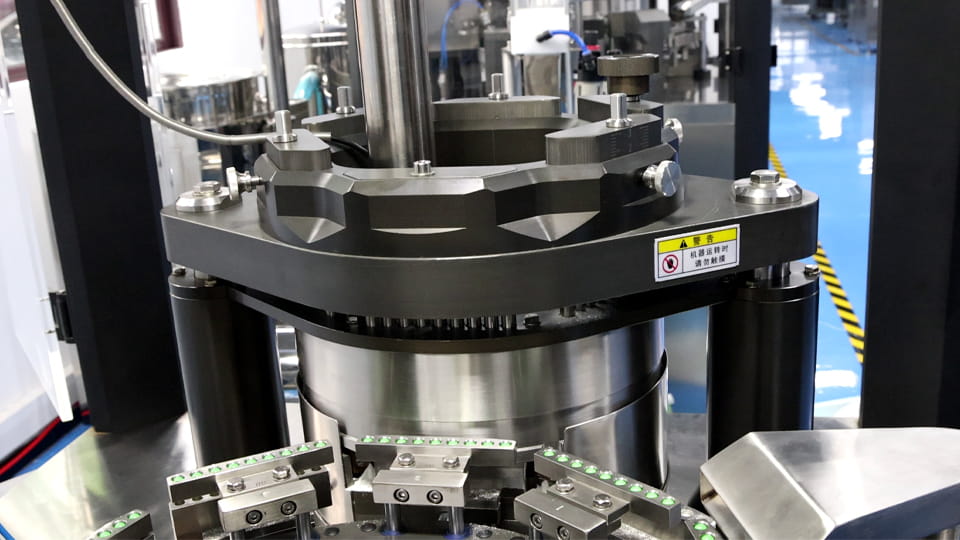
Στην πλευρά του εξοπλισμού, JinluPacking's NJP-2600D αυτόματη μηχανή πλήρωσης καψουλών έχει σχεδιαστεί για σκληρές κάψουλες από το μέγεθος #000 διά μέσου #5 και για σκόνες, κόκκους, πέλλετ, και μικρο-tablets, με ονομαστική έξοδο έως 156,000 κάψουλες ανά ώρα. Το μηχάνημα εκτελεί τροφοδοσία με κάψουλα, διαχωρισμός καπέλου-σώματος, πλήρωση, κλείδωμα, απόρριψη, και απαλλαγή.

Πριν από την εμπορική αναβάθμιση, πρόκληση έξι πόντους.
Τροφοδοσία και προσανατολισμός κάψουλας: Το κέλυφος εισέρχεται στο σύστημα ανόρθωσης με συνέπεια;?
Διαχωρισμός καπέλου-σώματος: Ο διαχωρισμός κενού παραμένει αξιόπιστος στην προβλεπόμενη ταχύτητα γραμμής?
Μηχανική συμπεριφορά κελύφους: Προσέξτε για χωρισμούς, χτυπήματα, εύθραυστο, μαλάκωμα, ή στατική.
Κλείδωμα: Επιβεβαιώστε το κλειστό μήκος και την ακεραιότητα κλειδώματος. Ένα κέλυφος που φαίνεται καλό σε χαμηλή ταχύτητα μπορεί να συμπεριφέρεται διαφορετικά στην πλήρη απόδοση.
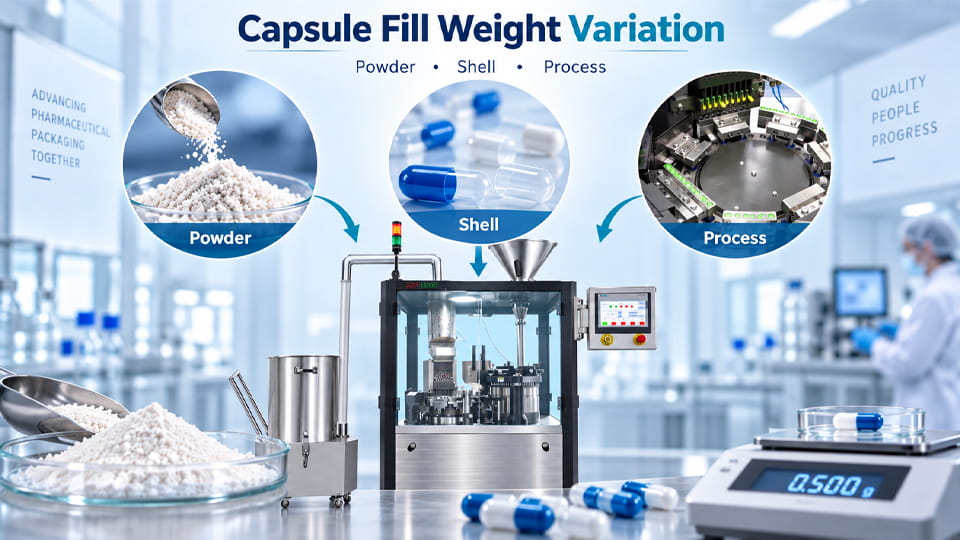
Γεμίστε την απόδοση: Παρακολούθηση πλήρωσης-βάρους, διαρροή, ζημιά pellet, και ποσοστό απόρριψης. Το υλικό της κάψουλας δεν μπορεί να αντισταθμίσει την κακή ροή σκόνης.
Περιβάλλον παραγωγής: Παραμείνετε εντός του καθορισμένου παραθύρου θερμοκρασίας και σχετικής υγρασίας του προμηθευτή της κάψουλας και καταγράψτε αυτές τις συνθήκες κατά τη διάρκεια δοκιμών.
Για σοβαρές προμήθειες μηχανημάτων, στείλτε αντιπροσωπευτικές παρτίδες κελύφους κάψουλας και γεμίστε το υλικό για μια εργοστασιακή δοκιμή. Αυτό είναι ιδιαίτερα χρήσιμο όταν αλλάζετε από κάψουλες HPMC σε κάψουλες pullulan ή όταν εισάγετε ένα λιγότερο οικείο κέλυφος με βάση το άμυλο.
Χρησιμοποιήστε αυτόν τον πίνακα ως σημείο εκκίνησης - όχι ως υποκατάστατο για δοκιμές ανάπτυξης και σταθερότητας.
| Κύρια Απαίτηση | Συνιστώμενο σημείο εκκίνησης | Τι να επαληθεύσετε |
| Υγροσκοπική σκόνη | HPMC | Μεταφορά υγρασίας κελύφους/γεμίσματος, εύθραυστο, πακέτο MVTR |
| API ευαίσθητο στην υγρασία | HPMC | Χημική δοκιμή, υποβιβασμός, διάλυση, αποξηραντικό σύστημα |
| Συστατικά ευαίσθητα στο οξυγόνο | Πουλουλάν | Δεδομένα OTR, οξυγόνο στο headspace, φράγμα οξυγόνου συσκευασίας |
| προβιοτικά | HPMC ή Pullulan | Ειδική ευαισθησία σε υγρασία/οξυγόνο και σταθερότητα CFU |
| Μείγμα βοτάνων/βοτάνων | HPMC πρώτα; Πουλουλάν εάν η οξείδωση είναι κρίσιμη | Δραστηριότητα νερού, πτητικά, σταθερότητα |
| Premium συμπλήρωμα καθαρής ετικέτας | Πουλουλάνη ή κέλυφος με βάση το κατάλληλο άμυλο | Πιστοποίηση, κόστος, τη συνέχεια της προσφοράς |
| Ειδική τοποθέτηση αμύλου/ταπιόκας | Πιστοποιημένη κάψουλα με βάση το άμυλο | Σύνθεση, μηχανικά δεδομένα, αποσύνθεση, μηχανική ικανότητα |
| Παραγωγή υψηλής ταχύτητας | Πιστοποιημένο HPMC, Πουλουλάν, ή δοκιμασμένο κέλυφος αμύλου | Χωρισμός, κλείδωμα, απορρίπτει, τρέξιμο πλήρους ταχύτητας |
| Ασαφής κυρίαρχος κίνδυνος | Συγκρίνετε τουλάχιστον δύο κοχύλια | Σταθερότητα στην τελική συσκευασία |
Αυτή η μήτρα συνθέτει συγκριτικά δεδομένα υγρασίας, εμπορικές πληροφορίες απόδοσης HPMC/pullulan, και δημοσιευμένα στοιχεία που δείχνουν ότι η απόδοση με βάση το άμυλο εξαρτάται σε μεγάλο βαθμό από την ακριβή σύνθεση.
Το πλαίσιο των πέντε βημάτων είναι απλό:
Βήμα 1: Χαρακτηρίστε το σκεύασμα –> Βήμα 2: Προσδιορίστε τον κυρίαρχο κίνδυνο –> Βήμα 3: Προσδιορίστε αξιώσεις και έγγραφα αγοράς –> Βήμα 4: Εκτελέστε δοκιμές με κέλυφος και μηχανή πλήρωσης –> Βήμα 5: Επιβεβαιώστε τη σταθερότητα στην τελική συσκευασία –> Έγκριση προμηθευτή, προδιαγραφή και διαδικασία
Βήμα 1 μετρά αυτό που έχει σημασία: υγροσκοπικότητα, υδάτινη δραστηριότητα, ευαισθησία στο οξυγόνο, πυκνότητα πλήρωσης, και ροή.
Βήμα 2 μετατρέπει αυτά τα δεδομένα σε μια σύντομη λίστα φλοιού.
Βήμα 3 επιταγές USP, Ph. Eur., βίγκαν, χαλάλι, αγνός κατά τον μωσαϊκόν νόμο, και άλλες απαιτήσεις της αγοράς.
Βήμα 4 αποδεικνύει ότι η ακριβής κάψουλα μπορεί να λειτουργήσει στη διαδικασία παραγωγής σας—όχι μόνο σε ένα εργαστηριακό υλικό πλήρωσης κάψουλας.
Βήμα 5 αποδεικνύει ότι η τελική κάψουλα στην τελική της συσκευασία μπορεί πραγματικά να καλύψει τον επιδιωκόμενο στόχο διάρκειας ζωής.
Αυτή η σειρά είναι πολύ πιο ασφαλής από την επιλογή των «καλύτερων φυτικών καψουλών» από έναν πίνακα μάρκετινγκ.
Λάθος: επιλέγοντας μόνο από "vegan". Το καθεστώς vegan δεν σας λέει σχεδόν τίποτα για την προστασία από την υγρασία, φράγμα οξυγόνου, μηχανική κελύφους, ή απόδοση παραγωγής.
Λάθος: αντιμετωπίζοντας κάθε κάψουλα αμύλου ως ισοδύναμη. Ρωτήστε εάν το κέλυφος χρησιμοποιεί φυσικό άμυλο, τροποποιημένο άμυλο, υδροξυπροπυλ άμυλο, ή ένα μείγμα. Δημοσιευμένη έρευνα αμύλου-κάψουλας δείχνει ότι η σύνθεση και η βοτανική πηγή μπορούν να αλλάξουν ουσιαστικά την απόδοση.
Λάθος: υποθέτοντας ότι το κέλυφος καθορίζει τη διάρκεια ζωής. Το μπουκάλι, φουσκάλα, κλείσιμο, αποξηραντικό, και το περιβάλλον αποθήκευσης μπορεί να είναι εξίσου σημαντικό.
Λάθος: υποθέτοντας halal ή kosher φυτικής προέλευσης. Επαληθεύστε το τρέχον πιστοποιητικό για το πραγματικό προϊόν της κάψουλας και την τοποθεσία κατασκευής.
Λάθος: παρακάμπτοντας μια δοκιμή φλοιού πλήρους ταχύτητας. Οι ίδιοι οι εμπορικοί προμηθευτές δίνουν έμφαση στη μηχανική ικανότητα, ενώ η απόδοση της μηχανής πλήρωσης κάψουλας εξαρτάται από τον αξιόπιστο διαχωρισμό, προσανατολισμός, κλείδωμα, και συνοχή διαστάσεων κελύφους.
Δεν υπάρχει μόνος νικητής HPMC vs Pullulan vs Starch Capsules. Το HPMC είναι συνήθως το ευέλικτο σημείο εκκίνησης για ευαίσθητα στην υγρασία και υγροσκοπικά γεμίσματα. Ο Πουλουλάν γίνεται ιδιαίτερα συναρπαστικός για κάψουλες για ευαίσθητα στο οξυγόνο συστατικά. Οι κάψουλες με βάση το άμυλο μπορούν να χωρέσουν προϊόντα που χρειάζονται μια συγκεκριμένη πλατφόρμα φυτικού αμύλου—αλλά μόνο αφού επαληθεύσετε τι σημαίνει στην πραγματικότητα η λέξη «βάσει αμύλου». Τα στοιχεία υποστηρίζουν την επιλογή σύμφωνα με τον κίνδυνο της σύνθεσης αντί να δηλώνει ένα πολυμερές γενικά ανώτερο.
Θα πρέπει να ακολουθήσει η εμπορική απόφαση κίνδυνος σύνθεσης → τεκμηρίωση → απόδοση μηχανής → σταθερότητα τελικής συσκευασίας. Πριν κλειδώσετε έναν προμηθευτή κάψουλας ή αγοράσετε εξοπλισμό, δοκιμάστε το ακριβές κέλυφος και γεμίστε μαζί. Jinlupacking μπορεί να υποστηρίξει δοκιμές πλήρωσης καψουλών σε τυπικά μεγέθη σκληρών καψουλών και να βοηθήσει στην αντιστοίχιση της διαδικασίας με μια κατάλληλη αυτόματη μηχανή πλήρωσης καψουλών και διάλυμα συσκευασίας.
Έτοιμοι να βελτιστοποιήσετε την παραγωγή της κάψουλάς σας? Επικοινωνήστε με την Jinlu Packing για βοήθεια ειδικού και προσφορά για κατάλληλο εξοπλισμό πλήρωσης κάψουλας. Η ομάδα μας μπορεί να υποστηρίξει τις δοκιμές σκευασμάτων σας και να εξασφαλίσει την ομαλή μετάβαση στην ιδανική κάψουλα φυτικής προέλευσης.
Οι κάψουλες HPMC κατασκευάζονται κυρίως από υδροξυπροπυλομεθυλοκυτταρίνη, ένα πολυμερές που προέρχεται από κυτταρίνη. Οι κάψουλες Pullulan χρησιμοποιούν pullulan, ένας πολυσακχαρίτης που παράγεται μέσω ζύμωσης. Οι κάψουλες με βάση το άμυλο χρησιμοποιούν συστήματα αμύλου ή τροποποιημένου αμύλου. Η συμπεριφορά τους στην υγρασία, ιδιότητες φραγμού οξυγόνου, μηχανικά χαρακτηριστικά, συμβατότητα σκευασμάτων, και η απόδοση πλήρωσης μπορεί να διαφέρει, Επομένως, η καλύτερη επιλογή εξαρτάται από το ότι το προϊόν είναι καλύτερα από ένα υλικό.
Κανένα από τα δύο δεν είναι παγκοσμίως καλύτερο. Το HPMC είναι συχνά μια πρακτική επιλογή για ένα ευρύ φάσμα φαρμακευτικών και διατροφικών σκευασμάτων, ενώ η πουλλουλάνη μπορεί να είναι ελκυστική όταν η προστασία από το οξυγόνο είναι ένα σημαντικό ζήτημα. Η απόφαση θα πρέπει επίσης να λαμβάνει υπόψη τη σταθερότητα της σύνθεσης, απαιτήσεις πιστοποίησης, κόστος, συσκευασία, και απόδοση πλήρωσης κάψουλας.
Οι κάψουλες HPMC μπορούν να είναι μια κατάλληλη επιλογή για πολλά σκευάσματα ευαίσθητα στην υγρασία, ιδιαίτερα όταν η σύνθεση και οι προδιαγραφές της κάψουλας ταιριάζουν σωστά. Ωστόσο, Η επιλογή της κάψουλας από μόνη της δεν καθορίζει τη σταθερότητα του προϊόντος. Το υλικό πλήρωσης, φράγμα συσκευασίας, υγρασία αποθήκευσης, θερμοκρασία, και τα δεδομένα σταθερότητας θα πρέπει επίσης να αξιολογηθούν.
Οι κάψουλες Pullulan μπορούν να είναι μια ισχυρή επιλογή όταν η έκθεση στο οξυγόνο αποτελεί σημαντικό πρόβλημα σταθερότητας, επειδή τα συστήματα κάψουλας που βασίζονται σε pullulan μπορούν να παρέχουν χαμηλή διαπερατότητα οξυγόνου. Αυτό μπορεί να είναι σχετικό για ευαίσθητα στο οξυγόνο θρεπτικά και φαρμακευτικά σκευάσματα, αλλά η πραγματική σταθερότητα του προϊόντος θα πρέπει να επιβεβαιώνεται μέσω δοκιμών σταθερότητας ειδικά για το σκεύασμα και όχι μόνο από το υλικό της κάψουλας.
Δεν υπάρχει κανένα καλύτερο υλικό κάψουλας για κάθε προβιοτικό σκεύασμα. Το Pullulan μπορεί να αξίζει να αξιολογηθεί όταν η προστασία από το οξυγόνο είναι σημαντική, ενώ το HPMC μπορεί να προσφέρει μια πρακτική εναλλακτική για σκευάσματα όπου η συμπεριφορά υγρασίας και η ευρεία συμβατότητα πλήρωσης αποτελούν προτεραιότητα. Η τελική επιλογή θα πρέπει να βασίζεται στο προβιοτικό στέλεχος, έκδοχα, ευαισθησία στην υγρασία και στο οξυγόνο, συσκευασία, και δεδομένα σταθερότητας.
Όχι απαραίτητα. Η διάρκεια ζωής εξαρτάται από το πλήρες σύστημα του προϊόντος, συμπεριλαμβανομένου του δραστικού συστατικού, κέλυφος κάψουλας, διατύπωση, συσκευασία, θερμοκρασία, υγρότητα, έκθεση σε οξυγόνο, και συνθήκες αποθήκευσης. Μια κάψουλα φυτικής προέλευσης μπορεί να προσφέρει πλεονεκτήματα για μια συγκεκριμένη σύνθεση, αλλά η μεγαλύτερη διάρκεια ζωής πρέπει να αποδεικνύεται μέσω κατάλληλων δοκιμών σταθερότητας.
Μπορούν να έχουν διαφορετική συμπεριφορά αποσύνθεσης και διάλυσης επειδή η σύνθεση και η σύνθεση του κελύφους κάψουλας επηρεάζουν τον τρόπο με τον οποίο το κέλυφος αλληλεπιδρά με το υπό εξέταση μέσο. Οι κάψουλες HPMC χρησιμοποιούνται ευρέως για φαρμακευτικές και διατροφικές εφαρμογές, ενώ διαφορετικά σκευάσματα HPMC και pullulan μπορούν να κατασκευαστούν για συγκεκριμένες απαιτήσεις απόδοσης. Ως εκ τούτου, η πραγματική διάλυση θα πρέπει να αξιολογηθεί χρησιμοποιώντας το σχετικό προϊόν και τις προδιαγραφές αντί να υποτεθεί μόνο από την ονομασία του υλικού.
Ανάλογα με την αγορά-στόχο και το προϊόν, Οι κατασκευαστές μπορεί να χρειαστεί να ελέγξουν το καθεστώς vegan ή χορτοφάγου, Χαλάλ, Αγνός κατά τον μωσαϊκόν νόμο, Τεκμηρίωση που σχετίζεται με ΓΤΟ, δηλώσεις αλλεργιογόνων, πιστοποιητικό ανάλυσης (COA), και τις ισχύουσες φαρμακευτικές ή τροφικές προδιαγραφές. Οι ακριβείς απαιτήσεις εξαρτώνται από την αγορά προορισμού και την προβλεπόμενη εφαρμογή, έτσι οι ομάδες προμηθειών θα πρέπει να ζητούν την τρέχουσα τεκμηρίωση προμηθευτή αντί να βασίζονται μόνο σε ισχυρισμό "βασισμένο σε φυτά".
Ναί, Και οι σκληρές κάψουλες HPMC και pullulan μπορούν να χρησιμοποιηθούν με εξοπλισμό αυτόματης πλήρωσης καψουλών, αλλά η πραγματική απόδοση πλήρωσης εξαρτάται από τις διαστάσεις της κάψουλας, μηχανικές ιδιότητες του κελύφους, χαρακτηριστικά σύνθεσης, σχεδιασμός μηχανής, εργαλεία, και ρυθμίσεις λειτουργίας. Πριν από την πλήρη παραγωγή, οι κατασκευαστές θα πρέπει να επαληθεύουν τον διαχωρισμό της κάψουλας, ακρίβεια πλήρωσης, κλείδωμα, ακεραιότητα κάψουλας, και ποσοστό απόρριψης στον προβλεπόμενο εξοπλισμό.
Ξεκινήστε προσδιορίζοντας τον κύριο κίνδυνο του σκευάσματός σας. Ελέγξτε πρώτα την ευαισθησία στην υγρασία, μετά ευαισθησία στο οξυγόνο, στόχος διάρκειας ζωής, απαιτούνται vegan/halal/kosher ή άλλες πιστοποιήσεις, και το προβλεπόμενο σύστημα συσκευασίας. Αφού δημιουργήσετε μια σύντομη λίστα, δοκιμάστε το ακριβές κέλυφος της κάψουλας με την πραγματική σύνθεση στη μηχανή πλήρωσης καψουλών σας και ολοκληρώστε τις κατάλληλες μελέτες σταθερότητας πριν από την εμπορική παραγωγή.
Αναφορές:
1.Ιδιότητες ρόφησης υγρασίας και εκρόφησης ζελατίνης, HPMC και σκληρές κάψουλες pullulan —— ScienceDirect
2.Κάψουλες HPMC: τρέχουσα κατάσταση και μελλοντικές προοπτικές —— Εθνική Βιβλιοθήκη Ιατρικής
3.Χαρακτηριστικά διάχυσης υγρασίας και διαπερατότητας καψουλών υδροξυπροπυλομεθυλοκυτταρίνης και σκληρής ζελατίνης —— Εθνική Βιβλιοθήκη Ιατρικής
4.Ιδιότητες σχηματισμού φιλμ και φαρμακευτικών σκληρών καψουλών του mungbean, νεροκάστανο, και άμυλα γλυκοπατάτας —— ScienceDirect
5.Κάψουλες αμύλου: ένα εναλλακτικό σύστημα χορήγησης φαρμάκων από το στόμα —— ScienceDirect