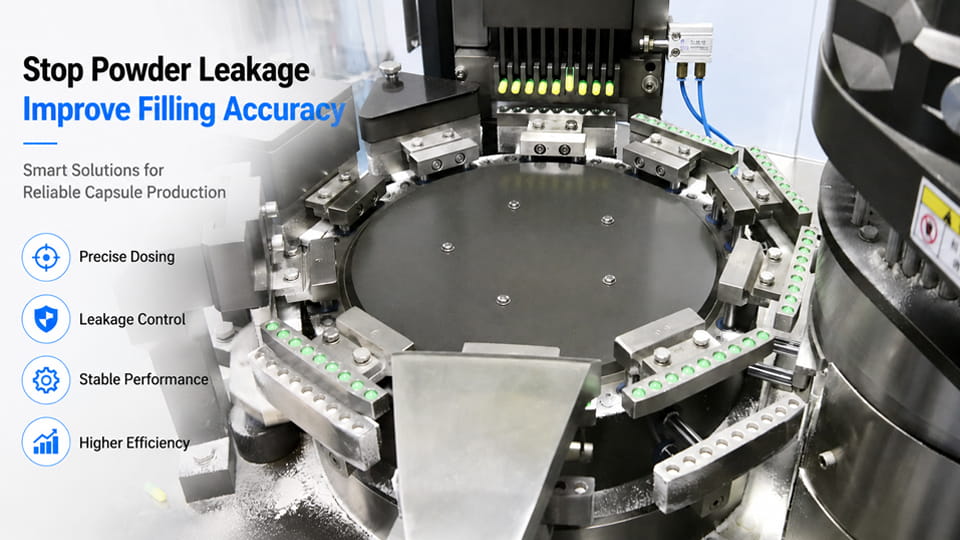
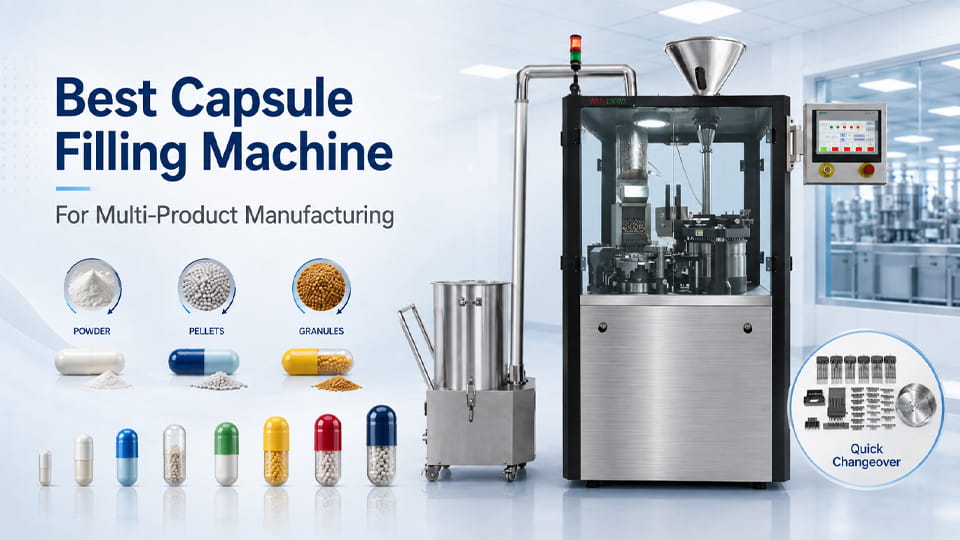
Η διακύμανση του βάρους πλήρωσης της κάψουλας μπορεί να οφείλεται σε πολλές πηγές - ασυνεπής ροή σκόνης, κέλυφος κάψουλας διαφορές, ή ρυθμίσεις εξοπλισμού. Όταν οι έλεγχοι βάρους κατά τη διαδικασία αρχίζουν να εμφανίζουν τυχαία ή παρασυρόμενα βάρη πλήρωσης, μην τροποποιήσετε αμέσως το μηχάνημα. Πρώτα επιβεβαιώστε αυτό που πραγματικά διαφέρει (μεικτό έναντι καθαρού βάρους, μοτίβο σταθμού), στη συνέχεια ακολουθήστε μια λογική σειρά αντιμετώπισης προβλημάτων. Αυτός ο οδηγός δείχνει μια βήμα προς βήμα διαγνωστική διαδικασία (Μέτρο → Μοτίβο → Σκόνη έναντι κελύφους έναντι διαδικασίας → Μηχανή → Επιβεβαίωση) για τον εντοπισμό της βασικής αιτίας, μαζί με χρήσιμες συμβουλές και λίστες ελέγχου.
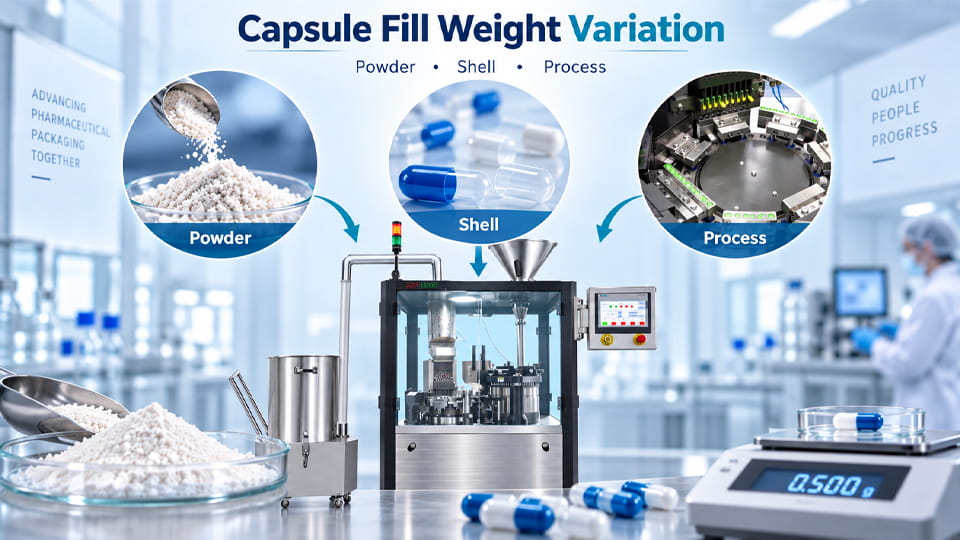
Διακύμανση βάρους πλήρωσης κάψουλας αναφέρεται σε ανεπιθύμητες διαφορές ή μετατόπιση στο καθαρό βάρος του σκευάσματος που πληρώνεται σε μεμονωμένες κάψουλες εντός της ίδιας παρτίδας. Με άλλα λόγια, Ορισμένες κάψουλες καταλήγουν να είναι υπογεμισμένες ή υπεργεμισμένες σε σύγκριση με τη δόση-στόχο. Δεδομένου ότι τα πληρωτικά καψουλών δόση από τόμος, όχι κατά βάρος, Ακόμη και μικρές αλλαγές στη συμπεριφορά του υλικού ή στη λειτουργία του μηχανήματος μπορούν να αλλάξουν την πραγματική μάζα που τοποθετείται σε κάθε κάψουλα. Το βασικό ερώτημα δεν είναι «μπορεί κάθε κάψουλα να ζυγίζει ακριβώς το ίδιο?”, αλλά "μπορεί η διαδικασία να διατηρήσει τις διαφορές εντός των προδιαγραφών".
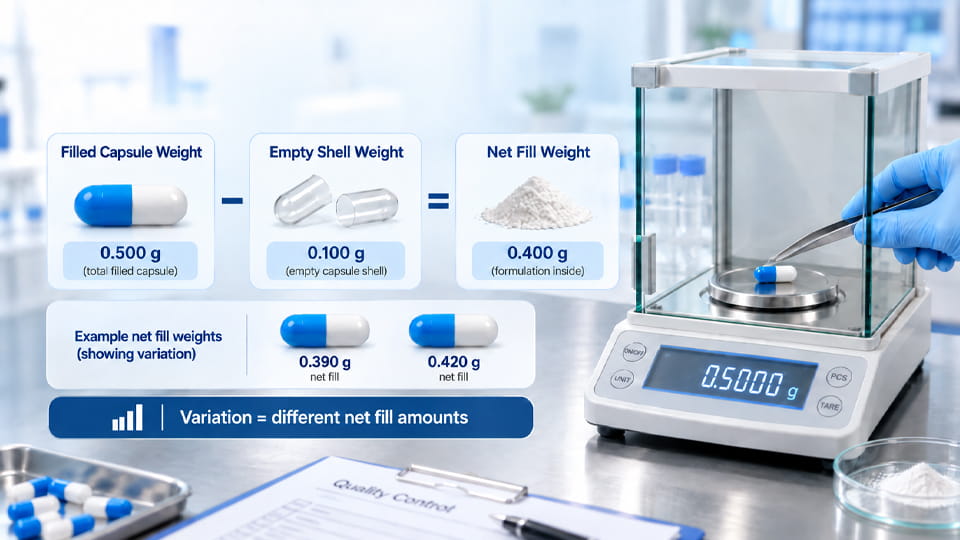
Εξ ορισμού, Η διακύμανση βάρους αξιολογείται με βάση το καθαρό βάρος πλήρωσης των καψουλών (ενεργά συστατικά + έκδοχα). Οι χειριστές συχνά μετρούν μεικτό βάρος κάψουλας (κέλυφος + γέμισμα) και αφαιρέστε ένα τυπικό βάρος κενού κελύφους (αποκρούω). Σημειώστε ότι τα ίδια τα άδεια κοχύλια έχουν διασπορά βάρους. Εάν τα βάρη του κελύφους ποικίλλουν, Οι αλλαγές στο μικτό βάρος ενδέχεται να αντικατοπτρίζουν διαφορές στο κέλυφος, όχι δοσολογία σκόνης. Οντως, Η χρήση μέσου βάρους κελύφους εισάγει μεροληψία. Για ακρίβεια, συγκρίνετε πάντα μεικτό βάρος συν απόβαρο:
Μεικτό βάρος κάψουλας = Κέλυφος + Γέμισμα.
Καθαρό βάρος πλήρωσης = Μεικτό – Βάρος κενού κελύφους.
Στην πράξη, παρακολουθεί τόσο τα μεικτά όσο και τα καθαρά βάρη. Η διακύμανση βάρους από κέλυφος σε κέλυφος μπορεί να «καλύψει» μια σταθερή τροφοδοσία σκόνης ή να υπερβάλει μια φαινομενική μετατόπιση. Μια καλά ελεγχόμενη διαδικασία διατηρείται μεμονωμένα καθαρά γεμίσματα σφιχτά συγκεντρωμένα γύρω από τον στόχο, ακόμα κι αν οι κάψουλες διαφέρουν λίγο ως προς το βάρος του κελύφους.
Η διακύμανση του βάρους της κάψουλας είναι κυρίως α διαδικασία-έλεγχος ζήτημα. Δείχνει αν το σύστημα δοσολογίας (δίσκος συμπίεσης, δοσαρκιστής, και τα λοιπά.) παρέχει επαναλαμβανόμενο όγκο σκόνης. Ομοιομορφία περιεχομένου (χημική δοκιμή) και η ομοιογένεια του μείγματος είναι ξεχωριστά θέματα. Με άλλα λόγια, μια στενή κατανομή βάρους αποδεικνύει μόνο ογκομετρική συνέπεια - δεν εξασφαλίζει χημική ομοιομορφία. Παρόλα αυτά, έλεγχος της διακύμανσης του βάρους (και η τάση του) είναι ζωτικής σημασίας για την τήρηση των προδιαγραφών τελικής δόσης.
Σημειώστε ότι η διακύμανση βάρους (μαζικής βάσης) και ομοιομορφία περιεχομένου (Δοκιμασία API) είναι δοκιμές διαφορετικής ποιότητας. USP <905> επιτρέπει τη χρήση διακύμανσης βάρους για σκληρές κάψουλες μόνο εάν το φάρμακο είναι τουλάχιστον 25 mg και ≥25% του βάρους της κάψουλας. Αλλιώς, οι κάψουλες πρέπει να πληρούν τις απαιτήσεις ομοιομορφίας περιεχομένου (ανάλυση κάθε μονάδας). Οι έλεγχοι βάρους πλήρωσης κατά τη διαδικασία είναι ένα εργαλείο ελέγχου διαδικασίας, αλλά η συμμόρφωση του τελικού προϊόντος εξαρτάται από την εφαρμοστέα μέθοδο USP.
Ένας καλός τρόπος για να εντοπίστε την αληθινή αιτία της διακύμανσης βάρους είναι η σύγκριση των τάσεων μεικτού και καθαρού βάρους. Οι τύποι είναι:
| Όρος βάρους | Ορισμός | Τυπική χρήση |
|---|---|---|
| Μεικτό βάρος κάψουλας | Γεμάτη κάψουλα (κέλυφος + περιεχόμενα) | Γρήγορος έλεγχος IPC; περιλαμβάνει μάζα κελύφους |
| Κενό βάρος κελύφους | Βάρος σώματος κάψουλας + καπάκι | Αξιολογήστε τον προμηθευτή/προδιαγραφή της κάψουλας |
| Καθαρό βάρος πλήρωσης | Μόνο δόση σκόνης (ακαθάριστο – κέλυφος) | Ρύθμιση μηχανής & τελικό QC ομοιομορφίας βάρους πλήρωσης |
Κάθε κέλυφος κάψουλας έχει φυσικά κάποια μεταβλητότητα βάρους. Εάν τα κελύφη σας είναι ± 5 mg γύρω από το μέσο όρο, και η δόση της σκόνης είναι 500 mg, στη συνέχεια μεταβείτε σε κοχύλια που είναι 10 mg βαρύτερο θα κάνει το μικτό βάρος φαίνομαι +10 mg, ακόμα κι αν το γέμισμα είναι πανομοιότυπο. Αυτή η "ψευδής" μετατόπιση συμβαίνει επειδή συνήθως αφαιρούμε ένα σταθερό απόβαρο. Οντως, Η διόρθωση για μεμονωμένα βάρη κελύφους δείχνει ότι το πραγματικό βάρος πλήρωσης δεν άλλαξε.
Σημείο κλειδί: Αν τα μεικτά βάρη παρασύρονται αλλά καθαρά βάρη πλήρωσης μείνε επίπεδη, η μέτρηση σκόνης είναι μια χαρά. Η αλλαγή πιθανότατα προέρχεται από τη διακύμανση του βάρους του κελύφους της κάψουλας. Αν και το μεικτό και το καθαρό κινούνται μαζί, υποψιάζεστε τη διαδικασία πλήρωσης ή τη σύνθεση. Εξετάζετε πάντα ένα σύνολο βαρών με κενό κέλυφος ξεχωριστά. Για παράδειγμα, εάν το συνολικό βάρος της κάψουλας αυξηθεί ή μειωθεί ξαφνικά όταν εισάγεται μια νέα παρτίδα κελύφους, ο ένοχος είναι πιθανότατα κέλυφος, όχι τον εξοπλισμό πλήρωσης κάψουλας.
Τύπος:
Καθαρό βάρος πλήρωσης (mg) ≈ Δοσολογικός όγκος (mL) × (Χύδην πυκνότητα σκόνης, g/mL) × 1000 – συνδετικό/απορροφητικό βάρος.
Επειδή τα fillers συνήθως μετρούν τόμος, έστω και μια μικρή αλλαγή πυκνότητας (λόγω παρτίδας σκόνης ή υγρασίας) αλλοιώνει τη μάζα.
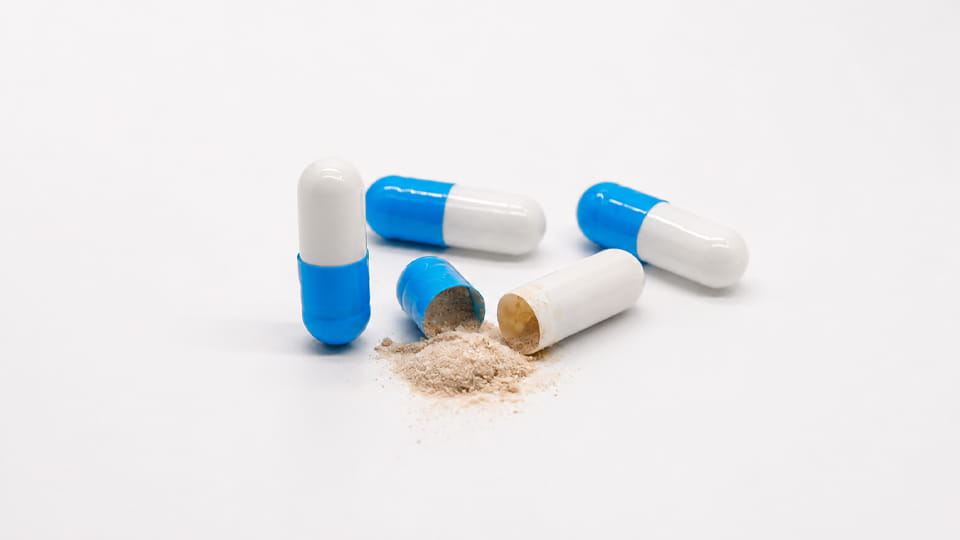
Όταν εντοπιστεί παραλλαγή, ακολουθώ α συστηματική ροή εργασιών παρά βιαστικές προσαρμογές. Τα βήματα είναι:
Ένα απλοποιημένο διάγραμμα δέντρου αποφάσεων δείχνει αυτή την προσέγγιση:
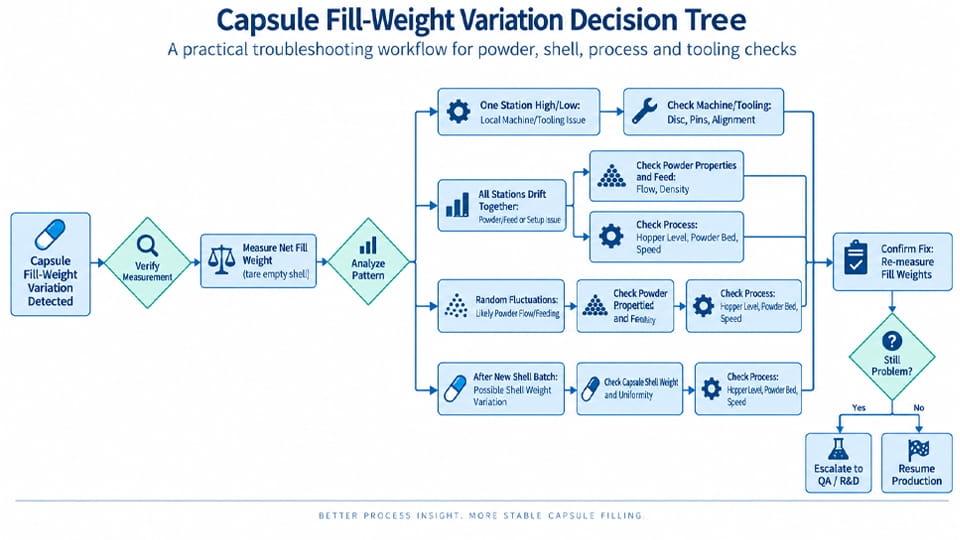
Κάθε κόμβος αντιπροσωπεύει μια ένδειξη. Για παράδειγμα, αν Το μεικτό βάρος αλλάζει αλλά το καθαρό γέμισμα είναι σταθερό, ελέγξτε αμέσως τη διακύμανση του βάρους του κελύφους. Αν η παραλλαγή αυξάνεται με μεγαλύτερες ταχύτητες, ύποπτα προβλήματα σίτισης ή παραμονής. Ο στόχος είναι να περιοριστεί η κατηγορία πιθανής αιτίας (σκόνη εναντίον κελύφους εναντίον μηχανής) πριν βουτήξετε σε λεπτομέρειες.
Για τις περισσότερες διεργασίες κάψουλας γεμάτες σκόνη, ο σκόνη σκόνης είναι η πιο κοινή πηγή διακύμανσης βάρους γεμίσματος. Αντιμετωπίστε το πρόβλημα της σκόνης εξετάζοντας:
Στην πράξη, ξεκινήστε από κοσκίνισμα το μείγμα για την αφαίρεση μεγάλων συσσωματωμάτων, έλεγχος εάν βελτιώνεται η ροή. Το απαλό τίναγμα ή ένα φορητό ροόμετρο σκόνης μπορεί να αποκαλύψει εάν το υλικό τείνει να γεφυρωθεί. Να θυμάστε ότι οι μικρές αλλαγές (±5% σε χύδην πυκνότητα) μπορεί να προκαλέσει ±5% ή μεγαλύτερη αλλαγή στο βάρος πλήρωσης. Διόρθωση προβλημάτων ροής (με την προσθήκη ολισθητικών, αφυγραντικό, ή εναλλαγή τύπου τροφοδότη) μπορεί να εξαλείψει εντελώς την παραλλαγή.
Εάν η σκόνη φαίνεται συνεπής, εξετάστε τις ίδιες τις κάψουλες:
Εάν η μεταβλητότητα βάρους άδειου κελύφους είναι ο ένοχος, Η λύση είναι να σφίξετε τις προδιαγραφές του κελύφους ή να χρησιμοποιήσετε μεμονωμένες μετρήσεις απόβαρου. Βραχυπρόθεσμα, εστίαση στα καθαρά βάρη πλήρωσης (αφαιρώντας το βάρος κάθε κελύφους) για να δείτε αν το γέμισμα σκόνης ποικίλλει πραγματικά. Ένα σενάριο που πρέπει να παρακολουθήσετε: μεικτό βάρος παρασύρεται αλλά καθαρό σταθερό σημαίνει ύποπτα κοχύλια.
Αφού αποκλείσετε μεγάλα προβλήματα σκόνης ή κελύφους, κοιτάξτε την ίδια τη διαδικασία πλήρωσης της κάψουλας. Τα βασικά σημεία ελέγχου περιλαμβάνουν:
Ένα μόνο μικρό τσίμπημα (όπως η συμπίεση των ακίδων λίγο περισσότερο, ή επιβράδυνση της περιστροφής) συχνά δεν λύνει ένα πρόβλημα που προκαλείται από τη σκόνη. Εστιάστε πρώτα σε παράγοντες που αλλάζουν το μάζα που εισέρχεται στην κοιλότητα, όπως γεωμετρία τροφοδοσίας και ύψος κρεβατιού. Οι λύσεις εδώ (μόλις επιβεβαιώσετε μια αιτία διαδικασίας) συνήθως περιλαμβάνουν ρυθμίσεις ή αντικατάσταση εξαρτημάτων μηχανής.
Συχνά, το μοτίβο του πώς ποικίλλουν τα βάρη σάς λέει πού να κοιτάξετε πρώτα. Εδώ είναι μερικά κοινά σενάρια ("μοτίβα") και πρότεινε ελέγχους:
Τραπέζι: Μοτίβα παραλλαγής έναντι πιθανής αιτίας (κοινά παραδείγματα):
| Παρατήρηση | Πιθανά ζητήματα σκόνης/υλικού | Πιθανά ζητήματα μηχανής/διαδικασίας |
| Όλοι οι σταθμοί παρακολουθούν ψηλά ή χαμηλά μαζί | Κακή ροή (γεφύρωση), αλλαγή χύδην πυκνότητας, ανομοιόμορφη αναπλήρωση χοάνης | Κοινή ρύθμιση (π.χ.. στόχος δόσης πολύ υψηλή/χαμηλή), ομοιόμορφη αλλαγή εργαλείου |
| Ένας σταθμός συνεχώς υπολείπεται/υπερπληρώνεται | Απίθανος | Φθορά δοσομετρικής ακίδας/δίσκου, κολλημένη σφραγίδα, λάθος αλλαγή εξαρτήματος σε αυτόν τον σταθμό |
| Το βάρος μειώνεται σταδιακά (πάνω/κάτω) | Διαχωρισμός σε σκόνη, αλλαγή επιπέδου χοάνης, επιδράσεις υγρασίας | Μεταβλητός ρυθμός σίτισης, ανεπαρκής ανάδευση της χοάνης |
| Αλλαγή βήματος μετά την επανεκκίνηση | Ακολουθία καθίζησης ή αναπλήρωσης σκόνης | Ζήτημα καυτής εκκίνησης, αλληλουχία βαλβίδων, ημιτελής επανεπίπεδο |
| Παραλλαγή μόνο μετά από νέα παρτίδα σκόνης | Μεταβλητότητα σκόνης από παρτίδα σε παρτίδα (πυκνότητα, ροή) | |
| Παραλλαγή μόνο μετά από νέα παρτίδα κάψουλας | Διαφορά βάρους/διαστάσεων κελύφους | |
| Παραλλαγή μεγαλύτερη σε υψηλή ταχύτητα (αλλά σταθερό αργό) | Υπέρβαση του ορίου τροφοδοσίας ή ροής στην ταχύτητα | Χρονισμός δοσολογίας, ατελές γέμισμα με ταχύτητα |
| Γέφυρες πούδρας ή τρύπα για αρουραίους στη χοάνη | Θέμα πούδρας (κακή ροή) |
Χρησιμοποιήστε αυτές τις ενδείξεις ως «διαλογή» για να δώσετε προτεραιότητα στους ελέγχους. Για παράδειγμα, εάν η παραλλαγή εμφανίζεται μόνο μετά την φόρτωση ενός νέου μείγματος σκόνης, διαφορές σκόνης υποδεικνύονται. Αν ανεβαίνει με ταχύτητα, ύποπτος μηχανική τροφοδοσία. Εάν είναι απενεργοποιημένος μόνο ένας δακτύλιος, ύποπτος φθορά/ευθυγράμμιση εργαλείου. Μια γρήγορη ανασκόπηση του πίνακα βάρους (κάψουλα # έναντι βάρους) συχνά επισημαίνει αν το ζήτημα είναι σκόνη ή μηχανή.
Παρακάτω είναι ένα συμπυκνωμένο λίστα ελέγχου για να διασφαλιστεί ότι δεν παραβλέπεται κανένας παράγοντας. Επιλέξτε τα πλαίσια καθώς πηγαίνετε:
Για να διευκρινίσω τι να υποψιαστείς πρώτα, εξετάστε αυτόν τον γρήγορο πίνακα κοινών παρατηρήσεων:
| Παρατήρηση | Powder/Shell πιθανώς? | Μηχανή/Πιθανή διαδικασία? |
| Η παραλλαγή ξεκίνησε αμέσως μετά από μια νέα παρτίδα σκόνης | ✔ Σκόνη (αλλαγή πυκνότητας παρτίδας/ροής) | |
| Η παραλλαγή ξεκίνησε μετά από μια νέα παρτίδα κελύφους | ✔ Κέλυφος (άδεια αλλαγή βάρους) | |
| Ένας σταθμός (ή τσέπη) είναι σταθερά εκτός λειτουργίας | ✔ Μηχανή/εργαλειομηχανή (πρόβλημα pin/disk) | |
| Όλοι οι σταθμοί τυχαία σκέδαση ψηλά/χαμηλά | ✔ Σκόνη (ροή/τροφοδοσία) | |
| Η παραλλαγή εμφανίζεται μόνο στην ταχύτητα παραγωγής (σταθερό αργό) | ✔ Διαδικασία (ρυθμός σίτισης, συγχρονισμός) | |
| Η παραλλαγή αυξάνεται καθώς αδειάζει η χοάνη | ✔ Σκόνη (γεφύρωση) | ✔ Σύστημα τροφοδοσίας (στάσιμο) |
| Η αλλαγή δίσκου/ακίδας δοσομέτρησης διορθώνει το πρόβλημα | ✔ Μηχανή/εργαλείο (λάθος δίσκος, φθορά) | |
| Η σκόνη ρέει άσχημα σε ένα μηχάνημα αλλά καλή σε άλλο | ✔ | ✔ Πιθανώς μηχανή (ταραχοποιός, οδηγώ) |
| Το ίδιο μηχάνημα λειτουργεί με διαφορετική σκόνη | ✔ Σκόνη (συγκεκριμένο υλικό) |
Η ολοκλήρωση ενός δομημένου ελέγχου πριν από την κλήση της υπηρεσίας μπορεί να εξοικονομήσει ώρες. Αν μετά από όλα τα παραπάνω το θέμα παραμένει, μετά προσεκτικά προσαρμόστε τις ρυθμίσεις του μηχανήματος: για παράδειγμα, αυξήστε το βάθος του πείρου συμπίεσης ή τη δύναμη συμπίεσης μόνο μετά την επαλήθευση της σταθερότητας της σκόνης/κελύφους. Θυμάμαι, Η απόκρυψη μιας ασταθούς σκόνης με περισσότερη δύναμη μπορεί να καλύψει ένα πρόβλημα, αλλά δεν θα το διορθώσει μακροπρόθεσμα.
Οι μακροπρόθεσμες διορθώσεις περιλαμβάνουν συχνά έλεγχοι ανάντη:
Συνδυάζοντας καλύτερο έλεγχο υλικών και έξυπνη επιλογή εξοπλισμού, Πολλοί κατασκευαστές επιτυγχάνουν διακύμανση βάρους ±2–3% ή καλύτερα.
Ένα συνηθισμένο λάθος είναι κατηγορώντας πρώτα το μηχάνημα. Εδώ είναι μερικοί εμπειρικοί κανόνες:
Εν συντομία: Μην βιαστείτε να αλλάξετε το βάθος της δοσομετρικής ακίδας, κτύπημα, ή ταχύτητα μέχρι να βεβαιωθείτε ότι η σκόνη δεν είναι το πραγματικό πρόβλημα. Εάν τα προβλήματα που προκαλούνται από τη σκόνη δεν επιλυθούν, ένα «σταθερό» μηχάνημα απλώς θα κρύψει το σύμπτωμα υπό διαφορετικές συνθήκες. Για παράδειγμα, εάν η χύδην πυκνότητα του μείγματος είναι χαμηλότερη από την αναμενόμενη, εξαναγκάζοντας το μηχάνημα δεν θα σταθεροποιήσει τα γεμίσματα στην επόμενη παρτίδα. Πάντα να λύνετε υλικά ζητήματα πρώτα, στη συνέχεια ρυθμίστε το μηχάνημα.
Εάν αγοράζετε νέο μηχάνημα ή αναβαθμίζετε, να θυμάστε ότι καμία μηχανή δεν είναι πραγματικά «καθολική». Ο το καλύτερο μηχάνημα είναι αυτή που αποδεδειγμένα συνεργάζεται το σκεύασμά σας. Βασικοί παράγοντες που πρέπει να ληφθούν υπόψη:

Θυμάμαι: ένα νέο γυαλιστερό υλικό πλήρωσης δεν θα διορθώσει αυτόματα τη διακύμανση του βάρους εάν η σύνθεση δεν αντιμετωπιστεί. Το καλύτερο ROI προέρχεται από έναν ταιριαστό συνδυασμό σκόνης και εξοπλισμού.
Η διακύμανση του βάρους πλήρωσης κάψουλας είναι ένα περίπλοκο ζήτημα με πολλαπλές πιθανές αιτίες. Η αποτελεσματική προσέγγιση είναι μια δομημένη ακολουθία αντιμετώπισης προβλημάτων: επιβεβαιώστε την παραλλαγή, ερμηνεύστε το μοτίβο, στη συνέχεια ελέγξτε τη σκόνη, κέλυφος, και μηχανή συστηματικά. Όπως σημειώνουν οι ειδικοί, Η συνέπεια απαιτεί τόσο σταθερή σύνθεση όσο και καλά προσαρμοσμένη μηχανή.
Συνοπτικά:
Εάν εξακολουθείτε να βλέπετε ανεξέλεγκτη παραλλαγή μετά από όλους αυτούς τους ελέγχους, μπορεί να είναι καιρός να συμβουλευτείτε τον προμηθευτή των φαρμακευτικών μηχανημάτων σας. Οι κατασκευαστές όπως Συσκευασία Jinlu προσφέρετε δοκιμές πλήρωσης κάψουλας για να επαληθεύσετε ότι ένα συγκεκριμένο μηχάνημα θα χειριστεί τις ακριβείς απαιτήσεις σας σε σκόνη και βάρος πλήρωσης. Εστιάζοντας στις βασικές αιτίες πριν τροποποιήσετε το μηχάνημα, θα εξοικονομήσετε χρόνο και θα εξασφαλίσετε μια στιβαρή, αναπαραγώγιμη διαδικασία πλήρωσης.
Επόμενα βήματα: Χρησιμοποιήστε τη λίστα ελέγχου και το δέντρο αποφάσεων παραπάνω για να διαγνώσετε το πρόβλημά σας. Εάν χρειάζεστε συμβουλές σχετικά με την επιλογή ή τη διαμόρφωση μιας μηχανής πλήρωσης καψουλών, Οι μηχανικοί της Jinlu Packing μπορούν να σας βοηθήσουν να αξιολογήσετε τη σύνθεσή σας και να στοχεύσετε το βάρος πλήρωσης για να προτείνουν την πιο κατάλληλη λύση. Σταθερά βάρη κάψουλας επιτυγχάνονται με τον σωστό συνδυασμό έλεγχος υλικού και διαμόρφωση μηχανής.
Μάθετε περισσότερα σχετικά με την αντιμετώπιση προβλημάτων πλήρωσης κάψουλας στο Jinlu's Οδηγός ελαττωμάτων πλήρωσης κάψουλας, ή εξερευνήστε μας Αυτόματες Μηχανές Γέμισης Κάψουλας για παραγωγή υψηλής ταχύτητας.
Η διακύμανση του βάρους πλήρωσης της κάψουλας μπορεί να προκληθεί από ασυνεπή ροή σκόνης, αλλαγές στη χύδην πυκνότητα ή την υγρασία, διαχωρισμός σκόνης, ασταθής τροφοδοσία σκόνης, λανθασμένες ρυθμίσεις δοσολογίας, ταχύτητα μηχανής, ή φθαρμένα εξαρτήματα πλήρωσης. Το καλύτερο σημείο εκκίνησης είναι να προσδιορίσετε το μοτίβο παραλλαγής πριν αλλάξετε τις ρυθμίσεις του μηχανήματος. Η έρευνα έχει δείξει μια σχέση μεταξύ των ιδιοτήτων ροής σκόνης και της διακύμανσης του βάρους πλήρωσης κάψουλας.
Το βάρος πλήρωσης της κάψουλας μπορεί να διαφέρει κατά τη ροή της σκόνης, πυκνότητα κλίνης σκόνης, συνθήκες σίτισης, ή οι παράμετροι δοσολογίας αλλάζουν κατά την παραγωγή. Σταδιακή μετατόπιση, τυχαία παραλλαγή, ή η διαφορά του συγκεκριμένου σταθμού μπορεί να οδηγήσει σε διαφορετικές αιτίες, Επομένως, η ανασκόπηση της τάσης βάρους είναι πιο χρήσιμη από την εξέταση μόνο του μέσου βάρους.
Η πούδρα είναι ένας σημαντικός πρώτος έλεγχος, ειδικά όταν η σύνθεση ή η παρτίδα υλικού έχει αλλάξει. Ελέγξτε τη δυνατότητα ροής, χύδην πυκνότητα, υγρασία, χαρακτηριστικά σωματιδίων, χωρισμός, και τη συμπεριφορά του κρεβατιού πούδρας πριν κάνετε σημαντικές ρυθμίσεις του μηχανήματος. Ωστόσο, το μοτίβο παραλλαγής θα πρέπει να καθορίζει την πραγματική σειρά αντιμετώπισης προβλημάτων.
Η κακή ή ασυνεπής ροή σκόνης μπορεί να καταστήσει λιγότερο ομοιόμορφο την τροφοδοσία και τον σχηματισμό της κλίνης σκόνης, που μπορεί να αυξήσει τη διακύμανση του βάρους πλήρωσης της κάψουλας. Μελέτες έχουν βρει σχέσεις μεταξύ των ιδιοτήτων ροής σκόνης, πυκνότητα κλίνης σκόνης και απόδοση πλήρωσης κάψουλας.
Ναί. Η χύδην πυκνότητα επηρεάζει την ποσότητα της σκόνης που καταλαμβάνει ένας δεδομένος όγκος δοσολογίας ή όγκος κάψουλας. Εάν η πυκνότητα της σκόνης αλλάζει μεταξύ των παρτίδων ή κατά τη διάρκεια της επεξεργασίας, Οι ίδιες συνθήκες δοσολογίας μπορεί να παράγουν διαφορετικά βάρη πλήρωσης. Η χύδην πυκνότητα είναι επομένως ένα σημαντικό χαρακτηριστικό υλικού που πρέπει να παρακολουθείται κατά τη διερεύνηση της διακύμανσης του βάρους πλήρωσης.
Συγκρίνετε το μεικτό βάρος των γεμισμένων καψουλών με το καθαρό βάρος πλήρωσης αφού υπολογίσετε το βάρος κενού κελύφους. Εάν το μεικτό βάρος της κάψουλας αλλάξει ενώ το καθαρό βάρος πλήρωσης παραμένει σχετικά σταθερό, Το βάρος του κελύφους της κάψουλας ή η μεταβλητότητα του κελύφους μπορεί να συμβάλλουν στο αποτέλεσμα. Οι διαδικασίες USP για κάψουλες με σκληρό κέλυφος χρησιμοποιούν ειδικά το μεμονωμένο βάρος κενού κελύφους για τον υπολογισμό του καθαρού περιεχομένου κάψουλας όταν απαιτείται.
Το μεικτό βάρος κάψουλας είναι το βάρος της πλήρους γεμισμένης κάψουλας, συμπεριλαμβανομένου του κελύφους και του περιεχομένου. Το καθαρό βάρος πλήρωσης είναι μόνο το βάρος του περιεχομένου:
Καθαρό βάρος πλήρωσης = Μεικτό βάρος κάψουλας − Βάρος κενού κελύφους κάψουλας.
Αυτή η διάκριση είναι σημαντική επειδή μια αλλαγή στο βάρος του κελύφους μπορεί να επηρεάσει το μεικτό βάρος χωρίς να υποδηλώνει πρόβλημα με τη διαδικασία δοσολογίας σκόνης.
Ναί. Ρυθμίσεις δοσολογίας, συνθήκες κλίνης πούδρας, γεωμετρία εργαλείων, εξαρτήματα συμπίεσης ή δοσομέτρησης, σταθερότητα σίτισης, Η ευθυγράμμιση και η μηχανική φθορά μπορούν όλα να επηρεάσουν τη συνοχή της πλήρωσης. Ωστόσο, Οι ρυθμίσεις του μηχανήματος δεν πρέπει να κατηγορούνται αυτόματα; Οι ιδιότητες των υλικών και οι συνθήκες διεργασίας μπορούν επίσης να συμβάλλουν σημαντικά.
Μπορεί, αλλά το αποτέλεσμα εξαρτάται από τη σύνθεση και το σύστημα πλήρωσης. Οι αλλαγές στην ταχύτητα μπορεί να αλλάξουν την τροφοδοσία με σκόνη, συνθήκες καθίζησης ή δοσολογίας, αλλά η ταχύτητα δεν είναι πάντα η πρωταρχική αιτία. Για το λόγο αυτό, συγκρίνετε τη διακύμανση βάρους σε ελεγχόμενες συνθήκες λειτουργίας αντί να υποθέσετε ότι η υψηλότερη ταχύτητα προκαλεί αυτόματα μικρότερη ακρίβεια.
Ξεκινήστε σταθεροποιώντας τις ιδιότητες της σκόνης και την ποιότητα του κελύφους της κάψουλας, στη συνέχεια βελτιστοποιήστε τη διαδικασία πλήρωσης και τις παραμέτρους δοσολογίας. Παρακολουθήστε τη ροή της σκόνης, χύδην πυκνότητα, υγρασία, συνθήκες κλίνης πούδρας, ρυθμίσεις εργαλείων και μηχανών. Για μια νέα μηχανή πλήρωσης κάψουλας, Η δοκιμή της πραγματικής σύνθεσης υπό αντιπροσωπευτικές συνθήκες παραγωγής μπορεί να βοηθήσει να επιβεβαιωθεί εάν ο εξοπλισμός μπορεί να επιτύχει την απαιτούμενη συνοχή πλήρωσης-βάρους.
Αναφορές:
1.Ομοιομορφία Δοσολογικών Μονάδων —— USP <905>
2.Επιδράσεις των ιδιοτήτων ροής σκόνης στην ομοιομορφία βάρους πλήρωσης κάψουλας —— PubMed
3.Ρευστότητα σκόνης ως ένδειξη της απόδοσης πλήρωσης της κάψουλας —— ScienceDirect
4.Μελέτες ροής σκόνης III: αντοχή σε εφελκυσμό, αναλογία ενοποίησης, ρυθμός ροής, και σχέσεις διακύμανσης κάψουλας-γέμισης-βάρους —— PubMed
5.Οι επιδράσεις των χαρακτηριστικών του υλικού στο βάρος πλήρωσης της κάψουλας και τη μεταβλητότητα βάρους σε μηχανές με ακροφύσια δοσομετρητή —— PubMed
6.Επίδραση της σύνθεσης του κελύφους της κάψουλας στους δείκτες απόδοσης της κάψουλας υπρομελλόζης σε σύγκριση με τις κάψουλες σκληρής ζελατίνης —— PubMed