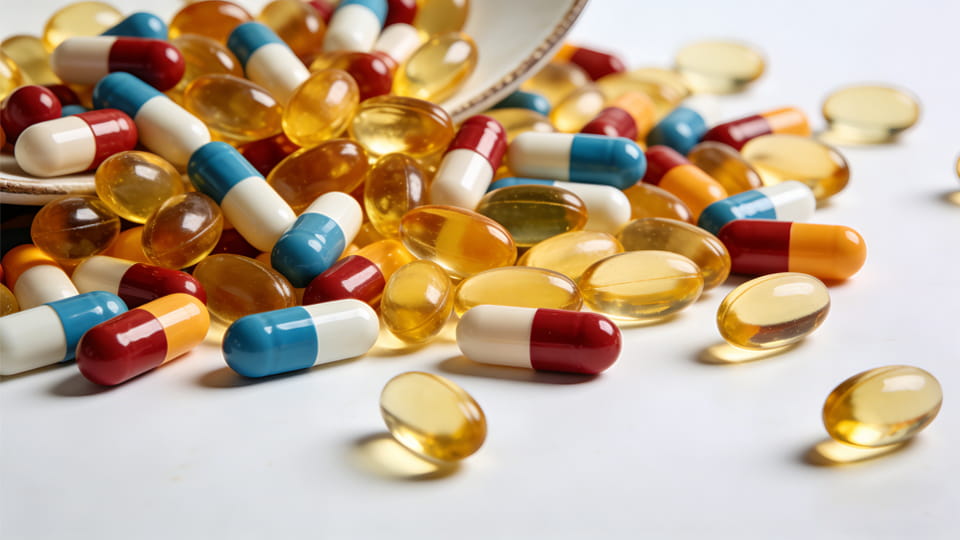

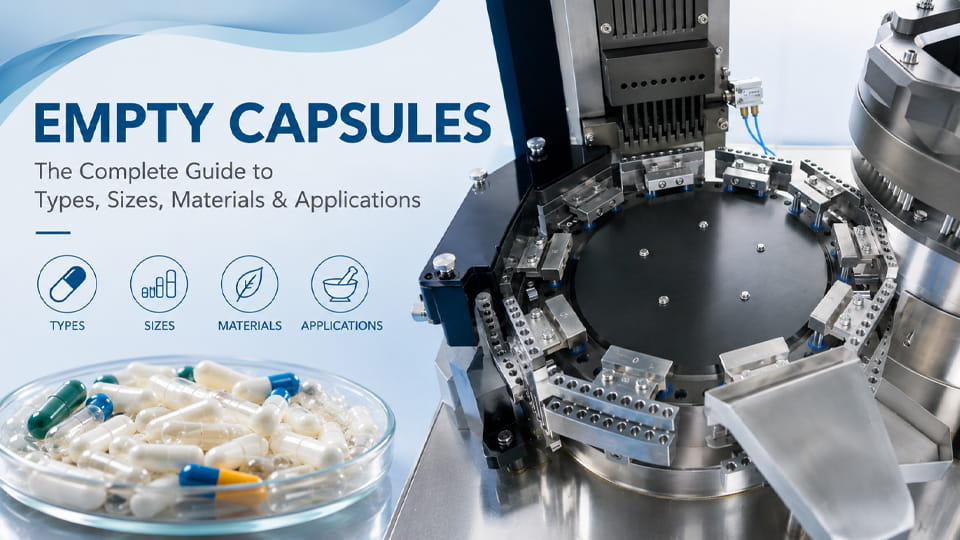
Πριν συζητήσετε τα υλικά της κάψουλας, μεθόδους παραγωγής, ή εξοπλισμός συσκευασίας, είναι χρήσιμο να καταλάβουμε τι άδεια κάψουλες είναι στην πραγματικότητα και γιατί χρησιμοποιούνται τόσο ευρέως. Από συνταγογραφούμενα φάρμακα μέχρι διατροφικά και φυτικά συμπληρώματα, οι άδειες κάψουλες παρέχουν στους κατασκευαστές φαρμακευτικών προϊόντων ένα ευέλικτο, ακριβής, και αποτελεσματικό δοσολογικό διάλυμα. Η συμβατότητά τους με αυτοματοποιημένο γέμισμα κάψουλας και γραμμές συσκευασίας τα καθιστά επίσης ουσιαστικό μέρος της σύγχρονης φαρμακευτικής παραγωγής. Είτε επιλέγετε άδειες κάψουλες ζελατίνης, αξιολόγηση φυτικών εναλλακτικών, ή σχεδιάζετε μια νέα γραμμή συσκευασίας καψουλών, Η κατανόηση των βασικών αρχών θα σας βοηθήσει να λάβετε καλύτερες αποφάσεις παραγωγής και αγοράς.
Στη φαρμακευτική παραγωγή, άδεια κάψουλες (ονομάζονται επίσης κενές κάψουλες ή άδειες κάψουλες χαπιών) είναι τα βασικά κοίλα κοχύλια που χρησιμοποιούνται για τη δημιουργία του στόματος δοσολογικές μορφές. Λειτουργούν ως δοχεία για σκόνες, κόκκους ή σφαιρίδια φαρμάκων και συμπληρωμάτων. Μια άδεια κάψουλα αποτελείται συνήθως από δύο κύρια μέρη - το καπάκι και το σώμα - τα οποία εφαρμόζουν και κλειδώνουν μαζί να σχηματίσει ένα κλειστό κέλυφος. (Το καπάκι είναι το πιο κοντό επάνω μισό, και το σώμα είναι το μακρύτερο κάτω μισό.) Τα μοντέρνα σχέδια κάψουλας περιλαμβάνουν α μηχανισμός κλειδώματος (όπως ταιριαστοί ασφαλιστικοί δακτύλιοι ή αυλακώσεις στο καπάκι και στο σώμα) για να διασφαλίσετε ότι η κάψουλα παραμένει ερμητικά κλειστή μετά την πλήρωση. Αυτό αποτρέπει το τυχαίο άνοιγμα της κάψουλας κατά την επεξεργασία, αποστολή ή διακίνηση.
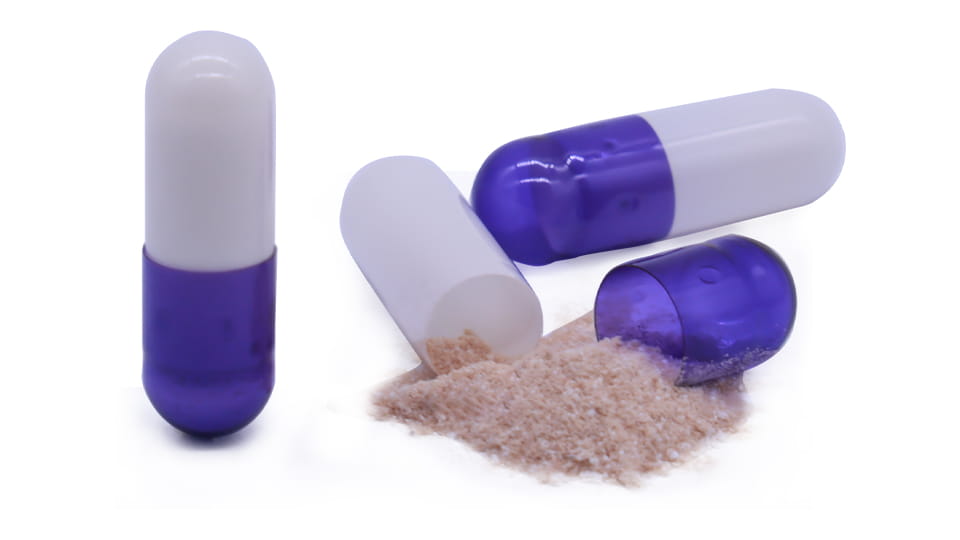
Στην πράξη, άδειες κάψουλες χρησιμεύουν ως βολικό “άδειο σκάφος” για ιατρική. Συνήθως κατασκευάζονται από ζελατίνη ή φυτικά υλικά, και είναι φορτωμένα με API ή συμπληρώματα κατά την παραγωγή. Μετά το γέμισμα, το καπάκι και το σώμα κουμπώνουν μεταξύ τους για να κρατούν το περιεχόμενο ασφαλές. Κάτω από μικροσκόπιο, μπορείτε να δείτε το καπάκι κάψουλας, σώμα κάψουλας, και συχνά ένας συμπλεκόμενος δακτύλιος ή διπλό κούμπωμα σχεδιασμός κατά την ένωση (όπως φαίνεται παρακάτω):
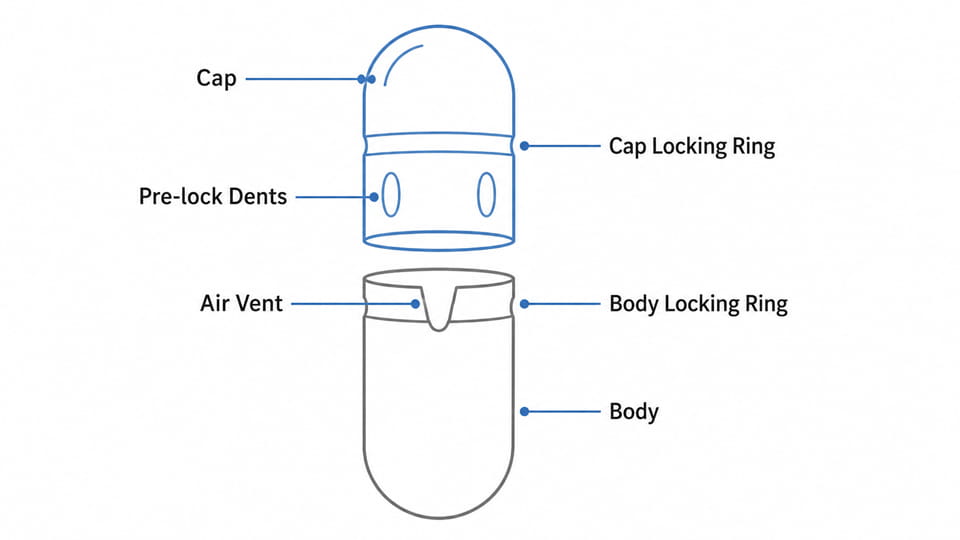
Συνοπτικά, μια άδεια κάψουλα είναι ένα έτοιμο προς πλήρωση κέλυφος που αποτελείται από ένα καπάκι και ένα σώμα που κουμπώνουν ή κλειδώνουν μεταξύ τους. Αυτά τα σκληρά κελύφη είναι αρκετά ελαστικά για να συναρμολογηθούν, αλλά αρκετά άκαμπτα για να επιβιώσουν στις γραμμές πλήρωσης και συσκευασίας υψηλής ταχύτητας. Έρχονται προσυναρμολογημένα ή ως χαλαρά καπάκια και σώματα (συχνά παρέχονται σε δίσκους χύδην), και γεμίζονται σε ξεχωριστά στάδια στο εργοστάσιο.
Υπάρχουν διάφοροι τύποι κενών καψουλών, διακρίνονται κυρίως από τους υλικό κελύφους. Τα πιο συνηθισμένα είναι:
Η σύγχρονη φαρμακευτική έχει επεκταθεί πέρα από τη ζωική ζελατίνη. «Καθώς η επιστήμη και η τεχνολογία έχουν προχωρήσει, νέα υλικά και βελτιώσεις της διαδικασίας έχουν οδηγήσει στην ανάπτυξη κενών καψουλών από HPMC, υδροξυπροπυλ άμυλο, και πουλλουλάν, εκτός από ζελατίνη». Στην πράξη, όταν κάποιος ζητά «άδειες κάψουλες ζελατίνης», συνήθως σημαίνουν σκληρές κάψουλες δύο τεμαχίων από το κοινό υλικό. Αλλά οι προμηθευτές καψουλών σήμερα προσφέρουν και τα δύο ζελατίνη και HPMC (χορτοφάγος) κάψουλες σε μια σειρά χρωμάτων και μεγεθών για να καλύψει διαφορετικές ανάγκες. (Κατά την παραγγελία, μπορείτε επίσης να τα δείτε να ονομάζονται άδειες κάψουλες χαπιών, άδειες φαρμακευτικές κάψουλες, ή άδεια κελύφη κάψουλας.)
Κάθε υλικό έχει πλεονεκτήματα και μειονεκτήματα. Η ζελατίνη είναι παραδοσιακή, χαμηλού κόστους και διαλύεται εύκολα, αλλά δεν είναι κατάλληλο για αυστηρούς χορτοφάγους. Το HPMC και άλλες επιλογές για vegan κοστίζουν λίγο περισσότερο, αλλά ταιριάζουν σε ευρύτερες καταναλωτικές βάσεις. Το Pullulan έχει πολύ καλή προστασία από την υγρασία, που μπορεί να βελτιώσει τη διάρκεια ζωής ορισμένων φαρμάκων ή συμπληρωμάτων.
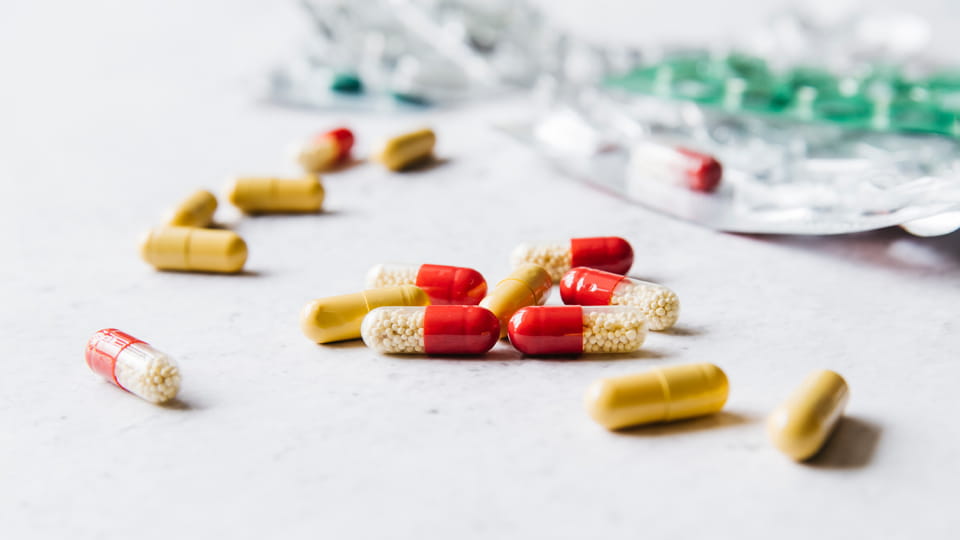
Άδειες κάψουλες μπαίνουν α γκάμα μεγεθών για να φιλοξενήσει διαφορετικούς όγκους δόσης. Τα τυπικά μεγέθη αριθμούνται από 000 (ο μεγαλύτερος) κάτω σε 5 (το μικρότερο). Μέγεθος 000 είναι πολύ μεγάλο – περίπου 1.37 mL εσωτερικός όγκος – ενώ το μέγεθος 5 είναι μικροσκοπικό (~0,21 mL). Επιλέγοντας το σωστό μέγεθος κάψουλας εξαρτάται από το γεμίστε το βάρος και την πυκνότητα της σκόνης ή των κόκκων:
Τραπέζι 1 Τυπικά μεγέθη καψουλών σκληρής ζελατίνης
| Προσδιορισμός μεγέθους | Πλήρωση όγκου (mL) | Πλήρωση όγκου (ουγκιά) | Ύψος κλειδωμένης κάψουλας (mm) | Εξωτερική διάμετρος (mm) |
|---|---|---|---|---|
| 000 | 1.37 | 1/20 | 26.1 | 10.0 |
| 00 | 0.95 | 1/30 | 23.3 | 8.5 |
| 0 | 0.68 | 1/40 | 21.7 | 7.7 |
| 1 | 0.50 | 1/55 | 19.4 | 6.9 |
| 2 | 0.37 | 1/75 | 18.0 | 6.4 |
| 3 | 0.30 | 1/100 | 15.9 | 5.8 |
| 4 | 0.21 | 1/135 | 14.3 | 5.3 |
| 5 | 0.13 | 1/220 | 11.1 | 4.9 |
Ο όγκος πλήρωσης κάθε μεγέθους παρέχεται συνήθως από τον κατασκευαστή της κάψουλας. Για παράδειγμα, δείχνει ένα τυπικό διάγραμμα όγκους κάψουλας από 1.37 mL (μέγεθος 000) κάτω σε 0.21 mL (μέγεθος 5). Αυτός ο όγκος αντιστοιχεί σε ένα ορισμένο βάρος με βάση την πυκνότητα της σκόνης. Οντως, Τραπέζι 2.1 σε μια φαρμακευτική αναφορά παραθέτει τους όγκους και τα κατά προσέγγιση βάρη για διάφορα μεγέθη με βάση τις τυπικές πυκνότητες. Κατά τη διατύπωση, Οι κατασκευαστές υπολογίζουν το απαιτούμενο μέγεθος κάψουλας με βάση το βάρος της δόσης-στόχου και την πυκνότητα του υλικού (πυκνότητα βρύσης σκόνης).
Εφαρμογές ανά μέγεθος: Nutraceuticals (όπως πολυβιταμίνες ή φυτικά συμπληρώματα) συχνά χρησιμοποιούν μεγαλύτερες κάψουλες (0 ή 000) γιατί πρέπει να προσφέρουν μεγάλες ποσότητες βοτάνων ή βιταμινών. Πολλά δισκία μετατράπηκαν σε κάψουλες (υπερ-ενθυλάκωση για κλινικές δοκιμές) χρησιμοποιήστε τυπικά μεγέθη κάψουλας 1 ή 0. Αντίστροφως, πολύ μικρές κάψουλες (μεγέθη 3-5) μπορεί να χρησιμοποιηθεί για φάρμακα υψηλής ισχύος, ή για εύκολη κατάποση από παιδιά.
Συνοπτικά, είναι διαθέσιμες κενές κάψουλες μεγέθη 000 να 5. Μια γενική οδηγία είναι: τόσο μικρότερος είναι ο αριθμός, όσο μεγαλύτερη είναι η κάψουλα (δηλ. 000 είναι μεγαλύτερο, 5 είναι το μικρότερο). Οι κατασκευαστές και οι προμηθευτές καψουλών παρέχουν διαγράμματα μεγεθών έτσι ώστε οι παρασκευαστές να μπορούν να επιλέξουν μια κάψουλα που πληροί την απαίτηση όγκου της προβλεπόμενης δόσης. Η σωστή επιλογή μεγέθους διασφαλίζει ότι κάθε κάψουλα διατηρεί τη σωστή ποσότητα API για σταθερή δοσολογία.
Άδεια σκληρά κελύφη κάψουλας (σώματα και καπάκια κάψουλας) παράγονται από α διαδικασία εμβάπτισης. Τα βασικά βήματα είναι τα εξής (ανατρέξτε στις αναφορές κλινικών φαρμάκων για λεπτομέρειες):
Όλα αυτά τα βήματα κατασκευής είναι αυτοματοποιημένα και ελέγχονται στενά ως προς την ποιότητα. Οντως, ένας δημοσιευμένος οδηγός κατασκευής κάψουλας συνοψίζει αυτά τα στάδια: "Βήμα 1: παρασκευή διαλύματος ζελατίνης; Βήμα 2: βουτιά σε μεταλλικές ακίδες; Βήμα 3: περιστροφή των επικαλυμμένων ακίδων; Βήμα 4: στέγνωμα των επικαλυμμένων πείρων; Βήμα 5: απογύμνωση και κούρεμα; Βήμα 6: ένωση του κομμένου κελύφους της κάψουλας; Βήμα 7: εκτύπωση". (Βήμα εκτύπωσης: Μετά τη συναρμολόγηση, Οι κάψουλες συχνά τυπώνονται με κωδικούς προϊόντων ή λογότυπα, στη συνέχεια επιθεωρούνται και συσκευάζονται.)
Σε όλη αυτή τη διαδικασία, εκτενής ποιοτικός έλεγχος γίνονται έλεγχοι (δύναμη άνθισης ζελατίνης, ιξώδες, μικροβιακά όρια, και τα λοιπά.) για να εξασφαλίσει ομοιόμορφα κελύφη. Οι σύγχρονες σειρές κάψουλας μπορούν να κάνουν εκατομμύρια κοχύλια την ημέρα, με πολύ σταθερό βάρος και διαστάσεις.
Όταν επιλέγετε τύπο και μέγεθος κάψουλας, εξετάστε πρώτα το δραστικό συστατικό και τη σύνθεση, στη συνέχεια η μέθοδος παραγωγής.
Επιλέξτε ανά Συστατικό/Σύνθεση:
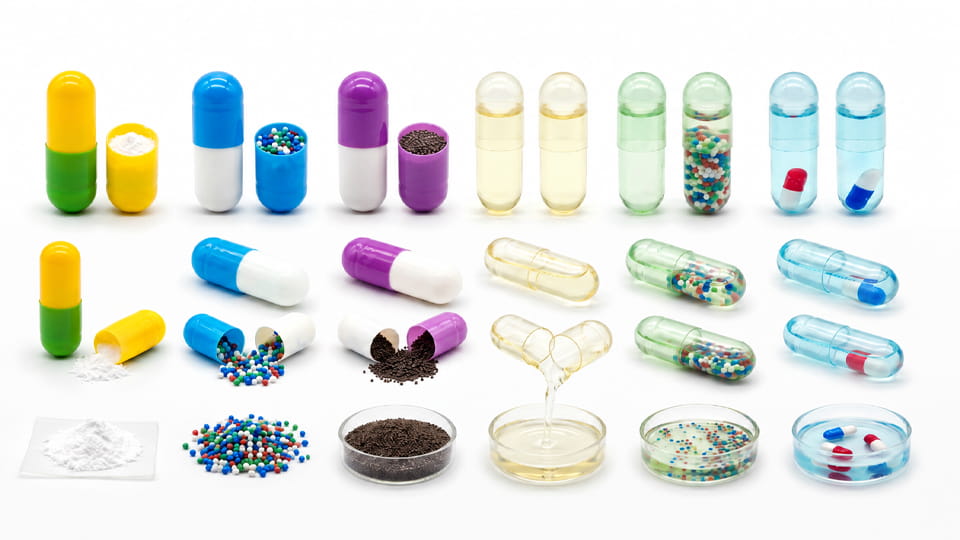
Επιλέξτε ανά Εξοπλισμό και Κλίμακα:
Συνοπτικά, επιλέξτε το υλικό της κάψουλας που ταιριάζει στο API σας (σταθερότητα, διατροφικές ανάγκες) και στη συνέχεια επιλέξτε το μέγεθος της κάψουλας για τη δόση σας. Εξασφαλίστε επίσης συμβατότητα με τον εξοπλισμό πλήρωσής σας (εγχειρίδιο vs. αυτόματο). Σύγχρονα πληρωτικά καψουλών (όπως αυτά από το Jinlu) έχουν σχεδιαστεί για να χειρίζονται όλους τους τυπικούς τύπους καψουλών. Για παράδειγμα, δοκιμασμένες ρυθμίσεις δείχνουν ότι η ζελατίνη, Τα κελύφη HPMC και pullulan λειτουργούν ομαλά στα ίδια μηχανήματα υψηλής ταχύτητας.
Οι κενές κάψουλες χρησιμοποιούνται σε πολλές βιομηχανίες. Οι βασικές εφαρμογές περιλαμβάνουν:
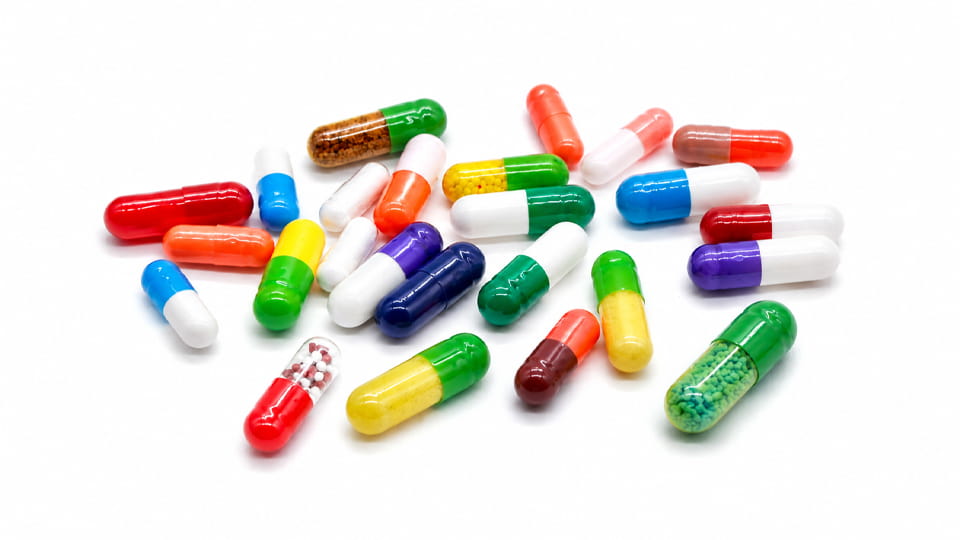
Αυτά τα παραδείγματα δείχνουν την ευελιξία των κενών καψουλών. Είναι μια καθολική δοσολογική μορφή για οποιοδήποτε προϊόν σε σκόνη ή σε κόκκους που πρέπει να καταποθεί σε ακριβή δόση.
Η πλήρωση των κενών καψουλών με προϊόν μπορεί να γίνει με διάφορους τρόπους, ανάλογα με την κλίμακα:


Σε όλες τις μεθόδους πλήρωσης, δίδεται ιδιαίτερη προσοχή στις πολύ ελαφριές ή κολλώδεις σκόνες (ενισχυτές ροής, λάδωμα). Συλλογή σκόνης και ηλεκτροστατικός έλεγχος (ιονιστές) είναι σημαντικά για την ασφάλεια του χειριστή και την ακρίβεια πλήρωσης. Για μεγάλες επιχειρήσεις, Οι μηχανές πλήρωσης καψουλών αποτελούν βασικό μέρος της αλυσίδας της διαδικασίας – μετατρέπουν τις «άδειες κάψουλες» σε τελικά προϊόντα σε κλίμακα.
Μόλις γεμίσουν οι κάψουλες, οι δοσολογικές μορφές πρέπει να συσκευάζονται αποτελεσματικά. Υπάρχουν λίγα κοινά διαλύματα συσκευασίας για σκληρές κάψουλες:
Στην πράξη, ένα φαρμακευτικό εργοστάσιο μπορεί να συνδυάσει αυτά τα διαλύματα. Για παράδειγμα, μια γραμμή παραγωγής υψηλής ταχύτητας μπορεί να ξεκινήσει με ένα αυτόματο γέμισμα κάψουλας, Στη συνέχεια, δρομολογήστε τις κάψουλες σε μια μηχανή μέτρησης κάλυψης, και τέλος στείλτε μπουκάλια σε χαρτοκιβώτιο. Εναλλακτικά, για μοναδιαίες δόσεις, οι κάψουλες από το πληρωτικό πάνε σε μια ενσωματωμένη μηχανή κυψελών.
Σημείο κλειδί: Ο εξοπλισμός συσκευασίας πρέπει να επιλέγεται ώστε να ταιριάζει με τις κάψουλες. Οι μηχανές blister πρέπει να χειρίζονται το μέγεθος και το σχήμα των καψουλών (για να εξασφαλιστεί αξιόπιστη τροφοδοσία στις κοιλότητες). Οι μηχανές μέτρησης θα πρέπει να είναι συμβατές με τις απαιτήσεις ευθραυστότητας και ταχύτητας της κάψουλας. Πολλοί πωλητές μηχανημάτων (όπως η Τζινλού) προσφέρουν προσαρμογή: για παράδειγμα, προσαρμόζοντας τους τροφοδότες ή τους οδηγούς αγωγών για να ταιριάζουν στο μέγεθος και το υλικό της κάψουλάς σας. Όπως διαφημίζει ο κατασκευαστής, Οι συσκευασίες blister τους είναι κατασκευασμένες σύμφωνα με τα πρότυπα GMP και μπορούν να συσκευάζουν δισκία, κάψουλες, και άλλες μορφές σε υψηλή ταχύτητα.
Τελικά, ολοκληρωμένες γραμμές συσκευασίας – συνδυασμός γέμισης κάψουλας, αρίθμηση, φουσκάλες / επικάλυψη, και χαρτοκιβώτιο – παρέχουν την πιο αποτελεσματική λύση για παραγωγή μεγάλης κλίμακας. Αυτοματοποιούν τη ροή από την άδεια κάψουλα στο τελικό συσκευασμένο προϊόν.
Κενές κάψουλες (τα δύο τεμάχια κοχύλια για χάπια και συμπληρώματα) αποτελούν θεμελιώδες στοιχείο στη φαρμακευτική παραγωγή. Κατανόηση των υλικών τους, μεγέθη, και σχεδιαστικά χαρακτηριστικά (σαν μηχανισμοί κλειδώματος) σας βοηθά να επιλέξετε το σωστό κέλυφος για το προϊόν σας. Εξίσου σημαντική είναι η γνώση της διαδικασίας κατασκευής και πλήρωσης: οι κάψουλες παρασκευάζονται με εμβάπτιση (ζελατίνη/HPMC) και στη συνέχεια γεμίζονται σε αυτοματοποιημένα μηχανήματα που διαχωρίζονται, δόση, και κλείστε κάθε κάψουλα. Τελικά, Η σωστή συσκευασία - μέσω μηχανών blister ή γραμμών μέτρησης - διασφαλίζει ότι οι γεμάτες κάψουλες παραμένουν ανέπαφες και συμβατές μέσω της διανομής.
Εάν είστε κατασκευαστής φαρμακευτικών προϊόντων ή φαρμακευτικών προϊόντων που αναζητάτε αξιόπιστο εξοπλισμό, σκεφτείτε έναν πάροχο λύσεων μίας στάσης που κατανοεί τις κάψουλες. Εταιρείες όπως η Jinlu Packing προσφέρουν ολοκληρωμένες γραμμές πλήρωσης και συσκευασίας καψουλών που πληρούν τα πρότυπα cGMP. Μπορούν να σας βοηθήσουν να προσαρμόσετε τη γραμμή στον συγκεκριμένο τύπο κάψουλας και τις ανάγκες εξόδου σας. Επικοινωνήστε με έναν ειδικό σήμερα για να συζητήσετε πώς να βελτιώσετε την παραγωγή και τη συσκευασία των καψουλών σας.
Οι κενές κάψουλες είναι άδεια κελύφη κάψουλας που χρησιμοποιούνται για να περιέχουν φαρμακευτικά συστατικά, σκόνες, κόκκους, ή συμπληρώματα διατροφής. Συνήθως αποτελούνται από ένα καπάκι κάψουλας, σώμα κάψουλας, και μηχανισμός κλειδώματος, επιτρέποντας στους κατασκευαστές να παράγουν ακριβείς και βολικές μορφές δοσολογίας από το στόμα.
Οι σκληρές κάψουλες συνήθως κατασκευάζονται από ζελατίνη (ζωικής προέλευσης) ή εναλλακτικές για χορτοφάγους όπως το HPMC (κυτταρίνη) και πουλλουλάν (άμυλο ταπιόκας που έχει υποστεί ζύμωση). Στην πράξη, Η "άδεια κάψουλα" αναφέρεται συνήθως σε ένα από αυτά τα κελύφη δύο τεμαχίων έτοιμα για γέμιση.
Οι κύριοι τύποι κενών καψουλών περιλαμβάνουν κάψουλες σκληρής ζελατίνης, Κάψουλες HPMC, και κάψουλες pullulan. Οι κάψουλες σκληρής ζελατίνης χρησιμοποιούνται συνήθως για φαρμακευτικά φάρμακα, ενώ οι κάψουλες HPMC και φυτικής προέλευσης είναι δημοφιλείς για διατροφικά και χορτοφαγικά προϊόντα.
Οι κύριοι τύποι κενών καψουλών περιλαμβάνουν κάψουλες σκληρής ζελατίνης, Κάψουλες HPMC, και κάψουλες pullulan. Οι κάψουλες σκληρής ζελατίνης χρησιμοποιούνται συνήθως για φαρμακευτικά φάρμακα, ενώ οι κάψουλες HPMC και φυτικής προέλευσης είναι δημοφιλείς για διατροφικά και χορτοφαγικά προϊόντα.
Οι κενές κάψουλες διατίθενται σε διαφορετικά μεγέθη, συμπεριλαμβανομένου 000, 00, 0, 1, 2, 3, 4, και 5. Μεγαλύτερα μεγέθη όπως π.χ 000 και 00 χρησιμοποιούνται συχνά για συμπληρώματα, ενώ μικρότερα μεγέθη χρησιμοποιούνται συνήθως για φαρμακευτικά φάρμακα με χαμηλότερες απαιτήσεις δοσολογίας.
Τα πιο κοινά μεγέθη σκληρού κελύφους στα φαρμακευτικά και συμπληρώματα είναι τα μεγέθη 0 και 1. Αυτά προσφέρουν μια καλή ισορροπία του όγκου πλήρωσης και της ικανότητας κατάποσης. (Ωστόσο, μπορούν να χρησιμοποιηθούν φόρμουλες πολύ υψηλών δόσεων 00 ή 000, και οι παιδιατρικές δόσεις μπορεί να χρησιμοποιούν μέγεθος 3–5.)
Οι τυπικές κάψουλες δύο τεμαχίων έχουν σχεδιαστεί για στερεά (σκόνες, κόκκους). Μπορούν να διαρρεύσουν με υγρά γεμίσματα. Για λάδια ή υγρά, Συνήθως χρησιμοποιούνται κάψουλες μαλακής γέλης ή εξειδικευμένες υγρές κάψουλες. (Σημείωμα: υπάρχει τεχνολογία σκληρών καψουλών γεμάτες υγρό, αλλά αυτά εξακολουθούν να χρησιμοποιούν ένα φράγμα πούδρας μέσα.)
Οι σωστά αποθηκευμένες κάψουλες έχουν μεγάλη διάρκεια ζωής. Τόσο οι κάψουλες ζελατίνης όσο και οι κάψουλες HPMC μπορούν να διαρκέσουν αρκετά χρόνια (συχνά 2-5 χρόνια) εάν διατηρείται σφραγισμένο σε δροσερό, ξηρές συνθήκες. Με την πάροδο του χρόνου, απώλεια ή κέρδος υγρασίας μπορεί να τα επηρεάσει, επομένως πρέπει να τηρούνται οι συστάσεις αποθήκευσης.
Οι κενές κάψουλες κατασκευάζονται με διάφορα στάδια, συμπεριλαμβανομένης της προετοιμασίας πρώτων υλών, σχηματισμός κελύφους κάψουλας, ξήρανση, ποιοτικός έλεγχος, και τη συσκευασία. Η διαδικασία εξασφαλίζει σταθερό μέγεθος κάψουλας, δύναμη, και ποιότητα για τη φαρμακευτική παραγωγή.
Ναί. Λόγω των πρώτων υλών και της επεξεργασίας, Οι κάψουλες HPMC και pullulan κοστίζουν σημαντικά περισσότερο στην κατασκευή από τις κάψουλες ζελατίνης. Αυτό αντικατοπτρίζεται στην τιμολόγηση των κενών λαχανικών κάψουλων.
Αναφορές:
1.Κάψουλες σκληρής ζελατίνης: Διατύπωση & Βιομηχανοποίηση —— studylib.net
2.Κλείδωμα σκληρής κάψουλας ζελατίνης —— Διπλώματα ευρεσιτεχνίας Google
3.Κάψουλες HPMC: τρέχουσα κατάσταση και μελλοντικές προοπτικές —— Εθνική Βιβλιοθήκη Ιατρικής
4.Καψάκια σκληρού ζελατίνης —— pharmacy180.com
5.Μια ολοκληρωμένη ανασκόπηση για: Κάψουλα —— International Journal of Pharmaceutical Sciences (IJPS)