Πλήρης οδηγός για τις επιλογές συσκευασίας κάψουλας: Τύποι, Υλικά, και Μηχανήματα Φαρμακευτικής Συσκευασίας
Πλήρης οδηγός για τις επιλογές συσκευασίας κάψουλας: Τύποι, Υλικά, και Μηχανήματα Φαρμακευτικής Συσκευασίας
Απρίλιος 25, 2026
Δεν υπάρχουν σχόλια
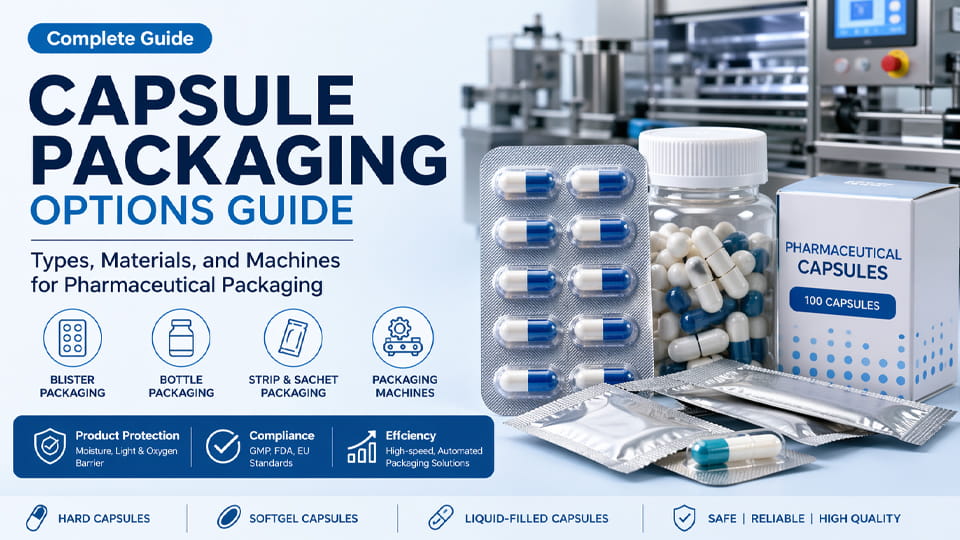
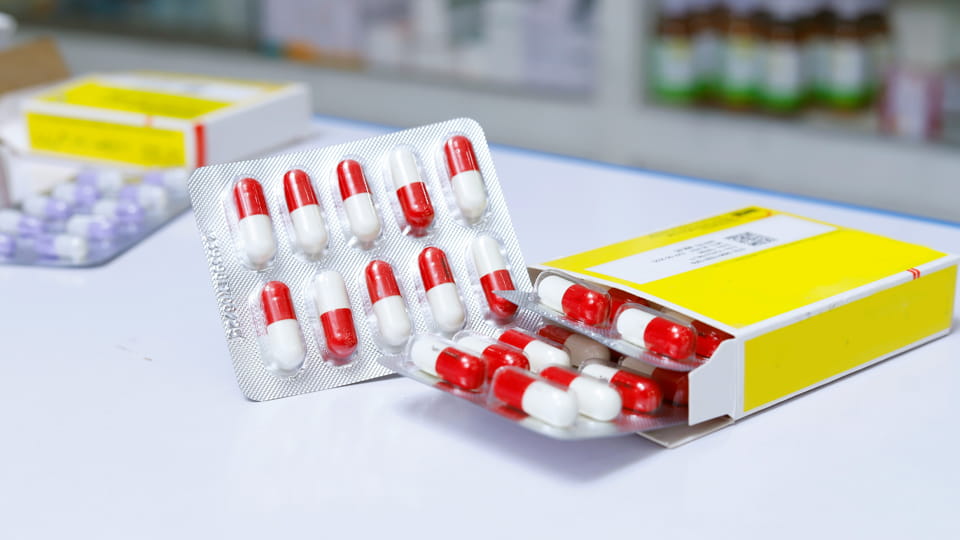
Η συσκευασία κάψουλας αναφέρεται στον τρόπο με τον οποίο οι φαρμακευτικές κάψουλες (σκληρού κελύφους ή μαλακής γέλης) εσωκλείονται για διανομή και χρήση. Περιλαμβάνει πρωταρχική συσκευασία (το άμεσο δοχείο σε επαφή με τις κάψουλες, π.χ.. κοιλότητες φυσαλίδων ή μπουκάλια) και δευτερεύουσα συσκευασία (εξωτερικά χαρτοκιβώτια, κουτιά, και ετικέτες που προστατεύουν και προσδιορίζουν περαιτέρω το προϊόν). Η καλή συσκευασία της κάψουλας πρέπει να προστατεύει το φάρμακο από την υγρασία, φως, και μόλυνση, εξασφαλίζουν σταθερότητα κατά τη διάρκεια ζωής, και πληρούν τις κανονιστικές απαιτήσεις. Για παράδειγμα, Ο ΠΟΥ το σημειώνει «Τα εξαρτήματα συσκευασίας περιβάλλουν το προϊόν από την παραγωγή μέχρι τη χρήση,” και πρέπει να ικανοποιεί λειτουργίες όπως η προστασία, σταθερότητα, και ταυτοποίηση. Κανονισμοί GMP του FDA (21 CFR 211) απαιτούν γραπτές διαδικασίες για την επιθεώρηση και τη δοκιμή των υλικών συσκευασίας κατά την παραλαβή, και επιβάλλουν ασφαλείς ελέγχους επισήμανσης και παραβίασης. Στην πράξη, πρέπει να ταιριάξουμε το προϊόν κάψουλας (δοσολογική μορφή, ευαισθησία, δοσολογία, και τα λοιπά.) στην κατάλληλη μορφή και υλικό συσκευασίας.
Η κύρια συσκευασία των φαρμακευτικών καψουλών – είναι κρίσιμη για προστασία του προϊόντος, συμμόρφωση, και την ασφάλεια των ασθενών: Διατηρεί τις κάψουλες στεγνές, μη μολυσμένο, και με σαφή σήμανση. Για παράδειγμα, Οι συσκευασίες blister και τα κεχριμπαρένια μπουκάλια είναι γνωστό ότι είναι ιδανικά για φάρμακα ευαίσθητα στην υγρασία. Η σωστή συσκευασία υποστηρίζει επίσης τη συμμόρφωση του ασθενούς (δοσολογία κυψέλης μονάδας δόσης, μπουκάλια ανθεκτικά στα παιδιά, σαφής επισήμανση) και τις ανάγκες της εφοδιαστικής αλυσίδας (σειριοποίηση, επιμελητεία). Παρακάτω εξετάζουμε κάθε επιλογή λεπτομερώς.
Τύποι συσκευασίας καψουλών
Συσκευασία blister για κάψουλες
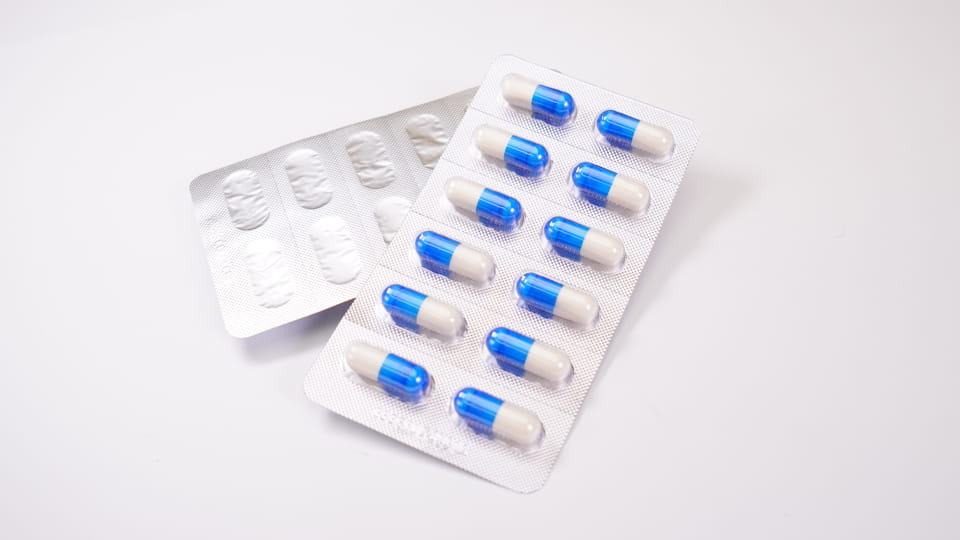
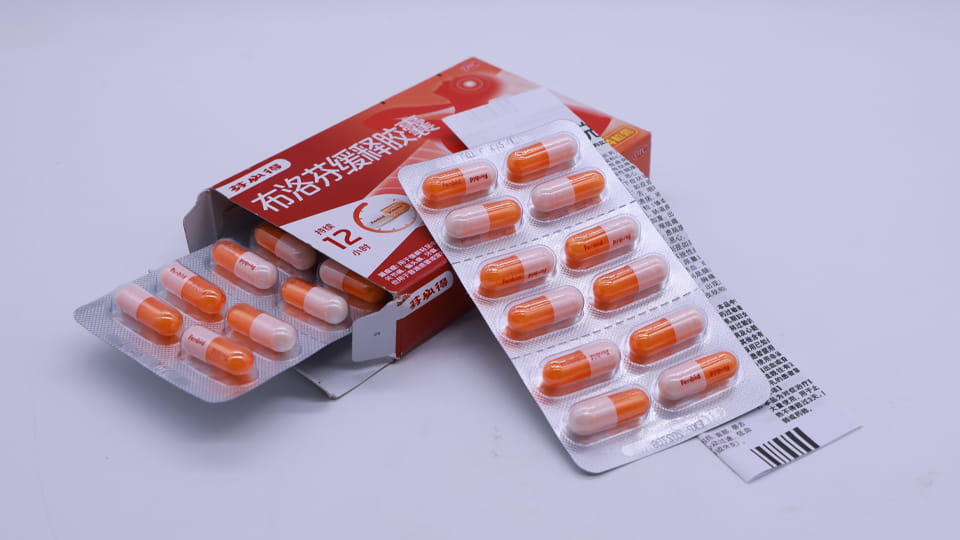
Φουσκάλες αποτελούνται από προσχηματισμένες πλαστικές κοιλότητες ("φουσκάλες") που χωρούν μεμονωμένες κάψουλες, σφραγισμένο με ένα υπόστρωμα (αλουμινόχαρτο ή πλαστικό). Αυτό πρωταρχική συσκευασία προσφορές προστασία μονάδας δόσης. Οι φουσκάλες παρέχουν εξαιρετικό εμπόδιο σκηνικά θέατρου: μπορούν να γίνουν με υλικά όπως PVC/PVDC ή αλουμινόχαρτο (Alu-PVC, Alu-Alu) για να μπλοκάρει την υγρασία, οξυγόνο και φως. Για παράδειγμα, Η μηχανή κυψελών DPP-180Pro της Jinlu μπορεί να σχηματίσει και να σφραγίσει μέχρι 4,800 κυψέλες κάψουλας ανά ώρα σε ελάσματα Alu-PVC ή Alu-Alu. Τα βασικά χαρακτηριστικά της συσκευασίας κυψέλης κάψουλας περιλαμβάνουν:
Προστασία: Κάθε κοιλότητα είναι ερμητικά σφραγισμένη, προστατεύοντας την κάψουλα από την υγρασία, οξυγόνο και φως. Όπως σημειώνει μια μελέτη, φουσκάλες «παρέχει ανώτερη προστασία από την υγρασία και το φως» (καλύτερα από τα μπουκάλια). Φύλλα υψηλού φραγμού (π.χ.. Alu-Alu) παρατείνει τη διάρκεια ζωής για υγροσκοπικές ή ευαίσθητες στο οξυγόνο κάψουλες.
Παραβίαση αποδεικτικών στοιχείων: Μια κυψέλη δείχνει ξεκάθαρα εάν έχει αφαιρεθεί μια δόση ή εάν έχει σπάσει η σφράγιση. Αυτό διασφαλίζει την ακεραιότητα του προϊόντος και την ασφάλεια των ασθενών.
Ευκολία: Οι κυψέλες μονάδας δόσης επιτρέπουν στους ασθενείς να λαμβάνουν μία κάψουλα τη φορά, μείωση των δοσομετρικών σφαλμάτων και της σπατάλης. Είναι ιδιαίτερα χρήσιμα για σύντομα δοσολογικά σχήματα ή παιδιατρικά σκευάσματα.
Προσαρμογή: Οι συσκευασίες blister μπορούν να κατασκευαστούν σε διάφορα σχήματα και μεγέθη κοιλότητας για να ταιριάζουν σε διαφορετικές διαστάσεις κάψουλας. Σύγχρονα μηχανήματα (όπως μηχανές θερμοδιαμόρφωσης ή υποβοήθησης βύσματος) προσαρμόζεται εύκολα σε μεγέθη κάψουλας.
Διαστημική αποδοτικότητα: Οι κυψέλες είναι συμπαγείς και στοιβάζονται. Ελαχιστοποιούν τον κενό χώρο σε σύγκριση με τα μπουκάλια, εξοικονόμηση χώρου αποστολής και αποθήκευσης.
Μηχανές blister της Jinlu (π.χ.. το DPP-180Pro) μπορεί να σχηματίσει αυτόματα κοιλότητες, κάψουλες τροφοδοσίας, σφραγίδα, κομμένα πιάτα, και ακόμη και να εκτυπώσετε κωδικούς παρτίδας. Συνήθως τρέχουν με μέτρια προς υψηλή ταχύτητα (χιλιάδες κοιλότητες ανά ώρα), Ιδανικό για μαζική παραγωγή. Διαφορετικές μορφές blister (Alu-PVC εναντίον Alu-Alu) επιλέγονται ανά προϊόν: Alu-Alu (αλουμινόχαρτο) προσφέρει το υψηλότερο εμπόδιο (καλύτερο για πολύ ευαίσθητα στην υγρασία φάρμακα), ενώ το PVC/PVDC είναι κοινό για τυπικές κάψουλες. Η συσκευασία blister απλοποιεί επίσης την καταμέτρηση και την επιθεώρηση: Οι περισσότερες γραμμές ενσωματώνουν εύκολα μηχανές επιθεώρησης κάμερας ή μέτρησης tablet για να επαληθεύσουν το γέμισμα της κάψουλας.
Μπουκάλι (Βάζο φιάλης/κάψουλας) Συσκευασία
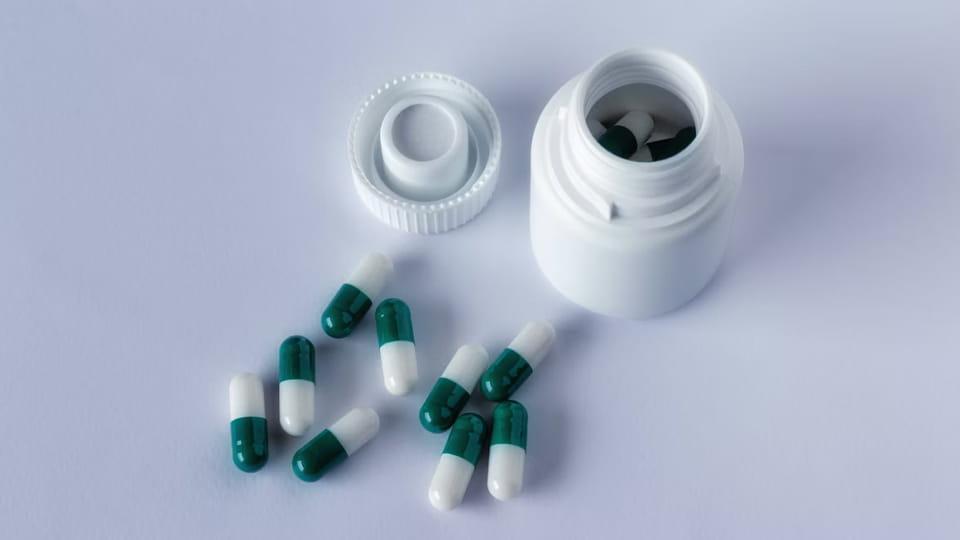
Τα μπουκάλια είναι το κλασικό δοχείο πολλαπλών δόσεων. Οι κάψουλες γεμίζονται σε φιάλες (πλαστικό ή γυαλί) τα οποία στη συνέχεια καλύπτονται. Αυτή η μορφή είναι γνωστή για τις βιταμίνες, συμπληρώματα, και πολλά συνταγογραφούμενα χάπια. Βασικά χαρακτηριστικά:
Ευστροφία: Τα μπουκάλια μπορούν να χωρέσουν μεγάλες ποσότητες (50–1000+ κάψουλες) και ποικιλία προϊόντων (δισκία, κάψουλες, σκόνες, ακόμα και υγρά). Συνήθως κατασκευάζονται από πλαστικό HDPE ή PET, ή γυαλί (για ισχυρή χημική αδράνεια).
Συσκευασία χύδην: Για κάψουλες που προορίζονται για επανειλημμένη λήψη (καθημερινές βιταμίνες, μακροχρόνιες θεραπείες), τα μπουκάλια είναι βολικά. Οι ασθενείς μπορούν να χορηγήσουν πολλαπλές δόσεις ταυτόχρονα.
Κόστους Αποδοτικότητας: Οι γραμμές πλήρωσης μπουκαλιών είναι σχετικά απλές. Τα μηχανήματα μετρούν ή ζυγίζουν τις δόσεις πιο γρήγορα (π.χ.. Το JL-16H της Jinlu μπορεί να γεμίσει μέχρι 100 μπουκάλια/λεπτό). Το κόστος υλικού ανά μονάδα είναι συχνά χαμηλότερο από το blister, ειδικά σε κλίμακα.
Εύκολος χειρισμός: Οι καταναλωτές ξέρουν πώς να ανοίγουν μπουκάλια. Μπορεί να είναι ευκολότερο για τους ηλικιωμένους ασθενείς να ανοίξουν ένα μπουκάλι (ειδικά με καπάκια που ανοίγουν εύκολα ή είναι ανθεκτικά στα παιδιά) παρά φουσκάλες από φλούδες.
Δευτερεύουσα Συσκευασία: Τα μπουκάλια επιτρέπουν τη συμπερίληψη βοηθητικών ειδών όπως πακέτα ξηραντικού (για τον έλεγχο της υγρασίας) ή βαμβάκι. Τοποθετούν επίσης πλήρεις ετικέτες προϊόντων γύρω από το σώμα της φιάλης, και μπορεί να συσκευαστεί σε χαρτοκιβώτια.
Εικόνα: Γραμμή εμφιάλωσης καψουλών/δισκίων Jinlu JL-16H (100 μπουκάλια/λεπτό) με unscrambler, ράβδος, καπάκι, και ετικετογράφος.
Οι γραμμές εμφιάλωσης καψουλών ενσωματώνουν πολλαπλές μηχανές: ένα μπουκαλάκι unscrambler (ή χοάνη τροφοδοσίας), ένα μηχανή μέτρησης-γεμίσματος (που ρίχνει Χ κάψουλες σε κάθε φιάλη), ένα μηχανή κάλυψης/σφράγισης (εφαρμόστε και σφίξτε τα καπάκια), και α μηχάνημα επισήμανσης. Για παράδειγμα, Η σειρά JL-16H της Jinlu μπορεί να χειριστεί κάψουλες 3–40 mm, επιτυγχάνοντας ~100 μπουκάλια/λεπτό με >99.8% ακρίβεια μέτρησης. Τα μπουκάλια μπορούν να γεμιστούν χύμα πολύ γρήγορα. Για την τήρηση των κανονισμών, Οι γραμμές φιαλών συχνά περιλαμβάνουν σταθμό για την εισαγωγή αποξηραντικών (π.χ.. συσκευασίες πυριτίου) και έναν σταθμό σφραγίδας που δεν έχει παραβιάσεις. Τα καπάκια ανθεκτικά στα παιδιά είναι ένα άλλο κοινό χαρακτηριστικό για τα παιδιατρικά φάρμακα.
Στην επιλογή συσκευασίας μπουκαλιών, λάβετε υπόψη τον όγκο και τη σταθερότητα του προϊόντος: προϊόντα μεγάλου όγκου (π.χ.. καθημερινές βιταμίνες) μπουκάλια κοστουμιού, ενώ οι κάψουλες χαμηλού όγκου ή υψηλής ευαισθησίας μπορεί να προτιμούν τις φουσκάλες. Τα μπουκάλια σημείωσης προσφέρουν γενικά λιγότερη εγγενής προστασία υγρασίας/οξυγόνου από τις κυψέλες υψηλού φραγμού. Τα πορτοκαλί γυάλινα ή αδιαφανή δοχεία μπορούν να προσθέσουν προστασία από το φως, και εσωτερικές σφραγίδες (επενδύσεις από φύλλο αλουμινίου) μπορεί να βελτιώσει το εμπόδιο.
φακελάκια & Πακέτα ραβδιών (Σακουλάκια μιας δόσης)
φακελάκια (και κολλάνε πακέτα) εκτάριο ευέλικτα πακέταπου κρατούν μία δόση σκόνης, κόκκους ή υγρό. Αν και δεν είναι τόσο συνηθισμένο για κάψουλες, είναι σχετικές με τις σχετικές δοσολογικές μορφές (π.χ.. διατροφικές κάψουλες σπασμένες σε σκόνη, ή το ίδιο το πληρωτικό σε σκόνη). Παρόλα αυτά, φακελάκια και πακέτα ραβδιών αξίζει να αναφέρεται σε έναν οδηγό συσκευασίας κάψουλας:
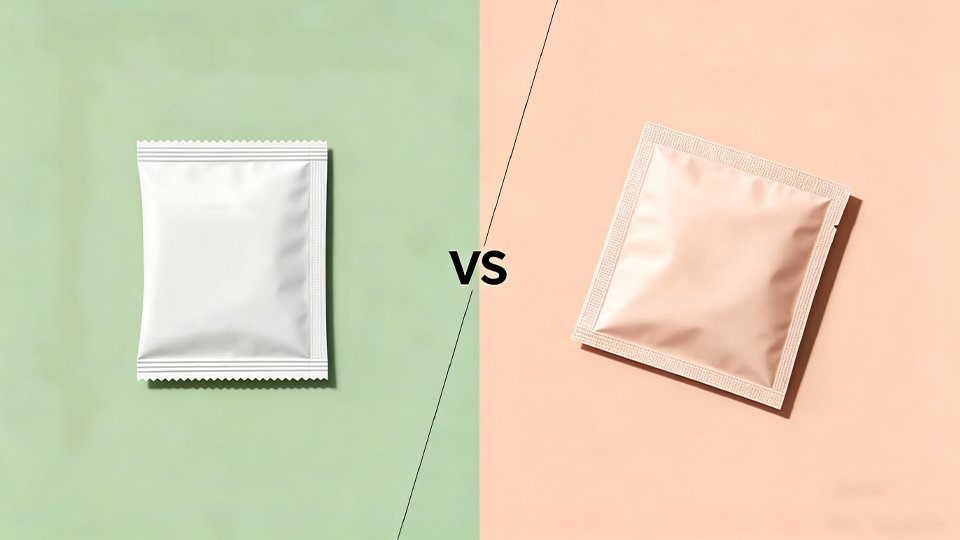
φακελάκια είναι συνήθως επίπεδες ή σε σχήμα μαξιλαριού πακέτα σφραγισμένα 3 ή 4 πλευρές. Συχνά χρησιμοποιούνται για σκόνες μιας δόσης (π.χ.. αναβράζοντες κόκκοι) ή πολύ μικρές κάψουλες (ορισμένα φαρμακεία διανέμουν κάψουλες σε φακελάκια για παιδιατρική δόση). Οι σύγχρονες μηχανές φόρμας-πλήρωσης-σφράγισης μπορούν να γεμίσουν φακελάκια με ακριβείς μικρούς όγκους. Τα πλεονεκτήματα περιλαμβάνουν φορητότητα (χωράει στην τσέπη), ευκολία, και ακριβής δοσολογία (καμία μερική σπατάλη). Τα φακελάκια παρέχουν επίσης καλή σφράγιση: η ερμητική σφράγιση παρατείνει τη διάρκεια ζωής και αποτρέπει τη μόλυνση. Πολλά φαρμακευτικά προϊόντα (σκόνες, πηκτές, αλοιφές, χάπια μιας δόσης) χρησιμοποιήστε φακελάκια; για παράδειγμα, επείγοντα ενέσιμα διαλύματα επανυδάτωσης ή σκόνες αντιβιοτικών μιας χρήσης.
Πακέτα ραβδιών είναι μακριές, στενά φακελάκια (συχνά σφραγίζεται κατά μήκος μιας μακριάς ραφής συν μιας τελικής ραφής). Είναι δημοφιλή για συμπληρώματα σε σκόνη (π.χ.. μείγματα στιγμιαίων ποτών) και μπορεί να χρησιμοποιηθεί για σκόνες κάψουλας. Οι συσκευασίες ραβδιών χρησιμοποιούν γενικά λιγότερο υλικό από τα φακελάκια και η απόδοση του μηχανήματος είναι μεγαλύτερη (30– 50% πιο γρήγορα). Είναι ιδανικά για πούδρες ελεύθερης ροής λόγω του λεπτού ανοίγματος.
Τόσο τα φακελάκια όσο και οι συσκευασίες stick παράγονται από κατακόρυφη μορφή-γεμίσματος-σφραγίδα (VFFS) ή οριζόντιες μηχανές FFS. Η σειρά JL-VP του Jinlu, για παράδειγμα, είναι ένα μηχάνημα FFS stick/σακετάκι πολλαπλών λωρίδων (40 τσάντες/λεπτό/λωρίδα, Ακρίβεια ±0,02 g) για σκόνες, κόκκους, υγρά ή τζελ. Εάν οι ίδιες οι κάψουλες πρόκειται να συσκευαστούν σε φακελάκια, κάποιος θα άνοιγε το φακελάκι για να ανακτήσει τη δόση – αλλά πιο συχνά, Οι κάψουλες συσκευάζονται άθικτες σε blister ή φιάλη, ενώ τα φακελάκια/πακετάκια με ραβδί χειρίζονται περιεχόμενο σε σκόνη.
Κανονιστικό σημείωμα: Τα φακελάκια και οι συσκευασίες stick επιτρέπονται για στερεά και ημιστερεά φάρμακα (σύμφωνα με τους ορισμούς του ΠΟΥ). Θεωρούνται πρωταρχική συσκευασία εάν περιέχουν απευθείας το προϊόν. Σαν φουσκάλες, Τα φακελάκια μπορούν να σχεδιαστούν ανθεκτικά στα παιδιά ή με εγκοπές σχίσιμου.
Συσκευασία λωρίδων
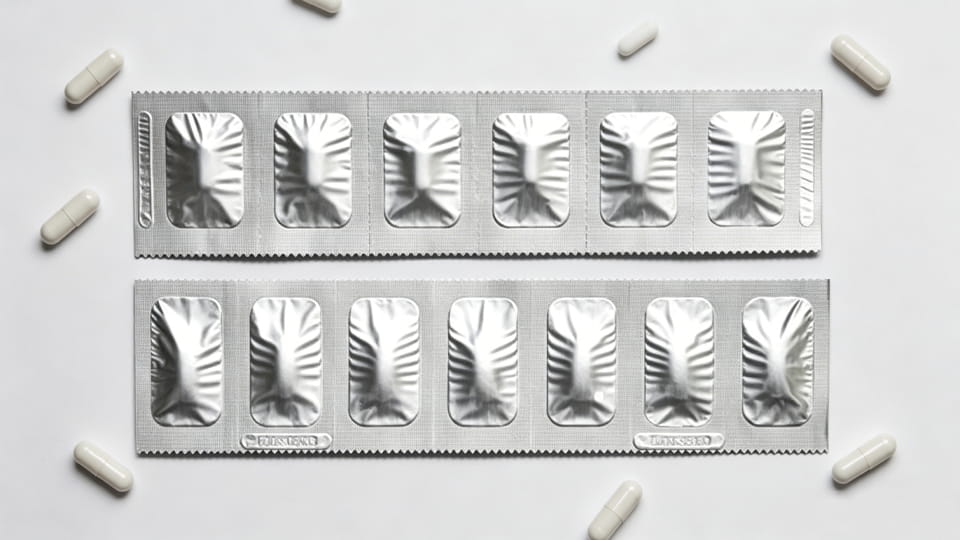
Πακέτα απογυμνώσεων (ονομάζονται επίσης ταινίες αλουμινίου ή "ζώνες δόσης") είναι μια άλλη μορφή πρωτογενούς συσκευασίας μοναδιαίας δόσης. Μια λωρίδα είναι συνήθως ένας στενός ιστός υλικού (συχνά αλουμίνιο ή πολυστρωματικό laminate) διπλωμένο και σφραγισμένο, με διατρήσεις μεταξύ των δόσεων. Σε αντίθεση με τις φουσκάλες, Αντίθετα, οι λωρίδες δεν σχηματίζουν βαθιές κοιλότητες, η κάψουλα τοποθετείται ανάμεσα σε δύο στρώσεις φιλμ. Τα strip pack χρησιμοποιούνται ευρέως στην Ασία και για προϊόντα όπου απαιτείται υψηλή προστασία από την υγρασία, αλλά οι φουσκάλες είναι πολύ ογκώδεις. Βασικά σημεία:
Εξαιρετικό Φράγμα: Τα πακέτα λωρίδων χρησιμοποιούν συχνά αλουμινόχαρτο το οποίο είναι αδιαπέραστο από την υγρασία και το οξυγόνο. Αυτό τα καθιστά ιδανικά για καψάκια ευαίσθητα στην υγρασία ή παιδιατρικά φάρμακα όπου απαιτείται μεγάλη διάρκεια ζωής. Ο ΠΟΥ ορίζει ακόμη και τις λωρίδες ως κατάλληλες για «μονές δόσεις… στερεών ή ημιστερεών παρασκευασμάτων»..
Συμπαγής & Μονάδα-δόση: Σαν φουσκάλες, Τα πακέτα ταινιών επιτρέπουν τη χρήση μίας δόσης τη φορά. Είναι πιο ελαφριά και πιο επίπεδα από τις φουσκάλες, εξοικονόμηση χώρου.
Εξοπλισμός: Οι μηχανές συσκευασίας λωρίδων σχηματίζουν και σφραγίζουν το φύλλο γύρω από κάθε κάψουλα. Το Jinlu προσφέρει επίσης μηχανές συσκευασίας ταινιών. Για παράδειγμα, Τα πακέτα ταινιών Rich Packing Notes χρησιμοποιούν πλαστικοποίηση από αλουμίνιο ή πλαστικό και μπορούν να επιτύχουν μήκη πολλών δόσεων.
Εικόνα:Μηχανή συσκευασίας λωρίδων
Από άποψη επιλογής, Τα πακέτα ταινιών καταλαμβάνουν μια μέση λύση μεταξύ του μπουκαλιού (όγκος) και φουσκάλα (ακαμψία). Συχνά επιλέγονται όταν πολύ υψηλό φράγμα υγρασίας χρειάζεται αλλά σε ένα λεπτό, ελαφριά μορφή. (Σημείωμα: Τα πακέτα ταινιών ενδέχεται να μην παρέχουν στοιχεία παραβίασης τόσο καθαρά όσο οι κυψέλες, εκτός εάν χρησιμοποιούνται πρόσθετες σφραγίδες.)
Δευτερεύουσα Συσκευασία & Τιτλοφόρηση
Αφού επιλέξετε ένα κύριο πακέτο, κάψουλες τοποθετούνται συνήθως σε δευτερεύουσα συσκευασία όπως χαρτοκιβώτια ή συρρικνωμένο-τυλιγμένο περιπτώσεις. Τα χαρτοκιβώτια παρέχουν επιπλέον προστασία κατά την αποστολή, επιτρέπουν πρόσθετη επισήμανση (πληροφορίες φαρμάκων, επωνυμία, σφραγίδες που δεν παραβιάζονται), και βοηθούν στην οργάνωση προϊόντων πολλαπλών συσκευασιών. Βασικά στοιχεία για τη δευτερεύουσα συσκευασία:
Χαρτοκιβώτια & Ένθετα: Τα ιατρικά κουτιά πρέπει να περιλαμβάνουν ένθετα προϊόντος (Φυλλάδια με οδηγίες δοσολογίας, αριθμός παρτίδας, λήξη, πληροφορίες κατασκευαστή, και τα λοιπά.). Αυτά είναι συχνά χάρτινα φυλλάδια που εισάγονται στο κουτί.
Σφραγίδες παραβίασης: Η δευτερεύουσα συσκευασία έχει συνήθως σφραγίδες που δεν παραβιάζουν (π.χ.. ταινίες ασφαλείας, ζώνες συρρίκνωσης) για να δείξει αν το κουτί έχει ανοίξει.
Serialization/Track & Ιχνος: Σε πολλές αγορές (ΗΠΑ DSCSA, ΕΕ αφθώδης πυρετός), Τα μεμονωμένα πακέτα πρέπει να φέρουν μοναδικούς σειριακούς κωδικούς (barcodes/QR) για την καταπολέμηση της παραχάραξης. Μια ισχυρή λύση συσκευασίας περιλαμβάνει εκτυπωτές ετικετών ή κωδικοποιητές inkjet για την εκτύπωση αριθμών παρτίδας/παρτίδας και 2D κωδικούς σε χαρτοκιβώτια.
Λειτουργίες προστασίας για παιδιά και ασφάλειας: Για ορισμένα φάρμακα, κανονισμοί (π.χ.. 21 CFR 211) υποχρεωτική συσκευασία για παιδιά. Αυτό μπορεί να περιλαμβάνει μεμβράνες με κυψέλες που είναι δύσκολο να ανοίξουν τα παιδιά, ή ειδικά πώματα σε μπουκάλια. Τα δευτερεύοντα κουτιά μπορεί επίσης να έχουν κλειδαριές ή να απαιτούν άνοιγμα δύο βημάτων εάν χρειάζεται.
Σταθερότητα και Συμμόρφωση: Το συνδυασμένο πρωτεύον + δευτερεύον σύστημα πρέπει να διατηρεί το προϊόν σταθερό σε συνθήκες αποθήκευσης με ετικέτα. Για παράδειγμα, Οι μελέτες σταθερότητας ICH απαιτούν ρητά τη δοκιμή της τελικής συσκευασμένης δοσολογικής μορφής.
Συνοπτικά, Η δευτερεύουσα συσκευασία τυλίγει το προϊόν για τελική διανομή και διασφαλίζει ότι όλα τα χαρακτηριστικά επισήμανσης και συμμόρφωσης είναι στη θέση τους. Ο καλός σχεδιασμός εδώ βελτιώνει την εικόνα της επωνυμίας και την ευκολία του χρήστη (χαρτοκιβώτια που ανοίγουν εύκολα, σαφής επισήμανση).
Υλικά Συσκευασίας Κάψουλας
Η επιλογή του σωστού υλικού συσκευασίας είναι κρίσιμη για την προστασία των καψουλών. Τα υλικά πρέπει να είναι συμβατά με το φάρμακο, ανταποκρίνονται στις ανάγκες φραγμού, και συμμορφώνονται με τους κανονισμούς (ISO 15378 GMP για υλικά συσκευασίας, και τα λοιπά.). Τα κοινά υλικά περιλαμβάνουν:
Ταινίες Blister:
PVC (Πολυβινυλοχλωρίδιο): Χαμηλού κόστους, διαφανές πλαστικό που χρησιμοποιείται συχνά για φουσκάλες. Το PVC είναι διαπερατό από την υγρασία (όχι τόσο προστατευτικό) εκτός αν επικαλυφθεί.
PVC/PVDC: PVC επικαλυμμένο με PVDC (χλωριούχο πολυβινυλιδένιο) μειώνει δραματικά την εισροή υγρασίας (Η κοινή κυψέλη Alu-PVC χρησιμοποιεί φράγμα PVDC).
Alu-PVC ή Alu-Alu: Φύλλο αλουμινίου πλαστικοποιημένο σε PVC ή PET. Το Alu-PVC παρέχει καλό φράγμα στην υγρασία/οξυγόνο (κοινός), ενώ το Alu-Alu (αλουμινόχαρτο) παρέχει το ύψιστος εμπόδιο (χρησιμοποιείται για πολύ υγροσκοπικές ή φωτοευαίσθητες κάψουλες).
Πολυπροπυλένιο (PP): Αναδεικνύεται ως βιώσιμη εναλλακτική. Κυψέλες PP (μονουλικό) μπορεί να ανακυκλωθεί πλήρως, όπως και με την επένδυση PharmaGuard της Südpack, και εξακολουθεί να έχει καλή απόδοση σε αυτοματοποιημένες γραμμές.
Υλικά Μπουκαλιών:
HDPE (Πολυαιθυλένιο υψηλής πυκνότητας): Κοινό πλαστικό για φιάλες φαρμακευτικών προϊόντων; σχετικά αδρανές και οικονομικά αποδοτικό.
ΚΑΤΟΙΚΙΔΙΟ ΖΩΟ (Τερεφθαλικό πολυαιθυλένιο): Προσφέρει καλύτερη διαύγεια και ακαμψία; καλό φράγμα έναντι αερίων. Συχνά χρησιμοποιείται για διατροφικά προϊόντα/συμπληρώματα.
Ποτήρι (Βοροπυριτικό τύπου Ι): Χρησιμοποιείται για προϊόντα πολύ ευαίσθητα στην υγρασία ή παρεντερικά; Το γυαλί προσφέρει εξαιρετικό φράγμα στην υγρασία και τη χημική αδράνεια. Το πορτοκαλί γυαλί εμποδίζει επίσης το υπεριώδες φως.
Άλλες Ταινίες: Για φακελάκια και σακουλάκια, πολυστρωματικές πολυστρωματικές μεμβράνες (π.χ.. PET/Go/PE) χρησιμοποιούνται για τον έλεγχο της υγρασίας και τη σφράγιση.
Γενικά, επιλέξτε το υψηλότερο φράγμα που έχει νόημα για την κάψουλα σας. Για παράδειγμα, μια ευαίσθητη στην υγρασία κάψουλα ζελατίνης μπορεί να δικαιολογεί κυψέλη Alu-Alu ή ένα πορτοκαλί γυάλινο μπουκάλι με ξηραντικό. Σε αντίθεση, Μη ευαίσθητες κάψουλες μπορεί να χρησιμοποιούν τυπική κυψέλη PVC ή φιάλη HDPE. Εξετάστε επίσης τη διάρκεια ζωής: Τα μακροπρόθεσμα προϊόντα χρειάζονται πιο ισχυρό φράγμα.
Σημειώσεις ασφαλείας/ανακύκλωσης: Οι βιώσιμες τάσεις ευνοούν τις συσκευασίες ενός υλικού (π.χ.. Κυψέλες PP, ανακυκλώσιμα μπουκάλια PET). Δοκιμές υλικών για εκχυλίσματα, αρμονία, και πληρούν τα όρια FDA/ΕΕ (π.χ.. USP <661> για πλαστικοποιητές) αποτελεί μέρος της συμμόρφωσης με τη συσκευασία.
Τύποι καψουλών και αντίκτυπος συσκευασίας
Οι κάψουλες κυκλοφορούν σε διάφορους τύπους και η σύνθεσή τους υπαγορεύει τις ανάγκες συσκευασίας:
Κάψουλες σκληρής ζελατίνης: Τα πιο συνηθισμένα κοχύλια δύο τεμαχίων. Περιέχουν ξηρές σκόνες/κόκκους. Τα κελύφη ζελατίνης κρατούν λίγη υγρασία και γίνονται εύθραυστα αν είναι πολύ στεγνά, ή μαλακό αν είναι πολύ υγρό. Γενικά, κάψουλες σκληρής ζελατίνης απαιτώ μέτριος έλεγχος υγρασίας. Μια ευρέως αναφερόμενη συνθήκη αποθήκευσης είναι 15–25°C και σχετική υγρασία 35–65%.. Η συσκευασία πρέπει να διατηρεί αυτό το περιβάλλον: για παράδειγμα, συσκευασίες blister με επένδυση PVDC ή Alu-Alu, ή μπουκάλια με αποξηραντικά, βοηθούν στη σταθεροποίηση των καψουλών.
HPMC (Χορτοφάγος) Κάψουλες: Κατασκευασμένο από φυτική κυτταρίνη, αυτά τα κελύφη έχουν συνήθως χαμηλότερη εγγενή υγρασία από τη ζελατίνη και ανέχονται έως και 70% RH. Συχνά χρησιμοποιούνται για ευαίσθητα στην υγρασία API. Ωστόσο, ακόμη και Κάψουλες HPMC απαιτούν συσκευασία φραγμού για πολύ υγροσκοπικά ή φωτοευαίσθητα γεμίσματα. Στην πράξη, Κάψουλες HPMC + Οι φουσκάλες PVC συχνά αρκούν, αλλά το υψηλό φράγμα εξακολουθεί να προσθέτει ασφάλεια.
Κάψουλες Softgel (Υγρό γεμάτο):Μαλακές γέλη έχουν μια ζελατίνη (ή τροποποιημένη ζελατίνη) κέλυφος γεμάτο με λάδι ή άλλα υγρά. Περιέχουν σημαντικό νερό (συχνά ~5–10%) στο κέλυφος και μπορεί να χάσει την υγρασία ή να οξειδωθεί. Οι μαλακές γέλη είναι πολύ ευαίσθητες στην υγρασία: απαιτούν συνήθως πορτοκαλί γυάλινες φιάλες (με ξηραντικό) ή συσκευασίες blister υψηλού φραγμού για την πρόληψη της απώλειας νερού και τη διατήρηση της ισχύος. Επειδή τα κελύφη μαλακής γέλης είναι ευαίσθητα στη θερμοκρασία/υγρασία κατά την κατασκευή, Μερικές φορές χρειάζονται ψυχρή αλυσίδα και εξειδικευμένες συσκευασίες.
Κάψουλες Enteric/Modified-Release: Αυτά έχουν ειδικές επικαλύψεις για την καθυστέρηση της απελευθέρωσης στο γαστρεντερικό σωλήνα. Η επίστρωση προσθέτει άλλο ένα στρώμα ευαισθησίας (μπορεί να είναι ευαίσθητο στο pH ή πιο εύθραυστο). Τέτοιες κάψουλες θα πρέπει να διατηρούνται στεγνές και συνήθως συσκευασμένες σε blister ή μπουκάλι όπως κάθε άλλη κάψουλα. Η επίστρωση απαιτεί σταθερές συνθήκες; Ως εκ τούτου, η συσκευασία που διασφαλίζει τον έλεγχο θερμοκρασίας/RH κατά τη διανομή είναι σημαντική.
Εν συντομία, ο υλικό κελύφους κάψουλας και τύπος πλήρωσης θα επηρεάσει την επιλογή συσκευασίας. Οι εξαιρετικά ευαίσθητες στην υγρασία συνθέσεις ευνοούν πάντα το πιο σφιχτό φράγμα (Κυψέλη Alu-Alu, φακελάκι από αλουμινόχαρτο, ή σφραγισμένη φιάλη με ξηραντικό). Τα λιγότερο ευαίσθητα σκευάσματα έχουν περισσότερες επιλογές. Πάντα να δοκιμάζετε τη σταθερότητα του τελική συσκευασμένη κάψουλα (Το ICH Q1A απαιτεί σταθερότητα στο προτεινόμενο δοχείο).
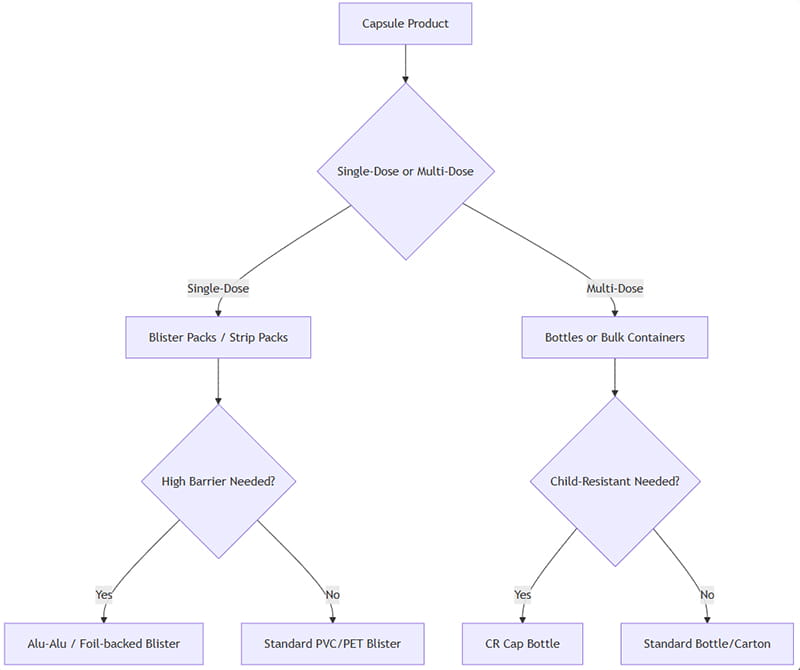
Επιλέγοντας τη σωστή συσκευασία (Διάγραμμα ροής απόφασης)
Η επιλογή μιας βέλτιστης συσκευασίας κάψουλας περιλαμβάνει την αξιολόγηση πολλών παραγόντων: δοσολογική μορφή, συμμόρφωση, ευαισθησία προϊόντος, διάρκεια ζωής, κανονιστικές απαιτήσεις, και κόστος. Ακολουθεί ένα απλοποιημένο πλαίσιο απόφασης:
Πώς να το εφαρμόσετε αυτό: Εάν οι κάψουλες προορίζονται ως μεμονωμένες μονάδες (π.χ.. σφιχτές δόσεις ή κάρτες λιανικής με κυψέλες), προτιμώνται φουσκάλες/λωρίδες. Για πολλαπλές δόσεις (π.χ.. συμπληρώματα ή φάρμακα υψηλής χρήσης), τα μπουκάλια είναι πιο αποτελεσματικά. Εάν η προστασία υγρασίας/φωτός είναι κρίσιμη, επιλέξτε επιλογές υψηλού φραγμού (Alu-Alu, κεχριμπαρένιο μπουκάλι). Εάν απαιτείται παιδιατρική ασφάλεια, χρησιμοποιήστε πώματα για μπουκάλια ανθεκτικά για παιδιά ή σχέδια κυψέλες που δεν παραβιάζονται.
Ευαισθησία προϊόντος: Για φάρμακα ευαίσθητα στην υγρασία, χρησιμοποιήστε κυψέλες Alu-Alu ή σακούλες από αλουμινόχαρτο. Για φωτοευαίσθητο, χρησιμοποιήστε κεχριμπαρένια μπουκάλια ή αδιαφανείς μεμβράνες.
Συμμόρφωση ασθενούς: Μορφές μοναδιαίας δόσης (φουσκάλα/λωρίδα) βοηθούν την τήρηση. Τα μπουκάλια που ανοίγουν εύκολα βοηθούν τους ηλικιωμένους.
Ρυθμιστική: Συμπεριλάβετε αποδεικτικά στοιχεία παραποίησης και συμμορφωθείτε με τις οδηγίες συσκευασίας του FDA/EMA.
Διάρκεια ζωής: Η μεγαλύτερη διάρκεια ζωής απαιτεί υλικά υψηλότερου φραγμού (Alu-Alu, πολυστρωματικές μεμβράνες).
Κλίμακα παραγωγής: Οι μηχανές blister είναι υψηλής ταχύτητας (μεσαίου όγκου), Οι γραμμές φιαλών υπερέχουν σε μεγάλες παρτίδες, Οι μηχανές φακελίσκων χειρίζονται ευέλικτες τιμές γραμμής.
Κόστος: Ισορροπία υλικού έναντι κόστους μηχανής. Για παράδειγμα, Τα μπουκάλια μπορεί να έχουν χαμηλότερη εργασία ανά μονάδα, αλλά υψηλότερο πλαστικό κόστος; Οι συσκευασίες stick χρησιμοποιούν πολύ λίγο φιλμ ανά δόση.
Τελικά, πιλοτική δοκιμή (μελέτες σταθερότητας, καταναλωτικές μελέτες) και η ανάλυση συνολικού κόστους θα καθοδηγήσει την τελική απόφαση. Το παραπάνω διάγραμμα ροής είναι ένα σημείο εκκίνησης για τυπικά σενάρια.
Εξοπλισμός Συσκευασίας Κάψουλας
Η συσκευασία των καψουλών απαιτεί εξειδικευμένα μηχανήματα. Αφού γεμίσουν οι κάψουλες (με πληρωτικά καψουλών), Αυτά μεταφέρονται σε γραμμές συσκευασίας:
Μηχανές Κυψελών: Έχουμε ήδη σημειώσει το Jinlu's DPP-180Pro, μια μηχανή φυσαλίδων θερμοδιαμόρφωσης υψηλής ταχύτητας. Σχηματίζει κοιλότητες (Φιλμ PVC ή PET), τροφοδοτεί κάψουλες (ή ταμπλέτες), και σφραγίζει με αλουμινόχαρτο, όλα αυτόματα. Το Jinlu προσφέρει μηχανές (π.χ.. DPP-180, DPP-270 Μέγ) έως 4.800–11.200 κοιλότητες/ώρα. Οι μηχανές blister συνδυάζονται με τροφοδότες μέτρησης για να πέσει ακριβώς μία κάψουλα ανά τσέπη, και συχνά έχουν κοπτήρες για να χωρίζουν τις φουσκάλες σε κάρτες. Πρόσθετες ενότητες (εκτύπωση/επιθεώρηση) βεβαιωθείτε ότι κάθε κυψέλη είναι ευανάγνωστη και σωστή.
Αρίθμηση & Γραμμές πλήρωσης (Γραμμές μπουκαλιών): Αυτά μετατρέπουν τις χαλαρές κάψουλες σε μπουκάλια. Μια τυπική γραμμή έχει: ένα μπουκάλι unscrambler (οργανώνει άδεια μπουκάλια), έναν μετρητή δισκίων/καψουλών (δονητικό μπολ ή οπτικό σύστημα που μετρά και ρίχνει έναν καθορισμένο αριθμό σε κάθε μπουκάλι), μια μηχανή κάλυψης/σφράγισης, και σταθμός σήμανσης. Jinlu's JL-16H γραμμή, για παράδειγμα, ανακατεύει μπουκάλια, μετρά κάψουλες 3–40 mm σε αυτές, εφαρμόζει καπάκια, και ετικέτες μέχρι 100 μπουκάλια/λεπτό με 99.98% ακρίβεια. Για υψηλή ένταση (συσκευασία χύμα) επιχειρήσεις, αρθρωτές γραμμές με πολλαπλές κεφαλές μέτρησης ή πληρωτικά κοχλία μπορούν να φτάσουν υψηλότερες ταχύτητες. Μπορούν επίσης να προστεθούν επαγωγικά ή συρρικνωμένα σφραγιστικά για κάλυμμα με φύλλο αλουμινίου.
Μηχανές φακελίσκων/συσκευασίας στικ: Αυτά είναι έντυπο-γεμίζω-σφραγίδα (FFS) μηχανές. Jinlu's JL-VP Η σειρά είναι ένα σύστημα VFFS πολλαπλών λωρίδων που μπορεί να παράγει 30–40 φακελάκια ή κολλήματα ανά λεπτό ανά λωρίδα. Δοσολογεί με ακρίβεια σκόνη ή υγρό (βίδες για σκόνη, αντλίες για υγρά) και σφραγίδες 3- ή φακελάκια 4 πλευρών ή πακέτα ραβδιών 3 πλευρών. Τα μηχανήματα περιλαμβάνουν χειριστήρια PLC για το μήκος της τσάντας, σερβοτροφοδότες για ακρίβεια (±0,02 g), και ερμητική θερμοσφράγιση. Τέτοιες μηχανές είναι ιδανικές για προϊόντα μιας δόσης, αν και οι ίδιες οι κάψουλες σπάνια είναι άθικτες «συσκευασμένες σε φακελάκι»..
Μηχανές Συσκευασίας Ταινιών: Τα πακέτα λωρίδων κατασκευάζονται σε εξειδικευμένα μηχανήματα που σφραγίζουν θερμικά το επικαλυπτόμενο φύλλο ή φιλμ. Συχνά μοιάζουν με μηχανές φυσαλίδων, αλλά χρησιμοποιούν επίπεδη μεμβράνη. (Αν η Jinlu προσφέρει συσκευαστές στριπ, παρόμοια ενσωμάτωση με τις μηχανές φακελλίσκων.)
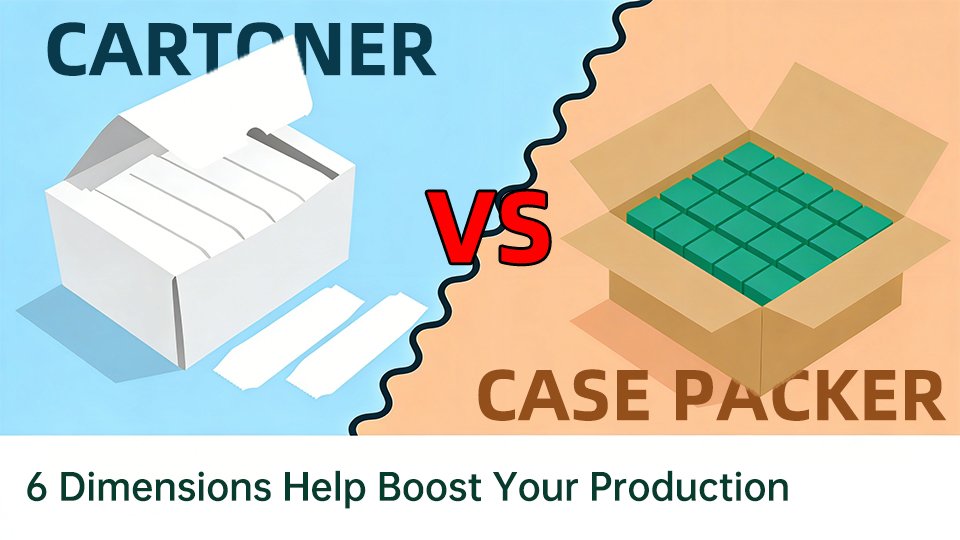
Μηχανές Δευτερεύουσας Συσκευασίας:Μηχανές χαρτοκιβωτίου μπορεί να στήσει χαρτοκιβώτια, εισάγετε κυψέλες ή μπουκάλια και φυλλάδια, και κλείστε τα κουτιά. Τα φαρμακευτικά χαρτοκιβώτια συχνά χειρίζονται σανίδες με κυψέλες ή σακούλες με κάψουλες. Συσκευαστές θήκης (για εξωτερικές θήκες) και οι παλετοποιητές ολοκληρώνουν τη σειρά για μαζική παραγωγή.
Συμμόρφωση με τον εξοπλισμό: Όλες οι μηχανές συσκευασίας για φαρμακευτικά προϊόντα πρέπει να πληρούν το σχέδιο GMP (ανοξείδωτο χάλυβα, επιφάνειες που καθαρίζονται, επικυρωμένη απόδοση). Τα μηχανήματα της Jinlu έχουν πιστοποίηση CE/cGMP, συχνά με ρυθμιζόμενα προστατευτικά και συστήματα απόρριψης για χάπια εκτός προδιαγραφών. Η ενσωμάτωση είναι το κλειδί: για παράδειγμα, μια μηχανή blister μπορεί να τροφοδοτηθεί απευθείας σε ένα χαρτόνι που στήνει κουτιά και συσκευάζει κάθε κάρτα blister. Ολοκληρωμένα συστήματα (από το γέμισμα στο τελικό κουτί) επιτρέπουν την αυτοματοποίηση από άκρο σε άκρο της συσκευασίας των καψουλών.
Ρυθμιστικά θέματα και ζητήματα συμμόρφωσης
Οι συσκευασίες καψουλών για φαρμακευτικά προϊόντα πρέπει να τηρούν αυστηρούς κανονισμούς. Τα βασικά σημεία περιλαμβάνουν:
Απαιτήσεις GMP: του FDA 21 CFR 211 Το τμήμα Ζ απαιτεί γραπτές διαδικασίες για την παραλαβή και τη δοκιμή όλοι υλικά συσκευασίας πριν από τη χρήση. Αυτό σημαίνει φουσκάλες, μπουκάλια, ετικέτες, χαρτοκιβώτια κλπ. πρέπει να πληρούν προδιαγραφές (κανένα ελάττωμα). Η χωριστή αποθήκευση των υλικών συσκευασίας ανά προϊόν είναι υποχρεωτική για την αποφυγή ανάμειξης. Παράρτημα GMP του ΠΟΥ 9 επίσης λεπτομέρειες σχετικά με τους ελέγχους συσκευασίας. Η ορθή κατασκευαστική πρακτική απαιτεί ιχνηλασιμότητα (αριθμοί παρτίδας στη συσκευασία) και καθαρό χειρισμό.
Οδηγίες σταθερότητας και ICH: I Q1A(R2) ορίζει ότι θα γίνουν μελέτες σταθερότητας στο προϊόν στην τελική του σύστημα κλεισίματος δοχείων. Στην πράξη, Αυτό σημαίνει ότι πρέπει να συσκευάζετε τις δοκιμαστικές παρτίδες καψουλών ακριβώς όπως έχει προγραμματιστεί (ίδιο αλουμινόχαρτο blister, ίδιου τύπου μπουκαλιού) και να τα εκθέσουν σε συνθήκες σταθερότητας σε πραγματικό χρόνο. Οποιαδήποτε αλλαγή στη συσκευασία μπορεί να απαιτεί νέα δοκιμή σταθερότητας.
Σειριοποίηση & Ιχνηλασιμότητα: Σε πολλές αγορές, μοναδικά αναγνωριστικά (barcodes/2D κωδικοί) σε δευτερεύουσα συσκευασία (και μερικές φορές πρωτογενείς φουσκάλες) απαιτείται να παρακολουθούν τα φάρμακα μέσω της αλυσίδας εφοδιασμού. Οι γραμμές πρέπει να περιλαμβάνουν εκτυπωτές ή εφαρμογές εφαρμογής για αυτούς τους κωδικούς. Ο σχεδιασμός της συσκευασίας περιλαμβάνει επίσης συχνά στοιχεία παραποίησης (σύμφωνα με τη νομοθεσία των ΗΠΑ/ΕΕ).
Συσκευασία ανθεκτική στα παιδιά και φιλική προς τους ηλικιωμένους: Οι ελεγχόμενες ουσίες ή ορισμένα φάρμακα απαιτούν χαρακτηριστικά ανθεκτικά στα παιδιά. Αυτό συχνά σημαίνει ειδικά πώματα στα μπουκάλια (π.χ.. ώθηση και στροφή) ή δύσκολες φουσκάλες από φλούδα. Ωστόσο, πρέπει επίσης να ληφθεί υπόψη η προσβασιμότητα των ασθενών (εύκολο ανοιχτό για ηλικιωμένους). Συμβουλευτείτε τον νόμο περί συσκευασίας για την πρόληψη των δηλητηριάσεων (ΜΑΣ) ή παρόμοιους περιφερειακούς κανόνες.
Πρότυπα ISO: Οι κύριοι προμηθευτές συσκευασιών θα πρέπει να ακολουθούν το ISO 15378 (GMP για πρωτογενή υλικά συσκευασίας) για την εξασφάλιση της ποιότητας. Αν και δεν αναφέρεται απευθείας εδώ, αυτό είναι ένα κοινά αναγνωρισμένο πρότυπο για τους κατασκευαστές συσκευασιών. Τα ίδια τα μηχανήματα θα πρέπει να συμμορφώνονται με τα πρότυπα των φαρμακευτικών μηχανημάτων (CE, Ul, και τα λοιπά.) και 21 Μέρος CFR 11 εάν υπάρχει καταγραφή δεδομένων.
Κανονισμοί επισήμανσης: Οι κάψουλες πρέπει να φέρουν ετικέτα με το όνομα του προϊόντος, δοσολογία, ημερομηνία λήξης, κατασκευαστής, και τα λοιπά. Αυτό επεκτείνεται σε χαρτοκιβώτια και κυψέλες (Μερικές φορές κάθε τμήμα κυψέλης φέρει κάποιες έντυπες πληροφορίες). Ο FDA και ο EMA έχουν συγκεκριμένες απαιτήσεις σχετικά με το ποιες πληροφορίες πρέπει να εμφανίζονται στις πρωτογενείς και δευτερεύουσες ετικέτες.
Ολικός, συνάντηση FDA, Οι οδηγίες του EMA και του ΠΟΥ είναι απαραίτητες. Πολλοί συσκευαστές συνεργάζονται με ελεγχόμενους προμηθευτές (όπως η Τζινλού) που μπορεί να παρέχει επικυρωμένα μηχανήματα και τεκμηρίωση (IR/WH/PQ).
Σύναψη
Η επιλογή της σωστής συσκευασίας κάψουλας απαιτεί προστασία εξισορρόπησης, χρηστικότητα, και κόστος. Φουσκάλες, μπουκάλια, φακελάκια, και οι λωρίδες έχουν τη θέση τους φαρμακευτική συσκευασία. Παράγοντες όπως η ευαισθησία στην υγρασία, μορφή δόσης, και οι ανάγκες των ασθενών καθοδηγούν την απόφαση. Κατά μήκος της πλευράς, πρέπει να πληρούνται αυστηρές κανονιστικές απαιτήσεις και απαιτήσεις GMP.
Στο Συσκευασία Jinlu, ειδικευόμαστε σε ολοκληρωμένες λύσεις συσκευασίας φαρμακευτικών προϊόντων. Ο εξοπλισμός μας – από μηχανές κυψελών υψηλής ταχύτητας να πλήρως αυτοματοποιημένη καταμέτρηση & γραμμές εμφιάλωσης – σας βοηθά να συσκευάζετε τις κάψουλες αποτελεσματικά και με συμμόρφωση. Υποστηρίζουμε επίσης βιώσιμες επιλογές (π.χ.. μηχανήματα που λειτουργούν νέες ανακυκλώσιμες μεμβράνες) και προσφέρουν υπηρεσία μίας στάσης (προσαρμογή, νομιμοποίηση). Η ομάδα μας μπορεί να σας βοηθήσει να αξιολογήσετε το καλύτερο σύστημα συσκευασίας καψουλών για το προϊόν σας.
Έτοιμοι να βελτιστοποιήσετε τη συσκευασία της κάψουλάς σας?Επικοινωνήστε με την Jinlu Packing σήμερα για καθοδήγηση και προσφορές ειδικών. Οι λύσεις μας υποστηρίζονται από παγκόσμια πρότυπα ποιότητας και άνω 3,000 ικανοποιημένους πελάτες παγκοσμίως. Ας συσκευάσουμε τις κάψουλές σας για επιτυχία!
Συχνές ερωτήσεις σχετικά με τη συσκευασία κάψουλας
Τι είναι η συσκευασία κάψουλας?
Η συσκευασία κάψουλας αναφέρεται στη διαδικασία εγκλεισμού φαρμακευτικών καψουλών σε προστατευτικά υλικά για τη διατήρηση της σταθερότητας, ασφάλεια, και συμμόρφωση. Οι συνήθεις μορφές περιλαμβάνουν συσκευασίες blister, μπουκάλια, και συσκευασία strip. Στη φαρμακευτική πράξη, Η συσκευασία δεν είναι απλώς περιορισμός - προστατεύει τις κάψουλες από την υγρασία, οξυγόνο, και μόλυνση, που επηρεάζει άμεσα την ποιότητα και τη διάρκεια ζωής του φαρμάκου.
Ποια είναι η καλύτερη συσκευασία για φαρμακευτικές κάψουλες?
Δεν υπάρχει ενιαία «καλύτερη» επιλογή—εξαρτάται από το προϊόν και την αγορά σας. • Συσκευασία blister → καλύτερη για ευαίσθητα στην υγρασία ή φάρμακα υψηλής αξίας • Συσκευασία μπουκαλιών → καλύτερη για μαζική αποθήκευση και συμπληρώματα • Συσκευασία strip → κοινή σε ευαίσθητες ως προς το κόστος αγορές Συχνά προτιμάται η συσκευασία με κυψέλες επειδή παρέχει προστασία μοναδιαίας δόσης και καλύτερη περιβαλλοντική απομόνωση.
Ποια υλικά πρέπει να χρησιμοποιήσω για να προστατεύσω το προϊόν κάψουλας μου?
Χρησιμοποιήστε υλικά που μπλοκάρουν τις βασικές απειλές (υγρασία, οξυγόνο, φως). Για παράδειγμα, Οι κυψέλες από αλουμινόχαρτο Alu-Alu ή τα κεχριμπαρένια γυάλινα μπουκάλια προσφέρουν εξαιρετικό φράγμα για κάψουλες ευαίσθητες στην υγρασία. Οι κυψέλες PVC ή PET με επίστρωση PVDC είναι κοινές και φθηνότερες για σταθερά προϊόντα. Οι φιάλες HDPE είναι στάνταρ, αλλά μπορεί να χρειαστούν μια θήκη αποξηραντικού εάν οι κάψουλες είναι ευαίσθητες. Αξιολογήστε τους ρυθμούς μετάδοσης υδρατμών (WVTR) των ταινιών. Στην παραγωγή με συνείδηση της βιωσιμότητας, εξετάστε ανακυκλώσιμα μονοϋλικά (π.χ.. Κυψέλες PP). Να ελέγχετε πάντα τη συμβατότητα της συσκευασίας μέσω μελετών σταθερότητας.
Πώς η συσκευασία της κάψουλας προστατεύει τη σταθερότητα του φαρμάκου?
Οι κάψουλες είναι ευαίσθητες σε περιβαλλοντικούς παράγοντες όπως η υγρασία, οξυγόνο, και φως. Σωστή συσκευασία: • Αποτρέπει την απορρόφηση υγρασίας • Μειώνει την οξείδωση • Διατηρεί τη χημική σταθερότητα Συσκευασία φουσκάλας, προπαντός, δημιουργεί σφραγισμένα μικρο-περιβάλλοντα για κάθε κάψουλα, παρατείνει σημαντικά τη διάρκεια ζωής.
Ποιες μηχανές συσκευασίας χρειάζομαι για κάψουλες?
Εξαρτάται από τη μορφή. Για φουσκάλες, χρειάζεστε μια μηχανή σχηματισμού/σφράγισης κυψελών (με καλούπια κοιλότητας για να ταιριάζει στην κάψουλα σας) συν πιθανώς ένα χαρτοκιβώτιο. Για μπουκάλια, χρειάζεστε μια γραμμή πλήρωσης/καλύμματος φιάλης (unscrambler, αντι-πληρωτικό, καπάκι, Ετικέτα). Για πακέτα ραβδιών, χρησιμοποιήστε μια μηχανή φακελίσκου κάθετης μορφής-γεμίσματος-σφράγισης. Το Jinlu προσφέρει όλα αυτά: π.χ.. οι κυψέλες της σειράς DPP μας, Γραμμή μέτρησης JL-16H, και συσκευαστής φακελλίσκων JL-VP. Η επιλογή του σωστού μηχανήματος απαιτεί χωρητικότητα, μέγεθος κάψουλας, και απαιτούνται ενσωματώσεις (συστήματα όρασης, απόρριψη σταθμών, και τα λοιπά.).
Πώς μπορώ να αποφασίσω μεταξύ συσκευασιών blister και φιαλών για μια κάψουλα?
Λάβετε υπόψη παράγοντες όπως η δοσολογία (single vs. πολλαπλούς), ανάγκες σταθερότητας, και χρήση από τον ασθενή. Για ευκολία μιας δόσης και υψηλή προστασία (ειδικά για κάψουλες ευαίσθητες στην υγρασία/φως), Συχνά προτιμώνται οι φουσκάλες. Για μεγάλου όγκου ή οικονομικούς λόγους, συνήθως επιλέγονται μπουκάλια. Επίσης, εάν χρειάζονται χαρακτηριστικά ανθεκτικά στα παιδιά ή για ηλικιωμένους, τα μπουκάλια μπορεί να προσφέρουν περισσότερες επιλογές. Κατά κανόνα, αντιστοιχίστε τις ιδιότητες της κάψουλάς σας με τη συσκευασία: π.χ.. πολύ υγροσκοπικές κάψουλες → Alu-Alu blister; συμπληρώματα υψηλής ζήτησης → μπουκάλια.
Πέτι Φου, Ιδρυτής της Jinlupacking, φέρνει πάνω 20 χρόνια εμπειρίας στον τομέα των φαρμακευτικών μηχανημάτων. Υπό την ηγεσία του, Η Jinlu έχει εξελιχθεί σε έναν αξιόπιστο προμηθευτή που ενσωματώνει το σχεδιασμό, παραγωγή, και πωλήσεις. Ο Petty είναι παθιασμένος με το να μοιράζεται τις βαθιές του γνώσεις στον κλάδο για να βοηθήσει τους πελάτες να πλοηγηθούν στην πολυπλοκότητα της συσκευασίας φαρμάκων, εξασφαλίζοντας ότι δεν λαμβάνουν μόνο εξοπλισμό, αλλά μια πραγματική συνεργασία ενιαίας εξυπηρέτησης προσαρμοσμένη στους στόχους παραγωγής τους.