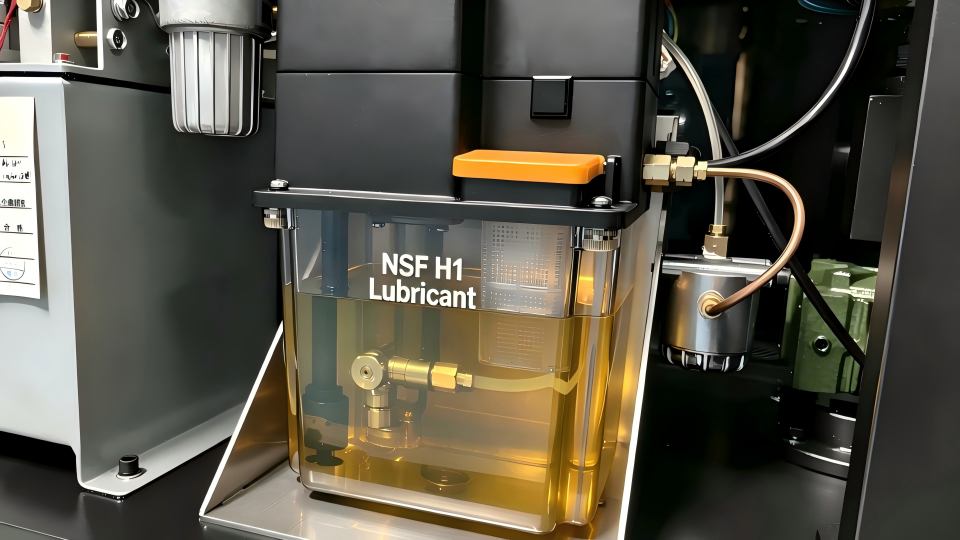
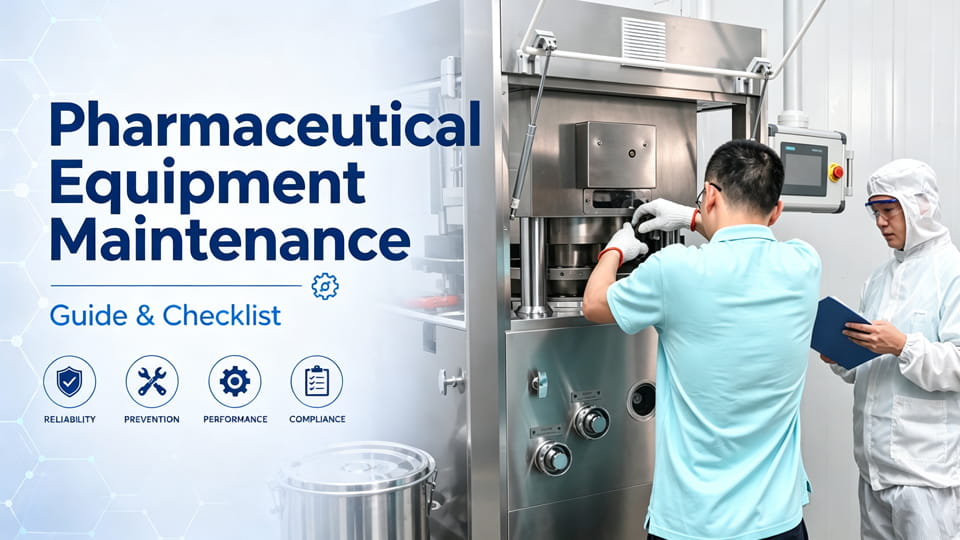
Στη φαρμακοβιομηχανία, Η συσκευασία δεν αφορά μόνο τη συσκευασία προϊόντων – είναι ένα κρίσιμο βήμα ασφάλειας. Η σωστή συσκευασία διατηρεί τα φάρμακα ασφαλή και αποτελεσματικά προστατεύοντάς τα από την υγρασία, φως, οξυγόνο, και μόλυνση. Μια κατεστραμμένη ή ελαττωματική συσκευασία μπορεί να θέσει σε κίνδυνο τη σταθερότητα ενός φαρμάκου, μειώσει τη διάρκεια ζωής, ή ακόμα και να θέσει σε κίνδυνο ασθενείς. Οντως, Οι αναφορές ανάκλησης του FDA δείχνουν ότι οι παραβιάσεις της συσκευασίας - όπως μολυσμένα ή εσφαλμένα προϊόντα - είναι συχνοί ένοχοι όταν τα φάρμακα αποσύρονται από την αγορά. Για πολυάσχολους διευθυντές εργοστασίων και μηχανικούς προμηθειών, Η κατανόηση κοινών προβλημάτων συσκευασίας φαρμάκων και ο τρόπος αποτροπής τους είναι το κλειδί για τη διατήρηση της ποιότητας και της συμμόρφωσης.
Ας αποσυσκευάσουμε τα πιο συχνά προβλήματα συσκευασίας και πρακτικές συμβουλές για να τα αποφύγετε. Σκεφτείτε το σαν μια φιλική λίστα ελέγχου: θα δεις το τυπικό προβλήματα συσκευασίας δίπλα-δίπλα με απλές λύσεις. Ακολουθώντας τις βέλτιστες πρακτικές του κλάδου και χρησιμοποιώντας τον κατάλληλο εξοπλισμό, μπορείτε να παρακάμψετε αυτές τις παγίδες και να διατηρήσετε την ομαλή λειτουργία της γραμμής παραγωγής σας.
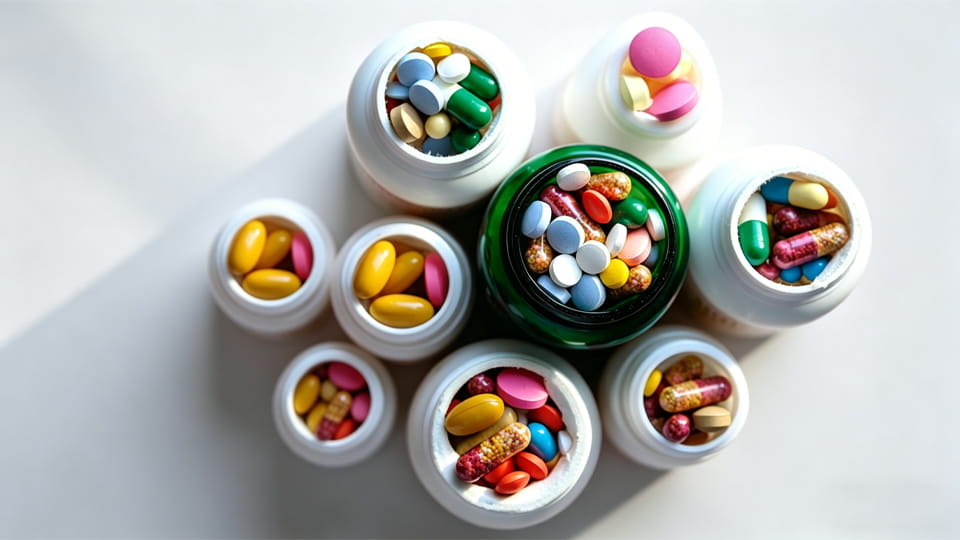
Τα πιο συνηθισμένα προβλήματα συσκευασίας στο Pharma
- Μόλυνση & Καθαριότητα: Ανεξέλεγκτη σκόνη, μικρόβια ή χημικά σε υλικά ή εξοπλισμό συσκευασίας. Τα φαρμακευτικά φυτά πρέπει να πληρούν αυστηρά πρότυπα GMP. Εάν τα υλικά συσκευασίας κατασκευάζονται σε συνθήκες μη GMP ή οι χειριστές δεν ακολουθούν το πρωτόκολλο καθαρού δωματίου, σωματίδια ή μικρόβια μπορεί να καταλήξουν στο προϊόν. Ακόμη και μικροσκοπικοί ρύποι (από κακό καθαρισμό επιφανειών, βρώμικα γάντια, ή μη αποστειρωμένη μεμβράνη) μπορεί να αλλοιώσει τα αποστειρωμένα φάρμακα. Για να αποφευχθεί αυτό: προμηθεύεστε πάντα συσκευασίες με πιστοποίηση GMP (π.χ.. ISO 15378 πιστοποιημένες ταινίες), χρησιμοποιήστε σφραγισμένο, ειδικευμένα καθαρά δωμάτια, και επιβολή αυστηρής υγιεινής. Εφαρμόστε τακτικό καθαρισμό, τακτική μικροβιακή παρακολούθηση, και διαδικασίες ντυσίματος έτσι ώστε τίποτα να μην «προχωράει». κάψουλες ή δισκία κατά τη συσκευασία.
- Ελαττώματα ακεραιότητας σφραγίδας: Αδύναμος, ελλιπή ή ελαττωματικά σφραγίσματα στις κυψέλες, σακούλες, φιαλίδια ή καπάκια. Μια φτωχή φώκια είναι μια από τις μεγαλύτερες κόκκινες σημαίες. Αν α συσκευασία blisterΗ σφράγιση του φύλλου είναι ζαρωμένη, ή ένα καπάκι δεν είναι πλήρως πτυχωμένο, η υγρασία και το οξυγόνο μπορούν να εισχωρήσουν. Μικροσκοπικές τρύπες ή διαρροές καναλιών – που συχνά προκαλούνται από κακή ευθυγράμμιση εργαλείων ή μόλυνση στην περιοχή στεγανοποίησης – μπορεί να περάσουν απαρατήρητες αλλά εξακολουθούν να θέτουν σε κίνδυνο το φράγμα. Το αποτέλεσμα? Η δραστικότητα του φαρμάκου πέφτει, χάνεται η στειρότητα, ή το προϊόν αποτύχει σε δοκιμή ακεραιότητας κλεισίματος δοχείου. Για να αποφευχθεί αυτό: βαθμονομείτε και συντηρείτε τακτικά τα θερμομονωτικά και τα καπάκια. Χρησιμοποιήστε αυτοματοποιημένους ανιχνευτές όρασης ή διαρροών on-line για να ελέγξετε τις σφραγίδες (Π.χ., δοκιμές αποσύνθεσης κενού ή πίεσης). Για προϊόντα υψηλού κινδύνου, εξετάστε ντετερμινιστικές μεθόδους δοκιμών: Οι δοκιμές αποσύνθεσης κενού ή διαρροής ηλίου μπορούν να βρουν μικροσκοπικές διαρροές που χάνουν οι απλούστεροι έλεγχοι. Στην πράξη, Αυτό σημαίνει να κάνετε κάτι περισσότερο από μια γρήγορη ματιά – επενδύστε σε καλές μηχανές στεγανοποίησης, εκπαιδεύστε το προσωπικό για να εντοπίσει ελαττώματα σφραγίδας, και να κάνετε συχνές δοκιμές ακεραιότητας.
- Τιτλοφόρηση & Σφάλματα τεκμηρίωσης: Λανθασμένες ή λείπουν ετικέτες, λάθος κωδικοί παρτίδας/λήξης, ή κακώς εφαρμόστηκαν γραμμικοί κώδικες. Ακόμα κι αν το γέμισμα και οι σφραγίδες είναι τέλεια, ένα λάθος τύπωμα μπορεί να βυθίσει μια παρτίδα. Τα δεδομένα του κλάδου δείχνουν λάθη στην επισήμανση (όπως λανθασμένες πληροφορίες δοσολογίας ή γραμμωτοί κώδικες) πρωτοστατούν αιτίες ανακλήσεων. Είναι πολύ εύκολο να πιάσεις το λάθος καρούλι ετικέτας, προγραμματίστε λάθος έναν κωδικό ημερομηνίας, ή να παραλείψετε ένα βήμα. Η λανθασμένη επισήμανση όχι μόνο παραβιάζει τους κανονισμούς, μπορεί να βλάψει τους ασθενείς εάν λαμβάνουν λάθος δόση. Για να αποφευχθεί αυτό: χρησιμοποιήστε αυτοματοποιημένους εκτυπωτές ετικετών και επιθεώρηση όρασης. Σαρώστε γραμμικούς κώδικες στη γραμμή για να επιβεβαιώσετε την αντιστοίχιση προϊόντος και ετικέτας. Ακολουθήστε μια αυστηρή διαδικασία έγκρισης έργων τέχνης, ώστε κάθε σχέδιο να ελέγχεται διπλά πριν από τη χρήση. Εκπαιδεύστε τους χειριστές σχετικά με τη σημασία της ακρίβειας της ετικέτας. Μια καλή πρακτική είναι ο έλεγχος με "τέσσερα μάτια" - κάποιος επαληθεύει οπτικά τις ετικέτες στο φύλλο παρτίδας πριν από τη συσκευασία. Με άλλα λόγια, επενδύουν σε συστήματα προστασίας σφαλμάτων και διαδικασίες επισήμανσης.
- Μηχανικός & Λειτουργικά Θέματα: Εμπλοκές εξοπλισμού, ταΐζει εσφαλμένα, και καταμέτρηση ή συμπλήρωση ασυνεπειών. Οι γρήγορες γραμμές είναι εξαιρετικές για έξοδο, αλλά το πολύ γρήγορο τρέξιμο ή με φθαρμένα μηχανήματα μπορεί να προκαλέσει πονοκεφάλους. Τα tablet μπορεί να κολλήσουν σε έναν τροφοδότη, τα μπουκάλια μπορούν να παραλείψουν έναν κύκλο πλήρωσης, ή μια θήκη μπορεί να μην σφραγίζει εάν η τάση είναι λάθος. Τα κοινά συμπτώματα περιλαμβάνουν υπεργεμισμένα/υπεργεμισμένα μπουκάλια, άδειες φουσκάλες, ή ανακατεμένα φακελάκια. Για παράδειγμα, ένας αισθητήρας μπορεί να πέσει έξω μια κάψουλα, εάν μια τροφοδοσία μπολ είναι βρώμικη, οδηγεί σε τσάντα "σορτς". Εάν προκύψουν σφάλματα "επιπέδου πλήρωσης"., σπαταλάτε προϊόν και πρέπει να το ξαναεπεξεργαστείτε ή να απορρίψετε. Για να αποφευχθεί αυτό: να συντηρείτε συχνά τον εξοπλισμό και να βαθμονομείτε τις κλίμακες και τους αισθητήρες. Μην πιέζετε τις ταχύτητες στο σημείο θραύσης - βρείτε το γλυκό σημείο για τις μηχανές σας. Εφαρμογή επιτόπιας παρακολούθησης (π.χ.. ελέγξτε το ζύγισμα μετά το γέμισμα, επαλήθευση καταμέτρησης για tablet). Διατηρήστε τα ανταλλακτικά σε ετοιμότητα και ακολουθήστε ένα πρόγραμμα συντήρησης του χειριστή για να αποφύγετε απροσδόκητες βλάβες. Επίσης, η εκπαίδευση είναι το κλειδί: Το καλά εκπαιδευμένο προσωπικό συλλαμβάνει τις λανθασμένες τροφοδοσίες νωρίτερα και μπορεί να προσαρμόσει σωστά τα μηχανήματα όταν αλλάζει φορμά.
- Μεταφορά & Βλάβη αποθήκευσης: Φυσική ζημιά σε δέματα κατά την αποστολή ή ακατάλληλες συνθήκες αποθήκευσης. Μετά τη συσκευασία, ο επόμενος κίνδυνος είναι η διέλευση. Ακόμη και ένα τέλεια σφραγισμένο μπουκάλι μπορεί να θρυμματιστεί σε μια σταγόνα, ή ένα χαρτόκουτο μπορεί να μουσκέψει εάν εκτεθεί σε υγρασία. Σκισμένα κουτιά, τρυπημένες συσκευασίες με κυψέλες, ή τα κολλημένα μπουκάλια είναι όλα σημάδια σκληρού χειρισμού ή ανεπαρκούς προστασίας. Επίσης, εάν ένα προϊόν χρειάζεται αποθήκευση στο ψυγείο και δεν συντηρείται, η συσκευασία (και το φάρμακο μέσα) μπορεί να υποβαθμιστεί. Για να αποφευχθεί αυτό: σχεδιάστε τη δευτερεύουσα/τριτογενή συσκευασία σας για το ταξίδι. Χρησιμοποιήστε γερά κυματοειδή χαρτοκιβώτια, αρκετή απορρόφηση κραδασμών (περιτύλιγμα φυσαλίδων, φιστίκια, αφρός) για εύθραυστα αντικείμενα, και επισημάνετε με σαφήνεια τις παλέτες για τον έλεγχο του κλίματος, εάν χρειάζεται. Δοκιμάστε τις συσκευασμένες αποστολές με πτώση, δόνηση, και προσομοιώσεις υγρασίας πριν από τη μεταφορά πλήρους κλίμακας. Εν συντομία, βεβαιωθείτε ότι το «εύθραυστο» ή το «διατήρησε την ψυχραιμία» δεν είναι απλώς ένα αυτοκόλλητο, αλλά υποστηρίζεται από πραγματικά προστατευτικά μέτρα.
- Σχέδιο & Υλικά λάθη: Επιλέγοντας λάθος τύπο συσκευασίας ή υλικό για το φάρμακο. Κάθε προϊόν έχει μοναδικές ανάγκες συσκευασίας. Ένα λάθος είναι η χρήση ενός διαφανούς πλαστικού μπουκαλιού για ένα φωτοευαίσθητο φάρμακο – ακόμη και λίγα λεπτά UV μπορεί να αρχίσουν να το υποβαθμίζουν. Ή χρησιμοποιώντας ένα εύθραυστο καπάκι σε ένα σωλήνα συμπίεσης, που οδηγεί σε ρωγμές. Υλικά κατώτερης ποιότητας (πλαστικό που δεν ανήκει στον FDA, κακή κόλλα κόλλας) μπορεί επίσης να εκπλύνει χημικά ή να διασπαστεί. Άλλο ένα σχέδιο ολίσθησης: ξεχνώντας τα απαιτούμενα χαρακτηριστικά ασφαλείας, όπως πώματα ασφαλείας για παιδιά ή σφραγίδες που δεν παραβιάζονται. Για παράδειγμα, Οι συσκευασίες blister χρησιμοποιούνται συνήθως επειδή δημιουργούν ένα εξαιρετικό φράγμα υγρασίας και παρέχετε αποδεικτικά στοιχεία παραποίησης. Για να αποφευχθεί αυτό: συμβουλευτείτε εγκαίρως τους μηχανικούς συσκευασίας. Προσδιορίστε τις απαιτήσεις υλικού (UV-blocking, ανθεκτικό στην υγρασία, αδρανή πολυμερή, και τα λοιπά.) με βάση τις ιδιότητες του φαρμάκου. Να συμμορφώνεστε πάντα με τους κανονισμούς: εάν ένα καπάκι πρέπει να είναι ασφαλές για παιδιά ή μια σφραγίδα θήκης χρειάζεται μια εγκοπή σχίσιμο, περιλαμβάνουν αυτά τα χαρακτηριστικά. Επικυρώστε νέα υλικά πριν από την αγορά (δοκιμή για εκχυλίσιμα/εκχυλίσιμα, εάν χρειάζεται). Στην πράξη, Αυτό σημαίνει ανάγνωση φύλλων δεδομένων ταινιών και καπακιών, και μερικές φορές κάνετε μια μικρή εκτέλεση επικύρωσης με δοκιμή σταθερότητας για να διασφαλίσετε ότι η επιλογή συσκευασίας σας προστατεύει πραγματικά το φάρμακο.
- Ρυθμιστική & Επιβλέψεις συμμόρφωσης: Παράβλεψη τεκμηρίωσης GMP ή παράβλεψη κανόνων για συγκεκριμένη χώρα. Ακούγεται προφανές, αλλά η αποτυχία ευθυγράμμισης της συσκευασίας με τους κανονισμούς είναι ένα κοινό «πρόβλημα». Για παράδειγμα, μη καταγραφή αριθμών παρτίδας στα ένθετα χαρτοκιβωτίων, παράλειψη σειριοποίησης (όπως απαιτείται από νόμους όπως η οδηγία της ΕΕ για τα ψευδεπίγραφα φάρμακα ή η DSCSA των ΗΠΑ), ή έλλειψη πιστοποιητικών ανάλυσης από προμηθευτές υλικών. Αυτοί είναι πονοκέφαλοι συμμόρφωσης. Συνέπεια της επίβλεψης? Επιθεωρητές 483, προειδοποιητικές επιστολές, ή δαπανηρή επανασήμανση. Για να αποφευχθεί αυτό: Αντιμετωπίστε τη συσκευασία ως μέρος του συστήματος ποιότητας σας. Συμμορφωθείτε με τους κανονισμούς (FDA 21 CFR, Παράρτημα GMP της ΕΕ 1, και τα λοιπά.) που καλύπτει την επισήμανση, αποδεικτικά στοιχεία παραποίησης, και τεκμηρίωση. Συνεργαστείτε με προμηθευτές που παρέχουν πλήρη ιχνηλασιμότητα (COAs) και που ακολουθούν την GMP. Χρησιμοποιήστε λογισμικό ετικετών για να ενσωματώσετε γραμμικούς κώδικες ή ετικέτες RFID, εάν χρειάζεται για σειριοποίηση. Διατήρηση της νοοτροπίας Quality-by-Design – τεκμηρίωση κάθε αλλαγής συσκευασίας, διενέργεια αξιολογήσεων κινδύνου, και επικύρωση νέων διαδικασιών – θα καλύψει πολλά ζητήματα συμμόρφωσης προτού κλιμακωθούν.
Έχοντας επίγνωση αυτών των παγίδων, μπορείτε να αντιμετωπίσετε τα προβλήματα προτού φτάσουν στην παραγωγή. Στην επόμενη ενότητα, θα συνοψίσουμε τις βέλτιστες πρακτικές για να διατηρήσετε τις γραμμές συσκευασίας σας χωρίς λάθη.
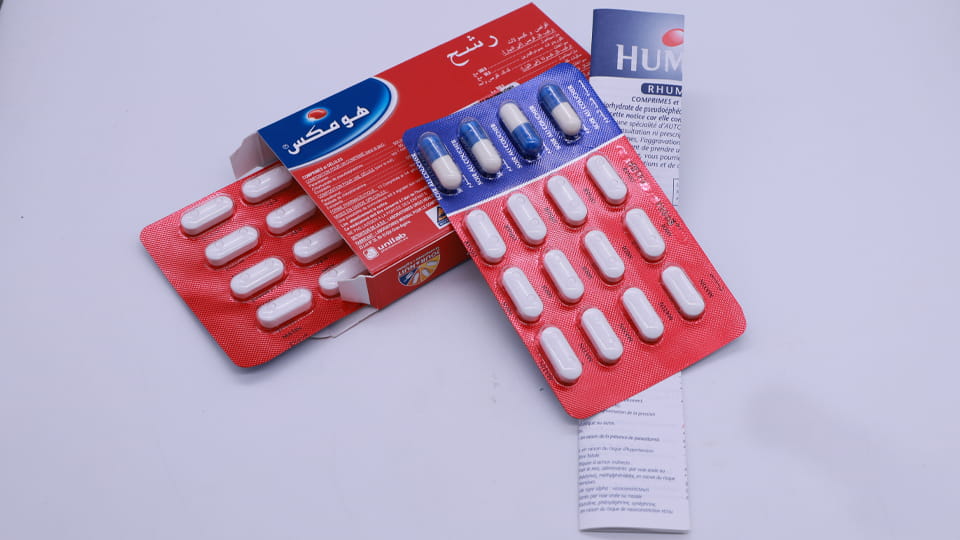
Πώς να αποφύγετε προβλήματα συσκευασίας στο Pharma
- Αυστηρός Ποιοτικός Έλεγχος & Επιθεώρηση: Καθιερώστε συνήθεις ελέγχους QC συσκευασίας. Αυτό περιλαμβάνει οπτική επιθεώρηση, ελέγχους βάρους (π.χ.. έλεγχος ζυγιστών), συστήματα όρασης για ελέγχους σφραγίδων και ετικετών, και περιοδικές καταστροφικές ή μη δοκιμές. Μια ομάδα ποιότητας θα πρέπει να δοκιμάσει τυχαία τα τελικά πακέτα για να επαληθεύσει την ακεραιότητα της σφραγίδας, όγκος πλήρωσης, και την ακρίβεια της ετικέτας. Εργαλεία όπως κάμερες σε σειρά, σαρωτές γραμμωτού κώδικα, και ακόμη και οι φορητοί ανιχνευτές μπορούν να εντοπίσουν σφάλματα σε πραγματικό χρόνο. Σχεδιάστε για συχνούς ελέγχους των διαδικασιών συσκευασίας – είναι πολύ πιο εύκολο να εντοπίσετε μια μικρή διαρροή στη γραμμή παρά να ανακαλέσετε πολλά αργότερα.
- Περιβάλλον συσκευασίας συμβατό με GMP: Αντιμετωπίστε την περιοχή συσκευασίας ως ζώνη GMP. Εάν το φάρμακό σας είναι στείρο ή στερεό από το στόμα, ο χώρος συσκευασίας πρέπει να είναι πιο καθαρός από ένα γραφείο. Εφαρμόστε ελεγχόμενα περιβάλλοντα (Φίλτρα HEPA, κουκούλες στρωτής ροής όπως απαιτείται). Φέρτε μόνο αποστειρωμένα ή προεγκεκριμένα εξαρτήματα συσκευασίας στη σειρά. Ακολουθήστε αυστηρά τα πρωτόκολλα ενδυμασίας καθαρού δωματίου – ακόμη και τα καπάκια και τα γάντια μιας χρήσης πρέπει να περιλαμβάνονται στη λίστα ελέγχου QA. Με την εξασφάλιση κάθε ταινίας, μπουκάλι, και το χαρτοκιβώτιο κατασκευάζεται σύμφωνα με πρότυπα ποιότητας, εξαλείφετε πολλούς κινδύνους μόλυνσης από την αρχή.
- Προληπτική συντήρηση & Βαθμονόμηση εξοπλισμού: Αποτρέψτε τις «εκπλήξεις» με το σέρβις των μηχανών πριν αποτύχουν. Κρατήστε ένα ημερολόγιο συντήρησης, αλλαγή φθαρμένων ανταλλακτικών, και βαθμονομήστε τη ροπή για τα καπάκια ή τη θερμοκρασία για τα στεγανοποιητικά σύμφωνα με το χρονοδιάγραμμα. Κάθε βαθμονόμηση (π.χ.. μετρητές ροπής για καπάκια, βαθμονομητές πλήρωσης όγκου) πρέπει να τεκμηριωθεί. Ο καλά συντηρημένος εξοπλισμός είναι λιγότερο πιθανό να παράγει χαλαρά καπάκια ή να σκάσει πακέτα. Και όταν αλλάζετε προϊόντα ή ταχύτητες, επικυρώστε την αλλαγή (εκτελέστε δοκιμαστικές παρτίδες και επιθεωρήστε τις) για να λυθούν νωρίς τα προβλήματα.
- Έλεγχος Εφοδιαστικής Αλυσίδας: Συνεργαστείτε μόνο με αξιόπιστους προμηθευτές για υλικά και ανταλλακτικά. Για παράδειγμα, χρησιμοποιήστε φιλμ blister από ελεγμένους πωλητές που παρέχουν πιστοποιητικά ανάλυσης. Εγκρίνετε κάθε νέα παρτίδα πρώτης ύλης και κοντέινερ με εισερχόμενο έλεγχο QC. Εάν χρησιμοποιείτε συσκευαστές συμβολαίου ή συσκευαστές, ελέγξτε τις εγκαταστάσεις τους για να βεβαιωθείτε ότι ακολουθούν τα πρότυπά σας. Μία μόνο παρτίδα ελαττωματικού χαρτονιού ή λανθασμένης κόλλας μπορεί να χαλάσει χιλιάδες μονάδες, Επομένως, επιμείνετε στη συνέπεια και την τεκμηρίωση από τους προμηθευτές.
- Εκπαίδευση χειριστή & Τυπικές διαδικασίες: Ακόμη και τα καλύτερα μηχανήματα βασίζονται σε εκπαιδευμένους ανθρώπους. Αναπτύξτε σαφείς Τυπικές Διαδικασίες Λειτουργίας (Κοφτερός) για κάθε βήμα συσκευασίας: πώς να φορτώσετε ετικέτες, στήνουν μηχανές, χειρίζεται τις απορρίψεις, και τα λοιπά. Εκπαιδεύστε το προσωπικό σχετικά με την ευαισθητοποίηση της GMP (γιατί η καθαριότητα και η ακρίβεια έχουν σημασία). Ενθαρρύνετε μια κουλτούρα όπου οι εργαζόμενοι αναφέρουν προβλήματα (Π.χ., «Βλέπω μια παρτίδα παραμορφωμένων δισκίων στη γραμμή, ας σταματήσουμε και ας το διορθώσουμε»). Όταν όλοι στην ομάδα σας καταλαβαίνουν τη σημασία κάθε βήματος, τα ανθρώπινα λάθη μειώνονται δραματικά.
- Αποτελεσματικός σχεδιασμός συσκευασίας: Κατά την ανάπτυξη ενός νέου προϊόντος ή την εισαγωγή νέας συσκευασίας, εκτελέστε μια εκτίμηση κινδύνου στη γραμμή συσκευασίας. Σκεφτείτε να κάνετε ένα FMEA συσκευασίας (Ανάλυση λειτουργίας αποτυχίας και επιπτώσεων) για να προσδιορίσετε πού θα μπορούσαν να πάνε στραβά (Π.χ., κακή ευθυγράμμιση ετικέτας, σταγονόμετρα που διαρρέουν) και σχεδιάστε τα. Πρωτότυπο διεξοδικά: ελέγξτε τη σταθερότητα υπό ακραίες συνθήκες (υψηλή θερμότητα, υγρότητα, δόνηση) και λάβετε σχόλια από τους χρήστες (για παράδειγμα, Οι φαρμακοποιοί μπορεί να πιάσουν ένα μπερδεμένο σχέδιο ετικέτας). Κάνοντας αυτούς τους ελέγχους εκ των προτέρων αποθηκεύονται εκ νέου εργασίες αργότερα.
- Απόδειξη με έγγραφα & Ιχνηλασιμότητα: Διατηρήστε καθαρά αρχεία για κάθε εκτέλεση συσκευασίας. Χρησιμοποιήστε αρχεία παρτίδων που συνδέουν παρτίδες πρώτων υλών με τελικά προϊόντα. Αν κάτι πάει στραβά, Η ιχνηλασιμότητα σάς επιτρέπει να περιορίσετε το εύρος οποιασδήποτε έρευνας. Για παράδειγμα, εάν μια σακούλα με δισκία βρεθεί χαλαρή, μπορείτε να αναγνωρίσετε γρήγορα τη μετατόπιση, χειριστής, και το μηχάνημα που εμπλέκεται ελέγχοντας τα αρχεία. Η καλή τεκμηρίωση είναι το δίχτυ ασφαλείας σας σε περίπτωση συμβάντος και απαιτείται επίσης από τους ελεγκτές.
Αυτές οι πρακτικές – συνδυάζοντας εργαλεία επιθεώρησης υψηλής τεχνολογίας με ανθρώπινη επιμέλεια – δημιουργούν μια ισχυρή άμυνα έναντι ζητημάτων συσκευασίας. Θυμάμαι, είναι πολύ φθηνότερο να αποτραπεί μια αποτυχία μιας παρτίδας από το να αντιμετωπίσει μια ανάκληση ή διακοπή συμμόρφωσης.
Σύναψη
Τα λάθη συσκευασίας στα φαρμακεία είναι πονοκέφαλοι που μπορούν να αποφευχθούν. Από την εμπειρία τριών δεκαετιών μας στο φαρμακευτικά μηχανήματα, είδαμε ότι τα παραπάνω ζητήματα είναι κοινά σε όλο τον κλάδο – αλλά και μπορούν να προληφθούν. Ακολουθώντας την καλή υγιεινή (GMP) πρακτικές, επενδύοντας σε ποιοτικό εξοπλισμό, και επιβολή αυστηρών ρουτινών επιθεώρησης, μπορείτε να κρατήσετε τα φάρμακά σας ασφαλή από μόλυνση, εσφαλμένη επισήμανση ή ζημιά. Η σταθερή ποιότητα συσκευασίας σημαίνει καλύτερη ασφάλεια των ασθενών, ισχυρότερη κανονιστική συμμόρφωση, και ομαλότερη λειτουργία για το εργοστάσιό σας.
Εάν αντιμετωπίζετε οποιαδήποτε από αυτές τις προκλήσεις συσκευασίας – ή απλά θέλετε να αναβαθμίσετε τη γραμμή σας – Συσκευασία JinLu είναι εδώ για να βοηθήσει. Ειδικευόμαστε σε μηχανές συσκευασίας φαρμακευτικών προϊόντων υψηλής ακρίβειας (blister packers, χαρτοκιβώτια, πληρωτικά μπουκαλιών, και τα λοιπά.) και μπορεί να προτείνει συστήματα με προηγμένα σφραγιστικά, ετικετοποιητές, και εργαλεία επιθεώρησης που εντοπίζουν προβλήματα σε πραγματικό χρόνο. Επικοινωνήστε μαζί μας για να μάθετε πώς οι προσαρμόσιμες λύσεις μας μπορούν να εξαλείψουν κοινά λάθη συσκευασίας, ενισχύστε την παραγωγική σας απόδοση, και να σου δώσει ηρεμία. Ας συνεργαστούμε για να διασφαλίσουμε ότι τα προϊόντα σας πληρούν τα υψηλότερα πρότυπα ποιότητας και προσεγγίζουν τους ασθενείς με ασφάλεια.
Συχνές ερωτήσεις σχετικά με τα κοινά προβλήματα και τις λύσεις φαρμακευτικής συσκευασίας
Ποιο είναι το πιο κοινό πρόβλημα συσκευασίας στη φαρμακοβιομηχανία?
Το πιο κοινό πρόβλημα συσκευασίας στα φαρμακευτικά προϊόντα είναι η ακεραιότητα της σφραγίδας, συμπεριλαμβανομένων των αδύναμων σφραγίδων, διαρροές, ή τρύπες καρφίτσας. Αυτά τα ελαττώματα επιτρέπουν την υγρασία, οξυγόνο, ή μικρόβια να μπουν στη συσκευασία, που μπορεί να επηρεάσει άμεσα τη σταθερότητα και την ασφάλεια του φαρμάκου.
Πώς επηρεάζουν τα προβλήματα συσκευασίας την ποιότητα των φαρμάκων?
Τα προβλήματα συσκευασίας μπορεί να οδηγήσουν σε μόλυνση, υποβιβασμός, ή λανθασμένη δοσολογία. Ακόμη και μικρά ελαττώματα—όπως μικροδιαρροές ή σφάλματα επισήμανσης—μπορούν να οδηγήσουν σε μειωμένη διάρκεια ζωής, κανονιστικές παραβάσεις, ή κινδύνους για την ασφάλεια των ασθενών.
Τι προκαλεί προβλήματα ακεραιότητας σφραγίδας στη συσκευασία του φαρμάκου?
Τα προβλήματα στεγανοποίησης προκαλούνται συνήθως από:
• Λανθασμένη θερμοκρασία, πίεση, ή χρόνος σφράγισης
• Μόλυνση στην περιοχή στεγανοποίησης (σκόνη, σκόνη, έλαιο)
• Φθαρμένα ή κακώς ευθυγραμμισμένα εργαλεία στεγανοποίησης
• Κακής ποιότητας υλικά συσκευασίας
Αυτοί οι παράγοντες μπορεί να οδηγήσουν σε διαρροές ή ατελής σφράγιση.
Πώς μπορείτε να αποτρέψετε τη μόλυνση στις φαρμακευτικές συσκευασίες?
Για την αποφυγή μόλυνσης:
• Χρησιμοποιήστε υλικά πιστοποιημένα με GMP
• Διατηρήστε καθαρά περιβάλλοντα δωματίου
• Εφαρμόστε αυστηρές διαδικασίες υγιεινής και καθαρισμού
• Παρακολουθήστε τακτικά τα μικροβιακά επίπεδα
Ο έλεγχος της μόλυνσης είναι κρίσιμος επειδή ακόμη και μικρές ακαθαρσίες μπορούν να θέσουν σε κίνδυνο την ασφάλεια του φαρμάκου.
Γιατί τα σφάλματα επισήμανσης αποτελούν μείζον πρόβλημα συσκευασίας στα φαρμακευτικά προϊόντα?
Σφάλματα επισήμανσης—όπως εσφαλμένη δοσολογία, λείπουν αριθμοί παρτίδας, ή μη αναγνώσιμοι γραμμωτοί κώδικες—μπορεί να οδηγήσουν σε ανακλήσεις προϊόντων και ζητήματα συμμόρφωσης. Ακόμη και μικρά λάθη όπως τυπογραφικά λάθη ή κακή ευθυγράμμιση εκτύπωσης μπορεί να έχουν σοβαρές συνέπειες.
Ποια είναι τα πιο συνηθισμένα ελαττώματα στη συσκευασία blister?
Τα τυπικά προβλήματα συσκευασίας με κυψέλες περιλαμβάνουν:
• Αδύναμα ή ελλιπή σφραγίσματα
• Τρύπες ή ρωγμές
• Μη ευθυγραμμισμένη εκτύπωση
• Κενές ή κατεστραμμένες κοιλότητες
• Μόλυνση στο εσωτερικό των φυσαλίδων
Αυτά τα ελαττώματα οφείλονται συχνά στις ρυθμίσεις του μηχανήματος, υλικά θέματα, ή σφάλματα χειριστή.
Πώς τα προβλήματα εξοπλισμού οδηγούν σε προβλήματα συσκευασίας?
Προβλήματα εξοπλισμού συσκευασίας—όπως κακή ευθυγράμμιση, φθορά, ή κακή βαθμονόμηση—μπορεί να προκαλέσει:
• Ασυνεπής σφράγιση
• Λανθασμένα επίπεδα πλήρωσης
• Σφάλματα επισήμανσης
• Συχνές εμπλοκές του μηχανήματος
Η τακτική συντήρηση και η βαθμονόμηση είναι απαραίτητα για την αποφυγή αυτών των προβλημάτων.
Τι ρόλο παίζει το υλικό συσκευασίας σε προβλήματα συσκευασίας φαρμάκων?
Τα λανθασμένα ή χαμηλής ποιότητας υλικά μπορούν:
• Αντιδράστε με το σκεύασμα του φαρμάκου
• Επιτρέψτε τη διαπερατότητα της υγρασίας ή του οξυγόνου
• Μειώστε τη σταθερότητα του προϊόντος
Επιλογή συμβατών, Τα υλικά υψηλής ποιότητας είναι ζωτικής σημασίας για την αποφυγή μακροχρόνιων αστοχιών συσκευασίας.
Πώς μπορούν οι φαρμακευτικές εταιρείες να μειώσουν τα ελαττώματα της συσκευασίας?
Οι εταιρείες μπορούν να μειώσουν τα προβλήματα συσκευασίας:
• Εφαρμογή αυτοματοποιημένων συστημάτων επιθεώρησης
• Χρήση επικυρωμένων διαδικασιών συσκευασίας
• Εκπαίδευση χειριστών σωστά
• Διενέργεια τακτικών ποιοτικών ελέγχων και ελέγχων
Ένα ισχυρό σύστημα ποιοτικού ελέγχου είναι ο πιο αποτελεσματικός τρόπος για την ελαχιστοποίηση των ελαττωμάτων.
Γιατί είναι σημαντική η επικύρωση της συσκευασίας στη φαρμακευτική παραγωγή?
Η επικύρωση της συσκευασίας διασφαλίζει ότι τα υλικά, διαδικασίες, και ο εξοπλισμός πληρούν με συνέπεια τα πρότυπα ποιότητας. Χωρίς επικύρωση, υπάρχει μεγαλύτερος κίνδυνος ελαττωμάτων, κανονιστική μη συμμόρφωση, και ανακλήσεις προϊόντων.
Αναφορές:
1.Οδηγίες για τη συσκευασία φαρμακευτικών προϊόντων - ΠΟΥ.
2.Βασικές αρχές της ΠΟΥ GMP για τα φαρμακευτικά προϊόντα - ΠΟΥ.
3.Καλές πρακτικές παραγωγής και διανομής – Ευρωπαϊκή Επιτροπή.
4.Συλλογή οδηγιών συσκευασίας GMP – gmp-navigator.com.
5.Ασφάλεια Φαρμακευτικών Υλικών Συσκευασίας και Φαρμάκων: Μια μίνι κριτική – MDPI .