Η αγορά νέου φαρμακευτικού εξοπλισμού είναι μόνο η μισή δουλειά—το πραγματικό ερώτημα είναι: μπορεί να περάσει IQ, OQ, και PQ?
Σε φαρμακευτική παραγωγή, ένα μηχάνημα που δεν μπορεί να έχει τα κατάλληλα προσόντα είναι ένας κίνδυνος, όχι περιουσιακό στοιχείο. Οι ρυθμιστικές αρχές αναμένουν σαφή στοιχεία ότι ο εξοπλισμός έχει εγκατασταθεί σωστά, λειτουργεί εντός ορίων, και αποδίδει με συνέπεια σε πραγματικές συνθήκες παραγωγής . Χωρίς αυτό, ακόμη και η πιο προηγμένη γραμμή συσκευασίας δεν μπορεί να χρησιμοποιηθεί στην παραγωγή GMP.
Γι' αυτό η κατανόηση του IQ, OQ, και το PQ δεν είναι απλώς μια τεχνική λεπτομέρεια - επηρεάζει άμεσα τη συμμόρφωσή σας, χρονοδιάγραμμα του έργου, και εάν η επένδυσή σας αποδίδει πραγματικά αξία.
IQ, OQ και PQ αντιπροσωπεύω Προσόντα εγκατάστασης, Επιχειρησιακά Προσόντα, και Προσόντα Απόδοσης. Αυτά είναι διαδοχικά βήματα για τον κατάλληλο εξοπλισμό πριν από τη χρήση στην φαρμακευτική παραγωγή GMP. Εν συντομία: IQ ελέγχει ότι το μηχάνημα έχει εγκατασταθεί σωστά; OQ ελέγχει ότι λειτουργεί σωστά σε όλες τις απαιτούμενες ρυθμίσεις; PQ επαληθεύει ότι αποδίδει με συνέπεια κατά την πραγματική παραγωγή. Σύμφωνα με τον FDA, «προσόντα» σημαίνει ότι ο εξοπλισμός είναι κατάλληλος για τη χρήση για την οποία προορίζεται. Το IQ/OQ/PQ είναι οι τεκμηριωμένες δραστηριότητες που αποδεικνύουν κάθε στάδιο καταλληλότητας και λειτουργίας. Μαζί, αποτελούν μέρος του συνόλου νομιμοποίηση διαδικασία για ένα σύστημα παραγωγής, διασφαλίζοντας την ποιότητα και τη συμμόρφωση των προϊόντων.
Προσόντα εξοπλισμού vs. Επικύρωση διαδικασίας: IQ/OQ/PQ εστίαση στο μηχάνημα (τα «προσόντα εξοπλισμού»), ενώ η επικύρωση διαδικασίας καλύπτει ολόκληρη τη διαδικασία παραγωγής. Στην πράξη, Η πιστοποίηση εξοπλισμού είναι συχνά το πρώτο βήμα σε ένα γενικό σχέδιο επικύρωσης. Με την ολοκλήρωση του IQ/OQ/PQ σε πλήρωση κάψουλας, μηχανή φυσαλίδων, γραμμή μπουκαλιών, και τα λοιπά., ένας κατασκευαστής αποκτά τεκμηριωμένα στοιχεία ότι ο εξοπλισμός πληροί τις προδιαγραφές και είναι έτοιμο για παραγωγή.
| Στάδιο (IR/WH/PQ) | Σκοπός | Βασικές Δραστηριότητες / Δοκιμές | Τυπικά έγγραφα που παράγονται |
| IQ | Επαληθεύστε τη σωστή εγκατάσταση του εξοπλισμού | Ελέγξτε την τοποθεσία, υπηρεσίες κοινής ωφέλειας (εξουσία, αέρας, νερό), εγκατάσταση ανά εγχειρίδιο; καταγράψτε σειριακούς αριθμούς και αξεσουάρ | Πρωτόκολλο IQ/λίστα ελέγχου και αναφορά |
| OQ | Επαληθεύστε τις λειτουργικές λειτουργίες κάτω από όρια | Εκτελέστε δοκιμές σε όλες τις περιοχές λειτουργίας (ελάχιστες/μέγιστες ταχύτητες, θερμοκρασίες, πιέσεις); δοκιμή συναγερμών και κλειδαριών, επαλήθευση των ελέγχων | Πρωτόκολλο OQ και αναφορά |
| PQ | Αποδείξτε σταθερή απόδοση στην παραγωγή | Εκτελέστε πολλαπλές παρτίδες παραγωγής με το πραγματικό προϊόν (ή προσποιούνται) στις χειρότερες συνθήκες; ελέγξτε τις εξόδους (απόδοση παραγωγής, ακρίβεια) | Πρωτόκολλο PQ και αναφορά |
Τραπέζι 1: Σύγκριση IQ, OQ, Στάδια PQ (προσαρμοσμένα στα βιομηχανικά πρότυπα).
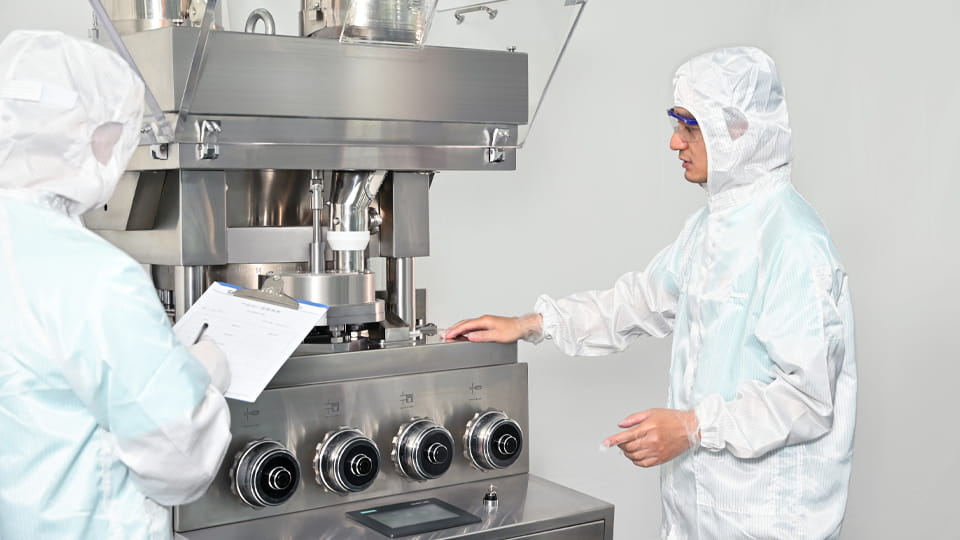
Φαρμακευτικός εξοπλισμός πρέπει να συμμορφώνονται με τους αυστηρούς κανονισμούς GMP. Στις Η.Π.Α, του FDA 21 Μέρος CFR 211 (pharma) και 21 CFR 820 (ιατρικές συσκευές) απαιτούν ρητά επικύρωση των συστημάτων παραγωγής. Το IQ/OQ/PQ αποτελούν τη ραχοκοκαλιά αυτής της συμμόρφωσης. Για παράδειγμα, ο FDA δηλώνει ότι οι δραστηριότητες πιστοποίησης «προηγούνται απαραίτητα της κατασκευής προϊόντων σε εμπορική κλίμακα». Στην Ε.Ε, Παράρτημα GMP 15 ομοίως επιβάλλει την πιστοποίηση του εξοπλισμού καθ' όλη τη διάρκεια του κύκλου ζωής του. Ο στόχος είναι να διασφαλιστεί ότι ο εξοπλισμός θα παράγει αξιόπιστα ασφαλή προϊόντα.
Χωρίς σωστό IQ/OQ/PQ, οι εταιρείες αντιμετωπίζουν σοβαρούς κινδύνους: ελαττώματα προϊόντος, ανακλήσεις παρτίδων, ρυθμιστικές αναφορές, και κινδύνους για την ασφάλεια. Η σωστή πιστοποίηση δημιουργεί εμπιστοσύνη ότι το μηχάνημα πράγματι κάνει αυτό που πρέπει να κάνει - για παράδειγμα, ότι ένα blister packer σφραγίζει στη σωστή θερμοκρασία ή ένα υγρό πληρωτικό διανέμει τον σωστό όγκο. Στην πράξη, ένα πλήρες πρόγραμμα επικύρωσης βοηθά στην αποφυγή εκπλήξεων: «Όταν γίνει σωστά, οι τρεις φάσεις της πιστοποίησης είναι σχολαστικές και χρονοβόρες. Ωστόσο, είναι ζωτικής σημασίας για τη διασφάλιση επαναλαμβανόμενων διαδικασιών και σταθερής ποιότητας προϊόντων».. Εν συντομία, Το IQ/OQ/PQ είναι υποχρεωτικό στις ρυθμίσεις GMP. Για οποιαδήποτε γραμμή συσκευασίας (φουσκάλα, μπουκάλι, χαρτοκιβώτιο, και τα λοιπά.), Το IQ/OQ/PQ απαιτείται να πληροί τις απαιτήσεις τόσο του FDA όσο και της ΕΕ. Τα μηχανήματα της Jinlu συνοδεύονται από πλήρη πρότυπα τεκμηρίωσης IQ/OQ/PQ, επειδή, όπως λένε οι ειδικοί μας, "Το μηχάνημα πρέπει να είναι έτοιμο για επικύρωση".
Στο Φάση IQ, επαληθεύουμε ότι ο εξοπλισμός παραδίδεται και έχει ρυθμιστεί σωστά. Αυτό σημαίνει επιθεώρηση του μηχανήματος και του περιβάλλοντος του πριν από οποιαδήποτε δοκιμή παραγωγής. Οι βασικοί έλεγχοι IQ περιλαμβάνουν:
Η έξοδος του IQ είναι μια γραπτή αναφορά/πρωτόκολλο IQ που τεκμηριώνει κάθε έλεγχο και επιβεβαιώνει "εγκατάσταση όπως αναμένεται". Αν κάτι είναι εκτός προδιαγραφών, πρέπει να διορθωθεί πριν προχωρήσουμε. Ένας επιτυχημένος δείκτης νοημοσύνης σημαίνει «ο εξοπλισμός έχει εγκατασταθεί όπως προβλέπεται» - προϋπόθεση για κάθε δοκιμή. (Στην πράξη, ορισμένες δοκιμές μπορεί να ξεκινήσουν στο IQ ως στοιχεία «έτοιμα για δοκιμή»., αλλά τα κριτήρια αποδοχής έρχονται σε OQ/PQ.)
Το OQ ελέγχει τις λειτουργίες του εξοπλισμού υπό ελεγχόμενες συνθήκες. Τώρα που το μηχάνημα έχει εγκατασταθεί σωστά, επαληθεύουμε όλες τις παραμέτρους λειτουργίας και συστήματα ελέγχου. Το OQ συνήθως περιλαμβάνει:
Ο Λευκή αναφορά θα δείξει τα αποτελέσματα κάθε δοκιμής και θα τα συγκρίνει με κριτήρια αποδοχής (που προέρχονται από σχεδιαστικές προδιαγραφές ή URS). Μόνο αφού περάσει το OQ προχωράμε. (Μερικές φορές το OQ και το IQ μπορεί να επικαλύπτονται σε μια συνδυασμένη αναφορά που ονομάζεται IOQ, αλλά η λογική παραμένει διαδοχική.)
Βασικός στόχος του OQ είναι: «Υπό όλες τις καθορισμένες συνθήκες, κάνει το μηχάνημα αυτό που πρέπει να κάνει;?” Αν κάτι αποτύχει (π.χ.. ένας αισθητήρας δεν είναι ευθυγραμμισμένος), διορθώθηκε και δοκιμάστηκε ξανά.
Το PQ είναι το τελικό στάδιο, όπου αποδεικνύουμε ότι ο εξοπλισμός λειτουργεί σωστά κατά την πραγματική παραγωγή. Ενώ το OQ μπορεί να είχε γίνει κενό, Το PQ χρησιμοποιεί πραγματικό ή προσομοιωμένο προϊόν. Τα βήματα περιλαμβάνουν:
Στο τέλος του PQ, έχουμε τεκμηριωμένη απόδειξη ότι «Ο εξειδικευμένος εξοπλισμός παράγει σταθερά συμμορφούμενο προϊόν υπό πραγματικές συνθήκες». Με άλλα λόγια, το μηχάνημα είναι έτοιμο για παραγωγή GMP.
Για παράδειγμα, εάν το PQ είναι επιτυχές σε μια μηχανή πλήρωσης καψουλών, γνωρίζουμε ότι η δοσολογική του ακρίβεια, εισαγωγή κάψουλας, και η ταχύτητα του ρότορα λειτουργούν σε όλες τις βάρδιες χωρίς μετατόπιση. Αυτό ολοκληρώνει το "τρίγωνο" επικύρωσης και δίνει εμπιστοσύνη στο QA/Rregulatory ότι η γραμμή δεν θα παράγει κακές παρτίδες. Στη συνέχεια, ο εξοπλισμός αποδεσμεύεται για τακτική κατασκευή και περιλαμβάνεται στα τακτικά προγράμματα συντήρησης.
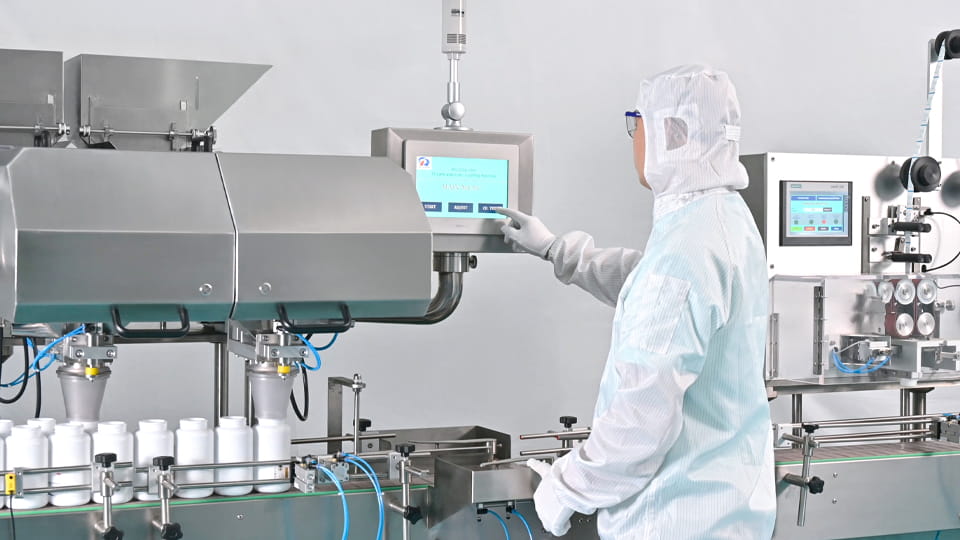
Είναι σημαντικό να διευκρινιστεί η ορολογία. Προσόν συνήθως αναφέρεται σε εξοπλισμό, ενώ νομιμοποίηση συχνά αναφέρεται σε διαδικασίες ή συστήματα. Σε πολλά πλαίσια GMP, IQ/OQ/PQ λαμβάνονται υπόψη μέρη επικύρωσης ενός συστήματος παραγωγής. Με αυτή την έννοια:
Ετσι, Ο εξοπλισμός IQ/OQ/PQ πληροί τις προϋποθέσεις για μηχανές. Ένα ξεχωριστό Επικύρωση διαδικασίας θα συνέδεε αυτές τις μηχανές στην πραγματική διαδικασία παραγωγής (όπως συμπίεση δισκίου συν επίστρωση, και τα λοιπά.). Οντως, Το IQ/OQ/PQ ονομάζονται μερικές φορές Προσόντα Εξοπλισμού (EQ) βήματα. ΕΝΑ Προσόντα Σχεδιασμού (DQ) το βήμα μπορεί να προηγείται του IQ, διασφαλίζοντας ότι ο σχεδιασμός πληροί τις απαιτήσεις του χρήστη (URS) πριν από την κατασκευή ή την αγορά εξοπλισμού.
Ακολουθεί μια απλή ροή φάσεων στον κύκλο ζωής ενός έργου:

Κάθε βέλος είναι μια μεταβίβαση: πρέπει να ολοκληρώσετε το DQ (η επαλήθευση σχεδίασης πληροί το URS) πριν το IQ (επαλήθευση της σωστής εγκατάστασης). Μόνο μετά την ολοκλήρωση του PQ μπορείτε να ισχυριστείτε ότι ο εξοπλισμός έχει επικυρωθεί και να ξεκινήσετε την επικύρωση της διαδικασίας (π.χ.. εκτέλεση πραγματικών εκστρατειών παραγωγής).
Η πιστοποίηση του εξοπλισμού είναι μέρος του συνολικού εξοπλισμού κύκλου ζωής:
Κάθε βήμα παράγει τεκμηρίωση. Για παράδειγμα, Οι μηχανές συσκευασίας της Jinlu παραδίδονται με ένα Κιτ επικύρωσης IQ/OQ/PQ και πρωτόκολλα FAT/SAT. Αυτό σημαίνει ότι ο αγοραστής μπορεί να εξοικονομήσει χρόνο χρησιμοποιώντας τα πρότυπα του κατασκευαστή κατά την πιστοποίηση. Ένα τυπικό χρονοδιάγραμμα μπορεί να εκτείνεται από εβδομάδες έως μήνες ανάλογα με την πολυπλοκότητα.
Σύμφωνα με την FDA/EU, εκπαιδευμένες ομάδες διασφάλισης ποιότητας και μηχανικών (και μερικές φορές εξωτερικοί σύμβουλοι) θα πρέπει να διεξάγει ή να παρακολουθεί αυτά τα βήματα. Η ουσία: ένας πειθαρχημένος, Η τεκμηριωμένη ροή από το σχεδιασμό έως το PQ διασφαλίζει ότι η γραμμή σας είναι συμβατή.
Κάθε τύπος μηχανής συσκευασίας σε ένα εργοστάσιο GMP χρειάζεται προσόντα. Εδώ είναι κοινά παραδείγματα:

Εικών: Μια ημιαυτόματη μηχανή πλήρωσης κάψουλας (Jinlu CGNT-209). Η επικύρωση τέτοιων μηχανών περιλαμβάνει προσεκτικούς ελέγχους του προσανατολισμού της κάψουλας, ακρίβεια δοσολογίας, και σφράγιση κατά το IQ/OQ/PQ.
Παράδειγμα περίπτωσης: Μηχανή πλήρωσης καψουλών IQ/OQ/PQ
Για να εικονογραφήσω, φανταστείτε να προκριθείτε α πλήρως αυτόματο πληρωτικό καψουλών για βιταμίνες:
Όταν αυτά τα βήματα ολοκληρωθούν με περαστικά αποτελέσματα, το πληρωτικό κάψουλας είναι προσόντα για παραγωγή. Είναι έτοιμο να αρχίσει να συσκευάζει πραγματικά προϊόντα με σιγουριά.
Παρά τη σημασία του, τα προσόντα εξοπλισμού συχνά αντιμετωπίζουν εμπόδια:
Η εμπειρία του Jinlu είναι αυτή ο καλύτερος τρόπος για να ξεπεραστούν αυτές οι προκλήσεις είναι ο προγραμματισμός. Ξεκινήστε έγκαιρα τον προγραμματισμό επικύρωσης, ορίστε το URS και το σχέδιο δοκιμής με τον προμηθευτή, και να εξασφαλίσει ότι όλα τα ενδιαφερόμενα μέρη συμφωνούν στα κριτήρια. Η χρήση προτύπων και λιστών ελέγχου επιταχύνει επίσης τη διαδικασία.
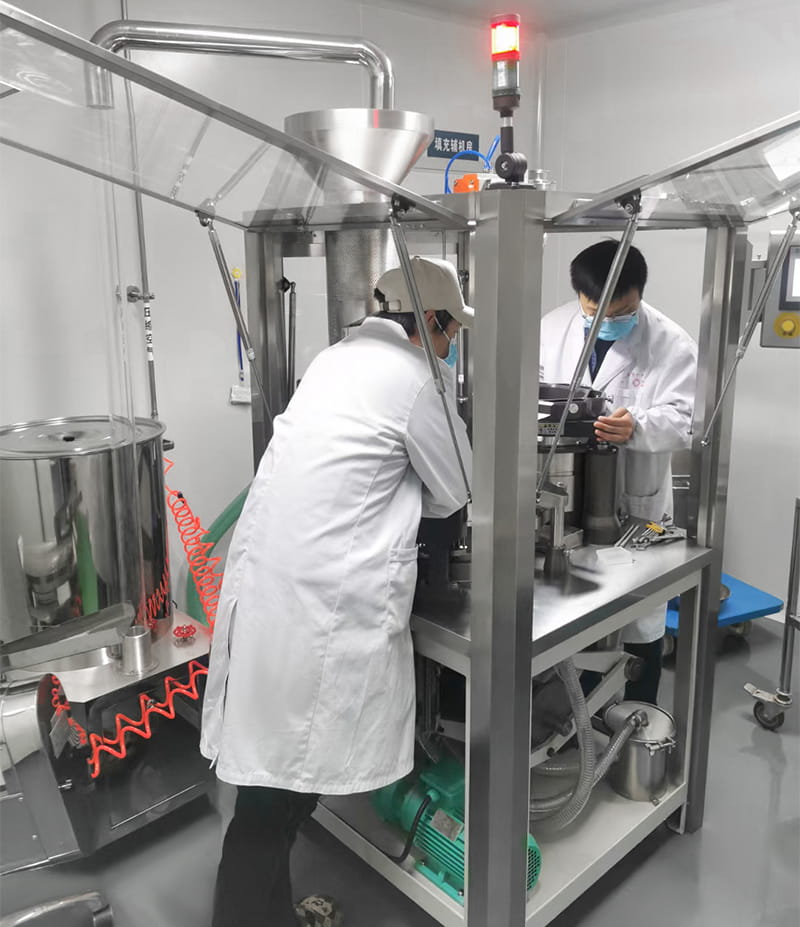
Για να βελτιστοποιήσετε το IQ/OQ/PQ και να εξασφαλίσετε ένα συμμορφούμενο αποτέλεσμα:
Ακολουθώντας αυτές τις βέλτιστες πρακτικές, οι εταιρείες μπορούν να μειώσουν τις εκπλήξεις κατά τη διάρκεια των ελέγχων. Όπως συχνά σημειώνει ο ιδρυτής του Jinlu Petty Fu: επιλέγοντας μηχανήματα από έμπειρους προμηθευτές GMP «Διασφαλίζει ότι έρχονται με ακριβή απόδοση, πιστοποιητικά συμμόρφωσης, και τοπική υποστήριξη». Με άλλα λόγια, επικυρώστε με σιγουριά και επιλέξτε έναν συνεργάτη που μιλά ήδη για επικύρωση.
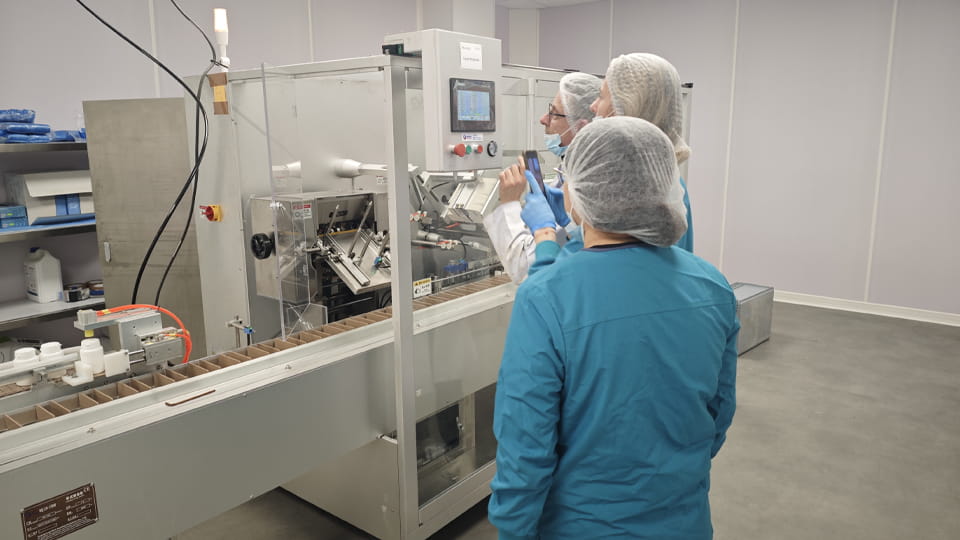
Στη φαρμακευτική παραγωγή, IQ, OQ, και PQ είναι αδιαπραγμάτευτα. Αυτά τα δομημένα βήματα επικύρωσης αποδεικνύουν ότι ο εξοπλισμός σας – από πληρωτικά καψουλών έως συσκευαστές κυψελών έως γραμμές φιαλών – είναι κατάλληλος για το σκοπό και συμβατός με GMP. Ένα καλά εκτελεσμένο πρόγραμμα IQ/OQ/PQ βοηθά στην αποφυγή δαπανηρών σφαλμάτων και διασφαλίζει σταθερή ποιότητα.
Η επιλογή ενός προμηθευτή με ισχυρή υποστήριξη επικύρωσης είναι το κλειδί. Φαρμακευτικές μηχανές συσκευασίας της Jinlu Packing έλα με Σχεδιασμός έτοιμος για GMP και ολοκληρωμένη τεκμηρίωση (Πρωτόκολλα FAT/SAT/IQ/OQ/PQ) για τον εξορθολογισμό της συμμόρφωσης. Η ομάδα μας μπορεί να σας βοηθήσει να ορίσετε το URS, πραγματοποιήστε δοκιμές IQ/OQ, και να δημιουργήσετε τις απαιτούμενες αναφορές.
👉 Ψάχνω για φαρμακευτικός εξοπλισμός που απλοποιεί τη συμμόρφωση? Επικοινωνήστε με τη Jinlu σήμερα για μηχανήματα συσκευασίας με πλήρη υποστήριξη IQ/OQ/PQ και υπηρεσίες επικύρωσης με το κλειδί στο χέρι. Θα διασφαλίσουμε ότι θα εγκατασταθεί η νέα σας γραμμή, δοκιμασμένο, και τεκμηριωμένη για πιστοποίηση GMP χωρίς προβλήματα.
Με απλά λόγια, Προσόντα εγκατάστασης (IQ) διασφαλίζει ότι ο εξοπλισμός έχει εγκατασταθεί σωστά (σωστή τοποθεσία, υπηρεσίες κοινής ωφέλειας, και εξαρτήματα). Επιχειρησιακά Προσόντα (OQ) ελέγχει τις λειτουργίες του εξοπλισμού σε κανονικές και ακραίες ρυθμίσεις (επιβεβαίωση όλων των ελέγχων, συναγερμός, και όρια). Προσόντα Απόδοσης (PQ) επιβεβαιώνει ότι ο εξοπλισμός μπορεί να αποδώσει σταθερά στην πραγματική παραγωγή, χρησιμοποιώντας πραγματικά υλικά και συνθήκες. Μαζί, Το IQ/OQ/PQ τεκμηριώνει ότι το μηχάνημα λειτουργεί όπως προβλέπεται.
Ναί. Κανονιστικές κατευθυντήριες γραμμές (FDA, ΕΕ, ΠΟΥ) απαιτούν ότι όλος ο κρίσιμος εξοπλισμός σε ένα φαρμακευτικό εργοστάσιο είναι κατάλληλος πριν από τη χρήση. Για παράδειγμα, του FDA 21 CFR 211 και το παράρτημα GMP της ΕΕ 15 και τα δύο απαιτούν αυστηρά προσόντα εξοπλισμού. Η παράλειψη του IQ/OQ/PQ ενέχει τον κίνδυνο παραβιάσεων των κανονισμών και πιθανές ανακλήσεις προϊόντων. Στην πράξη, οποιαδήποτε νέα μηχανή συσκευασίας σε φαρμακευτική σειρά (φουσκάλες, πληρωτικά, χαρτοκιβώτια, και τα λοιπά.) θα πρέπει να επικυρωθεί μέσω IQ/OQ/PQ εάν αγγίζει το προϊόν.
Είναι συνήθως μια κοινή προσπάθεια. Ο προμηθευτής του μηχανήματος βοηθά συχνά παρέχοντας τεκμηρίωση και εκτελώντας Εργοστασιακές Δοκιμές Αποδοχής. Η ομάδα ποιότητας/επικύρωσης του αγοραστή διεξάγει (ή μάρτυρες) ο ιστότοπος IQ/OQ/PQ. Συχνά, ο ΚΑΕ (Τζινλού, για παράδειγμα) προσφέρει υπηρεσίες επικύρωσης ή καθοδήγηση ως μέρος της θέσης σε λειτουργία. Τελικά, η αγοραστική εταιρεία είναι υπεύθυνη για τη διασφάλιση της συμπλήρωσης και τεκμηρίωσης του IQ/OQ/PQ πριν από την κατασκευή του προϊόντος.
Το PQ έρχεται μετά την επιτυχή ολοκλήρωση του IQ και του OQ. Μόλις εγκατασταθεί το μηχάνημα (IQ) και τα λειτουργικά τεστ περνούν (OQ), Το PQ γίνεται κατά τη διάρκεια πραγματικών ή προσομοιωμένων σειρών παραγωγής. Συνήθως είναι το τελευταίο βήμα: για παράδειγμα, εκτελέστε τρεις διαδοχικές παρτίδες ή μια δοκιμή παραγωγής πλήρους κλίμακας ενώ παρακολουθείτε την απόδοση. Το PQ συμβαίνει συχνά κατά τη διάρκεια μιας αρχικής περιόδου θέσης σε λειτουργία, προτού η γραμμή κυκλοφορήσει επίσημα στην παραγωγή ρουτίνας.
Απολύτως. Παρόλο που η συσκευασία φαίνεται απλή, Οι ρυθμιστικές αρχές το αντιμετωπίζουν ως μέρος της ελεγχόμενης διαδικασίας παραγωγής. Κάθε κύρια μηχανή συσκευασίας πρέπει να είναι πιστοποιημένη. Για παράδειγμα, όπως σημειώνεται στον ιστότοπο του Jinlu, «για ελεγχόμενα προϊόντα, πραγματοποιήστε εγκατάσταση, επιχειρησιακά προσόντα και επιδόσεις (IR/WH/PQ) όπως απαιτείται». Ένα μηχάνημα χαρτοκιβωτίου που χειρίζεται το τελικό προϊόν σας πρέπει να αποδειχθεί ότι λειτουργεί σωστά (π.χ.. διπλώνει τα χαρτοκιβώτια αξιόπιστα, εισάγει ετικέτες), που επιτυγχάνουν το IQ/OQ/PQ. Στην ουσία, κάθε εξοπλισμός που θα μπορούσε να επηρεάσει την ποιότητα ή την ιχνηλασιμότητα του προϊόντος απαιτεί πιστοποίηση.
Αναφορές:
1.Επίσημο έγγραφο πιστοποίησης και επικύρωσης – Παράρτημα GMP της ΕΕ 15.
2.ΟΔΗΓΟΣ ΚΑΛΗΣ ΠΑΡΑΓΩΓΙΚΗΣ ΠΡΑΚΤΙΚΗΣ ΓΙΑ ΦΑΡΜΑΚΕΥΤΙΚΑ ΠΑΡΑΡΤΗΜΑΤΑ – Παράρτημα οδηγού PIC/S GMP 15 (Παγκόσμιο Πρότυπο GMP).
3.Η Ιστορία & Το μέλλον της επικύρωσης – ispe.org.
4.Προσόν (DQ, IQ, OQ, PQ) – gempex.com.