
Επιλέγοντας το σωστό μηχάνημα συσκευασίας φουσκάλου είναι μια κρίσιμη απόφαση για τους κατασκευαστές φαρμακευτικών προϊόντων. Τα δισκία και οι κάψουλες διαφέρουν ως προς το μέγεθος, σχήμα, και ευαισθησία, πράγμα που σημαίνει ότι τα μηχανήματα που τα συσκευάζουν πρέπει επίσης να διαφέρουν. Αυτός ο οδηγός εξηγεί τις βασικές διαφορές μεταξύ των μηχανών κυψέλης δισκίων και των μηχανών κυψέλης με κάψουλες, καλύπτοντας τα πάντα, από τη γεωμετρία της κοιλότητας και τους τροφοδότες έως την ταχύτητα παραγωγής και τη συμμόρφωση με τους κανονισμούς. Συγκρίνουμε συστήματα θερμοδιαμόρφωσης vs ψυχρής διαμόρφωσης και επίπεδης πλάκας έναντι περιστροφικών συστημάτων, περιγράψτε τους σημαντικότερους παράγοντες που πρέπει να λάβετε υπόψη, και επισημάνετε τις κοινές παγίδες στην επιλογή του λάθος μηχανήματος. Μέχρι το τέλος, θα καταλάβετε ακριβώς τι πρέπει να αναζητήσετε—είτε χρειάζεστε μια σειρά tablet που τροφοδοτείται με βούρτσα είτε μια πλήρως αυτοματοποιημένη σειρά καψουλών με τροφοδότες προσανατολισμού—ώστε να μπορείτε να πάρετε μια τεκμηριωμένη απόφαση αγοράς.
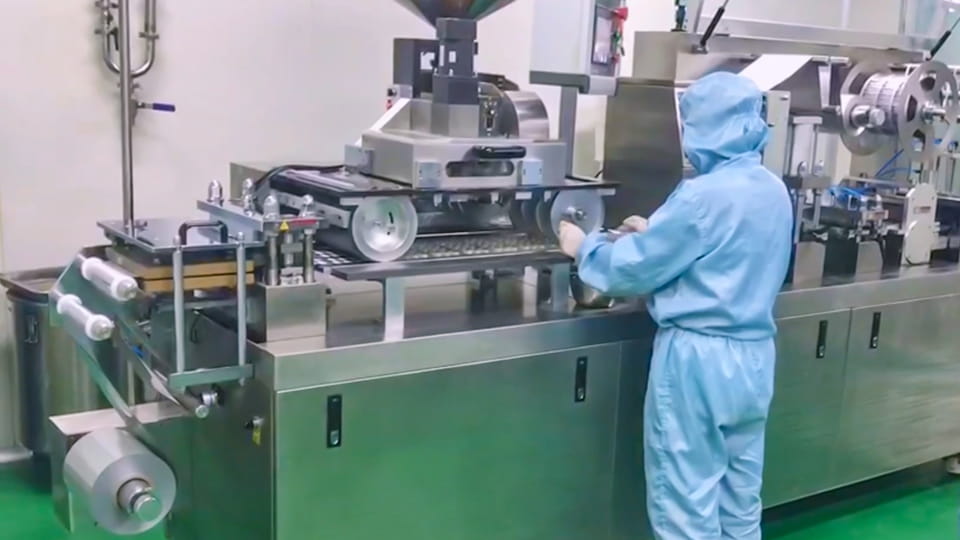
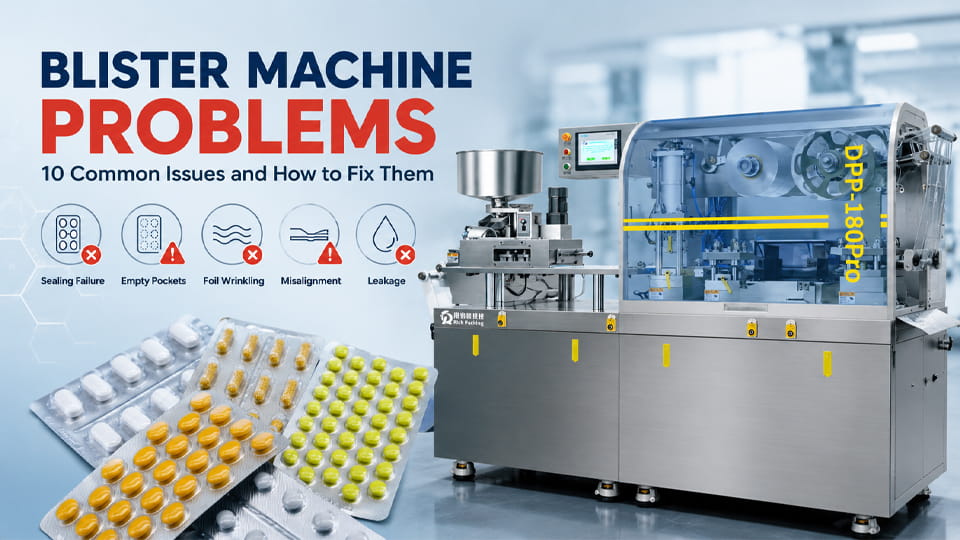
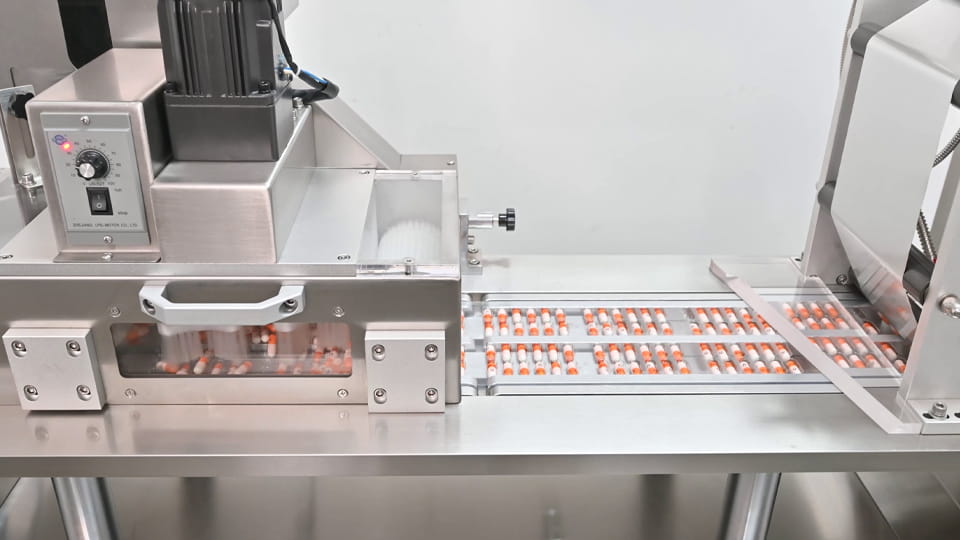
Εικόνα: Μια σύγχρονη σειρά συσκευασίας κυψέλης δισκίων/καψουλών σε καθαρό δωμάτιο GMP. Οι μηχανές blister αυτοματοποιούν τη διαμόρφωση, πλήρωση, σφράγιση, και κοπή φιλμ PVC ή αλουμινίου για τη δημιουργία συσκευασίας μοναδιαίας δόσης.
Οι μηχανές συσκευασίας blister είναι εξειδικευμένος εξοπλισμός που σχηματίζουν μεμονωμένες κοιλότητες (φουσκάλες) από πλαστική ή μεμβράνη αλουμινίου, γεμίστε τα με προϊόν, και μετά τα σφραγίζουμε με αλουμινόχαρτο. Εκτελούν τέσσερα βασικά βήματα—σχηματισμός, πλήρωση, σφράγιση, και κοπή—να παράγει τακτοποιημένο, πακέτα προφανών παραβιάσεων. Αυτά τα μηχανήματα είναι πανταχού παρόντα στη φαρμακευτική: θα τα βρείτε σε ταμπλέτες συσκευασίας, κάψουλες, ή ακόμα και ηλεκτρονικά τσιγάρα και μικρά αναλώσιμα. Μια υψηλής ποιότητας μηχανή συσκευασίας blister διασφαλίζει την ασφάλεια και τη διάρκεια ζωής του προϊόντος σφραγίζοντας με ακρίβεια κάθε μονάδα, ενώ συμμορφώνεται με τα αυστηρά πρότυπα GMP/FDA.
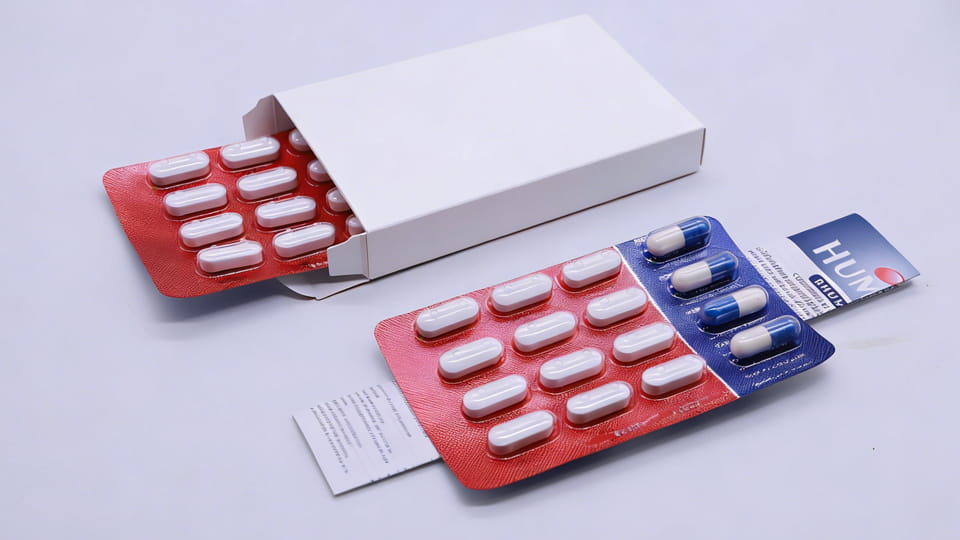
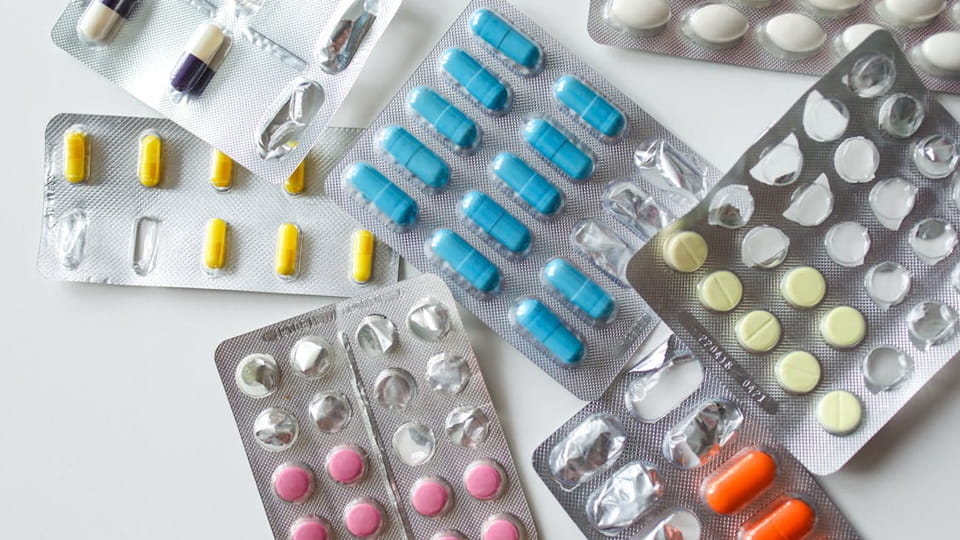
Οι σειρές κυψελών δισκίων και καψουλών μοιράζονται την ίδια βασική αρχιτεκτονική, αλλά οι λεπτομέρειες διαφέρουν. Η τσέπη (κοιλότητα) Η γεωμετρία για ένα στρογγυλό tablet είναι πολύ διαφορετική από αυτή για μεγάλο χρονικό διάστημα, κάψουλα δύο τεμαχίων, και το σύστημα τροφοδοσίας/προσανατολισμού πρέπει να ταιριάζει. Για παράδειγμα, ένα τυπικό στρογγυλό δισκίο 10 mm χρειάζεται μόνο ένα ρηχό, κυκλική τσέπη, ενώ α 0# (21.7 mm) σκληρή κάψουλα ζελατίνης απαιτεί ένα βαθύ, επιμήκης ωοειδής κοιλότητα. Ως αποτέλεσμα, μια σειρά κυψελών κάψουλας συνήθως περιλαμβάνει έναν «τροφοδότη προσανατολισμού» για τη σωστή σειρά των καψουλών (κεφάλι με ουρά) πριν μπουν στο πρατήριο καυσίμων. Οι κάψουλες μπορούν να πέφτουν ή να αναστρέφονται, έτσι α τροφοδότης περιστροφής κάψουλας χρησιμοποιείται συχνά για να αναποδογυρίσει κάθε κάψουλα σε ομοιόμορφη θέση. Αντίθετα, Τα δισκία τροφοδοτούνται πιο εύκολα με α τροφοδότης βούρτσας ή δονητική πλάκα, δεδομένου ότι τα περισσότερα δισκία είναι συμμετρικά και μπορούν να τροφοδοτηθούν τυχαία σε κυκλικές τσέπες.
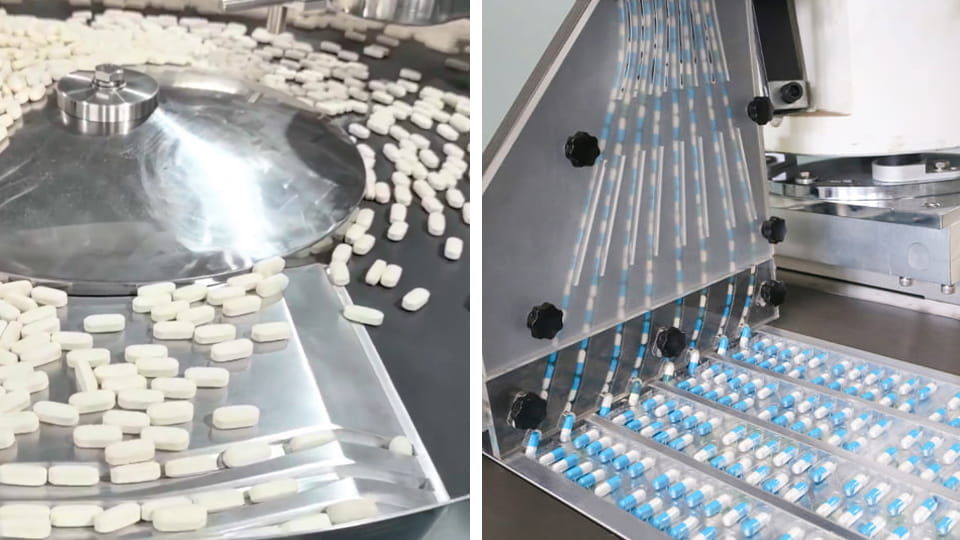
Εικόνα: Σειρές blister για κάψουλες. Κοιλότητες δισκίων (εγκύκλιος) έναντι κοιλοτήτων κάψουλας (επίμηκες οβάλ) υπαγορεύουν διαφορετικά σχέδια τροφοδοσίας και συνθήκες διαμόρφωσης.
ΕΝΑ μηχάνημα συσκευασίας φουσκάλου είναι ένα κομμάτι φαρμακευτικού εξοπλισμού που αυτοματοποιεί τη συσκευασία μοναδιαίας δόσης. Σχηματίζει κοιλότητες (φουσκάλες) σε πλαστικό ή αλουμινένιο ιστό, τα γεμίζει με προϊόν, στη συνέχεια τα σφραγίζουμε με αλουμινόχαρτο ή χαρτί. Σε φαρμακευτική, το φιλμ σχηματισμού είναι τυπικά PVC/PVDC ή αλουμίνιο (για ψυχρής μορφής), και το καπάκι είναι αλουμινόχαρτο. Η βασική σειρά είναι: ξετύλιγμα φιλμ → σταθμός διαμόρφωσης → σταθμός πλήρωσης/τροφοδοσίας → σταθμός στεγανοποίησης → διάτρηση/κοπή.
[jl_youtube src=”https://www.youtube.com/embed/hC-yo-ToX6s”]
Αυτή η διαδικασία αποδίδει σφραγισμένες συσκευασίες blister που είναι παραποιημένος, υγιεινός, και εύκολο στη χρήση από τους ασθενείς. Μια καλή μηχανή συσκευασίας blister εξασφαλίζει σταθερή ποιότητα διαμόρφωσης και σφράγισης, Συχνά ενσωματώνουν συστήματα όρασης για τον εντοπισμό και την απόρριψη άδειων τσέπες ή λανθασμένων μονάδων.
Αν και οι γραμμές δισκίων και καψουλών μοιάζουν με την πρώτη ματιά, τους βασικές διαφορές σημαίνει ότι δεν μπορείτε απλά να ανταλλάξετε προϊόντα σε οποιοδήποτε μηχάνημα χωρίς προσαρμογές. Οι τρεις κύριες διαφορές υλικού είναι: σχήμα τσέπης (γεωμετρία μήτρας), τροφοδότης/προσανατολισμός, και απορρίπτουν τη λογική.
Η λάθος λήψη τους μπορεί να καταστρέψει την παραγωγή: Το λανθασμένο σχήμα τσέπης οδηγεί σε αστοχίες σφράγισης ή παραμορφωμένες φουσκάλες, και τα σφάλματα τροφοδοσίας οδηγούν σε σκραπ ή ανάκληση. Όπως σημειώνει ο Jinlupacking, «Γεωμετρία εργαλείων, μηχανισμός τροφοδοσίας, και η λογική απόρριψης είναι αυτά που καθορίζουν αν θα λάβετε 98.5% αποτελεσματικότητα ή 84% αποτελεσματικότητα την πρώτη εβδομάδα παραγωγής».
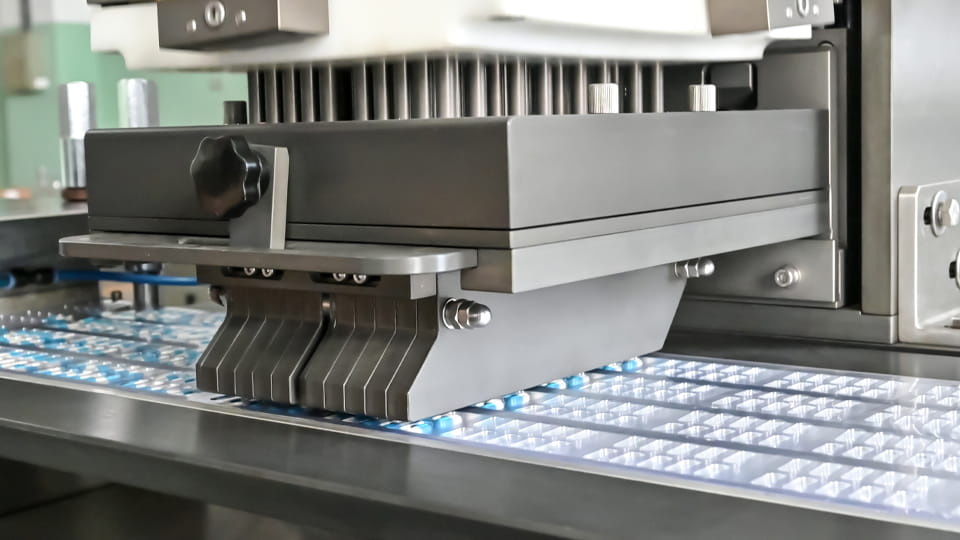
Για να συνοψίσουμε σε μια γρήγορη αναφορά, ιδού πώς ένα τυπικό μηχάνημα blister για ταμπλέτες συγκρίνει με α μηχάνημα blister για κάψουλες:
| Χαρακτηριστικό | Μηχανή για κυψέλες για ταμπλέτες | Μηχανή φυσαλίδων κάψουλας |
| Σχήμα κοιλότητας | Κυκλικό ή ρηχό οβάλ (με επίπεδο πάτο) | Επίμηκες οβάλ (βαθύτερη έλξη) |
| Τυπικό βάθος κοιλότητας | ~4–8 mm | ~9–14 mm |
| Υλικό διαμόρφωσης | PVC/PVDC ή PET (για θερμοδιαμόρφωση) | Συχνά PVC/PVDC ή αλουμίνιο (για θερμοδιαμόρφωση ή ψυχρής μορφής) |
| Θερμοκρασία Σχηματισμού | ~120–140 °C (PVC) | ~145–165 °C (PVC; ή χωρίς θερμότητα για Alu-Alu ψυχρής μορφής) |
| Σύστημα Σίτισης | Τροφοδότης βούρτσας ή δονητική πλάκα (μη προσανατολισμένος) | Τροφοδότης προσανατολισμού (αυλάκι βαρύτητας, ράγες οδήγησης, ή τροχιακή) |
| Προσανατολισμός προϊόντος | τυχαίος (συμμετρικά δισκία) | Διορθώθηκε από το κεφάλι με την ουρά (οι κάψουλες πρέπει να κοιτούν με τον ίδιο τρόπο) |
| Vision/Reject Logic | Εντοπίστε άδεια/σπασμένα δισκία | Ανίχνευση λείπει, ανεστραμμένο, ή διασταυρούμενες κάψουλες |
| Αποδοτικότητα ταχύτητας | Τυπικά υψηλότερα (απλούστερο γέμισμα) | Λίγο πιο χαμηλά (λόγω βημάτων προσανατολισμού) |
| Κόστος αλλαγής | Χαμηλότερος (απλά επίπεδα καλούπια) | Άνω (σύνθετα καλούπια για σχήμα κάψουλας) |
| Χειρισμός κινδύνου | Χαμηλός (τα δισκία είναι ανθεκτικά) | Άνω (Οι κάψουλες μπορούν να χωριστούν ή να χωριστούν με καπάκι) |
Το κλειδί σε πακέτο: Μηχανές tablet χρησιμοποιήστε απλά επίπεδα καλούπια και τυπικούς τροφοδότες, ενώ μηχανές κάψουλας Συχνά προσθέτετε αγωγούς προσανατολισμού ή περιστρεφόμενους τροφοδότες και βαθύτερα καλούπια. Πολλά μηχανήματα υψηλής τεχνολογίας (όπως τα μοντέλα της Jinlu) είναι κατασκευασμένα για να χειρίζονται και τα δύο, αλλά απαιτούν επικυρωμένη αλλαγή εργαλείου/καλουπιού και μερικές φορές αυτοματοποιημένη εναλλαγή τροφοδότη για να γίνει αυτό. Εάν το μηχάνημα είναι πραγματικά διπλής χρήσης, Το σύστημα τροφοδοσίας του πρέπει να υποστηρίζει και τις δύο λειτουργίες (π.χ.. μια ρυθμιζόμενη ράγα οδήγησης που μπορεί να απενεργοποιηθεί για tablet).
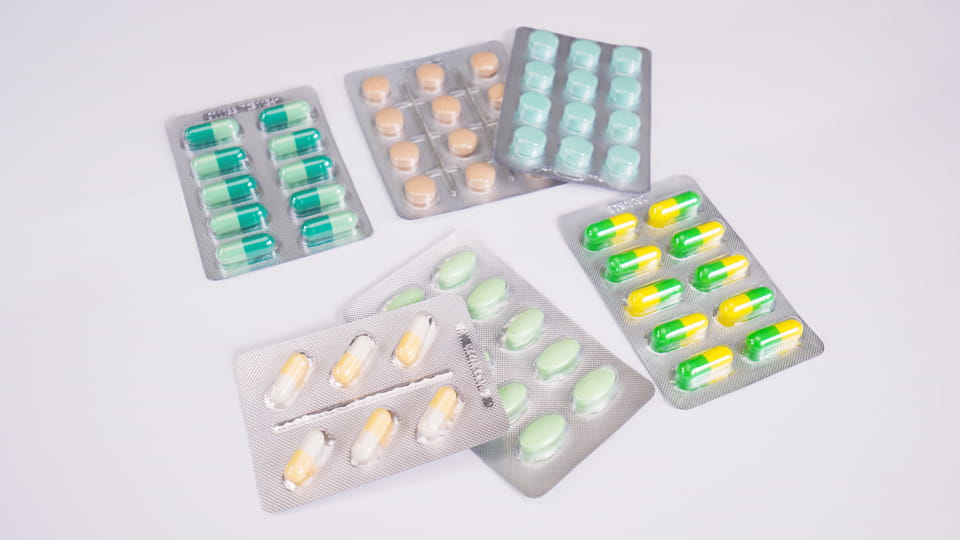
Όταν σχεδιάζετε τη γραμμή συσκευασίας σας, θεωρώ τεχνολογία διαμόρφωσης (θερμοδιαμόρφωση vs ψυχρή διαμόρφωση) και στυλ μηχανής (επίπεδη πλάκα εναντίον περιστροφικού):
Πότε να χρησιμοποιήσετε Ποιο: Επιλέγω θερμοδιαμόρφωση εάν τα προϊόντα σας είναι σταθερά στην υγρασία και χρειάζεστε ταχύτητα και ορατότητα (π.χ.. OTC δισκία, συμπληρώματα). Επιλέγω ψυχρής μορφής (Alu-Alu) εάν τα φάρμακά σας είναι ευαίσθητα στο οξυγόνο/υγρασία ή απαιτούν πολύ μεγάλη διάρκεια ζωής. Ορισμένες γραμμές χρησιμοποιούν υβριδικές προσεγγίσεις (θερμομορφικό φιλμ με κάλυμμα Alu ή επίστρωση PVDC) να εξισορροπήσει το κόστος και το εμπόδιο.
Οι μηχανές blister διατίθενται επίσης σε δύο κύριες μηχανικές μορφές:
Ποιο να Διαλέξετε? Εάν παράγετε πολλά διαφορετικά SKU ή χρειάζεστε βαθιά έλξη (όπως το Alu-Alu), ένα επίπεδη πλάκα η μηχανή είναι συνήθως η καλύτερη. Εάν εκτελείτε πολύ μεγάλες παρτίδες ενός προϊόντος (π.χ.. εκατομμύρια συσκευασίες blister το μήνα), ένα περιστροφικός η μηχανή αποδίδει σε απόδοση. Για παράδειγμα, Jinlu's Το DPP-180Pro είναι ένα μοντέλο επίπεδης πλάκας (μέγιστο ~4.800 πιάτα/ώρα) καλό για ευελιξία, ενώ το Περιστροφικό μοντέλο DPH-270Max μπορεί να χτυπήσει 11,200 blisters/hr για παραγωγή μάζας υψηλής ταχύτητας.
| Χαρακτηριστικό | Μηχανή επίπεδης πλάκας | Περιστροφική μηχανή |
| Στυλ Διαμόρφωσης | Διαλείπων (πιέζει πλάκα κάθε κύκλο) | Συνεχής (περιστρεφόμενο τύμπανο) |
| Μέγ. Ταχύτητα | Μέτριος (δεκάδες έως ~ 100 κοψίματα/λεπτό) | Πολύ ψηλά (συχνά 180+ περικοπές/λεπτ) |
| Καλύτερος για | Μικρές/μεσαίες παρτίδες; βαθειά κλήρωση (Alu-Alu) πακέτα | Συσκευασίες Alu-PVC μεγάλου όγκου (μαζική παραγωγή) |
| Κόστος καλουπιού | Χαμηλότερος (Οι επίπεδες πλάκες είναι φθηνότερες) | Άνω (κυλινδρικά καλούπια ακριβείας) |
| Ώρα αλλαγής | Γρήγορα (η ανταλλαγή καλουπιών είναι απλούστερη) | Πιο αργά (η ευθυγράμμιση και η αντικατάσταση είναι περίπλοκη) |
| Αποτύπωμα ανά Έξοδο | Μεγαλύτερος (απαιτούνται πολλαπλές μηχανές για την ίδια έξοδο) | Πιο συμπαγές (ένα μηχάνημα ισούται με πολλές επίπεδες πλάκες) |
Όταν επιλέγετε μια γραμμή συσκευασίας blister, επικεντρωθείτε σε αυτούς τους επτά παράγοντες για να εξασφαλίσετε την καλύτερη εφαρμογή και να αποφύγετε δαπανηρά λάθη αργότερα:
Αξιολογώντας προσεκτικά κάθε παράγοντα, θα αποφύγεις μια κοινή παγίδα: αγοράζοντας ένα φθηνότερο μηχάνημα που ταιριάζει στις σημερινές ανάγκες αλλά αποτυγχάνει στις αυριανές απαιτήσεις (για παράδειγμα, έλλειψη τροφοδότη για νέα SKU κάψουλας ή χρειάζεται πλήρης αντικατάσταση για υψηλότερες ταχύτητες).
Η επιλογή μιας μηχανής κυψελών είναι πολύπλοκη, απόφαση υψηλού στοιχήματος. Οι ομάδες προμηθειών συχνά κάνουν αυτά τα λάθη:
Μαθαίνοντας από αυτά τα λάθη, μπορείτε να δώσετε προτεραιότητα στην αξία και τη μακροπρόθεσμη απόδοση αντί να επιλέγετε απλώς τα πλαίσια του φύλλου προδιαγραφών.
Εάν παράγετε κυρίως ταμπλέτες:
Εάν Παράγετε Κυρίως Κάψουλες:
Αν κάνεις και τα δύο:
Δεν δημιουργούνται όλες οι μηχανές συσκευασίας blister ίσες. Θέλετε έναν προμηθευτή που κατανοεί τις φαρμακευτικές ανάγκες και προσφέρει ισχυρή υποστήριξη. Συσκευασία Jinlu, για παράδειγμα, ανταύγειες:
Η επιλογή ενός αξιόπιστου κατασκευαστή είναι σχεδόν εξίσου σημαντική με τις προδιαγραφές του μηχανήματος. Αναζητήστε αυτούς που δημοσιεύουν έγγραφα επικύρωσης, προσφέρουν εκπαίδευση, και έχουν ιστορικό φαρμακευτικών εγκαταστάσεων.
Η επιλογή της σωστής μηχανής συσκευασίας blister είναι μια στρατηγική απόφαση. Με προσεκτική αντιστοίχιση τύπος μηχανής στο δικό σου προϊόν (δισκία vs κάψουλες) και ανάγκες παραγωγής, μπορείτε να μεγιστοποιήσετε την αποτελεσματικότητα και την ποιότητα. Θυμηθείτε να εξετάσετε το σχεδιασμό του τροφοδότη, μορφή μηχανής, συμβατότητα υλικού, και συμμόρφωση με τα κανονιστικά. Η παράλειψη αυτών των λεπτομερειών μπορεί να σας κοστίσει χρόνο διακοπής λειτουργίας και προϊόν που έχει απορριφθεί. Αντί, ακολουθήστε την προσέγγιση της λίστας ελέγχου ενός αγοραστή: καθορίστε τις απαιτήσεις σας, επαληθεύστε κάθε μηχανή έναντι αυτών, και προσλάβετε έναν προμηθευτή που εμπιστεύεστε (με σταθερές εγγυήσεις και υποστήριξη).
Επιλέγοντας το σωστό Μηχανή συσκευασίας φυσαλίδων δεν αφορά μόνο τον εξοπλισμό - έχει να κάνει με τη διασφάλιση σταθερής παραγωγής, ποιότητα του προϊόντος, και μακροπρόθεσμη απόδοση επένδυσης (ROI). Εάν σκοπεύετε να αναβαθμίσετε τη σειρά φαρμακευτικών συσκευασιών σας ή εξακολουθείτε να συγκρίνετε επιλογές για δισκία έναντι κάψουλες, τώρα είναι η κατάλληλη στιγμή να αναλάβουμε δράση.
👉 Μιλήστε με την ομάδα μας στο Jinlu Packing σήμερα
👉 Αποκτήστε μια προσαρμοσμένη λύση με βάση το προϊόν και τη χωρητικότητά σας
👉 Ζητήστε προσφορά ή τεχνική συμβουλή — καμία υποχρέωση
Θα σας βοηθήσουμε να ταιριάξετε τη σωστή μηχανή συσκευασίας blister στις πραγματικές σας ανάγκες παραγωγής — όχι μόνο στις προδιαγραφές σε χαρτί.
Πιθανώς, αλλά εξαρτάται από τον σχεδιασμό του μηχανήματος. Μια πραγματικά διπλής μορφής μηχανή κυψελών πρέπει να έχει εναλλάξιμα εργαλεία (σετ καλουπιών) και ένα σύστημα τροφοδοσίας ικανό τόσο για τυχαία τροφοδοσία δισκίων όσο και για προσανατολισμένη τροφοδοσία κάψουλας. Στην πράξη, αυτό σημαίνει επιπλέον κόστος (ειδικά εργαλεία καλουπιού και τροφοδότης προσανατολισμού κάψουλας). Εάν η μικτή παραγωγή είναι περιστασιακή, ένα μόνο μηχάνημα με κιτ αλλαγής μπορεί να λειτουργήσει, αλλά για συχνές μεταβάσεις, τα ειδικά μηχανήματα μπορεί να είναι πιο πρακτικά.
Για φάρμακα υψηλής ευαισθησίας στην υγρασία ή φωτοευαίσθητα, ψυχρής μορφής (Alu-Alu) Προτιμώνται οι συσκευασίες blister. Το πλήρες φύλλο αλουμινίου παρέχει ένα σχεδόν αδιαπέραστο φράγμα, παράταση της διάρκειας ζωής. Σημειώστε ότι το μηχάνημα πρέπει να υποστηρίζει ψυχρή διαμόρφωση (υψηλής πίεσης, χωρίς ζέστη). Εάν χρειάζεται ταχύτητα και ορατότητα, μερικοί χρησιμοποιούν υβριδικά πακέτα (θερμομορφικές κοιλότητες με επιστρώσεις αλουμινίου ή PVDC) για ενδιάμεση προστασία.
Θερμοτομή (PVC/PET) λειτουργεί για τα περισσότερα δισκία που δεν είναι εξαιρετικά ευαίσθητα στην υγρασία. Προσφέρει γρήγορη παραγωγή και καθαρό, επιθεωρήσιμες συσκευασίες. Ωστόσο, για δισκία με υγρή κοκκοποίηση ή υγροσκοπικό περιεχόμενο, μπορεί να χρειαστείτε μεμβράνη με επίστρωση PVDC ή να αλλάξετε σε ψυχρής μορφής. Επίσης, μερικά υλικά (όπως τα ρετινοειδή) μπορεί να αλληλεπιδράσει με το PVC, οπότε η δοκιμή συμβατότητας είναι σοφή.
Οι γραμμές κάψουλας συνήθως χρησιμοποιούν τροφοδότες προσανατολισμού. Οι συνήθεις τύποι περιλαμβάνουν τροφοδότες σιδηροτροχιάς-οδηγού, αγωγοί βαρύτητας, ή συσκευές περιστροφής κάψουλας. Ο στόχος είναι να παρουσιαστεί κάθε κάψουλα με το κεφάλι πρώτα στην κοιλότητα. Ο Jinlu και άλλοι προσφέρουν τροχιακούς τροφοδότες ή δονητικά κανάλια για να το πετύχουν αυτό. Ελέγχετε πάντα με τον προμηθευτή ότι οι τροφοδότες τους μπορούν να χειριστούν το μέγεθος και το σχήμα της κάψουλάς σας.
• Βελτιστοποίηση τροφοδοσίας: Εξασφαλίστε ομαλή, σίτιση χωρίς μαρμελάδα. Ένας καλά σχεδιασμένος τροφοδότης με σωστή ανάδευση ή προσανατολισμό μειώνει τις διακοπές λειτουργίας
• Ταχύτητα vs Σταθερότητα: Αντιστοιχίστε την ταχύτητα λειτουργίας με τις ανοχές του προϊόντος. Το να τρέχετε πιο αργά από τη μέγιστη ταχύτητα μπορεί να μειώσει τις απορρίψεις και το χρόνο διακοπής λειτουργίας.
• Μείωση αλλαγής: Τυποποιήστε τα μεγέθη κυψελών εάν είναι δυνατόν. Χρησιμοποιήστε συστήματα γρήγορης αλλαγής (όπως η 15λεπτη αλλαγή καλουπιού του Jinlu).
• Προληπτική Συντήρηση: Διατηρήστε τον εξοπλισμό βαθμονομημένο (θερμοκρασία, πίεση) και καθαρό. Τα συστήματα όρασης πρέπει να ελέγχονται και να καθαρίζονται τακτικά.
• Εκπαίδευση χειριστή: Εξειδικευμένοι χειριστές που κατανοούν τις αποχρώσεις (Π.χ., διορθώσεις σίτισης, ρύθμιση καλουπιού) είναι ανεκτίμητες.
• Ενσωμάτωση διάταξης: Βελτιώστε τη ροή υλικού. Οι αυτοματοποιημένες συνδέσεις με πρέσες tablet και χαρτοκιβώτια μειώνουν το χρόνο αδράνειας.
• Παρακολούθηση Δεδομένων: Χρησιμοποιήστε δεδομένα PLC για να εντοπίσετε τις τάσεις (υπερβάσεις θερμοκρασίας, απορρίψτε αιχμές) και διορθώστε τα νωρίς.
Αντιμετωπίζοντας αυτούς τους παράγοντες, μεγιστοποιείτε την απόδοση και το χρόνο λειτουργίας στη γραμμή blister σας.
Αναφορές:
1.Συσκευασία blister —— Βικιπαίδεια
2.Ένας πλήρης οδηγός για τη μηχανή συσκευασίας με κυψέλες —— pharmaceutical-tech.com
3.Βελτιστοποίηση του σχεδιασμού συσκευασίας blister για φαρμακευτικά προϊόντα στερεάς μορφής —— ScienceDirect
4.Φαρμακευτική συσκευασία blister, μέρος II: Μηχανήματα και συναρμολόγηση —— ResearchGate
5.Ανίχνευση ελαττωμάτων της συσκευασίας φαρμακευτικών κυψελών με βάση την αντιστοίχιση προτύπου σχήματος —— ResearchGate