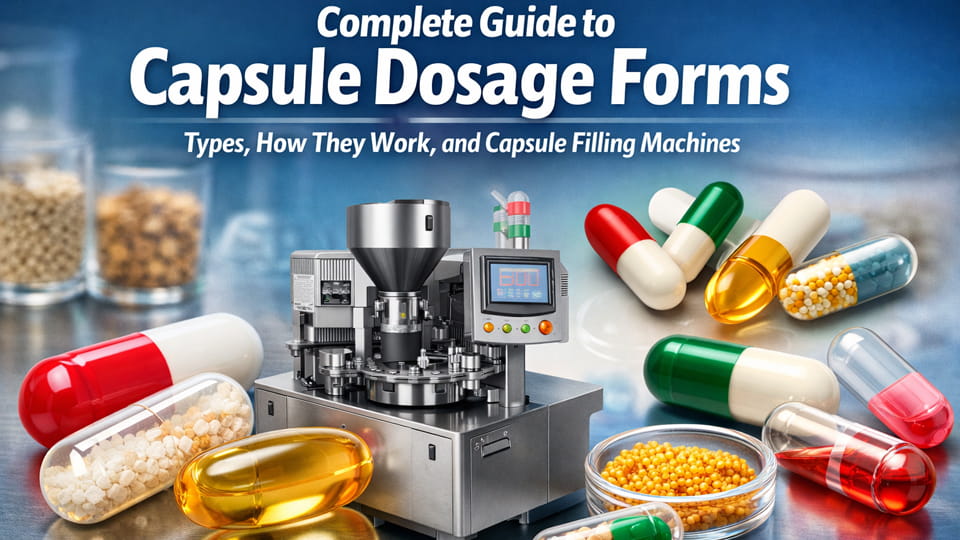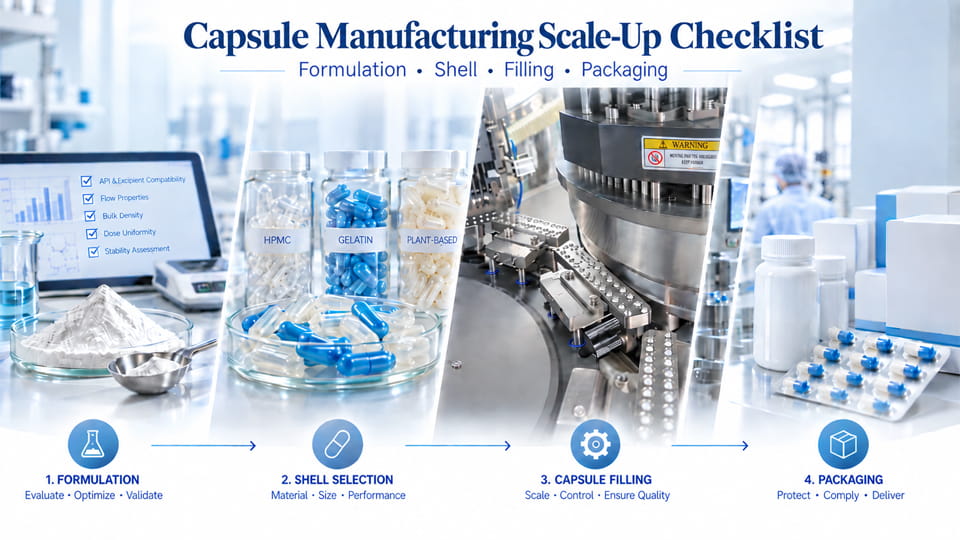

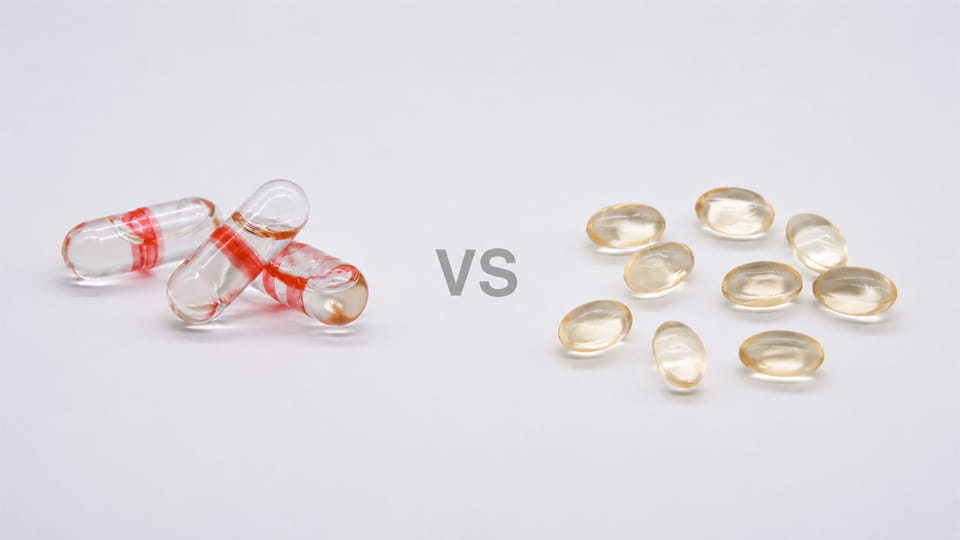
Viên nang cứng chứa đầy chất lỏng (LFHC) về cơ bản là những viên nang hai mảnh tiêu chuẩn (vỏ gelatin cứng hoặc HPMC) chứa đầy các công thức chất lỏng gốc dầu hoặc không chứa nước khác thay vì bột hoặc hạt. Hãy tưởng tượng một viên nang cứng mà bạn có thể mở và đổ đầy hỗn hợp của riêng mình – nhưng được chế tạo ở quy mô lớn bằng máy móc chính xác. Trong sản xuất, một cái bơm hoặc ống tiêm tiêm một lượng chất lỏng đã đo (thường là dầu hoặc huyền phù) vào phần thân mở của mỗi viên nang. Sau khi điền, nắp được đóng trên cơ thể, và mối nối được bịt kín ngay lập tức (nên không có gì rò rỉ). Để hình dung nó, Hãy xem hình ảnh dưới đây của viên nang cứng chứa đầy chất lỏng:
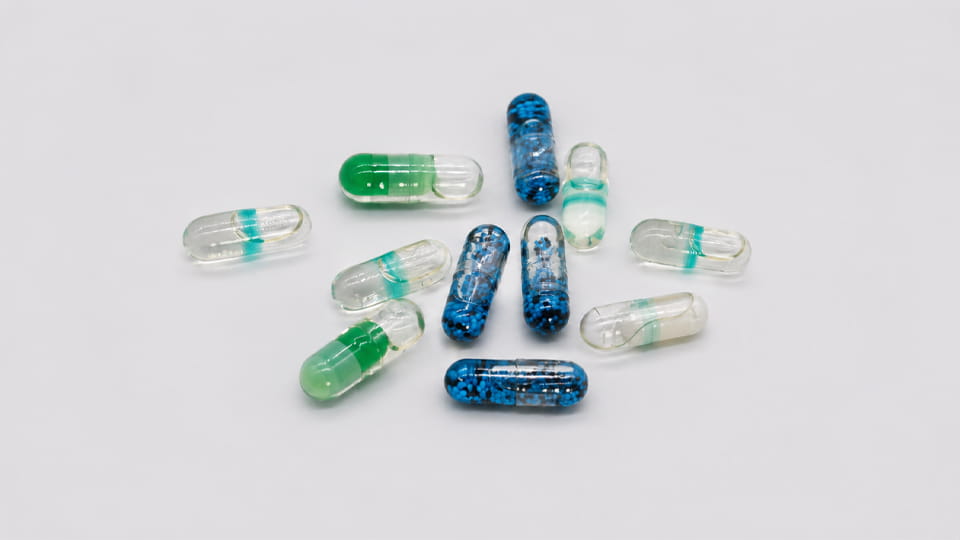
Nhân vật: Viên nang cứng hai mảnh chứa đầy chất lỏng. Mỗi viên nang có nắp và thân được nối và bịt kín để chứa công thức dầu hoặc chất lỏng.
Viên nang chứa đầy chất lỏng cần được niêm phong đặc biệt vì chất lỏng có thể rò rỉ. Các phương pháp bịt kín phổ biến bao gồm dán một dải gelatin mỏng xung quanh khớp. (gọi điện "niêm phong ban nhạc”) hoặc sử dụng kỹ thuật tổng hợp. Trong thực tế, hiện đại chất độn viên nang lỏng giống NJY-1000C của Jinlu tự động đổ chất lỏng vào vỏ cứng tiêu chuẩn và sau đó niêm phong chúng thành dạng lai kết hợp dễ nuốt và hấp thu thuốc nhanh. Tóm lại, LFHC cho phép bạn phân phối dạng bào chế lỏng bên trong vỏ viên nang rắn – sự kết hợp hữu ích giữa dạng bột và viên nang mềm.
Để tóm tắt, các lợi ích của viên nang cứng chứa đầy chất lỏng bao gồm: cải thiện độ hòa tan và sinh khả dụng của thuốc khó; liều lượng linh hoạt và phát triển dễ dàng; nhanh hơn, sản xuất tiết kiệm chi phí hơn; độ ổn định sản phẩm cao; và khả năng tạo ra các sản phẩm kết hợp mới lạ. Những ưu điểm này làm cho LFHC trở nên hấp dẫn đối với cả nhà sản xuất dược phẩm và dinh dưỡng.
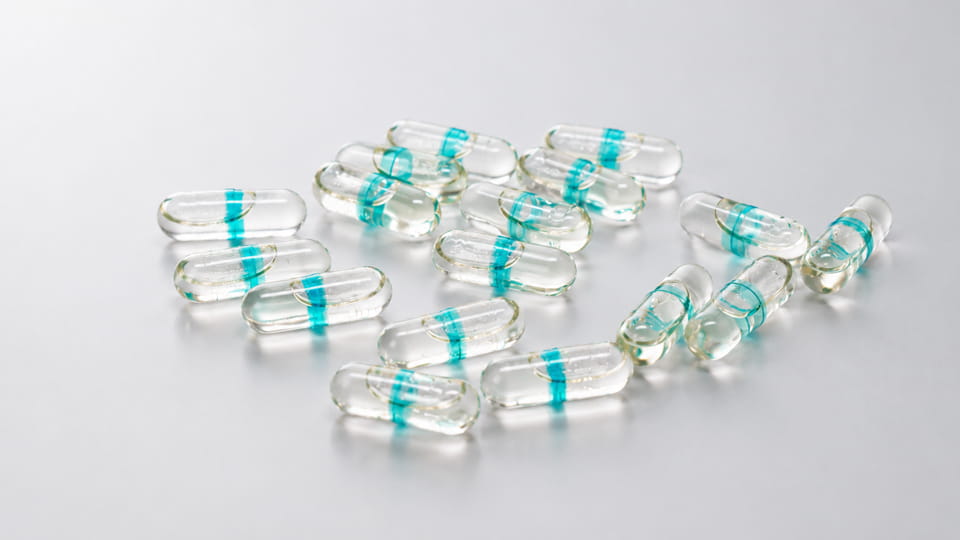
Thật tự nhiên khi thắc mắc LFHC so sánh với viên nang gelatin mềm. Cả hai đều cung cấp công thức chất lỏng, nhưng có những khác biệt chính. Viên nang mềm được làm trong một bước đúc và rất tốt cho dầu, nhưng họ cần gelatin dẻo (với độ ẩm) và kiểm soát độ ẩm rất chặt chẽ trong quá trình sản xuất. Viên nang cứng được làm riêng và điền vào bước thứ hai, có nghĩa là thiết bị đơn giản hơn và không cần phải chế tạo vỏ trong nhà. Ví dụ, với LFHC bạn có thể sử dụng vỏ HPMC cho các sản phẩm chay hoặc chất độn nhạy cảm với độ ẩm – điều không thể thực hiện được với viên nang mềm tiêu chuẩn.
Từ góc độ sản xuất, viên nang cứng thường thắng về chi phí và tốc độ. Viên nang mềm cần có chuyên môn máy đóng gói và những ngày chuẩn bị, trong khi chất làm đầy dạng viên nang lỏng hoàn thành chu trình trong vài giờ. Quá trình tạo gel mềm cũng lãng phí nhiều gelatin hơn và đòi hỏi thiết bị chuẩn bị gelatin đắt tiền. Mặt khác, viên nang mềm vốn đã tự bịt kín khi hình thành, nên họ không cần bước niêm phong riêng. LFHC cần thêm bước đó (dải hoặc hợp nhất), nhưng như đã thảo luận, điều này có thể rất hiệu quả với các máy tạo dải hiện đại.
| Tính năng | Viên nang cứng chứa đầy chất lỏng | Viên nang mềm |
|---|---|---|
| Chi phí phát triển | Thấp hơn | Cao hơn |
| Tính linh hoạt sản xuất | Cao | Trung bình |
| Sinh khả dụng | Xuất sắc | Xuất sắc |
| Vật liệu viên nang | Gelatin/HPMC | Chủ yếu là gelatin |
| Tùy chọn ăn chay | Có sẵn | Giới hạn |
| Sản xuất hàng loạt nhỏ | Dễ dàng hơn | Khó |
| Đầu tư thiết bị | Thấp hơn | Cao hơn |
Tóm lại, viên nang cứng chứa đầy chất lỏng mang lại lợi ích tương tự cho bệnh nhân (dễ nuốt, giải phóng nhanh chất lỏng) dưới dạng viên nang mềm, nhưng với việc sản xuất đơn giản hơn và công thức linh hoạt hơn. Về cơ bản, chúng thu hẹp khoảng cách giữa viên nang cứng và viên nang mềm.

Sản xuất viên nang cứng chứa chất lỏng bao gồm các bước làm đầy viên nang quen thuộc, với một số cân nhắc đặc biệt cho việc đổ đầy chất lỏng. Các giai đoạn chính là:
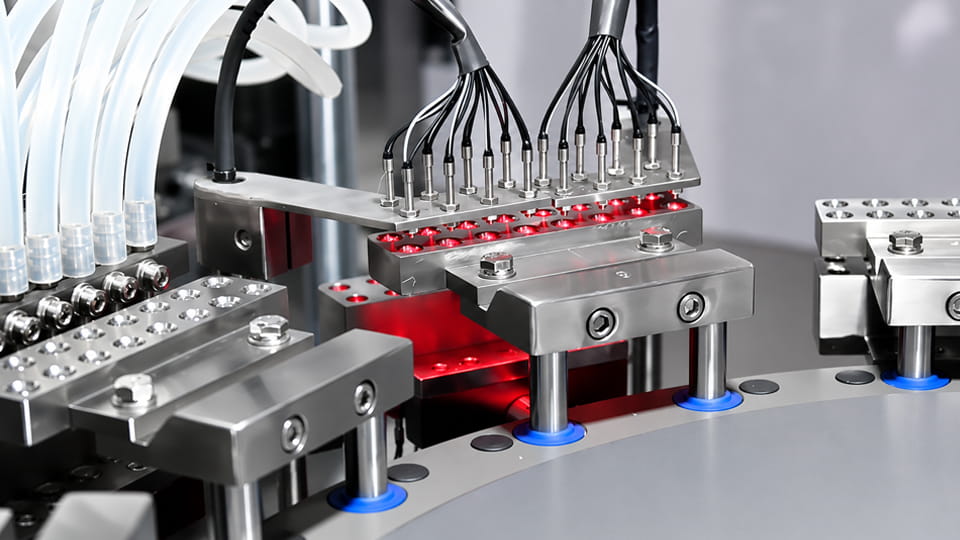
Nhân vật: Một máy làm viên nang lỏng đang hoạt động. Viên nang cứng rỗng chứa đầy chất lỏng và sau đó được niêm phong (dải hoặc hợp nhất) trong một quá trình liên tục.
Mỗi bước trên phải được xác nhận về chất lượng. Trong thực tế, nhà sản xuất thiết lập các biện pháp kiểm soát độ nhớt của chất lỏng, hiệu chuẩn máy bơm, giải pháp dải, và điều kiện sấy. Họ cũng có thể thực hiện kiểm tra rò rỉ trên các mẫu (kiểm tra chân không hoặc kiểm tra trực quan) để đảm bảo tính toàn vẹn của băng tần. Nhưng với một dây chuyền được thiết kế tốt – trống rỗng, que, băng nhóm, và sấy khô – sản xuất viên nang chứa đầy chất lỏng có thể chạy với công suất cao giống như bất kỳ dây chuyền viên nang nào khác.
[jl_youtube src=”https://www.youtube.com/embed/jBjWRfpjJ4o”]
Một cái nhìn gần hơn về niêm phong ban nhạc đáng giá, vì nó là trung tâm của việc sản xuất viên nang lỏng. Trong quá trình này, một tấm màn hẹp chứa dung dịch gelatin đã được làm ấm được bôi xung quanh đường nối viên nang bị khóa. Vành đai viên nang sau đó đi qua vùng làm mát để dây đeo cố định. Phương pháp này nhanh, không cần dung môi, và ngay lập tức làm cho viên nang trở nên rõ ràng. Altasciences và các chuyên gia khác ủng hộ việc dán băng kín vì nó tránh được rượu (vì vậy không cần kiểm tra dung môi còn sót lại) và cung cấp bằng chứng giả mạo không cần kê đơn và các dải màu có thương hiệu. Như một bài đánh giá đã đưa ra, việc bịt kín dải băng “tạo ra sự kín đáo, con dấu chống rò rỉ giúp bảo vệ công thức và tăng độ ổn định của sản phẩm trong quá trình vận chuyển”.
Các loại niêm phong khác bao gồm niêm phong nhiệt hạch, nơi đường nối viên nang được làm mềm (thường là với hỗn hợp rượu hydro) và hợp nhất một thời gian ngắn. Con dấu Fusion có thể trông sạch hơn nhưng yêu cầu kiểm soát môi trường chặt chẽ. Niêm phong phun vi mô là một phương pháp có mục tiêu – một lượng nhỏ chất bịt kín được phun lên mối nối, tiếp theo là nhiệt, làm giảm điểm nóng chảy của viên nang tại đường nối và liên kết nó. Tuy nhiên, điều này đòi hỏi phải theo dõi cẩn thận để tránh bong bóng hoặc cong vênh. Trong thực tế, hầu hết các dòng dược phẩm và dinh dưỡng đều sử dụng dải do độ tin cậy và tính đơn giản của nó.
Về mặt thiết bị, có dành riêng máy buộc viên nang tích hợp với các dòng phụ. Những chiếc máy này áp dụng chính xác các dải gel trên hàng ngàn viên nang mỗi phút. Bởi vì việc niêm phong rất quan trọng đối với LFHC, các máy làm đầy hàng đầu hiện nay bao gồm các dải băng tích hợp. Ví dụ, Hệ thống niêm phong được cấp bằng sáng chế của Jinlu tự động điều chỉnh tốc độ băng tần để mỗi viên nang có được độ đồng đều, áo chống rò rỉ.
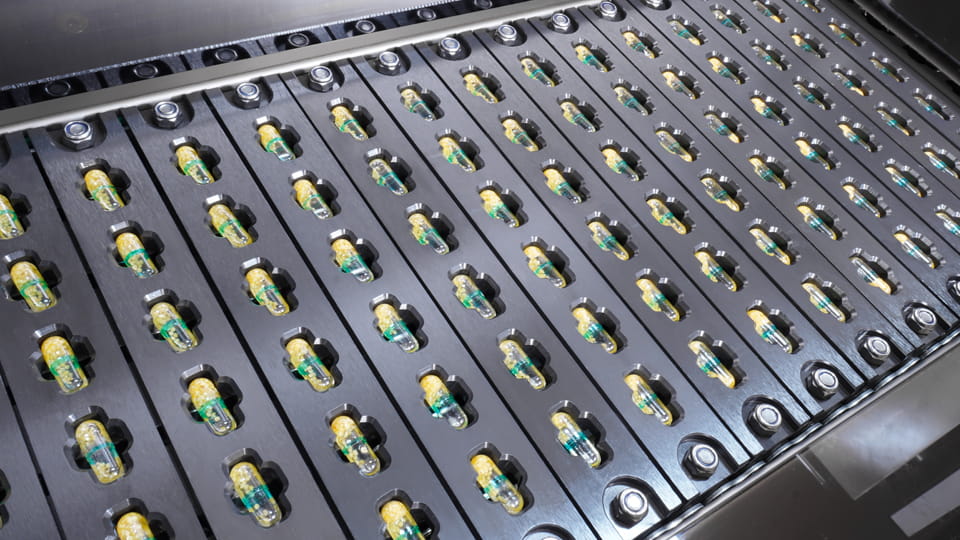
Viên nang cứng chứa đầy chất lỏng trải rộng trên nhiều ngành công nghiệp. TRONG dược phẩm, chúng ngày càng được sử dụng cho các thực thể hóa học mới (NCE) hòa tan kém hoặc có hiệu lực cao. Nhiều loại thuốc đường ống giai đoạn cuối ngày nay phù hợp với mô tả đó, và phân phối viên nang có thể đơn giản hóa việc phát triển dạng bào chế. LFHC cũng có thể cải tiến các sản phẩm hiện có: các công ty đôi khi chế tạo lại một viên thuốc cũ thành viên nang lỏng để cải thiện khả năng bắt đầu tác dụng hoặc kết hợp nhiều hoạt chất trong một viên thuốc. Ví dụ, một loại thuốc mãn tính có thể cung cấp một chất lỏng tác dụng nhanh cộng với một viên thuốc giải phóng theo thời gian trong một viên nang.
trong dinh dưỡng và bổ sung cánh đồng, viên nang chứa đầy chất lỏng phổ biến cho các vitamin tan trong dầu và chiết xuất thực vật. Hướng dẫn niêm phong phong phú lưu ý rằng các sản phẩm như dầu cá, omega-3, vitamin D, và dầu thảo dược thường được đưa vào LFHC. Thực vậy, nhiều loại thực phẩm bổ sung “dạng viên mềm” hiện được sản xuất dưới dạng LFHC có dây đeo – người tiêu dùng vẫn nhận được dạng chất lỏng dễ nuốt, nhưng các nhà sản xuất được hưởng lợi từ thiết bị chiết rót đơn giản hơn. Vì thực phẩm bổ sung, viên nang có dải cung cấp bằng chứng giả mạo và các dải màu hấp dẫn mà không phải trả chi phí đầy đủ Gói vỉ.
Các nhà quản lý vận hành và kỹ sư mua sắm sẽ đánh giá cao rằng dây chuyền LFHC thường có thể chạy trên cùng tầng sản xuất với dây chuyền viên nang tiêu chuẩn. Ví dụ, Một máy làm đầy viên nang đã xử lý bột đôi khi có thể được điều chỉnh hoặc trang bị để xử lý đầu định lượng chất lỏng. Điều này có nghĩa là thực vật có thể bổ sung khả năng định lượng chất lỏng mà không cần bộ phận viên nang mềm hoàn toàn mới.. (Một lưu ý: vỏ viên nang cứng tiêu chuẩn xử lý tốt chất lỏng không chứa nước, nhưng công thức nhiều nước thường yêu cầu viên nang đặc biệt.) Tính linh hoạt của LFHC cũng mở rộng sang việc đóng gói. Sau khi niêm phong, viên nang có thể được đóng gói theo vỉ, đóng chai, hoặc buộc thành dải giống như bất kỳ viên thuốc nào khác.
Cuối cùng, nhớ lại tóm tắt lợi ích: LFHC cải thiện sinh khả dụng của dầu và huyền phù, cho phép định lượng linh hoạt, và cung cấp tốc độ sản xuất và sự ổn định. Chúng lý tưởng cho API liều thấp hoặc mạnh (bởi vì đổ một lượng nhỏ dễ dàng hơn việc phân phối một lượng bột nhỏ). Chúng cũng cho phép thông lượng viên nang cao hơn: máy tốc độ cao có thể bơm ra hàng chục nghìn mỗi giờ với kích cỡ viên nang từ 000 (lớn) xuống #5 (bé nhỏ). Đối với Người quản lý hoạt động quyết định về dòng sản phẩm viên nang, khả năng lỏng có nghĩa là bạn có thể chạy cả sản phẩm dạng bột và dạng lỏng trên một hệ thống (với sự thay đổi), mở rộng danh mục sản phẩm của bạn mà không cần đầu tư gấp đôi.
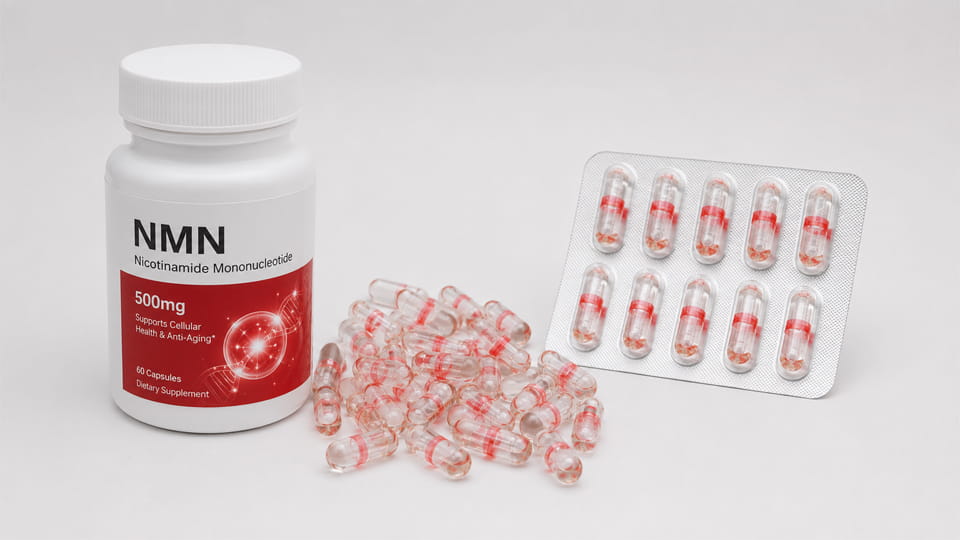
Viên nang cứng chứa đầy chất lỏng là dạng bào chế mạnh mẽ kết hợp tốt nhất giữa thuốc viên và chất lỏng. Họ giải quyết vấn đề đau đầu về công thức (đặc biệt đối với sự kết hợp thuốc kém hòa tan hoặc phức tạp) và cung cấp cho nhà sản xuất khả năng mở rộng, lộ trình sản xuất tiết kiệm chi phí. Bằng cách sử dụng máy làm đầy viên nang chất lỏng và kỹ thuật niêm phong, các công ty có thể sản xuất hàng loạt viên nang cung cấp dầu một cách đáng tin cậy, huyền phù hoặc nhũ tương một cách gọn gàng, dạng nuốt được. Trong thế giới ngày càng phát triển của các dạng thuốc uống, LFHC nổi bật vì tính linh hoạt của chúng, kháng cáo của bệnh nhân, và tốc độ thương mại. Cho dù bạn là người quản lý vận hành trong một nhà máy dược phẩm hay kỹ sư thu mua tìm nguồn cung ứng máy móc đóng gói, khám phá viên nang cứng chứa đầy chất lỏng có thể đưa sản phẩm của bạn ra thị trường nhanh hơn với hiệu quả tốt hơn và chi phí thấp hơn.
Tìm kiếm giải pháp làm đầy viên nang lỏng đáng tin cậy? Đóng gói Jinlu cung cấp thiết bị đóng gói và đóng gói viên nang tiên tiến cho các nhà sản xuất dược phẩm và dinh dưỡng trên toàn thế giới.
Viên nang cứng chứa đầy chất lỏng là viên nang hai mảnh được làm từ vỏ gelatin hoặc HPMC có chứa chất lỏng, bán rắn, đình chỉ, hoặc công thức gốc dầu. Không giống như viên nang chứa đầy bột truyền thống, chúng cho phép các nhà sản xuất cung cấp nguyên liệu ở trạng thái lỏng, có thể cải thiện tính linh hoạt của công thức và hiệu suất của thành phần.
Những lợi ích chính bao gồm cải thiện khả dụng sinh học của các thành phần hòa tan kém, mặt nạ hương vị tốt hơn, bảo vệ các hợp chất nhạy cảm, liều lượng chính xác, và khả năng tạo thành dầu, đình chỉ, và hệ thống tự nhũ hóa bên trong vỏ viên nang cứng.
Quá trình sản xuất thường bao gồm việc chuẩn bị công thức, đổ chất lỏng vào viên nang cứng rỗng, khóa viên nang, niêm phong hoặc dải, sấy khô, điều tra, và bao bì cuối cùng. Máy làm viên nang lỏng chuyên dụng đảm bảo định lượng chính xác và chống rò rỉ.
Viên nang cứng chứa chất lỏng có thể chứa dầu, công thức dựa trên lipid, chiết xuất thảo dược, đình chỉ, chất bán rắn, hệ thống phân phối thuốc tự nhũ hóa (SEDDS), và các công thức chất lỏng không chứa nước khác. Các công thức gốc nước thường được tránh sử dụng vì chúng có thể làm hỏng vỏ viên nang.
Viên nang cứng chứa chất lỏng sử dụng vỏ nang hai mảnh được làm đầy và niêm phong sau khi đóng gói, trong khi viên nang mềm được hình thành, điền, và được niêm phong trong một quy trình duy nhất. Viên nang cứng chứa đầy chất lỏng thường mang lại sự linh hoạt hơn trong công thức, chi phí dụng cụ thấp hơn, mở rộng quy mô dễ dàng hơn, và lựa chọn sử dụng vỏ HPMC chay. Viên nang mềm, Tuy nhiên, cung cấp một con dấu một mảnh hoàn toàn kín.
Đúng. Viên nang chứa đầy chất lỏng HPMC được sử dụng rộng rãi cho các thành phần nhạy cảm với độ ẩm, công thức chay, và các sản phẩm dinh dưỡng. Chúng chứa ít độ ẩm hơn viên nang gelatin và thường được ưa chuộng để bổ sung từ thực vật..
Niêm phong viên nang ngăn ngừa rò rỉ trong quá trình vận chuyển và bảo quản, cải thiện độ ổn định của sản phẩm, tăng cường khả năng chống giả mạo, và giúp bảo vệ các thành phần nhạy cảm với oxy. Các phương pháp niêm phong phổ biến bao gồm công nghệ dán viên nang và niêm phong nhiệt.
Viên nang cứng chứa chất lỏng được sử dụng rộng rãi trong sản xuất dược phẩm, sản xuất dinh dưỡng, thực phẩm bổ sung, sản phẩm thảo dược, thuốc thú y, và các công thức chăm sóc sức khoẻ đặc biệt. Chúng đặc biệt thích hợp cho các loại dầu, Vitamin, chiết xuất thực vật, và hoạt chất khó hòa tan.
Dây chuyền sản xuất viên nang cứng chứa chất lỏng điển hình có thể bao gồm máy làm viên nang dạng lỏng, máy niêm phong hoặc dán viên nang, máy đánh bóng viên nang, máy dò kim loại, máy phân loại viên nang, Máy đóng gói phồng rộp, dây chuyền đóng chai, và hệ thống kiểm tra. Cấu hình chính xác phụ thuộc vào năng lực sản xuất và yêu cầu pháp lý.
Khi chọn máy làm viên nang lỏng, nhà sản xuất nên đánh giá độ chính xác của việc chiết rót, tốc độ sản xuất, khả năng tương thích kích thước viên nang, tích hợp niêm phong, làm sạch thuận tiện, tuân thủ GMP, mức độ tự động hóa, và yêu cầu mở rộng trong tương lai. Giải pháp lý tưởng phụ thuộc vào đặc điểm công thức và khối lượng sản xuất.
Tài liệu tham khảo:
1.Viên nang vỏ cứng chứa đầy chất lỏng: Việc phân phối thuốc hiện tại ảnh hưởng đến công nghệ dược phẩm --- Thư viện Y khoa Quốc gia
2.Viên nang gelatin cứng chứa đầy chất lỏng —— jddtonline.info
3.Đánh giá về viên nang gelatin cứng chứa đầy chất lỏng --merckmillipore.com
4.Đánh giá hệ thống tự động rót chất lỏng vào viên nang gelatin cứng --- Thư viện Y khoa Quốc gia
5.Viên nang gelatin cứng chứa đầy chất lỏng : nghiên cứu khả năng tương thích tá dược/viên nang —— Khoa học trực tiếp
6.Viên nang gelatin cứng chứa đầy chất lỏng và kín —— jddtonline.info
7.Lựa chọn tá dược cho viên nang cứng chứa chất lỏng --pharmtech.com