
Chất bổ sung chất xơ đang bùng nổ - được thúc đẩy bởi xu hướng quản lý cân nặng và sức khỏe đường ruột. Trong thực tế, chất xơ là “một trong những loại linh hoạt nhất” trong dược phẩm dinh dưỡng và thị trường toàn cầu đang phát triển nhanh chóng (khoảng 10,4 tỷ USD trong 2025 đến ~ 11,3 tỷ USD trong 2026). Nếu bạn thực hiện các chất bổ sung, bạn biết chất xơ (hòa tan hoặc không hòa tan) là một thành phần quan trọng. Các ví dụ phổ biến bao gồm vỏ psyllium, inulin, methylcellulose và dextrin lúa mì. Chất xơ hòa tan (như mã đề hoặc inulin) có thể tạo gel trong nước và nuôi vi khuẩn đường ruột, trong khi chất xơ không hòa tan (như xenlulo) thêm số lượng lớn. Những chất xơ này hỗ trợ sức khỏe tiêu hóa và chuyển hóa tim mạch, làm cho chúng trở nên phổ biến trong các chất bổ sung prebiotic và sức khỏe đường ruột. Trong hướng dẫn này, chúng ta sẽ tìm hiểu cách thức bổ sung chất xơ, được sản xuất và đóng gói – từ bột sợi thô đến máy đóng viên nang và đóng gói dạng que – để bạn có thể lên kế hoạch cho một dây chuyền sản xuất trơn tru cho 2026.
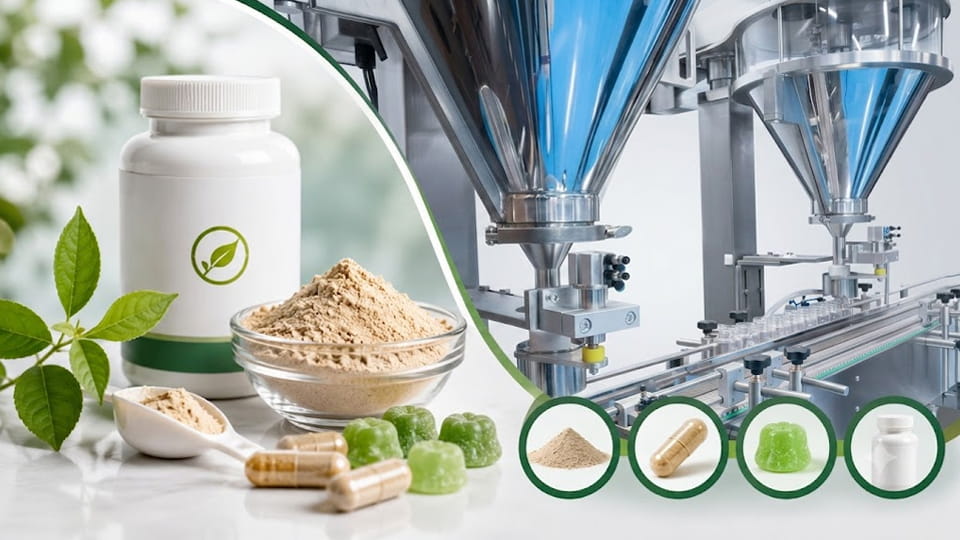
Bổ sung chất xơ cung cấp chất xơ (hòa tan và không hòa tan) ở dạng cô đặc. Chất xơ hòa tan (ví dụ. psyllium nhớ, inulin, glucomannan) hòa tan trong nước tạo thành gel nhớt giúp tiêu hóa, hỗ trợ sức khỏe đường ruột và giúp giảm cholesterol. Chất xơ không hòa tan (ví dụ. xenluloza, cám lúa mì, hạt lanh) thêm số lượng lớn vào phân, giảm nhu động ruột. Các thành phần bổ sung phổ biến bao gồm mã đề Và inulin, thường được tiếp thị cho sức khỏe tiêu hóa. Phòng khám Mayo lưu ý inulin và psyllium là một trong những chất bổ sung chất xơ phổ biến nhất. Lượng chất xơ giúp điều chỉnh chức năng ruột và có thể hỗ trợ kiểm soát cân nặng bằng cách tăng cảm giác no. Hầu hết các chất bổ sung chất xơ đều có một trong ba dạng.
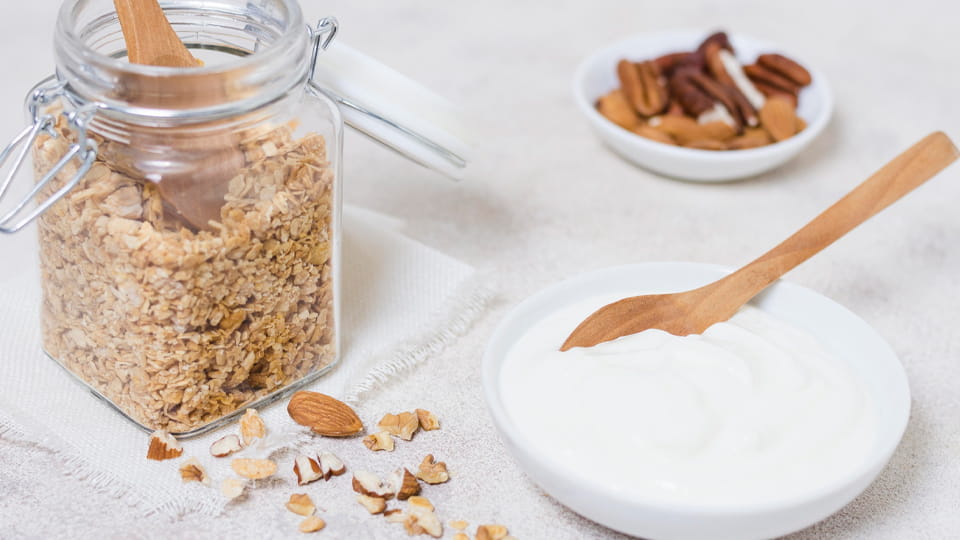
Mỗi định dạng (bột, viên nang, keo) bao gồm các thiết bị chế biến và đóng gói khác nhau, nên các thương hiệu thường chuyên môn hóa theo hình thức. Các công thức giàu chất xơ như vỏ mã đề có khả năng hút ẩm và cần kiểm soát độ ẩm cẩn thận trong bao bì.
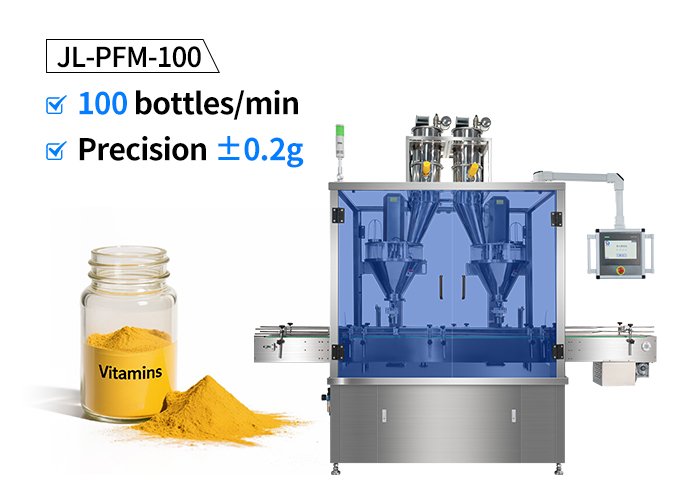
Sau khi pha trộn, bột chất xơ phải được đóng gói theo hình thức thân thiện với người tiêu dùng. Phổ biến nhất yếu tố hình thức bột là gói hoặc gói dùng một lần, và container số lượng lớn (bồn/lọ). Bột dùng một lần ngày càng phổ biến để sử dụng khi di chuyển (hãy nghĩ đến một gói hỗn hợp nước uống chất xơ psyllium), trong khi bồn/lọ phù hợp với liều lượng bổ sung hàng ngày cao.
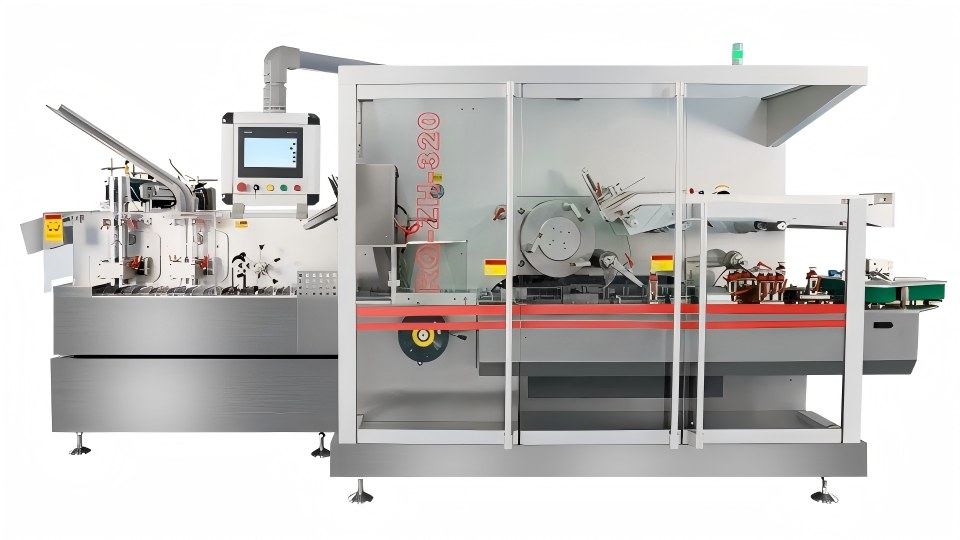
 Nhân vật: Máy đóng gói dạng que tốc độ cao sản xuất túi bột dạng sợi dùng một lần.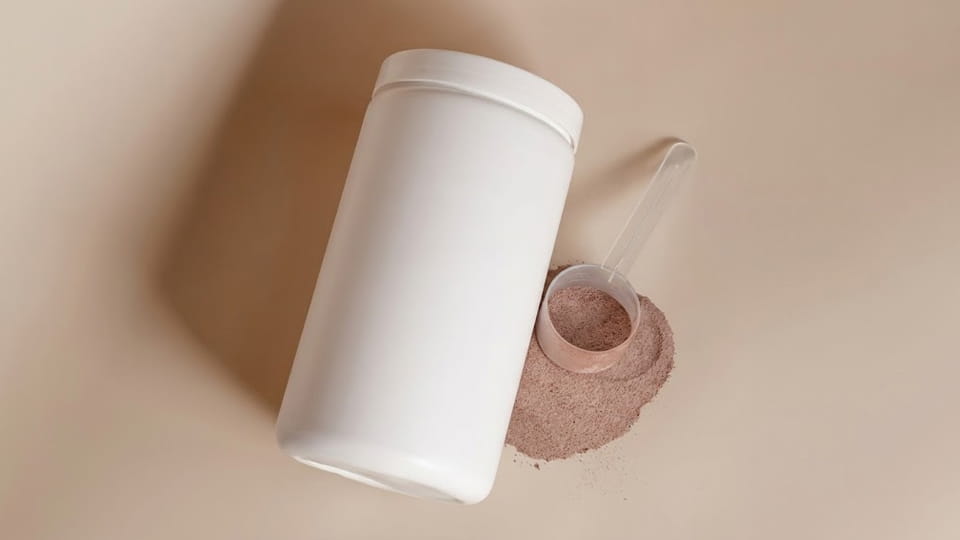
Trong mọi trường hợp, các bộ phận tiếp xúc vật liệu thường 316thép không gỉ L, và việc chuyển đổi được thiết kế để nhanh chóng (độ rộng gói hoặc kích thước vùng chứa khác nhau). Khi thiết lập đường dây của bạn, xem xét rằng bột có dòng chảy khác với máy tính bảng: bạn có thể cần máy khuấy, thiết bị phân tán hoặc thậm chí là vận chuyển chân không để đảm bảo mỗi gói hoặc lọ nhận được đầy đủ lượng chất xơ.
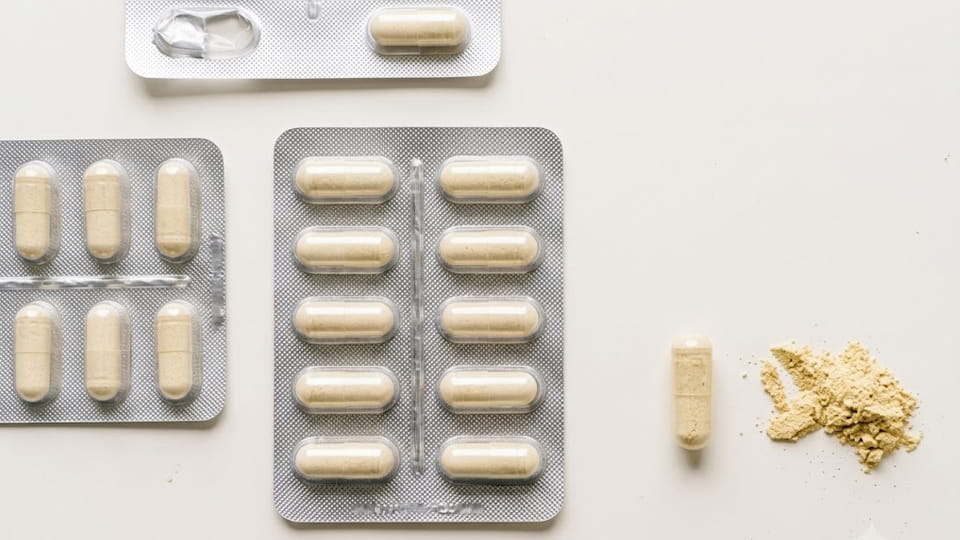
Chất xơ cũng có trong viên nang hoặc máy tính bảng hình thức (ví dụ. viên nang trấu psyllium, viên nang methylcellulose). Quá trình ở đây tương tự như bất kỳ chất bổ sung nào: sau khi điền, sản phẩm được đóng gói để bán lẻ.
Bất kể hình thức, nhãn là rất quan trọng. Luật liên bang yêu cầu Thông tin bổ sung, danh sách thành phần, chỉ đường, và lô/hết hạn trên container. Con dấu chống giả mạo (giống như con dấu cảm ứng lá dưới nắp) là tiêu chuẩn, và nhiều hãng cho thêm chất hút ẩm vào bên trong để chống ẩm. Trong thực tế, Mỗi chai hoặc thùng carton sẽ có mã vạch và mã lô để truy xuất nguồn gốc.
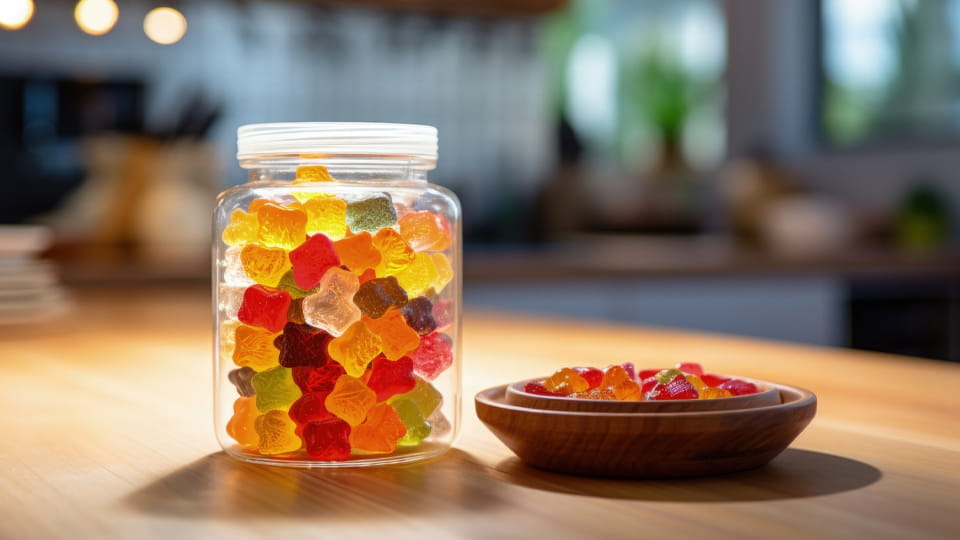
Chất xơ cũng có thể được cung cấp dưới dạng kẹo dẻo (nghĩ "vitamin kẹo dẻo chất xơ” cho trẻ em hoặc người lớn). Việc sản xuất tương tự như kẹo: một loại gelatin- hoặc hỗn hợp chất xơ dựa trên pectin được nấu chín, đổ vào khuôn, làm mát, sau đó cắt. Sau khi hình thành, vitamin dẻo được xử lý bởi thiết bị đổ đầy bánh kẹo.
Để đóng gói, kẹo dẻo chất xơ thường đi vào lọ hoặc gói vỉ với rào cản độ ẩm. Máy đếm tự động có thể chia một lượng kẹo cố định vào lọ, hoặc máy ép vỉ có thể tạo thành các lỗ sâu và bịt kín từng miếng kẹo dẻo trong các tấm thẻ có lót giấy bạc. Đóng gói phù hợp là chìa khóa, vì kẹo cao su rất ẩm – lọ kín hoặc thẻ vỉ có lớp chắn cao sẽ bảo vệ chúng khỏi độ ẩm. (Nhiều loại kẹo dẻo vitamin-C hoặc melatonin sử dụng thiết bị tương tự.) Trong cả hai trường hợp, ghi nhãn và mã hóa lô áp dụng giống như đối với bột và viên nang.
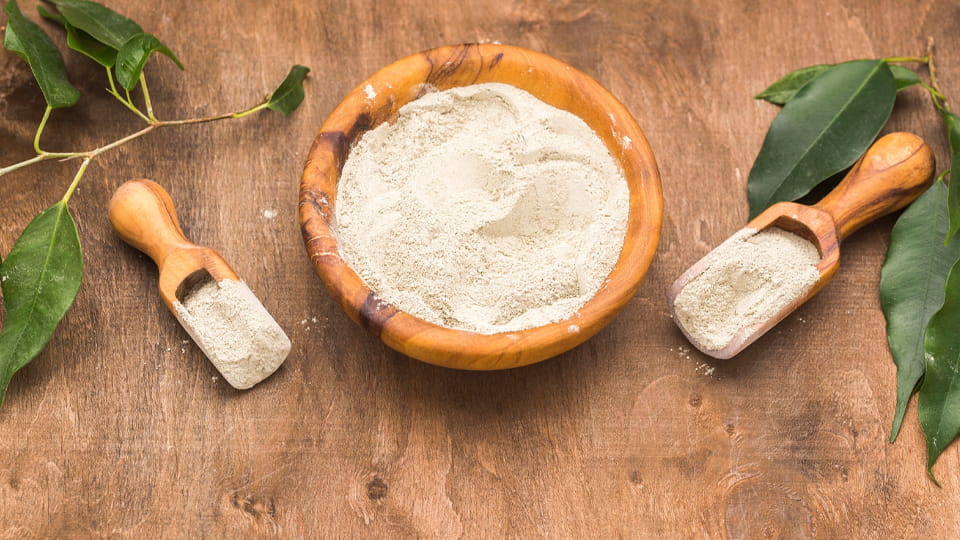
Các chất bổ sung chất xơ thường pha trộn các chất xơ có nguồn gốc thực vật để đạt được mục tiêu về liều lượng và chức năng. Psyllium nhớ (hòa tan, nhớt) là sản phẩm bán chạy nhất về hỗ trợ tiêu hóa. Inulin (prebiotic có nguồn gốc từ rau diếp xoăn) Và metyl xenluloza là những chất xơ hòa tan phổ biến khác. Dextrin lúa mì Và keo keo (kẹo cao su Ả Rập) thêm chất xơ hòa tan với hương vị nhẹ. Glucomannan (gốc konjac) Và beta-glucan (từ yến mạch/lúa mạch) là chất xơ hòa tan có độ nhớt cao. Các chất xơ không hòa tan như cellulose hoặc dextrin kháng đôi khi được thêm vào làm chất độn hoặc chất độn. Tất cả đều có nguồn gốc từ thực vật và thường được dán nhãn là thực phẩm bổ sung “sức khỏe tiêu hóa” hoặc “sức khỏe đường ruột”.. Trong thực tế, chất bổ sung chất xơ có thể được dán nhãn “chất xơ prebiotic” cho hỗn hợp inulin/FOS, hoặc “bổ sung trấu psyllium” trên chai, nêu bật lợi ích đường ruột và đều đặn.
Ghi chú công thức: các sợi khác nhau hoạt động khác nhau. Chất xơ hòa tan có thể vón cục hoặc tạo gel khi ướt, nên các công thức thường bao gồm chất chống vón cục. Bột mịn hơn chảy tốt hơn; tạo hạt hoặc trộn cải thiện tính đồng nhất. Các nhà sản xuất trộn chất xơ với chất độn hoặc hương liệu (cho hương vị và khả năng pha trộn) trong máy trộn hoặc máy trộn ruy băng để có được bột đồng nhất. Sản phẩm sợi chất lượng cao cũng đạt tiêu chuẩn cGMP; nhà sản xuất thực hiện thử nghiệm tại chỗ về độ ẩm và độ tinh khiết, và sử dụng dây chuyền chế biến cấp dược phẩm.
Quy trình sản xuất chất bổ sung chất xơ tuân theo các quy trình thực hành dinh dưỡng tiêu chuẩn nhưng phải tính đến các đặc tính độc đáo của thành phần chất xơ (ví dụ. độ hòa tan keo, bụi bặm).
Tóm lại, dòng chảy là: Nguyên liệu thô → Trộn trước → Trộn → Điền mẫu (viên nang, gói, cái chai) → Niêm phong/Đóng nắp → Dán nhãn → Bao bì thứ cấp (thùng carton).
Xây dựng dây chuyền bổ sung chất xơ, bạn sẽ tích hợp một số thiết bị. Máy thông thường bao gồm:
Trong thực tế, một dòng sản phẩm bổ sung chất xơ có thể trông như thế này: bột thô cho vào máy xay sinh tố → máy khoan → nắp chai → máy dán nhãn → thùng carton. Hoặc, cho gói dính: máy xay sinh tố → máy đóng gói nhiều làn → đầu ra túi. BẰNG JinLuĐóng Gói ghi chú, dòng bổ sung thường sử dụng dấu điền theo chiều dọc (VFF) máy móc cho gói bột và dây chuyền đóng chai cho chất lỏng/thuốc. Dây chuyền sản xuất tiên tiến còn bao gồm phát hiện kim loại và kiểm tra trực quan để đảm bảo an toàn.
Điểm mấu chốt: Mỗi máy phải xử lý các đặc tính dòng chảy của sợi. Nhiều hệ thống bao gồm rung động hoặc kích động trên phễu để giữ cho sợi dính chuyển động. Vít khoan hoặc bộ cấp liệu thể tích đảm bảo đúng liều lượng; cân định lượng nhiều đầu có thể cân hỗn hợp trước khi chiết rót. Vật liệu thiết bị là thép không gỉ cấp thực phẩm, và dọn dẹp tại chỗ (CIP) tính năng giúp đáp ứng vệ sinh GMP.
Chất bổ sung chất xơ có giá trị cao, chủng loại đang phát triển – nhưng họ yêu cầu phương pháp xử lý và đóng gói phù hợp. Từ tạo hạt psyllium và bột inulin ĐẾN làm đầy viên nang hoặc gói thanh, mỗi bước đều cần có thiết bị chuyên dụng (máy trộn, chất làm đầy, máy viên nang, người đóng gói que, vân vân.) và kiểm soát chất lượng chặt chẽ. Dây chuyền đóng gói tự động (chất độn chai, máy vỉ, trạm ghi nhãn) đảm bảo liều lượng phù hợp và an toàn cho bột, máy tính bảng, viên nang hoặc kẹo dẻo.
Sẵn sàng mở rộng dòng sản phẩm bổ sung chất xơ của bạn? Một giải pháp đóng gói hoàn chỉnh sẽ giúp bạn ra mắt đúng thời gian và đáp ứng 2026 tiêu chuẩn chất lượng. Liên hệ với các chuyên gia tại Jinlu Packing: chúng tôi cung cấp máy móc chìa khóa trao tay - từ máy trộn bột và máy khoan cho đến máy đóng gói dạng que và vỉ - được thiết kế cho thực phẩm bổ sung. Thiết bị của chúng tôi được chế tạo cho tuân thủ GMP, độ chính xác cao và chuyển đổi nhanh. Hãy để chúng tôi giúp bạn sản xuất chất bổ sung chất xơ (bột sợi, viên nang hoặc kẹo dẻo) luôn tươi mới, an toàn và phù hợp với ngân sách. Nhận báo giá hoặc thông tin thêm về các giải pháp đóng gói bổ sung chất xơ ngay hôm nay.
Hầu hết các chất bổ sung chất xơ được sản xuất bằng nguyên liệu chất xơ tự nhiên hoặc có nguồn gốc thực vật. Nguyên liệu thô phổ biến bao gồm vỏ psyllium, inulin, dextrin lúa mì, sợi keo, metyl xenluloza, và glucomannan. Tùy thuộc vào định vị sản phẩm, các nhà sản xuất có thể sử dụng một nguồn chất xơ duy nhất hoặc kết hợp nhiều chất xơ hòa tan và không hòa tan để tạo ra một công thức cân bằng cho sức khỏe tiêu hóa và đường ruột. Chất bổ sung chất xơ có sẵn ở nhiều dạng, bao gồm cả bột, viên nang, Gummies, máy tính bảng, và gói dính.
Quy trình sản xuất chất bổ sung chất xơ thường bao gồm việc tìm nguồn cung ứng nguyên liệu, pha trộn công thức, trộn, tạo hạt (Nếu được yêu cầu), làm đầy hoặc nén, Bao bì, và kiểm tra chất lượng. Sản phẩm dạng bột thường được pha trộn trước khi đóng vào chai hoặc gói dạng que, trong khi viên nang được làm đầy bằng máy làm viên nang tự động. Kẹo dẻo yêu cầu nấu ăn, ký gửi, làm mát, và bao bì.
Các định dạng đóng gói bổ sung chất xơ phổ biến nhất bao gồm:
• Chai nhựa HDPE hoặc PET
• Gói dính
• Gói
• Túi đựng
• Vỉ thuốc (chủ yếu cho viên nang)
• Lọ
Bao bì lý tưởng phụ thuộc vào dạng bào chế, định vị sản phẩm, thị trường mục tiêu, và kênh phân phối.
Đối với bao bì bột sợi, gói dính, gói, và chai là những lựa chọn phổ biến nhất.
Gói dạng que rất lý tưởng để thuận tiện cho việc sử dụng một lần và mang đi du lịch, trong khi chai thường được sử dụng cho các sản phẩm gia dụng lớn hơn. Nên sử dụng vật liệu đóng gói chống ẩm để giúp duy trì độ ổn định và thời hạn sử dụng của bột.
Nhiều thành phần chất xơ có khả năng hút ẩm, nghĩa là chúng hấp thụ độ ẩm từ môi trường xung quanh. Độ ẩm quá mức có thể khiến bột bị vón cục, giảm khả năng chảy, và thời hạn sử dụng ngắn hơn. Sử dụng vật liệu đóng gói phù hợp, niêm phong thích hợp, và các giải pháp kiểm soát độ ẩm như chất hút ẩm giúp duy trì chất lượng sản phẩm trong suốt quá trình bảo quản và vận chuyển.
Tùy theo hình thức sản phẩm, nhà sản xuất thường sử dụng:
• Máy rót bột
• Máy làm đầy viên nang
• Máy sắp xếp lại chai lọ
• Máy đóng nắp
• Máy dán nhãn
• Máy đóng thùng
• Máy đóng gói dạng que và gói
Lựa chọn thiết bị tương thích giúp cải thiện độ chính xác chiết rót, hiệu quả sản xuất, và tính nhất quán của bao bì.
Khi lựa chọn giải pháp đóng gói, nhà sản xuất nên cân nhắc:
• Hình thức sản phẩm (bột, viên nang, keo, hoặc máy tính bảng)
• Năng lực sản xuất
• Độ chính xác chiết rót
• Khả năng tương thích của vật liệu đóng gói
• Mức độ tự động hóa
• Tuân thủ quy định
• Mở rộng sản xuất trong tương lai
Dây chuyền đóng gói có thể mở rộng có thể giảm chi phí vận hành đồng thời hỗ trợ tăng trưởng kinh doanh lâu dài.
Một nhà cung cấp thiết bị đáng tin cậy nên cung cấp:
• Kinh nghiệm đóng gói thực phẩm bổ sung
• Giải pháp dây chuyền sản xuất tùy chỉnh
• Hiệu suất máy ổn định
• Hỗ trợ kỹ thuật và đào tạo
• Tính sẵn có của phụ tùng thay thế
• Dịch vụ hậu mãi
• Tuân thủ môi trường sản xuất theo định hướng GMP
Chọn một nhà cung cấp có kinh nghiệm có thể giúp giảm thời gian ngừng hoạt động và nâng cao hiệu quả sản xuất tổng thể.
Đúng. Nhiều dây chuyền đóng gói hiện đại có dạng mô-đun và có thể được cấu hình để đóng gói các dạng sản phẩm khác nhau, chẳng hạn như bột sợi, viên nang, máy tính bảng, hoặc kẹo dẻo. Với các bộ phận thay đổi và điều chỉnh máy thích hợp, nhà sản xuất có thể cải thiện việc sử dụng thiết bị đồng thời giảm đầu tư vào nhiều dây chuyền sản xuất chuyên dụng.
Bổ sung chất xơ hòa tan, chẳng hạn như vỏ mã đề và inulin, hòa tan trong nước và được sử dụng rộng rãi để hỗ trợ sức khỏe tiêu hóa, hệ vi sinh vật đường ruột, và quản lý cholesterol.
Bổ sung chất xơ không hòa tan chủ yếu bổ sung số lượng lớn vào phân và giúp duy trì nhu động ruột thường xuyên. Nhiều sản phẩm hiện đại kết hợp cả hai loại chất xơ để mang lại nhiều lợi ích sức khỏe hơn.
Tài liệu tham khảo:
1.Câu hỏi và Trả lời về Thực phẩm bổ sung -- CHÚNG TA. Cục Quản lý Thực phẩm và Dược phẩm
2.Tài liệu hướng dẫn bổ sung chế độ ăn uống & Thông tin quy định -- CHÚNG TA. Cục Quản lý Thực phẩm và Dược phẩm
3.Lợi ích sức khỏe của chất xơ rất khác nhau —— Viện Y tế Quốc gia
4.Bổ sung chất xơ và lợi ích sức khỏe đã được chứng minh lâm sàng: Cách nhận biết và đề xuất liệu pháp bổ sung chất xơ hiệu quả --- Thư viện Y khoa Quốc gia
5.Inulin và oligofructose là chất xơ: xem xét lại bằng chứng --- Thư viện Y khoa Quốc gia
6.Làm cách nào để chọn chất bổ sung chất xơ tốt nhất? —— Phòng khám Cleveland
7.Các loại sợi: Chất xơ hòa tan và không hòa tan —— WebMD