Что такое спецификация требований пользователя (УРС) в Фармацевтике?Полное руководство по фармацевтическому оборудованию
Что такое спецификация требований пользователя (УРС) в Фармацевтике?Полное руководство по фармацевтическому оборудованию
Август 17, 2026
Без комментариев
А Спецификация требований пользователя (УРС) в фармацевтическое производство является основополагающим документом, определяющим что система или часть оборудования должны соответствовать качеству, производительность, и нормативные потребности. Это пишет владелец оборудования (фармацевтическая компания) и описывает необходимые функции, возможности, материалы, и GMP-характеристики оборудования. Служба быстрой приостановки гарантирует, что все заинтересованные стороны (производство, инженерия, контроль качества) согласовать требования до начала закупок или проектирования. Он обеспечивает основу для предложений поставщиков и становится эталоном на протяжении всего процесса проектирования., тестирование, и проверка.
Ключевые выводы
URS определяет, чего должно достичь фармацевтическое оборудование, включая его целевое использование, емкость, производительность, качество, безопасность, и эксплуатационные требования.
Хороший фармацевтическая URS должна содержать четкие и измеримые требования это можно будет проверить позже.
Для упаковочного оборудования, URS может охватывать спецификации продукта, форматы пакетов, скорость производства, материалы, коммунальные услуги, автоматизация, уборка, безопасность, и документация.
URS — это не то же самое, что спецификация проекта.. URS определяет требуемый результат; производитель оборудования разрабатывает техническое решение.
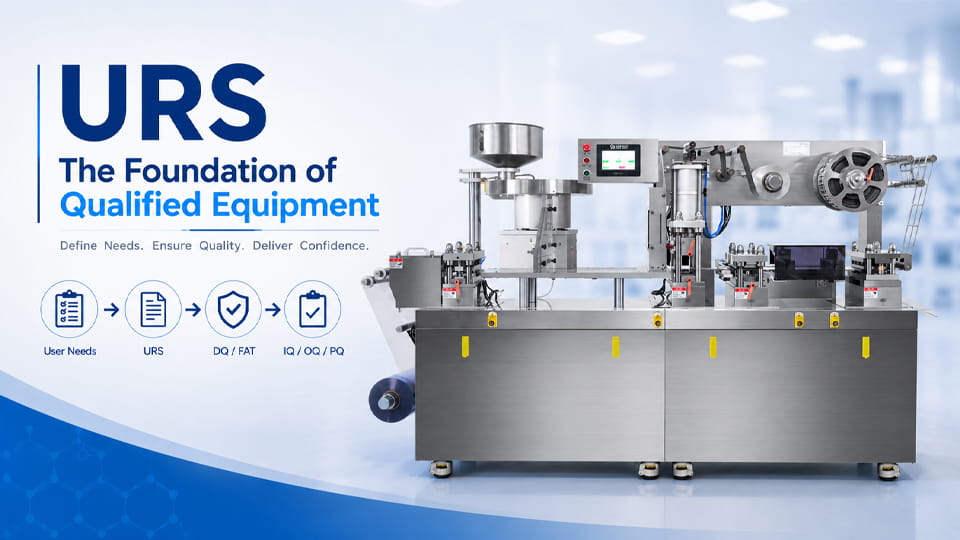
URS может предоставить ссылку на закупка оборудования, оценка поставщика, ДК, ФАТ/СБ, IQ, ОК, и ПК.
Четкая URS помогает уменьшить недопонимание между фармацевтическим производителем и поставщиком оборудования еще до того, как машина будет спроектирована и изготовлена..
Для проекта упаковочной машины, чем раньше покупатель определит такие требования, как тип продукта, формат упаковки, целевая скорость, и ожидания GMP, тем легче становится оценить подходящее оборудование.
Что такое спецификация требований пользователя (УРС) в Фармацевтике?
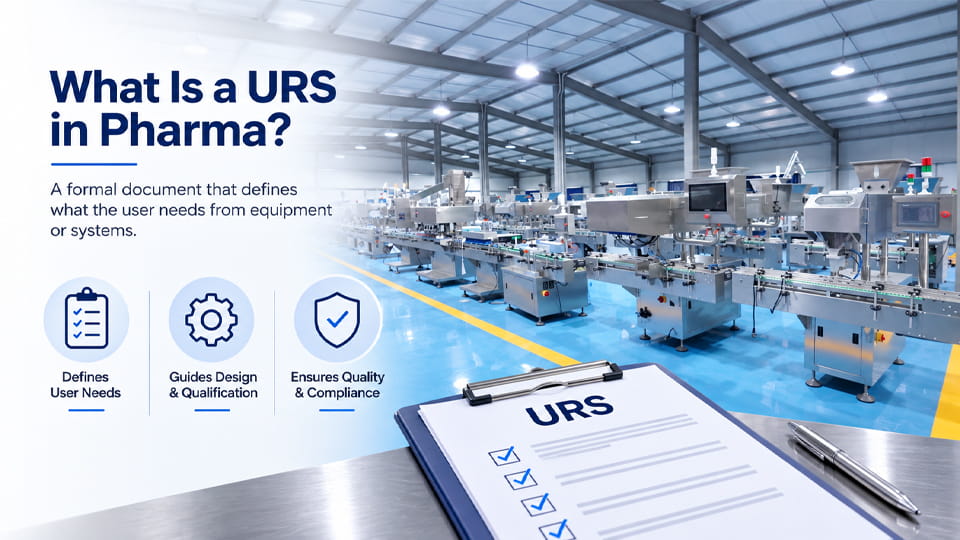
А Спецификация требований пользователя (УРС) это официальный документ, фиксирующий потребности и ожидания пользователя для оборудования или системы в фармацевтической промышленности. Он описывает что оборудование должно делать – например,. целевой уровень добычи, форматы продуктов, точность, и регуляторные функции – без назначения как чтобы достичь этого. URS действует как мост между инженерами-технологами или пользователями производства и поставщиками оборудования.. Он передает видение и ограничения пользователя, чтобы поставщики могли разработать, цитировать, и построить систему для удовлетворения этих потребностей.
Например, URS может указывать:
Theпредполагаемое использование (например. «Упакуйте блистеры по 10–60 таблеток»).
Критерии эффективности (например. «≥ 100,000 блистеров в час»).
Нормативные требования и требования GMP (например. «Гигиеничный дизайн, очищаемость до <10 остаток на миллион»).
Материалы конструкции (например. «Все детали, контактирующие с продуктом, из нержавеющей стали 316L»).
Коммунальные услуги и окружающая среда (например. «Работает в чистых помещениях класса C., требуется питание 380 В, 6 водный бар”).
Четко определяя требования заранее, URS становится краеугольным камнем на всех последующих этапах – обзор проекта, оценка поставщика, тестирование, и проверка. Нормативное руководство (например. Приложение ЕС 15, FDA 21 CFR Part 11, GAMP5) явно ожидает документированных требований пользователя в качестве отправной точки для квалификации оборудования. На практике, написание межфункциональных команд сил URS (производство, контроль качества, проверка, инженерия) точно согласовать, что должно делать оборудование, чтобы продукт был изготовлен правильно.
Почему URS важна в фармацевтическом производстве?
Хорошо продуманная URS имеет решающее значение для успеха проекта, соответствующего требованиям GMP.. Основные причины включают:
Ясность требований: URS документирует все ожидания (выход, качество, безопасность, и т. д.) в одном месте. Это позволяет избежать путаницы и гарантирует, что поставщик точно знает, что ему нужно.. Без УРС, требования могут быть расплывчатыми или игнорироваться, что приводит к дорогостоящим изменениям конструкции.
Основа для квалификации проектировщика (ДК): URS служит основой для квалификации проекта.. Это позволяет убедиться в том, что предлагаемая конструкция соответствует всем требованиям.. Приложение GMP ЕС 15 прямо указано, что «требования спецификации требований пользователя должны быть проверены в ходе квалификации проекта».
Валидация & Тестирование: Каждая квалификационная деятельность восходит к URS.. В руководстве FDA поясняется, что квалификация установки (IQ) проверяет установку оборудования на соответствие утвержденным спецификациям, «определенным в URS» (НАПРИМЕР., материалы конструкции)». Операционная квалификация (ОК) тесты на то, что оборудование работает по назначению, и квалификация производительности (ПК) подтверждает, что он постоянно соответствует спецификациям, определенным на этапе 1 (УРС). Суммируя, будь то FAT, СБ, IQ, ОК или ПК, каждый тест проверяет одно или несколько требований URS.
Управление рисками & Соответствие GMP: Включив критические атрибуты качества (CQA), Особенности конструкции GMP, и нормативные требования в URS, команды могут устранять риски на ранней стадии. Например, определение гигиенических критериев проектирования заранее предотвращает проблемы загрязнения в дальнейшем. В лучших практиках отрасли особое внимание уделяется обеспечению качества, безопасность, и требования соответствия в URS, чтобы «окончательная система отвечала как деловым потребностям, так и потребностям соответствия».
Коммуникация & Выбор поставщика: URS — это общий стандарт между фармацевтической компанией и поставщики оборудования. Это позволяет поставщикам готовить предложения, которые напрямую соответствуют потребностям пользователя.. Это также помогает оценивать предложения — машины можно проверить по URS. (через FAT/SAT) чтобы увидеть, какой из них лучше всего соответствует вашим требованиям.
Контроль затрат и графика: Четкие требования означают меньшую вероятность расширения масштабов или отсутствия функций.. Это снижает риск задержки проекта и дорогостоящих переделок..
Пример. Категории контента URS:
Категория УРС
Пример требований
Использование по назначению
С какими процессами и продуктами обрабатывает оборудование.
Емкость/производительность
Скорость вывода (НАПРИМЕР., блистеров/мин), размер партии, точность.
Продукт & Упаковка
Тип продукта, дозировка, размер упаковки, материал (НАПРИМЕР., ПВХ).
Материалы (Контакты)
Все детали, контактирующие с продуктом (НАПРИМЕР., 316Л СС, обработка поверхности).
GMP & Уборка
Гигиенический дизайн, очищаемость (никаких мертвых ног), легкая CIP.
Экология/Коммунальные услуги
Класс чистых помещений, температура/влажность, власть, воздух, пустой, и т. д..
Управление & Данные
Требования к ПЛК/ЧМИ, хранилище рецептов, регистрация данных, контроль доступа.
Планы FAT/SAT, и результаты IQ/OQ/PQ с критериями прохождения.
Примечание о проверке: Каждый элемент URS должен быть понятным и измеримым. Например, укажите точные цифры (например. «100 бутылок/мин» или «макс. температура в камере 30°C») чтобы такие тесты, как FAT/OQ, могли их объективно проверить.. Всегда включайте критерии приемки (например. «уплотнения должны выдерживать давление 0,01 МПа для 5 секунды») где это применимо.
Что должна включать в себя фармацевтическая URS?
Фармацевтическая URS обычно охватывает эти области.:
Использование по назначению & Объем: Опишите этап процесса (наполнение, уплотнение, маркировка, и т. д.), продукты и форматы упаковки, и как оборудование вписывается в общий процесс. Это задает контекст для всего остального.
Емкость и пропускная способность: Определить целевой результат (единиц/час или размер партии). Например: "Пакет 50,000 блистерных упаковок с единичными дозами за 8-часовую смену». Включите любые условия запуска/останова или диапазоны регулирования..
Подробности о продукте и упаковке: Укажите характеристики товара (размер планшета, масса, чувствительность к влаге) и формат упаковки (тип бутылки, размеры блистерной карты, размер коробки). Если используются несколько продуктов или размеров, перечислить каждый.
Материал конструкции: Перечислите необходимые материалы и стандарты. В фармацевтике, нержавеющая сталь (304/316л) и полимеры класса FDA обычно используются для контактных деталей.. Включите требования к отделке поверхности (например. Ra ≤0,8 мкм) и любые накладки или покрытия.
GMP и особенности конструкции: Включить гигиенические критерии проектирования (например. никаких мертвых ножек и щелей, дренируемость). Ссылка на любые применимые стандарты или рекомендации. (Приложение GMP ЕС 11, ИСО, АСТМ). Для компьютеризированных систем, обратите внимание на требования к целостности данных (аудиторский след, электронные подписи согласно 21CFR11).
Коммунальные услуги и окружающая среда: Подробно необходимые утилиты (власть: напряжение/фазы, давление/расход сжатого воздуха, охлаждающая вода, пустой, и т. д.) и условия окружающей среды (класс чистых помещений, Диапазоны температуры/влажности).
Элементы управления и данные: Опишите потребности в автоматизации: Платформа ПЛК/ЧМИ, языки, управление рецептами, сигналы тревоги, и подключение (Ethernet/SCADA/MES). Укажите любые требования к хранению данных или отчетности. (пакетные записи, Отслеживание OEE).
Требования безопасности: Перечислить функции безопасности (например. легкие шторы, Аварийные остановки, сблокированные охранники) и соответствующие стандарты безопасности (CE, UL). Включите любые требования по эргономике или безопасности оператора. (блокировка/маркировка, ЛОТО-зоны).
Документация и услуги: Требуйте доставки руководств пользователя., исполнительные чертежи, записи калибровки, сертификаты на материалы, резервное копирование программного обеспечения, и обучение операторов/обслуживающего персонала.
Тестирование и квалификация: Укажите FAT (Заводские приемочные испытания) критерии и объем ИК/Белый/PQ. Например: «Поставщик должен провести FAT на своем объекте, продемонстрировав соответствие всем точкам URS, и предоставить отчет FAT».
Требования URS к фармацевтическому упаковочному оборудованию
Упаковочный механизм имеет некоторые особые соображения по поводу URS. В дополнение к общим пунктам, указанным выше, включать:
Скорость упаковки: Укажите целевые ставки (например. 200 бутылок/мин, 50 коробок/мин, 80 блистеров/мин). Если интегрировано несколько машин/линий, уточнить пропускную способность для каждого.
Ассортимент продукции: Перечислите все варианты продукта, которые необходимо обработать. (планшет против. капсула, разные диаметры бутылок, стили кепок, и т. д.). Если линия обрабатывает несколько форматов, включить необходимое время переналадки и любые необходимые части формата.
Форматы пакетов: Для волдырей, укажите размеры карты, расположение полости, тип фольги (Толщина ПВХ/ПВДХ, Алюминий/ПВДХ). Для бутылок, указать типы контейнеров и объемы заполнения. Для картонных коробок, укажите размеры и тип закрытия. Эти данные гарантируют, что машина настроена правильно..
Погрузочно-разгрузочные работы: Детализируйте любые кормушки, сепараторы, или сита, необходимые для твердой дозировки. Для порошков/жидкостей, указать допуски на дозировку и потребности в резервуарах.
Материалы: Как всегда, все части, контактирующие с продуктом, должны быть пригодны для фармацевтической промышленности. (например. СС316Л). Если задействованы коррозийные или кислотные продукты, обратите внимание на любые специальные покрытия или материалы.
Уборка & Переключение: Если ожидается частая смена продукта, требуются быстросъемные детали или CIP (Очистка на месте) функции. Для стерильных линий, указать классификацию чистых помещений и методы стерилизации.
Управление: например. «На линии будет использоваться ПЛК Allen-Bradley с интерфейсом SCADA., поддержка контроля рецептов». Укажите любую сериализацию меток или возможность подключения к вышестоящему/нисходящему оборудованию..
Интеграция: Если часть более крупной линии, требуют совместимости (например. конвейеры, пакетное отслеживание, сканеры штрих-кода). Документируйте любые интерфейсы (электрический, механический, коммуникация) нужный.
Утилиты: Упаковочные линии часто нужен сжатый воздух (например. 5 бар при X НЛ/мин) и может использовать вакуум или азот. Укажите минимальные требования.
Безопасность: Вокруг несколько операторов, включить световые завесы или двуручное управление на станциях загрузки/отбраковки. URS должна отражать правила безопасности вашего сайта. (например. Соответствие CE).
Например, блистерная машина URS может включать в себя: «Способность к термосварке до 200°C., вмещает пленку ПВХ/ПВДХ толщиной 300 мкм., встроенный податчик блистеров и конвейер обрезков, 4-трековый блистерный формат с перенастройкой <15 мин, все контактные части из нержавеющей стали SS316L, выход ≥80 блистеров/мин при 100% эффективность." Такая специфика позволяет производителю оборудования точно удовлетворить ваши потребности..
Как URS вписывается в процесс квалификации?
URS является отправной точкой жизненного цикла квалификации оборудования.. Упрощенный поток:
УРС → ДК: После утверждения URS, дизайн оборудования (рисунки, характеристики) проверяется в рамках квалификации проекта, чтобы гарантировать соблюдение всех требований URS.. В обзоре дизайна, инженеры и специалисты по контролю качества просматривают результаты проектирования, сравнивая их с каждым элементом URS.
URS → FAT/SAT: Заводские приемочные испытания (ТОЛСТЫЙ) выполняется на сайте поставщика, чтобы продемонстрировать соответствие машины URS перед отправкой. Приложение 15 даже предлагает проверить соответствие URS на сайте поставщика, если это оправдано.. После установки, Приемочное тестирование сайта (СБ) подтверждает, что все по-прежнему работает на месте (иногда этапы FAT и SAT перекрываются).
УРС → IQ: Квалификация установки проверяет соответствие установленного оборудования спецификациям URS.. Например, В руководствах FDA говорится, что IQ должна проверять, что «все аспекты объекта, полезность, или оборудование, которое может повлиять на качество продукции… придерживайтесь утвержденных спецификаций, определенных в URS. (НАПРИМЕР., материалы конструкции)». На практике это означает проверку трубопроводов., электрический, и структурные детали относительно URS.
URS → OQ/PQ: Эксплуатационные квалификационные испытания, подтверждающие, что машина работает по назначению. FDA отмечает, что OQ проверяет, что оборудование «работает[с] как предполагалось, во всем ожидаемом рабочем диапазоне».. Квалификация производительности затем показывает согласованные выходные данные, соответствующие критериям, определенным URS.. Другими словами, в рамках OQ/PQ вы запускаете машину с реальными материалами и подтверждаете показатели (скорость, урожай, процент дефектов, и т. д.) согласно URS.
На каждом этапе, протоколы испытаний соответствуют требованиям URS. Если в URS указано «Выдать 100 мл ±2%», то тесты OQ будут измерять выданный объем в соответствии с этим. URS превращает расплывчатые цели в объективные тесты.
URS против функциональной спецификации против спецификации дизайна
Важно знать, чем отличаются эти документы:
Документ
Определяет (Объем)
Автор
Спецификация требований пользователя (УРС)
Что пользователям нужно от системы (функциональные и регуляторные потребности).
Фармацевтическая компания (владелец)
Функциональная спецификация (ФС)
Как система будет соответствовать URS (функции, программные модули, функции).
Инженерное дело/Продавец
Спецификация дизайна (Дюймовый)
Подробное решение (рисунки, спецификация, код, конфигурации).
Инженерное дело/Продавец
TheУРС ответы что вопросы: «Какой спектакль, безопасность, и функции соответствия необходимы?Это оставляет методы решения открытыми.
TheФункциональная спецификация разбивает URS на системные функции (например. «Система управления должна автоматически останавливаться при тревоге и записывать коды ошибок»).
TheСпецификация дизайна предоставляет реальный дизайн (Чертежи САПР, Код ПЛК, данные о продавце/производителе).
Избегайте чрезмерного указания в URS. Например, не указывайте конкретную марку ПЛК или тип двигателя, если это не является абсолютно необходимым.. Служба быстрой приостановки должна сосредоточиться на потребностях, не деталь дизайна. Как отмечают эксперты отрасли, включение чрезмерных технических подробностей в URS может ограничить гибкость решений. Вместо этого эти детали относятся к спецификациям функциональности/дизайна..
Кто несет ответственность за подготовку URS?
В целом, тот потребитель фармацевтических препаратов (покупатель) отвечает за URS. Обычно его разрабатывает межфункциональная команда.:
Инженеры-технологи/технологи: Определите предполагаемое использование, пропускная способность, и интеграция процессов.
Обеспечение качества/Валидация: Предоставить требования GMP, потребности в целостности данных, и нормативные критерии.
Техническое обслуживание/Инжиниринг: Укажите утилиты, запчасти, доступ для обслуживания, и место для установки.
Нормативное регулирование/контроль качества: Убедитесь, что приложения или рекомендации (Приложение 15, Приложение 1 для стерильности, и т. д.) адресованы.
Приобретение: Согласовывает формат документа и может уточнять технические моменты.
Поставщик оборудования может предоставить информацию. (что возможно, типичная производительность, и т. д.), но окончательный URS должен исходить от пользователя. Вовлечение всех заинтересованных сторон на ранней стадии (производство, контроль качества, инженерия, проверка) это лучшая практика. Например, QA может уловить санитарные требования, и Процесс может указать размер фида. URS должна интегрировать эти точки зрения, чтобы она действительно отражала ваши потребности..
Как написать хорошую фармацевтическую URS
Выполните следующие шаги, чтобы создать четкое, проверяемый URS:
Определите предполагаемое использование: Начните с краткого описания и назначения системы. (например. «URS для машины для розлива жидкостей в линейке продуктов ABC»). Это подготавливает почву.
Перечислите применимые правила/стандарты: Включить соответствующие рекомендации (Приложение GMP ЕС 15/11, 21 CFR Part 11, СПОРТ 5, и т. д.) чтобы потребности в соблюдении требований не были упущены.
Будьте конкретны и измеримы: Государственные требования с точными значениями или испытаниями. Вместо «высокая скорость», указать «минимальный 500 бутылок/час при 80% наполнять". Каждое требование должно быть объективно проверяемым..
Подробное описание потребностей в продуктах и процессах: Опишите варианты продукта, свойства материала, условия окружающей среды. Например: «Диаметр таблетки 6–10 мм.; работать при температуре 20–25°C, 40–60% относительной влажности».
Укажите материалы и критерии проектирования: Четко определите контактные материалы (например. СС316Л), заканчивает (Ра), классы чистоты, и т. д.. Это позволяет проверкам IQ подтверждать «исходные» характеристики..
Включите коммунальные услуги и требования к пространству: Источник питания документа, давление/расход воздуха, качество воды, гири, и любые особые требования к фундаменту или помещению.
Описать элементы управления и обработку данных: Укажите настройки системы управления (Бренд ПЛК, язык ЧМИ), количество рецептов, регистрация тревог/событий (аудиторский след для CFR 21Part 11), и т. д.. Если линия должна интегрироваться с MES, запомни это.
Обзор функций безопасности: Список необходимых защитных блокировок, охрана, Аварийные остановки, и соответствие стандартам безопасности (CE, UL). Не пренебрегайте безопасностью оператора (например. освещение, лестницы, блокировка/маркировка).
План FAT/SAT: Укажите, что машина пройдет FAT и SAT., и какие критерии приемки будут проверены (например. «Все точки URS будут включены в протокол FAT с измеренными результатами»).
Обзор и пересмотр: Убедитесь, что все требования ясны, однозначный, и прослеживаемый. Назначьте уникальные идентификаторы, если это полезно для отслеживания.. Включите контроль качества/проверку, чтобы убедиться, что ничего критического не пропущено..
Ключевые лучшие практики: привлекать пользователей из всех групп, используйте простой язык, и избегайте двусмысленных терминов. В хорошей URS используются маркированные списки или таблицы., и у каждого предмета есть критерии для тестирования. Как говорит один из отраслевых источников: каждое требование должно быть «конкретным и проверяемым». Сюда, вы можете напрямую связать каждый шаг возврата FAT/IQ/OQ с элементом URS..
Распространенные ошибки при написании URS
Слишком расплывчато: Такие требования, как «простота использования» или «высокая скорость» без цифр, не поддаются проверке.. Всегда оценивайте или указывайте критерии приемки..
Дизайн-ориентированный язык: Написание «ПЛК должен быть Siemens» или «использовать три двигателя» выходит за рамки URS.. Сосредоточьтесь на потребностях (что, не как).
Отсутствует метод проверки: Если вы не можете сказать, как это проверить, это требует разъяснений. Например, «должен герметично закрываться» должно включать в себя спецификацию испытания на утечку.
Наблюдение за целостностью данных/GMP: Забыл упомянуть будильники, резервное копирование данных, или часть 11 соответствие может вызвать проблемы с аудитом.
Игнорирование утилит/окружения: Распространенные упущения: давление воздуха., фазы питания, класс номера, или даже общий вес (нагрузка на пол).
Пропуск очистки/замены: В фармацевтике, CIP и быстрая переналадка часто имеют решающее значение.. Их отсутствие может привести к последующим изменениям дизайна..
Не вовлечение всех заинтересованных сторон: Если контроль качества или производство не задействованы, требования (например. очищаемость, потребности оператора) может быть пропущен.
Нереалистичные ожидания: Завышенная пропускная способность или недооценка температуры могут иметь неприятные последствия.. Базовые числа на основе реальных данных процесса.
Нет контроля версий: Если рассматривать URS как редактируемый проект, это может запутать команды.. После завершения, это должен быть контролируемый документ.
URS, которая является либо слишком общей, либо слишком подробной, может вызвать проблемы.. Стремитесь к ясности, однозначные потребности пользователя.
Пример URS фармацевтической упаковочной машины
Ниже приведен упрощенный пример записей URS для блистерная упаковочная машина. (Фактические значения будут зависеть от ваших конкретных продуктов и целей.)
Требование
Пример (Блистерная упаковочная машина)
Тип машины
Автоматическая ротационная блистерная упаковочная машина
Продукты
Таблетки (6–10 мм Ø) и капсулы (8–12 мм Ø)
Блистерный материал
Пленка ПВХ/ПВДХ 300 мкм, или фольга Алю/ПВДХ 20/30 мкм
Количество дорожек
4-гусеничная машина (для блистерных циклов)
Выходная скорость
≥ 80 заполненных блистеров в минуту
Запечатывание
Термосварка с использованием верхней/нижней оснастки; температура запечатывания 170–200°C; усилие уплотнения 3кН
Переключение
Изменение формата в < 30 минут между продуктами
Строительство
Нержавеющая сталь SS316L для деталей, контактирующих с продуктом., Ра ≤ 0.8 мкм
Система управления
ПЛК Allen-Bradley с 10″ ЧМИ; сохранение рецептов до 20 форматы
Утилиты
400 ВАК, 5 бар сжатого воздуха (100 НЛ/мин), 50 Гц мощность
Безопасность
Защитные ограждения и аварийные остановки, соответствующие требованиям CE; входные двери с блокировкой
Документация
Руководство пользователя, электрические схемы, Протоколы FAT/IQ/OQ, калибровочная документация
Квалификационная поддержка
FAT на сайте поставщика, охватывающий все точки URS; поставщик предоставляет документы IQ/OQ/PQ
Примечание: Это показательные примеры. Ваша фактическая URS будет включать значения, соответствующие размерам вашего продукта., класс чистой комнаты, нормативные требования, и план проверки.
Машина для блистерной упаковки жидкостей DPP-270Pro
Контрольный список URS для закупки оборудования
Прежде чем завершить URS, убедитесь, что вы покрыли:
Использование по назначению / шаг процесса
Виды продукции и форматы упаковки
Производственная мощность и рабочий диапазон
Материалы конструкции и отделки поверхности
GMP/гигиенические конструктивные особенности
Требования к очистке и CIP
Коммунальные услуги и экологические условия
Средства управления и целостность данных (ЧМИ, СКАДА, Деталь CFR21 11)
Полный контрольный список помогает выявить недостающие детали до того, как поставщики подадут заявку на участие в проекте..
Заключение
А Спецификация требований пользователя (УРС) является отправной точкой для любого проекта по производству фармацевтического оборудования. Он определяет потребности пользователя и становится основой для проектирования и проверки соответствующего оборудования.. Излагая что оборудование должно делать – с четким, измеримые критерии – URS направляет закупки, предложения поставщиков, и квалификационные испытания.
Для фармацевтических упаковочных линий, сильная URS гарантирует вашу блистерные упаковщики, счетчики планшетов, картотеры, и разливочные машины обеспечивают необходимую производительность и соответствуют стандартам проектирования GMP.. Когда ваше производство, контроль качества, и команды инженеров совместно работают над URS, вы сводите к минимуму недоразумения и обеспечиваете плавный путь к FAT, IQ, ОК, и ПК.
Если вы готовите URS для упаковочной машины или линии, помнить: определите, что вам нужно, сделать это измеримым, и связать это с требованиями GMP. Jinlu Packing специализируется на фармацевтическое упаковочное оборудование – от блистерной упаковки и наполнения капсул до линий картонирования и розлива. С четкой URS в руках, мы можем адаптировать наши предложения по оборудованию и поддержку по валидации в соответствии с вашими требованиями..
Связаться с Джинлу Упаковка за экспертную помощь в подборе и квалификации вашей следующей фармацевтической упаковочной машины. Наша опытная команда может помочь перевести вашу URS в, высокопроизводительное решение.
Часто задаваемые вопросы по спецификации требований пользователя (УРС) в Фармацевтике
Что такое спецификация требований пользователя (УРС) в фармацевтических препаратах?
URS — это письменный документ, в котором подробно описываются ожидания пользователя от машины или системы до ее проектирования или приобретения.. В нем указана производительность, функциональность, требованиям соответствия, которые оборудование должно удовлетворять. Другими словами, он сообщает поставщикам, что именно требуется для процесса.
Почему URS важна в фармацевтической отрасли?
URS гарантирует, что оборудование разработано в соответствии с GMP., безопасность, и требования к целостности данных. Он дает ясность относительно того, что необходимо, чтобы дизайнеры могли создавать совместимые, высококачественные системы. Без четкой URS, оборудование может не соответствовать ключевым требованиям, что приводит к дорогостоящим переделкам или несоответствию нормативным требованиям.
Кто обычно пишет URS?
Обычно люди, которые руководят процессом (специалисты по производству или продукту) проект URS, с участием инженеров, контроль качества, и группы проверки. Это гарантирует, что будут учтены все точки зрения.. Окончательная проверка и утверждение должны включать контроль качества для подтверждения соответствия нормативным требованиям..
Когда следует создавать URS?
URS следует подготовить до покупки или сборки оборудования – сразу после принятия решения о необходимости новой системы., и до детального проектирования или выбора поставщика.
Что должно быть включено в URS?
Ключевые разделы URS для фармацевтической отрасли обычно охватывают объем проекта., функциональные требования (что он делает), требования к производительности (насколько хорошо он это делает), потребности в соблюдении нормативных требований, целостность данных, и критерии приемки. Он также может включать разделы по безопасности., обслуживание, документация, обучение, и т. д..
В чем разница между URS и спецификацией функциональных требований (ФРС)?
URS определяет, что нужно пользователю (потребности бизнеса, функции высокого уровня). ФРС (или функциональная спецификация) приходит позже и описывает, как система это сделает. Думайте о URS как о том, что «нам нужны выходные данные X и точность Y»., тогда как ФРС подробно описывает техническое решение или рабочий процесс для достижения этой цели.. В целом, не дублировать функциональные спецификации в URS.
Как URS связана с проверкой (ИК/Белый/PQ)?
URS является основой для всех проверочных тестов.. Каждое квалификационное мероприятие соответствует требованиям URS.. Например, если URS требует 10,000 бутылок/час, ПК (Квалификация производительности) проверю этот вывод. Приложение 15 прямо указано, что требования URS должны проверяться во время DQ и служить ссылкой на протяжении IQ/OQ/PQ.
Может ли поставщик написать для нас URS??
Хотя поставщик может уточнить, как он будет соответствовать требованиям., URS должна оставаться в собственности пользователя. Он должен отражать ваш конкретный процесс и приоритеты GMP., не только то, что поставщик построил раньше. Вы можете получить мнение поставщика о технической осуществимости., но окончательная URS должна быть проверена вашей командой (Контроль качества/проверка) чтобы избежать предвзятости.
Требуется ли URS регулирующим органам?
Да. Рекомендации GMP (Приложение ЕС 15, FDA 21 CFR, и т. д.) Требуйте документированных спецификаций на оборудование. Приложение 15 явно требует наличия URS или аналогичной спецификации в начале квалификации. Сходным образом, Часть FDA 11 и GAMP5 подчеркивают наличие четких документированных требований.. Во время проверок, регулирующие органы будут ожидать увидеть URS или спецификацию для каждой критически важной машины..
Что произойдет, если мы пропустим URS?
Пропуск или написание плохой URS часто приводит к пробелам в проектировании и проблемам с соблюдением требований.. В конечном итоге вы можете получить машины, которые не соответствуют производственным потребностям или не имеют критически важных функций GMP.. Pharmaguideline предупреждает, что расплывчатая URS приводит к «чрезмерным затратам, связанным с перепроектированием и квалификацией оборудования из-за отсутствия ясности».. Всегда начинайте с хорошей URS – это наиболее эффективный путь к, специальная система.
Мелкий фу, Основатель компании Jinlupacking, приносит 20 многолетний опыт работы в секторе фармацевтического оборудования. Под его руководством, Jinlu превратилась в надежного поставщика, интегрирующего дизайн., производство, и продажи. Петти с радостью делится своими глубокими отраслевыми знаниями, чтобы помочь клиентам разобраться в сложностях фармацевтической упаковки., гарантируя, что они получат не только оборудование, но настоящее комплексное сервисное партнерство, адаптированное к их производственным целям..