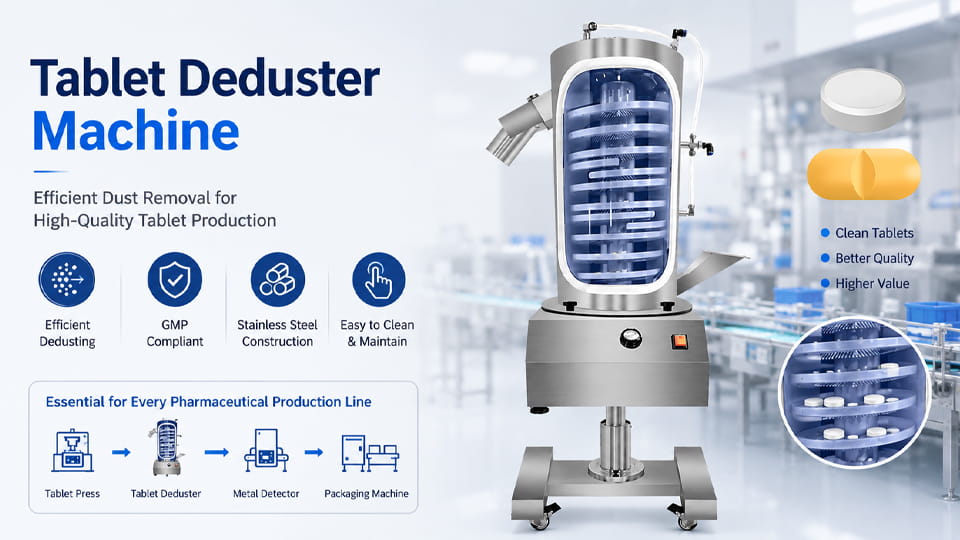

Если ты известный производитель конфет, какая деталь для тебя самая важная?
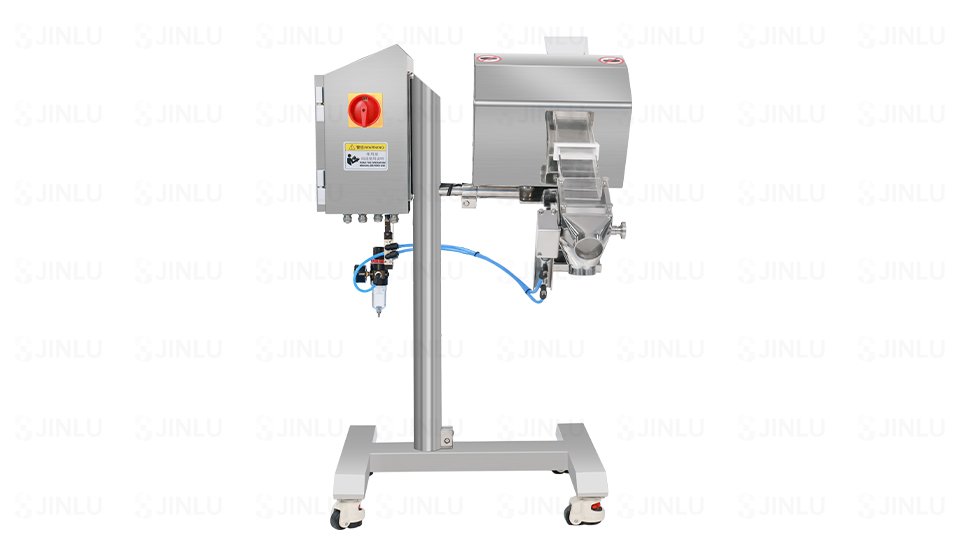
Это соответствие продукта, конечно. Будь то продажа в Европу или США, Правила FDA и ISO четко оговаривают содержание металлов в конфетах.. Если на вашей производственной линии нет высокоточный коммерческий металлодетектор для обеспечения соответствия продукции, это может привести к потерям в миллионы долларов. Так, инвестиции в надежное оборудование для обнаружения металлов имеют решающее значение, однако, вот еще вопрос: какие металлы можно металлоискатель обнаружить, и который не может? В этой статье будет раскрыт принцип работы промышленных металлодетекторов и даны некоторые практические советы по их настройке для вашей производственной линии..
Ключевые выводы
Ответ - однозначно да.. Однако, вас, вероятно, больше интересует основной механизм, чем просто результат. Как работает металлоискатель промышленный на земле? В отличие от железа или стали, алюминий это цветной металл, это означает, что он не имеет никакого магнетизма, что делает невозможным экранирование алюминия на основе магнетизма. Именно поэтому производители заботятся об этом пункте больше всего..
Фактически, ключом к обнаружению алюминия промышленными металлодетекторами является его проводимость. Проще говоря, детектор излучает высокочастотное электромагнитное поле, как невидимка “энергетическая сеть.” Когда любой проводящий материал, как алюминий, проходит через это поле, внутри материала генерируется крошечный ток. Этот текущий, по очереди, разрушает исходное электромагнитное поле.
Поскольку алюминий обладает отличной проводимостью, помехи, которые это вызывает, очень заметны. Как только детектор обнаружит эти помехи, он немедленно уведомляет систему управления машиной: “Обнаружен металл!” Поэтому, обычные системы обнаружения металлов могут легко и надежно обнаружить алюминий.
Хотя знание рисков использования металлодетекторов для проверки на алюминий может быть обнадеживающим., это представляет собой серьезную проблему, когда алюминий является частью упаковки. Это приводит к “алюминиевая дилемма”
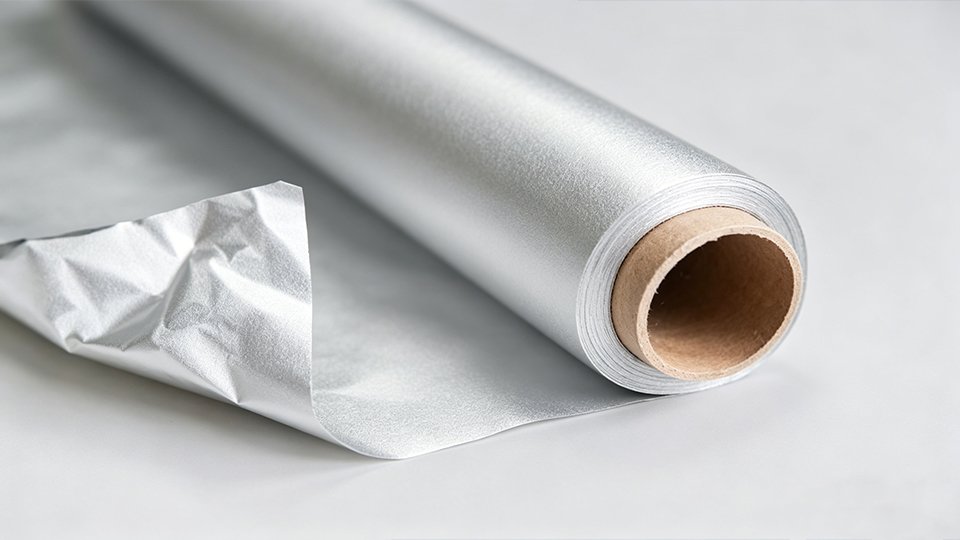
Представьте себе, что вы стоите в первом ряду на рок-концерте хэви-метала., в окружении оглушительной музыки. Если кто-то шепчет рядом с тобой, их не слышно — огромный шум полностью заглушает любой слабый звук. Эта аналогия прекрасно иллюстрирует трудности, с которыми сталкиваются современные промышленные металлодетекторы при обнаружении металла в упаковке из алюминиевой фольги..
В фармацевтическом производстве, общий алюминиевые блистеры, полоски алюминиевой фольги, или бутылки с алюминиевые индукционные уплотнения генерировать чрезвычайно сильные электромагнитные сигналы в промышленных металлодетекторах, очень похоже на “шум” с концерта. Если даже небольшой кусочек стали попадет в, стандартный детектор просто не может “слышать” слабый сигнал обнаруженного металла, потому что это полностью замаскировано “громкий шум” алюминиевой упаковки.
Это явление известно в отрасли как “эффект продукта”— собственный сигнал продукта настолько силен, что квалифицированный продукт ошибочно определяется как содержащий металлические примеси и отклоняется от производственной линии. Чтобы решить эту проблему, необходима усовершенствованная линейная система обнаружения металлов, оснащенная многочастотной технологией.. Эта система излучает несколько частот одновременно, действует как фильтр для фильтрации определенных сигналов, генерируемых алюминиевой упаковкой, сохраняя при этом высокую чувствительность к примесям железа.
доктор. Роберт Вэнс, физик-материаловед, объясняет, «Высокая проводимость алюминия создает огромный эффект продукта, что затрудняет обнаружение мелких посторонних предметов стандартными электромагнитными датчиками. Без продвинутых алгоритмов отслеживания фазы, это было бы практически невозможно». Вот почему многочастотная технология играет незаменимую роль в крупномасштабных промышленных системах обнаружения металлов..
Несмотря на то, что многочастотная технология позволяет значительно повысить точность обнаружения металлов, действительно существуют определенные металлы, которые затрудняют идентификацию промышленной системы металлодетектора.. Среди них, самое хлопотное это нержавеющая сталь, такой как 304 и 316, и т. д..
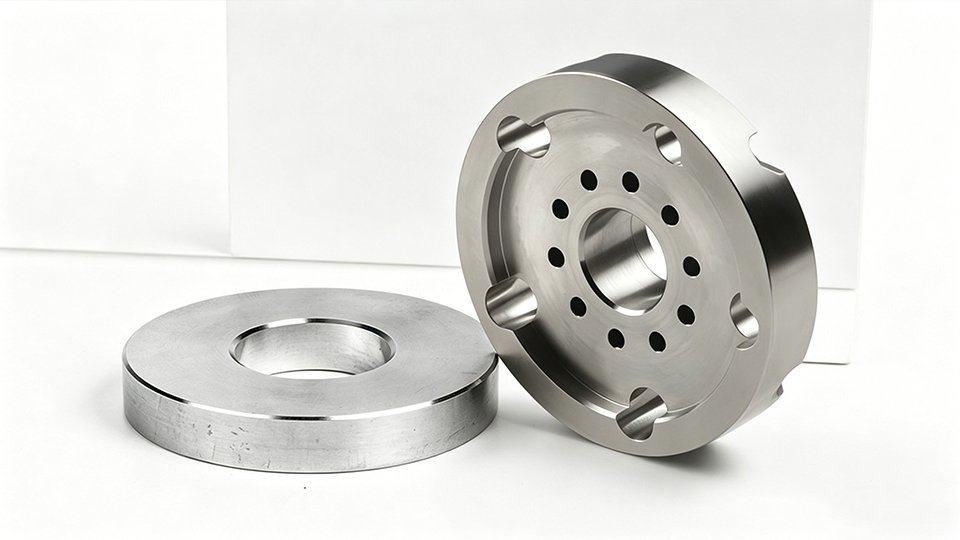
Почему это так сложно? В основном это связано с чрезвычайно слабыми магнетизмом и проводимостью этого материала.. С одной стороны, Аустенитная нержавеющая сталь немагнитна., поэтому он не вызовет магнитную реакцию. С другой стороны, его проводимость намного ниже, чем у алюминия, а это значит, что даже многочастотная техника с трудом улавливает свою частоту, особенно когда фрагменты нержавеющей стали очень маленькие.
Эффект направления: Важный фактор, приводящий к сбою обнаружения
Еще одна проблема исходит от “эффект направления”. Когда тонкий и длинный металл обнаруживается под разными углами, площадь поперечного сечения совсем другая. Из-за различной реакции различных металлов на электромагнитное поле, металлы, такие как нержавеющая сталь, которые сложно поймать, часто требуют снижения рабочей частоты машины для достижения результатов обнаружения.
Однако, за это приходится платить – чувствительность машины к другим металлам, таким как железо и алюминий, снизится. Как найти баланс между “обнаружение нержавеющей стали” и “не теряя другие металлы” является основой современной промышленной технологии обнаружения металлов..
Когда “алюминиевая дилемма” становится слишком сложным, Многие производители фармацевтических препаратов и нутрицевтиков задаются вопросом, стоит ли им полностью отказаться от коммерческих систем обнаружения металлов и перейти на рентгеновский контроль.. Обе технологии имеют свои явные преимущества, но какой из них выбрать, зависит от вашего конкретного продукта, упаковка, и бюджет.
Ниже приведено всестороннее сравнение с четырьмя точками зрения, которые больше всего волнуют производителей.:
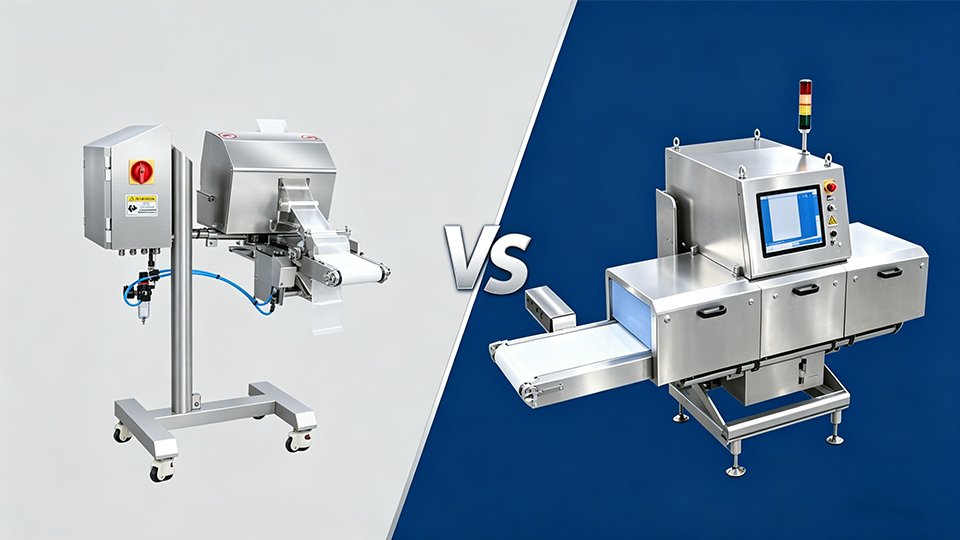
Стол 1- Сравнение коммерческого металлодетектора и системы рентгеновского контроля
| Фактор | Усовершенствованный металлоискатель | Система рентгеновского контроля |
| Чувствительность обнаружения фольги | От умеренного до высокого. Работает с тонкой фольгой.; ограничено толстой фольгой. | Высокий. Легко обнаруживается через алюминий. |
| Расходы | От низкого до среднего. Доступность и низкие эксплуатационные расходы. | Высокий. Дорогостоящая замена оборудования и запчастей.. |
| Обслуживание & Безопасность | Простой. Регулярная калибровка, нет рисков для безопасности. | Сложный. Требует соблюдения радиационных требований и контроля безопасности. |
| Возможность обнаружения | Только металлы. | Разнообразные материалы |
Если вашим приоритетом является экономическая эффективность и стандартная упаковка, тогда выбирайте конвейерный металлоискатель
Для стандартного производства, конвейерный металлодетектор зачастую является наиболее практичным выбором. Если ваш продукт поставляется в пластиковых бутылках, тогда лучшим вариантом будет использование промышленного металлодетекторного конвейера.. Для большинства линии по производству фармацевтических и пищевых добавок, эти системы экономически эффективны, простой в обслуживании, и легко обнаружить железо, цветной, и примеси нержавеющей стали.
Если ваша упаковка сложная или загрязнение выходит за рамки металла, затем выберите рентген
Согласно 2023 анализ рынка от Grand View Research, Ожидается, что мировой рынок промышленного рентгеновского контроля будет расширяться. 7.5% более, обусловлено сложными потребностями в упаковке в пищевой и фармацевтической отраслях.. Рентгеновские системы работают на основе разницы плотностей., таким образом возможно обнаружение более широкого спектра примесей. Эта система обнаружения хорошо подходит для сложной упаковки..
Если вы балансируете между производительностью и бюджетом, тогда выбирайте системы металлодетектора
Хотя рентгеновские системы предлагают более разнообразные возможности, они стоят дороже. В отличие, промышленная линейная система обнаружения металлов обычно дешевле и проще в эксплуатации, что делает их более выгодными для рутинных приложений. Так же, как Сара Дженкинс, старший аудитор по обеспечению качества глобального фармацевтического бренда, отмечает, что рентгеновские системы обеспечивают беспрецедентную видимость продуктов, упакованных в фольгу., их высокая совокупная стоимость владения часто делает металлодетекторы более выгодным выбором для линий по производству нутрицевтиков среднего размера..
Выбор подходящей системы обнаружения металлов так же стратегически важен, как и выбор состава ваших добавок.. Вот несколько советов, которые помогут вам начать.
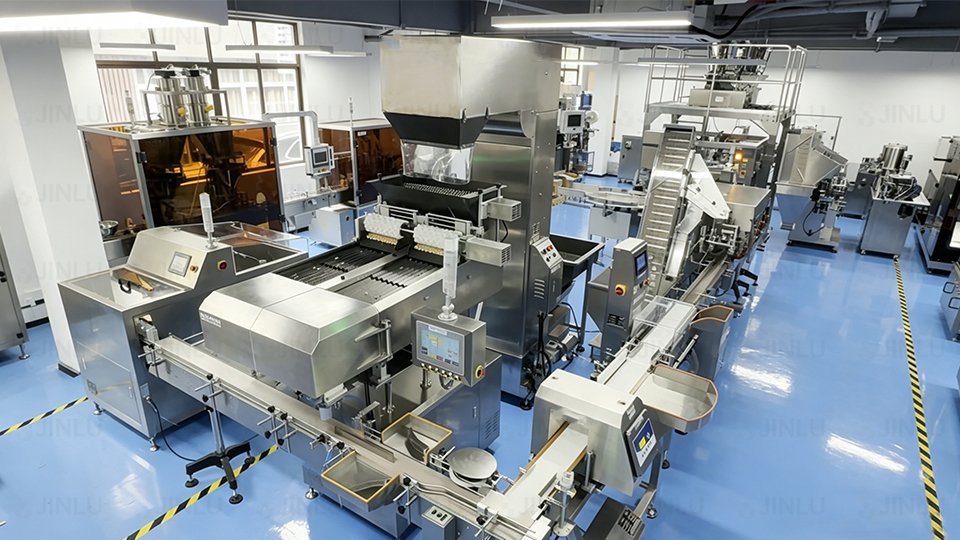
При поиске металлодетектора промышленного назначения, производителям, возможно, лучше обратить внимание на эти функции:
Многочастотная работа: Машина должна иметь возможность одновременно работать на нескольких частотах, чтобы исключить эффект продукта..
Очистительная способность: Машина должна выдерживать очистку водой под высоким давлением без короткого замыкания., для фармацевтической среды требуют тщательной очистки.
Автоматический отказ: Независимо от способа отказа, система отбраковки должна действовать мгновенно и гарантировать отсутствие сбоев.
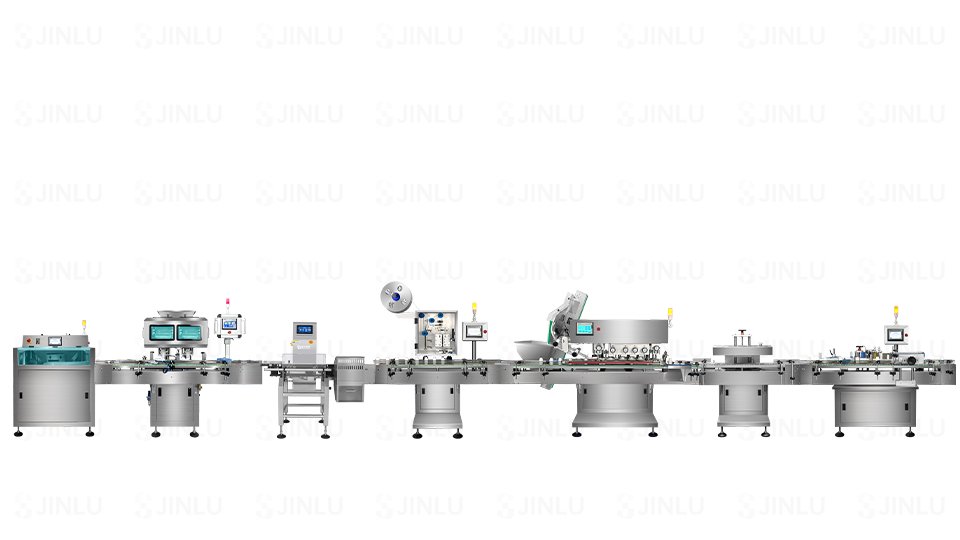
Иметь хорошую машину – это только полдела, поэтому сотрудничество с опытным поставщиком металлодетекторов или надежными производителями металлодетекторов становится критически важным.. Jinlu Packing закончился 30 годы преданной Р.&D опыт работы в секторе упаковочного оборудования, стремится разрабатывать и поставлять высоконадежные машины для Fortune 500 компании по всему миру. Ниже приведены выдающиеся особенности решений конвейерной системы металлодетекторов Jinlu Packing.:
Направлен на работу со сложной упаковкой, Наши гравитационные металлодетекторы и металлодетекторы для молочной промышленности предназначены для защиты продуктов от несоответствия.
Одним словом, в то время как мы легко отвечаем «да», когда спрашиваем, обнаруживают ли металлодетекторы алюминий, Гораздо сложнее найти баланс между промышленной системой детектора металла и вашей производственной линией.. Если вы хотите легко устранить ложные отклонения, приди и проконсультируйтесь с нами для получения дополнительной информации.
Аустенитная нержавеющая сталь, конечно. Из-за его совершенно немагнитных свойств и низкой проводимости., машина вряд ли сможет его обнаружить, как пытаться обнаружить привидение в тумане!
Да, абсолютно! Даже в виде порошка, алюминий сохраняет свою высокую электропроводность. Поэтому, Встроенному металлодетектору легко обнаружить его мгновенно..
Промышленные металлодетекторы предназначены для обнаружения двух основных категорий: металлы на основе железа и металлы с низкими магнитными свойствами, но высокой проводимостью. Это гарантирует, что возможности металлодетектора обнаруживают практически все распространенные заводские загрязнения..
Если вы делаете ремонт в офисе своими руками и вам нужно найти металлическую стойку., Базовый искатель шпилек идеально подходит для поиска винтов или деревянных шпилек., с использованием магнитных или емкостных датчиков.
Ссылки
[1] Служба безопасности и инспекции пищевых продуктов Министерства сельского хозяйства США (ФСИС): Краткое изложение случаев отзыва.
[2] Инженерный набор инструментов: Электропроводность материалов.
[3] Гранд Вью Исследования: Размер рынка промышленных систем рентгеновского контроля, Делиться & Отчет об анализе тенденций.