
Os suplementos de fibra estão em alta – impulsionados pelas tendências de saúde intestinal e controle de peso. Na verdade, a fibra é “uma das categorias mais versáteis” em nutracêuticos e o mercado global está crescendo rapidamente (cerca de US$ 10,4 bilhões em 2025 para ~$11,3 bilhões em 2026). Se você fizer suplementos, você conhece fibra (solúvel ou insolúvel) é um ingrediente chave. Exemplos comuns incluem casca de psyllium, inulina, metilcelulose e dextrina de trigo. Fibras solúveis (como psyllium ou inulina) pode gelificar na água e alimentar bactérias intestinais, enquanto fibras insolúveis (como celulose) adicionar volume. Essas fibras apoiam a saúde digestiva e cardiometabólica, tornando-os populares em suplementos prebióticos e de saúde intestinal. Neste guia, veremos como os suplementos de fibra são formulados, fabricados e embalados - desde fibras em pó brutas até máquinas de enchimento de cápsulas e stick-pack - para que você possa planejar uma linha de produção tranquila para 2026.
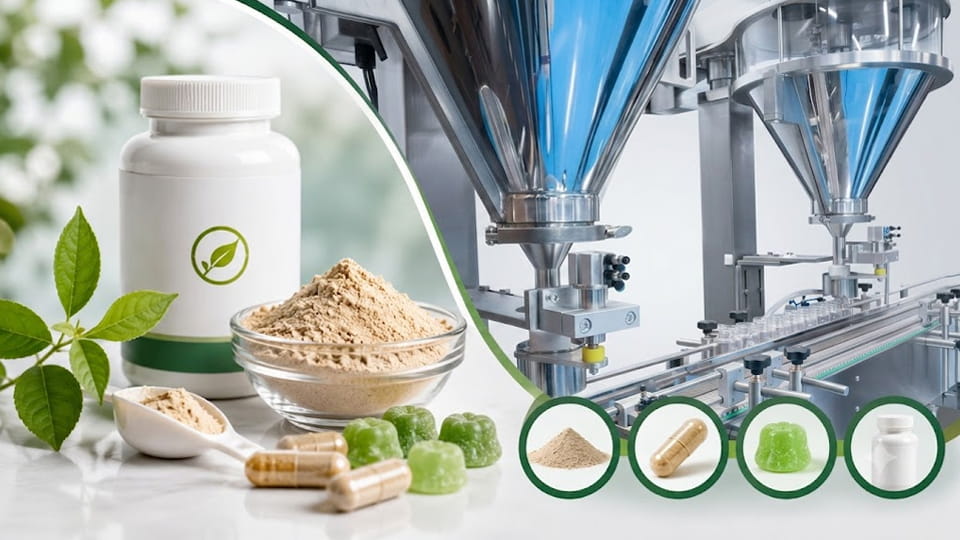
Suplementos de fibra fornecem fibra dietética (solúvel e insolúvel) em forma concentrada. Fibras solúveis (E.G.. psyllium lembre-se, inulina, glucomanano) dissolver em água para formar géis viscosos que auxiliam na digestão, apoiar a saúde intestinal e ajudar a reduzir o colesterol. Fibras insolúveis (E.G.. celulose, farelo de trigo, linhaça) adicionar volume às fezes, facilitando os movimentos intestinais. Ingredientes comuns de suplementos incluem psyllium e inulina, frequentemente comercializado para a saúde digestiva. A Clínica Mayo observa que inulina e psyllium estão entre os suplementos de fibra mais populares. A ingestão de fibras ajuda a regular a função intestinal e pode ajudar no controle de peso, aumentando a saciedade. A maioria dos suplementos de fibra vem em um dos três formatos.
Cada formato (pó, cápsula, gomoso) envolve diferentes equipamentos de processamento e embalagem, então as marcas geralmente se especializam por formato. Fórmulas ricas em fibras, como casca de psyllium, são higroscópicas e exigem controle cuidadoso da umidade na embalagem.
Depois de misturar, o pó de fibra deve ser embalado em um formato amigável ao consumidor. O mais comum fatores de forma em pó são pacotes ou sachês de dose única, e contêineres a granel (banheiras/frascos). Os pós de dose única são cada vez mais populares para uso em trânsito (pense em um sachê de mistura para bebida com fibra de psyllium), enquanto banheiras / potes são adequados para suplementos diários de altas doses.
 Figura: Máquina stick-pack de alta velocidade que produz sachês de fibra em pó de dose única.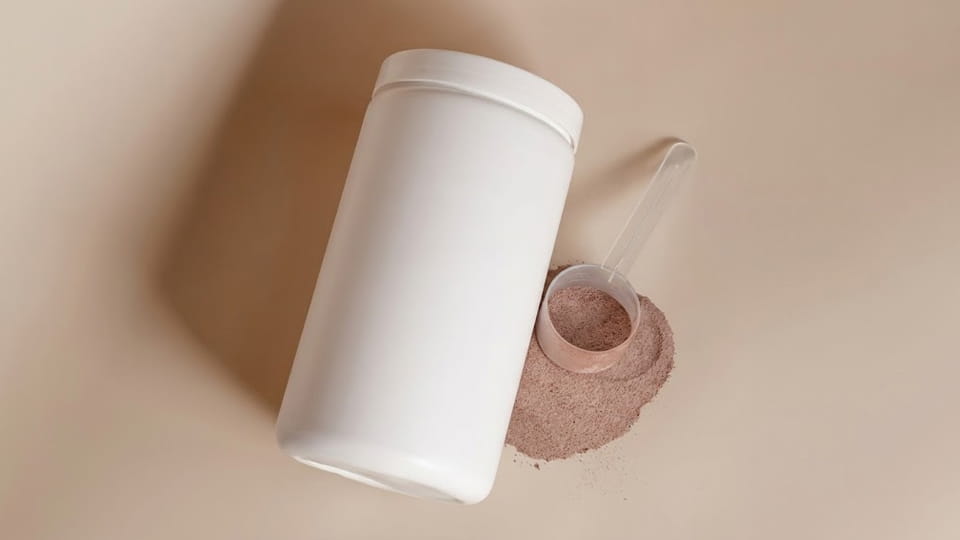
Em todos os casos, as peças de contato com o material geralmente são 316L aço inoxidável, e a mudança foi projetada para ser rápida (diferentes larguras de pacote ou tamanhos de contêiner). Ao configurar sua linha, considere que os pós têm fluxo diferente dos comprimidos: você pode precisar de agitadores, dispersores ou até mesmo uma transferência a vácuo para garantir que cada sachê ou frasco receba uma dose completa de fibra.
A fibra também entra cápsula ou comprimido forma (E.G.. cápsulas de casca de psyllium, cápsulas de metilcelulose). O processo aqui é semelhante a qualquer suplemento: depois de encher, os produtos são embalados para varejo.
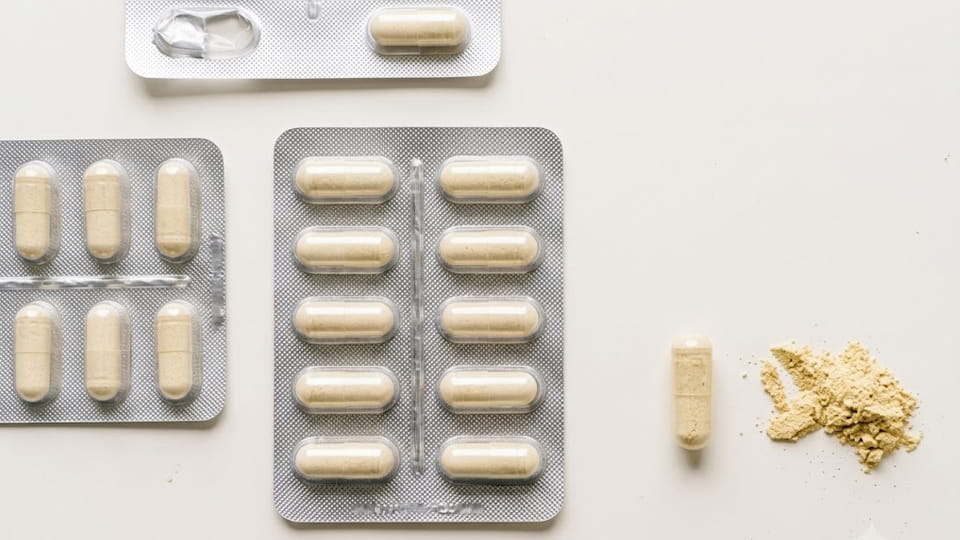
Independentemente da forma, rótulos são cruciais. A lei federal exige Fatos sobre suplementos, lista de ingredientes, instruções, e lote/vencimento no contêiner. Selos invioláveis (como selos de indução de folha sob a tampa) são padrão, e muitas marcas adicionam dessecantes no interior para proteger contra a umidade. Na prática, cada garrafa ou caixa incluirá um código de barras e um código de lote para rastreabilidade.
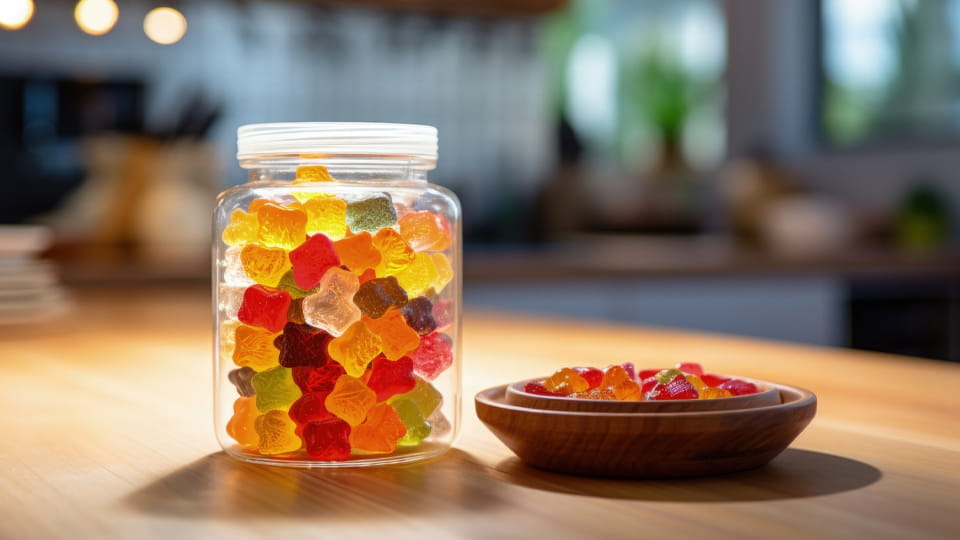
A fibra também pode ser entregue em gomas (pensar "vitaminas de goma de fibra”para crianças ou adultos). A produção é semelhante à de doces: uma gelatina- ou mistura de fibras à base de pectina é cozida, derramado em moldes, resfriado, então corte. Depois de formar, vitaminas de goma são manipuladas por equipamento de enchimento de confeitaria.
Para embalagem, gomas de fibra geralmente entram frascos ou embalagens blister com barreiras contra umidade. Máquinas de contagem automatizadas podem distribuir um número fixo de gomas em potes, ou máquinas de blister podem formar cavidades e selar cada pedaço de goma em cartões revestidos de papel alumínio. Embalagem adequada é fundamental, já que as gomas são úmidas – potes selados ou blisters de alta barreira protegem-nas da umidade. (Muitas gomas de vitamina C ou melatonina usam equipamentos semelhantes.) Em qualquer caso, a rotulagem e a codificação de lote aplicam-se da mesma forma que para pós e cápsulas.
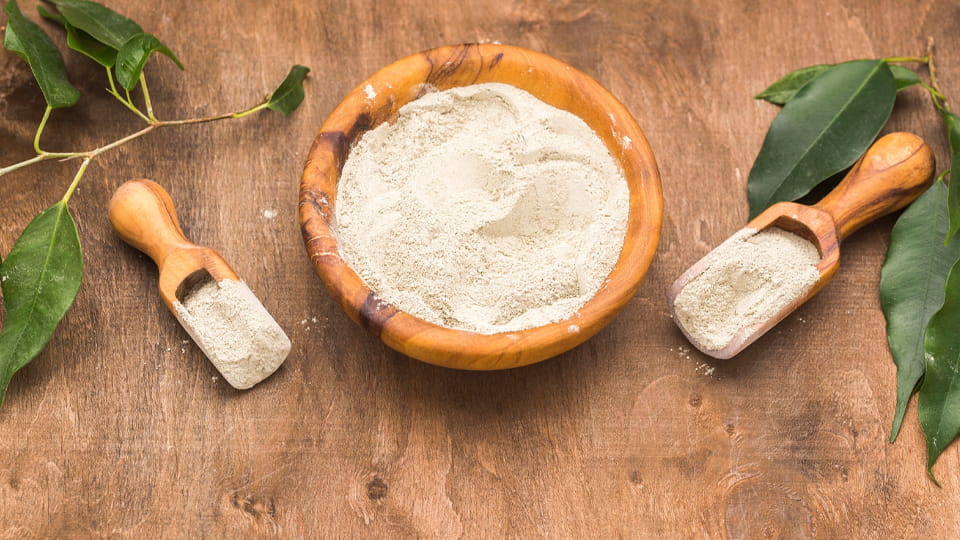
Suplementos de fibra geralmente misturam fibras vegetais para atingir metas funcionais e de dosagem. Psyllium lembre-se (solúvel, viscoso) é um campeão de vendas para alívio digestivo. Inulina (um prebiótico derivado da chicória) e metilcelulose são outras fibras solúveis comuns. Dextrina de trigo e goma acácia (goma arábica) adicione fibra solúvel com sabor suave. Glucomanano (raiz konjac) e beta-glucano (de aveia/cevada) são fibras solúveis de alta viscosidade. Fibras insolúveis como celulose ou dextrina resistente são por vezes adicionadas como enchimentos ou agentes de volume. Todos são à base de plantas e muitas vezes rotulados como suplementos de “saúde digestiva” ou “saúde intestinal”. Na prática, suplementos de fibra podem ser rotulados como “fibra prebiótica” para misturas de inulina/FOS, ou “suplemento de casca de psyllium” no frasco, destacando benefícios intestinais e de regularidade.
Nota do formulador: fibras diferentes se comportam de maneira diferente. As fibras solúveis podem aglomerar-se ou gelificar quando molhadas, então as fórmulas geralmente incluem agentes antiaglomerantes. Pós mais finos fluem melhor; granulação ou mistura melhora a uniformidade. Os fabricantes misturam fibra com agentes de volume ou aromatizantes (para sabor e mistura) em misturadores ou liquidificadores de fita para obter um pó consistente. Produtos de fibra de alta qualidade também atendem aos padrões cGMP; produtores realizam testes no local para umidade e pureza, e usar linhas de processamento de nível farmacêutico.
O processo de fabricação de suplementos de fibra segue práticas nutracêuticas padrão, mas deve levar em conta as propriedades únicas dos ingredientes de fibra. (E.G.. solubilidade gelatinosa, poeira).
Resumindo, o fluxo é: Matérias-primas → Pré-mistura → Mistura → Preenchimento de formulário (cápsula, sachê, garrafa) → Vedação/Tampa → Rotulagem → Embalagem Secundária (caixa).
Para construir uma linha de suplementos de fibra, você integrará vários equipamentos. Máquinas comuns incluem:
Na prática, uma linha de suplementos de fibra pode ser assim: os pós crus vão para um liquidificador → enchimento sem-fim → tampador de garrafas → rotulador → encartuchador. Ou, para pacotes de palitos: liquidificador → empacotador multi-pista → saída de bolsa. Como JinLuEmbalagem notas, linhas de suplementos costumam usar forma-preenchimento-selagem vertical (Vfs) máquinas para saquetas de pó e linhas de enchimento de garrafas para líquidos/comprimidos. Linhas de produção avançadas também incluem detecção de metais e inspeção visual para segurança.
Ponto-chave: Cada máquina deve lidar com as propriedades de fluxo da fibra. Muitos sistemas incluem vibração ou agitação em funis para manter as fibras pegajosas em movimento. Roscas helicoidais ou alimentadores volumétricos garantem a dose certa; balanças multicabeçais podem pesar misturas antes de enchê-las. Os materiais do equipamento são de aço inoxidável de qualidade alimentar, e limpeza no local (CIP) recursos ajudam a atender à higiene GMP.
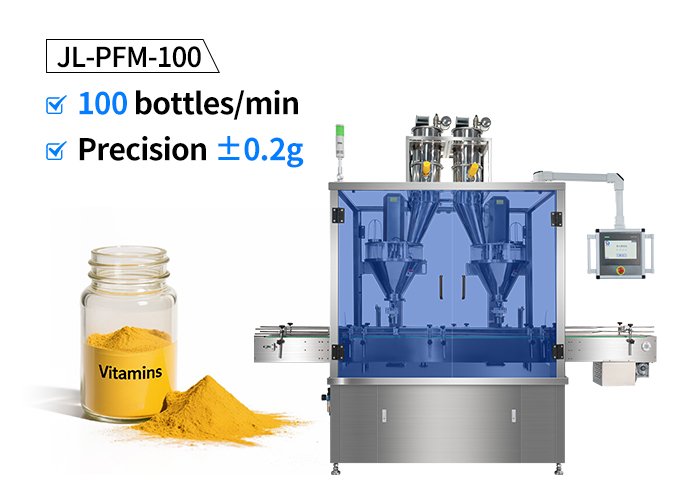
Suplementos de fibra são de alto valor, categoria em crescimento – mas exigem a abordagem correta de processamento e embalagem. De granulação de pós de psyllium e inulina para encher cápsulas ou pacotes de palitos, cada etapa requer equipamento especializado (misturadores, enchimentos, máquinas de cápsulas, empacotadores, etc.) e controles de qualidade rígidos. Linhas de embalagem automatizadas (enchedores de garrafas, máquinas de bolha, estações de rotulagem) garantir dosagem consistente e segurança para pós, comprimidos, cápsulas ou gomas.
Pronto para ampliar sua linha de suplementos de fibra? Uma solução de embalagem completa ajudará você a lançar no prazo e atender 2026 padrões de qualidade. Contate os especialistas da Jinlu Packing: oferecemos máquinas prontas para uso - desde misturadores de pó e enchedoras de rosca até máquinas stick-pack e blister - projetadas para suplementos dietéticos. Nossos equipamentos são construídos para Conformidade com BPF, alta precisão e trocas rápidas. Deixe-nos ajudá-lo a produzir suplementos de fibra (pós de fibra, cápsulas ou gomas) que permanecem frescos, seguro e dentro do orçamento. Obtenha hoje mesmo uma cotação ou mais informações sobre soluções de embalagens de suplementos de fibra.
A maioria dos suplementos de fibra é produzida com ingredientes de fibras naturais ou derivadas de plantas.. Matérias-primas comuns incluem casca de psyllium, inulina, dextrina de trigo, fibra de acácia, metilcelulose, e glucomanano. Dependendo do posicionamento do produto, os fabricantes podem usar uma única fonte de fibra ou combinar múltiplas fibras solúveis e insolúveis para criar uma fórmula balanceada para a saúde digestiva e intestinal. Os suplementos de fibra estão disponíveis em diversas formas, incluindo pós, cápsulas, gummies, comprimidos, e pacotes de palitos.
O processo de fabricação de suplementos de fibra normalmente inclui o fornecimento de ingredientes, mistura de fórmula, misturando, granulação (se necessário), enchimento ou compressão, embalagem, e testes de qualidade. Os produtos em pó são geralmente misturados antes de serem envasados em garrafas ou embalagens., enquanto as cápsulas são enchidas usando máquinas automáticas de enchimento de cápsulas. Gomas requerem cozimento, depositando, resfriamento, e embalagem.
Os formatos de embalagem de suplementos de fibra mais comuns incluem:
• Garrafas HDPE ou PET
• Pacotes de palitos
• Sachês
• Bolsas
• Blisters (principalmente para cápsulas)
• Frascos
A embalagem ideal depende da forma farmacêutica, posicionamento do produto, mercado-alvo, e canal de distribuição.
Para embalagens de fibra em pó, pacotes de palitos, saquetas, e garrafas são as opções mais populares.
Os pacotes stick são ideais para conveniência de dose única e viagens, enquanto as garrafas são comumente usadas para produtos domésticos maiores. Recomenda-se materiais de embalagem à prova de umidade para ajudar a manter a estabilidade do pó e a vida útil.
Muitos ingredientes de fibra alimentar são higroscópicos, o que significa que absorvem a umidade do ambiente circundante. O excesso de umidade pode causar aglomeração de pó, fluidez reduzida, e vida útil mais curta. Usando materiais de embalagem adequados, vedação adequada, e soluções de controle de umidade, como dessecantes, ajudam a manter a qualidade do produto durante o armazenamento e transporte.
Dependendo do formato do produto, os fabricantes geralmente usam:
• Máquinas de envase de pó
• Máquinas de enchimento de cápsulas
• Decodificadores de garrafas
• Máquinas tampadoras
• Máquinas de etiquetagem
• Máquinas de encartuchamento
• Máquinas de embalagem de palitos e sachês
A seleção de equipamentos compatíveis ajuda a melhorar a precisão do enchimento, eficiência de produção, e consistência da embalagem.
Ao selecionar uma solução de embalagem, os fabricantes devem considerar:
• Formato do produto (pó, cápsula, gomoso, ou tablet)
• Capacidade de produção
• Precisão de preenchimento
• Compatibilidade do material de embalagem
• Nível de automação
• Conformidade regulatória
• Futura expansão da produção
Uma linha de embalagens escalável pode reduzir os custos operacionais e, ao mesmo tempo, apoiar o crescimento do negócio a longo prazo.
Um fornecedor confiável de equipamentos deve fornecer:
• Experiência com embalagens de suplementos dietéticos
• Soluções de linha de produção personalizadas
• Desempenho estável da máquina
• Suporte técnico e treinamento
• Disponibilidade de peças de reposição
• Serviço pós-venda
• Conformidade com ambientes de produção orientados a GMP
A escolha de um fornecedor experiente pode ajudar a reduzir o tempo de inatividade e melhorar a eficiência geral da produção.
Sim. Muitas linhas de embalagem modernas são modulares e podem ser configuradas para embalar diferentes formatos de produtos, como fibra em pó, cápsulas, comprimidos, ou gomas. Com peças de troca apropriadas e ajustes de máquina, os fabricantes podem melhorar a utilização dos equipamentos e, ao mesmo tempo, reduzir o investimento em múltiplas linhas de produção dedicadas.
Suplementos de fibra solúvel, como casca de psyllium e inulina, dissolvem-se em água e são amplamente utilizados para apoiar a saúde digestiva, microbiota intestinal, e controle do colesterol.
Suplementos de fibra insolúvel adicionam principalmente volume às fezes e ajudam a manter a evacuação regular. Muitos produtos modernos combinam os dois tipos de fibra para proporcionar benefícios mais amplos à saúde.
Referências:
1.Perguntas e respostas sobre suplementos dietéticos -- NÓS. Food and Drug Administration
2.Documentos de orientação sobre suplementos dietéticos & Informações Regulatórias -- NÓS. Food and Drug Administration
3.Os benefícios para a saúde das fibras alimentares variam —— Institutos Nacionais de Saúde
4.Suplementos de fibra e benefícios para a saúde clinicamente comprovados: Como reconhecer e recomendar uma terapia com fibras eficaz —— Biblioteca Nacional de Medicina
5.Inulina e oligofrutose como fibra alimentar: uma revisão das evidências —— Biblioteca Nacional de Medicina
6.Como escolho o melhor suplemento de fibra? —— Clínica Cleveland
7.Tipos de fibra: Fibra Solúvel e Insolúvel —— WebMD