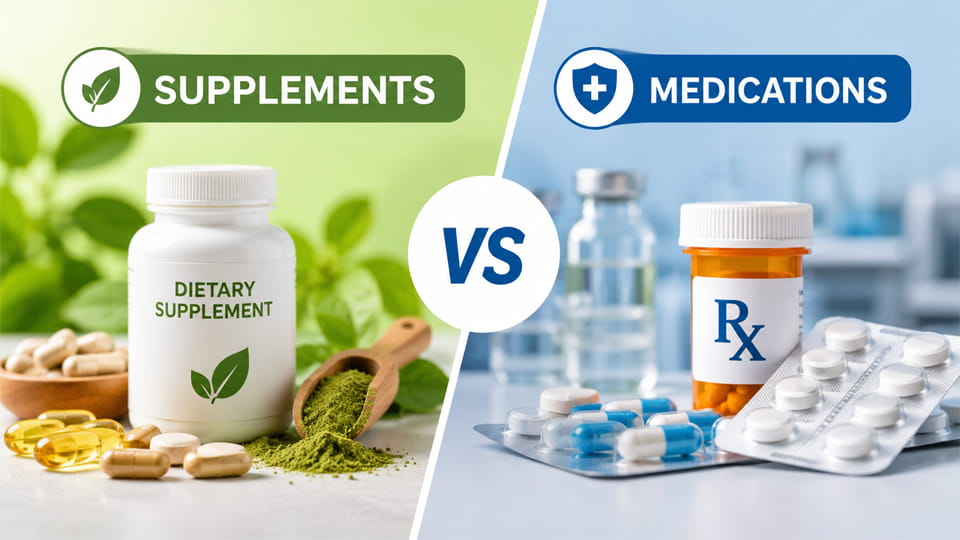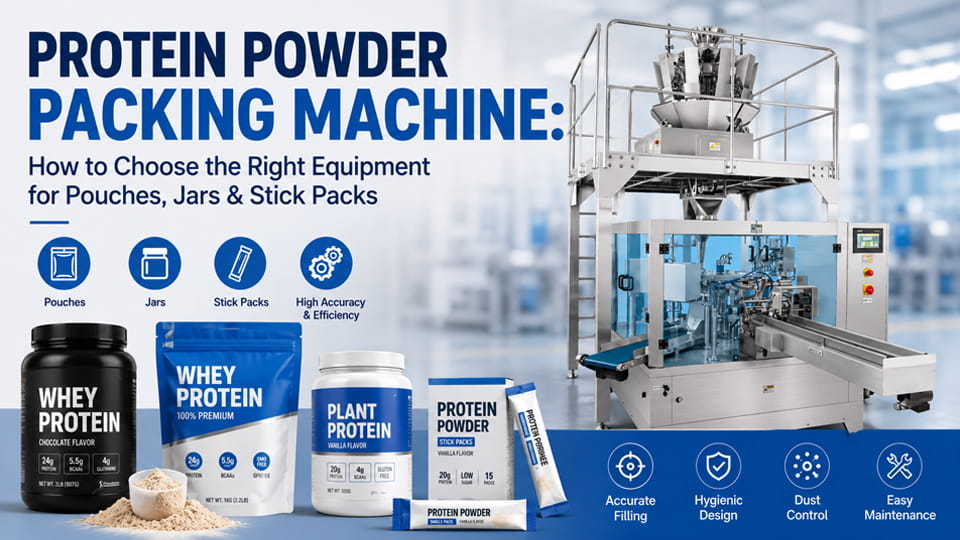

A demanda global por Suplemento de ervas produtos continua a crescer à medida que mais consumidores procuram formas naturais de apoiar a sua saúde e bem-estar. De cápsulas e comprimidos a pós e gomas, suplementos de ervas agora são encontrados em farmácias, supermercados, e lojas online em todo o mundo. À medida que o mercado se expande, os fabricantes enfrentam expectativas crescentes de qualidade consistente, produção eficiente, e embalagens confiáveis que protegem ingredientes botânicos sensíveis. Boas práticas de fabricação e controles de embalagem adequados também são essenciais para garantir a qualidade e a conformidade do produto durante todo o processo de produção..
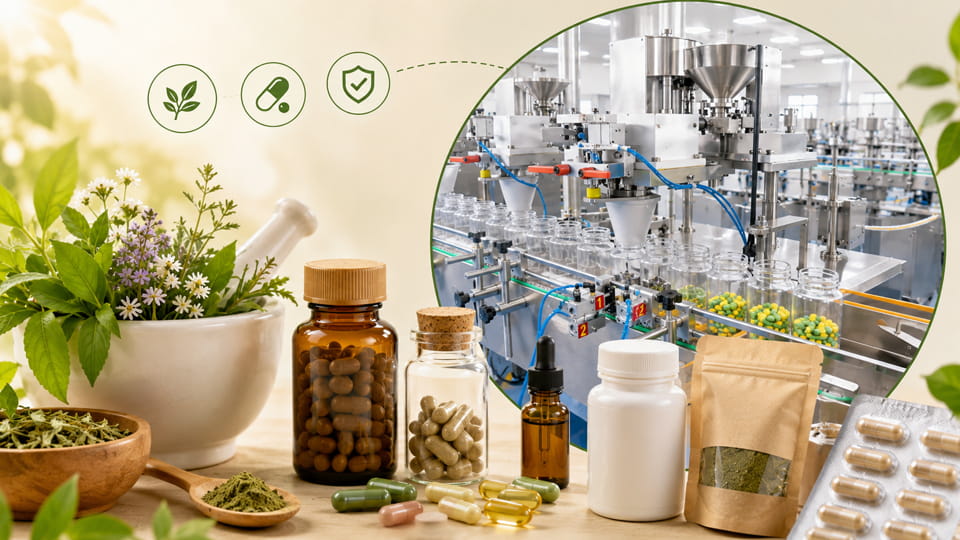
Esteja você planejando uma nova linha de produção de suplementos fitoterápicos ou atualizando equipamentos existentes, compreender o processo de fabricação é o primeiro passo para tomar melhores decisões. Neste guia, veremos os tipos mais comuns de suplementos de ervas, como eles são produzidos, o equipamento envolvido, e as soluções de embalagem que ajudam os fabricantes a melhorar a eficiência, qualidade do produto, e prazo de validade.
Suplementos de ervas (também chamado suplementos botânicos) são uma categoria de suplementos dietéticos feito de materiais vegetais (raízes, folhas, flores, sementes, ou extratos) destinado a apoiar a saúde. Ao contrário das vitaminas sintéticas, suplementos de ervas são derivados de fontes naturais. Eles muitas vezes aproveitam medicamentos fitoterápicos tradicionais (E.G.. ruivo, ginkgo, equinácea) e incluem extratos concentrados ou pós. Em termos regulatórios, suplementos de ervas são classificados como suplementos dietéticos, não drogas. Sob os EUA. lei, eles devem conter os ingredientes rotulados e evitar contaminantes (pesticidas, metais pesados). As formas típicas incluem cápsulas, comprimidos, cápsulas moles, pós, líquidos (tinturas), chás e gomas.
Os suplementos de ervas visam “suplementar a dieta” com nutrientes ou ativos vegetais, frequentemente para suporte imunológico, digestão, alívio do estresse, ou energia. Por exemplo, ingredientes como sabugueiro, equinácea e vitamina C são populares para imunidade, enquanto ashwagandha e chá verde são usados para alívio do estresse e metabolismo. Os consumidores preferem cada vez mais suplementos de ervas pela sua origem natural e rótulos limpos. O mercado global de suplementos fitoterápicos estava em torno de $45.9 bilhão em 2025 e está projetado para crescer cerca de 8% ao ano através 2034, impulsionado pela demanda por cuidados de saúde preventivos baseados em plantas.

Suplementos de ervas são feitos em muitas formas farmacêuticas. Cada formulário tem vantagens, então os fabricantes escolhem com base no produto e no mercado. Os formatos comuns incluem:


Suplementos de ervas vêm em muitas formas: cápsulas duras, cápsulas moles, comprimidos e pós usam ingredientes botânicos. A escolha da forma certa depende do extrato de ervas, necessidades de dosagem, e preferências do consumidor.
| Formulário de Suplemento | Ingredientes fitoterápicos típicos | Principais vantagens | Embalagem Comum | Equipamento de fabricação recomendado |
|---|---|---|---|---|
| Cápsulas | Ashwagandha, Cúrcuma, Ginseng | Fácil de engolir, dosagem precisa, protege pós sensíveis | Garrafas, Blister pacotes | Máquina de enchimento de cápsulas, Linha de enchimento de garrafas, Máquina de embalagem de bolha |
| Comprimidos | Espirulina, Alho, Cardo Mariano | Econômico, longa vida útil, adequado para produção de alto volume | Garrafas, Blister pacotes | Máquina de prensagem de comprimidos, Máquina de revestimento para tablets, Linha de embalagem de garrafas |
| Pós | Matchá, Moringa, Grama de trigo | Tamanhos de porção flexíveis, ideal para misturas de bebidas e misturas de proteínas | Bolsas stand-up, pacotes de palitos, frascos | Misturador de pó, Máquina de enchimento sem-fim, Máquina de embalagem de bolsas pré-fabricadas |
| Cápsulas gelatinosas | Óleo de alho, Óleo de Linhaça, Óleo de prímula | Adequado para extratos à base de óleo, fácil de consumir | Garrafas, Blister pacotes | Linha de produção de cápsulas moles, Máquina de engarrafamento |
| Gomas | Sabugueiro, Vinagre de maçã, Cúrcuma | Sabor agradável, popular entre crianças e adultos | Garrafas, bolsas | Máquina de contagem de gomas, Linha de enchimento de garrafas, Máquina de embalagem de bolsas pré-fabricadas |
| Extratos Líquidos | Equinácea, Ginkgo biloba, Raiz de Valeriana | Absorção rápida, conveniente para dosagem personalizada | Garrafas de vidro, frascos conta-gotas | Máquina de enchimento de líquidos, Máquina tampadora, Máquina de etiquetagem |
| Saquinhos de chá de ervas | Camomila, Hortelã-pimenta, Hibisco | Método de consumo tradicional, preparação simples | Saquetas, caixas | Máquina de embalagem de saquinhos de chá, Máquina de encadernação |
Os fabricantes podem visar um formato específico para biodisponibilidade ou apelo ao consumidor. Por exemplo, suplementos fitoterápicos à base de cápsulas representam uma participação significativa no mercado (em volta 39%) porque protegem os ingredientes ativos e se dissolvem rapidamente no corpo. Pós (em potes ou pacotes de palitos) estão ganhando popularidade para misturas de proteínas ou superalimentos verdes, enquanto os comprimidos continuam sendo um alimento básico para vitaminas e extratos de ervas padrão. Em última análise, o equipamento de fabricação (preenchimentos de cápsula, Pressões de tablets, malotes, etc.) deve corresponder à forma escolhida e ao volume de produção.
Os fabricantes se concentram em ervas com forte demanda do consumidor e respaldo científico. Os principais vegetais em suplementos incluem:
A comparação abaixo fornece uma rápida visão geral de alguns dos suplementos fitoterápicos mais utilizados na indústria nutracêutica atual.:
| Suplemento de ervas | Finalidade Comum de Saúde* | Formas farmacêuticas comuns | Embalagem típica | Notas de Fabricação |
|---|---|---|---|---|
| Cúrcuma (Curcumina) | Suporte articular e inflamatório | Cápsulas, comprimidos, pó | Garrafas de PEAD, Blister pacotes, Bolsas de stand-up | Extrato de curcumina frequentemente padronizado com agentes de fluxo |
| Ashwagandha | Suporte para estresse e sono | Cápsulas, gummies, pó | Garrafas de plástico, pacotes de palitos | Comumente produzido como extrato de raiz padronizado |
| Ginseng | Energia e suporte cognitivo | Cápsulas, cápsulas moles, extratos líquidos | Garrafas âmbar, Blister pacotes | O controle de umidade é importante durante o enchimento |
| Equinácea | Apoio à saúde imunológica | Comprimidos, cápsulas, tinturas | Garrafas, frascos conta-gotas de vidro | Frequentemente fabricado como extrato seco ou extrato líquido |
| Cardo Mariano | Suporte à saúde do fígado | Cápsulas, cápsulas moles | Garrafas de PEAD, Blister pacotes | O conteúdo padronizado de silimarina é comumente necessário |
| Alho | Apoio à saúde cardíaca | Cápsulas gelatinosas, comprimidos | Blister pacotes, garrafas | O controle de odor e o revestimento são frequentemente considerados |
| Ruivo | Suporte digestivo | Cápsulas, pós, saquinhos de chá | Saquetas, bolsas, garrafas | A fluidez do pó afeta a precisão do enchimento |
| Ginkgo biloba | Suporte de memória e circulação | Comprimidos, cápsulas | Garrafas, Blister pacotes | Muitas vezes padronizado para conteúdo de flavonóides |
| Extrato de Chá Verde | Suporte antioxidante | Cápsulas, comprimidos | Garrafas, Blister pacotes | A proteção contra calor e umidade melhora a estabilidade |
| Sabugueiro | Suporte imunológico | Gomas, xaropes, cápsulas | Garrafas PET, garrafas de vidro | As gomas requerem equipamento dedicado de contagem e engarrafamento |
Tendências em 2025 destacar suplementos formulados para a saúde imunológica (sabugueiro, equinácea, zinco), saúde da mulher, e bem-estar cognitivo. Por exemplo, Os consumidores do Reino Unido estão usando cada vez mais açafrão, ashwagandha, moringa e sabugueiro para imunidade e estresse. A origem e a formulação dos ingredientes exigem controle de qualidade: cada erva deve ser testada quanto à potência ativa e ausência de contaminantes (pesticidas, metais pesados) de acordo com os padrões GMP.

A fabricação de suplementos fitoterápicos segue um processo de várias etapas, combinando técnicas farmacêuticas padrão com cuidados específicos para ingredientes botânicos. O fluxo geral é: obtenção de ervas cruas → limpeza → secagem/moagem → mistura → formação de dosagem (cápsulas/comprimidos) → embalagem. As etapas importantes incluem:
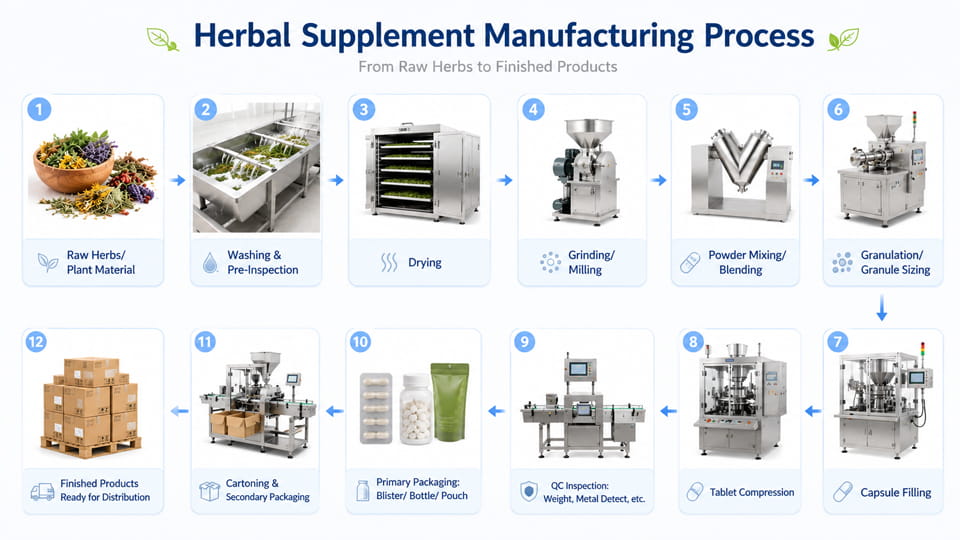
Durante toda a fabricação, condições (temperatura, umidade) são estreitamente controlados. Muitos vegetais são sensíveis à umidade, para que toda a linha possa funcionar em uma sala limpa com umidade controlada. Embalagem de alta barreira (bolhas de papel alumínio, HDPE com dessecante) é selecionado para preservar a vida útil.
A produção bem sucedida de suplementos depende de máquinas de processamento e embalagem. Aqui está uma visão geral dos principais equipamentos – especialmente aqueles oferecidos pela Jinlu – com suas funções:

Figura: Máquina de enchimento de cápsulas de alta velocidade da Jinlu (modelo NJP-1500D, 90K cps/h). Esses enchimentos automáticos orientam cápsulas vazias, medidor de pó de ervas, aperte o preenchimento, e monte cada cápsula cheia com precisão de ±3%.
 Figura: HZP-26D-40D ROTAR TABLET MACHINE. As prensas para comprimidos comprimem grânulos de ervas em comprimidos com peso e dureza exatos. As impressoras de Jinlu podem produzir 260,000 comprimidos/hora garantindo uniformidade.
Figura:Máquina de embalagem de bolsas pré-fabricadas. Essas máquinas (como a série GD de Jinlu) pode abrir automaticamente, preencher, e selar bolsas verticais ou com zíper com pós, grânulos ou comprimidos, alcançando pesos de preenchimento muito precisos.
Outros equipamentos essenciais incluem lavadoras de garrafas (para iniciar garrafas vazias), rotuladores, e detectores de metais. As máquinas da Jinlu são projetadas para atender às certificações globais (CE, cgmp, FDA) e pode ser personalizado (E.G.. com alimentadores a vácuo para pós difíceis, balanças combinadas para misturas).
Escolher a embalagem primária certa afeta a estabilidade, experiência do usuário, e conformidade. Abaixo comparamos formatos de embalagens comuns para suplementos:
| Formatar | Melhor para | Vantagens | Desafios/Considerações |
| Garrafas (PEAD, BICHO DE ESTIMAÇÃO) | Cápsulas, Comprimidos, Cápsulas gelatinosas, Gomas | Barreira forte contra umidade/oxigênio; fácil de etiquetar; fechos resistentes a crianças disponíveis; formato familiar | Volumoso para envio; muitas vezes opaco (menos reciclável); exigem tampas CR com materiais mistos |
| Blister pacotes (Alu/PVC) | Comprimidos, Cápsulas, Caplets | Proteção de dose unitária (cada comprimido selado); excelente barreira (frustrar); inviolável; dosagem conveniente | Mais caro por unidade; formas/tamanhos limitados; A reciclagem de folha/PVC é difícil |
| Pacotes de palitos | Pós (dose única), Chás | Dose portátil pré-medida; sobra mínima; perfil fino | Resíduos descartáveis; exigem laminados (reciclar desafios); pequeno volume por pacote |
| Saquetas | Grânulos, Comprimidos efervescentes, Pós | Pacotes de porção única, muitas vezes solúvel em água; baixo custo | Barreira de umidade limitada; propenso a perfurar; resíduos descartáveis |
| Bolsas Stand-up (resselável) | Pós, Grânulos, Gomas, Pacotes múltiplos | Leve, economia de espaço; laminados de alta barreira; zíperes reutilizáveis; formas personalizáveis | Muitas vezes transparente (risco leve); precisa de dessecante para conteúdo sensível à umidade; zíper aumenta custo |
| Frascos / Latas (Vidro/Alumínio) | Gomas, Pós, Produtos premium | Reciclagem superior (vidro/alumínio); alta barreira; reutilizável; aparência premium | Mais pesado (custo de envio); quebrável (vidro); não é resistente a crianças por padrão, a menos que sejam adicionados mecanismos de tampa |
| Caixas Secundárias | Cápsulas/comprimidos em frascos ou blisters | Permite embalagem a granel; adiciona barreira para vários produtos; fornece espaço para etiquetagem | Adiciona custo e material; barreira de papelão inferior ao plástico (pode precisar de forros para umidade) |
Para suplementos de ervas, controle de umidade e oxigênio são funções críticas de embalagem. Por exemplo, blister de alta barreira ou bolsas multicamadas podem proteger ervas higroscópicas. Resistente a crianças (CR) os fechamentos são frequentemente exigidos por lei (especialmente para vitaminas). Opções sustentáveis (Plásticos PCR, materiais recicláveis, bolsas compostáveis) são tendências crescentes, mas ainda deve atender aos requisitos de segurança e prazo de validade.
Máquinas de embalagem (enchedores de garrafas, linhas de bolhas, embaladores de bolsas) deve corresponder ao formato e saída escolhidos. Sistemas automatizados (como a embaladora de bolsas modelo GD da Jinlu ou as máquinas de blister da série PJ) lidar com altas velocidades com vedação consistente, que é essencial para a indústria farmacêutica Conformidade com BPF.
Mesmo com bons equipamentos, a produção de suplementos pode encontrar obstáculos. Aqui estão problemas e soluções frequentes:
Em todos os casos, manutenção preventiva e operadores experientes são fundamentais. Recuperação automatizada de erros (estações de rejeição, alarmes) ajuda a detectar problemas antecipadamente. Por exemplo, As máquinas da Jinlu apresentam “rejeição inteligente” para descartar bolsas mal preenchidas.
Selecionar equipamentos de embalagem é uma decisão estratégica. Fatores a serem considerados incluem:
Resumindo, escolha máquinas classificadas para a produção desejada e requisitos de conformidade. O equipamento certo garante preenchimentos/selos consistentes, maximiza o rendimento, e evita recalls dispendiosos.
A mudança global em direção à saúde natural fez dos suplementos fitoterápicos uma indústria importante, mas também exige uma fabricação rigorosa em nível farmacêutico. Desde testar cuidadosamente produtos botânicos brutos até o enchimento automatizado de cápsulas e embalagens à prova de violação, cada etapa deve ser otimizada para consistência, conformidade, e qualidade. Avanços em equipamentos (como enchimentos de cápsulas de alta velocidade, linhas de bolhas de precisão, e máquinas de bolsas flexíveis) permitir que as empresas nutracêuticas cresçam de forma eficiente, mantendo tolerâncias rígidas.
Resumindo, produção de suplementos de ervas é uma dança complexa de conhecimento botânico tradicional e engenharia moderna. Seguindo as diretrizes GMP, usando o maquinário certo, e ficar à frente das tendências (como embalagens sustentáveis e formulações personalizadas), os fabricantes podem fornecer segurança, produtos eficazes à base de plantas. Para empresas que desejam expandir ou atualizar suas linhas, Embalagem Jinlu oferece uma linha integrada de enchedores de cápsulas, Pressões de tablets, máquinas de bolha, embaladoras de bolsas e muito mais – todas construídas para produção nutracêutica. Contate-nos saiba como nossos equipamentos podem ajudar a levar seu suplemento de ervas do jardim de ervas para as prateleiras das lojas com qualidade e eficiência.
Um suplemento de ervas é um suplemento dietético feito de ervas, extratos botânicos, ou outros ingredientes derivados de plantas. Esses produtos estão comumente disponíveis em cápsulas, comprimidos, pós, gummies, chás, ou extratos líquidos e são projetados para complementar a dieta em vez de substituir os alimentos convencionais. Dependendo do mercado, suplementos de ervas são regulamentados como suplementos dietéticos e não como medicamentos farmacêuticos.
Nos EUA, suplementos dietéticos (incluindo ervas) se enquadram na lei DSHEA da FDA. Os fabricantes devem seguir as regras cGMP da FDA (21 CFR 111) para garantir a identidade, pureza, e para evitar contaminação. Isso significa testes completos de ervas cruas e verificações durante o processo. Na Europa e em outros lugares, bons padrões de fabricação semelhantes (EU GMP, Diretrizes da OMS) aplicar a nutracêuticos.
Eles vêm em muitas formas: cápsulas, comprimidos, pós, líquidos/tinturas, gummies, pacotes de palitos, chás, etc.. A escolha depende das propriedades botânicas e da preferência do consumidor. Por exemplo, pequenas ervas amargas podem ir em cápsulas, enquanto um chá relaxante é vendido em saquinhos de chá.
O processo de fabricação geralmente inclui várias etapas principais:
• Seleção de ervas cruas
• Limpeza e secagem
• Moagem ou fresagem
• Mistura de pó
• Granulação (se necessário)
• Enchimento de cápsula ou compressão de comprimido
• Inspeção de qualidade
• Embalagem primária
• Cartonagem e embalagem secundária
Os fabricantes modernos muitas vezes automatizam esses processos para melhorar a consistência, produtividade, e qualidade do produto.
No mínimo, fabricantes precisam de equipamento de mistura, um enchimento de cápsulas ou prensa de comprimidos (dependendo da dosagem), e uma linha de embalagens. As principais máquinas incluem: máquina de enchimento de cápsulas, prensa rotativa para comprimidos, máquina de embalagem de bolha, linha de contagem/enchimento de garrafas, máquina de embalagem de sachês/vara, e máquina de embalagem de bolsas. Por exemplo, A Jinlu Packing oferece enchedores de cápsulas e empacotadores de bolsas projetados especificamente para nutracêuticos.
A maioria dos fabricantes usa materiais de embalagem resistentes à umidade, como blisters, Garrafas HDPE com selos de indução, laminados de folha de alumínio, ou bolsas de alta barreira. Ambientes de produção controlados, dessecantes, sistemas de vedação adequados, e inspeções de qualidade de rotina também ajudam a proteger os suplementos de ervas durante o armazenamento e transporte.
A melhor embalagem depende do tipo de produto e da sua sensibilidade à umidade, oxigênio, e luz.
As opções de embalagem comuns incluem:
• Frascos para cápsulas e comprimidos
• Blister para proteção de dose unitária
• Bolsas stand-up para pós
• Pacotes e sachês para porções individuais
• Frascos de vidro para extratos líquidos
A escolha de embalagens de barreira apropriadas ajuda a manter a qualidade do produto e prolongar a vida útil.
Suplementos de ervas são classificados como suplementos dietéticos e podem ser vendidos sem receita médica, com foco no suporte nutricional. Medicamentos fitoterápicos (como medicamentos ayurvédicos ou tradicionais chineses) são frequentemente regulamentados como medicamentos ou produtos médicos, com alegações de tratamento de doenças. Suplementos podem promover o bem-estar geral (E.G.. “apoia a imunidade”) mas não pode pretender curar doenças.
Referências:
1.Documentos de orientação sobre suplementos dietéticos & Informações Regulatórias—— NÓS. Food and Drug Administration
2.Suplementos Dietéticos —— NÓS. Food and Drug Administration
3.Suplementos de ervas —— NÓS. Departamento de Agricultura
4.Desenvolvimento de suplementos dietéticos botânicos seguros e eficazes —— Biblioteca Nacional de Medicina
5.Garantia de qualidade e segurança de suplementos dietéticos à base de plantas —— Biblioteca Nacional de Medicina
6.Suplementos dietéticos e de ervas —— NCCIH