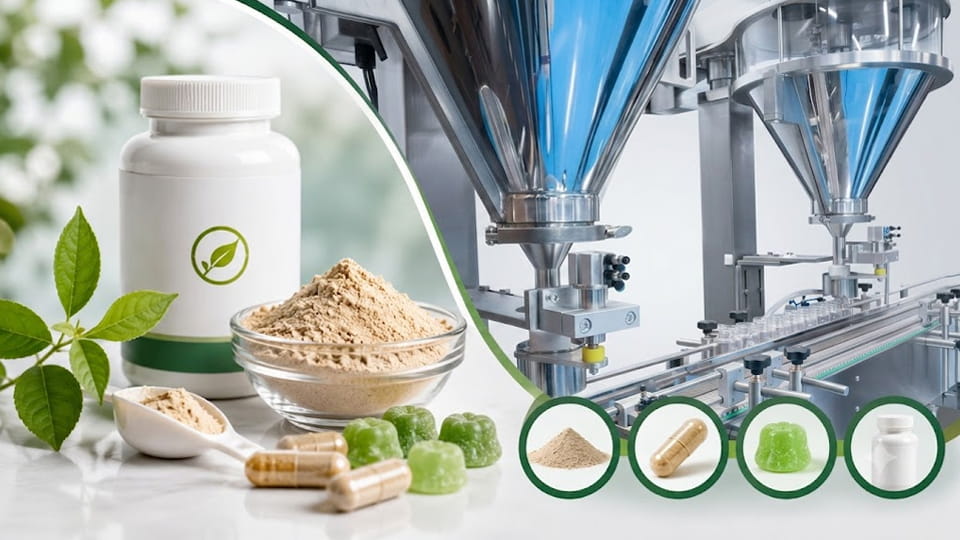

À primeira vista, suplementos dietéticos e medicamentos podem ser muito semelhantes. Ambos podem ser vendidos como comprimidos, cápsulas, pós, gummies, ou líquidos, e ambos costumam usar processos de fabricação e embalagem comparáveis. No entanto, as semelhanças terminam em grande parte aí.
Ao comparar suplementos dietéticos versus medicamentos, as maiores diferenças estão no uso pretendido, requisitos regulamentares, padrões de qualidade, e obrigações de conformidade. Suplementos dietéticos são projetados para complementar a dieta e apoiar a saúde geral, enquanto medicamentos destinam-se a diagnosticar, tratar, evitar, ou gerenciar doenças. Por causa desses propósitos diferentes, os fabricantes devem seguir regras diferentes para formulação, produção, validação, rotulagem, e embalagem.
Para fabricantes de suplementos e produtos farmacêuticos, compreender essas distinções é essencial ao selecionar equipamentos de produção, projetando linhas de embalagem, e garantindo a conformidade regulatória. Neste guia, exploraremos as principais diferenças entre suplementos dietéticos e medicamentos e o que eles significam para as operações modernas de fabricação e embalagem.
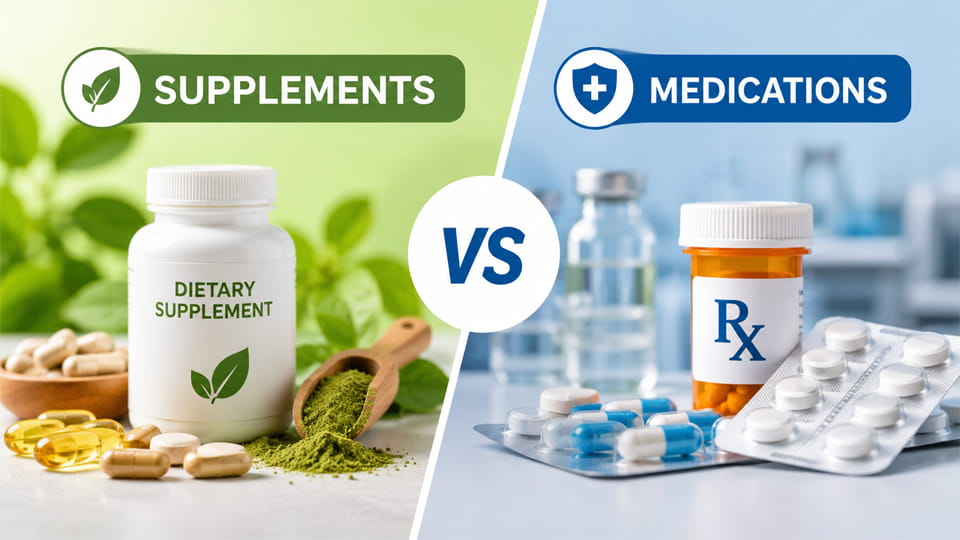
Suplementos dietéticos (também chamado nutracêuticos ou suplementos alimentares) são produtos tomados por via oral para agregar valor nutricional. Pela lei dos EUA (DSHEA 1994), um suplemento deve conter um ou mais “ingredientes dietéticos”, como vitaminas, minerais, ervas, aminoácidos ou outros vegetais, destinado a suplemento a dieta. Exemplos incluem comprimidos multivitamínicos, cápsulas de óleo de peixe, extratos de ervas, ou proteínas em pó. Na UE, O termo suplementos alimentares é usado: eles são “fontes concentradas de nutrientes ou outras substâncias” em forma de dose (cápsulas, pós, líquidos, etc.). Os suplementos podem fornecer nutrientes que faltam na dieta ou apoiar a saúde geral, mas eles são não autorizado a reivindicar tratamento ou prevenção de doenças. As etiquetas normalmente trazem um Fatos sobre suplementos painel e isenções de responsabilidade (E.G.. “não se destina a diagnosticar, tratar, cura, ou prevenir qualquer doença”). A legislação da UE harmoniza vitaminas/minerais permitidos em suplementos (Diretiva 2002/46/CE) e exige avaliação de risco de novos ingredientes pela EFSA.
Pontos-chave para suplementos: nenhuma prescrição necessária; regulamentados como alimentos; a rotulagem deve listar ingredientes e uso sugerido; os fabricantes devem seguir Regras dietéticas de cGMP da FDA (21 CFR111) para garantir a identidade, pureza, e força dos produtos. FDA faz não revisar os suplementos quanto à segurança ou eficácia antes da venda, então a responsabilidade é do criador (que deve notificar a FDA sobre quaisquer eventos adversos graves, Veja abaixo).
Medicamentos (drogas) incluem medicamentos prescritos e de venda livre (OTC) medicamentos usados para tratar, cura, mitigar ou prevenir doenças humanas. FDA define um medicamento como qualquer substância destinada ao uso em diagnóstico, cura, mitigação, tratamento, ou prevenção de doenças, ou para afetar a estrutura/função do corpo. Isso inclui produtos farmacêuticos de marca e genéricos, biológicos, e certos remédios OTC (analgésicos, antiácidos, xaropes para tosse, etc.). Em contraste, suplementos dietéticos excluem especificamente substâncias comercializadas para tratamento de doenças.
Os medicamentos devem atender a padrões regulatórios rígidos. Nos EUA, novos medicamentos exigem uma solicitação de novo medicamento (NDA) ou NDA abreviado (para genéricos), apoiado por dados de ensaios clínicos que demonstram segurança e eficácia. Centro de Avaliação e Pesquisa de Medicamentos da FDA (CDR) monitora cerca de 11.000 medicamentos comercializados, fazer cumprir Boas Práticas Atuais de Fabricação (cgmp) para produtos farmacêuticos (21 CFR210–211) para garantir qualidade consistente. Na UE, os medicamentos devem ser autorizados pela EMA ou agências nacionais, e os fabricantes devem cumprir as BPF da UE (conforme coordenado pela EMA) para garantir alta qualidade e conformidade com o dossiê aprovado. As embalagens de medicamentos normalmente exigem recursos como selos invioláveis, recipientes à prova de crianças (Lei de Prevenção de Venenos), rastreamento serializado (DSCSA, febre aftosa na UE), e rotulagem extensa (Códigos NDC, instruções, termo) que são mais rigorosos que suplementos.
Pontos-chave para medicamentos: Aprovação FDA/EMA necessária antes da comercialização; ensaios clínicos e dossiês técnicos; conformidade rigorosa com cGMP; rotulagem regulamentada (Fatos sobre drogas); e tanto Rx quanto muitos medicamentos OTC exigem controles robustos de segurança/qualidade.
A principal diferença é intenção. Os medicamentos destinam-se especificamente a diagnosticar, tratar, ou curar doenças. Os suplementos destinam-se a complementar a dieta. Por isso:
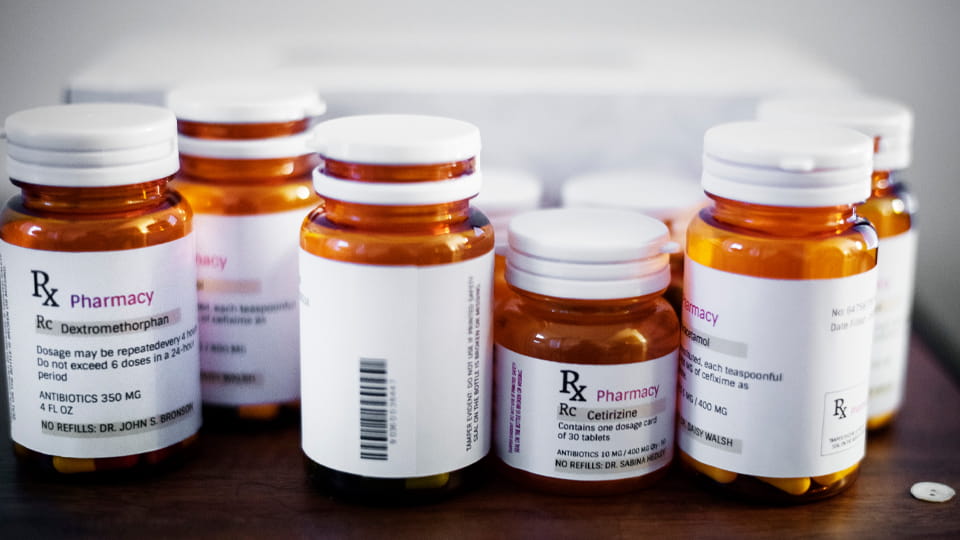
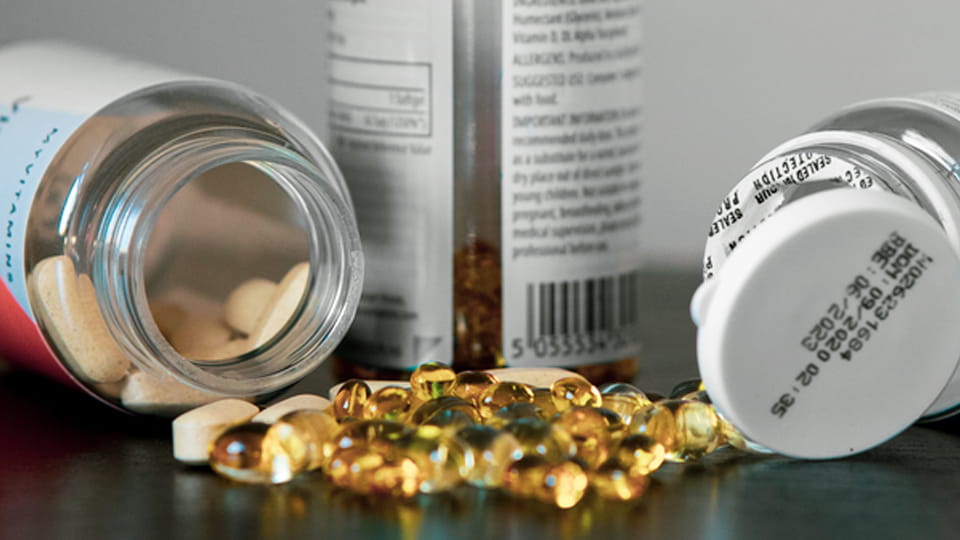
Muitas formas farmacêuticas se sobrepõem entre suplementos e medicamentos. Ambos podem ser:
Do ponto de vista do equipamento, as máquinas são muito parecidas. Compatível com GMP linha de contagem/enchimento que lida com frascos de vitaminas de 50 mL muitas vezes também pode encher frascos farmacêuticos de tamanho semelhante (talvez com pequenos ajustes). Linhas de blister para doses sólidas suportam qualquer comprimido. Prensas rotativas para comprimidos ou preenchimentos de cápsula no lado a montante produz o formas farmacêuticas; a jusante, as linhas divergem pouco até a rotulagem/inspeção. As principais diferenças nas máquinas vêm da escala de produção e das características regulatórias (E.G.. câmeras de inspeção mais sofisticadas em uma linha farmacêutica).
Ao escolher o equipamento, concentre-se no produto formatar, volume, e necessidades de conformidade:
Tabelas abaixo resumem as principais diferenças e sugerem equipamentos por tipo de produto.
| Atributo | Suplementos Dietéticos | Medicamentos (Drogas) |
| Definição/Uso | Nutrientes/ervas para complementar a dieta | Tratar/diagnosticar/prevenir doenças |
| Aprovação necessária | Sem pré-aprovação da FDA (DSHEA) | Aprovação FDA/EMA (NDA/VOCÊ/BLA) |
| Testes Clínicos | Não há ensaios clínicos obrigatórios | Ensaios rigorosos para segurança/eficácia |
| Regime BPF | BPF dietético (21 CFR111) | Farmacêutica GMP (21 CFR210–211, EU GMP) |
| Rotulagem | Fatos sobre suplementos; Isenção de responsabilidade “não para tratamento” | Fatos sobre drogas; inclui indicações, dosagem, efeitos colaterais |
| Reivindicações | Somente declarações de estrutura/função | Alegações terapêuticas específicas permitidas |
| Controle de Embalagem | Qualidade alimentar padrão; bonés infantis, se necessário | Fechamentos obrigatórios invioláveis/resistentes a crianças; serialização |
| Teste de qualidade | Teste em lote por fabricante (identidade, pureza) | Controle de qualidade abrangente (potência, dissolução, estabilidade) |
| Produtos de exemplo | Vitaminas, minerais, ervas, aminoácidos | Aspirina, antibióticos, hormônios, Analgésicos de venda livre |
| Formulário de Produto | Formatos de embalagem típicos | Maquinário Recomendado |
| Comprimidos | Garrafas (contar & cap); Cartões blister | Prensa para comprimidos; Revestidor; Máquina de contagem; Enchedor de garrafas & Captador; Máquina de blister; Cartonador |
| Cápsulas | Garrafas (com dessecante); Cartões blister | Máquina de enchimento de cápsulas; Máquina de contagem; Enchedor de garrafas & Captador; Máquina de blister; Cartonador |
| Pós/Grânulos | Sachês/Pacotes de Sticks; Bolsas Stand-up; Frascos (banheiras) | Misturadores/Granuladores; Sachê/Stick-Packer; Enchimento de bolsa pré-fabricada; Enchimento de frasco de pó; Selador; Cartonador |
| Líquidos | Garrafas (conta-gotas ou tampa); Ampolas | Linha de enchimento de líquidos; Máquina tampadora (resistente a crianças, se necessário); Rotulador; Cartonador |
| Gomas/mastigáveis | Blister pacotes; Garrafas | Depositante de goma; Máquina de embalagem em blister; Máquina de contagem; Enchedor de garrafas; Cartonador |
Cada célula lista linhas de suplementos e medicamentos: a mesma máquina muitas vezes pode lidar com ambos com pequenos ajustes. Por exemplo, Jinlu's Máquinas de embalagem de bolha pode embalar vitaminas, pílulas ou suplementos de goma, assim como fazem com comprimidos farmacêuticos.
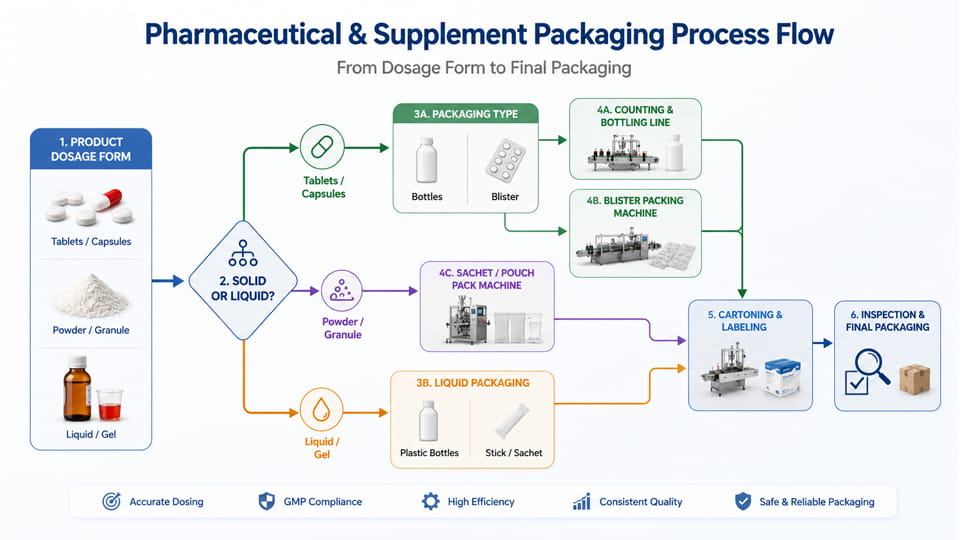
Diagrama da sereia: O fluxograma acima ilustra um processo de decisão simplificado. Comece com o formulário do produto (comprimido sólido, cápsula, pó, etc.), use o equipamento de produção apropriado (imprensa, enchimento, misturador), então escolha uma linha de embalagem. Garrafas, bolhas, saquetas, e as caixas são os pontos finais comuns.
Ambas as indústrias podem usar operações unitárias semelhantes (mistura de pós, granulação, compressão de comprimidos, recheio de cápsula). No entanto, certas etapas divergem:
Apesar dessas diferenças, A experiência da Jinlu em embalagens farmacêuticas significa que seu equipamento é adequado para suplementos com alterações mínimas. Por exemplo, nossa máquina de contagem de cápsulas lista “uso farmacêutico e médico, Contagem de comprimidos, cápsulas, pílulas, etc., 2-40milímetros, saída 100 garrafas/hora, precisão >99.98%”. Essa mesma máquina pode contar vitaminas gomosas ou suplementos para animais de estimação tão facilmente quanto pílulas.
Uma linha típica de frascos de comprimidos/cápsulas para suplementos pode incluir: decodificador de garrafas → contador de comprimidos/cápsulas → colocador/torque de tampa → selador de folha de indução → rotulador → codificador de jato de tinta → transportador. Para medicamentos, a linha pode ser muito semelhante, mas encerrada em uma capela de fluxo laminar (para ambientes estéreis/não contaminados) e incluirá um sistema de visão para verificar rótulos e evidências de violação. A linha de contagem da Jinlu pode ser integrada com equipamentos de nivelamento e etiquetagem para uma completa solução chave na mão.

Para produção farmacêutica de alta velocidade, uma máquina de bolhas (E.G.. JL DPP-270Max) forma e sela folhas de blister, que alimentam diretamente em uma cartonadora. O encartuchador pega cada blister e o insere em uma caixa de papelão impressa, então fecha e às vezes sela a caixa. Todo esse fluxo pode funcionar a vários milhares de unidades por hora. Os fabricantes de suplementos costumam usar linhas semelhantes para itens como comprimidos efervescentes ou vitaminas embaladas em blister.. O maquinário é basicamente o mesmo (Nossas máquinas de embalagem blister podem melhorar a produtividade na embalagem de comprimidos, cápsulas…), mas os recursos de sala limpa e inspeção podem ser dimensionados para atender às GMP.
[jl_youtube src=”https://www.youtube.com/embed/1Bb_J6rluac”]
Compreender as diferenças entre suplementos dietéticos e medicamentos é fundamental para planejadores de equipamentos e gerentes de produção na indústria de produtos para saúde. Enquanto a maquinaria de processamento ativa (Pressões de tablets, preenchimentos de cápsula, bolhas, contando linhas, etc.) é amplamente compartilhado, as demandas regulatórias diferem: suplementos se enquadram nas regras alimentares/dietéticas e dependem de segurança gerenciada pelo fabricante, Considerando que os medicamentos exigem processos validados e aprovações regulatórias. Ao selecionar equipamentos de embalagem, os compradores devem alinhar as máquinas à forma do produto e às necessidades regulatórias: garantir Conformidade com BPF, manuseio adequado de materiais, e quaisquer recursos especiais (resistente a crianças, inviolável, serialização) necessário para drogas. Um parceiro de equipamentos experiente pode personalizar soluções para cada caso.
Ao combinar cuidadosamente o tipo de produto com o equipamento – usando recursos como Embalagem JinluMáquinas de enchimento de cápsulas, Prensas para comprimidos, Embaladores de blister, Contando linhas, Enchedores de sachês/bolsas, e Cartonadoras – os fabricantes podem construir linhas eficientes que atendam tanto à demanda do mercado quanto aos padrões regulatórios. Esta sinergia entre o conhecimento do processo e o maquinário certo garante segurança, produção compatível, quer você esteja fabricando suplementos ou medicamentos.
Os suplementos dietéticos destinam-se a complementar a dieta e apoiar a saúde geral, enquanto os medicamentos são projetados para diagnosticar, tratar, evitar, ou gerenciar doenças. Por causa desses propósitos diferentes, medicamentos estão sujeitos a aprovação regulatória mais rigorosa, teste, e requisitos de conformidade do que suplementos.
Não. Na maioria das jurisdições, incluindo os Estados Unidos, suplementos dietéticos são regulamentados de forma diferente dos medicamentos. Os suplementos são geralmente classificados de acordo com regulamentos relacionados com alimentos, Considerando que os medicamentos são regulamentados como medicamentos e devem satisfazer requisitos específicos de segurança e eficácia antes de serem introduzidos no mercado.
Muitas vezes sim, com ajustes. Se uma linha for construída para cGMP (inoxidável, fácil de limpar, etc.), ele pode executar qualquer tipo de produto. Pode ser necessário alterar moldes ou configurações. O principal cuidado é regulatório: garantir que os suplementos sejam rotulados adequadamente, e se mudar para uma droga, validar quaisquer etapas de esterilização/limpeza. As máquinas da Jinlu são multifuncionais – por exemplo, diz-se que um enchimento de contagem é ideal para “quase todos os formatos de comprimidos e cápsulas”.
Geralmente, não – a Lei de Embalagens de Prevenção de Venenos (PPPA) abrange drogas e certas substâncias perigosas. Alguns suplementos (E.G.. pílulas de ferro, que pode ser tóxico para crianças) pode se enquadrar no PPPA. A maioria das vitaminas e pílulas de ervas não exigem legalmente tampas à prova de crianças, mas muitos fabricantes os utilizam como medida de segurança e marketing. É uma prática recomendada seguir as expectativas do consumidor.
Ambos têm GMP, mas GMP suplementar (21 CFR111) é um subconjunto de GMP farmacêutico (21 CFR210/211). Por exemplo, suplementos exigem testes de identidade de ingredientes e alguns testes de impureza, mas não exigem validação clínica de processos. No entanto, tudo GMP significa que você deve manter as coisas limpas, registrar dados de produção, e testar produtos para garantir as reivindicações do rótulo. Se a FDA inspecionar uma linha de suplementos, eles verificarão a limpeza adequada, procedimentos documentados, e resultados de testes exatamente como fariam em uma fábrica de medicamentos. Para produtos farmacêuticos, FDA espera camadas adicionais: métodos validados, estudos de estabilidade, controles ambientais mais rigorosos, etc..
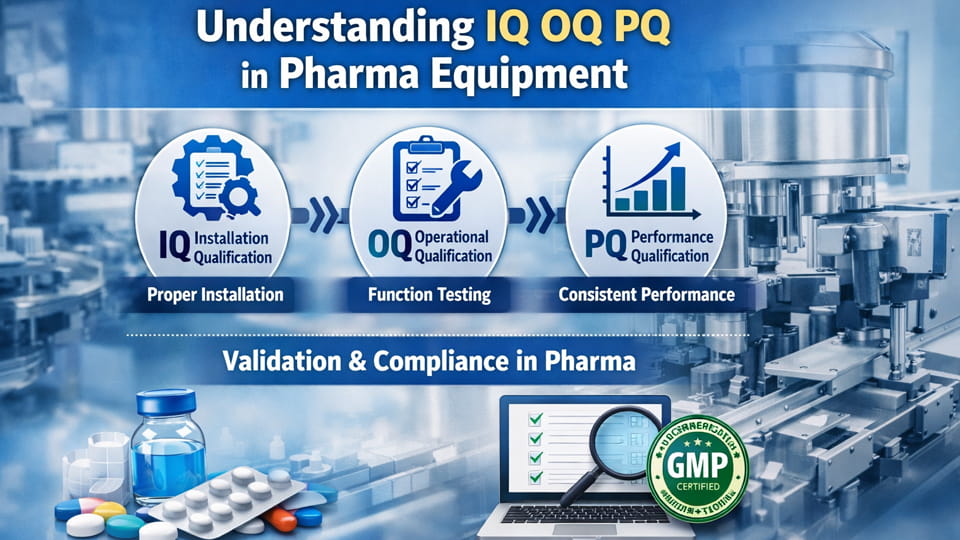
Ainda é importante. Embora as empresas de suplementos não apresentem um relatório à FDA, eles ainda devem provar que seu produto é o que dizem. Isto significa equipamento (como uma prensa de comprimidos ou máquina de blister) deveria ser qualificado (IR/WH/PQ) para garantir que produza consistentemente a forma farmacêutica correta. No mínimo, Os padrões da USP ou da empresa exigiriam testes de pesagem e conteúdo. Boas Práticas Modernas de Qualidade (MQP) em suplementos refletem cada vez mais a indústria farmacêutica, especialmente para mercados de exportação. Ascender, por exemplo, menciona conformidade com “cGMP, CE, FDA, e EMA” pelas suas máquinas de bolsas, indicando que eles projetam máquinas para atender a esses requisitos.
Os principais fatores incluem: velocidade da máquina versus volume esperado, flexibilidade (ele pode lidar com diferentes formatos de garrafas ou tipos de blisters?), facilidade de limpeza (peças inoxidáveis, CIP), e recursos de automação (como servocontroles, IHM, e inspeção). Considere também o serviço pós-venda e peças de reposição. Jinlu destaca entrega em 7 dias e garantia de 3 anos em suas máquinas, refletindo um forte suporte pós-venda. Os compradores também devem perguntar sobre integração (E.G.. a máquina de contagem pode sincronizar facilmente com uma encartuchadora existente?). Finalmente, conformidade: garantir que a máquina possa produzir embalagens de “qualidade farmacêutica”, se necessário, mesmo para suplementos. As linhas de embalagem da Jinlu passam pelos padrões CE e FDA, e eles enfatizam o uso de componentes de marca (como Omron, Siemens) para confiabilidade.
Referências:
1.Perguntas e respostas sobre suplementos dietéticos - NÓS. Food and Drug Administration
2.Boas Práticas Atuais de Fabricação (CGMPs) para alimentos e suplementos dietéticos - NÓS. Food and Drug Administration
3.Suplementos dietéticos e de ervas - NCCIH
4.Guia de conformidade para pequenas entidades: Boas Práticas Atuais de Fabricação na Fabricação, Embalagem, Rotulagem, ou Holding Operações para Suplementos Dietéticos – NÓS. Food and Drug Administration
5.Suplementos Dietéticos: O que você precisa saber - Institutos Nacionais de Saúde
6.Diretrizes de qualidade: fabricação - Agência Europeia de Medicamentos