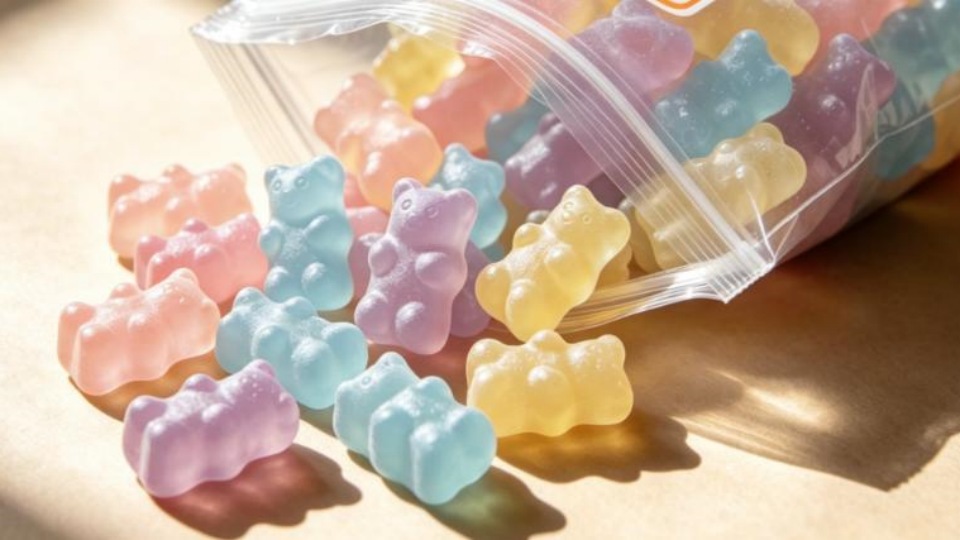

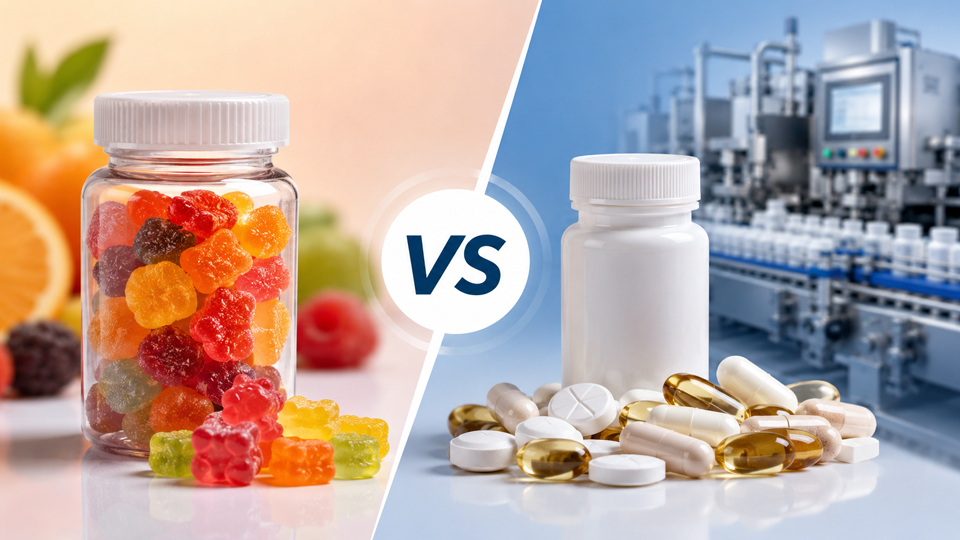
A ascensão dos suplementos de goma desafiou o modelo tradicional de comprimido/cápsula na indústria de vitaminas. As gomas são populares porque têm gosto de doce e são fáceis de engolir, mas muitas vezes contêm adição de açúcar e tendem a ser menos estáveis ao longo do tempo do que os comprimidos. Comprimidos e cápsulas, por contraste, pode fornecer doses mais altas de nutrientes com vida útil mais longa e precisão de dosagem exata. Este artigo compara Gomas de vitamina vs pílulas em termos de absorção, experiência do usuário, estabilidade, teor de açúcar, dosagem, e prazo de validade. Examinamos por que as gomas estão crescendo (especialmente entre crianças, idosos e o mercado em movimento), quando pílulas são preferidas (para altas doses e cumprimento estrito), e como os fabricantes empacotam cada formato. Destacamos também as funções de equipamentos como máquinas de contagem, enchimentos, tampadoras e rotuladoras em um linha de embalagem de suplementos, com exemplos de soluções da Jinlu Packing.
As gomas de vitaminas são balas de goma mastigáveis formuladas com vitaminas, minerais ou outros suplementos. Parecem doces com sabor de frutas (muitas vezes em formato de urso ou anel) e use uma gelatina, base de pectina ou amido para mastigabilidade. As gomas são projetadas para tornar o consumo de suplementos mais agradável. Por exemplo, um multivitamínico de goma pode conter vitaminas C, D ou B12, aromatizado e colorido para ter gosto de lanche.
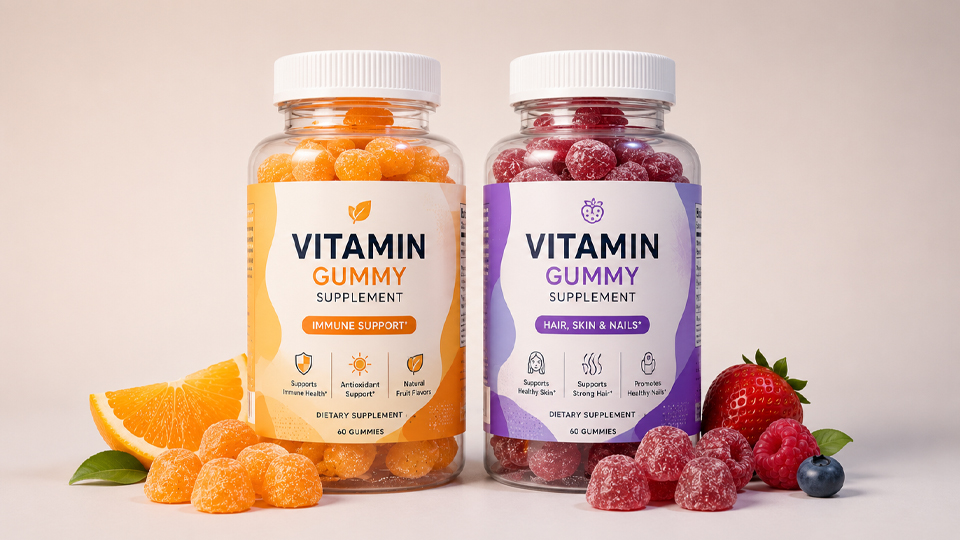
Figura: Suplementos vitamínicos de goma em forma de doce. As gomas atraem especialmente os consumidores que não gostam de engolir comprimidos. Como observa a UCLA Health, gomas “têm gosto de doce” e são mais fáceis para o estômago porque não têm o agentes de ligação encontrados em comprimidos. Os balcões de goma modernos podem até lidar com uma ampla variedade de tamanhos (E.G.. As máquinas da Jinlu processam gomas de 2 a 130 mm de comprimento). O resultado é um portátil, vitamina mastigável que parece uma delícia.
“Pílulas” incluem comprimidos, cápsulas e softgels – o familiar formatos sólidos para suplementos. Comprimidos são pós comprimidos ou grânulos (com ligantes) formado sob alta pressão. Uma prensa rotativa para comprimidos pode produzir dezenas de milhares de comprimidos por hora. Os tablets são versáteis: eles podem ser revestidos (E.G.. filme ou revestido de açúcar) para sabor ou liberação retardada, e pode ser moldado ou impresso. Cápsulas consiste em duas metades de casca (geralmente gelatina ou HPMC) que envolvem pós, grânulos ou mesmo líquidos. Cápsulas softgel são conchas de gelatina de peça única contendo vitaminas ou óleos líquidos (como óleo de peixe). Os comprimidos requerem deglutição, mas são altamente eficientes no fornecimento de nutrientes. Um tablet bem projetado terá peso estável, dureza adequada, aparência suave e qualidade consistente.
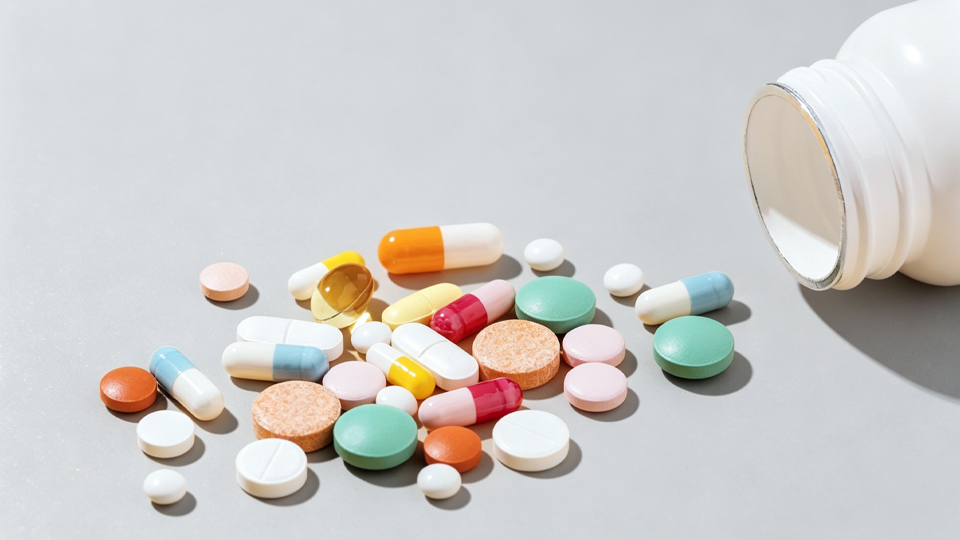
Figura: Pílulas de vitamina incluem comprimidos, cápsulas e softgels. Comprimidos e cápsulas geralmente têm concentrações mais altas de ingredientes ativos do que gomas. Porque os comprimidos/cápsulas são sólidos comprimidos ou encapsulados, eles geralmente permanecem potentes por anos se bem armazenados. Por exemplo, uma linha de comprimidos de estilo farmacêutico pode incluir mistura, granulação, compressão (prensa para comprimidos) e revestimento opcional, seguido de contagem e engarrafamento. As modernas máquinas de enchimento de cápsulas podem processar centenas de milhares de cápsulas por hora. Em suma, pílulas são de alto rendimento, forma de alta dose preferida pelos fabricantes a granel.
Estudos sobre biodisponibilidade mostram resultados mistos. Algumas pesquisas descobriram que a absorção de nutrientes pode ser semelhante (ou até mais alto) em gomas vs pílulas. Por exemplo, um 2019 estudar em Nutrientes relataram que gomas de vitamina D alcançaram biodisponibilidade ligeiramente melhor do que comprimidos. Da mesma maneira, Notas de saúde da UCLA: “pesquisas mostram que seu corpo pode absorver nutrientes em vitaminas de goma tão facilmente quanto aqueles em vitaminas tradicionais”. Isso ocorre em parte porque as gomas de mascar misturam as vitaminas com a saliva, iniciando a absorção precocemente. No entanto, nem todos os nutrientes têm o mesmo desempenho nas gomas; vitaminas e minerais solúveis em água podem degradar-se ou infiltrar-se na matriz gomosa.
Na prática, gomas geralmente têm dosagens mais baixas no rótulo. A Cleveland Clinic observa que “as vitaminas de goma, na verdade, têm menos vitaminas e minerais do que as vitaminas normais” e os fabricantes podem “embalá-las com mais do que o rótulo diz” para compensar as perdas ao longo do tempo.. Resumidamente, enquanto uma goma bem formulada pode fornecer nutrientes de forma eficaz, pílulas geralmente garantem uma dose precisa. Mesa:
| Aspecto | Gomas | Comprimidos (Comprimidos/cápsulas) |
| Conteúdo de nutrientes | Normalmente menor por unidade; muitas vezes adicionado extra para compensar a degradação | Alta carga de nutrientes; potência mais previsível |
| Absorção | Comparável para muitas vitaminas; começa durante a mastigação | Após dissolução no estômago/intestino; eficiente para a maioria dos suplementos |
| Limites de Formulação | Pode faltar certas vitaminas (ferro, B12) devido ao sabor/estabilidade | Pode incluir uma ampla gama (até mesmo ativos sensíveis); revestimentos mascaram sabor |
| Tablet vs Goma | Mastigável, pode pular a necessidade de água; melhor para engolidores exigentes | Engolido inteiro; mais fácil para doses muito altas ou graus farmacêuticos |
O sabor é onde as gomas brilham. Eles vêm em sabores frutados e texturas em borracha que parecem doces. Este doce, experiência agradável incentiva a conformidade, especialmente em crianças e idosos. Como observa VitaMedica, gomas resolvem problemas de ingestão de comprimidos: “Se você já lutou com suplementos tradicionais, gomas mastigáveis podem ser fáceis, alternativa conveniente”. Em contraste, os comprimidos geralmente têm um sabor desagradável ou textura calcária (a menos que revestido), e as cápsulas podem ser grandes ou difíceis de engolir.
No entanto, o sabor doce tem uma desvantagem: açúcar e aditivos. A maioria das gomas usa açúcar, suco de frutas ou adoçantes para mascarar o amargor. A UCLA Health relata que a maioria dos suplementos de goma tem 2–8 gramas de açúcar por porção, que pode somar (a AHA recomenda <25g diariamente para mulheres). Versões sem açúcar usam álcoois de açúcar (sorbitol, xilitol) ou adoçantes intensos, mas podem causar problemas digestivos em pessoas sensíveis. As pílulas geralmente não contêm adoçantes (apenas excipientes e agentes ligantes).
Resumindo, gomas oferecem um palatável experiência do usuário: fácil, saboroso, e divertido. Os comprimidos priorizam a função: ingestão eficiente de altas doses. Para muitos, a escolha se resume à preferência e estilo de vida.
Estabilidade é uma distinção importante. Formatos mastigáveis (gomas ou mastigáveis) são propenso à absorção de umidade. Healthline e Medical News Today observam que gomas degradam mais rápido do que comprimidos. O teor de água/umidade nas gomas causa vitaminas (especialmente C, B's) quebrar ou perder potência ao longo de meses. Os fabricantes neutralizam isso “fortificando demais” as gomas, mas a potência ainda pode cair abaixo das reivindicações do rótulo ao longo do tempo. Em contraste, comprimidos (seco, comprimido) reter a potência por vários anos se armazenado adequadamente.
A embalagem ajuda a prolongar a vida útil. Garrafas de goma geralmente exigem dessecantes e vedações herméticas para mitigar a umidade. Em comparação, os comprimidos são frequentemente embalados em blisters simples ou frascos com muito menos problemas de umidade.
As gomas quase sempre contêm agentes adoçantes. Como observado acima, açúcar adicionado é uma preocupação. Além de problemas dentários/de saúde, adoçantes (até sucos concentrados “naturais”) valor nutricional diluído por goma. Cores e sabores artificiais também são comuns em gomas para torná-las atraentes. Pessoas com restrições alimentares (diabetes, fenilcetonúria) ou aqueles que evitam ingredientes artificiais podem achar as gomas problemáticas.
Em contraste, comprimidos/cápsulas usam excipientes (enchimentos, ligantes) que são tipicamente insípidos e inertes. Muitas pílulas não contêm açúcar (revestido ou não revestido). Existem opções de goma sem açúcar, mas estes geralmente usam sorbitol ou xilitol, que podem causar gases ou efeitos laxantes.
Porque as gomas parecem doces, os consumidores às vezes levam extra. O risco de overdose é real: nutrientes como vitaminas A, D, E, K ou minerais como o ferro têm limites superiores. UCLA alerta, “É tentador tomar mais do que a dose recomendada… Muito ferro e zinco podem causar dor de estômago, vômito ou pior”. As gomas também podem ter potência variável: um estudo observou que dosagens individuais de goma podem variar, apesar da rotulagem.
Comprimidos e cápsulas vêm com dosagens padronizadas por unidade. Um gole fornece exatamente os miligramas pretendidos, e essa precisão é mais fácil de controlar na fabricação. Linhas de contagem automatizadas garantem exatamente, dizer, “100 comprimidos por frasco,”Enquanto as gomas podem grudar ou grudar, fazer da contagem um desafio. (No entanto, contadores de goma modernos alcançam >99.9% precisão da contagem, uma vez configurada corretamente.)
Como sugerido acima, a vida útil difere muito. Comprimidos/cápsulas normalmente têm vida útil de 2 a 3 anos, muitas vezes expirando muito depois da produção. Gomas, com sua umidade e açúcar, muitas vezes duram apenas 1–2 anos nas melhores condições. Pontos-chave:
Isso significa que varejistas e consumidores devem fazer uma rotação mais rápida do estoque de gomas. Para fabricantes, implica ciclos mais rápidos de produção até o mercado e embalagens robustas (Veja abaixo) para preservar a qualidade.
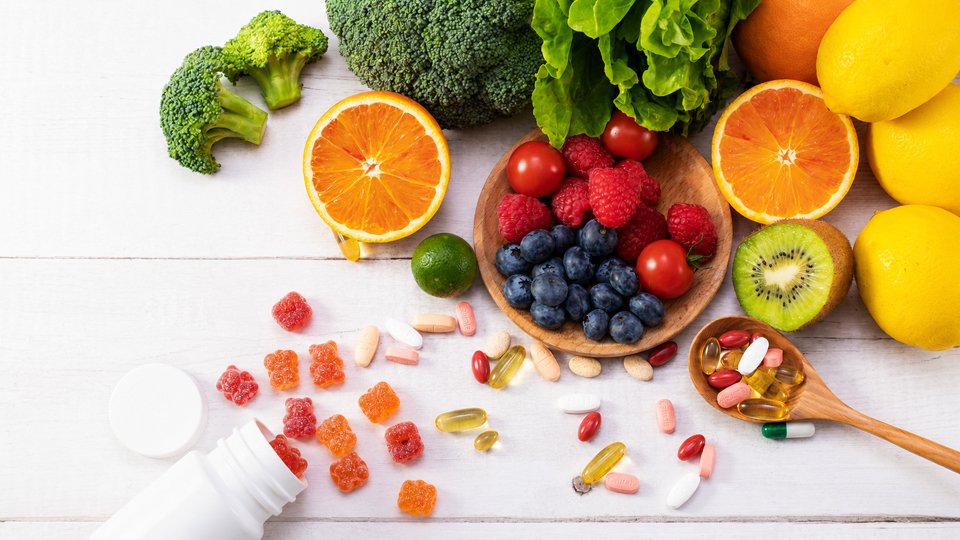
A ascensão das gomas é impulsionada pela mudança nas preferências dos consumidores. Um fenômeno conhecido como “fadiga da pílula” está levando as pessoas a exigirem formatos mais agradáveis. Como observa Glanbia, muitos consumidores agora consideram as pílulas pouco inspiradoras, dirigindo “novo, formatos de suplementos agradáveis que atendem à conveniência, gosto, e personalização”. As tendências do mercado ilustram isso:
Resumidamente, demanda do consumidor por algo agradável, suplementos com sabor é alto. O mercado de suplementos está respondendo: gomas multivitamínicas cresceram para uma categoria multibilionária, e os relatórios da indústria prevêem um crescimento elevado e contínuo (E.G.. Glanbia prevê que o mercado global de suplementos de goma quase triplique em 2034). As gomas mudaram de nicho para mainstream, alimentado por esta tendência de fadiga dos comprimidos e amplo apelo demográfico.

Vitaminas de goma podem ser eficazes se formulado e consumido adequadamente, mas eles têm limitações. Principais considerações:
Na prática, vitaminas de goma funcionam, especialmente para preencher pequenas lacunas nutricionais. Basta ter em mente: eles podem não substituir totalmente os comprimidos de maior potência, e devem complementar uma dieta equilibrada. Sempre armazene-os conforme as instruções (legal, seco) e preste atenção ao teor de açúcar ao planejar sua ingestão diária.
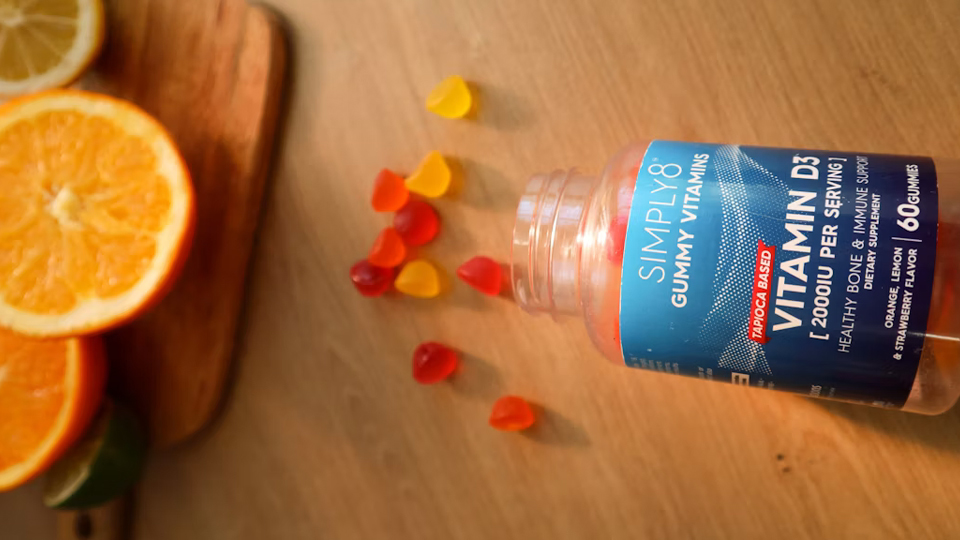
Resumidamente, gomas são adequadas para quem precisa de um suplemento saboroso. Devem ser escolhidos quando a conveniência e a conformidade superam a necessidade de doses muito elevadas.
Do ponto de vista da produção, gomas e pílulas apresentam desafios diferentes:
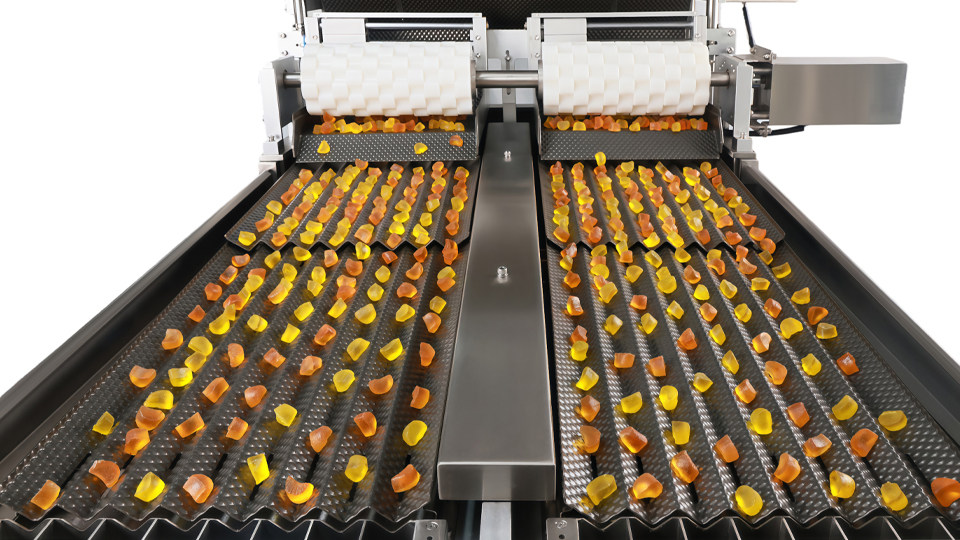
Figura: Uma máquina de contagem de gomas separa e conta peças em rolos vibratórios (imagem: Embalagem Jinlu). Integração é fundamental. Notas originais de Jinlu, contadores de goma modernos são “pronto para integração” – eles se conectam com decodificadores de garrafas a montante e tampadores a jusante, selantes por indução, e rotuladores. Na prática, uma linha de embalagem de gomas totalmente automatizada move as garrafas da separação para o enchimento (contando) para dosar (dessecante) para tampar e rotular sem intervenção manual. Para pílulas, existem linhas análogas: um balcão de comprimidos enche garrafas, então um capsulador aperta as tampas, seladores de folha podem aplicar selos, e a rotulagem finaliza o processo.
Equipamento Relevante (Exemplos de Jinlu):
Cada equipamento pode ser vinculado no site da Jinlu para mais informações. Essas ferramentas ajudam os fabricantes a escalar a produção de qualquer formato.
Não existe um formato de vitamina “melhor” que sirva para todos. Gomas ganhe no sabor, conveniência e conformidade para muitos grupos demográficos, mas troque potência e estabilidade de prateleira. Comprimidos fornecer o máximo de nutrientes, vida útil mais longa e precisão de dosagem, mas pode ser mais difícil de engolir e menos divertido. Os fabricantes devem considerar seus clientes-alvo: se gosto e conveniência são reis (E.G.. para gomas ou vitaminas infantis), o formato de goma faz sentido apesar dos desafios. Se for necessária alta dosagem ou regulamentação rigorosa, comprimidos/cápsulas continuam sendo os cavalos de batalha.
Equipamento de embalagem preenche a lacuna: contagem automatizada, linhas de enchimento e selagem garantem que qualquer formato possa ser produzido em escala. Alcance de Jinlu - de contadores de goma e linhas de frascos para prensas de comprimidos e máquinas de blister—ilustra como as modernas fábricas de suplementos podem se adaptar a qualquer um dos mercados. Ao compreender os prós e os contras de cada formato (Gomas de vitamina vs pílulas), os compradores da indústria podem escolher os produtos e equipamentos certos para as necessidades de seus clientes.
Gomas de vitaminas não são necessariamente melhores que pílulas, mas muitas vezes são mais fáceis e agradáveis de tomar. As gomas podem melhorar a adesão aos suplementos porque as pessoas são mais propensas a tomá-las de forma consistente. Comprimidos, por outro lado, geralmente oferecem melhor estabilidade de nutrientes, vida útil mais longa, e maior capacidade de dosagem.
Algumas vitaminas de goma podem se dissolver mais rapidamente e entrar no sistema digestivo mais rapidamente, especialmente certos nutrientes como vitamina D ou B12. No entanto, na maioria dos casos, a diferença geral de absorção entre gomas e comprimidos é relativamente pequena quando os produtos são fabricados corretamente.
As vitaminas de goma tornaram-se populares porque têm um sabor melhor, são mais fáceis de consumir, e reduzir a “fadiga dos comprimidos”. Muitos consumidores preferem gomas porque parecem mais um lanche do que um suplemento tradicional. As tendências de bem-estar nas redes sociais e os produtos de nutrição personalizados também aceleraram a demanda do mercado.
Sim. Vitaminas de goma de alta qualidade podem ser eficazes para adultos quando contêm a dosagem correta de nutrientes e são armazenadas adequadamente. Muitos adultos escolhem suplementos de goma por conveniência e melhor consistência diária.
A maioria das vitaminas de goma contém algum tipo de adoçante, como açúcar, xarope de glicose, ou concentrados naturais de frutas. No entanto, muitos fabricantes agora oferecem vitaminas de goma sem açúcar para atender à demanda dos consumidores com rótulos limpos e preocupados com a saúde.
Vitaminas de goma podem ter:
• Vida útil mais curta
• Menor estabilidade de nutrientes
• Capacidade limitada de formulação em altas doses
• Maior sensibilidade ao calor e à umidade
• Açúcar adicional ou ingredientes aromatizantes
Esses fatores podem criar desafios extras nos processos de fabricação e embalagem.
Pílulas de vitaminas costumam ser melhores para:
• Usuários de suplementos em altas doses
• Programas de nutrição profissional
• Aplicações de nutrição esportiva
• Consumidores preocupados com o açúcar
• Requisitos de armazenamento de longo prazo
Comprimidos e cápsulas também fornecem controle de dosagem mais preciso para fabricantes farmacêuticos.
Sim. A produção de suplementos de goma é geralmente mais complexa do que a fabricação tradicional de comprimidos. As gomas exigem controle rigoroso de umidade, gerenciamento de temperatura, sistemas de depósito precisos, túneis de resfriamento, e equipamento de embalagem especializado para evitar aderência ou deformação.
O equipamento comum de embalagem de vitaminas de goma inclui:
• Máquinas de contagem de gomas
• Linhas de enchimento de garrafas
• Insersores dessecantes
• Máquinas tampadoras
• Sistemas de rotulagem
• Máquinas de selagem por indução
A embalagem adequada é fundamental porque os produtos de goma são sensíveis à umidade e ao calor.
As gomas geralmente precisam de linhas especiais: uma máquina de contagem de goma (separando pedaços pegajosos) seguido de inserção dessecante, tampagem e rotulagem. Os comprimidos podem passar por contadores de comprimidos padrão e máquinas de engarrafamento ou blister com menos necessidade de controle de umidade. Jinlu oferece linhas integradas para ambos os tipos.
Referências:
1.As vitaminas de goma funcionam? Os benefícios e desvantagens —— Linha de saúde
2.As vitaminas de goma funcionam tão bem quanto as vitaminas tradicionais? —— Clínica Cleveland
3.Vitaminas de goma vs pílulas. Isso realmente importa? —— Reddit
4.Suplementos dietéticos: Valor duvidoso, perigos ocultos —— Publicação de Saúde de Harvard