A granulação é uma etapa fundamental fabricação de tablets que transforma pós finos em maiores, grânulos uniformes. Sem granulação, muitos pós (APIs e excipientes) têm baixa fluidez e compressibilidade, levando a problemas como segregação, enchimento irregular da matriz, e comprimidos fracos. Na prática, a maioria das formulações não pode ser comprimido diretamente porque os pós brutos tendem a ser muito finos e inconsistentes. Granulação (molhado ou seco) melhora o fluxo de pó, controle de poeira, mistura uniformidade e ligação, que por sua vez produz comprimidos de peso consistente, dureza e distribuição ativa. Embora a compressão direta seja mais simples (menos etapas, menor custo), exige propriedades excepcionais da matéria-prima. Este artigo explica por que a granulação geralmente é necessária antes da compressão, cobre os benefícios e compensações de granulação úmida vs seca, e oferece orientação prática sobre como selecionar o processo certo.
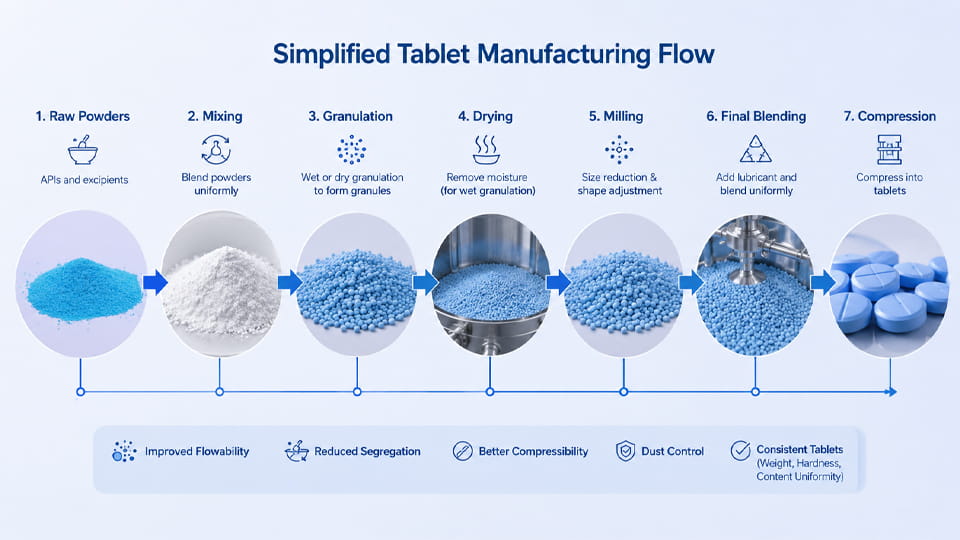
Figura: Fluxograma simplificado de fabricação de tablets. Pós crus + excipientes são misturados, granulado (molhado ou seco), seco (se molhado), fresado, misturado com lubrificante, então comprimido em comprimidos.
A granulação é engenharia de partículas processo que “transforma pós finos em grãos maiores, partículas uniformes chamadas grânulos”. Em fabricação farmacêutica, granulação (molhado ou seco) é usado para aglomerar pós em grânulos com melhor fluidez, compressibilidade, e uniformidade. Por exemplo, um granulador misturador de alto cisalhamento (Granulador molhado) adiciona fichário solução para o pó, formando uma massa úmida, que é então seco (comumente em um secador de leito fluidizado) e moído em grânulos. Alternativamente, granulação a seco usa pressão mecânica (compactação de rolo ou slugging) comprimir e quebrar o pó em grânulos.
Tanto a granulação úmida quanto a seca visam produzir grânulos que são denso, fluido e homogêneo. Esses grânulos alimentam o prensa para comprimidos mais confiável do que pó solto. Os grânulos também geram menos poeira e tendem a se comprimir em comprimidos mais fortes. Resumidamente, a granulação é uma etapa crítica para garantir que os tablets atendam aos atributos de qualidade (peso uniforme, força, precisão da dose) quando os pós crus por si só não são ideais para compressão direta.
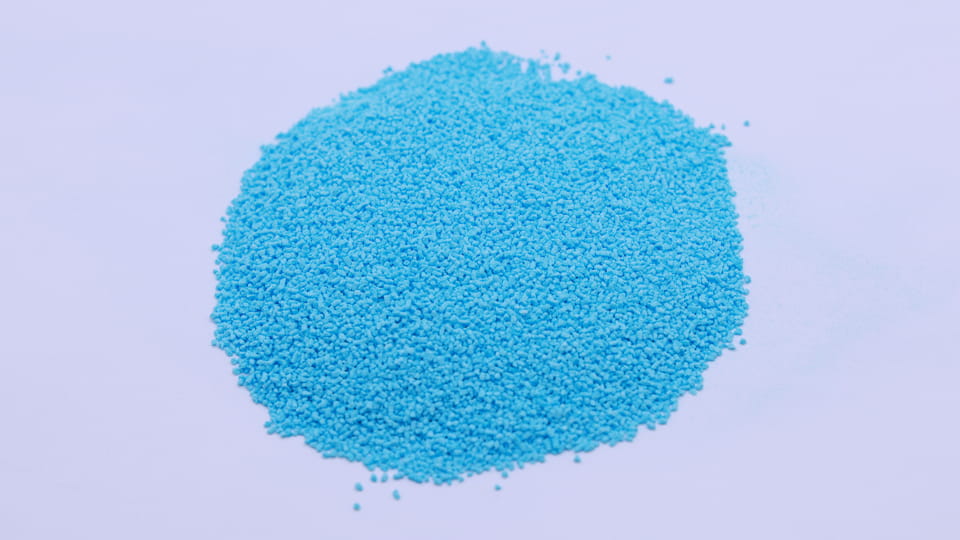
Teoricamente sim (para algumas formulações): Certas APIs e excipientes (E.G.. celulose microcristalina, lactose seca por pulverização) tem excelente inerente fluidez e compressibilidade. Estas formulações raras podem ser compressão direta (CC) comprimido sem granulação prévia. A compressão direta é o caminho mais simples: misturar pós + lubrificante, em seguida, alimente diretamente em uma prensa de comprimidos. Evita equipamentos e etapas extras (sem secagem), economizando tempo e custo.
Mas na prática, a maioria dos pós não pode: A maioria das APIs de moléculas pequenas são muito finas e coesas, com propriedades de fluxo e compressão ruins. Se os pós não fluírem suavemente, a cavidade da matriz ficará insuficiente ou excessivamente preenchida, causando variação de peso do comprimido. Se os pós não comprimirem bem, os comprimidos serão macios, tampando ou quebrando. Doses pequenas (alguns mg APIs) misturados com grandes volumes de excipientes muitas vezes sofrem segregação (API fina separa da transportadora grossa). Resumidamente, exceto para excipientes de compressão direta altamente especializados, a maioria das misturas farmacêuticas precisar granulação para corrigir problemas de fluxo/compressibilidade.
A compressão direta só é viável quando a mistura já tem muito bom fluxo e compactação. Por exemplo, misturas binárias de excipientes de fluxo muito livre com um comprimido de alta dose podem funcionar. A compressão direta também é escolhida para medicamentos que são extremamente resistentes ao calor.- ou sensível à umidade, uma vez que pula as etapas de umedecimento e secagem. No entanto, isso exige uma seleção cuidadosa de excipientes (Por exemplo, lactose de compressão direta, MCC, excipientes coprocessados) e muitas vezes formulações personalizadas.
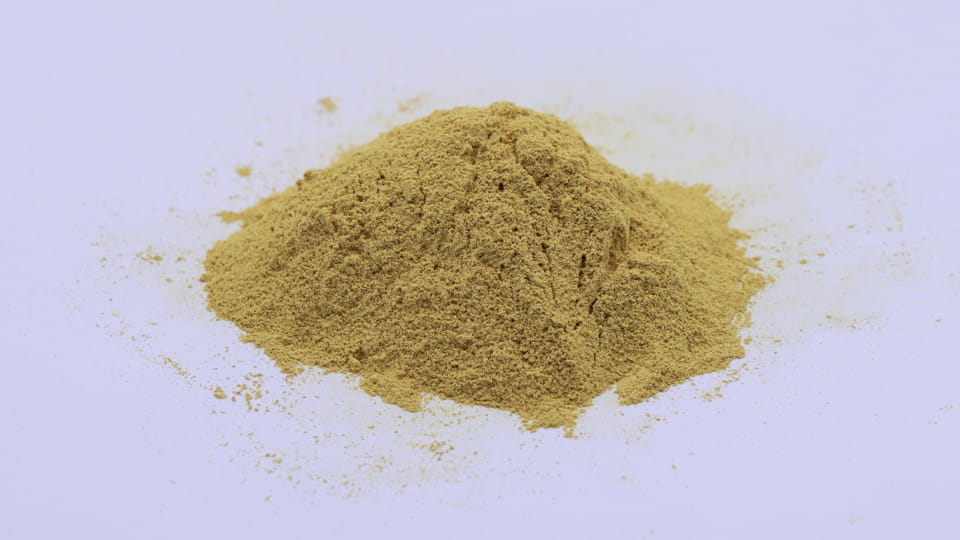
Resumindo, a granulação resolve os principais desafios de fluxo/compressão de pós brutos. Sem isso, comprimidos teriam variação inaceitável de peso, dureza e dose. A compensação são etapas extras (misturando, secagem, fresagem), mas para a maioria dos produtos farmacêuticos, granulação é a maneira confiável de garantir a qualidade do produto.
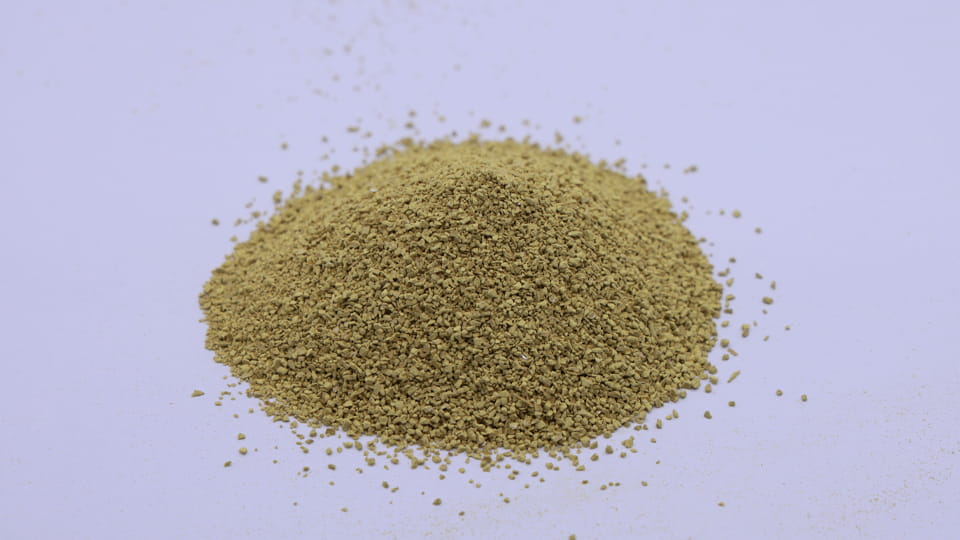
Compressão direta (CC) é o mais simples, processo de tablet mais econômico, e isso é preferido quando vai funcionar. DC minimiza etapas (apenas mistura e compactação), requer menos equipamento (liquidificador + imprensa) e evita o ressecamento. É o método ideal se a API e os excipientes já fluem muito livremente, altamente compressível, e misture uniformemente. Excipientes altamente solúveis como lactose ou álcoois de açúcar secos por pulverização, combinado com uma API de alta dose, muitas vezes permitem DC. Também é escolhido para medicamentos sensíveis à umidade/calor que se degradariam em um processo úmido.
No entanto, atender a esses requisitos materiais é um desafio. Os excipientes para DC devem ser selecionados “criticamente” para exibir excelente fluxo e compressibilidade. Se essas condições não forem atendidas, Os comprimidos DC sofrem com variação de peso e baixa resistência. Por isso, DC é realmente adequado apenas para cerca de 10–20% de formulações; a maioria requer a etapa de engenharia de granulação.
Vantagens da compressão direta: menos operações unitárias, menor custo de capital/equipamento, sem etapa de secagem (economiza tempo/energia), e a validação mais simples. Também é frequentemente usado em produtos combinados de dose fixa com uma alta fração de cargas diretamente compressíveis. Mas para qualquer mistura com baixo fluxo ou risco de segregação, granulação geralmente é inevitável.
Ambas as rotas podem fazer tablets, mas eles diferem amplamente em complexidade e desempenho. A tabela abaixo resume as principais diferenças:
| Parâmetro | Compressão Direta (CC) | Granulação (Molhado/Seco) |
| Complexidade do processo | Baixo (misture e pressione) | Mais alto (mistura, granular, seco, moinho, então pressione) |
| Equipamento | Liquidificador, prensa para comprimidos | Granulador ou compactador de alto cisalhamento, secador, moinho, prensa para comprimidos |
| Requisitos de fluidez | Deve ser excelente | A granulação melhora significativamente o fluxo |
| Compressibilidade | Limitado pelas propriedades do pó bruto | Aprimorado pela ligação de grânulos |
| Uniformidade de conteúdo | Mais difícil de conseguir (risco de segregação) | Melhorar (segregação minimizada) |
| Geração de poeira | Alto (pós finos) | Baixo (grânulos, menos multas) |
| Adequado para a maioria das APIs | Não (poucas exceções) | Sim (ampla gama, especialmente. APIs de baixo fluxo) |
| Qualidade do tablet | Moderado (depende da formulação) | Alto (peso consistente, força) |
Geral, granulação é mais complexa e cara, mas oferece propriedades de pó superiores. DC é enxuto e econômico, mas apenas quando as matérias-primas cumprem inerentemente critérios rigorosos.
Uma vez que a granulação é necessária, a próxima pergunta é molhado vs seco. Cada um tem prós e contras.


Escolhendo molhado vs seco: Se sua API puder lidar com umidade/calor e o produto exigir uniformidade de alto nível, granulação úmida é preferida. Se a energia e o capital forem limitados ou o medicamento for sensível, granulação seca é atraente. Na prática, granulação úmida é mais comum para comprimidos tradicionais, enquanto a granulação seca é usada para casos específicos (E.G.. metformina, aspirina).
Os principais equipamentos da linha de fabricação de comprimidos estão alinhados com o processo escolhido. Para granulação úmida, um granulador misturador de alto cisalhamento (máquina granuladora úmida) é usado para misturar pó e aglutinante, seguido por um secador de leito fluidizado para secar os grânulos. Para granulação seca, um compactador de rolo (Máquina de granulador seco) é usado para compactar o pó em fitas. Os grânulos (de molhado ou seco) são então moídos, se necessário, e finalmente alimentados em um prensa rotativa para comprimidos, que os comprime em comprimidos. Após a compressão, comprimidos podem ir para um revestidor de comprimidos ou máquina de embalagem.
| Equipamento (Exemplo de Jinlu) | Função Primária |
| Granulador misturador de alto cisalhamento | Mistura pós e aglutinante líquido para formar grânulos úmidos. (Granulação úmida) |
| Secador de leito fluidizado | Seca os grânulos úmidos uniformemente (frequentemente após mistura de alto cisalhamento). |
| Compactador de rolos (Granulador seco) | Compacta o pó em fitas ou slugs para granulação a seco. |
| Prensa rotativa para comprimidos | Comprime pó ou grânulos em comprimidos em alta velocidade. |
Cada um dos itens acima está disponível na Jinlu Packing (ver Granulador misturador de alto cisalhamento, Compactador de rolos (Granulador seco), e Máquina rotativa de prensa para comprimidos em nosso catálogo de produtos).
Sinais de que uma fórmula precisa de granulação: Se você notar problemas como peso inconsistente, tirar o pó do pó, tampagem de comprimidos, ou misturas segregadas durante os testes, provavelmente é necessária granulação. Por exemplo, se a mistura do API com o excipiente produzir um resultado muito fofo, mistura leve, muitas vezes não comprime bem. Também, APIs de dose muito baixa (<<50 mg) normalmente requerem granulação para garantir distribuição uniforme. Resumidamente, se houver alguma propriedade em massa (fluxo, densidade) é pobre em um mix de viabilidade, planeje granular.
Dicas para melhorar a fluidez/compressibilidade: Além da granulação, formuladores podem tentar: engenharia de tamanho (fresagem ou classes mais grossas para evitar finos excessivos), dança deslizante (E.G.. 0.5–2% de sílica coloidal ou talco adicionado imediatamente antes da formação dos comprimidos para reduzir o atrito), ou lubrificantes (estearato de magnésio) criteriosamente. Às vezes, a secagem por pulverização ou o uso de aglomerados esféricos podem ajudar. A redução do teor de umidade e o controle da umidade também evitam a aglomeração. Apropriado misturador projeto (E.G.. alimentação a vácuo) pode mitigar a poeira. Finalmente, otimizando os parâmetros da prensa de comprimidos (profundidade de preenchimento, tempo de permanência) ajuda a compensar o fluxo marginal.
Produção em alta velocidade: Em uma impressora rotativa moderna, mesmo pequenos problemas de fluxo causam desvio de peso. Feedback de peso em tempo real e calibração frequente tornam-se essenciais. Máquinas de alta velocidade geralmente usam compressão de dois estágios (rolo de pré-compressão) e alimentadores tipo pá para melhorar a consistência do enchimento. Se você deve comprimido um pó pouco fluido, considere atualizar para uma máquina com alimentadores forçados ou cames de enchimento duplo. Sempre valide se a uniformidade do conteúdo se mantém a toda velocidade. Uma alimentação bem granulada simplifica drasticamente as execuções em alta velocidade – os grânulos mantêm um enchimento consistente mesmo em 200,000 comprimidos por hora.
Resumindo, A “granulação antes da compressão” é necessária porque a maioria dos APIs e excipientes não podem ser diretamente prensados em comprimidos de qualidade. A granulação corrige problemas fundamentais de pó – fluxo, pó, segregação e compressibilidade – que os pós brutos não conseguem suportar. Embora a compressão direta tenha seu lugar para formulações muito especializadas, a etapa de granulação fornece garantia para qualidade consistente do tablet. Escolhendo a técnica de granulação apropriada (molhado versus. seco) e otimização dos parâmetros do processo, fabricantes garantem que os tablets atendam a todas as especificações (peso uniforme, dureza, dissolução) na escala necessária. A granulação não é apenas uma despesa extra – é a chave para uma produção confiável, produção de tablets em alta velocidade.
Esteja você construindo uma nova linha de produção de tablets, modernização de equipamentos existentes, ou avaliar o melhor processo para uma formulação específica, selecionar a tecnologia de granulação certa é uma decisão importante.
No Embalagem Jinlu, ajudamos fabricantes farmacêuticos, produtores nutracêuticos, e organizações de fabricação por contrato (Diretores de Marketing) escolha soluções adequadas para granulação úmida, granulação seca, compressão de comprimidos, revestimento, e embalagem. Nossa equipe de engenharia pode fornecer recomendações práticas com base na sua capacidade de produção, características de formulação, Requisitos de BPF, e metas de automação.Envie-nos sua especificação de requisitos do usuário (URS), metas de produção, ou detalhes do produto, e nós o ajudaremos a identificar a solução de granulação e fabricação de comprimidos mais adequada para o seu projeto.
A granulação antes da formação de comprimidos é usada para melhorar a fluidez do pó, compressibilidade, e uniformidade de conteúdo. Os pós finos muitas vezes não fluem de forma consistente na matriz da prensa de comprimidos, o que pode resultar em variação de peso, baixa dureza do comprimido, e defeitos de fabricação. Ao converter pós em grânulos uniformes, os fabricantes podem alcançar uma produção de tablets mais estável e eficiente.
Sim, algumas formulações podem ser comprimidas diretamente sem granulação. Este processo é conhecido como compressão direta. No entanto, a compressão direta só funciona quando o insumo farmacêutico ativo (API) e excipientes têm excelente fluidez e compressibilidade. Muitos pós farmacêuticos requerem granulação para obter comprimidos de qualidade consistente.
Os principais benefícios incluem:
• Melhor fluidez do pó
• Melhor compressibilidade
• Segregação reduzida de ingredientes
• Melhor uniformidade de conteúdo
• Menor geração de poeira
• Dureza aprimorada do comprimido
• Maior eficiência de produção
Essas vantagens ajudam os fabricantes a produzir tablets com qualidade consistente e menos problemas de produção.
A baixa fluidez pode causar enchimento inconsistente da matriz durante a compressão. Como resultado, os comprimidos podem ter pesos variados, conteúdo inconsistente de drogas, e taxas de rejeição mais altas. O fluxo deficiente de pó também pode reduzir a eficiência da prensa de comprimidos e aumentar o tempo de inatividade.
A granulação envolve a conversão de pós em grânulos antes da compressão, enquanto a compressão direta ignora a etapa de granulação e comprime o pó misturado diretamente.
A granulação geralmente proporciona melhor fluidez, compressibilidade, e uniformidade de conteúdo, Considerando que a compressão direta oferece um processo mais simples e econômico quando a formulação é adequada.
A granulação úmida é normalmente usada quando os pós têm características de fluxo ruins, fraca compressibilidade, ou uma tendência a segregar. Também é comumente selecionado quando os fabricantes precisam melhorar a dureza do comprimido e a uniformidade do conteúdo. A granulação úmida é um dos métodos mais utilizados na produção de comprimidos farmacêuticos.
A granulação seca é preferida para formulações sensíveis ao calor ou à umidade. Como nenhum aglutinante líquido é usado, ajuda a proteger APIs sensíveis à umidade ou termicamente instáveis, ao mesmo tempo que melhora a fluidez e a compressibilidade do pó.
Sim. A granulação pode melhorar a ligação das partículas durante a compressão, resultando em comprimidos mais fortes com melhor integridade mecânica. Materiais adequadamente granulados geralmente produzem comprimidos com maior dureza e menor friabilidade, ao mesmo tempo que reduzem defeitos como capeamento e laminação.
A granulação ajuda a distribuir o API de maneira mais uniforme por toda a formulação e reduz a segregação durante o manuseio e transporte. Isto é especialmente importante para formulações de baixas doses, onde mesmo pequenas variações na distribuição de API podem afetar a qualidade do produto e a conformidade regulatória.
Equipamentos de granulação farmacêutica comuns incluem:
• Granuladores misturadores de alto cisalhamento
• Granuladores de leito fluidizado
• Compactadores de rolos
• Granuladores Oscilantes
• Secadores de leito fluidizado
A escolha do equipamento depende das características da formulação, escala de produção, e se é necessária granulação úmida ou granulação seca.
Referências:
1.Q7A Orientação de Boas Práticas de Fabricação para Ingredientes Farmacêuticos Ativos -- NÓS. Food and Drug Administration
2.Anexo 2 Boas práticas de fabricação da OMS para produtos farmacêuticos: princípios principais -- QUEM
3.Uma revisão crítica sobre granulação de produtos farmacêuticos e excipientes: Princípio, análise e aplicações típicas —— Ciência Direta
4.Compressão Direta Versus Granulação ——www.pharmtech.com
5.Um estudo de compressibilidade e compactibilidade de misturas reais para comprimidos: O impacto da granulação úmida e seca versus uma mistura direta de comprimidos —— Ciência Direta
6.Influência das variáveis do processo de granulação e compressão na vazão dos grânulos e nas propriedades dos comprimidos, com especial referência à variação de peso —— Ciência Direta
7.Engenharia de Partículas de Excipientes para Compressão Direta: Compreendendo o papel das propriedades dos materiais —— Biblioteca Nacional de Medicina