
Na linguagem cotidiana "medicamento" e "medicamento" são frequentemente usados de forma intercambiável. Na indústria farmacêutica, no entanto, eles geralmente implicam diferentes estágios do ciclo de vida do produto. UM medicamento é geralmente a substância farmacológica ativa (API) que proporciona efeitos terapêuticos. UM medicamento (às vezes chamado de medicamento) é o produto acabado – o medicamento formulado e embalado para uso do paciente. Esta distinção afeta a forma como os produtos são desenvolvidos, fabricado, e embalado. Em termos simples, todo medicamento começa com uma droga (ingrediente ativo), mas nem todo medicamento acaba sendo um medicamento comercializável. As diferenças nesses termos podem influenciar forma farmacêutica projeto, estatuto regulamentar, e escolha de máquinas de embalagem.
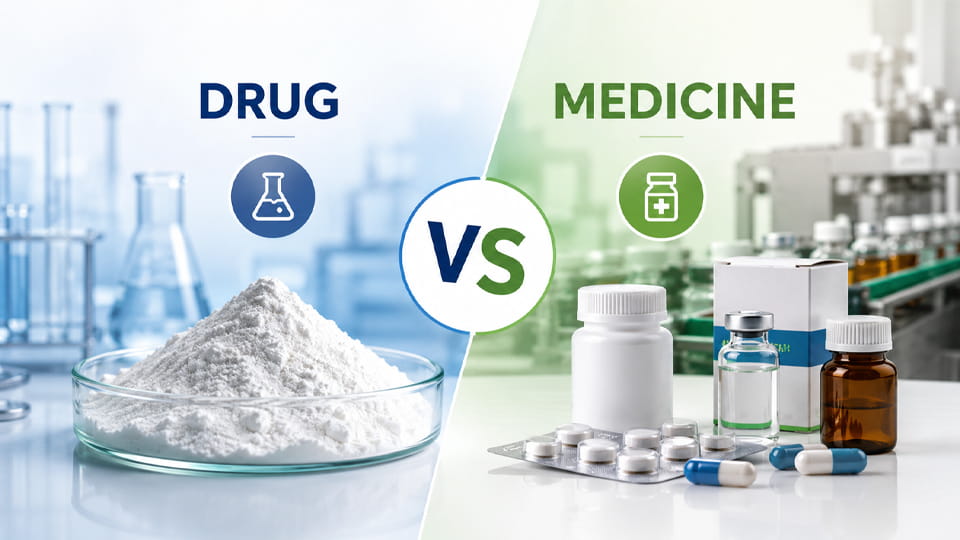
Em termos farmacêuticos, um medicamento é uma substância química ou biológica ativa usada para diagnosticar, cura, mitigar, tratar, ou prevenir doenças. O FDA define um medicamento amplamente como “Uma substância destinada ao uso no diagnóstico, cura, mitigação, tratamento, ou prevenção de doenças”em humanos ou animais. Na prática, "medicamento" muitas vezes se refere ao ingrediente ativo puro (API) em si. Por exemplo, ibuprofeno ou amoxicilina em pó seriam chamados de substância medicamentosa antes de serem transformados em comprimido ou cápsula.
Pontos-chave sobre drogas na fabricação farmacêutica:
Resumindo, um medicamento é a substância terapêutica bruta ou API – o “o que” que dá efeito a um medicamento. Este termo é comum no desenvolvimento e regulamentação de formulações.
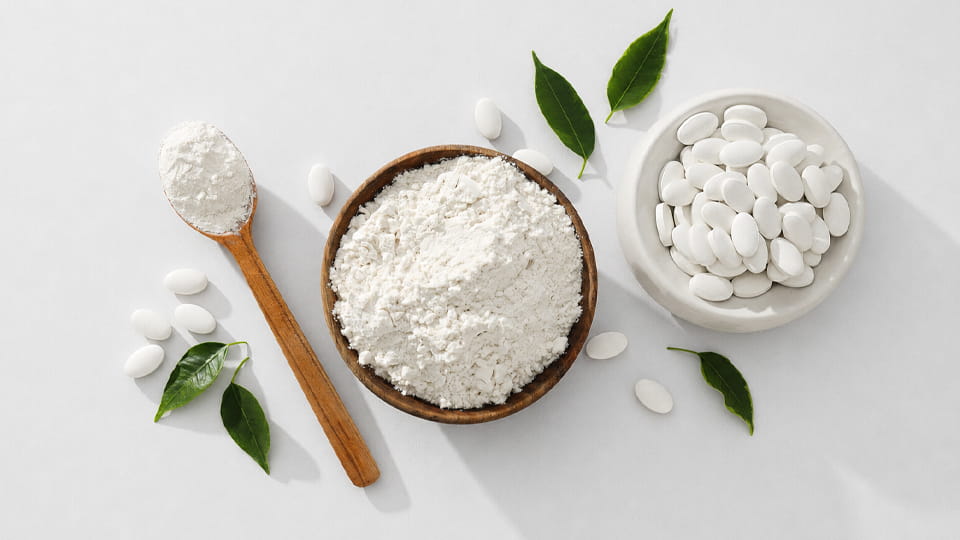
UM medicamento (ou medicamento) é um produto farmacêutico acabado destinado ao uso do paciente. Contém um ou mais medicamentos (APIs) mais componentes inativos (excipientes) e é embalado para distribuição e uso seguros. Em outras palavras, uma vez que um medicamento é formulado em uma forma farmacêutica (comprimido, cápsula, líquido, etc.) e rotulado em um recipiente, torna-se um medicamento pronto para venda.
Em termos simples, um medicamento é o embalado, produto pronto para o paciente, usado para diagnosticar ou tratar uma condição. Inclui a droga como ingrediente estrela, mas também todas as outras coisas (excipientes, recipiente, rótulo).
Abaixo está um resumo do principais distinções entre uma droga e um medicamento. As diferenças são sutis em linguagem simples, mas importantes em contextos de fabricação e regulatórios:
| Aspecto | Medicamento | Medicamento (Medicamento) |
| Significado básico | Substância ativa (API) com efeito terapêutico | Produto acabado contendo o medicamento, pronto para uso do paciente |
| Estágio | Freqüentemente se refere a ingrediente em estágio inicial ou composto de pesquisa | Refere-se à forma farmacêutica final, uma vez formulada e embalada |
| Composição | O ingrediente ativo puro (E.G.. aspirina em pó) | Inclui API + excipientes, recipiente, rótulo (E.G.. comprimido de aspirina em blister) |
| Usar contexto | Fabricação, R&D, regulatório (processo de aprovação) | Uso clínico, prescrever, dispensando (em ambientes de saúde) |
| Regulamento | A ampla definição de “medicamento” da FDA inclui APIs | Produtos acabados estritamente regulamentados (Aprovações FDA/EMA, BPF) |
| Exemplo | Ibuprofeno API, proteína de insulina (substância a granel) | Comprimidos de ibuprofeno, injeções de insulina em frascos |
Em termos simples: UM medicamento é a substância química/biológica ativa com efeito farmacológico. UM medicamento é esse medicamento mais formulação e embalagem, destinado ao uso seguro pelos pacientes. Como disse uma fonte farmacêutica, “Todo medicamento começa como uma droga, mas nem toda droga vira remédio”. Por exemplo, morfina pura é uma substância medicamentosa; uma vez formulado em doses injetáveis com soro fisiológico e selado em frascos, vira um remédio (um produto para alívio da dor).
O ponto crucial é que medicamento implica uma regulação, produto consumível, enquanto medicamento pode significar apenas a substância ativa bruta ou uma classe mais ampla de compostos. A tabela acima destaca essas diferenças.
Para entender completamente “droga versus medicamento,” ajuda a esclarecer termos relacionados frequentemente usados na indústria farmacêutica:
Resultado final: Na fabricação farmacêutica, “substância medicamentosa” é a API, “produto medicamentoso” é a forma farmacêutica formulada (comprimidos, cápsulas, injeção, etc.), e "medicamento" é como você chama o medicamento, uma vez que é um produto terapêutico pronto para o mercado. Por exemplo, metformina é uma substância medicamentosa, um comprimido de metformina de 500 mg é o medicamento, e aquele tablet (em sua embalagem) é o remédio que o paciente toma.
Compreender esses termos é vital: uma vez que conhecemos a forma farmacêutica de um medicamento, podemos selecionar o certo linha de embalagem para transformá-lo em um medicamento estável.
Formulação & Desenvolvimento de forma farmacêutica: Um cru substância medicamentosa por si só não está pronto para o paciente. Deve ser formulado em uma forma farmacêutica adequada (comprimido, cápsula, xarope, injeção, etc.) – esta é uma parte importante do desenvolvimento da produção. Cada forma farmacêutica requer excipientes e processamento específicos (misturando, granulação, esterilização) para se tornar um medicamento. Por exemplo, APIs sensíveis para produtos biológicos injetáveis precisam de processamento asséptico, enquanto uma API estável para um comprimido passa pela secagem e compressão do comprimido.
Aprovação Regulatória: Agências como a FDA ou a EMA analisam dados sobre a substância medicamentosa e o medicamento/medicamento. Eles avaliam a segurança do IFA e a eficácia da formulação final. O medicamento acabado deve atender a padrões rígidos (BPF, estabilidade, rotulagem). FDA cgmp as regras cobrem explicitamente processos e equipamentos de embalagem – então, como você embala um medicamento (ainda mais do que uma droga crua) é altamente regulamentado.
Embalagem e Rotulagem: A distinção dita as necessidades de embalagem. Uma substância medicamentosa normalmente tem embalagem mínima (bateria, frascos para armazenamento). Um remédio, no entanto, requer embalagem primária que protege a dosagem (E.G.. Blister pacotes, garrafas, frascos) e embalagem secundária (caixas) para informação e rastreabilidade. Por exemplo, comprimidos (produto acabado) precisam de embalagens blister à prova de umidade ou sistemas de frasco e fechamento para garantir a vida útil. Um medicamento injetável precisa de frascos ou ampolas de vidro estéreis, além de selos invioláveis. Cada combinação de API e forma farmacêutica possui uma solução de embalagem correspondente.
Seleção de Equipamentos: Se você pensar apenas em APIs, você pode considerar reatores ou misturadores. Mas uma vez que uma substância é um medicamento que necessita de embalagem, você precisa da linha de embalagem certa. Máquinas de embalagem em blister, Máquinas de preenchimento de cápsulas, enchimentos líquidos, linhas de enchimento de frascos, máquinas de embalagem – todos se tornam relevantes. Reconhecer “remédio” significa que o produto embalado solicita a aquisição dessas máquinas.
Resumidamente, compreender “droga versus medicamento” ajuda as equipes do projeto a saber quando e como para integrar embalagens no fluxo de trabalho de produção. Garante que o medicamento não seja apenas formulado, mas devidamente protegido e apresentado ao mercado.
A embalagem é o último passo crítico que transforma um medicamento formulado num medicamento que os pacientes podem utilizar com segurança. Em embalagens farmacêuticas, embalagem primária está em contato direto com a dosagem (o medicamento) e fornece a primeira barreira à degradação. Por exemplo, cápsulas e comprimidos de gelatina dura geralmente entram em alumínio-plástico Blister pacotes, enquanto os xaropes líquidos entram plástico (PET/PEAD) garrafas. Os medicamentos injetáveis são preenchidos frascos ou ampolas de vidro estéreis. Cada recipiente primário é escolhido por suas propriedades de inércia e barreira.
Uma vez selada a embalagem primária, embalagem secundária (caixas, rótulos, folhetos) fornece informações do paciente e dados do lote. Por exemplo, blisters ou frascos são agrupados em caixas de papelão da marca com folhetos de instruções, números de lote, e códigos de barras – cruciais para a conformidade e segurança do paciente.
Na JinLuPacking, nossas máquinas automatizam essas etapas. Um automático máquina de embalagem blister pode selar milhares de comprimidos em blisters por hora; um máquina de enchimento de cápsulas dosa o medicamento em cápsulas; um linha de enchimento e tampagem de garrafas conta comprimidos ou enche xaropes em garrafas; e um máquina de encadernação envolve e embala os produtos acabados. Todas essas etapas – preenchimento, limite, embalagem – certifique-se de que o medicamento final seja dosado com precisão, seguro, e pronto para distribuição.
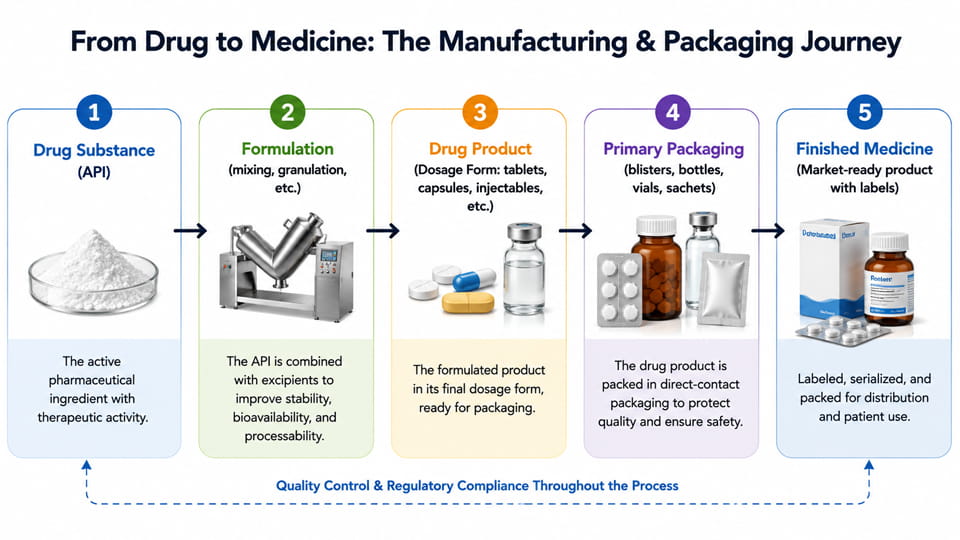
Figura: Fluxograma de Medicamento → Medicamento: O ativo substância medicamentosa (API) é formulado em um medicamento (forma farmacêutica específica). Então ele se move para embalagem primária (E.G.. blisters para comprimidos, garrafas para xaropes, frascos de vidro para injetáveis). Finalmente, torna-se um remédio acabado com embalagem secundária (caixas/etiquetas) para uso do paciente.
Diferentes formas farmacêuticas requerem diferentes soluções de embalagem. A tabela abaixo resume pares típicos:
| Forma farmacêutica | Embalagem Primária Comum | Exemplo de equipamento JinLu |
| Comprimidos (Oral Sólido) | Blister pacotes (Folha de PVC/PVDC), ou plástico garrafas com tampas de rosca | Máquina de embalagem em blister; Contagem de comprimidos & Linha de engarrafamento |
| Cápsulas (Oral) | Blister pacotes, ou frascos semelhantes a comprimidos | Máquina automática de enchimento de cápsulas; Máquina de blister |
| Líquido Oral (Xaropes) | Plástico (PET/PEAD) garrafas com tampas seguras para crianças | Sistema de enchimento e tampagem de líquidos; Desembaralhador de garrafas |
| Pó / Sachê | Sachês de dose única (bolsas de papel alumínio ou laminado) | Máquina de embalagem de sachês / bastões; Linha de bolsas pré-fabricadas |
| Injetáveis (Estéril) | Vidro frascos, ampolas, ou seringas pré-cheias, mais selos de folha | Enchimento de frasco/ampola & Linha de Rolha; Seladora por Indução |
| Pomadas/cremes | Tubos laminados (alumínio ou plástico) | Máquina de enchimento e selagem de tubos |
| Cápsulas Softgel | Garrafas (BICHO DE ESTIMAÇÃO) ou blisters | Máquina de bolha de cápsula softgel; Linha de contagem |
A escolha depende de fatores como estabilidade da forma farmacêutica, esterilidade, e conveniência do paciente. Por exemplo, comprimidos e cápsulas costumam usar máquinas de bolha ou linhas de enchimento de garrafas, enquanto os líquidos precisam enxaguadores de garrafas, enchimento, e máquinas de tampar. Injetável medicamentos requerem sistemas de enchimento estéreis em condições de sala limpa. Cada solução é apoiada por máquinas de embalagem especializadas para garantir que o medicamento se torne um produto protegido, rotulado medicamento que atende Padrões GMP.
Para torná-lo concreto, aqui estão alguns exemplos que mostram como medicamentos específicos se transformam em medicamentos:
Cada exemplo mostra: Medicamento (API) → Formulação (comprimidos, enchimento, etc.) → Embalagem (bolha, garrafa, frasco, sachê) → Medicamento (produto final com etiqueta).
Não necessariamente. Todo medicamento começa a partir de uma droga, mas nem toda droga vira remédio. Muitos compostos químicos ou biológicos (drogas) nunca chegue aos pacientes. Alguns medicamentos permanecem em R&D ou são usados apenas para pesquisa, e outros são usados fora de ambientes médicos (E.G.. drogas recreativas). Somente quando um medicamento é formulado, testado, e aprovado vira remédio.
Como observa uma resposta de FAQ, “A aspirina é uma droga e um remédio. É uma droga em sua forma química (ácido acetilsalicílico) e se torna um medicamento quando formulado e usado para tratar a febre, dor, ou inflamação”. A chave é o uso pretendido e a apresentação: o uso como um produto pronto para o paciente o torna um medicamento.
Resumindo, apenas aprovado, produtos destinados ao paciente são medicamentos. Compreender isto ajuda os fabricantes e reguladores a distinguir entre substâncias experimentais e produtos reais do mercado.
Resumindo, "medicamento" geralmente se refere ao ingrediente ativo ou qualquer agente farmacêutico, enquanto "medicamento" (medicamento) refere-se ao acabado, produto pronto para o paciente contendo esse medicamento. Esta distinção é importante para a fabricação farmacêutica: ele guia R&D, estatuto regulamentar, e opções de embalagem. A compreensão desses termos ajuda a garantir que movemos uma substância medicamentosa através da formulação e embalagem corretamente para se tornar um estável, medicamento compatível.
Quando desenvolvimento de uma nova forma farmacêutica, lembrar: a linha de embalagem certa (empacotador de bolhas, preenchimento da cápsula, linha de garrafas, enchedor de frasco, cartonador, etc.) é essencial para protegendo o medicamento e atendendo às BPF. Por exemplo, fabricantes de tablets confiam Máquinas de embalagem de bolha e contando/preenchendo linhas, enquanto os produtos injetáveis exigem máquinas de enchimento e tampagem de frascos/ampolas e embalagem secundária segura. JinLuEmbalagem oferece uma gama completa de máquinas de embalagem farmacêutica adaptado a cada forma farmacêutica – desde comprimido & formação de bolhas na cápsula para embalagem de sachê e embalagem.
Pronto para transformar seu medicamento em um medicamento pronto para o mercado? Explore nossas soluções: comprimido & máquinas de embalagem blister de cápsulas para doses sólidas, máquinas de enchimento de cápsulas para pó/cápsulas líquidas, sachê & máquinas de bolsas pré-fabricadas para pós, e máquinas de embalagem para encaixotamento final. Nossos equipamentos ajudam a proteger a qualidade do produto, garantir a segurança do paciente, e agilize sua linha de produção desde o medicamento até o medicamento acabado.
Não exatamente. Em conversas casuais eles se sobrepõem, mas tecnicamente um medicamento geralmente significa o ingrediente ativo ou qualquer substância farmacológica, Considerando que um medicamento é o produto acabado dado aos pacientes. Pode-se dizer que “todo medicamento contém uma droga, mas um medicamento por si só pode não ser um medicamento até ser formulado”.
Eles são essencialmente o mesmo conceito na maioria dos contextos farmacêuticos. Um medicamento é a forma farmacêutica completa (comprimido, cápsula, injeção) pronto para venda. Um medicamento é como o medicamento é chamado quando é embalado para uso do paciente. Na prática, medicamentos aprovados (com rotulagem) são medicamentos.
Uma substância medicamentosa (ou API) é o ingrediente ativo puro – o produto químico ou biológico que tem o efeito terapêutico. Um medicamento é a formulação final que contém aquela substância, mais excipientes, em forma farmacêutica (pílula, solução, etc.). Pense em sal e saleiro: o sal (substância medicamentosa) é o ingrediente; o sal com agente antiaglomerante em uma garrafa (medicamento) é o produto utilizável.
A embalagem é crucial para transformar um medicamento em medicamento. Como observam os recursos da JinLuPacking, embalagens farmacêuticas (Blister pacotes, frascos, garrafas) protege a estabilidade e dosagem do medicamento, e garante a conformidade com os regulamentos. Embalagem e rotulagem adequadas transformam uma substância medicamentosa solta em um produto seguro., medicamento fácil de usar.
Sim. Um composto como o ibuprofeno ou paracetamol é uma substância medicamentosa. Quando é transformado em um comprimido OTC com instruções, também é um remédio. Depende da forma e do uso. Como observado acima, aspirina é quimicamente uma droga, mas é chamada de medicamento quando está em comprimidos para alívio da dor. É o mesmo com muitos analgésicos, antibióticos, etc..
Os médicos costumam usar “droga” no sentido neutro de qualquer agente farmacêutico. No jargão clínico e jurídico (como a Lei da FDA), “droga” é o termo oficial para uma substância terapêutica. Abrange tudo, desde xarope para tosse até quimioterapia. Enquanto isso, “medicina” é mais amigável ao paciente. Então, um médico pode prescrever ibuprofeno (medicamento) como analgésico (medicamento).
Referências:
1.Glossário de termos do Drugs@FDA -- NÓS. Food and Drug Administration
2.Classificação de produtos como medicamentos e dispositivos e questões adicionais de classificação de produtos -- NÓS. Food and Drug Administration
3.Glossário (Termos P: produto farmacêutico, excipiente, matéria-prima) -- QUEM
4.Glossário de pré-qualificação -- QUEM
5.Formas farmacêuticas | FDA -- NÓS. Food and Drug Administration
6.Q7A Orientação de Boas Práticas de Fabricação para Ingredientes Farmacêuticos Ativos -- NÓS. Food and Drug Administration
