
Wybór kapsułki roślinnej to nie tylko decyzja dotycząca etykiety. Do zakupów, wpływa to na kwalifikacje i koszty dostawców. Dla zespołów formułujących, zmienia środowisko wilgoci i tlenu wokół wypełnienia. Do produkcji, może to mieć wpływ na separację kapsułek, zamykający, stawki odrzucenia, i prędkość napełniania.
Więc HPMC vs Pullulan vs kapsułki skrobiowe pytanie powinno zaczynać się od produktu, nie skorupa. HPMC jest często praktycznym pierwszym kandydatem na wypełnienia higroskopijne lub wrażliwe na wilgoć. Pullulan zasługuje na szczególną uwagę, gdy głównym ryzykiem jest utlenianie. Kapsułki na bazie skrobi mogą dobrze działać, gdy wymagany jest specyficzny system skrobi roślinnej lub pozycja czystej etykiety, ale „kapsułka skrobiowa” jest raczej szeroką kategorią niż jedną znormalizowaną substancją chemiczną. Recenzowane prace nad materiałami kapsułek na bazie skrobi pokazują, że skład polimeru i źródło skrobi mogą w istotny sposób wpływać na powłokę i zachowanie mechaniczne.
Najbezpieczniejsza trasa jest prosta: zdefiniować ryzyko formułowania, zweryfikować dokumenty, przetestuj dokładną powłokę na rzeczywistej maszyna do napełniania kapsułek, i potwierdź gotowy produkt trwałość w zamierzonym opakowanie.
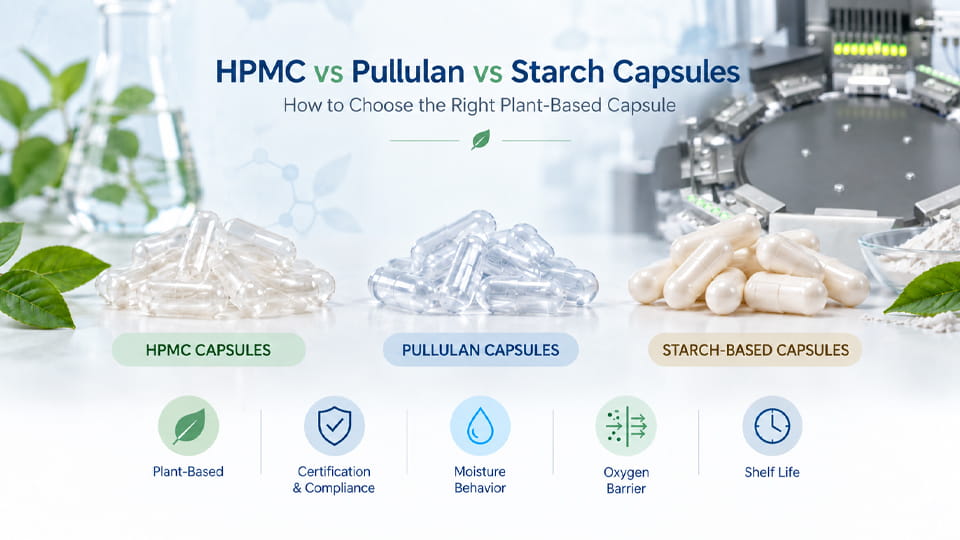
Kapsułki HPMC. HPMC oznacza hydroksypropylometylocelulozę, zwana także hypromelozą. Stosowany jest jako polimer błonotwórczy w wieczku i korpusie kapsułki. Komercyjne systemy kapsułek HPMC niekoniecznie są identyczne. W zależności od technologii i dostawcy, otoczka może zawierać różne środki ułatwiające przetwarzanie lub systemy żelujące, dlatego zespoły zakupowe powinny zawsze sprawdzać dokładną specyfikację kapsuły, zamiast zakładać, że wszystkie powłoki HPMC zachowują się tak samo.
HPMC jest zatem logicznym pierwszym kandydatem, gdy zajdzie taka potrzeba kapsułki z proszkiem higroskopijnym lub składników wrażliwych na wilgoć. Opublikowane porównanie żelatyny, HPMC, i pullulan w kapsułkach twardych wykazały, że HPMC ma najsłabsze właściwości w zakresie sorpcji i zatrzymywania wilgoci spośród trzech testowanych materiałów.
Kapsułki Pullulan. Pullulan to polisacharyd wytwarzany w procesie fermentacji. Komercyjne kapsułki Capsugel, Na przykład, używaj surowca pochodzącego z tapioki, poddanego fermentacji Pączkowanie aureobasidium. Pullulan jest często brany pod uwagę, gdy ekspozycja na tlen stanowi poważny problem dotyczący stabilności ze względu na jego korzystne właściwości w zakresie bariery tlenowej.
Pullulan to nie tylko inna nazwa skrobi. Surowcem do fermentacji może być skrobia, ale pullulan jest polimerem wytwarzanym w wyniku fermentacji. To rozróżnienie ma znaczenie przy porównywaniu specyfikacji dostawców.
Kapsułki skrobiowe. Ta etykieta wymaga większej uwagi. „Na bazie skrobi” może odnosić się do modyfikowanych systemów skrobiowych, skrobia hydroksypropylowa, lub mieszanki zawierające inne środki błonotwórcze. Badania nad układami kapsułek HPMC/hydroksypropyloskrobi wykazały, że skład polimeru może wpływać na tworzenie się filmu i właściwości mechaniczne, dlatego też „kapsułki skrobiowej” nie należy traktować jako pojedynczej, ustandaryzowanej kategorii materiału: stosunek polimeru i źródło skrobi mogą zmieniać film, wytrzymałość, twardość, i inne właściwości mechaniczne.
Kiedy dostawca oferuje „kapsułki tapioki,” „kapsułki skrobiowe,” lub „kapsułki ze skrobi modyfikowanej,” zapytaj o pełny skład i specyfikację powłoki, zanim potraktujesz je jako równoważne HPMC lub pullulanowi.
Dla czytelników, którzy potrzebują więcej tła, JinluPacking ma już dedykowane artykuły na ten temat kapsułki roślinne, kapsułki pullulanu, I puste kapsułki.
Tabela jest punktem wyjścia, nie jest ostatecznym rankingiem materiałów. Wydajność kapsułki zależy od dokładnego składu otoczki, materiał wypełniający, systemu pakowania, Warunki przechowywania, i proces produkcyjny. Do produktów komercyjnych, ostateczny wybór powinien zostać potwierdzony badaniami zgodności i stabilności preparatu.
| Czynnik | Kapsułki HPMC | Kapsułki pullulan | Kapsułki na bazie skrobi |
|---|---|---|---|
| Główny polimer | Hypromeloza (HPMC), pochodna celulozy | Pullulan, polisacharyd powstały w wyniku fermentacji | System skrobiowy lub modyfikowany; skład jest zróżnicowany |
| Pozycjonowanie oparte na roślinach | Mocny | Mocny | Mocny, w zależności od dokładnych składników |
| Zachowanie wilgoci | Ogólnie niska wilgotność skorupy; silna opcja do oceny w przypadku wypełnień wrażliwych na wilgoć | W badaniach porównawczych niższa sorpcja wilgoci niż żelatyna, ale generalnie wyższe niż HPMC w tym badaniu | Wysoka formuła- i zależne od dostawcy |
| Bariera tlenowa | Użyteczne, ale zwykle nie jest to główna zaleta | Kluczowy powód, dla którego warto rozważyć pullulan w preparatach wrażliwych na tlen | Dostawca- i zależny od preparatu |
| Typowe zastosowania | Proszki higroskopijne, API wrażliwe na wilgoć, szerokie zastosowanie farmaceutyczne i nutraceutyczne | Wrażliwy na tlen, najwyższej jakości nutraceutyki i wyselekcjonowane preparaty probiotyczne | Specyficzne platformy na bazie skrobi lub z czystą etykietą |
| Wegańskie / Halal / Koszerny | Może być dostępny certyfikat; sprawdź dokładny produkt i dostawcę | Może być dostępny certyfikat; sprawdź dokładny produkt i dostawcę | Sprawdź dokładny skład i certyfikację |
| Status USP – NF | Monografia otoczki kapsułek z twardej hypromelozy | Monografia kapsułek twardych Pullulan | Sprawdź dokładny materiał i obowiązującą normę |
| Wydajność napełniania | Szeroko stosowany w komercyjnym napełnianiu kapsułek; sprawdź kwalifikowaną powłokę | Dostępne są opcje komercyjne; sprawdź konkretną konfigurację powłoki i maszyny | Sprawdź dokładną skorupę za pomocą zamierzonego sprzętu do napełniania |
| Koszt względny | Zwykle umiarkowane | Często wyższe | Zmienny |
| Najlepszy punkt wyjścia, gdy… | Priorytetami są wrażliwość na wilgoć i szeroka kompatybilność receptur | Wrażliwość na tlen jest poważnym problemem | Specyficzny skład na bazie skrobi lub wymagania dotyczące źródła sprawiają, że jest on odpowiedni |
USP definiuje osobno Twarde otoczki kapsułek z hypromelozy I Twarde otoczki kapsułek Pullulan jako dwuczęściowe muszle, przy czym obie monografie dopuszczają pewne dodatki lub środki ułatwiające przetwarzanie. To przydatne przypomnienie dotyczące zakupów: kupuj zgodnie z zatwierdzoną specyfikacją dla konkretnej kapsułki, nie tylko nazwa polimeru.
Zacznij od dominującej ścieżki degradacji. To zwykle daje jaśniejszą odpowiedź niż zaczynanie od twierdzeń o weganach, cena, lub wygląd.
Jeśli wypełnienie aktywnie przyciąga wodę, HPMC jest zazwyczaj pierwszym kandydatem wartym sprawdzenia. Komercyjne kapsułki HPMC mogą mieć stosunkowo niską zawartość wody w otoczce, a recenzowane prace wykazują niższą sorpcję wilgoci dla HPMC niż pullulan lub żelatyna w badanych warunkach.
To prawda nie sprawiają, że obudowa HPMC jest opakowaniem odpornym na wilgoć. Badania przepuszczalności otoczki kapsułki pokazują, że ruch wody zależy od wilgotności względnej i sorpcji materiału, dyfuzja, i zachowanie przepuszczalności. Wilgoć może nadal przemieszczać się pomiędzy opakowaniami, powłoka, przestrzeń nad głową, i wypełnij.
Przydatnym testem pilotażowym jest napełnienie reprezentatywnych kapsułek, kondycjonować je w oczekiwanej wilgotności produkcyjnej, następnie monitoruj stan powłoki, aktywność wody wypełniającej, analiza, produkty degradacji, i rozpuszczanie podczas trwałości.
HPMC ponownie często ma sens jako pierwsza próba, ponieważ niższa wilgotność skorupy usuwa jedno możliwe źródło wody. Capsugel specjalnie pozycjonuje Vcaps Plus jako higroskopijny i wrażliwy na wilgoć Pszczoła.
Ale nie poprzestawaj na kapsule. Słaby opakowanie może łatwo wymazać zalety powłoki o niskiej zawartości wilgoci.
Pullulan jest bardziej logicznym punktem wyjścia, gdy utlenianie jest główną przyczyną awarii. Może to obejmować przeciwutleniacze, niektóre substancje botaniczne, proszki olejowe, i inne kapsułki na składniki wrażliwe na tlen. Pullulan jest powszechnie rozważany, gdy ważnym wymaganiem jest niska przepuszczalność tlenu.
Nie zamieniaj tego w „pullulan zawsze zapewnia najdłuższy okres przydatności do spożycia”. Tlen może również pochodzić z przestrzeni nad głową, przepuszczalność opakowania, wielokrotne otwieranie pojemnika, i tlen już obecny w preparacie. Dla produktu wysokiego ryzyka, przepłukiwanie azotem, pochłaniacze tlenu, lub opakowania o wyższej barierze mogą nadal być odpowiednie jako część kompletnego systemu.
A probiotyk jest dobrym przykładem tego, dlaczego selekcja jednowymiarowa nie działa. Niektóre odmiany są szczególnie wrażliwe na wilgoć; inne są silnie wrażliwe na tlen. HPMC może mieć sens, gdy dominującym ryzykiem jest wilgoć, podczas gdy pullulan może być bardziej atrakcyjny, gdy większym problemem jest ekspozycja na tlen. Prawidłowa odpowiedź powinna pochodzić z danych dotyczących stabilności CFU specyficznych dla szczepu, nie jest to ogólne stwierdzenie „najlepsza kapsułka probiotyczna”..
Sprawdź higroskopijność, aktywność wody, pozostałości rozpuszczalników, składniki reaktywne, i zmienną treść. HPMC to praktyczny punkt odniesienia. Pullulan staje się bardziej interesujący, gdy liczy się utlenianie lub pozycjonowanie najwyższej jakości czystej etykiety. Muszle na bazie skrobi mogą również działać, ale testy dokładnej powłoki są szczególnie ważne, ponieważ kategoria jest mniej jednolita.
Klucz na wynos:O właściwej kapsułce roślinnej nie decyduje samo słowo „roślinny”.. Dopasuj powłokę do dominującego ryzyka stabilności, następnie potwierdź wybór poprzez próby stabilności i wypełnienia specyficzne dla receptury.
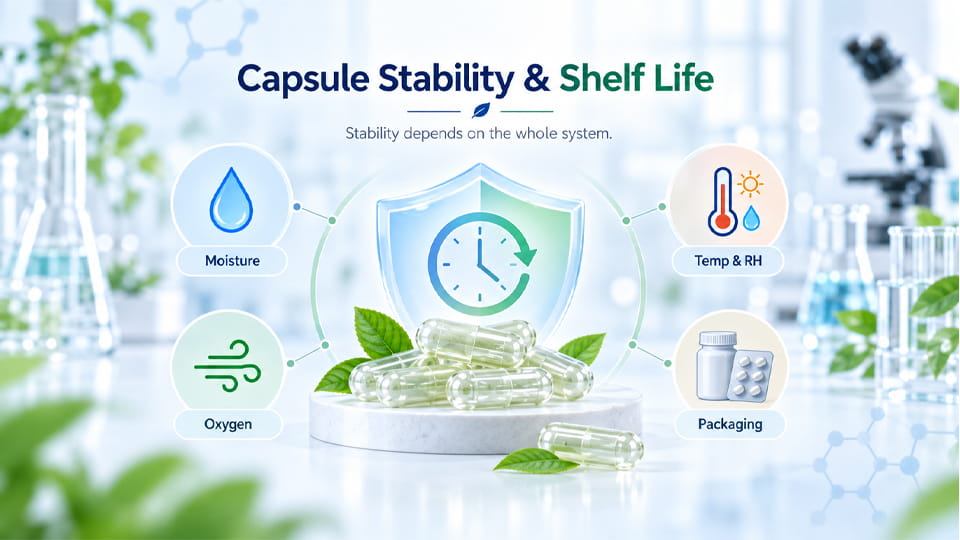
Okres trwałości należy do całego systemu:
wypełnić preparat + otoczka kapsułki + proces + opakowanie podstawowe + Warunki przechowywania.
To jest kluczowa zasada.
Do wilgoci, HPMC ma mocne dowody jako opcja o niskiej zawartości wilgoci. Badania porównawcze wykazały niższą sorpcję i zatrzymywanie wilgoci w przypadku HPMC niż pullulan i żelatyna. Oddzielne porównanie pracy HPMC i żelatyna wykazało również, że sorpcja i przepuszczalność zmieniają się wraz ze wzrostem wilgotności względnej, dlatego też „niskiej wilgotności skorupy” nie należy mylić z „zerową przepuszczalnością wilgoci”.
Dla tlenu, pullulan ma mocniejszy argument, gdy sama otoczka jest ważną częścią strategii kontroli tlenu.
Następnie spójrz na paczkę.
Kapituła Generalna USP <671> Kontenery — testowanie wydajności dotyczy przenoszenia wilgoci i pary w używanych systemach pakowania stałe doustne postacie dawkowania, chwila <670> Pomocnicze elementy opakowania obejmuje elementy takie jak osuszacze. Normy te podkreślają aspekt praktyczny: środek pochłaniający wilgoć jest jednym z elementów strategii pakowania, nie zastępuje kwalifikacji butelki, zamknięcie, lub sam pęcherz.
Do produktów w kapsułkach wrażliwych na wilgoć, porównaj proponowaną butelkę, wkładka zamykająca, środek osuszający konfiguracja, Lub strukturę pęcherzową w odpowiednich warunkach stabilności. Do produktów bardzo wrażliwych na tlen, ocenić opakowanie z barierą tlenową i kontrolę przestrzeni nad zawartością wraz z materiałem kapsułki.
Okres przydatności do spożycia pusta kapsułka powłoki nie należy traktować jako daty ważności gotowego produktu. Oczekiwania FDA dotyczące stabilności traktują komercyjną konfigurację zamknięcia pojemnika jako część programu stabilności, dlatego ostateczna formuła powinna zostać przetestowana w proponowanym opakowaniu handlowym.
A co z kapsułkami na bazie skrobi??
Kapsułki na bazie skrobi wymagają bardziej szczegółowej oceny produktu. W przeciwieństwie do HPMC i pullulanu, „Na bazie skrobi” może opisywać różne systemy lub mieszanki modyfikowanej skrobi, dlatego też na podstawie samego słowa „skrobia” nie można określić ich wilgotności i zachowania mechanicznego. Dla produktu wrażliwego na stabilność, zapytaj dostawcę o dokładny skład skorupy, specyfikacja wilgoci, dane dotyczące przepuszczalności, jeśli są dostępne, oraz uzupełniające informacje dotyczące stabilności przed traktowaniem otoczki na bazie skrobi jako równoważnej HPMC lub pullulanowi.
Polimer pochodzenia roślinnego nie daje automatycznie gotowego produktu wegańskie, halal, Lub koszerny prawo.
Komercyjni dostawcy kapsułek pokazują, dlaczego należy sprawdzać certyfikację na poziomie produktu i zakładu produkcyjnego. Określone produkty komercyjne mogą zawierać produkty wegetariańskie, wegańskie, halal, koszerny, i certyfikaty bez GMO, ale certyfikaty mogą się różnić w zależności od zakładu produkcyjnego. W przypadku twierdzeń wegańskich, nawet barwniki i systemy drukujące mogą mieć wpływ na status certyfikacji.
Do zakupów, poproś o prąd:
Certyfikat ważności, gotowa specyfikacja kapsułki, pełny skład materiałowy, miejsce produkcyjne, Certyfikat GMP/jakości, limity mikrobiologiczne, Warunki przechowywania, oświadczenie o alergenach, Oświadczenie dotyczące GMO, oraz odpowiednią dokumentację dotyczącą zanieczyszczeń.
Tam, gdzie twierdzenia marketingowe mają znaczenie, uzyskać rzeczywisty prąd wegańskie, halal, i certyfikaty koszerności zamiast polegać na e-mailu sprzedażowym lub stwierdzeniu, że polimer jest „na bazie roślin”.
Do użytku farmaceutycznego, sprawdź także obowiązujące stanowisko kompensacyjne i regulacyjne. USP – NF ma specjalne monografie dla Twarde otoczki kapsułek z hypromelozy I Twarde otoczki kapsułek Pullulan.
W Stanach Zjednoczonych, Baza danych nieaktywnych składników FDA może pomóc formulatorom w zrozumieniu substancje pomocnicze stosowane wcześniej w zatwierdzonych produktach leczniczych. FDA opisuje bazę danych jako pomoc rozwojową związaną z takimi czynnikami, jak trasa, postać dawkowania, i wcześniejszego użycia; dlatego nie należy go traktować jako ogólnej „zatwierdzenia FDA” dla każdego HPMC, pullulan, lub klasa kapsułek skrobiowych.
Dla Europy, zweryfikować aktualny tekst Farmakopei Europejskiej i wymagania rynku docelowego, zamiast zakładać, że oświadczenie USP wystarczy. Baza wiedzy EDQM jest oficjalnym źródłem sprawdzania aktualnych doktoratów. EUR. teksty i status wersji.
Przydatną regułą kwalifikacyjną jest:
Sprawdź dokładnego dostawcę + miejsce produkcyjne + stopień + kolor + systemu drukowania + rynek docelowy.
Ten jeden nawyk pozwala uniknąć późniejszych niespodzianek związanych z certyfikacją.
Często, tak – ale „Ta sama maszyna” nie oznacza „tych samych ustawień”.
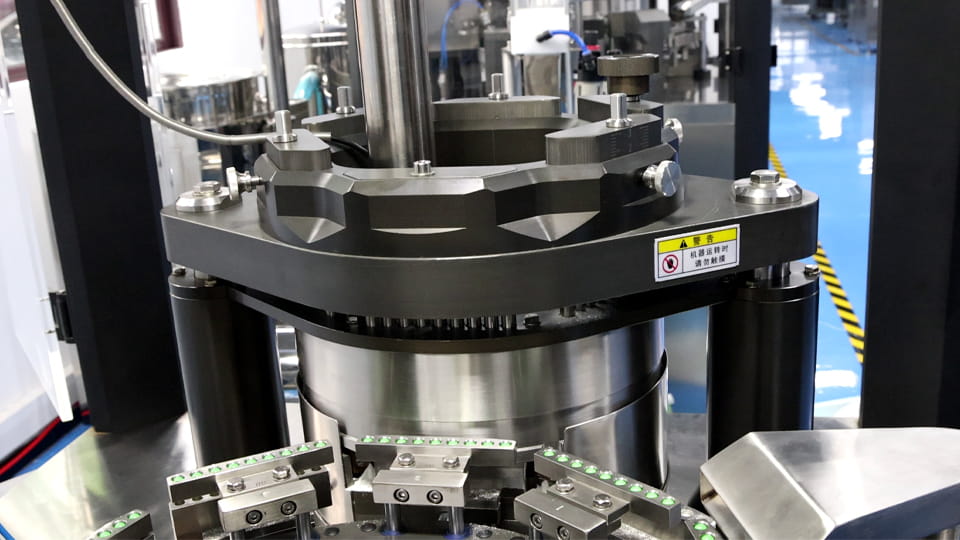
Po stronie sprzętu, JinluPacking Automatyczna maszyna do napełniania kapsułek NJP-2600D przeznaczony jest do kapsułek twardych od rozmiaru #000 Poprzez #5 I do proszków, granulki, pellety, i mikro-tablety, o mocy znamionowej do 156,000 kapsułki na godzinę. Maszyna wykonuje podawanie kapsułek, separacja nasadki i korpusu, pożywny, zamykający, odrzucenie, i rozładowanie.

Przed zwiększeniem skali komercyjnej, rzuca wyzwanie sześciu punktom.
Karmienie kapsułkami i orientacja: Czy łuska stale dostaje się do układu rektyfikacyjnego?
Oddzielenie nasadki od korpusu: Czy separacja próżniowa pozostaje niezawodna przy zamierzonej prędkości linii??
Mechaniczne zachowanie powłoki: Uważaj na podziały, wgniecenia, kruchość, zmiękczający, lub statyczny.
Zamykający: Potwierdź długość zamkniętą i integralność zamka. Powłoka, która wygląda dobrze przy niskiej prędkości, może zachowywać się inaczej przy pełnej wydajności.
Wydajność wypełnienia: Śledź zmiany ciężaru wypełnienia, przeciek, uszkodzenie pelletu, i współczynnik odrzuceń. Materiał kapsułki nie może kompensować słabego przepływu proszku.
Środowisko produkcyjne: Przestrzegaj określonego przez dostawcę kapsułek zakresu temperatury i wilgotności względnej i zapisuj te warunki podczas prób.
W przypadku poważnych zakupów maszyn, wyślij reprezentatywne partie kapsułek i materiału wypełniającego do testu fabrycznego. Jest to szczególnie przydatne w przypadku zmiany kapsułek HPMC na kapsułki pullulanowe lub wprowadzenia mniej znanej otoczki na bazie skrobi.
Użyj tej matrycy jako punktu wyjścia, a nie jako substytutu testów programistycznych i stabilności.
| Główne wymaganie | Zalecany punkt wyjścia | Co zweryfikować |
| Higroskopijny proszek | HPMC | Przenoszenie wilgoci z powłoki/wypełnienia, kruchość, pakiet MVTR |
| API wrażliwe na wilgoć | HPMC | Analiza, degradacja, rozpuszczenie, system osuszający |
| Składniki wrażliwe na tlen | Pullulan | Dane OTR, tlen z przestrzeni nad głową, pakiet bariery tlenowej |
| Probiotyk | HPMC lub Pullulan | Specyficzna dla szczepu wrażliwość na wilgoć/tlen i stabilność CFU |
| Mieszanka ziołowo-botaniczna | Najpierw HPMC; Pullulan, jeśli utlenianie ma kluczowe znaczenie | Aktywność wody, substancje lotne, stabilność |
| Dodatek premium z czystą etykietą | Pullulan lub kwalifikowana skorupa na bazie skrobi | Orzecznictwo, koszt, ciągłość dostaw |
| Specyficzne pozycjonowanie skrobi/tapioki | Kwalifikowana kapsułka na bazie skrobi | Kompozycja, dane mechaniczne, rozpad, obrabialność |
| Produkcja szybkiej | Wykwalifikowany HPMC, Pullulan, lub testowana skorupa skrobiowa | Rozdzielenie, zamykający, odrzuca, bieg na pełnych obrotach |
| Niejasne dominujące ryzyko | Porównaj co najmniej dwie muszle | Stabilność w opakowaniu końcowym |
Matryca ta syntetyzuje dane porównawcze dotyczące wilgotności, komercyjne informacje dotyczące wydajności HPMC/pullulanu, oraz opublikowane dowody wykazujące, że działanie oparte na skrobi zależy w dużym stopniu od dokładnej receptury.
Schemat pięciu kroków jest prosty:
Krok 1: Scharakteryzuj formułę –> Krok 2: Zidentyfikuj dominujące ryzyko –> Krok 3: Zdefiniuj roszczenia i dokumenty rynkowe –> Krok 4: Przeprowadź próby powłoki i maszyny do napełniania –> Krok 5: Potwierdzić stabilność w opakowaniu końcowym –> Zatwierdź dostawcę, specyfikacja i proces
Krok 1 mierzy to, co ważne: higroskopijność, aktywność wody, wrażliwość na tlen, gęstość wypełnienia, i przepływ.
Krok 2 zamienia te dane w krótką listę powłoki.
Krok 3 sprawdza USP, Doktorat. EUR., wegańskie, halal, koszerny, i inne wymagania rynkowe.
Krok 4 udowadnia, że dokładnie taka kapsułka może zostać wykorzystana w procesie produkcyjnym – a nie tylko na laboratoryjnym wypełniaczu kapsułek.
Krok 5 dowodzi, że gotowa kapsułka w swoim ostatecznym opakowaniu może faktycznie spełniać zamierzony okres przydatności do spożycia.
Ta sekwencja jest znacznie bezpieczniejsza niż wybieranie „najlepszych kapsułek na bazie roślin” ze stołu marketingowego.
Błąd: wybierając tylko „wegańskie”. Status wegański nie mówi prawie nic o ochronie przed wilgocią, bariera tlenowa, mechanika skorupy, lub wydajność produkcyjną.
Błąd: traktowanie każdej kapsułki skrobi jako równoważnej. Zapytaj, czy skorupa wykorzystuje skrobię natywną, skrobia modyfikowana, skrobia hydroksypropylowa, lub mieszanka. Opublikowane badania dotyczące kapsułek skrobiowych pokazują, że skład i źródło botaniczne mogą znacząco zmienić wydajność.
Błąd: zakładając, że skorupa określa trwałość. Butelka, pęcherz, zamknięcie, środek osuszający, i środowisko przechowywania mogą być równie ważne.
Błąd: zakładając halal lub koszerność pochodzenia roślinnego. Sprawdź aktualny certyfikat dla rzeczywistego produktu kapsułkowego i miejsca produkcji.
Błąd: pominięcie próby powłoki z pełną szybkością. Sami dostawcy komercyjni kładą nacisk na obrabialność, podczas gdy wydajność maszyny do napełniania kapsułek zależy od niezawodnego oddzielania, orientacja, zamykający, i spójność wymiarową skorupy.
Nie ma jednego zwycięzcy HPMC vs Pullulan vs kapsułki skrobiowe. HPMC jest zazwyczaj uniwersalnym punktem wyjścia dla wypełnień wrażliwych na wilgoć i higroskopijnych. Pullulan staje się szczególnie atrakcyjny dla kapsułki na składniki wrażliwe na tlen. Kapsułki na bazie skrobi mogą pasować do produktów wymagających specyficznej platformy skrobi roślinnej – ale dopiero po sprawdzeniu, co właściwie oznacza „na bazie skrobi”. Dowody przemawiają za wyborem w oparciu o ryzyko składu, zamiast deklarować, że jeden polimer jest uniwersalnie lepszy.
Powinna nastąpić decyzja komercyjna ryzyko receptury → dokumentacja → wydajność maszyny → stabilność końcowego opakowania. Przed zablokowaniem dostawcy kapsułek lub zakupem sprzętu, przetestuj dokładną skorupę i wypełnij razem. Jinlupacking może wspierać próby napełniania kapsułek w standardowych rozmiarach twardych kapsułek i pomóc w dopasowaniu procesu do odpowiedniej automatycznej maszyny do napełniania kapsułek i dalszego rozwiązania w zakresie pakowania.
Gotowy do optymalizacji produkcji kapsułek? Skontaktuj się z Jinlu Packing aby uzyskać fachową pomoc i wycenę odpowiedniego sprzętu do napełniania kapsułek. Nasz zespół może wesprzeć Twoje próby receptury i zapewnić płynne przejście na idealną kapsułkę na bazie roślin.
Kapsułki HPMC są wykonane głównie z hydroksypropylometylocelulozy, polimer na bazie celulozy. Kapsułki Pullulan wykorzystują pullulan, polisacharyd wytwarzany w procesie fermentacji. Kapsułki na bazie skrobi wykorzystują systemy skrobi lub modyfikowanej skrobi. Ich zachowanie wobec wilgoci, właściwości bariery tlenowej, właściwości mechaniczne, kompatybilność receptury, i wydajność napełniania mogą się różnić, dlatego najlepszy wybór zależy od produktu, a nie od jednego, uniwersalnie lepszego materiału.
Żadne z nich nie jest uniwersalnie lepsze. HPMC jest często praktycznym wyborem w przypadku szerokiej gamy preparatów farmaceutycznych i nutraceutycznych, natomiast pullulan może być atrakcyjny, gdy głównym czynnikiem jest ochrona tlenu. W decyzji należy również uwzględnić stabilność preparatu, wymagania certyfikacyjne, koszt, opakowanie, i wydajność napełniania kapsułek.
Kapsułki HPMC mogą być odpowiednią opcją w przypadku wielu preparatów wrażliwych na wilgoć, zwłaszcza gdy formuła i specyfikacja kapsułki są odpowiednio dopasowane. Jednakże, Sam dobór kapsułek nie determinuje stabilności produktu. Materiał wypełniający, bariera opakowania, wilgotność przechowywania, temperatura, należy również ocenić dane dotyczące stabilności.
Kapsułki Pullulan mogą być dobrym rozwiązaniem, gdy ekspozycja na tlen jest ważnym problemem dotyczącym stabilności, ponieważ systemy kapsułek na bazie pullulanu mogą zapewniać niską przepuszczalność tlenu. Może to mieć znaczenie w przypadku wrażliwych na tlen preparatów nutraceutycznych i farmaceutycznych, jednakże rzeczywistą stabilność produktu należy potwierdzić w drodze badań stabilności specyficznych dla preparatu, a nie zakładać na podstawie samego materiału kapsułki.
Nie ma jednego najlepszego materiału na kapsułki dla każdego preparatu probiotycznego. Pullulan może być warty oceny, gdy ważna jest ochrona tlenu, natomiast HPMC może stanowić praktyczną alternatywę dla receptur, w których priorytetami są zachowanie wilgoci i szeroka kompatybilność wypełnień. Ostatecznego wyboru należy dokonać w oparciu o szczep probiotyczny, substancje pomocnicze, wrażliwość na wilgoć i tlen, opakowanie, i dane stabilności.
Nie koniecznie. Okres trwałości zależy od kompletnego systemu produktu, łącznie z substancją czynną, otoczka kapsułki, sformułowanie, opakowanie, temperatura, wilgotność, ekspozycja na tlen, i warunki przechowywania. Kapsułka na bazie roślin może oferować korzyści w przypadku konkretnego preparatu, ale dłuższy okres trwałości należy wykazać poprzez odpowiednie badania stabilności.
Mogą wykazywać różne właściwości rozpadu i rozpuszczania, ponieważ skład i formuła otoczki kapsułki wpływają na interakcję otoczki z pożywką testową. Kapsułki HPMC są szeroko stosowane w zastosowaniach farmaceutycznych i nutraceutycznych, podczas gdy różne formuły HPMC i pullulanu można opracować pod kątem określonych wymagań wydajnościowych. Rzeczywiste rozpuszczanie należy zatem oceniać na podstawie odpowiedniego produktu i specyfikacji, a nie zakładać na podstawie samej nazwy materiału.
W zależności od rynku docelowego i produktu, producenci mogą być zobowiązani do sprawdzenia statusu wegan lub wegetarian, Halal, Koszerny, Dokumentacja związana z GMO, oświadczenia dotyczące alergenów, certyfikat analizy (Certyfikat ważności), oraz obowiązujące specyfikacje farmaceutyczne lub spożywcze. Dokładne wymagania zależą od rynku docelowego i zamierzonego zastosowania, dlatego zespoły zakupowe powinny wymagać aktualnej dokumentacji dostawcy, a nie polegać wyłącznie na oświadczeniach „roślinnych”..
Tak, zarówno kapsułki twarde HPMC, jak i pullulan mogą być stosowane w automatycznym sprzęcie do napełniania kapsułek, ale rzeczywista wydajność napełniania zależy od wymiarów kapsułki, właściwości mechaniczne powłoki, charakterystyka receptury, projekt maszyny, obróbka, i ustawienia operacyjne. Przed produkcją na pełną skalę, producenci powinni sprawdzić separację kapsułek, dokładność napełniania, zamykający, integralność kapsułki, i współczynnik odrzuceń w przypadku zamierzonego sprzętu.
Zacznij od zidentyfikowania głównego ryzyka związanego z formułą. Najpierw sprawdź wrażliwość na wilgoć, następnie wrażliwość na tlen, docelowy okres trwałości, wymagane certyfikaty wegańskie/halal/koszerne lub inne, oraz zamierzony system pakowania. Po utworzeniu krótkiej listy, przetestuj dokładnie otoczkę kapsułki z prawdziwym składem na swojej maszynie do napełniania kapsułek i przeprowadź odpowiednie badania stabilności przed produkcją komercyjną.
Referencje:
1.Właściwości sorpcji i desorpcji wilgoci żelatyny, Kapsułki twarde HPMC i pullulan —— ScienceDirect
2.Kapsułki HPMC: stan obecny i perspektywy na przyszłość —— Narodowa Biblioteka Medyczna
3.Charakterystyka dyfuzji wilgoci i przepuszczalności hydroksypropylometylocelulozy i twardych kapsułek żelatynowych —— Narodowa Biblioteka Medyczna
4.Właściwości błony i farmaceutycznych twardych kapsułek fasoli mung, kasztan wodny, i skrobię ze słodkich ziemniaków —— ScienceDirect
5.Kapsułki skrobiowe: alternatywny sposób doustnego podawania leków —— ScienceDirect