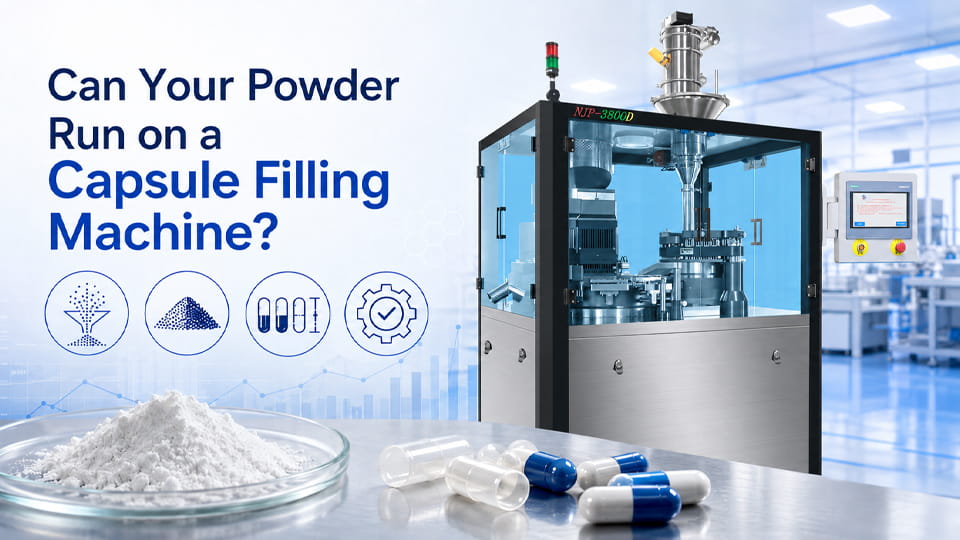
Kupno A Maszyna do napełniania kapsułek to nie tylko decyzja dotycząca szybkości i ceny. Maszyna może być zaprojektowana do napełniania proszku, ale rzeczywista receptura może nadal znajdować się w zbiorniku, trzymaj się części dozujących, wytwarzać niestabilną masę wypełnienia kapsułki, wytwarzać zbyt dużo pyłu, lub zachowują się inaczej, gdy linia przechodzi z prędkości próbnej do pełnej produkcji. Zachowanie proszku farmaceutycznego jest wielowymiarowe, a USP wyraźnie ostrzega, że żaden pojedynczy prosty test przepływu nie jest w stanie w pełni go scharakteryzować.
Lepsze pytanie brzmi:
Czy ta maszyna może wielokrotnie napełniać mój preparat o wymaganym rozmiarze kapsułki, ciężar wypełnienia, dokładność i szybkość produkcji?
Szybka odpowiedź: Wiele preparatów proszkowych można kapsułkować, ale kompatybilność zależy od interakcji pomiędzy płynność proszku, gęstość nasypowa, gęstość utarta, rozkład wielkości cząstek, wilgoć, spójność, zagęszczalność, docelowa masa wypełnienia, wielkość kapsułki i mechanizm dozujący maszyny. Najbardziej niezawodnym sposobem potwierdzenia zgodności jest przetestowanie rzeczywistego preparatu na proponowanym Sprzęt do napełniania kapsułki w realistycznych warunkach pracy. Badania porównujące systemy napełniania kapsułek pokazują, że różne zasady dozowania mogą wymagać różnych właściwości preparatu.
Dla kupujących, kierownicy produkcji i zespoły formułujące, takie podejście jest znacznie bezpieczniejsze niż samo pytanie, „Czy ten wypełniacz kapsułek radzi sobie z proszkiem?”
Przed zorganizowaniem A próba proszku lub próbny test, zbudować podstawowy profil receptury. Nie musisz zamieniać każdego zakupu maszyny w projekt badawczy, ale potrzebujesz wystarczającej ilości istotnych danych, aby zrozumieć, gdzie leży ryzyko. USP traktuje przepływ proszku jako kombinację właściwości, a nie pojedynczą liczbę, podczas gdy badania napełniania kapsułek pokazują tę gęstość, spójność, ściśliwość i płynność mogą w różny sposób oddziaływać na różne mechanizmy napełniania.
| Czynnik | Dlaczego to ma znaczenie przy napełnianiu kapsułek | Możliwy problem |
| Płynność proszku | Kontroluje, w jaki sposób materiał dociera do strefy dozowania | Mostkowanie, szczurza nora, karmienie przerywane |
| Cielsko / gęstość utarta | Wpływa na głośność, zachowanie pakowania i osiągalny ciężar wypełnienia | Niedopełnienie, dryf wagi, niewłaściwy rozmiar kapsułki |
| Rozkład wielkości cząstek | Wpływa na przepływ, kurz i segregacja | Zasypka, rozmieszanie, nierówne dawkowanie |
| Wilgoć / higroskopijność | Może zmieniać spójność i przyczepność | Zbijanie, klejący, trudne czyszczenie |
| Spójność / zagęszczalność | Wpływa na tworzenie i uwalnianie dawki proszku | Słabe wtyczki, klejący, słaby wyrzut |
| Mechanizm dozujący | Różne systemy w różny sposób oddziałują na ten sam preparat | Po przeniesieniu receptura może wymagać ponownej optymalizacji |
USP <616> definiuje gęstość nasypową w odniesieniu do masy proszku w stosunku do jego objętości nasypowej i układu pakowania, chwila USP <1063> Zauważa, że kontrolowany przepływ proszku podczas przenoszenia i podawania może wpływać na takie atrybuty, jak jednorodność masy i zawartości.
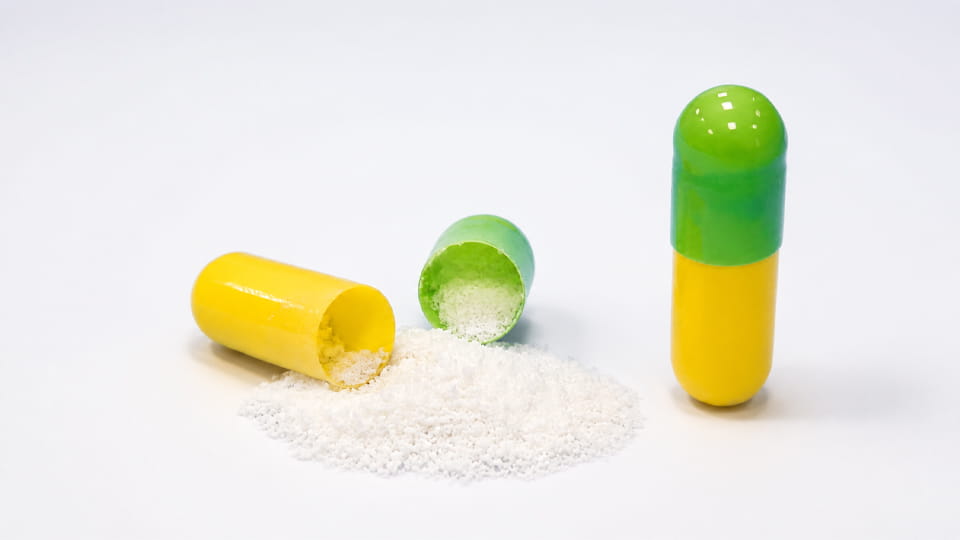
Dwa przydatne wskaźniki przesiewowe to: Indeks Carra I Stosunek Hausnera, oba pochodzą z gęstości nasypowej i utrzęsionej:
Indeks Carra = × 100
Stosunek Hausnera = gęstość po upuszczeniu ÷ gęstość nasypowa
Możesz także użyć kąta usypu jako prostego wskaźnika, podczas gdy testy komórek ścinających lub bardziej szczegółowa reologia proszku mogą być cenne w przypadku trudnych receptur. Kluczową kwestią nie jest przekształcanie jednego wyniku w uniwersalną regułę Pass/Fall. USP <1174> wyraźnie opisuje zachowanie proszku farmaceutycznego jako wieloaspektowe i twierdzi, że pojedynczy prosty test nie wystarczy, aby odpowiednio scharakteryzować przepływ proszku.
Ma to znaczenie, ponieważ związek pomiędzy przepływem a dokładność napełniania kapsułek zmienia się wraz z zasadą napełniania. W badaniu dyszy dozującej, Właściwości płynięcia proszku były silnie powiązane z masą kapsułki i jej zmiennością. Inne badanie z wykorzystaniem sprzętu do napełniania metodą ubijania wykazało, że sam przepływ nie był wiarygodnym czynnikiem prognostycznym jednorodności masy kapsułki. W praktyce: skorzystaj ze wskaźnika Carra, Współczynnik Hausnera i powiązane testy służące identyfikacji ryzyka, następnie potwierdź działanie rzeczywistego systemu dozowania.
Gęstość nasypowa informuje w przybliżeniu, ile przestrzeni fizycznej zajmuje sypki proszek. Jest to szczególnie ważne, gdy klient określa coś w rodzaju „500 mg w rozmiarze”. 0 kapsułka." Miligramy opisują masę, nie głośność. Dwa 500 mg o bardzo różnej gęstości mogą wymagać bardzo różnych objętości kapsułek. USP <616> podkreśla również, że gęstość nasypowa zależy zarówno od gęstości materiału, jak i sposobu upakowania cząstek w złożu proszku.
Przydatnym obliczeniem pierwszego przejścia jest:
Wymagana ilość sypkiego proszku ≈ Docelowa masa wypełnienia ÷ Gęstość nasypowa
Weź Rozmiar 0 kapsułka jako prosty przykład. Producent kapsułek Suheung podaje nominalną objętość około 0.68 ml dla rozmiaru 0. Jeśli Twoja receptura ma gęstość nasypową wynoszącą 0.60 g/ml, sypki materiał odpowiadający tej objętości wynosi w przybliżeniu:
0.68 ml× 0.60 g/ml = 0.408 g = 408 Mg.
Więc, jeśli docelowa masa wypełnienia kapsułki wynosi 500 Mg, Rozmiar 0 wygląda ciasno, oceniając samą objętość luźnego materiału.
To prawda nie mieć na myśli 500 mg jest automatycznie niemożliwe. Ubijanie lub napełnianie dozownika może skonsolidować proszek poza jego sypkim stanem sypkim. Ale obliczenia natychmiast mówią inżynierowi coś przydatnego: rozmiar kapsułki, objętość dozowania, Należy raczej zweryfikować zagęszczalność proszku i wymagany stopień zagęszczenia, niż zakładać.
Aby uzyskać więcej informacji na temat wymiarów skorupy, dowiedz się więcej od Jinlu’s Kompleksowy przewodnik po rozmiarach kapsułek, który obejmuje rozmiary od 000 Poprzez 5 i omawia wydajność w odniesieniu do gęstości preparatu.
Bardzo drobne proszki mogą być spójne, zakurzone lub trudne do ciągłego poruszania. USP <786> zauważa, że dla małych cząstek, powierzchniowe siły kohezji i adhezji stają się coraz ważniejsze, jest to jeden z powodów, dla których bardzo drobne proszki mogą zachowywać się inaczej niż grube granulki. Rozkład wielkości cząstek ma również znaczenie, gdy składniki mieszanki mają bardzo różne właściwości cząstek, ponieważ obsługa i wibracje mogą zwiększać ryzyko segregacji.
Wilgoć dodaje kolejną zmienną. Higroskopijny lub lepki proszek może stopniowo przylegać do zbiornika, dysk dozujący, ubijaki lub powierzchnie dozatorów. Może to spowodować, że początkowo dobrze działający preparat stanie się mniej stabilny w dalszej części partii.
Właśnie dlatego maszyna do napełniania kapsułek do lepkiego proszku, puszysty materiał lub proszek o słabej płynności należy oceniać jako proces, a nie wybierać wyłącznie z arkusza specyfikacji. Główni producenci OEM sprzętu farmaceutycznego oferują konfiguracje przeznaczone specjalnie dla trudnych produktów.
Dwie ważne zasady przemysłowego dozowania proszku to: szpilka do ubijania / dysk dozujący I dawka pożywny.
Z systemem tarcz dozujących, proszek wchodzi do wnęk tarczy dozującej i jest stopniowo konsolidowany szpilki do ubijania zanim dawka zostanie przeniesiona do korpusu kapsułki. Z systemem dozowania, pusta rurka dozująca wchodzi do złoża proszku, utrzymuje odmierzoną zatyczkę proszkową, przesuwa się do korpusu kapsułki i wyrzuca dawkę.
Żaden system nie jest uniwersalnie „lepszy”. Bezpośrednie porównanie eksperymentalne wykazało różne wymagania dotyczące płynności preparatu, smarowność i zagęszczalność. W tym badaniu, maszyna dozująca wymagała wyższego stopnia zagęszczania preparatu, podczas gdy w maszynie z tarczą dozującą wystarczyłoby stosunkowo mniej smaru. Naukowcy doszli również do wniosku, że przenoszenie receptury pomiędzy dwiema podklasami maszyn może stanowić wyzwanie.
| Zachowanie przy formułowaniu | Kołek do ubijania / Dysk dozujący | Szafarka |
| Sypki proszek | Zwykle działa przy normalnej optymalizacji konfiguracji | Zwykle wykonalne, jeśli można utrzymać stabilną dawkę |
| Spoisty / proszek o słabej płynności | Może reagować na regulację łoża proszkowego i ubijania; wymagana próba | Może pracować, należy jednak sprawdzić tworzenie i uwalnianie wtyczki |
| Wysoce zagęszczający się proszek | Często zarządzalne za pomocą ustawień dysku i ubijania | Może wspierać tworzenie wtyczki; należy jeszcze sprawdzić wyrzut |
| Lepki / proszek higroskopijny | Zdecydowanie zalecana jest wersja próbna | Zdecydowanie zalecana jest wersja próbna |
| Niska dawka / specjalna formuła | Zależy od oprzyrządowania i projektu procesu | Specjalistyczne systemy dozujące są szeroko stosowane w zastosowaniach wymagających małych dawek |
| Przejście z innej zasady dawkowania | Może być konieczna ponowna optymalizacja | Może być konieczna ponowna optymalizacja |
Na uwagę zasługuje siedem praktycznych znaków ostrzegawczych: mostki proszkowe nad wylotem zbiornika; materiał mocno przylega do powierzchni ze stali nierdzewnej; mieszanka wytwarza nadmierne drobne cząstki lub pył; gęstość nasypowa zmienia się zauważalnie pomiędzy partiami lub podczas manipulacji; składniki wykazują segregację po przeniesieniu; ciężar wypełnienia dryfuje podczas biegu; lub proces nie może się powtarzać, przenieść i wyrzucić stabilną dawkę proszku.
Żaden z tych objawów nie świadczy o tym, że preparatu nie można kapsułkować. Badania przeprowadzone na maszynach do napełniania ubijakami wykazały, że nawet proszki o słabym przepływie można czasami opanować poprzez optymalizację wysokości złoża proszku i ustawień maszyny. Po prostu mówią ci, że to właściwe badanie próbki wypełniacza kapsułki warto to zrobić przed sfinalizowaniem konfiguracji sprzętu.
Dla nieznanego sformułowania, najsilniejszym dowodem jest fakt próba proszku przy użyciu sprzętu odtwarzającego proponowany proces produkcyjny. Jeśli jest to praktyczne, użyj prawdziwej mieszanki produkcyjnej, nie jest łatwiejszym substytutem. Użyj zamierzonej żelatyny, HPMC lub inna otoczka kapsułki, proponowane rozmiar kapsułki, oraz rzeczywistą docelową masę wypełnienia kapsułki.
Rozpocznij od zarejestrowania partii preparatu, gęstość nasypowa, gęstość utarta, otoczka kapsułki, rozmiar, części dozujące, poziom złoża proszkowego i wstępne ustawienia maszyny.
Następnie uruchom maszynę do napełniania kapsułek w więcej niż jednym stanie. Rozpocznij od zachowawczej prędkości, aby potwierdzić karmienie, separacja kapsułek, dawkowanie, transfer i blokowanie. Następny, przejść do planowanej normalnej prędkości roboczej. Wreszcie, przetestuj docelową górną prędkość produkcji, jeśli prędkość ta stanowi część specyfikacji zakupu.
Ma to znaczenie, ponieważ prędkość nie zawsze jest tylko liczbą przepustowości. Badanie dozatora wykazało, że zwiększenie prędkości maszyny zwiększa wibracje maszyny, co zagęściło złoże proszku i znacząco zmieniło masę zebranego wypełnienia w układzie badawczym. Zatem czysta pięciominutowa demonstracja przy niskiej prędkości nie jest możliwa, samodzielnie, udowodnić, że ten sam skład będzie zachowywał się identycznie przy prędkości produkcyjnej.
Przykładowe kapsułki w początek, środek i koniec testu. Zapisz uzgodnione dane dotyczące masy napełnienia brutto lub netto, obliczyć wymagane statystyki zmienności i udokumentować odrzuty. Uważaj na mostkowanie proszku, głód, pył, gromadzenie się pozostałości, klejący, słaby transfer dawki, problemy z zamknięciem kapsułki, wycieki i nadmierne zapotrzebowanie na czyszczenie. Są to również przydatne połączenia z Jinlu’s Wady wypełnienia kapsułki: Typowe problemy, Powoduje & Przewodnik rozwiązywania problemów, co obejmuje zmienność ciężaru wypełnienia, przeciek, problemy z zamykaniem i karmieniem.
Do nie zastosuj wymyśloną uniwersalną zasadę, taką jak „FDA wymaga ± 3%”. Kryteria akceptacji powinny wynikać ze specyfikacji produktu, URS, strategię rozwoju lub walidacji oraz obowiązujące wymagania jakościowe. Do badania próbki FAT urządzenia lub preparatu, możesz z góry uzgodnić docelową wagę wypełnienia i zmienność, stała prędkość produkcji, współczynnik odrzuceń, jakość zamknięcia kapsułki, utrata proszku i stabilny czas pracy. Dokładne wartości powinny być produktem- i specyficzne dla projektu.
Poproś o dane testowe, to nie tylko film przedstawiający kapsułki wychodzące z maszyny. Przydatny raport dostawcy powinien zawierać model maszyny i konfigurację dozowania, rozmiar kapsułki, partia proszku, prędkość docelowa i rzeczywista, wyniki próbek o masie wypełnienia, odrzuca, korekty wprowadzone podczas testów, ostateczne zalecane parametry i wszelkie zaobserwowane ograniczenia.
Dla modernizatorzy maszyn, użyj tej samej logiki. Ulepszone karmienie, podniecenie, odsysanie pyłu lub kontrola masy mogą poprawić stabilny proces, nie można jednak zakładać, że modernizacja wyeliminuje zasadniczą rozbieżność między zachowaniem proszku a zasadą dozowania. Najpierw odtwórz istniejący problem, następnie porównaj modyfikację przy użyciu tego samego proszku i tych samych kryteriów akceptacji. Jest to zalecenie inżynieryjne oparte na udokumentowanej wrażliwości wypełnienia kapsułki na właściwości materiału, ustawienia maszyny i zasada dozowania.
Weź również pod uwagę normalną zmienność surowców. Próba przeprowadzona z jedną niezwykle łatwą w przepływie partią może nie odzwierciedlać przyszłej produkcji komercyjnej. Gdzie to możliwe, zapisać gęstość badanej partii, profil wilgotności i wielkości cząstek, aby późniejsze partie można było porównać z materiałem użytym podczas ćwiczenia kwalifikacyjnego. Rozdziały dotyczące proszków firmy USP wspierają traktowanie tych właściwości materiału jako znaczących danych wejściowych do rozwoju procesu.
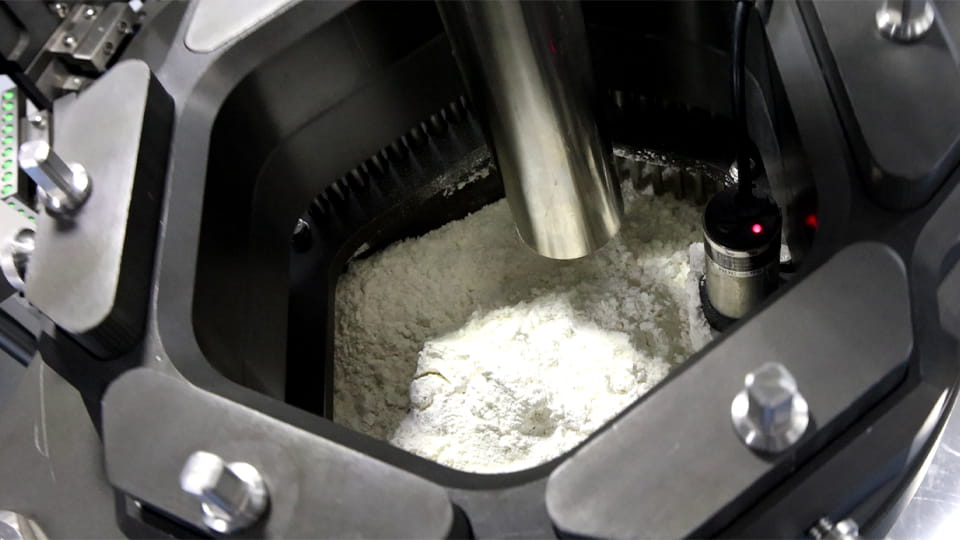
A producent maszyn do napełniania kapsułek może udzielić bardziej przydatnych rekomendacji, jeśli zapytanie zawiera dane dotyczące receptury.
Minimalnie, wyślij typ produktu, docelowa masa wypełnienia, wielkość kapsułki i wymagana zdolność produkcyjna. Idealnie, zapewniają również gęstość nasypową, gęstość utarta, Indeks Carra, Stosunek Hausnera, rozkład wielkości cząstek, informacje o wilgoci lub higroskopijności, czy proszek jest sypki, spójny lub lepki, materiał otoczki kapsułki, wymagania dotyczące szczelności, jeśli ma to zastosowanie, oraz kryteria dotyczące masy wypełnienia specyficzne dla produktu.
Informacje te pomagają dostawcy sprzętu w podjęciu decyzji, czy jest to standardowy automat Maszyna do napełniania kapsułek jest odpowiedni lub czy wniosek wymaga innego karmienia, dawkowanie, konfiguracja kontroli zapylenia lub zabezpieczenia. Obecny asortyment napełniania kapsułek Jinlu obejmuje automatyczne, sprzęt półautomatyczny i do napełniania płynem.
Kiedy próba wykazuje problemy, oddzielny optymalizacja po stronie maszyny z optymalizacja po stronie receptury.
Zmiany po stronie maszyny mogą obejmować wysokość złoża proszkowego, wymiary tarczy dozującej, głębokość lub kolejność ubijania, ustawienia dozownika, zachowanie karmienia lub mieszania, prędkość produkcji, pusty, częstotliwość odsysania pyłu i czyszczenia. Eksperymentalne prace związane z ubijaniem wykazały, że wysokość złoża proszku i ustawienia ubijania mogą wpływać na wydajność napełniania kapsułek, szczególnie w przypadku trudnych proszków.
Zmiany po stronie preparatu mogą obejmować kontrolę wielkości cząstek, granulacja, zarządzanie wilgocią lub zmiany środków poślizgowych, lubrykanty lub substancje pomocnicze. Decyzje te mogą mieć wpływ nie tylko na obrabialność, dlatego należą do receptury klienta, zespoły ds. jakości i regulacyjne. Badania dotyczące preparatów w postaci kapsułek nawilżanych pokazują, dlaczego ta ostrożność ma znaczenie: stężenie środka smarnego może wpływać na zachowanie proszku w masie, zmienność napełniania i funkcjonowanie maszyny na różne sposoby.
Dostawca maszyny powinien poinformować Cię, co zaobserwował sprzęt. Nie powinno to przypadkowo zmieniać prób maszynowych w niekontrolowane ćwiczenie polegające na opracowywaniu receptur.
Porównując wypełniacze kapsułek, utrzymuj prostą ścieżkę decyzyjną:
Scharakteryzuj proszek → potwierdź objętość wypełnienia → dopasuj zasadę dozowania → przetestuj rzeczywistą recepturę → porównaj wyniki z wcześniej zdefiniowanymi kryteriami akceptacji.
Ta pięcioetapowa sekwencja prowadzi do sformułowania, inżynierii i zaopatrzenia podjęli tę samą decyzję, zamiast pozwalać każdemu zespołowi ocenić maszynę pod innym kątem. Literatura naukowa potwierdza ten połączony pogląd na materiał i proces: Zachowanie podczas napełniania kapsułki zależy zarówno od cech preparatu, jak i mechanizmu napełniania.
Najbardziej niezawodna odpowiedź na „Czy ta maszyna do napełniania kapsułek poradzi sobie z moim proszkiem?” nie jest zatem stwierdzeniem broszurowym.
To jest:
Powtarzalne dane testowe z aktualnej receptury, na proponowanym systemie dozowania, w wymaganym rozmiarze kapsułki, ciężar wypełnienia i prędkość produkcji.
Ostateczna lista kontrolna przed zakupem
☐ Potwierdzono docelową masę wypełnienia i rozmiar kapsułki
☐ Zmierzono gęstość nasypową i gęstość nasypową nasypową
☐ Indeks Carra / Wskaźnik Hausnera poddany przeglądowi jako wskaźniki przesiewowe
☐ Rozmiar cząstek, oceniono wilgotność i lepkość
☐ Potwierdzono zasadę dawkowania i sposób karmienia
☐ Zakończono faktyczne badanie próbki proszku
☐ Przetestowano normalną i docelową prędkość produkcji
☐ Dane dotyczące masy wypełnienia, odrzuca i rejestruje obserwacje procesu
☐ Kryteria akceptacji uzgodnione przed badaniem
☐ Udokumentowane ustawienia końcowe i znane ograniczenia
Nowoczesne wypełniacze kapsułek są zbudowane tak, aby były elastyczne. Ta sama maszyna może często pracować z różnymi proszkami – ale niekoniecznie z tą samą konfiguracją.
Na przykład, Automatyczne wypełniacze JinLu (tak jak NJP-1200C I NJP-1500D) radzi sobie z proszkami, granulki, pellety, a nawet mikrotabletki. Obsługują kapsułki o rozmiarach #000–#5 z częściami do szybkiej wymiany. Jednakże, jeśli przełączysz się z jednego proszku na inny, przygotuj się na dostosowanie: różne proszki mogą wymagać różnych tarcz dozujących lub ubijaków, i będziesz potrzebować całkowitego czyszczenia.

Jak zauważono wcześniej, przenoszenie receptury pomiędzy maszyną dozującą a maszyną dozującą powinno odbywać się ostrożnie. Jeśli masz różnorodne produkty (mowić, zarówno drobną mieszankę witamin, jak i grubszą granulkę), może być konieczna zmiana mechanizmów dozowania. Również, proszek vs. wypełnienia płynne wymagają różnych maszyn lub modułów.
W rzeczywistości, wielu klientów rezerwuje maszynę dla danej linii produktów lub dokładnie przepłukuje system. Ale wszechstronny wypełniacz oznacza, że możesz potencjalnie napełnić swoją linię kapsułek na jednej platformie, po prostu wymieniając części.
A Maszyna do napełniania kapsułek może wyglądać idealnie na papierze i nadal mieć niewłaściwą konfigurację dla trudnego proszku. Nie musi to oznaczać, że maszyna jest słaba lub receptura jest zła. Zwykle oznacza to, że należy ocenić maszynę i materiał łącznie.
Zacznij od podstaw: płynność proszku, gęstość nasypowa, gęstość utarta, rozkład wielkości cząstek, wilgoć, docelowa masa wypełnienia kapsułki i rozmiar kapsułki. Następnie przyjrzyj się bliżej mechanizmowi dozującemu – zwłaszcza podczas porównywania dysk dozujący / ubijak vs. dawka systemy. Wreszcie, przetestować prawdziwy preparat w warunkach przypominających produkcję. Badania i komercja R&Oba urządzenia D obsługują to podejście skupiające się przede wszystkim na przetwarzalności.
Ta sekwencja zapewnia zaopatrzenie silniejszą podstawę do porównywania dostawców, daje produkcji bardziej realistyczny obraz możliwej do osiągnięcia produkcji, i dostarcza inżynierom receptur przydatnych informacji, zanim konfiguracja maszyny zostanie zamrożona.
Na Pakowanie jinlu, najlepszą informacją wyjściową jest zachowanie preparatu, gęstość nasypowa i usypowa, jeśli jest dostępna, dawka docelowa, rozmiar kapsułki i wymagana wydajność. Dla nieznanego, lepki, puszysty lub proszki o słabej płynności, przykładowy test może pomóc w ocenie proponowanej konfiguracji karmienia i dozowania przed zakupem.
Poproś o próbę proszku Lub Wyślij dane dotyczące receptury do Jinlu Packing w celu sprawdzenia wniosku i określenia odpowiedniej konfiguracji napełniania kapsułek.
Nie koniecznie. Maszyna do napełniania kapsułek może być zaprojektowana do proszków, ale rzeczywista wydajność zależy od płynności proszku, gęstość nasypowa, wielkość cząstek, wilgoć, spójność, ściśliwość, docelowa masa wypełnienia, i system dozowania. Najbezpieczniejszym sposobem potwierdzenia zgodności jest przetestowanie rzeczywistej receptury w realistycznych warunkach produkcji.
Do głównych właściwości należy sypkość proszku, gęstość nasypowa i utrzęsiona, rozkład wielkości cząstek, wilgoć, spójność, smarowność, i ściśliwość. Właściwości te wpływają na to, jak równomiernie proszek dociera do obszaru dozowania, tworzy dawkę, przenosi się do kapsułki, i utrzymuje stabilną wagę wypełnienia.
Zacznij od badań przesiewowych, takich jak Indeks Carra, Stosunek Hausnera, kąt spoczynku, gęstość nasypowa, i gęstość utarta. Testy te pomagają zidentyfikować ryzyko przepływu, ale żadna pojedyncza wartość nie dowodzi, że formuła będzie działać pomyślnie. Ostateczne potwierdzenie powinno pochodzić z próby na planowanej maszynie do napełniania kapsułek.
Gęstość nasypowa określa, jaką objętość zajmuje dana masa proszku. Na przykład, 500 mg proszku o małej gęstości wymaga większej objętości kapsułki niż 500 mg gęstego proszku. Dlatego wielkość kapsułki należy wybrać biorąc pod uwagę zarówno docelową masę wypełnienia, jak i gęstość preparatu, następnie potwierdzone przez rzeczywistą próbę napełniania.
Często tak, ale trudne proszki zwykle wymagają dokładniejszej konfiguracji maszyny i testowania. Korekty mogą obejmować podawanie proszku, podniecenie, wysokość złoża proszkowego, ustawienia ubijania, części dozujące, lub prędkość robocza. Dla lepkiego, spoisty, puszyste, lub higroskopijne proszki, Przed ostatecznym wyborem maszyny zdecydowanie zaleca się przeprowadzenie rzeczywistego testu próbki.
Najczęstsze przyczyny obejmują nierówny przepływ proszku, zmiany gęstości nasypowej, nierówne warunki złoża proszku, zmiany wilgoci, segregacja, nieprawidłowe ustawienia dozowania, efekty prędkości maszyny, i zużycie mechaniczne. Ponieważ wypełnienie kapsułek jest często objętościowe, nawet niewielka zmiana w gęstości proszku lub sposobie podawania może zmienić rzeczywistą masę wypełnienia.
Ubijak lub system dysków dozujących stopniowo ubija proszek wewnątrz wnęk dysków dozujących przed przeniesieniem dawki do kapsułki. System dozowania zbiera i kompresuje proszek wewnątrz pustej rurki dozującej przed wyrzuceniem dawki. Obydwa systemy w różny sposób oddziałują na przepływ proszku, zagęszczalność, i smarowność.
Żaden system nie jest uniwersalnie lepszy. Najlepszy wybór zależy od płynności preparatu, zagęszczalność, smarowność, dawka docelowa, rozmiar kapsułki, i wymagania produkcyjne. Badania porównujące oba systemy pokazują, że mogą mieć one różne wymagania dotyczące receptury, dlatego w przypadku trudnych produktów preferowane są testy porównawcze.
Tak, zwłaszcza dla nieznajomych, lepki, spoisty, higroskopijny, o niskiej gęstości, lub preparaty o wysokiej wartości. W przydatnej próbie należy zastosować zamierzony rozmiar kapsułki i masę wypełnienia oraz ocenić konsystencję masy wypełnienia, stabilność karmienia, przyklejanie się proszku, przeciek, Blokowanie kapsułki, odrzuca, i wydajność przy realistycznych prędkościach maszyny.
Minimalnie, podaj rodzaj produktu, rozmiar kapsułki, docelowa masa wypełnienia, i wymaganą zdolność produkcyjną. Jeśli jest dostępny, wyślij również gęstość nasypową, gęstość utarta, wielkość cząstek, wilgoć, zachowanie przepływu proszku, rodzaj otoczki kapsułki, wymagane kryteria masy wypełnienia, oraz informację, czy preparat jest lepki, spoisty, lub higroskopijny.
Referencje:
1.Gęstość nasypowa proszków —— Farmakopea Stanów Zjednoczonych
2.Porównanie wymagań dotyczących receptury automatycznych maszyn do napełniania kapsułek z dozownikami i tarczami dozującymi —— Narodowa Biblioteka Medyczna
3.Wpływ właściwości przepływu proszku na jednorodność masy wypełnienia kapsułki —— Narodowa Biblioteka Medyczna
4.Rozwoju Farmaceutycznego —— I pytanie 8(R2)
5.Płynność proszku jako wskaźnik wydajności napełniania kapsułki —— ScienceDirect
6.Wpływ cech materiału na masę wypełnienia kapsułek i zmienność ciężaru w maszynach z dyszami dozującymi —— ScienceDirect