世界のスナック食品市場は活況を呈している, 効果的なスナックの包装に対する需要も同様です. 実際には, スナック包装市場の評価は高かった $20 億で 2025 そして218億ドルを超えると予測されています。 2026. スナックの包装は単なる袋や箱ではなく、製品の品質を保護し、効率を向上させるために設計された完全なシステムです。. 適切なパッケージでスナックを新鮮で安全に保ちます (湿気を遮断する, 酸素, そして光), 取り扱いと発送が簡単になります, 棚に商品を魅力的に陳列します. その間, 梱包形式によって必要な機械が決まります: チップス用のシンプルな VFFS ラインからナッツやキャンディー用の自動既製パウチ システムまで.
ポテトチップスを作るかどうか, ナッツ, あめ, ポップコーンとかドライフルーツとか, 目標は同じです: 製品を保護する, 生産を効率的にする, そして消費者にアピールする. どのような梱包形態かをご紹介します (枕袋, スタンドアップポーチ, フローラッパー, 等) さまざまなスナックに最適です, 必要な材料とバリアフィルムは何ですか, そして機械はどのように好むのか VFFSまたは既成パウチパッカー ラインに収まる. これはオプションを比較するのに役立ちます – 例:. コスト効率の高いポテトチップス用 VFFS ピローバッグの選択, スパイス入りナッツ用のプレミアムスタンドアップパウチとのバランスを考慮したスナック包装ソリューションを構築します。 貯蔵寿命, スピード, とブランディング.
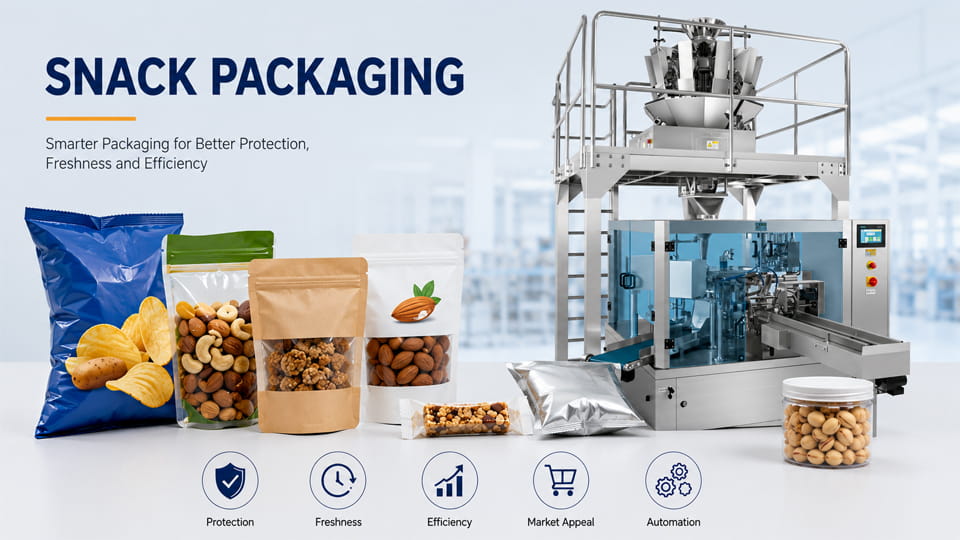
スナックの包装とは?
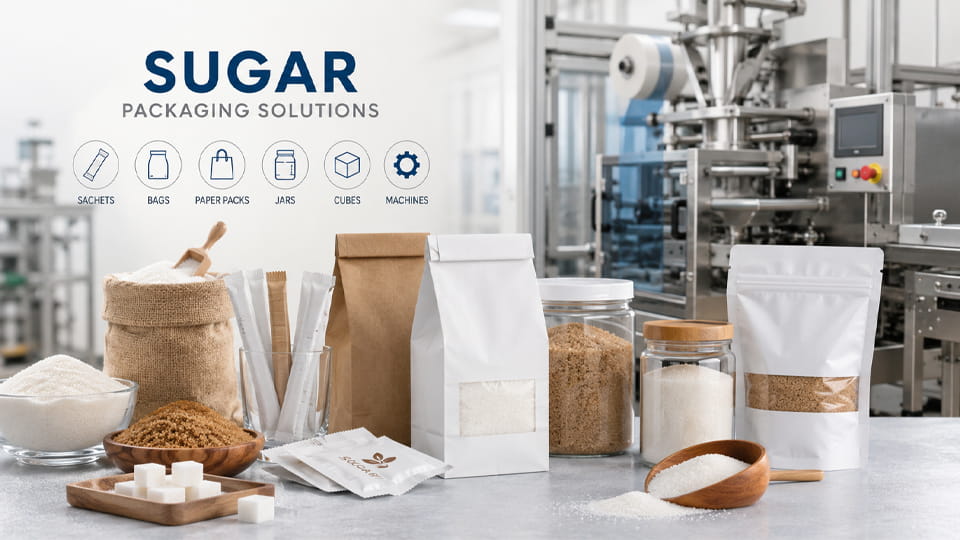
「スナック包装」とは包装紙のことを指します, バッグ, ポーチ, チップスなどのスナック食品に使用される容器, ナッツ, ドライフルーツ, クッキー, あめ, ビーフジャーキー, プロテインバー, もっと. パッケージ化されたスナックは通常、利便性を考慮してあらかじめ小分けされています。. 一般的なスナックパッケージには以下が含まれます: 柔軟なバッグまたはポーチ (枕袋, スタンドアップポーチ, 平袋), フローラップバーまたはクッキー, 小さなカートンやトレイ. 効果的なスナック包装は製品を湿気から保護する必要があります, 酸素, 光と汚れ, 魅力を提供しながら、, 便利なパッケージ. 業界レポートによると, スナック菓子のパッケージには「いくつかの種類がある」, スナックの種類にもよりますが, 必要な保存期間, そしてブランドの持続可能性の目標」. 例えば, ポテトチップスはサクサク感を保つために窒素フラッシュされたピローバッグに入っていることが多い, 一方、プレミアムナッツは再密封可能なスタンドアップパウチで販売される場合があります, 個々のキャンディーはツイストラップまたはカートンに入っている場合があります. これらの形式はすべて「スナック包装」に該当します。,それぞれが特定の製品とユースケースに合わせて調整されています.
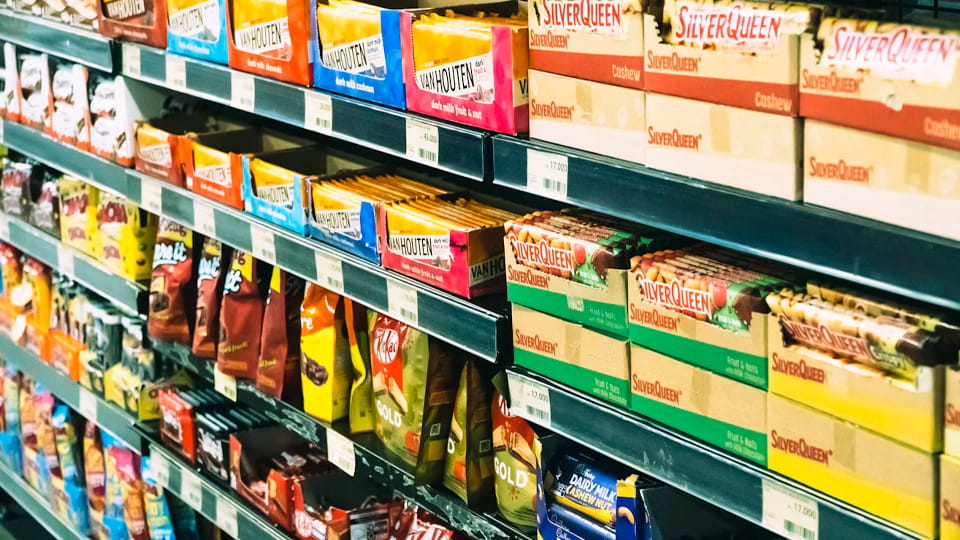 お菓子がたくさんある店内
スナックのパッケージが重要な理由
スナック食品は空気にさらされています, 湿気と取り扱い, そのため、パッケージは鮮度と風味を閉じ込める必要があります. 適切なスナックの包装は酸素に対するバリアを作ります, 光と湿気, スナックをサクサクと美味しく長持ちさせるのに役立ちます. 優れた包装は安全性と衛生性も保証します。しっかりと密封された袋は汚染物質の侵入を防ぎ、品質を保ちます。. 同時に, スナックのパッケージにはブランドと栄養のラベルが貼られています. 大きな, カラフルなポーチは棚で買い物客の目を引くでしょう. 要するに, スナックの包装は製品の品質を守る最初の防御策です そして お客様との初めての握手. 機能的な保護とマーケティングへの影響を組み合わせます.
- 品質を守る & 鮮度: たくさんのスナック (チップ, クラッカー, ナッツ) 暴露されると陳腐化する. 酸素や湿気を防ぐ包装.
- 利便性の向上: 再封可能なパウチまたは使い切りの小袋により、外出先でもスナックを簡単に使用できます. 切り込み, ジッパーや注ぎ口で利便性が向上.
- ブランディングと店頭での訴求力を高める: フレキシブルなバッグによりフルカラー印刷が可能. 大きな, 平面なのでロゴやデザインが際立ちます.
- ダメージを防ぐ & 損失: クッションスペース, チップバッグの中の「空気」のようなもの (実は窒素), 壊れやすいスナックが輸送中に潰れるのを防ぎます. 丈夫なパウチや硬い容器は穴や破れにも強い. 適切な梱包がされていない場合, 製品にひび割れや漏れが発生する, 廃棄と返品につながる.
- 賞味期限を延長する: ハイバリアフィルムと改質雰囲気充填材 (例えば. 窒素フラッシュ) スナックの賞味期限を2倍にすることができる, 無駄を減らす.
包装の専門家によると, 柔軟な素材は軽量であるため、特にスナック食品に最適です, 強度があり、印刷を鮮やかに保ちながらバリア保護を提供します。. パーティーサイズのチップスバッグから1回分のナッツパックまで, 適切な包装スタイルとフィルムを選択することは、スナック製品の成功への重要なステップです.
一般的なスナックの包装タイプ
スナックのパッケージにはさまざまな形式があります. 今日使用されている最も人気のあるスタイルは次のとおりです:
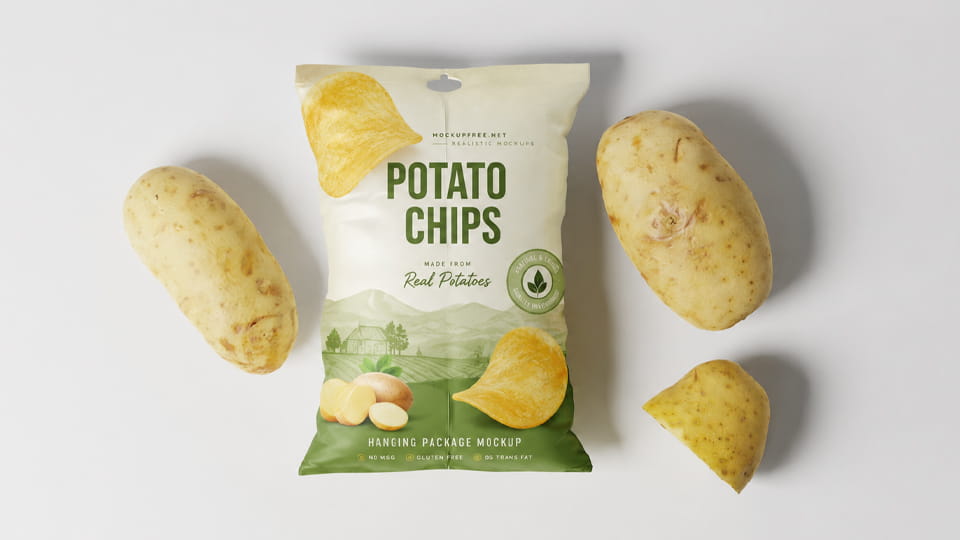
- 枕ポーチ: チップス用のシンプルな三方シールの袋です。, プレッツェルまたはキャンディー. a 枕ポーチ 空のときは平らで、満たされると枕の形に「膨らみます」. 背面と上下にシールが貼られています. ピローパウチは他のスタイルに比べてフィルムの使用量が少なくなります。, コスト効率が高く、しっかりと梱包できるので. 彼らです スナック食品では非常に一般的です – ポテトチップスを考えてください, プレッツェル, ポップコーンとナッツ. (多くの枕ポーチには、吊り下げ穴や再封可能なジッパーなどの機能も付いています。) 材料費が安いので, ピローバッグは、バルクスナックバッグとしてよく選ばれます。.
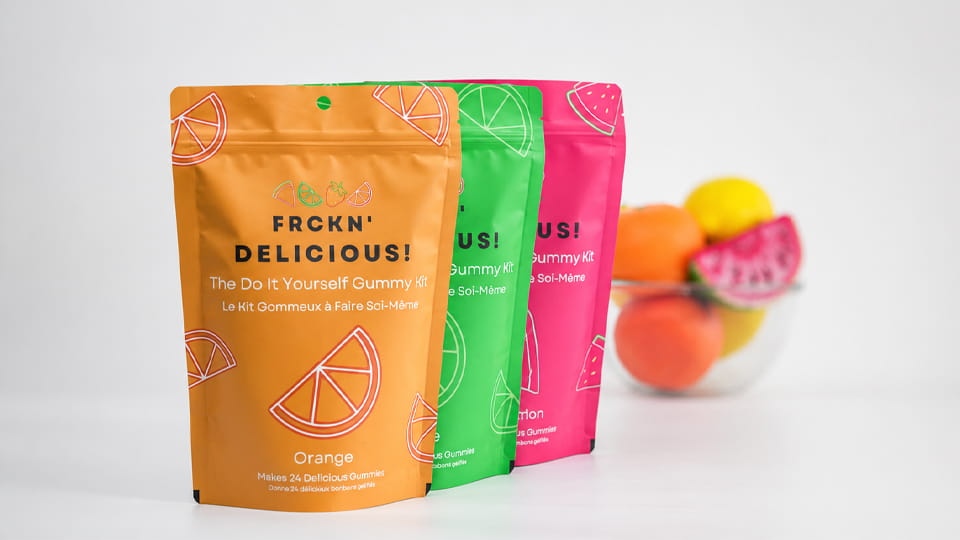
- 立ち上がる (マチ付き) パウチ: このバッグにはマチがあります (折り畳まれた底) だから彼らは棚の上に直立して立っています. スタンドアップパウチは通常、フィルムのコストが高くなりますが、高級な外観を与えます. 多くは再密閉用のジップロックまたは注ぎ口を備えています. スタンドアップパウチ包装は 余分なボリュームがある製品や店頭でのアピールが必要な製品に最適です. 例えば, 高級ナッツやトレイルミックスは、目立つようにスタンドアップバッグを使用することがよくあります. これらのパウチはスナックを新鮮に保ち、ブランドを表示するための広い面を提供します. フィルムコストが若干高いにもかかわらず, 多くのスナックブランドが視認性と利便性の向上のためにそれらを好んでいます.
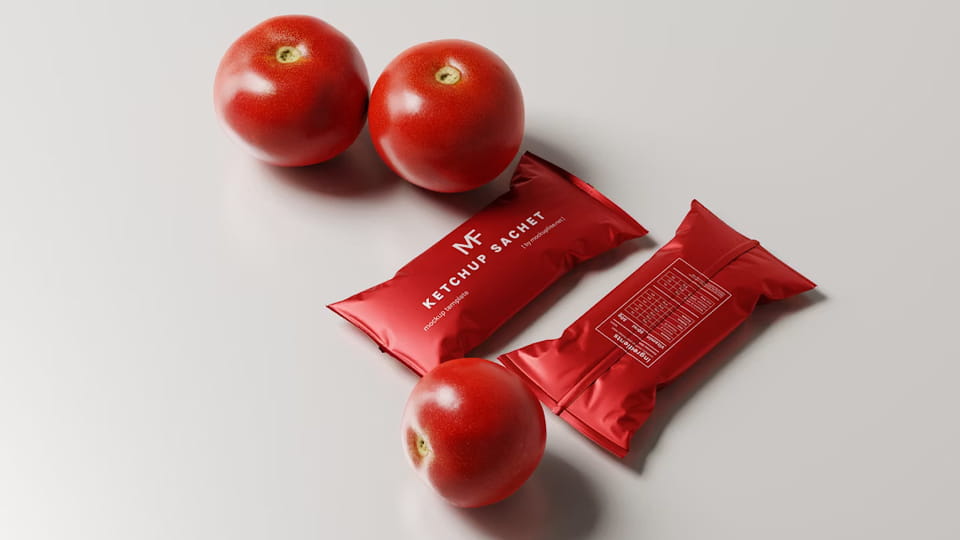
- サシェとスティックパック: これらは小さいです, 3 つまたは 4 つの面が密封された 1 回分のパケット. 小袋は調味料入れに最適です, 小さなキャンディ部分, またはジャーキーシーズニングなどの使い捨てスナック. スティックパック (ロングスキニーサシェ) 粉末ドリンクミックスや小さなキャンディーによく使われます. 最小限の材料を使用しており、持ち運びに便利です, ただし再封はできません. 呼ばれるマシン 小袋包装機 または スティックパックマシン これらのパックを高速で充填および密封します. 小袋は多くの場合、短い保存期間に対して十分なバリアを提供する単純なラミネートフィルムで作られています。.
- フローラップ & バーラッパー: 軽食 (グラノーラバー, キャンディーバー, ビスケット) 横型フローラップ機を使用する. これらの機械は、個々のバーやクラッカーのスタックをしっかりとしたフィルムで包みます。 水平方向, 次に端をシールします (キャンディーバーを包むように). フローラップは各バーの周りにしっかりとしたピローパックを作成します. 高速で固体アイテムに適しています.
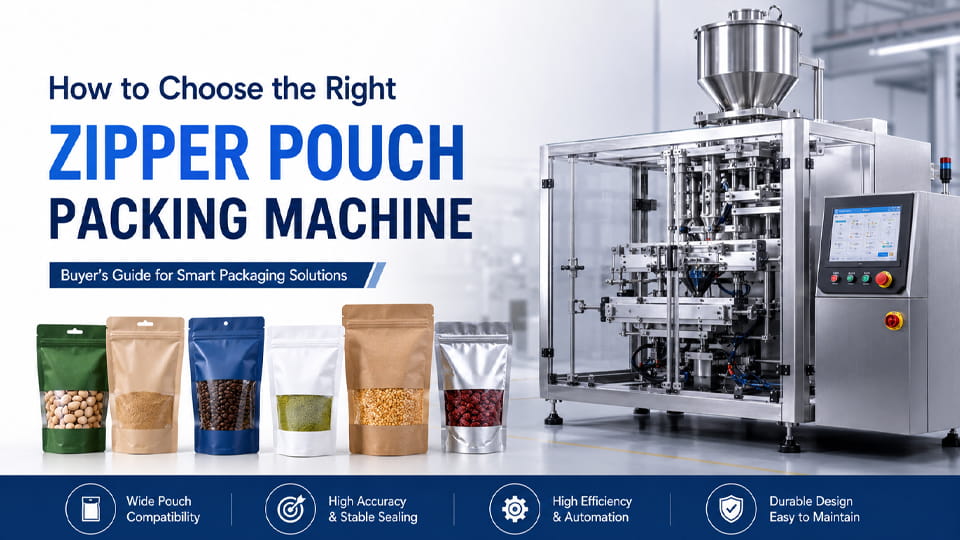
- 事前のポーチパッキング: より複雑なパウチデザインの場合 (多層ラミネート, 注ぎ口, ジッパー開閉), 多くの企業が使用しています 既製パウチ機械. これらのマシンはフラットにロードされます, 雑誌で作られた既成バッグ, それらを開いてください, 製品を埋める, それからそれらを封印します. スタンドアップジッパーバッグから注ぎ口付きドリンクパウチまで、あらゆるものに対応する既成パウチマシン. ポーチ機能の場合に一般的です (開けやすい注ぎ口のような) 消費者価値を追加する. トレイルミックスやチップスなどのスナックアイテム用, ある 既製のジッパーポーチ 正確な投与により、毎分最大約 50 ~ 60 袋の速度で充填および密封が可能.
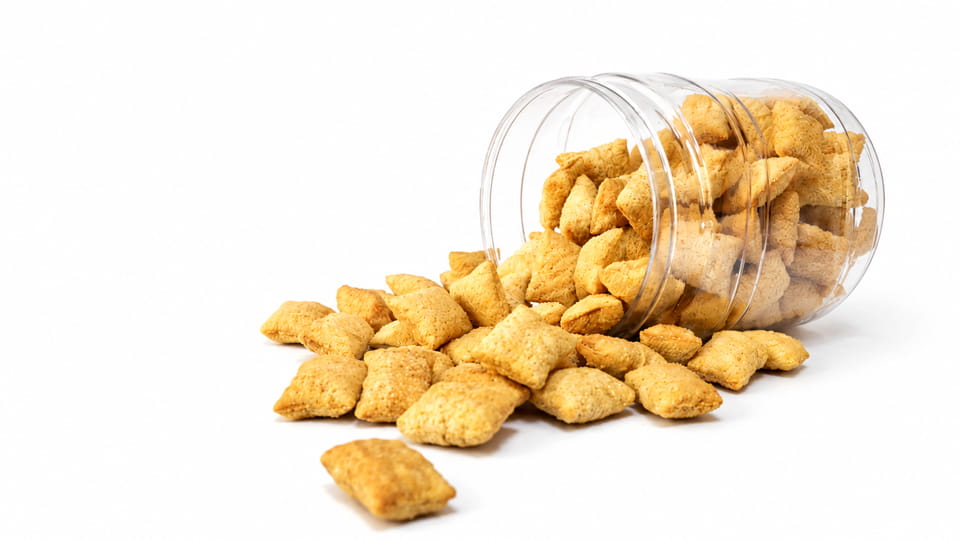
- 硬質コンテナ (ボックス, 瓶, 缶): 多くのスナックの包装は柔軟ですが、, 一部の製品はカートンを使用します, 缶または瓶. 例えば, バルクプレッツェルは段ボール箱で届く場合があります, ナッツやポップコーンもプラスチックの瓶に入って売られています. 堅い梱包は重くて高価です, 壊れやすいスナックや容器を再利用する場合には適しています (クッキーの瓶のような). しかし, ほとんどの高速スナックラインはフレキシブルパウチに重点を置いています, そのため、自動スナック包装ラインでは硬い容器はあまり一般的ではありません.
各パッケージタイプには独自の利点があります. 枕袋は最も早くて安い; スタンドアップパウチは再閉鎖性と棚の魅力を提供します; 小袋は少量のアイテムや一回分ずつのアイテムに最適です; フローラップポーチはバーや同様の形状のスナックに適しています. 「最高」のタイプはスナックによって異なります (チップ対. グラノーラバー vs. ナッツ), 保存期間のニーズ, ブランディングの優先事項, とパッケージングの予算.
スナック菓子の包装資材
ほとんどのスナックポーチは以下から作られています。 フレキシブルフィルム – ラミネートプラスチック (時にはホイルや紙も) ヒートシールできるもの. スナックは空気から守る必要があるため、素材の選択は非常に重要です, 湿気、そして時々光. スナックの包装に使用される一般的な材料とラミネートには次のものがあります。:
- ポリエチレン (PE) およびポリプロピレン (PP): これらのプラスチック (多くの場合、層状に) 基本的なヒートシール可能なバリアを形成します. 低密度PE (LDPE) および線状LDPEは内部シーラント層として非常に一般的です. 延伸PP (ボップ) 印刷適性を高めるために外側に使用されます. ポリエチレンおよびポリプロピレンフィルムは湿気をしっかり遮断し、良好なシール強度を提供します。.
- ポリエステル (ペット): PETフィルムが強度と高バリア性を付与 (ラミネートの一般的な「中間」層です). ラミネートは PET//接着剤//PE である可能性があります, 例えば. このようなフィルムは酸素の透過を防ぐのに役立ちます.
- 蒸着フィルム/アルミ箔: 一部のスナックフィルムには薄い金属が付いています (アルミニウム) 優れた酸素/光バリア層. 例えば, ポテトチップスは、サクサク感を保つために金属化フィルムまたはホイルラミネートを使用することがよくあります。. これらのフィルムはブロックします 100% 光と湿気の.
- ラミネートフィルム: ほとんどのスナックパウチは上記のものを組み合わせた多層ラミネートです。 (ナイロンやEVOHの場合もあります). ラミネートフィルムが層を結合して耐久性とバリア強度を実現. 例えば, ある 5- または 7 層フィルムには PET が含まれる場合があります, アルミニウム, 接着剤とPE. 結果: 空気の侵入を防ぐ耐久性のあるバッグ. ラミネートはかさばることなく保存寿命を劇的に延長します.
- 生分解性/堆肥化可能なフィルム: PLAのような植物由来のフィルムがトレンドになっている. これらはプラスチック廃棄物を減らすことができます, しかし、それらは一般的により高価であり、防湿層のニーズに対してはまだ成熟期にあります。. 一部の高級スナックブランドは堆肥化可能な袋を実験中 (PLAまたはセルロースベース) クラッカー用, ナッツまたはチップス.
- 紙またはコート紙: 軽食数個 (クラッカーや紅茶風味のチップスなど) 薄いプラスチックまたはホイルの裏地が付いた紙ベースのポーチを使用する. これらはより自然な外観ですが、通常は湿気を防ぐために裏地が使用されています.
すべての場合において, 通常、外側の層は印刷可能であるため、ブランドは明るい色を使用できます. 内層と接着剤が空気を保持します, 水分や油分が逃げないように. 機械のシール要件によっても材質が決まります: 高速機械には高温でもきれいにシールできるフィルムが必要です. 例えば, 連続ヒートシーラー スナックラインでは通常、PE を使用して作業します, PP, PETおよびラミネートフィルム. 実際には, ある業界レポートによると、現代のスナックパックフィルムは通常、強度とバリア性を高めるためにPEまたはPETベースのラミネートが使用されています.
スナック包装機 & 装置
包装機はこれらのフィルムやパウチをスナックの袋に詰めます。. 典型的なスナックラインでは, 計量/充填を行う機械, 製袋, 封緘とケース詰めも. 装備の主なカテゴリは次のとおりです:
- 縦型フォーム-充填-シール (VFFS) 機械: VFFS マシンはフィルムのロールから袋を形成します (通常は枕またはマチ付きスタイル) 縦シールを作ることで. a VFFSマシン それからそれを埋める (重力または計量器を使用して) そして上部を密閉します. これらの線はスナックのパッケージで非常に一般的です. ポテトチップスの場合、毎分 30 ~ 200 袋の速度で稼働できます。, ナッツや粒状スナック. VFFS ラインは設置面積が小さく、スナックを分割するためにマルチヘッド計量機またはカップフィラーを統合できます。. マルチヘッド計量機が落下する, 言う, 100gのチップを各袋に高速で投入. VFFS はその場でバッグを形成するため, パッケージがシンプルなポテトチップスやポップコーンなどの大量生産品に最適です。 (多くの場合、ピローパックまたは単純なガセット).
- 水平フローラップ (HFFS) 機械: 横型フローラップ機はフィルムチューブ内でスナックを水平に包み、端をシールします。, キャンディーバーを包むのと同じように. HFFS は、単品または列パック形式のパッケージングによく使用されます。. 例えば, キャンディーを動かす機械, グラノーラバー, ビスケットやクラッカーの複数パックはこのスタイルを使用します. 業界分析によると, HFFS システムはスナックバーやクッキーなどの固形製品に優れています, 数十から 1,500 デザインに応じて1分あたりのパック数. 仕上がりは通常非常にきれいです (横向きなので) 長い製品やグループ化されたアイテムを扱うことができます. トレードオフは、HFFS ユニットがより大きく、より複雑になることです。.
- 既成パウチ包装機: これらの機械が扱うのは、 既成のバッグ (フラットポーチ, ドイパック, スタンドアップバッグ, 小袋, 等). 機械はあらかじめ作られた空のパウチを取り出します, 真空グリッパーで開けます, 上から埋める, そしてそれを封印します (通常はフィンヒートシール付き). 特別なポーチ機能が必要な場合に使用されます。 (再封可能なジッパー, 注ぎ口, 重いラミネートの安定性). 例えば, トレイルミックスやナッツ類を入れるスタンドアップジッパーポーチは、多くの場合この方法で梱包されます。. 最新の既製パウチ機械 (Jinluのジッパーパウチマシンのような) 高い投与精度で毎分約 50 ~ 60 袋に達することができます. 多くの場合、デリケートなスナック向けの除塵や窒素フラッシュなどのオプションが含まれています。.
 既成パウチ包装機
- 計量および充填システム: ほぼすべてのスナックラインには計量/充填ステーションがあります. これは、 マルチヘッド計量機 ドライスナック用, 粉末またはナッツ用のカップまたはオーガーフィラー, または容積測定カップフィラー. マルチヘッド計量機はチップの場合に特に一般的です, ナッツやトレイルミックスは、正確な量を非常に早く提供するため、 (多くの場合、最大速度で ±0.5 ~ 2g の精度 100 1分あたりの重量). 正確な計量器により過剰充填を防止 (製品のプレゼント) 各バッグの重量が正しいことを確認します. バルクスナックの一部のラインでは、単純な容積測定用フィラーを使用しています (安い, 緩い材料には適していますが、精度は劣ります) または液体やソース用のシンプルなカップフィラー.
- 小袋・スティック包装機: これらは特殊な縦型マシンです. スティックパックマシンのフォーム, 細長い袋に充填して密封します (のように ケチャップスティック または コーヒースティック). 分包機は小さな平らなパケットを形成します, 多くの場合、非常に高速で (毎分数百) 粉末または使い捨てのスナック用 (醤油のパックみたいに, 調味料, 小袋に入ったナッツ).
 サシェスティック包装機
- 給餌 & 運ぶ: 充填前, スナックは多くの場合、充填機への安定した流れを確保するために、振動テーブルまたはコンベアによって分類および供給されます。. 壊れやすいスナック用, 穏やかなコンベアで破損を防止. ポップコーンなどの自由落下製品の場合, リフトとダイバータにより、計量機または充填機への一貫した供給が保証されます.
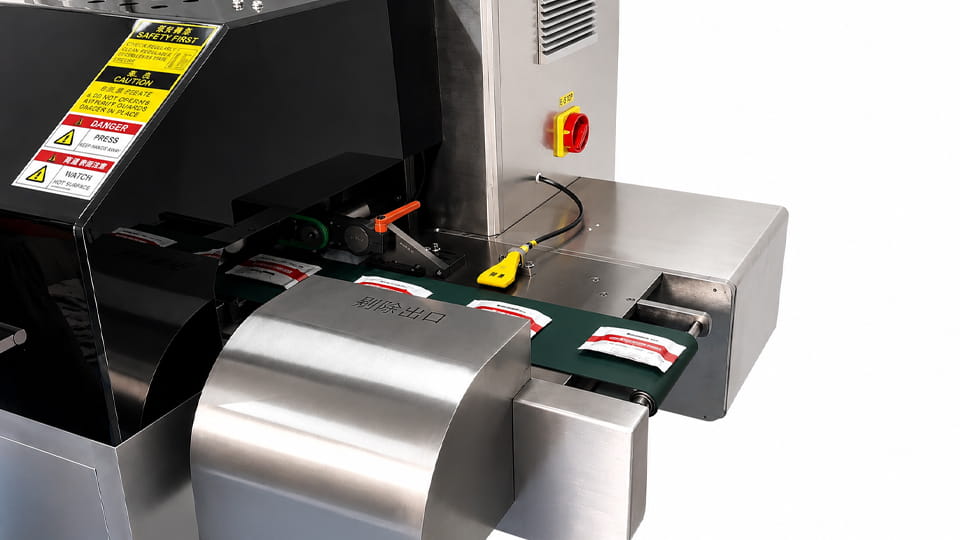
- シーラー: 充填後, スナックには密封が必要です. ヒートシーラー (連続またはインパルス) バッグの素材に気密シールを作成します. 高速スナックライン用, 約 150 ~ 250°C の温度で動作する連続シールバーは、毎分 60 ~ 150 袋以上をシールします. これらのシールは空気や湿気を遮断します。. 対照的に, インパルスシーラーはショートを使用します, 高温パルスであり、厚いフィルムまたは低速のラインで使用されます。.
- 数える & 瓶詰め機: すべてのスナックがパウチに入っているわけではありません. グミなどの商品, ナッツ, チョコレートビーンズ, ジェリービーンズ, キャンディー, フリーズドライフルーツはボトルに詰められることが多い. アン 自動カウント & 充填マシン 電子センサーを使用して、ボトルに充填する前に各個数を正確に数えます, 製品の無駄を最小限に抑えながら、一貫した数量を確保する. 完全なおやつ 瓶詰めライン 統合することもできます ボトルのスクランブル解除, 乾燥剤の挿入, キャッピング, 封印, そして ラベリング, ボトル入りスナックの大量生産に最適なソリューションです。.
 JL-16R ベアグミ計数瓶詰めライン
- 統合包装ライン: 多くのスナックメーカーは 1 つのベンダーから統合ラインを購入しています. 例えば, ラインには、VFFS 袋詰め機に供給するマルチヘッド秤量機が含まれる場合があります, 次に日付コーダー (日付の印刷用) 最後に自動ケース包装機. 自動化されたラインは迅速な ROI を達成できます: 手動の袋詰めを排除することで、人件費と不整合が削減されます.
要約すれば, スナック包装機械 小規模作業用のコンパクトな卓上フィラーから大規模プラント用の高速自動ラインまで多岐にわたります。. 重要なのは、マシンのスタイルを製品に適合させることです. Wolf Packing のメモとして: 全自動スナック包装システムは、最小限の労力で毎分 60 ~ 150 個以上のパッケージを達成できます. このくらいのスピード, 正確な計量と密封を組み合わせたもの, すべての袋が正しく充填され、密封されていることを確認します, スループットと製品の一貫性を最大化する.
スナック包装機: 充填からパック完成まで
典型的なスナック 包装ライン 以下の手順に従います (以下のフローチャートを参照):
- 製品の供給: スナックはホッパーまたはコンベアから計量機または充填機に供給されます。. 粘着性のある製品には、振動フィーダーまたはスクリューフィーダーが使用される場合があります。.
- 計量 (マルチヘッド秤量機): スナックは正確な量に計量されます. (液体または粉末スナック用, 代わりに、投与ポンプまたはピストンフィラーを使用することもできます。)
- バッグ・ポーチの準備: 機械はどちらか 袋を形成する 映画から (VFFSのように) または 既成のポーチを手に取る (doypack マシンのように).
- 充填: 計量した部分を開封した袋/パウチに落とします。. 複数のレーンで多くのバッグを並行して充填できます.
- 窒素フラッシング (オプション): 封印前, 多くのスナックラインでは、酸素を押し出すために袋に窒素ガスが注入されています。, 鮮度を長持ちさせる.
- シーリング: 袋の開口端はヒートシールジョーでシールされています。. 機械は適切な熱と圧力を加えて密閉します。.
- コーディング/ラベリング: 充填された袋には、追跡可能性を確保するためにインクジェット プリンターまたはレーザー コーダーを使用して日付/ロット コードがマークされます。.
- 検査 (重量チェッカー / ビジョン): バッグは重量チェッカーを通過して重量を確認します. ビジョンシステムはシールの完全性や印刷品質を検査できます.
- 箱詰め: 袋または小袋のグループが選択され、箱詰め機によってカートンに挿入される場合があります。.
- ケース梱包: ついに, カートンはケースパッカーによって輸送ケースまたはパレットに積み込まれ、密封されます.
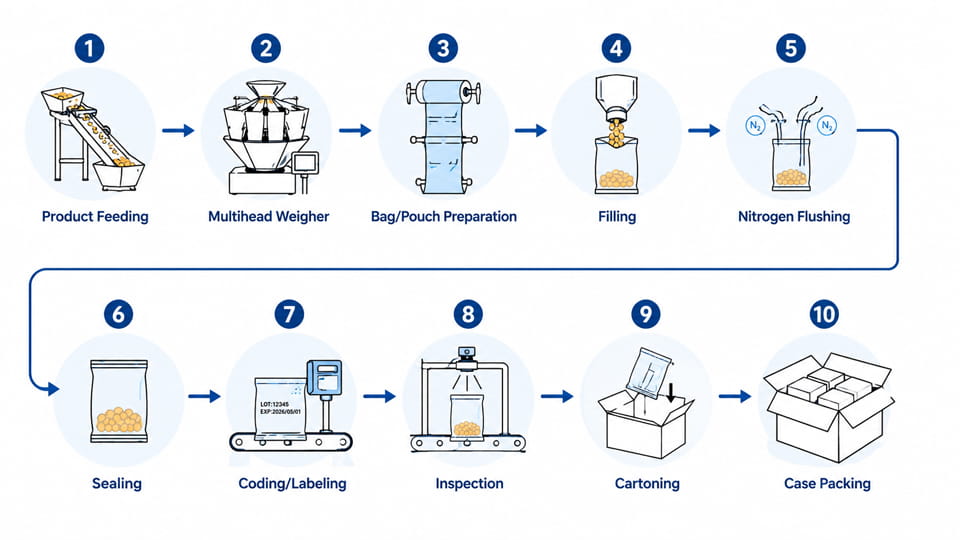 スナック自動包装ラインのフロー図
これらの各ステップは自動化および同期化できます。. 上の図 (マーメイドのフローチャート) 商品投入から最終ケース詰めまでの流れを示します.
スナックに最適なマシンの選択
すべてのスナックに適合する 1 台の機械はありません. 「最適な」包装機は製品の形状によって決まる, 充填率とバッグのスタイル. ここにいくつかのガイドラインがあります:
- チップス & グラノーラ (ゆるい, 自由に流れる): 通常はマルチヘッド計量機を備えた VFFS ラインが使用されます。. チップは上から袋に簡単に落ちます. VFFS は高速性に優れています (30–200袋/分) 設置面積が小さい. 優れた酸素バリアを持つフィルムを選択し、鮮明さをさらに高めるために窒素フラッシュを検討してください。.
- ナッツ & ドライフルーツ: チップスに似たもの, これらは計量器を備えた VFFS でうまく機能します. ジッパー付きスタンドバッグをご希望の場合, 既製のパウチパッカーを使用する. 一部のラインでは、大量の袋の搬送に対応するバルク計量フィーダーを提供しています. ここでは精度が重要です – ナットのサイズは異なる場合があります, そのため、マルチヘッド計量機によりばらつきが減り、均一な重量が確保されます。.
- スナックバー & あめ: 横型フローラッパー (HFFS) マシンはバーや包装されたキャンディーで輝きます. 1 つまたは複数のバーを素早くパッケージ化できます. バーがホイルまたは紙のフローラップに入っている場合, それらの機械は端をしっかりとシールすることができます. 一口サイズのおやつに (ポップコーンの塊のような), HFFS は横型ピローパックも形成できます.
- 調味料 & ソース: サシェまたはスティックパックマシンはスパイスミックスを処理します, ディップパウダー, または使い切りのソース. これらのマシンは非常に高速に動作します (多くの場合、毎分数百スティック). 既製のスティックポーチにも対応します.
- ポップコーン: ポップコーンには通気性が必要です (粉砕を避けるために) そして大きなバッグ. 多くのポップコーン ラインでは、ポップコーンを静かに積み込むために特別なバッグ コンベア ベルトを備えた VFFS を使用しています。. 大きな袋には大きな底マチを備えた横型袋詰め機を使用するものもあります。.
- バッチサイズ & 自動化レベル: 小規模生産者は、半自動または容積測定機から始める可能性があります (例えば。, 卓上計量器をジップロック袋に詰める). 大規模な作業はコンベアとロボットによって完全に自動化されます. 完全に自動化されたラインでは、重量が重い機械に対してオペレーターが 1 ~ 2 人しかいない場合があります。, バッグ, シールとケースには、1 時間あたり数千個のスナックが詰め込まれています.
- 出力要件: 必要な場合は 100 バッグ/分, 自動機械に確実に投資する. 1分間に数袋しかない場合, 手動または手動で装填する半自動フィラーで十分な場合があります (ただしウルフ氏は、手作業による梱包にはコストと非効率が隠れていると警告している).
- バッグ素材: 一部の機械は特定の種類のバッグでのみ動作します. 例えば, ほとんどの VFFS 機械はピローバッグまたはガゼットバッグを形成します, ただし底マチ付きのスタンドパウチは作れません. 逆に, 既製パウチ機械は、ほぼすべての袋の形状に対応できますが、袋が事前に形成されている場合に限ります。.
- 予算 & ROI: 自動スナックマシンの価格は数万ドルから数十万ドルになる場合があります. しかし, 労働力の節約とスループットの向上は、大容量ラインの場合、多くの場合 1 ~ 3 年以内に回収されます。. ROIの計算には人件費がかかる, 景品の削減と効率の向上 – しかし経験的には、ほんのわずかでも 1% 製品の景品を減らすことで、大量のスナックラインで年間数千ドルを節約できる.
- 業界標準: 食品用のスナックマシンは通常、衛生基準を満たしている必要があります (ステンレス鋼, 掃除が簡単) 人間が消費する場合は、おそらく HACCP/FDA ガイドラインも含まれます. 認定された機器を選択してください 食品包装. メンテナンスとサービスも考慮してください – 信頼性の高い機械がラインをスムーズに稼働させます.
要約すれば, 特定のスナックと生産のニーズについて考える. ポテトチップスやナッツを梱包する場合, 計量器を備えた高速 VFFS が一般的です. エナジーバーやキャンディーに, フロー包装機またはスティックパッカーが最適かもしれません. ミックススナックバッグまたは再密封可能なパウチ用, 既成パウチ機が最適です. キーは一致することです おやつタイプ + バッグタイプ + スピード 適切なマシンで. 機械の専門家に遠慮なく相談してください: 製品の特性を考慮します, 希望の出力, 解決策を推奨するのにかかる費用と.
結論
スナックのパッケージの世界にはおいしいオプションがたくさんあります. シンプルなピローバッグや小袋から、洗練されたスタンドアップポーチやフローラップまで, それぞれのスタイルにはそれぞれの場所があります. フレキシブルな包装材とラミネートが風味を保護, 高速 VFFS または HFFS 機械は袋を迅速かつ正確に充填および密封します。. 適切なパウチの形式と機器を選択し、最新のパウチを使用することにより、, 自動化ライン – スナックメーカーは食品を新鮮に保つことができます, 棚上で一貫性があり目を引く. 覚えて, 優れたスナック包装は製品の品質を保つだけではありません, また、生産の効率と収益性も向上します。.
あなたが経験豊かな運営マネージャーであっても、スナックパッカーを探している新しいバイヤーであっても, このガイドで概要を明確に理解していただければ幸いです. 改善する準備ができている場合は、 スナック包装ライン, 包装機械の専門家に相談することを検討してください. ジンルパッキング, 例えば, さまざまな軟包装機を提供しています (マルチヘッド秤量機からVFFS、パウチパッカーまで) カスタム ソリューションの設計に役立ちます. 今すぐお問い合わせください スナックの包装ラインを最適化し、製品にふさわしい保護を与える方法について話し合います。.
スナックの包装に関するよくある質問
スナックの包装とは?
スナックの包装とは、保護する工程を指します。, 保存する, 適切な包装材料と包装機械を使用してスナック製品を提供する. ポテトチップスなどの製品向けのフレキシブルなパッケージング ソリューションとリジッドなパッケージング ソリューションの両方が含まれます。, ナッツ, ポップコーン, キャンディー, グミ, ドライフルーツ, クッキー, およびその他のすぐに食べられるスナック.
スナック菓子にはどのような包装が最適ですか?
最適な梱包は製品の特性によって決まります. ピローバッグはチップスやポップコーンなどの大量の製品に最適です, 一方、スタンドアップパウチは棚での訴求力と再密封性を向上させます。. 高級スナックブランドでは既成パウチが人気, ボトルはグミによく使われます, ナッツ, そしてキャンディー.
スナックの包装に一般的に使用される素材は何ですか?
最も一般的なスナックの包装材料には PE が含まれます。, ペット, ボップ, CPP, アルミホイルラミネート, 金属化フィルム, リサイクル可能なモノマテリアルフィルム. 適切な材料は、必要な湿気に対するバリアによって異なります。, 酸素, ライト, 製品の鮮度を維持するためのグリース.
スナックの包装に使用されている機械はどれですか?
包装形態に応じて数種類のスナック包装機を用意. 共通設備にはVFFSマシンが含まれます, 既成パウチ包装機, マルチヘッド計量機, カウント & ボトル入りスナックの充填機, 箱詰め機, ラベル貼り機, および完全な包装ライン.
スナック菓子に最適な包装機は何ですか?
シングルはありません “最高” 機械. VFFS マシンはピローバッグや高速生産に最適です, 一方、スタンドアップパウチや高級包装には既成パウチ機の方が適しています。. グミやナッツなどの瓶詰め製品の場合, 自動カウント & 充填機は最高の精度と効率を提供します.
VFFSマシンと既製パウチマシンの違いは何ですか?
VFFS (縦型フォームフィルシール) ロールフィルムから袋を成形する機械, それらを満たします, 1 つの連続プロセスで封止します, 大量生産においてコスト効率が非常に高い. 既成パウチ機は、あらかじめ形成されたパウチを充填してシールします。, ブランドがスタンドアップパウチなどのより魅力的なパッケージスタイルを使用できるようになります。, ジッパーバッグ, スパウト付きパウチ.
1 台のスナック包装機でさまざまなスナック製品に対応できますか?
はい. 最新のスナック包装機の多くは素早い切り替えをサポートしており、チップスなどの製品を包装できます。, ナッツ, ポップコーン, キャンディー, ビスケット, グラノーラ, コーヒー豆, そしてドライフルーツ. 製品のサイズに応じて充填システムと機械の設定を調整します, 形, および包装形態.
スナックの包装に窒素フラッシングが使用される理由?
窒素フラッシングによりパッケージ内の酸素を窒素ガスに置換し、酸化を低減します。, スナックをクリスピーで新鮮なまま長期間保つのに役立ちます. また、輸送中の製品の破損を最小限に抑える保護クッションにもなります。.
適切なスナック包装ソリューションを選択するにはどうすればよいですか?
バッグのスタイルとスピードのニーズに合わせてマシンを選択してください. チップス用ピローバッグを使用する場合, 出力に合わせたサイズの VFFS ラインを選択してください. スタンドアップバッグをご利用の場合, バッグの寸法に合う既製のパウチフィラーを入手する. 自動化を検討する: フルラインには計量器を統合できます + ロッド + 金属検出器 + 重量チェッカー. メーカーのガイドを使用し、デモンストレーションをリクエストする. あなたの製品に最適なマシン, 希望の容量, 予算とフィルムの無駄も考慮することを忘れないでください, メンテナンス, 選択したものに簡単に切り替え可能.
スナック包装ライン全体をカスタマイズできますか?
はい. ほとんどの工業用スナック包装ラインは、生産要件に応じてカスタマイズできます. 製品に応じて, 完全なソリューションには給餌装置が含まれる場合があります, 計量または計数システム, 充填機, シール装置, 金属探知機, 重量チェッカー, 箱詰め業者, およびパレタイジングシステム, 効率的なエンドツーエンドのパッケージングプロセスを提供します.
参考文献:
1.食品成分 & 包装 —— 私たち. 食品医薬品局
2.包装 & 食品接触物質 (FCS) —— 私たち. 食品医薬品局
3.2024 スナック食品の包装トレンド —— pmmi.org
4.窒素 – 包装ガスとその先へ —— 食品安全センター
5.包装されたポテトチップスの保存期間に対する窒素フラッシングの影響 —— ワイリーオンラインライブラリ
6.スナック食品の新しいパッケージと SKU の予測 —— パックワールド