×

オンラインサービス

💬WhatsApp: +86 1801179332
💡
  • ブログ
  • ピローポーチとは? 究極のガイド – タイプ, 材料, 用途 & 包装機

ピローポーチとは? 究極のガイド – タイプ, 材料, 用途 & 包装機

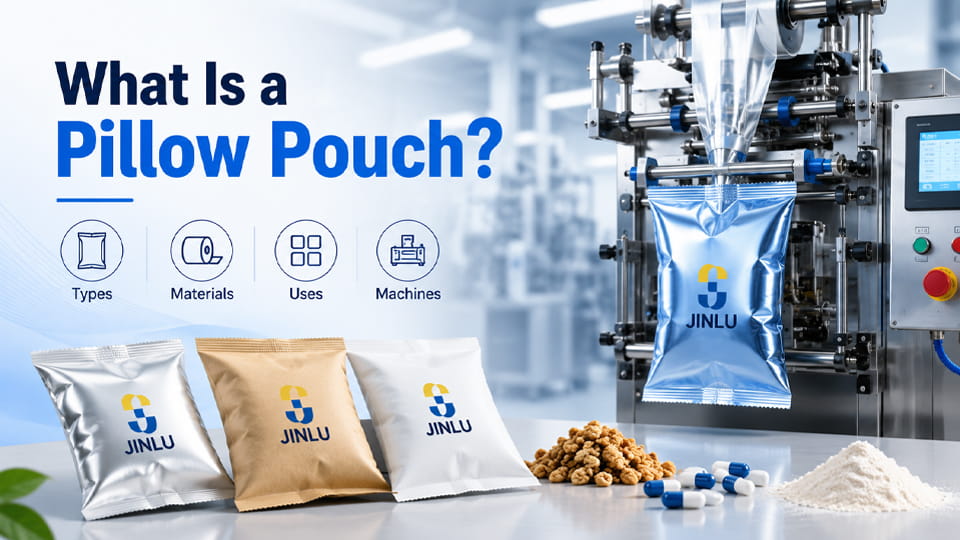
軟包装 comes in many forms – from stand-up pouches and spouted bags to simple pillow pouches. a 枕ポーチ is a flat, three-sealed flexible bag that lies flat when empty and “puffs” into a pillow shape when filled. It is heat-sealed on the top, bottom and a back seam (often called a fin seal or lap seal), making the bag look like an inflated pillow. When you squeeze a filled pillow pouch, the middle bulges out and tapers to the sealed edges, much like a little cushion. Pillow pouches (とも呼ばれます 枕パック または back-seal pouches) are widely used because they are simple, 費用対効果の高い, and easy to stack and ship. They are very common for snack foods (チップ, キャンディー), powdered drinks, コーヒー, スパイス, ペットフード, and other dry goods.

ピローポーチとは

Pillow pouches are a staple in food and consumer packaging. 実際には, they are used to package チップ, あめ, ナッツ, コーヒー, スパイス, 冷凍食品 and similar items. In some industries they are even used for non-food products like detergents or medical disposables, where a simple sealed bag suffices. The appeal of the pillow pouch is its low material cost and compact shipping footprint: the flat, flexible design uses much less plastic than a box or bottle, saving on material and freight. Many pillow pouches include features like tear notches, hang holes or reclose zippers for convenience. Because of their broad faces, pillow pouches also allow full-color printing and branding across a large surface.


Pillow Pouch Types: Seal Variations & Styles

Pillow pouches come in a few basic variations, mostly defined by the seal style on the back edge. The two most common are:

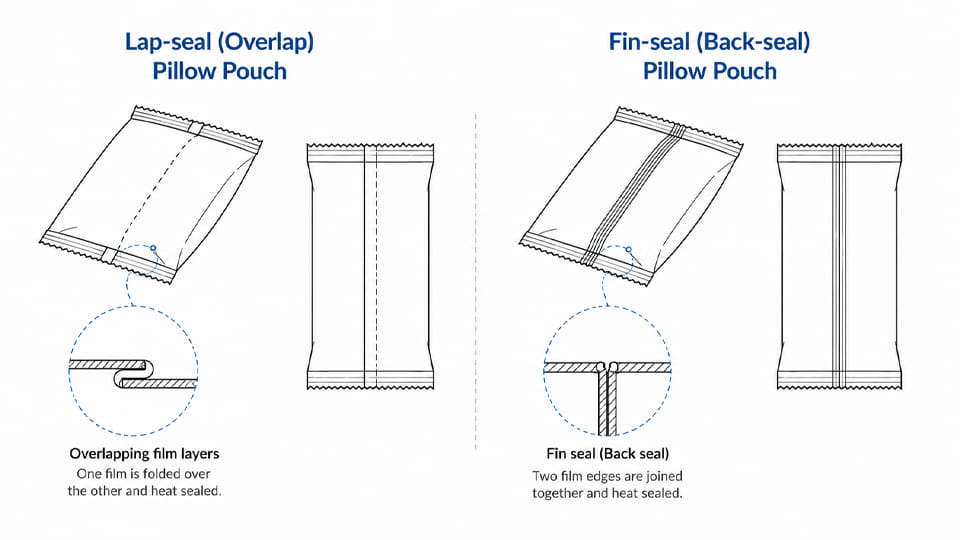
  • Fin-seal (Back-seal) ピローポーチ: The film is folded and sealed so that the two panels meet, forming a raised “fin” on the outside. This creates a strong, overlap seal along the center of the back. Fin seals add extra sealing area, which can help with very fast or heavy-duty runs.
  • Lap-seal (Overlap) ピローポーチ: The film edges overlap and are sealed together, making a flat, flush seam on the back panel. Lap seals lie flatter and use slightly less film, which can be more economical when sealing conditions are stable.

いずれの場合も, the top and bottom are sealed across their full width after filling, completing the three-seal structure. Some specialty pillow pouches use side seals (one side sealed instead of the center) but still puff up like a pillow when filled. Pillow pouches are essentially 3-side sealed bags (トップ, 底, 戻る), though some “pillow pack” styles add a fourth side seal (quad-seal) making a boxier shape.

Fin-seal (Back-seal) vs Lap-seal (Overlap) Pillow Pouch bag

These seal styles affect performance: lap seals lie flat but use less material, while fin seals create a wider, reinforced seam that can be more reliable at high speeds or with thicker films. Manufacturers will choose the seal type based on film thickness, production speed and equipment. 例えば, very high-speed VFFS lines often favor fin seals for stronger seams. 実際に, both terms – fin seal pouch and lap seal pouch – are used for pillow bags, and the difference is in the back-seal method.


Pillow Pouch Materials and Construction

A pillow pouch is made from フレキシブル, multi-layer laminate films. Typical construction is three or more layers of plastic or foil, each serving a purpose:

  • 外層 (ペット, ボップ, or similar): Provides strength and printability. Materials like polyester (ペット) or biaxially-oriented polypropylene (ボップ) よくある, allowing high-quality graphics and durability.
  • バリア層 (アルミニウム, Metallized Film, EVOH, 等): Blocks oxygen, moisture or light. For foods like coffee or chips, a thin metallized PET/OPP or aluminum foil layer is often included to keep products fresh. Some high-barrier pouches may use multiple layers (例えば. ペット / ホイル / PE).
  • Inner Layer (Polyethylene – PE): Provides a heat-sealable surface. The innermost layer is typically PE so that the pouch can be sealed on packaging machines. PE is food-safe and creates the airtight bond at the top, bottom and back seams.

Many pillow pouch laminates are FDA-approved and BPA-free for food use. Some eco-friendly pouches use bio-based or paper layers (like PLA or Kraft paper) to improve recyclability. The exact film recipe depends on the product’s needs: for oily or moisture-sensitive goods, more barriers (foil or nylon/EVOH) 追加されます. 要約すれば, common materials include polyethylene, ポリプロピレン (PP), ポリエステル (ペット) and metalized films (ホイル). 例えば, a typical chips bag might use PET/Al/PE laminate – strong and printable outside (ペット), an aluminum foil barrier for freshness, and PE inside for sealing.

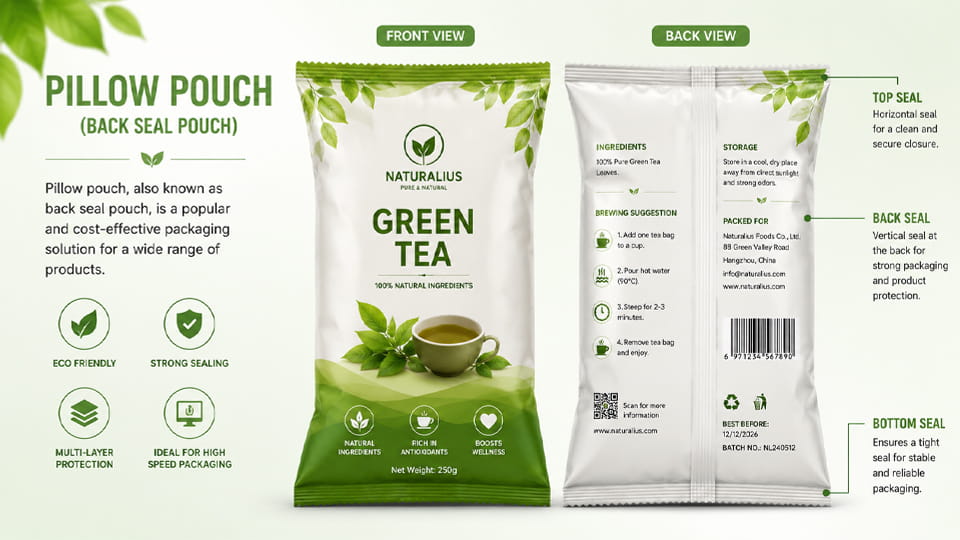
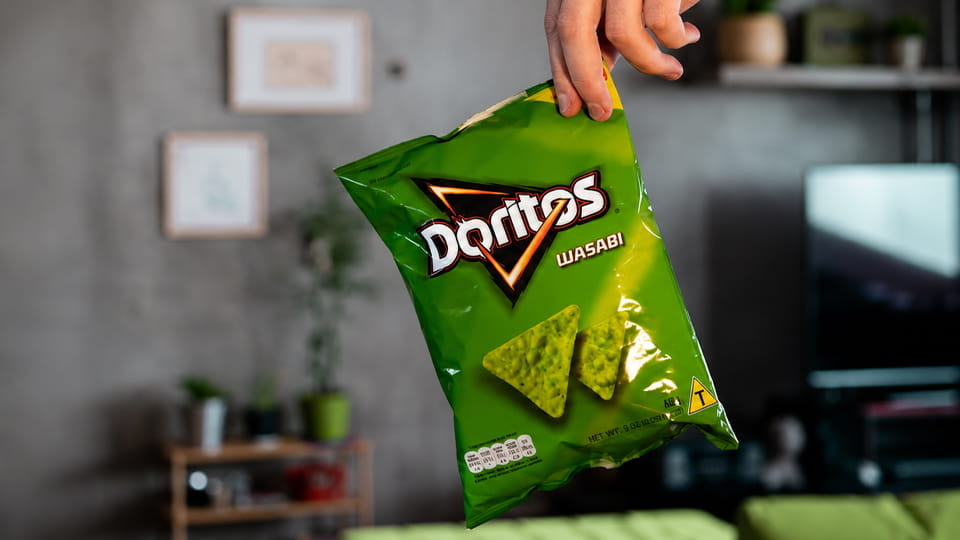
Sample of a Pillow Pouch containing tea


Pillow Pouch Uses & アプリケーション

Pillow pouches are extremely versatile and used across many industries. They excel for single-serve or bulk dry goods. Typical applications include:

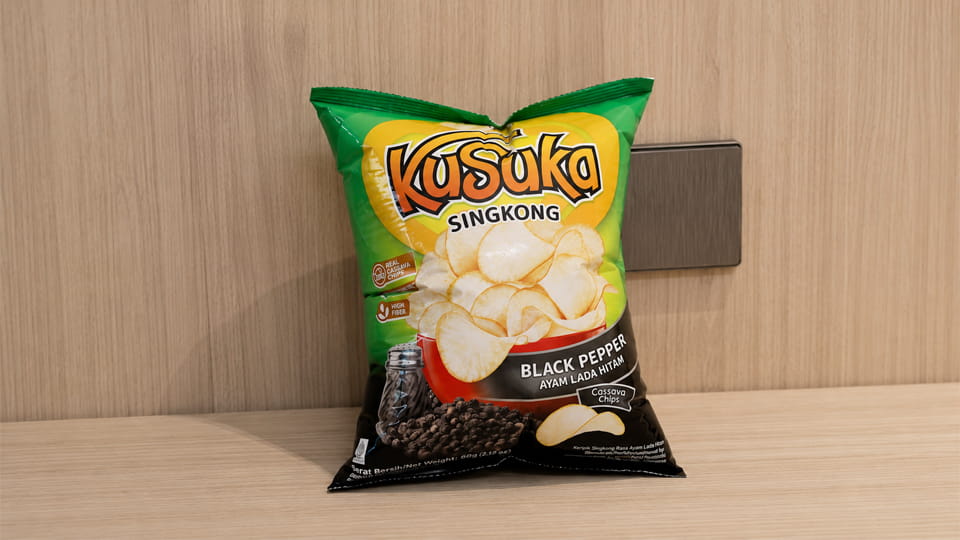
  • Food and Snacks: チップス, popcorn, pretzels, あめ, cookies, ナッツ, cereals, ドライフルーツ, コーヒー, スパイス, 粉末ドリンクミックス, instant foods, and frozen foods. Pillow pouches keep these products fresh and are easy to store and ship. 例えば, ground coffee and powdered mixes often come in pillow bags with tear-notches. Snack brands favor pillow pouches for their low cost and compatibility with high-speed lines.
  • Pet Foods & おやつ: Small pet food bags (kibble, treats) often use simple pillow pouches; the flat design is cost-effective and can include a resealable zipper for larger bags.
  • Confections & Chocolates: あめ, mints and small chocolates are frequently packed in pillow pouches. The secure heat seal and barrier layers protect flavor and ensure shelf-life.
  • 粉末 & 顆粒: Products like protein powders, seasonings, baking mixes, detergents or powdered detergents. The leakproof seals keep powders contained. Pillow pouches can also hold fine granules or small hardware (ネジ, ナッツ).
  • Liquids and Semi-Liquids: While less common, some pillow pouches are laminated strongly enough to hold liquids like juice concentrates or sauces (often with spouts). Specialized pillow-type sachets exist for single-use liquids (例えば. sample shampoo packs).
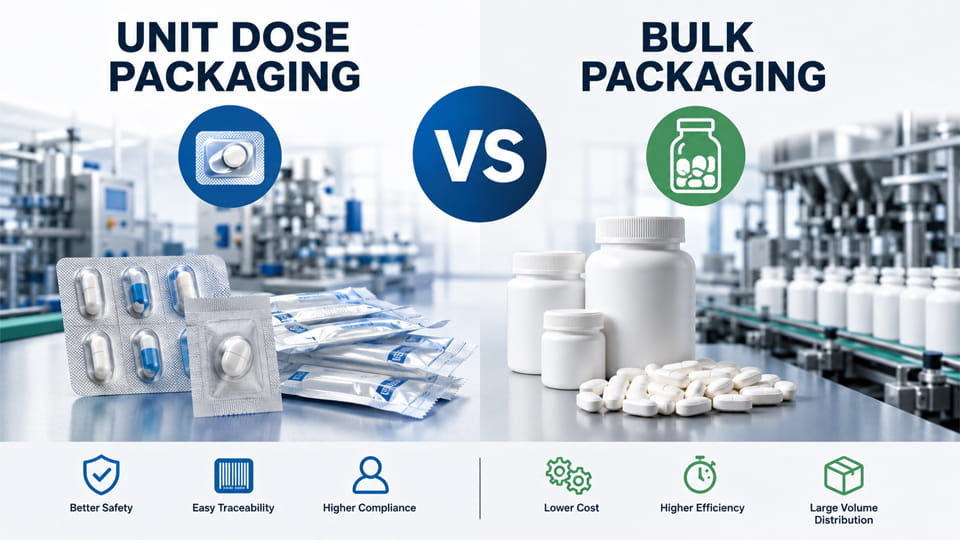
  • 医薬品 & 化学薬品: Small pharmaceutical doses or chemicals can be packed in pillow pouches. 例えば, medical powders, single-dose detergent pods, or sample-size personal care products. 製薬業界で, pillow packs can serve as single-dose packages and are made on cGMP lines.
  • 家庭 & 産業用: Items like detergents, クリーナー, or hardware parts have been packaged in pillow-style bags. JinLuPacking notes applications from “liquids to sensitive electrical equipment, all the way to snacks” – highlighting how wide-ranging pillow pouch use can be.

要するに, if your product runs in high volumes and needs basic, low-cost packaging, a pillow pouch is often a good fit. その flexible design accommodates powders, 顆粒, スナック, even light liquids. The flat panels also serve as a large branding canvas – companies can print vivid graphics and logos on pillow pouches for strong shelf or e-commerce appeal.

Pillow Pouch Uses & Applications for Food and Snacks


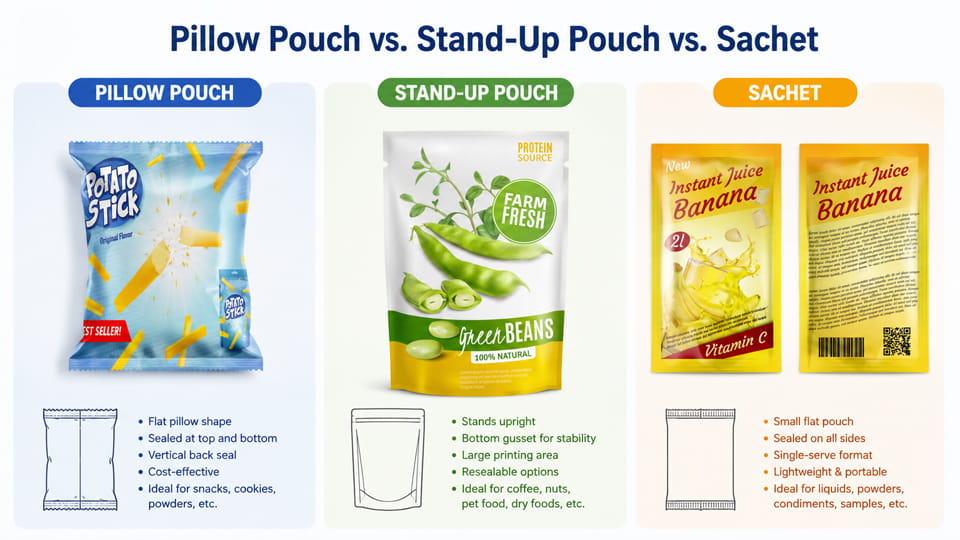
Pillow Pouch vs. Stand-Up vs. サシェ

Pillow pouches are one style of flexible bag among others. It’s useful to compare them:

  • 立ち上がる (マチ付き) パウチ: These have a bottom gusset so they stand upright on shelves. They generally use more material and cost more, but offer better shelf presence and often include zippers or spouts for reclosure. 対照的に、, pillow pouches lie flat before filling and do not stand on their own. Pillow bags are usually simpler and cheaper to produce. (スタンドアップポーチ are chosen for premium products or convenience features; pillow pouches are chosen for cost and speed.)
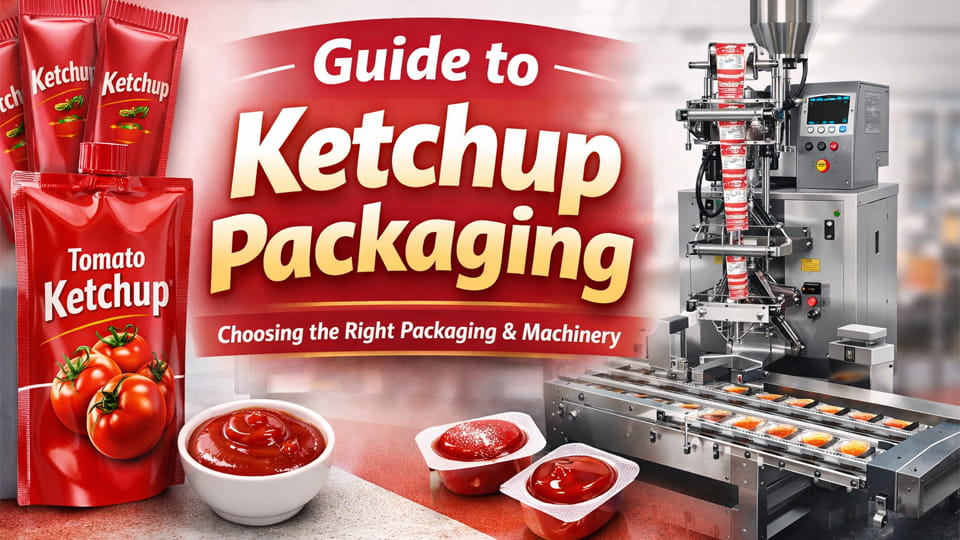
  • サシェ (3- or 4-Side Sealed Packets): Sachets are very small flat packets (sealed on three or four sides) meant for single doses – think 砂糖のパケット, ketchup sachets, or single-use shampoo. A sachet usually holds a tiny portion and is tear-open. A pillow pouch, 対照的に, holds larger quantities (例えば. a family-size snack) and is sealed on three sides as well, but with a bigger form factor. Sachets often allow no room for reclosure, whereas pillow pouches may include tear notches or even zippers for multi-use.
  • Lateral Differences: 最終的に, a pillow pouch is the lowest-cost flexible pouch with a simple shape. It uses less film than stand-up bags (no gusset) and fewer seals than quad-seal bags, making it material-efficient. 高速用, high-volume production of dry goods, pillow pouches are often more economical. If your priority is shelf display or resealable use, you might choose stand-up or spouted pouches instead.

Pillow Pouch vs. Stand-Up vs. サシェ


How Pillow Pouches Are Packaged: 機械 & Methods

Packaging pillow pouches can be done in several ways, depending on production scale and format. The most common methods are:

  • 縦型フォーム-充填-シール (VFFS) 機械: By far the most popular for pillow pouches, VFFSマシン form bags on-the-fly from a continuous film roll. In a VFFS machine, a roll of film is pulled over a vertical forming tube. The bottom end of the tube is heat-sealed to create a pouch, the product is dropped into the open top from above, and then the top is sealed and cut to finish the bag. Each cycle produces one pillow pouch with a new back fin-seal. VFFS machines are fully automated and can run extremely fast (often 50–300+ bags per minute in modern systems). They use film very efficiently (無駄を最小限に抑える) and are ideal for large runs of similar product. 言い換えると, VFFS is the workhorse of high-volume pillow pouch packaging.

    縦型フォーム-充填-シール (VFFS) Machine for Sachet Stick Packaging
    縦型フォーム-充填-シール (VFFS) Machine for Sachet Stick Packaging
  • Horizontal Form-Fill-Seal (HFFS) or Flow Wrappers: These machines feed product horizontally, wrapping each item (or batch of product) in film like a candy wrapper. A horizontal machine has a film roll (often fed from beneath the conveyor to allow open loading) and is indexed with the product on the line. The film is wrapped around the product and sealed at the ends, cutting off each finished pillow pack. This approach is common for individual pieces like bars, cookies, or candy. Horizontal wrappers are great for products that need manual or robot loading, or when you want to present a single item per pillow bag. They typically run slower than VFFS (tens to a couple hundred bags/minute), but offer flexibility for irregular products and easy access.
  • Premade Pillow Pouch Fillers (Pouch Pickers): いくつかの行では, pre-manufactured pillow bags are used. a premade-pouch machine automatically picks up empty pillow pouches from a hopper, opens them (often with vacuum or mechanical grips), fills the product, and then seals the open end. This method allows using specialized or custom bags (including those with zippers, spouts or custom shapes). Premade machines are slower (typically 30–90 bags/minute) and require buying printed bags in advance, but they excel at multi-SKU flexibility and premium packaging features. JinluPacking’s blog notes that premade pouch machines handle everything from powders to liquids and can fill ジッパー付き or spouted pillow pouches, meeting strict pharma standards (CGMP, FDA) for hygiene.

    既成パウチ包装機
    既成パウチ包装機

要約すれば, pillow pouch packaging machines 含む: 縦型フォーム充填シール (VFFS) equipment for roll-film pillow pouches; horizontal flow wrappers for individually wrapping products; そして premade pouch fillers for filling ready-made bags. Modern systems often include features like color cameras or eye-mark sensors to align printed film, servo controls for precise sealing, and user-friendly touchscreens. ジンルパッキング, 例えば, offers VFFS pillow bag machines made of stainless steel, PLC制御, and quick-change bag systems for flexibility. Horizontal pillow wrappers may use top or bottom film feeds (a “film-beneath” feed allows easy loading of lightweight products).

Vertical Form-Fill-Seal machines are the go-to choice when you need maximum speed and minimal film cost. They form each pillow pouch as the line runs, which is efficient for snack foods, 穀物, and pet foods. Horizontal wrappers are used when items are fed in or when a different machine orientation is preferred. Premade pillow pouch machines are best when you need custom or resealable bags (zip-top, 注ぎ口) or very quick changeovers between styles. The right machine depends on your product, required output rate, and bag format – a packaging engineer will select the equipment accordingly.


Pillow Pouch Benefits

Pillow pouches offer several clear advantages for manufacturers:

  • Cost-Efficient: They use the least material among pouch types, saving on film costs. According to one review, pillow pouches require “less film than stand-up or quad-seal pouches,” making them the most economical pouch style. Less material also means lighter weight – the flat, flexible shape cuts transport costs. Manufacturers report being able to ship more pillow packs per pallet than bulky boxes.
  • 高速生産: Pillow bags are ideal for high-speed automated lines. They run smoothly on VFFS machines, so you get very high throughput with minimal labor. The simple three-seal design fills and seals quickly in machine cycles, maximizing output.
  • 省スペース設計: 充填前, pillow pouches are completely flat, so they stack and store easily (and take up minimal shipping volume). Even after filling, the flexible bag is lighter and more compact than rigid containers. Air trapped inside can also cushion the product. This saves on warehouse and shipping costs.
  • Strong Barrier & シール: Properly made pillow pouches offer excellent protection. The laminated films block moisture, 酸素, and light to keep goods fresh. The heat seals (トップ, 底, 戻る) are robust and made under controlled conditions to prevent leaks. You can even add a one-way valve for coffee to let gas escape. The end result is a reliable, airtight package for shelf-stable products.
  • 多用途 & カスタマイズ可能: While simple in shape, pillow pouches can include many features. You can add tear-notches for easy opening, hang holes for display, zippered reclosure for reuse, or cut-outs to hold spouts or handles. The entire flat face is available for printing – you can apply 6, 8 あるいは 10+ color flexographic graphics and special finishes (matte/gloss, エンボス加工) to stand out. 要するに, they can be tailored to branding and functional needs.

結果として, pillow pouches are a “proven, time-tested format for many foods” and other products. They deliver a great balance of 料金, performance and flexibility, which is why packaging engineers choose them for so many large-volume items.

Pillow pouches offer advantages for manufacturers


Pillow Pouch vs. Stand-Up vs. サシェ (Recap)

Pouch Style 構造 & 特徴 一般的な用途
ピローポーチ Simple flat bag with top, bottom and back seals; lies flat empty. Can include tear-notches, ジッパー, バルブ. Lowest material cost. チップス, あめ, 粉末, 調味料, small snack packs.
スタンドアップポーチ Bag with a gusseted bottom that allows it to stand upright; often has zipper closure or spout. More material cost, better shelf presence. コーヒー, ペットフード, ソース, プレミアムスナック, ペットのおやつ.
サシェ (3-/4-側) Very small pouch sealed on 3 または 4 側面; made for single-dose servings. Extremely low cost per packet. Single servings: ケチャップ, 砂糖, スパイス, drink mix sachets, small pharma samples.

Pillow pouches (aka “pillow packs”) are more utilitarian: 彼らは do not stand up on their own and typically serve single-use or short-lifespan products. Stand-up pouches are used when display and reclosure matter. Sachet packs are for one-time micro-uses. Choosing the right pouch depends on product, branding and cost – but if you need bulk, low-cost packaging that runs fast, pillow pouches usually win.


結論

要約すれば, ある 枕ポーチ は単純です, flat flexible bag sealed on three sides (トップ, 底, 戻る) that puffs into shape when filled. これ pillow pack style is a workhorse of packaging because it is lightweight, 費用対効果の高い, and well-suited to high-speed automated lines. Commonly made from multi-layer films (PE, ペット, ホイル, 等), pillow pouches protect contents like snacks, powders and more for extended shelf life. They can include features like tear notches, hang holes or resealable zippers for convenience.

縦型フォーム充填シール (VFFS) machines are typically used to produce pillow pouches on-the-fly from roll film. Other packaging options include horizontal flow wrappers and premade-pouch filling systems. The right approach depends on your product and output needs. For a pharmaceutical or food manufacturer looking to package their products efficiently, pillow pouches offer a proven, economical solution.

Ready to pack your product in pillow pouches? JinluPacking offers state-of-the-art pillow pouch packaging machines and turnkey solutions. Our VFFS and horizontal pillow bag machines are designed for durability, precision sealing and easy 切り替え. Contact our experts today for a custom solution and quote – we’ll help you choose the best pillow pouch design and equipment for your production line. Let JinluPacking help you boost efficiency and product appeal with the perfect pillow pouch packaging system.


FAQs on Pillow Pouch

What exactly is a pillow pouch?

A pillow pouch (or pillow bag) は単純です, tube-shaped flexible bag. It is formed from flat film and sealed on the back and both ends, creating a shape that looks like a little pillow when filled. It typically uses laminated plastic (and sometimes foil) 膜, and is used for packaging snacks, 粉末, もっと.

Why is it called a pillow pouch?

Because of its shape: when filled, the center of the bag billows out like a pillow. The sealed edges define a pillow-like outline. The name simply reflects its appearance.

What products are commonly packed in pillow pouches?

Pillow pouches are used for many solids and powders. Common products include potato chips, ナッツ, popcorn, あめ, cookies, インスタントコーヒー, お茶, powdered drinks, seasonings, ペットのおやつ, and powdered health supplements. Even bulk raw materials like sugar, 小麦粉, or detergent can be packaged in large pillow bags. 製薬業界で, pillow/sachet pouches pack single-dose medications, ビタミンパウダー, と材料.

Is a pillow pouch the same as a sachet?

正確には違います. A sachet usually refers to a small sealed packet intended for one-time use, often with no zipper (例えば. a sugar packet or condiment packet). A pillow pouch is generally larger and may include a zipper or tear-notch for reuse. 言い換えると, sachets are like mini single-dose pillows, while pillow pouches are often multi-use or multi-serving.

What’s the difference between a pillow pouch and a stand-up pouch?

The main difference is the bottom: a pillow pouch has no bottom gusset and lies flat, whereas a stand-up pouch has a flat or boxed bottom that lets it stand on shelves. Stand-up pouches usually cost more and use more material (they have four seals), but they offer better shelf presence. Pillow pouches are simpler and cheaper (just three seals) and are ideal when upright display is not needed.

Which machines can make pillow pouches?

The most common are Vertical Form-Fill-Seal (VFFS) 機械. These create pillow bags from a roll of film on-the-fly. Horizontal form-fill-seal machines or pouch stick machines can also produce pillow or stick-style bags for certain products. If you have pre-made pillow-format bags (with zippers or special features), a premade pouch filler can fill them. Jinlu はこれらすべてを提供します: VFFSライン, スティックパッカー, and premade pouch machines (which can handle pillow bag styles).

What materials are pillow pouches made of?

They’re almost always laminated films. Common structures include: ペット/PE (strong, クリア, 中程度のバリア), PET/AL/PE (high barrier with foil), BOPP/CPP (光沢のある, 印刷可能), Nylon/PE (puncture-resistant), and paper-PE combos. The inner layer is usually heat-sealable (PE or CPP), outer layers give strength or printing. Specialized films can include EVOH or vacuum-metallized PET for extra barrier, important for sensitive or shelf-stable products.

Can pillow pouches be recycled or are they sustainable?

Traditional pillow pouches use mixed layers (ペット, PE, ホイル, 等), which makes recycling difficult. しかし, they have a lower environmental footprint than rigid packages: they use far less plastic and are lightweight. Some companies are now using mono-material films (like OPP/PE only) for easier recycling. Always check the film specs: some pillow pouches are recyclable in systems that accept flexible plastics (if clearly marked and mono-material). Jinlu also mentions eco-friendly solutions and supports recyclable film options (and can use compostable or PE-based films if needed).

Are pillow pouches suitable for pharmaceutical products?

はい, pillow-type sachets and pouches are used in pharma for powders, 丸薬, と顆粒. They must meet hygiene standards (CGMP, FDA). Jinlu specifically designs its pouch lines for pharmaceutical use (±0.4% dosing accuracy, sanitary stainless parts). For consumer pharmaceuticals (like single-dose vitamins or effervescents), stand-up doypacks are common, but pillow sachets are used for large-volume powder drug shipments, サンプルパック, or ingredients. The key is using medically-approved laminates and clean filling operations.

How do I choose the right pillow pouch packaging machine?

Assess your product (powder vs liquid, required precision), bag size, and volume needs. For high volumes of granular/powder products, a VFFS machine (possibly with a multi-head weigher) is best. If you need features like a zipper or valve, consider a premade pouch machine. Check sealing strength (especially for pharma powders) そしてスピード. 彼らは, 例えば, offers pharma-grade pouch machines with certification. 要するに: match product → pouch type → machine style. Jinlu’s experts can help recommend the right model based on your exact specs and budget.


参考文献:
1.2023 State of the Industry US Packaging Machinery Report —— PMMI
2.Flexible Package Manufacturing – Pouch Formation and Sealing —— University of Twente Research Information
3.How Do Vertical Form-Fill-Seal Machines Make Pillow Bags? —— PackagingDigest
4.Types of flexible packaging and special constructions —— ラベル&ラベリング
5.Understanding the factors affecting the seal integrity in heat sealed flexible food packages: レビュー —— WILEY Online Library

この記事をシェアする:
の写真 ペティフー
ペティフー

ペティフー, 金魯包装の創設者, もたらす 20 製薬機械分野における長年の専門知識. 彼のリーダーシップの下で, Jinlu はデザインを統合する信頼できるサプライヤーに成長しました, 生産, と販売. ペティは、クライアントが医薬品包装の複雑さを乗り越えられるよう、業界の深い知識を共有することに情熱を持っています。, 機器だけでなく確実に受け取れるようにする, しかし、生産目標に合わせて調整された真のワンストップ サービス パートナーシップ.

目次

お問い合わせを送信してください

返信を残す

あなたのメールアドレスは公開されません. 必須フィールドにマークが付いています *

無料見積もりを取得する

*私たちはあなたの機密性を尊重し、すべてのデータは保護されます. あなたの個人データは、JL ソリューションのためにのみ使用および処理されます。.