
製品と消費者を保護するには、適切な梱包が不可欠です. 医薬品包装 (医薬品包装とも呼ばれます) すべてのコンテナが含まれます, 材料, 医薬品を封入して保護する装置. 医薬品の安全性を確保します, 製造から配送まで安定していて汚染されていない. FDA の現在の適正製造基準 (CGMP) 規則では、医薬品の包装プロセスと設備が厳格な品質管理を満たすことが求められています. 対照的に、, 食品包装 食品を腐敗や汚染から守ります, 栄養成分と成分情報を提供します, 流通とブランディングを支援します. 食品包装は食品安全規制に準拠する必要があります (例えば. FDA の食品接触の承認) 危険を防ぐためにHACCPなどの食品安全プログラムを実施します。. 要するに, どちらのシステムも、製品を安全に保ち、正しくラベルを貼付することを目的としています。, しかし、医薬品の包装には、より厳格な無菌性とトレーサビリティに関する規則が適用されます。, 食品包装ではバリア性能が重視される, 利便性, および消費者情報.
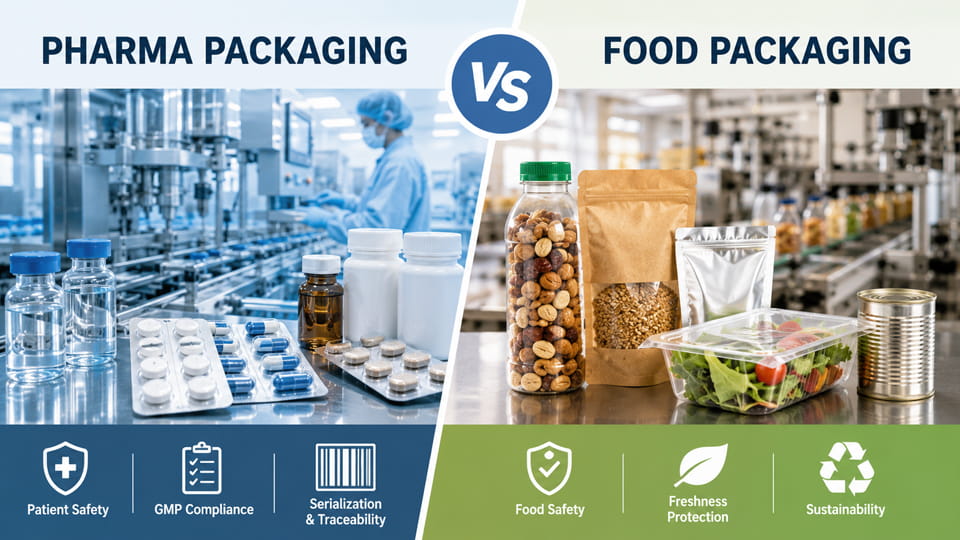
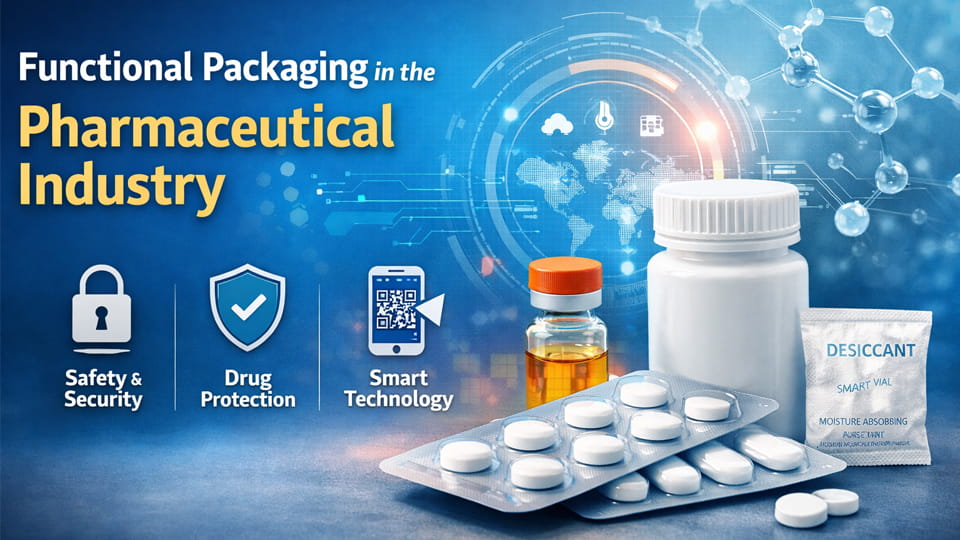
医薬品の包装は次のもので構成されています。 主要な, 二次的, そして三次 包装層. 一次包装 薬物と直接接触している (例えば. 水ぶくれ, ボトル, バイアル, アンプル) 湿気に対する最初のバリアを提供します, ライト, そして酸素. 例えば, 硬質琥珀色のガラスボトルが光に敏感なタブレットを保護します, 一方、アルミニウムとプラスチック ブリスターパック 効力を維持するために各回の投与量を気密に密封します. 二次包装 プライマリユニットをグループ化する (例えば. ブリスターまたはボトルを印刷された段ボール箱に入れる) ラベルスペースを追加します, 説明書, そしてタンパーシール. カートンは輸送中の製品の緩衝材にもなります. 三次包装 バルク輸送コンテナが含まれる (ボックス, 木箱, パレット) 倉庫や輸送に使用される. 各パッケージングレベルには機能があります: 主要な剤形容器, セカンダリは情報と適度な保護を提供します, 三次はバルク物流を処理します.
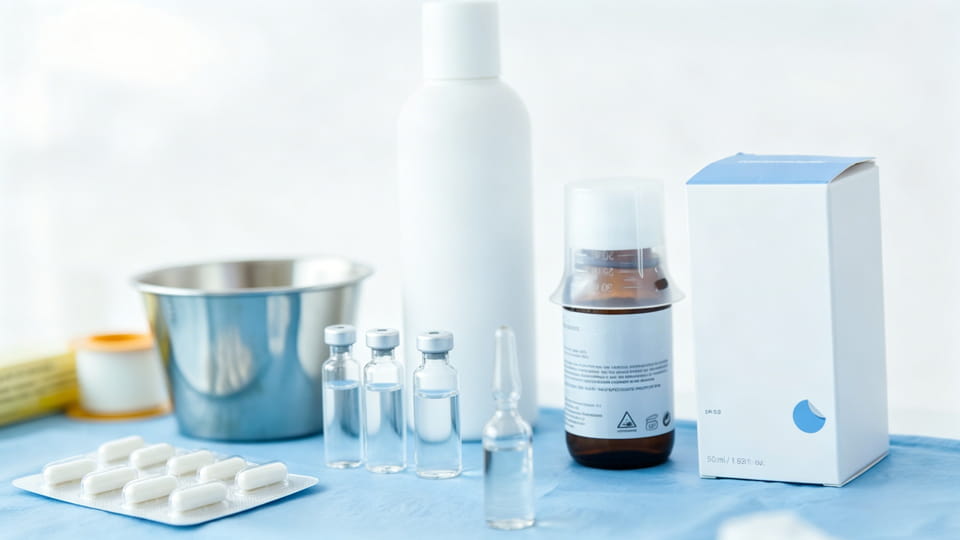
Jinlupacking は、医薬品の包装には医薬品を保管する必要があると指摘しています 安定かつ無菌, 頻繁に 幼児耐性または改ざん防止機能 フォーマット, 用量と安全性の情報を伝えながら.
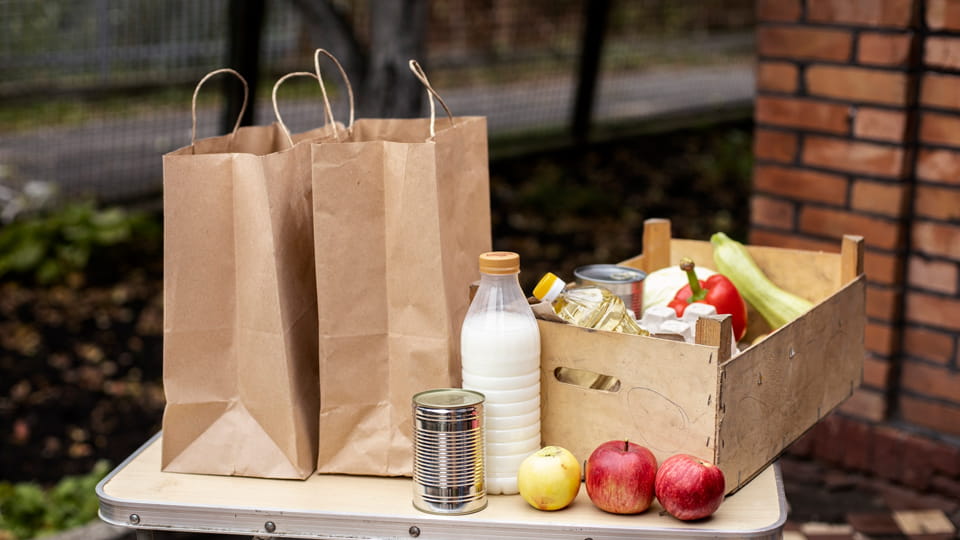
食品包装の役割は、 守る, 保存する, そして知らせる. 主な機能は食品の鮮度を保つことです, 汚染や腐敗を防ぐ (湿気による, 酸素, 微生物), 栄養/成分のラベルとブランドを提供するため. 一般的な食品包装形式にはボトルや瓶が含まれます, フレキシブルポーチ, カートン, 缶, トレイ, そして映画. 例えば, ケチャップ 再閉可能なPETスクイーズボトルまたは使い切りのホイル小袋に入っています。. スナック食品では、コストと適切な水分/酸素バリアのバランスをとる多層のプラスチック/ホイル製パウチまたはバッグが使用されることがよくあります。.
どちらの業界も汚染の防止に努めていますが、, 多くの場合、食品の包装が優先されます 消費者の利便性とコスト. 例えば, フードパウチは簡易フィルムを使用し、再封性や軽量化を目指しています, 一方、医薬品ではバリア性と耐久性を最大限に高めるために、より耐久性の高い素材が使用される場合があります。.
製品の種類を問わず, 効果的な梱包が必要です:
例えば, Jinlu ノートの医薬品包装材料 (ガラス, プラスチック, ホイル) 保護特性で選ばれる, 厳格な非毒性および耐タンパー性基準に基づいて. 食品の包装も保護を目的としています (例えば. ポテトチップス用プラスチックフィルム) しかし、コストとマーケティング上の魅力のバランスが取れています.
| 特徴 | 医薬品包装 | 食品包装 |
| 主な目標 | 薬効と無菌性を保護; 汚染や混同を防ぐ. 正確な投与量を確保する (カウント/投与量の校正). | 鮮度を保つ, 腐敗を防ぐ, 分割を提供する; 微生物/細菌汚染から保護する. 正しい栄養/アレルゲン情報を確認する. |
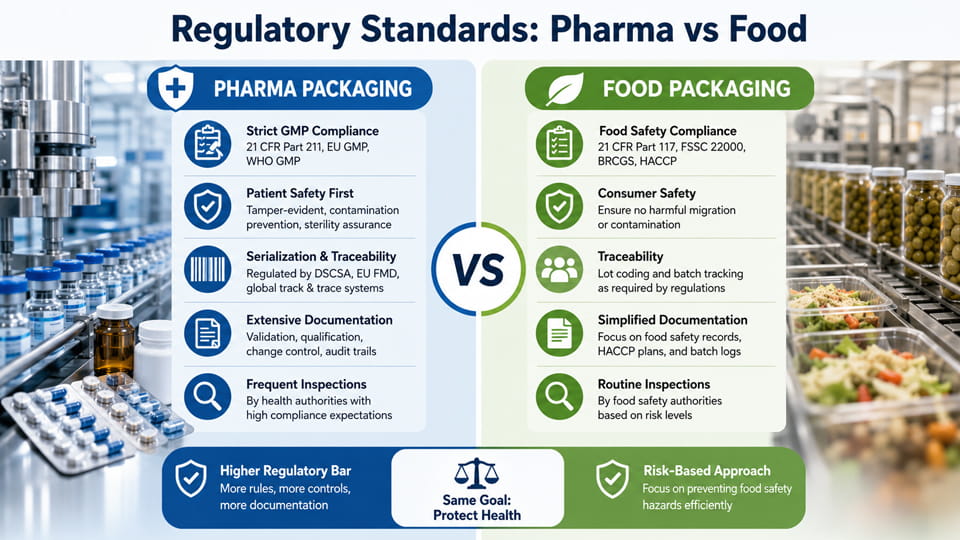
| 規制基準 | 厳格なGMP準拠 (FDA 21 CFR 210/211, EU GMP EudraLex Vol.4, ISO 15378). 梱包プロセス全体が検証され文書化されている. | 食品安全規制によって管理される: FDA の食品接触の承認, HACCP (衛生条件の前提条件プログラム), BRCGS/ISO などの標準 22000. FDA食品表示ガイドに従って事前承認されたラベル. |
| トレーサビリティ | 高い: すべてのパッケージのバッチ/ロット番号, 連載化 (ユニークなバーコード) 薬の血統について (例えば. 米国の DSCSA). 完全なトレーサビリティ/リコールを可能にします. | 適度: リコール用のバッチまたは日付コード; ほとんどの地域ではすべてのユニットで必要ありません (バルクコードを除く). 限定連載 (法律によってはめったにない). |
| 改ざん | 通常ははい: セキュリティシール, 開けると明らかに壊れているブリスターフォイル, 特別なキャップ (チャイルドプルーフまたはドラッグプルーフ). | 多くの場合、一部の食品では「はい」 (例えば. 缶, ヨーグルトの蓋), しかし、多くの食品パッケージには基本的なシールが付いています. 改ざん検知機能 (ヒートシール) 瓶や蓋によく見られる. |
| クリーンルーム / 衛生 | 致命的: 多くの場合、制御された環境にある機器 (クリーンルーム) 粒子や微生物を避けるため. ステンレス鋼 (SUS316L) 表面, HEPA濾過. | 衛生的な設計が必要, ただし通常は一般的な食品グレード (錆びない, 簡単な洗い流し) クラス100Kのクリーンルームではなく. アレルゲンや微生物の相互汚染を防ぐ衛生的な設計. |
| 検証/QA | 必須の機器認定とプロセス検証 (IR/WH/PQ) FDA/EUの規則に従って. 無菌性と一貫性が検証された包装プロセス. | HACCPの意味での検証: クリティカルポイントをコントロールする. 設備の清掃・点検が行われます, しかし、正式な検証 (IQ/OQ) 標準ではありません. QAは微生物とアレルゲンに重点を置いています. |
| 材料 | 製薬グレード: 例えば. I型ガラス, 医療用プラスチック, アルミホイルの蓋, ゴム栓, 特殊水疱. 抽出物/浸出物についてテスト済み (有害な移行を確実に防止するため). | 食品グレード: PE, ペット, PP, アルミホイル, 板紙. 食品との接触については FDA の承認が必要です. 医薬品よりも低い純度要件; 規制は移動制限とアレルゲンに焦点を当てています. |
| ラベリング | 詳細ラベル: 薬名, 強さ, 投与量, 警告, バッチ/ロット, 有効期限, 説明書. 規制には正確なラベル付けとレビューが必要です (例えば. NDCコード). 小さな文字で書かれることが多い. | 栄養成分表示パネル, 材料 (重量で降下する), 正味重量, アレルゲンの申告, ブランド/マーケティング. FDを満たす必要がある&C 行為の要件 (FDA によるラベルの事前承認はないが、厳格なフォーマットガイドラインがある). |
| リコールのリスク | 非常に大きな賭け: いかなる汚染も患者に危害を及ぼす可能性があります. リコールはコストが高く、厳しく管理されています ( FDA、連続リコール通知を義務化). バッチ全体が頻繁にプルされる. | 重大なリスク (食品安全に関する事件), ただし、通常は影響範囲が狭くなります. リコールは特定のロットに焦点を当てます; 包装廃棄物の許容範囲が広がる. |
| 設備規格 | 機器はcGMP設計でなければなりません: 掃除/滅菌が簡単, ステンレス表面, 最小限に抑えられたデッドゾーン. 通常は CIP の下にあります (定置洗浄). 例えば. 真空付きブリスターマシン, 無菌充填ライン. | サニタリー設計: ステンレス鋼, バクテリアトラップがない. CIP またはウォッシュダウンのオプション. 例えば. VFFSライン, フォーマー, USDA/FDAの衛生基準を満たす充填剤. 腐敗防止を重視したデザイン. |
これらの比較は次のことを強調しています 医薬品の包装 はるかに規制され、管理されています. 例えば, FDA の cGMP ガイドラインでは、医薬品包装ラインには検証済みのプロセスと安全性が証明された材料を使用することが求められています。. 対照的に, 食品包装 広範な衛生および安全管理を遵守します (HACCP前提条件プログラム) 製薬スタイルのバッチ検証ではなく.
医薬品の包装は次のように管理されています。 医薬品GMP規制. 米国では, タイトル 21 CFRパーツ210~211セット 現在の適正製造基準 (CGMP) 医薬品の「包装」の要件 (パッケージング). これはメソッドを意味します, コントロール, 設備, 医薬品の梱包に使用される設備および設備は、製品の安全性と表示強度を確保する必要があります。. ヨーロッパで使用されている EU GMP (ユードラレックス Vol. 4) 同様のルールで. さらに, ISO 15378:2017 ISOを適用した世界標準規格です 9001 医薬品の一次包装材料に対するQMS原則. ISO 15378 汚染管理に明示的に取り組んでいます, リスクの軽減, 包装材料製造における法規制遵守.
比較すると, 食品包装は食品安全規制を満たさなければなりません. FDA は、食品と接触するすべての材料が事前承認されることを要求しています (食品接触通知または GRAS 経由). 食品工場の包装機器は、HACCP および FDA の食品の適正製造基準に基づく衛生および汚染防止の原則に従っています。. HACCP 計画では、機器と梱包材を以下の条件で扱います。 前提条件のプログラム - 例えば, 施設と設備は衛生的な設計と清掃手順に従わなければなりません. のような標準 BRCGSの梱包材 または ISO 22000 (食品安全管理) も適用します. 麻薬と違って, 食品ラベルと包装には当局による事前承認は必要ありません, ただし、表示法を遵守する必要があります (材料, 栄養, 等) 市場に出るとき.
要約すれば, 医薬品の包装には次のような拘束力があります 規範的な 規則 (具体的なガイドライン, 証明書の監査), 一方、食品の包装は次のように規制されています。 予防 安全システム (HACCP, GFSI規格) 食品と接触する材料の承認. この違いにより、多くの材料と装置の選択が決まります。 (上の表を参照).
包装 材料 異なる: 医薬品の容器には高純度のものが使用されることが多い, 不活性基質. 一般的な製薬の一次包装には次のものがあります。 I型ガラス バイアル (注射用), 医薬品グレードのプラスチック (HDPE, PP, PETG), および多層ラミネート (PVDC/アルミホイルブリスター). これらは、薬物と相互作用する可能性のある浸出物を避けるために選択されています。. 確かに, 抽出物と浸出物 (プラスチック/フォイルから移行する化学物質) 製薬業界の大きな懸念事項です. 製薬会社は、容器と密閉部の完全性を確認するために包装をテストする必要があります (CCI) そして、浸出物は有毒閾値以下にとどまること. FDA のガイダンスでは厳格な CCI テストを推奨しています (例えば. 染料浸漬, 圧力減衰) 確実に密閉保護するための滅菌非経口パッケージ用.
食品包装資材 (ポリエチレン, ポリプロピレン, ペット, コートボール紙, アルミニウム, 等) 移行についてもテストされています (多くの場合、EU の EC のような規制の下にあります 1935/2004). しかし, 安全性試験の閾値は一般に製薬試験よりも低い. 食品用, FDA は「食品接触物質の目録」を監督しています – 例:. すべてのポリマーとインクは FDA の承認を受ける必要があります. 食品包装は通常、CCI テストを受けません。, 無菌性は必要ないので; その代わり, 保存期間のための微生物負荷試験や添加剤の移行試験を受ける場合があります。.
実際に: 医薬品包装 抽出物/浸出物をより厳密に管理する必要がある. ISO 15378 ガラスの汚染リスク軽減が明示的に含まれています, プラスチック, ゴム, 医薬品の包装に使用されるアルミニウム素材. 食品包装 バリア特性と食品接触規制への準拠に重点を置いています, しかし、より多くの材料の多様性を可能にします (さらにはリサイクルされたコンテンツも) 摂取リスクが低く、毒素が安全な暴露レベルに規制されているため. 例えば, 水のボトル (ペット) よくある, 一方、医薬品が非医薬品グレードのプラスチックに瓶詰めされることはほとんどありません。.
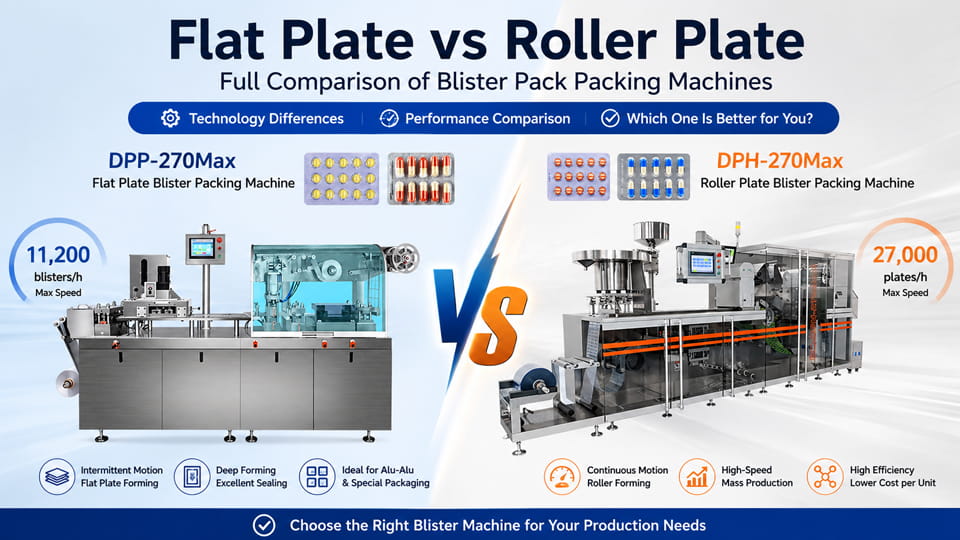
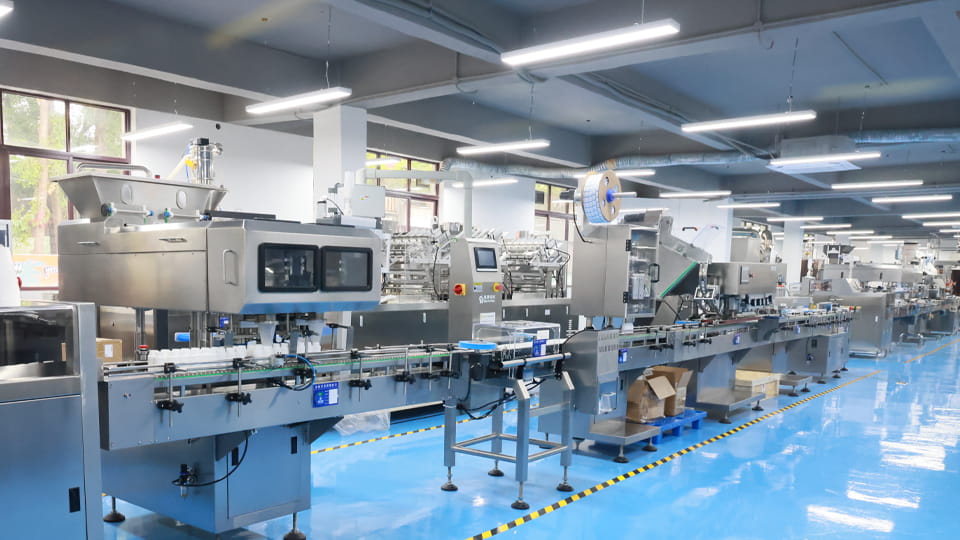
マシン自体はこれらの要件を反映しています. 医薬品包装設備 GMP に合わせて設計する必要がある: ステンレス鋼 (多くの場合316L), 滑らかな表面, 密封されたドライブシャフト, 最小限の隙間, 簡単な掃除性. 多くの場合、CIP 対応で、無菌エリア用の HEPA フィルターが設置されています。. 一般的な製薬機械には次のものがあります。:
対照的に、, 食品包装機 量と清潔さのために最適化されています: 多くの場合、スループットが大きくなります (数秒でバッグに入る) 迅速な衛生管理のために構築されています (CIP またはウォッシュダウン機能). 典型的な食品包装装置には次のものがあります。:
例えば, Jinlu の既製パウチ包装機はグミに多用途です, 粉末または液体, GMPの認定を受けています, ce, FDAへの準拠. 対照的に, 典型的なスナック食品ラインでは、食品グレードのコンポーネントを備えたマルチレーン VFFS が使用される場合があります。.
以下は、メーカーが製品タイプと要件に基づいて包装機械を選択する方法を示す簡単なフローチャートです。:
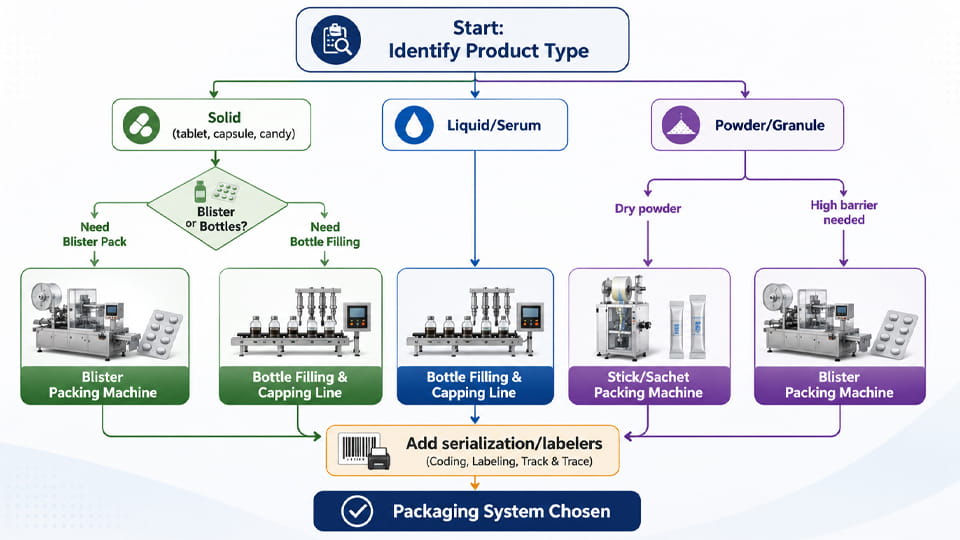
このフローのハイライト: パッケージを選ぶ 形式 (ブリスター vs ボトル vs パウチ, 等) 製品の形状と安定性のニーズに基づいて, 次に、対応するマシンラインを選択します. 例えば, 温度に敏感なタブレットの使用が促進される可能性がある 冷水疱 ボトルではなく (酸素/湿気のバリアを確保するため).
で デザイン, 製薬機械には洗浄とトレーサビリティのためのさらなる自動化が組み込まれていることがよくあります. 例えば, 層流フードの下で実行される注射剤用のフィラー, 食品コンベヤーは冷蔵室で開いた状態で稼働する可能性があります. どちらも衛生基準を満たしている必要があります, しかし、 厳格さ と検証は異なります.
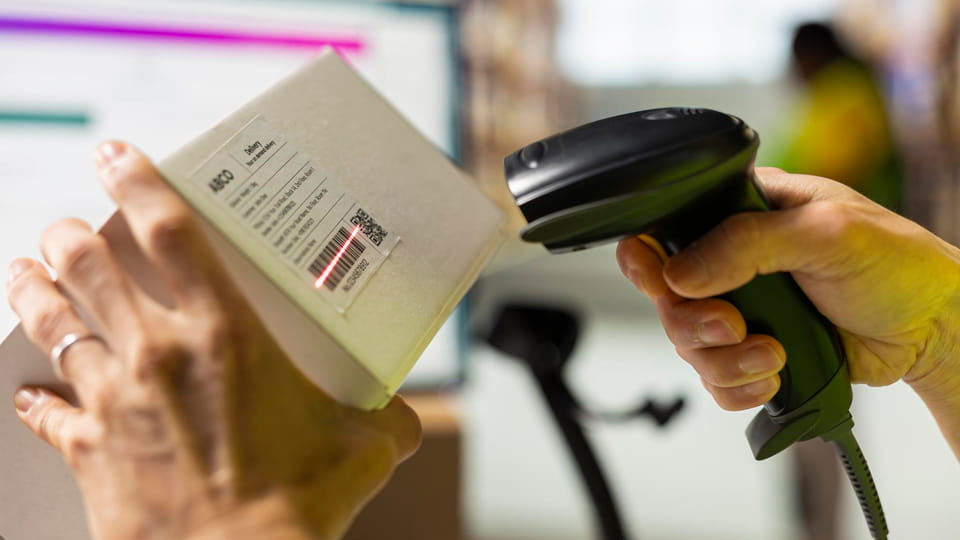
医薬品の包装には、非常に正確なラベル付けと追跡が必要です. 通常、各薬のパッケージには正確な製品名が記載されています。, 強さ, ロット番号, 有効期限, 追跡と追跡のための固有のシリアル コードも含まれる場合があります。 (例えば. 米国の下で. DSCSA法). FDA の指導により、多くの医薬品に対してシリアル化が義務付けられています, ユニットパッケージに固有のバーコードが必要. これにより、リコールされたバッチを各品目まで追跡できるようになります。. 対照的に、, 食品包装ラベルには成分リストを含める必要があります, 栄養パネル, FDA 規則に基づく正味重量, ただし、個々のユニットのシリアル化は通常は必要ありません (おそらく特定のサプリメントや市場を除いて).
医薬品の改ざん証拠も強力です。各ブリスターやバイアルには、多くの場合、開封時に破壊されるシールが付いています。. Jinlu 氏は、シリアル化されたバーコードと各ユニットの改ざん防止シールが製薬会社の偽造防止の標準であると指摘しています。. 食品において, 不正開封防止バンドとシールが使用されている (例えば. ソーダボトルの安全リング, キャップの誘導シール), しかし、一回分の食品は無傷のシールのみに依存している可能性があります (小袋ヒートシールのような) あまり正式な連載ではない.
製薬業界のトレーサビリティ システムはよりデジタル化されています (電子バッチ記録, GMP文書). 食品のトレーサビリティはロットと産地に重点を置く (安全のために「農場から食卓まで」を考える) しかし、多くの場合、消費者レベルでは粒度が低くなります. 要約すれば, 医薬品パッケージングはライン上のシリアル化テクノロジーに多額の投資を行っています (バーコードの印刷とスキャン), 一方、食品ラインはラベルのスピードと必要な情報をすべて確実に確保することを重視しています。 (例えば. アレルゲンのアイコン, 栄養成分表) 正しく印刷される.
どちらの業界もより環境に優しいパッケージングに向けて移行しています, しかし、推進力と解決策は異なります. 医薬品で, 廃棄物を削減し、可能な限りリサイクル可能/生分解性の材料を使用することが求められています. 例えば, メーカーは模索中 モノマテリアル 二次包装用のブリスターフィルムと再生段ボール. トレンドの 1 つは、紙を節約するために印刷された紙のインサートをデジタル情報に置き換えることです。. しかし, いかなる変更も安定性要件に準拠する必要があります, そのため、イノベーションは二次層または三次層で始まることが多い.
食品において, 持続可能性とは、多くの場合、軽量パッケージを意味します, 堆肥化可能な材料, 使い捨てプラスチックの削減. 多くの地域では、特定のリサイクル不可能な物品に対して法規制が行われています。. 特に, 調味料の小袋 (ホイル/ティッシュポーチ) 一部の市場では段階的に廃止されつつある 2030 詰め替え可能またはリサイクル可能な代替品を支持する. 大手食品ブランドもリサイクル可能なモノマテリアルフィルムを求めている. どちらの業界も二酸化炭素排出量の削減を重視しています, しかし製薬会社は、環境目標と製品保護の最重要ニーズのバランスを取る必要があります。.
(彼らは): 「持続可能性は大きなトレンドです: 企業はリサイクル可能または生分解性の素材を使用したパッケージを設計し、過剰なパッケージを削減しています。. 例えば, カートン紙は現在、リサイクルされたコンテンツを使用することが多くなりました, リサイクルしやすいようにモノマテリアルフィルムが選ばれています。」
(ケチャップガイド): 「環境に配慮したブランドは軽量化を求める」, リサイクル可能なオプション. 実際には, 一部の地域では、使い捨ての調味料の小袋を段階的に廃止しているところもある。 2030, メーカーを後押しする 持続可能なパウチまたは詰め替え可能なソリューション.」
これらの傾向は、機器も適応する可能性があることを意味します: 再生プラスチックを処理できる機械, または、材料の切り替えを容易にするために設計されたラインが貴重になりつつある.

医薬品または食品包装用の機器を選択する場合, 次の要因を考慮してください:
実際に, メーカーと協力する (のように ジンルパッキング) これらの要因を分析するために. 例えば, Jinlu のエンジニアリング チームは、 統合されたボトル充填 & 箱詰めライン 新しいサプリメントのために, または モジュラーパウチ梱包ソリューション 特製シロップ用.
Jinlu Packing は医薬品向けのターンキー包装ソリューションを専門としています。 そして 食品/栄養補助食品. 当社の機械は厳格なGMP基準を満たすように設計されています (ce, FDA, ISO認証) 柔軟性を提供しながら. 主な利点は次のとおりです。:
と 30+ 医薬品包装機械での長年の経験, Jinlu は業界リーダーから信頼されており、次のような機器を提供しています。 安全に そして 効率的に 薬も食品も同じように包装する. 当社の機械の使用方法については、お問い合わせください。 (のように ブリスター包装機, 計数機, 箱詰め機, サシェ包装, または 既成パウチフィラー) 生産目標を達成できます.
結論は, 医薬品包装と食品包装 どちらも製品を保護することを目的としていますが、優先順位は異なります。. 医薬品の包装は厳格な GMP 規制に従っており、無菌性が重視されています。, トレーサビリティ, およびバリアの完全性. 食品包装は食品の安全性を重視します (腐敗/危険の防止) そして実用性 (料金, 利便性) HACCPおよび食品接触規則に基づく. 材料の選択, 機械設計, ラベルにはこれらの優先順位が反映されています: 医薬品ライン 多くの場合、シリアル化を使用して制御された環境で実行されます, その間 食品ライン サニタリー設計で高速運転.
こういった違いを理解することで、, 包装エンジニアとバイヤーは適切なソリューションを選択できます. 例えば, 医薬品メーカーは、FDA および EU の規則を満たすためにシリアル化が統合された高バリア ブリスター ラインを選択する可能性があります。. 食品スナック製造業者は効率性を高めるためにマルチレーン VFFS を選択する可能性があります, フィルムがFDAの承認を受けているかどうかを確認する. どちらも適切なテクノロジーを見つけることができます: Jinlu Packing は、どちらの世界にも対応できるように構築された機械を提供します, GMP準拠の水疱から フレキシブルパウチシステム. 最終的に, 各業界のルールを遵守しながら、最終製品の安全性と品質のニーズを満たすことが、あらゆる包装システムの重要な目標です.
医薬品の包装では厳格な無菌性と規制順守が優先されます. 通常、より高い障壁が伴います, cGMP 規則に基づいて医薬品を保護するための医療グレードの素材と改ざん防止機能. 食品の包装は鮮度と安全性を重視します (腐敗/危険の防止) HACCPおよび食品接触規制に基づく, 軽量またはリサイクル可能な素材を使用することが多い.
医薬品サプライチェーン安全保障法 (DSCSA) および同様の法律では、サプライチェーン全体の追跡を可能にするために、個々の医薬品パッケージに固有のシリアル番号が必要です. これにより、偽造医薬品を防止し、正確なリコールが可能になります。. ほとんどの食品にはそのような要件は存在しません, そのため、シリアル化されたトレースは通常、食品包装のユニットレベルでは行われません。.
一部のマシン (ブリスターパッカーやパウチフィラーなど) 適切に洗浄および検証されていれば、両方の業界で使用できます。. 例えば, Jinlu のブリスターマシンは錠剤と食品の両方を包装します (ジャム, スナック) 素材や設定を切り替えることで. しかし, 機器は使用ごとに徹底的に消毒する必要があり、アップグレードが必要になる場合があります (追加の HEPA フィルターや GMP ドキュメントなど) 薬事基準を満たすために.
米国では, すべての食品包装部品は FDA 承認の食品接触物質でなければなりません (FCS) マーケティングの前に. これはあらゆるプラスチックを意味します, コーティング, インク, 食品と接触する接着剤は FDA リストに掲載されるか、通知される必要があります。. ラベルとパッケージも FDA の食品表示規則に従う必要があります (成分表, 栄養成分表). 食品メーカーは HACCP と GMP を使用して安全な包装プロセスを確保します.
製品と生産のニーズに基づいて選択してください. 既製パウチパッカーは印刷済みを使用します, 再密封可能な袋で、特殊製品または高バリア製品に最適です (例えば. ビタミン, ジュース) 素早い切り替えで. VFFS機はロールフィルムからその場で袋を形成し、高速性に優れています。, 標準製品の大量生産 (スナック, 粉末) より低い材料費で. バッグの形式を評価する, スループットのニーズ, 決定するための柔軟性の要件.
参考文献:
1.現在の優れた製造業 (CGMP) 規則 | FDA - 私たち. 食品医薬品局
2.21 CFRパート 211 – サブパート G – 包装とラベルの管理 —— 法務情報機構
3.包装 & 食品接触物質 (FCS) - 私たち. 食品医薬品局
4.適正な製造および流通慣行 —— 欧州委員会
5.現在の適正製造基準 (CGMP) 食品および栄養補助食品用 - 私たち. 食品医薬品局