×

オンラインサービス

💬WhatsApp: +86 1801179332
💡
  • ブログ
  • 医薬品の包装基準: FDA, EU GMP, ISO & シリアル化要件の説明

医薬品の包装基準: FDA, EU GMP, ISO & シリアル化要件の説明

医薬品包装 must prevent contamination and ensure traceability, per strict global standards. 適正製造基準 (GMP) require hygienic equipment design, non-reactive materials, and full qualification (IR/WH/PQ) of machines. Key regulations include FDA 21 CFR部品 210/211, which mandate cleanable equipment and maintenance logs, EU GMP (EudraLex Vol 4) (Part I Ch.3 and Annex 1) 無菌包装用, そして ISO 15378, the QMS standard for primary packaging materials. Essential requirements cover 材料の互換性, validated cleaning/CIP, 連載化, そして データの整合性 (21 CFR Part 11/EU Annex 11). This guide explains these standards and how to choose GMP-compliant packaging machines (水膨れ, ボトルの充填, 箱詰め, ラベリング, 等) for safe, traceable drug products.

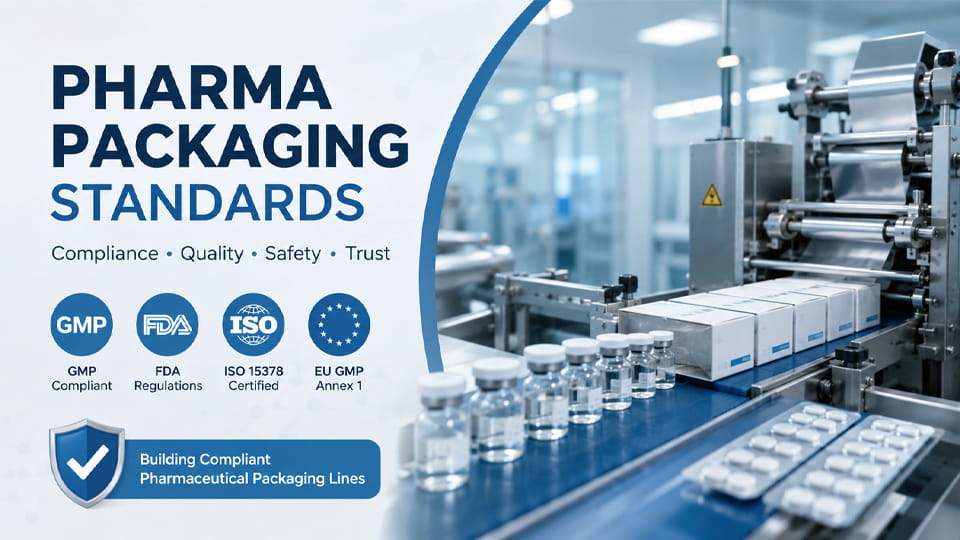
医薬品の包装基準


Why Pharma Packaging Standards Matter

Pharmaceutical packaging is as critical as the drug itself – it protects product identity, potency and sterility. WHO notes that packaging must shield drugs from undesirable chemical, biological or physical contamination and, for sterile products, “sterility must be maintained”. 実際に, this means every blister pack, bottle or cartoned package must be produced and labeled correctly under GMP to prevent mix-ups or contamination. Global regulators (FDA, エマ, 誰が) require that packaging processes and equipment be validated and controlled just like drug manufacturing. 要するに, pharma packaging standards exist to ensure patient safety by keeping medicines correct, pure and traceable throughout distribution.

The nurse pours the tablets and capsules out of the medicine bottle


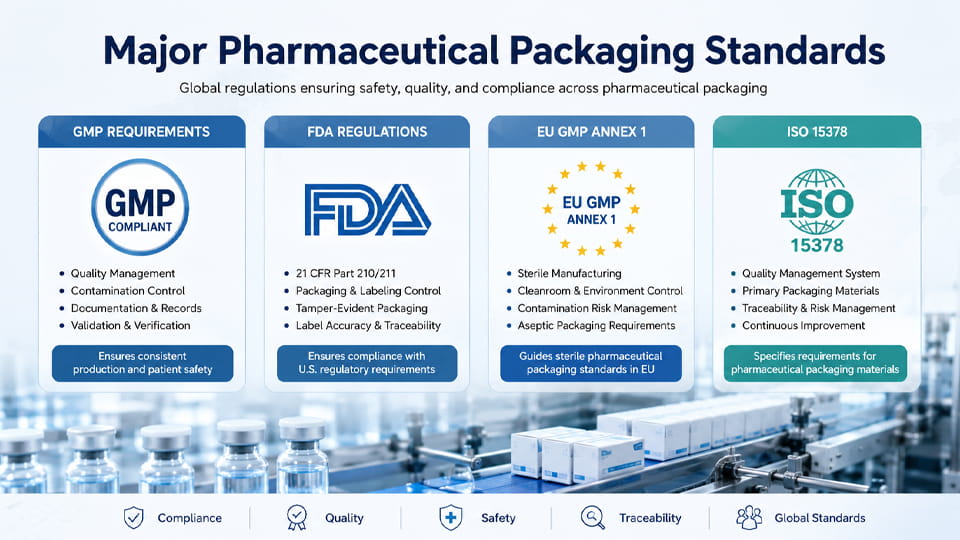
Major Pharmaceutical Packaging Standards

適正製造基準 (GMP) – General Requirements

GMP is the umbrella framework for drug quality. 包装用, GMP mandates hygienic design and strict controls to prevent cross-contamination and mix-ups. Equipment must be designed to be “easily and thoroughly cleaned”, as regulators state. 例えば, FDA guidance specifies that equipment “should be constructed and located to ease cleaning… prevent contamination”. WHO/PIC/S guidelines similarly emphasize validation of equipment and processes with sanitary design. 本質的には, GMP for packaging 必要: cleanable stainless-steel (often SUS316L) 装置, documented cleaning protocols, full qualification (IR/WH/PQ) and accurate labeling records. These practices protect product identity and quality at each packaging step.

US FDA Regulations (21 CFR 210/211, 21 CFR 11)

米国では, FDAの 21 CFR部品 210 そして 211 cover drug manufacturing and packaging. 一部 211 (Subpart D/E) includes specific rules on equipment design, cleaning and calibration. 例えば, all equipment must operate within specifications and be cleaned per written procedures. 一部 211 also requires identifying and labeling components to prevent mix-ups, and maintaining complete batch records during packaging. 重要なこと, 21 CFRパート 11 applies to computerized controls on パッケージライン: it mandates unique user logins, audit trails and electronic signatures to ensure data integrity. 実際に, this means modern packaging machines must encrypt batch data, restrict user access, and log every change, in compliance with FDA rules.

EU GMP (EudraLex Volume 4)

The EU GMP Guide (ユードラレックス Vol 4) aligns closely with FDA principles for equipment. Part I Chapter 3 (Premises and Equipment) requires that equipment be “easily cleaned” with non-reactive contact parts. 別館 15 (欧州連合) mandates full qualification (IR/WH/PQ) of all machinery. For computerized systems, EU附属書 11 (ここには示されていません) similarly demands validation and secure audit trails, like FDA’s Part 11. A key update is EU GMP 付属書 1 (Sterile Products), fully applicable from 2024. 別館 1 raises the bar for sterile packaging: it requires a documented Contamination Control Strategy (CCS) and high-grade cleanroom standards (ISO 5/7 grades), as well as barrier technologies (isolators/RABS) and validated sterilization methods. Container closure integrity (CCI) testing and controls on extractables/leachables are also emphasized to minimize contamination risks. All EU-based or export lines for sterile injectables must meet these criteria.

ISO 15378 (QMS for Packaging Materials)

ISO 15378 is the international standard for primary packaging materials of medicinal products. It specifies a quality management system (QMS) aligned with ISO 9001, with reference to GMP. 言い換えると, ISO 15378 focuses on the design, manufacture and supply of pharma packaging components (blister foil, ボトル, バイアル, 等), ensuring they consistently meet customer and regulatory requirements. While ISO 15378 is aimed at material suppliers rather than equipment makers, machine manufacturers must accommodate compliant materials (例えば. approved plastics or laminates) and provide documentation (material traceability certificates) so that the final primary packaging is ISO‑15378‑certified. Achieving ISO 15378 certification demonstrates commitment to GMP-quality packaging materials in your production.

Major Pharmaceutical Packaging Standards


Key GMP Requirements for Pharmaceutical Packaging Equipment

Pharma packaging machines must meet stringent technical criteria to comply with the above standards. The table below summarizes key requirements:

Requirement Key Points
衛生設計 Equipment in stainless steel (例えば. 316l), 滑らかな溶接, sloped surfaces. Cantilever frames (isolated drives) to eliminate hidden areas, enabling cleaning.
材料の互換性 All parts touching product must be non-reactive/non-absorbent (316L SS, PTFE, pharma-grade plastics) so they cannot leach or bind actives. Use food-grade lubricants and seals (PTFE, EPDM) resistant to cleaning agents.
Equipment Validation 満杯 IR/WH/PQ for each machine: documented installation qualification, functional testing, and performance tests during a simulated or real batch. Each new or modified machine must be qualified before use.
クリーニング & 消毒 Validated cleaning/CIP procedures for every product change. Cleaning SOPs must be written, executed and revalidated periodically. Only product-contact areas require validation sampling.
メンテナンス & 較正 Scheduled preventive maintenance to replace worn parts. Calibration procedures (例えば. for scales, 流量計) with records (per FDA 21 CFR 211.68) ensure accuracy. Regular checks on sensors and actuators as per SOP.
オートメーション & 安全性 Error-prevention features like vision inspection, barcode scanning and automated reject gates reduce human errors. Interlocks (例えば. door sensors) stop machines on jams. For labeling lines, cameras verify correct label application.
データの整合性 Controls must meet FDA 21 CFR Part 11/EU Annex 11: secure user accounts, unalterable audit trails, and electronic sign-off on records. MES/ERP integration for batch record archiving. Digital logs of settings and deviations.
連載 & トレーサビリティ Equipment must support printing or etching unique identifiers (例えば. 2D データマトリックスコード) on each primary package. Integration with track-and-trace systems ensures each code is linked to a batch/lot. The line must allow tracebacks and recalls by code.

例: Validation and Cleaning

例えば, after installing a new blister line または ボトルフィラー, GMP requires documented IQ/OQ/PQ testing to prove each function (充填量, sealing quality, 拒否します) meets specs. 同様に, after every batch, the machine must be cleaned by a validated procedure. Regulators demand these cleaning processes be “documented, verified, and periodically revalidated”. Automated Cleaning-In-Place (CIP) systems for liquid fillers or solvent-based cleaning for solids are common. Critical surfaces (ホッパー, nozzles, アザラシ) are swab-tested or measured (例えば. Total Organic Carbon) to confirm no residue remains. 要するに, you must be able to show through documentation that every fill/pack operation used a qualified, sanitary machine.

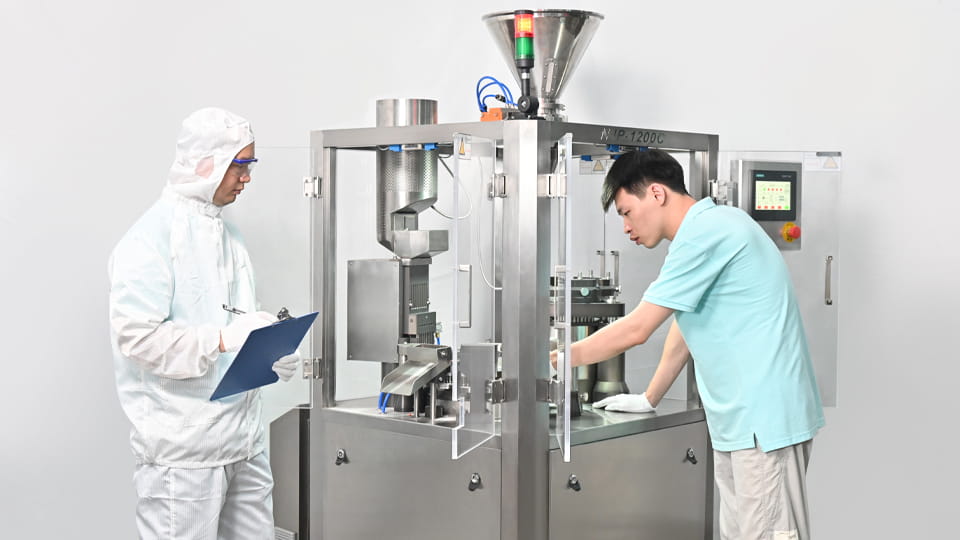
Workers are recording the operation of the capsule machine for GMP Requirements


Common Pharmaceutical Packaging Standards for Different Packaging Types

Pharma production lines use a variety of specialized machines. Key GMP-related features of common equipment include:

  • ブリスター包装機: These form and heat-seal blisters from aluminum/plastic laminates. GMP requires the sealing area be enclosed or under laminar flow to avoid contamination, and rollers/dies have smooth, sloped surfaces (no sharp edges). A blister machine often includes vacuum systems (for forming) with HEPA-filtered air and a sealed flow path so no particulates enter the blister. Contact parts (ブラシ, フィーダー) are designed for quick cleaning. For sensitive drugs, entire blister stations may be in an ISO 5 または 7 環境.
  • 箱詰め機: Cartoners erect cartons and insert products (ブリスターパック, ボトル, 小袋) and close cartons. GMP cartoners incorporate 100% vision scanning of carton codes to ensure accuracy, and they tightly control carton feeders to avoid mix-ups. Because carton feeding can generate dust (paper fibers, glues), machines often use enclosed carton hoppers with filtered airflow. Any carton magazine is locked and must be cleaned out during line clearance to meet FDA 21 CFR 211.130 要件. 全体, high-speed cartoners for pharma ensure each carton is correctly labeled, 封印された, and batch-coded.
  • Labeling/Printing Machines: These apply labels or inserts and print expiration/batch codes. Critical controls include synchronized label feeding (to match the right product) and real-time inspection cameras. GMP machines use vision systems to verify each label is present, legible and matches the product, rejecting any mis-labeled packages. All rollers and surfaces in the print-applicator are smooth to prevent ink or dust contamination. When printing data matrices or barcodes on cartons, the mark-speed and curing (for inkjet) are validated so codes are readable and permanent (critical for serialization).
  • 数える & 充填機: Tablet/capsule counters and bottle fillers handle bulk solid or liquid dosage forms. GMP dictates that all product-contact parts (ホッパー, augers, nozzles) be easy to disassemble or CIP-cleanable and made of 316L stainless steel. Fillers and counters have precision load cells or flow meters; they automatically reject any under-filled or overweight containers (often using checkweighers). 例えば, a liquid filling line may use servo-driven piston pumps for ±0.2 g accuracy, with CIP spray balls in tanks and enclosed sterile filling heads for liquids. 行末, a computerized reject bin and audit log ensure no defective units reach packaging.
  • Serialization/Coding Systems: Modern lines include coders (laser/inkjet) to print unique identifiers on packages. These systems tie into software to ensure every code is applied exactly once and logged to a batch. A typical serialization setup on a blister or bottle line will include a 2D code printer plus a verification camera and a fail-safe (no-code = reject). The printer software enforces serialization rules (例えば. DSCSA, EU 口蹄疫), and often connects to a database so each code is checked against production records.
  • Inspection Systems: Final inspection machines (X線, ビジョン, leak testers) remove damaged or foreign-body-contaminated packs. GMP requires 100% inspection of critical quality attributes. 例えば, an X-ray system on a bottle line checks fill level and glass fragments, while a vision system on blister line checks for missing pills. All such equipment comes with traceable calibration and self-test logs as per 21 CFR 211.

Each of these machines should be selected with GMP design in mind (smooth stainless surfaces, CIP, HEPA air if needed). For detailed examples, see Jinlu Packing’s product pages, which highlight compliance features like cantilever frames and CE/GMP certifications.

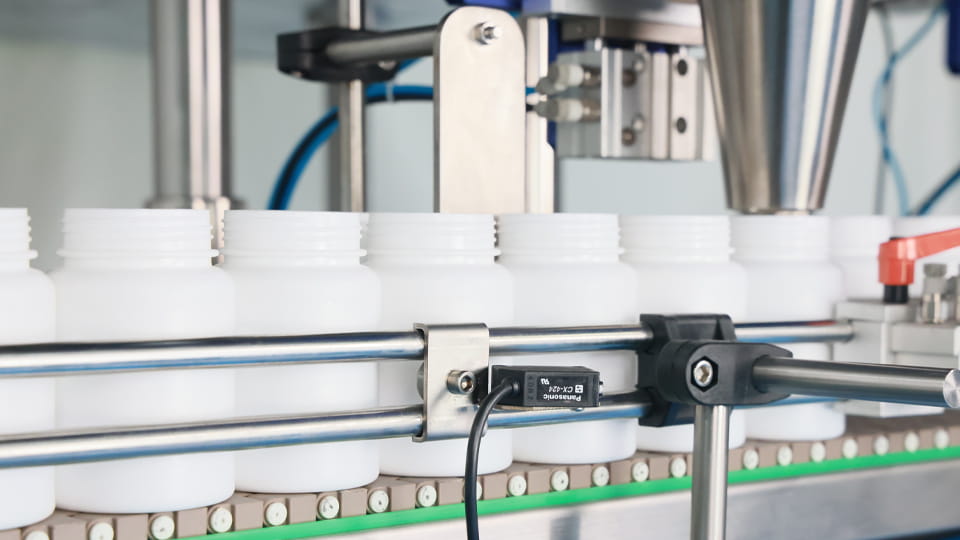
数える & Filling system


Common Compliance Challenges in Pharma Packaging

Meeting pharma packaging standards presents challenges: regulatory requirements vary by market, and each new drug may require different packaging specs (例えば. child-resistant closures, specific coatings). Validation and documentation add time and cost – every new package size or product change can trigger re-validation. Serialization rules (DSCSA in the US, FMD in the EU, 等) are complex and evolving, requiring regular software updates and staff training. Cleanroom requirements (for sterile products) also raise facility costs. ついに, tracking and proving compliance (through batch records and audit trails) means robust software and record-keeping. Overcoming these challenges requires close collaboration between engineering, QA and suppliers, and choosing adaptable, well-supported equipment.


How to Choose GMP-Compliant Pharmaceutical Packaging Equipment

When selecting machinery for a 医薬品包装ライン, follow a GMP checklist:

  • 衛生設計 & 材料: Ensure the machine uses 316L stainless steel and has a cantilever (balcony) design isolating motors/drives from the product zone. Verify all contact parts (フィーダー, ベルト, ネジ) are non-reactive materials and easily accessible for cleaning. Sloped surfaces and smooth welds are a must to avoid “dead legs.”
  • 検証ドキュメント: Choose suppliers who provide full IQ/OQ/PQ protocols and FAT/SAT support. The equipment should come with installation guides, calibration certificates and a set of qualification protocols. 理想的には, the vendor offers on-site IQ/OQ/PQ assistance and pre-written SOP templates.
  • Regulatory Certifications: Look for CE marking and any GMP-related certifications. 多くのメーカー, ジンルのように, mark their equipment as cGMP or UL-compliant. Ask if the company has undergone audits (例えば. ISO 9001, ISO 15378, FDA or WHO GMP inspections). A compliant supplier should be willing to share third-party audit summaries or quality system certificates.
  • 自動化機能: Check for built-in error checks: label readers, net-weight checkweighers, 金属探知機, トルクセンサー (for closures), 等. Modern PLCs should log batch data and support 21 CFRパート 11 コンプライアンス. Verify the HMI software has role-based logins and audit-trail functionality (no “hidden” override passwords). Reject gates and alarms should halt production on faults.
  • サポート & サービス: Ensure the supplier has global service centers for installation, training and validation support. A long warranty and fast availability of spare parts are important (例えば. Jinlu offers 3-year machine warranties and overseas service). A good vendor will provide operator training and on-call tech support to resolve GMP-related issues.
  • 適応性: Pharmaceutical lines often change products. Look for machines that can easily switch between different container sizes or package formats (adjustable guides, クイックチェンジパーツ). Verify that the supplier can customize feeders or inserts (例えば. carton magazine changeovers, capping head changes) with minimal effort.


Future Trends in Pharma Packaging Standards

The future of pharmaceutical packaging is increasingly digital and 持続可能な. Serialization and Track & トレース will expand globally, possibly leveraging blockchain to secure supply chains. Smart packaging (RFIDタグ, NFC sensors) may begin monitoring storage conditions or tamper events. Equipment is trending toward 業界 4.0 – lines with IIoT sensors and AI-driven vision systems that predict faults or count pills more reliably. Robotics for final packaging (case handling, palletizing) and advanced aseptic barriers (例えば. closed aseptic systems) are also growing. 素材面では, there’s a push for recyclable or biodegradable packaging components, so machines must handle new film types. 全体, オートメーション, data connectivity and environmental safety are key trends shaping next-gen pharma packaging.

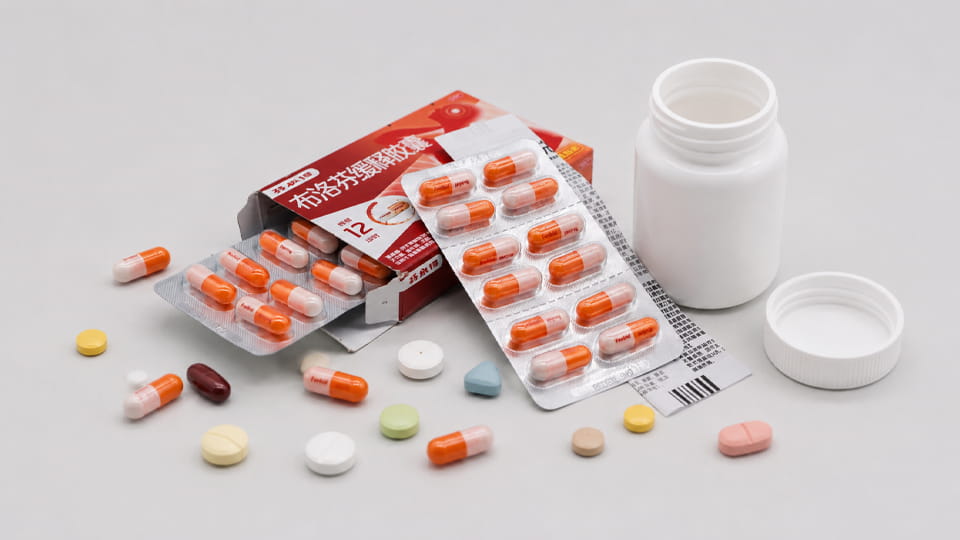
Pharmaceutical Blister Packaging in carton with Open Pill Bottle and Capsules tablets


結論

Adhering to pharmaceutical packaging standards is non-negotiable for drug manufacturers. By understanding GMP, FDA and ISO requirements—and by choosing machinery built to meet them—you safeguard product quality and patient safety. Compliance demands rigorous design (smooth 316L surfaces, CIP/COP cleaning), full validation (IR/WH/PQ) and ongoing documentation (maintenance and audit logs). With regulations like FDA’s 21 CFR and EU’s Annex 1, pharmaceutical lines can’t afford shortcuts.

のために packaging equipment solutions, work with experienced suppliers. ジンルパッキング, 例えば, specializes in GMP-compliant blister machines, 液体充填ライン, cartoning and more. Our machines feature cantilever designs, FDA-grade materials and support serialization out of the box. ジンルパッキングにお問い合わせください today to ensure your next packaging line meets global GMP standards with full validation support.


FAQs About Pharma Packaging Standards

What are pharmaceutical packaging standards (GMP, FDA, ISO)?

Pharmaceutical packaging standards are the regulatory requirements that ensure drug packages do not contaminate or mix-up products. These include GMP guidelines from agencies like FDA and EMA, which mandate hygienic equipment design, cleaning validation and thorough documentation. Standards like ISO 15378 focus on the quality management of the packaging materials themselves. Together they ensure packaging protects drug quality and carries accurate information.

What does FDA require for packaging equipment?

FDAの 21 CFRパート 211 covers packaging operations. It requires that equipment be maintained, cleaned and calibrated so it does not affect drug identity or purity. 例えば, FDA guidance states equipment “should be constructed to ease cleaning” and warns that materials must not react with the drug. Computer systems on the line must also comply with 21 CFRパート 11 (electronic records and audit trails).

How does ISO 15378 relate to pharma packaging?

ISO 15378 is an ISO standard specifically for primary packaging materials of pharmaceuticals. It augments ISO 9001 with GMP requirements, ensuring packaging material suppliers have a QMS that consistently meets customer and legal standards. While it doesn’t regulate equipment directly, using ISO 15378-certified materials on GMP machines helps meet regulatory expectations and customer demands for quality.

What is EU GMP Annex 1 そしてそれがなぜ重要なのか?

別館 1 of the EU GMP Guide covers sterile medicinal products. It sets strict rules for aseptic manufacturing, including packaging of injectables. Key points include implementing a Contamination Control Strategy (CCS), using classified cleanrooms (ISO 5/7), isolator or barrier technology, and validating sterilization/disinfection steps. 別館 1 compliance ensures that even during packaging, sterile drugs remain free from microbes and particulates – which is critical for patient safety.

How do I verify a packaging machine is GMP-compliant?

初め, check its design and materials: it should use 316L stainless steel on all product-contact parts and have no hidden crevices. Ensure the vendor provides complete IQ/OQ/PQ documentation. Look for features like CIP capability or easy strip-down cleaning. Confirm it has electronic batch record capability (21 CFRパート 11) and serialization support (2D coding). ついに, review any certification marks (ce, GMP) and ask for references or audit reports. A truly GMP machine will come with validation support and full compliance documentation.

Why is serialization required on pharmaceutical packages?

Serialization laws (例えば. the US Drug Supply Chain Security Act, EU Falsified Medicines Directive) mandate a unique code on each individual package to trace it through the supply chain. Packaging equipment must print or etch these codes (typically 2D barcodes) on every blister or bottle. This ensures counterfeits can be detected and batches can be quickly recalled if needed. 実際に, serialization is integrated into the packaging line via a coder and verification camera, with software linking each code to batch records for full traceability.

What should I look for in a GMP-compliant cartoning machine?

A GMP cartoner should have smooth, hygienic surfaces and enclosed carton feeding to minimize dust. It must integrate label and code scanners to verify each carton’s batch code and contents. Check that the machine can perform Line Clearance (emptying/inspection between products) FDAガイドラインごと, and that it allows easy cleaning of carton glue applicators. 例えば, many cartoners include vacuum carton grips and vision systems to catch carton jams or missing inserts, meeting the mix-up prevention rules in 21 CFR 211.


参考文献:
1.21 CFRパート 211 – CURRENT GOOD MANUFACTURING PRACTICE FOR FINISHED PHARMACEUTICALS —— 法務情報機構
2.ISO 15378:2017 医薬品の一次包装資材 —— iso.org
3.EU GMP 付属書 1: Manufacture of Sterile Medicinal Products —— gmp-compliance.org
4.医薬品サプライチェーン保安法 (DSCSA) - 私たち. 食品医薬品局

この記事をシェアする:
の写真 ペティフー
ペティフー

ペティフー, 金魯包装の創設者, もたらす 30 製薬機械分野における長年の専門知識. 彼のリーダーシップの下で, Jinlu はデザインを統合する信頼できるサプライヤーに成長しました, 生産, と販売. ペティは、クライアントが医薬品包装の複雑さを乗り越えられるよう、業界の深い知識を共有することに情熱を持っています。, 機器だけでなく確実に受け取れるようにする, しかし、生産目標に合わせて調整された真のワンストップ サービス パートナーシップ.

目次

お問い合わせを送信してください

返信を残す

あなたのメールアドレスは公開されません. 必須フィールドにマークが付いています *

無料見積もりを取得する

*私たちはあなたの機密性を尊重し、すべてのデータは保護されます. あなたの個人データは、JL ソリューションのためにのみ使用および処理されます。.