
導入: チュアブル錠は次のように設計されています。 丸ごと飲み込むのではなく噛む, ユーザーフレンドリーにする, 特に子供たちにとって, 先輩, 嚥下障害のある人も. 口の中で分解することで, チュアブル 水不要の利便性を提供, 心地よい味, 固体錠剤の安定性. それらは広く使用されています 小児用の薬や 栄養補助食品 (チュアブルビタミンCやマルチビタミン錠剤のことを思い出してください), そして動物用医薬品でも. FDAのガイダンスによると, メーカーは特に注意を払う必要があります 重要な品質特性 (CQA) チュアブル錠を開発する場合. これらの CQA にはタブレットの硬度などの要素が含まれます, 味のマスキング, 安全性と有効性を確保するための内容の均一性. 要するに, チュアブルは錠剤の長所を組み合わせたものです (正確さ, 保存安定性) より良い 患者のコンプライアンス. このガイドでは, チュアブル錠とは何かについて説明します, 彼らの利益, どのように作られるのか, それらを扱うためにどのような包装機械が使用されているか – すべてはフレンドリーなサービスから提供されます。, 業界の視点.
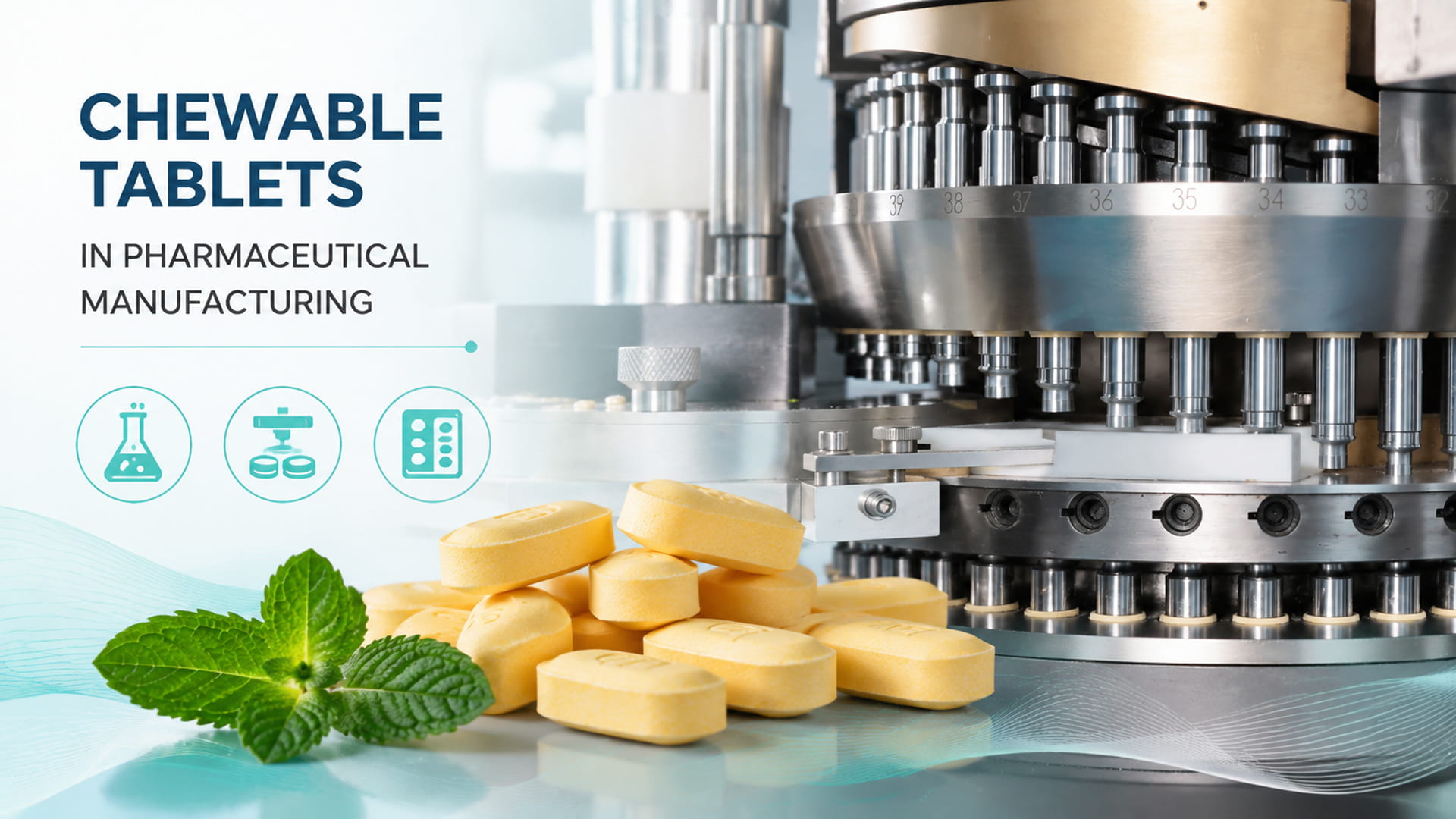
チュアブル錠は、 口腔の種類 固形剤形 飲み込む前に噛むように設計されています. 従来のタブレットとは異なり、 (あなたが丸飲みするもの) または 口腔内崩壊錠 (ODTS) 舌の上で溶ける, チュアブルは 噛むことによって口の中で分解される. これにより、多くの患者にとって投薬が容易になります.
製薬技術によると, チュアブル錠は、「有効成分の放出を促進するために噛むことによって処理されるように設計された錠剤」と定義されます。(s)」. 実際に, これは、チュアブル品には糖アルコールなどの成分が含まれることが多いことを意味します (ポリオール) 甘みとボリュームを加える. 楽しい形に成形することもできます (動物, 心, 等) 子供たちにアピールする. チュアブルは口の中で粉々に砕けるため、, それらは作ることができます 大きいか形が違う 飲み込む錠剤よりも, それでも噛むとすぐに溶ける.
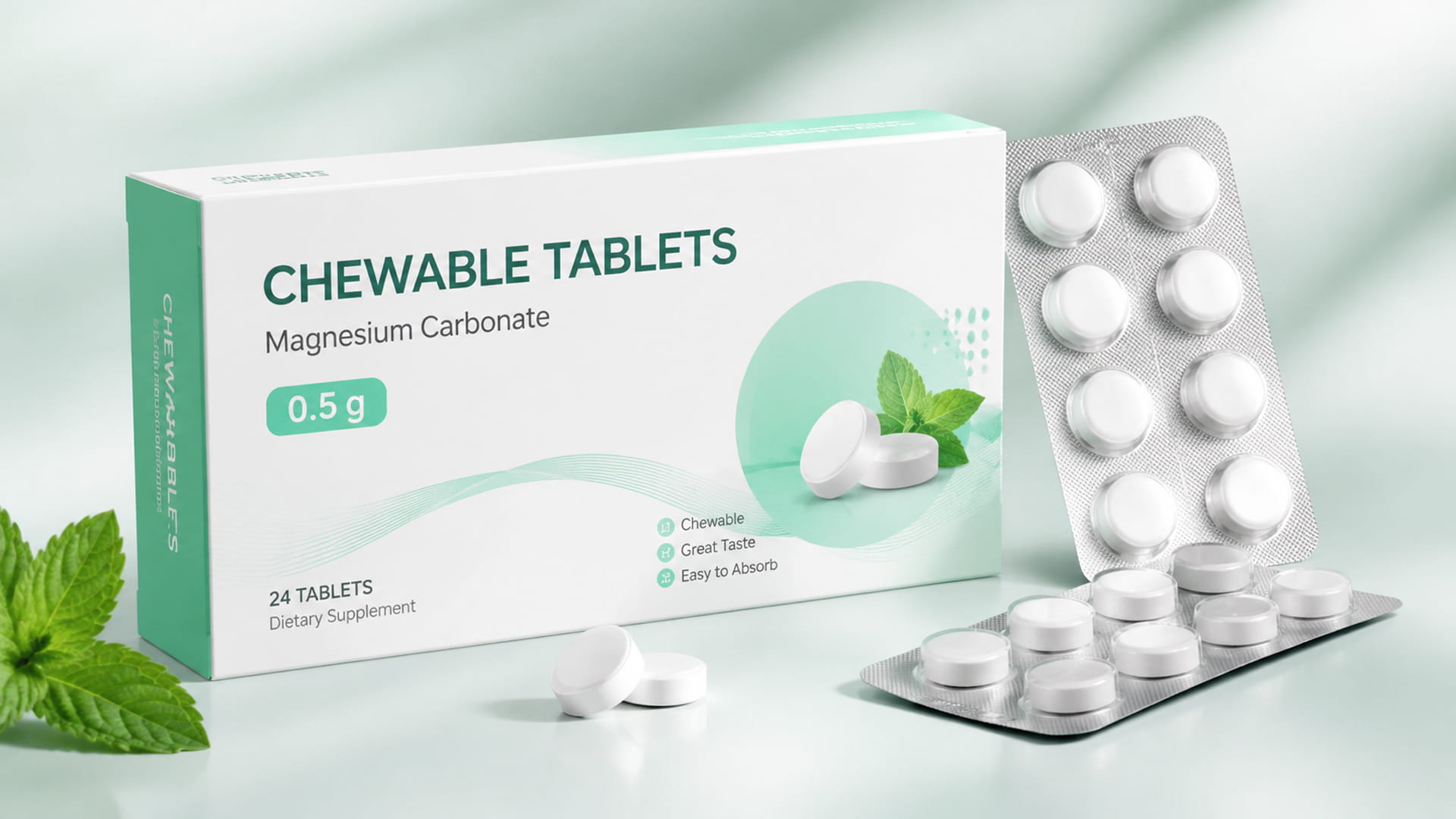
チュアブル錠はヘルスケア市場のいくつかの分野で人気があります:
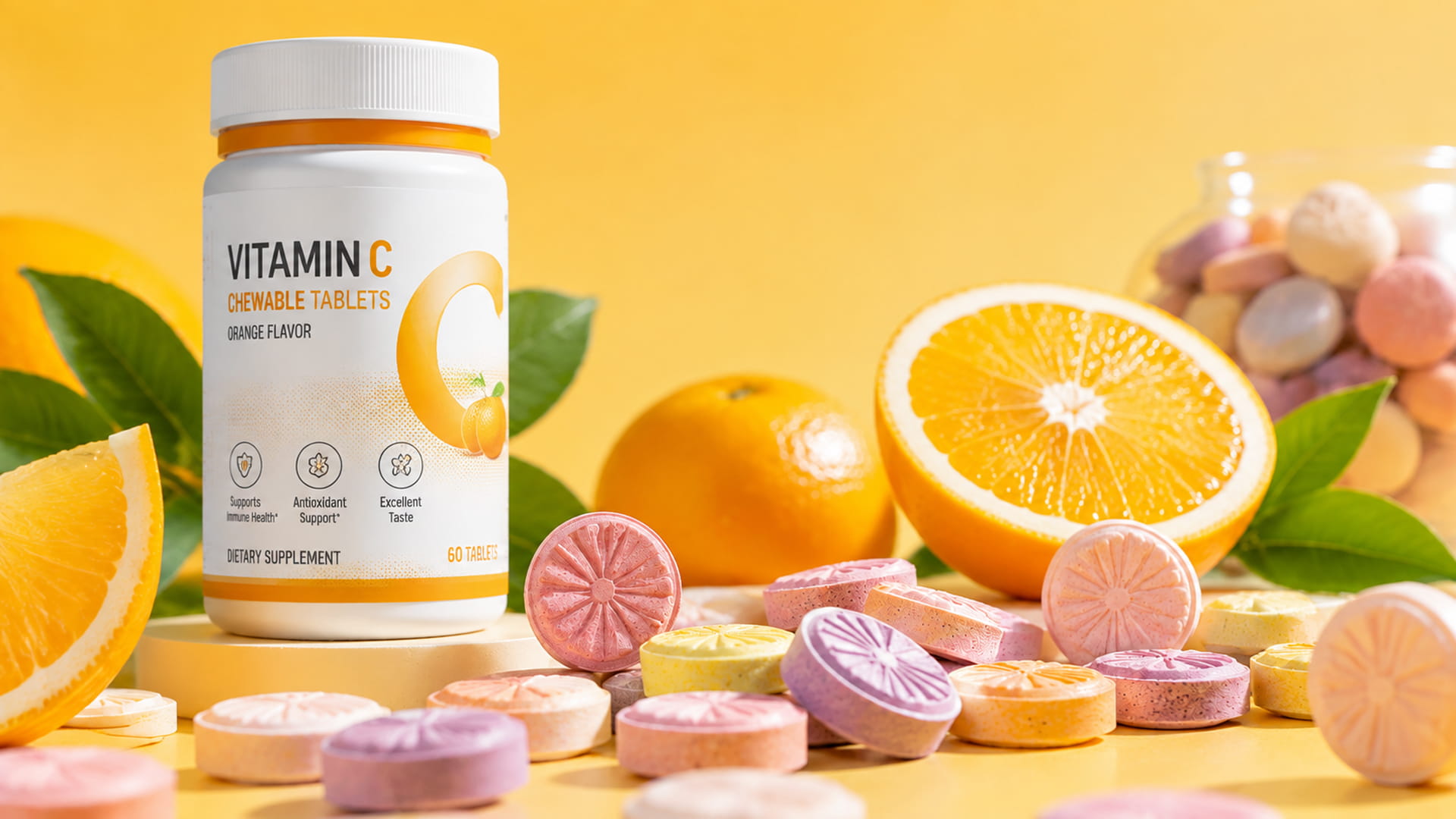
この写真は ビタミンとサプリメント チュアブル錠剤の形で. チュアブルタイプのビタミンC, マルチビタミン, ミネラルタブレットはしばしば明るい色のキャンディーのように見えます. その形状と味は、健康志向の消費者と患者にとって同様にフレンドリーな選択肢となっています。.
チュアブル錠剤の配合はバランスをとる作業です. タブレットは次のとおりである必要があります 美味しくて噛みやすい, まだ 強くて安定した 取り扱いと保管に十分な. これはつまり:
味覚マスキング & おいしさ: 飲み込む錠剤とは異なります, チュアブルは口の中に座ります, 薬物を味蕾にさらす. 多くの活性薬は苦いです, そのため、調合者は甘味料を追加します (砂糖または糖アルコール) 錠剤を美味しくするための香料. 非常に苦い API の場合, 薄いコーティングや味を遮断する特別な賦形剤を使用して、不快な味が舌に到達するのを防ぐことができます。. 例えば, チュアブルビタミンタブレットには、フルーツフレーバーと甘いベースがよく使用されます (ソルビトールやマンニトールなど) 味を改善するために.
テクスチャ & 口当たり: 優れたチュアブル錠は次のとおりです。 スムーズに分解できるほど柔らかい ザラザラ感やチョーク感を感じさせずに. 粒子サイズと賦形剤の選択が重要: 細かく粉砕された原料と「柔らかい」フィラー (例えば. マンニトール, キシリトール) 錠剤が噛むと優しく崩れるようにする. 一方で, チュアブルはまだ必要 いくつかの 保管中に崩れない硬さ. 業界のガイドラインでは、錠剤の硬度を比較的低く保つことを推奨しています (例えば. ~12キロポンド以下) 錠剤が口の中ですぐに崩壊しない限り. 圧縮性の高い賦形剤と結合剤の使用 (微結晶セルロースや特定のポリマーなど) 包装中に錠剤を無傷に保つのに役立ちますが、口の中で咀嚼可能です.
崩壊 & 薬物放出: チュアブルは噛むと効果的に薬物を分解して放出する必要があります。. 通常、即時放出剤形として分類されます。, そのため、他の速放性錠剤と同じ崩壊および溶解基準を満たす必要があります。. 実際に, これは、チュアブル錠剤が必要な時間内に溶けることを確認するためにテストすることを意味します。 (多くの場合、数分以内に) 噛んだ後. 配合剤には崩壊剤が含まれることが多い (例えば. デンプングリコール酸ナトリウム) 迅速な分解を促進し、一貫したバイオアベイラビリティを確保します.
安定性: 他のタブレットと同じように, チュアブルは湿気や温度に敏感な場合があります. チュアブルが多いので (例えば. ビタミンまたは発泡性チュアブル) 吸湿性フィラーを使用する, 配合は製品の保存期間を通じて安定していなければなりません. これには、製造および梱包時の適切な湿度管理が必要です。. 実際には, 規制ガイドライン (例えば. FDAの安定性に関するガイダンス) 長期にわたって有効性と安全性を実証するには、安定性データの提出が必要です. 薬物含有量が高いチュアブルビタミン用, 安定性を維持しながら風味と有効成分のバランスをとるには、さらなる注意が必要です.
一般的な賦形剤: API 以外の主な成分には次のものがあります。 フィラー (希釈) バルク用, バインダー タブレットを一緒に保持する, 潤滑剤 固着を防ぐために, そして, 重要なこと, 味を整えるための香料/甘味料. チュアブル製品の典型的な充填剤はマンニトールやソルビトールなどの糖アルコールです。, またはスクロースやラクトースのような甘味料. マンニトール, 例えば, 涼しさを演出できるので人気です, 甘い口当たりで、錠剤の崩壊が早くなります。. 崩壊剤 (微結晶セルロース, デンプングリコール酸ナトリウム) 口の中で素早く分解するために使用されます。. 香料添加物 (フルーツフレーバー, ミント, 等) タブレットを消費者にとって魅力的なものにするために、着色料も一般的に使用されています。.
これらの要素に焦点を当てることで、味のマスキングが可能になります。, テクスチャ, と崩壊 — 医薬品開発者は、効果的で患者に優しいチュアブル錠を開発しています。. 適切な配合により、スムーズな製造と包装の基礎が築かれます.
優れたチュアブル錠を製造するには、医薬品の品質と患者の受容性のバランスをとる必要があります。. 重要な品質特性には次のものがあります。:
これらの品質要素を満たすことは簡単ではありません, これが、FDA がチュアブル錠の特性に関する特別なガイダンスを発行した理由です。. このガイダンスでは、すべての開発ステップとテストを規制当局への提出書類に文書化することが強調されています。 (NDA/ANDA). 持ち帰り: チュアブル錠は依然として医薬品であり、完全な品質で厳密に扱われなければなりません, 患者に優しい工夫を加えただけ.
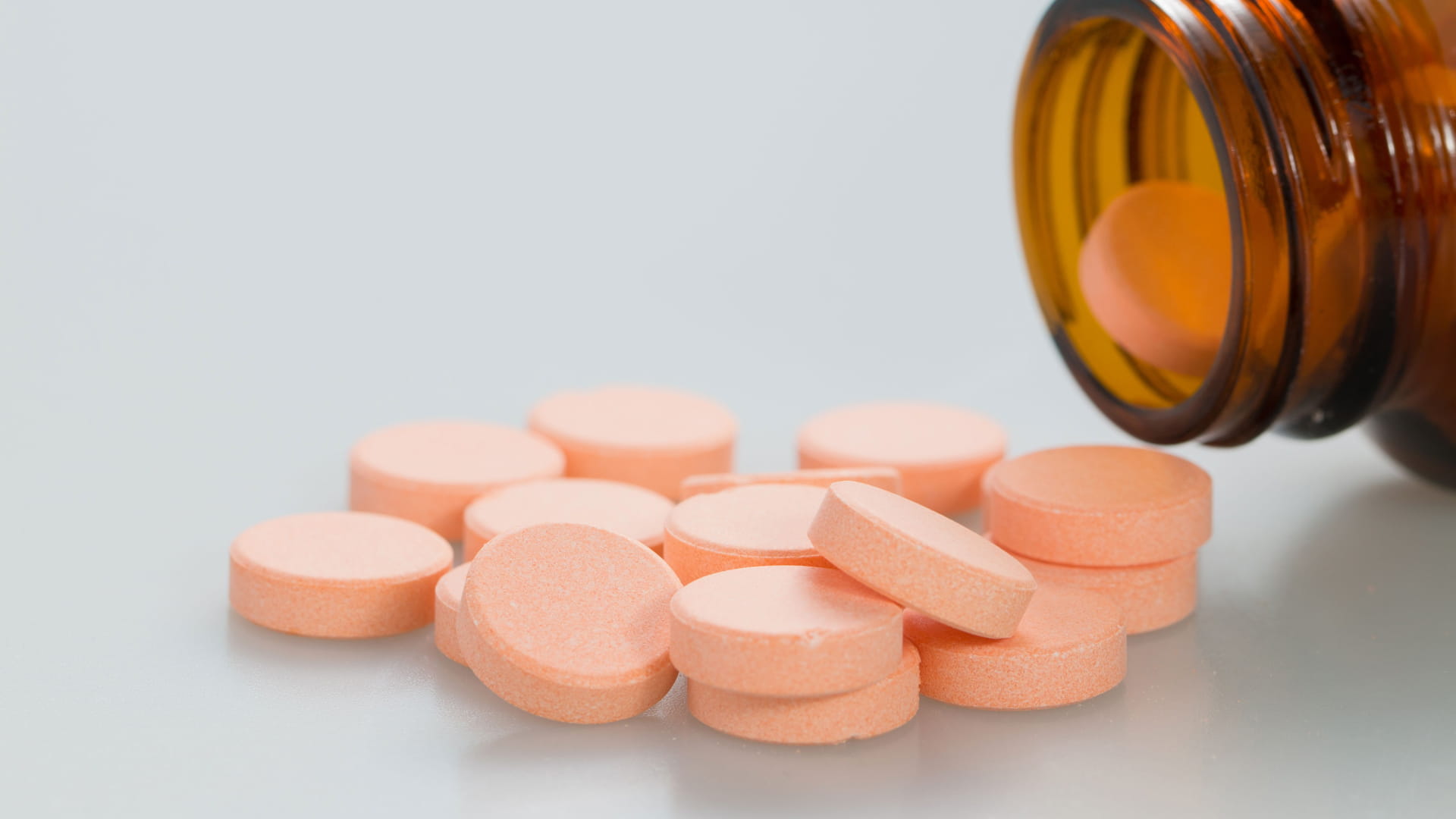
チュアブル錠の製造は、主に標準的な錠剤製造プロセスに従います。, 噛みやすさと味のために特別な調整を加えたもの. 以下はチュアブル製品の製造における主要なステップの概要です。:
それぞれの段階で, 製造業者は cGMP 規制に従っています (例えば. FDA 21 CFRパート 211 米国で) 清潔さを確保するために, 精度, とトレーサビリティ. 最新の打錠機には、圧力と速度を調整するための PLC 制御が搭載されていることがよくあります。, 一貫した圧縮を維持するための力センサーなどの機能. チュアブル用, キーは単に「優しく、しかし均一に」押されるだけです.
製造後, チュアブル錠は新鮮さと効果を保つために適切な包装が必要です. 以下は一般的な梱包方法と使用される機器です。:


カートナーは完全に自動化される場合があります (人間のオペレーターは必要ありません) 各ボックスに適切なインサートがあり、適切に密閉されていることを確認するためのセンサーが含まれています. 自動箱詰めの利点には、手動梱包と比較して速度と一貫性がはるかに高いことが含まれます。. 包装技術者としてかつて冗談を言った, カートナーが与える 「プロフェッショナルな見た目の, 不正開封防止カートン」 最小限の労力で.
ヒント: チュアブル錠がボトルに入った場合 (例えば. ビタミンボトル), 水疱はないかもしれない, でも、それらのボトルはカートンに入れられることもよくあります, 同じ箱詰めプロセスに従う.
これは完全に 自動瓶詰めライン ビタミン D チュアブルやボトルで販売されるチュアブル カルシウム タブレットなどのチュアブル製品に最適です. 各ボトルのカウントが正しいことを保証します (正確に考える 60 チュアブルビタミンCタブレット(瓶あたり)) 生産をスピードアップします.
品質 & コンプライアンス: これらすべての包装機械は製薬基準を満たしている必要があります. 例えば, ブリスターおよび箱詰めラインは cGMP 仕様に基づいて構築されています (21 CFR 211 米国で) 衛生的なデザインで, トレーサビリティ, および検証プロトコル. インラインビジョンシステムは、充填レベルとシールを頻繁にチェックします, エラーの防止. 優れた包装で製品の品質を保証: 研究によると、錠剤をパッケージから取り出すと劣化が早まってしまうことがわかっています. 要するに, 堅牢な梱包への投資 (ハイバリアブリスターや精密カートナー/カウンターなど) チュアブル錠を工場から患者まで安全に保つために重要です.
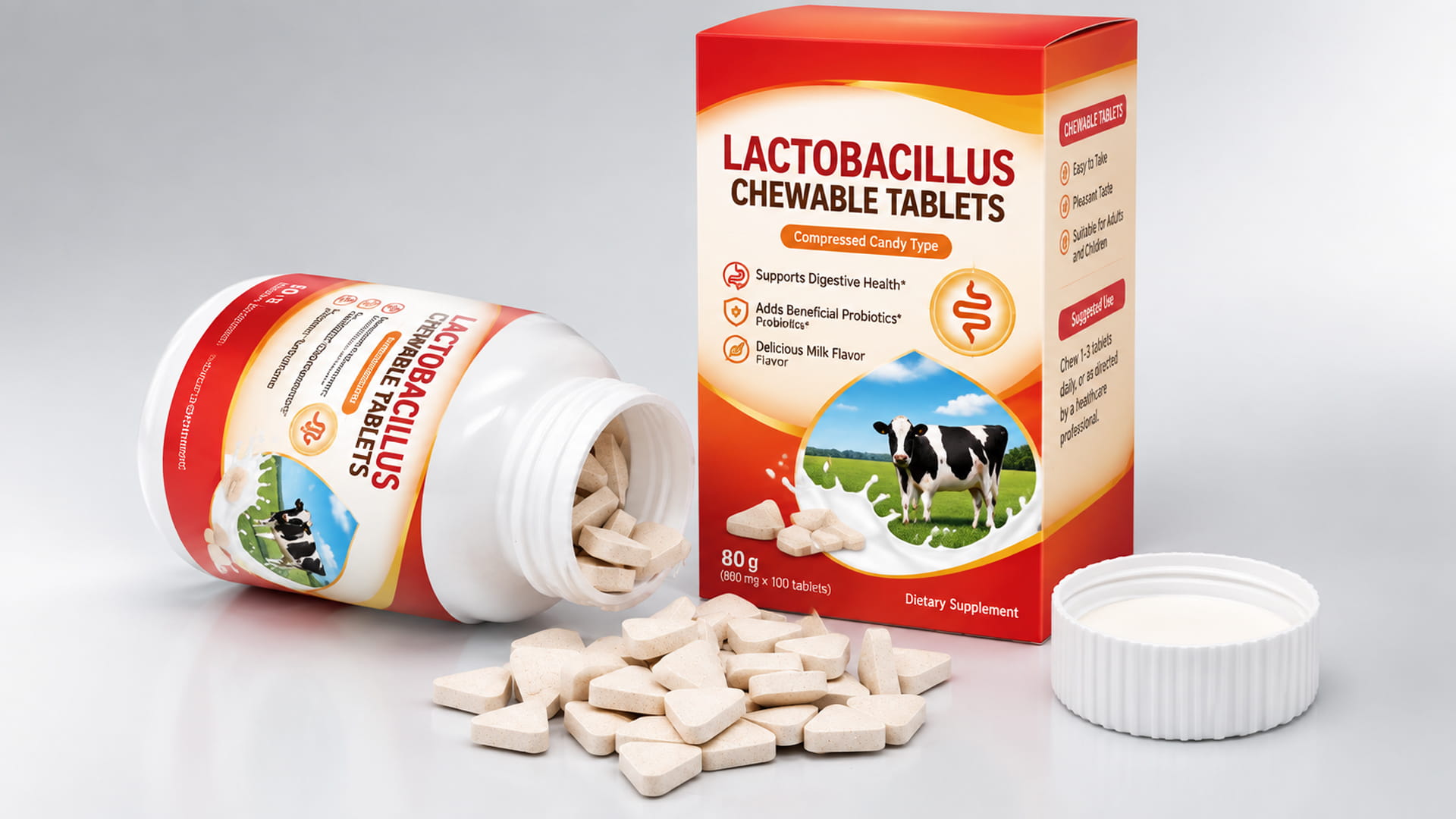
要約すれば, チュアブル錠は、 患者に優しい 製薬業界における多用途の剤形. コンプライアンスを向上させます (水は必要ありません!), 最新の配合技術を駆使して (甘味料, フレーバー) 彼らはとても美味しいです. 製造には標準的な打錠装置が使用されます いくつかの調整を加えて: 低圧圧縮, 特殊なパンチ, そして綿密な品質管理. パッケージングも重要な役割を果たします – ブリスターマシン, 箱詰め業者, カウントラインにより、各チュアブル錠が新鮮に保たれ、最終パックに正確に投与されることが保証されます。.
医薬品または栄養補助食品の製造に携わっており、チュアブル錠の製造を検討している場合, 覚えて: 適切な機器パートナーが大きな違いを生みます. メーカーのような ジンルパッキング カスタマイズされた打錠機を提供する, ブリスターパッカー, チュアブル製品用に作られたカートナー. 必要かどうか ロータリータブレットプレス 1 時間あたり数千個のチュアブル錠の場合、 高速ブリスターライン ビタミン剤を密封するために, 高品質の機器により生産効率が維持され、タブレットは患者に優しいものになります.
チュアブル錠の製品ラインを強化する準備ができています? Jinlu Packing の専門家にお問い合わせください カスタマイズされた医薬品錠剤の製造および包装ソリューション向け
チュアブル錠は、飲み込む前に噛むように設計された経口固形剤形です。. 従来の錠剤に比べて投与が容易であり、医薬品によく使用されています。, ビタミン, および栄養補助食品.
チュアブル錠は、材料を混合する工程を経て製造されます。, 造粒または直接圧縮, タブレットプレス, 品質テスト, とパッケージ. ロータリー錠剤プレス機は、一貫したサイズの錠剤を製造するために一般的に使用されます。, 重さ, そして硬さ.
チュアブル錠の製造に使用される主な設備には、錠剤プレス機が含まれます。, 粉末ミキサー, タブレット除塵機, 金属検出器, ブリスター包装機, 計数機, そして箱詰め機. 機器の選択は生産能力と梱包要件に応じて異なります.
主な違いは摂取方法です. 通常の錠剤は丸ごと飲みます, 一方、チュアブル錠は飲み込む前に噛むように設計されています。. チュアブル錠は通常、より良い味を実現するために特定の配合が必要です, テクスチャ, そして咀嚼パフォーマンス.
はい. ロータリー打錠機は圧縮力を調整してチュアブル錠を製造できます, 工具設計, および生産パラメータ. 適切な機械設定は、錠剤の強度と咀嚼性の間で必要なバランスを達成するのに役立ちます。.
一般的な例としては、ビタミンCチュアブル錠などが挙げられます。, チュアブルマルチビタミン, チュアブルカルシウム錠剤, チュアブル鉄錠, およびビタミンDチュアブル錠. これらの製品は、栄養補助食品や医薬品用途で広く使用されています。.
常にではありません. 圧縮プロセスは似ていますが、, チュアブル錠は味にさらに注意が必要です, 口当たり, 硬度, と製剤の安定性. メーカーは製品の品質とユーザーエクスペリエンスの両方を注意深く管理する必要があります.
チュアブル錠の一般的な包装ソリューションにはブリスター包装が含まれます, ボトル計数システム, およびカートニーマシン. 適切な医薬品包装機は錠剤を湿気から保護し、正確な包装を保証します。, 効率的な生産.
チュアブルタイプのビタミン剤が手軽さから人気に, 取りやすい, 錠剤を飲み込むのが難しい子供や大人にも受け入れられやすい. チュアブルビタミンCやチュアブルマルチビタミンなどの製品はサプリメント市場で広く使用されています.
チュアブル錠の製造ラインの選択は錠剤のサイズなどの要因によって異なります, 生産能力, 自動化レベル, そして梱包方法も. 製薬メーカーは機械を選択する際に、錠剤圧縮装置と下流の包装ソリューションの両方を考慮する必要があります.
参考文献:
1.チュアブル錠の品質特性に関する考慮事項 業界向けガイダンス —— 私たち. 食品医薬品局
2.チュアブル錠: 配合上の考慮事項のレビュー —— ファームテック
3.チュアブル錠: 包括的なレビュー —— アジア医薬品研究開発ジャーナル
4.定式化, チュアブル錠の製造と評価 —— pharmaproach.com
5.溶融造粒法によるソフトチュアブルパラセタモール錠剤: 配合と特性評価 —— 国立医学図書館