×

オンラインサービス

💬WhatsApp: +86 1801179332
💡
  • ブログ
  • 医薬品製造においてバッチ生産とバッチ番号が重要な理由?

医薬品製造においてバッチ生産とバッチ番号が重要な理由?

医薬品製造において, batch production remains the standard method for making medicines. Each batch – a defined quantity produced in one run – is assigned a unique バッチ番号. This number is crucial for トレーサビリティ, 品質管理, そして GMP/FDA compliance. By linking products back to their batch records, manufacturers can swiftly investigate issues, isolate defects, and perform targeted recalls if needed. モダンな パッケージライン (水膨れ, 瓶詰め, 箱詰め, ラベリング) integrate coding and inspection systems that print and verify batch numbers on each unit. This article explains what batch production and batch numbers are, why they matter in pharma, そしてどのように 包装機械 (coding printers, ラベラー, ビジョンシステム, 等) ensure accurate batch tracking. We also cover best practices and FAQs to help procurement/production managers and packaging engineers understand how to leverage batch numbering for 品質, compliance and efficiency.

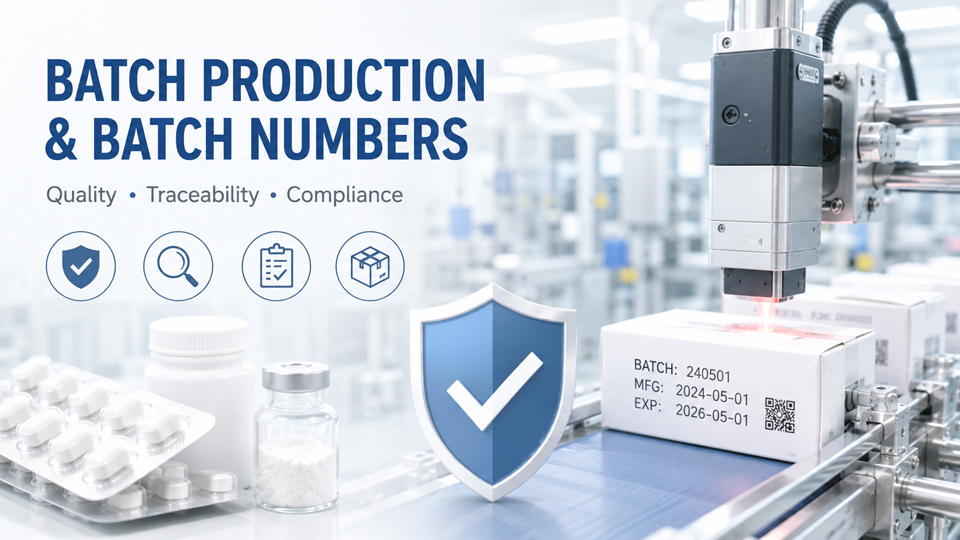
バッチ生産 & バッチ番号


What Is Batch Production in Pharmaceutical Manufacturing?

製薬業界では, ある “バッチ” typically refers to a specific quantity of product manufactured during a single production cycle—based on the same production instructions—that possesses uniform quality characteristics. 米国によると. FDA definition, ある “バッチ” is a specific quantity of bulk drug substance or dosage form material intended to have uniform quality.

Batch production means making a set quantity of a product in one go, then starting a new run for the next batch. This involves processing raw materials through each production step (混合, 顆粒, 圧縮, 等) のために one batch, completing all steps, then cleaning the equipment before the next batch begins. It’s different from 連続製造, where the line never stops. In traditional batch processing, “the current batch must finish before a subsequent batch can be processed”.

Batch runs are especially common in pharmaceutical manufacturing because many formulations require strict controls and occasional clean-outs between batches. Each batch produces a fixed number of units – say 100,000 tablets or 50,000 カプセル. By doing this, companies can tailor production to demand and quality needs. 例えば, if a tablet formula changes or a different 打錠機 必要です, the new batch starts fresh under controlled conditions. This step-by-step approach helps maintain 一貫性.

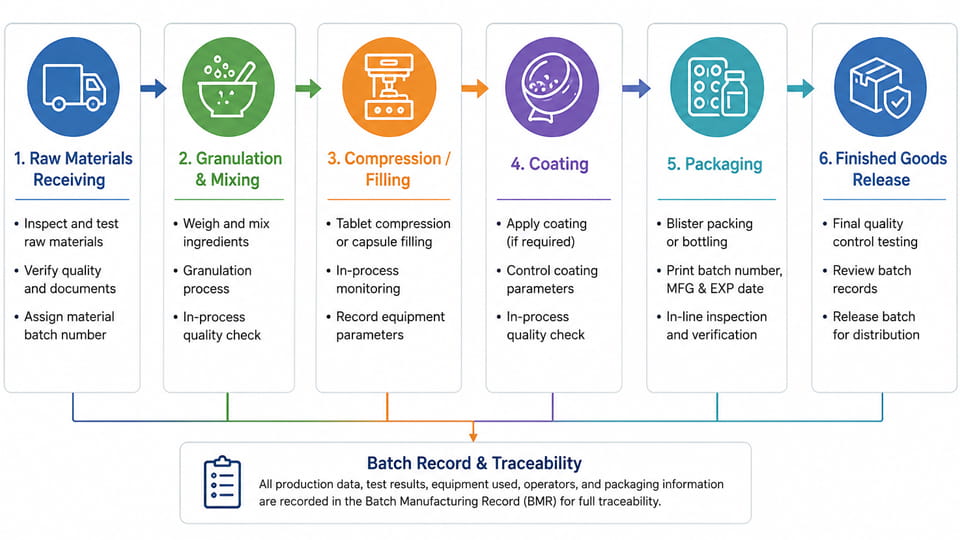
Batch Production Process flow in Pharma Manufacturing

形: Simplified batch production flow in pharmaceutical manufacturing.

実際に, after capsule filling or tablet compressing the batch, the line often stops, gets cleaned, and the next batch is started. This is a cornerstone of GMP, because it prevents cross-contamination and lets each batch be checked individually. If something goes wrong (say a lab test fails), only that batch is isolated. ある業界関係者は次のように述べています。, “using batch production, drug companies can produce specific amounts of a product and then adjust their priorities according to changing demand”.


What Is a Batch Number?

a バッチ番号 (sometimes called a lot number) is a unique code given to one batch of product. It’s stamped or printed on every unit (or its package) from that batch. 簡単に言うと, a batch number ties every tablet or vial back to the exact production run. 専門家によると, “a batch number is a unique identifier assigned to a group of products that were manufactured together under the same conditions”. Another industry guide sums it up: a batch is the quantity produced in a single run, and the batch number identifies that run.

What does a batch number look like? There’s no single global format – companies create their own coding. Often a batch number includes some combination of date, line or plant code, and a sequence. 例えば: B12345678-AB, where “B” might be a product code or category, the numbers are a sequential batch ID, and “AB” could indicate the plant or line. 同じく, a number like TAB240501-001 could break down as “TAB” (product code for tablet), “240501” (5月 1, 2024), and “001” (バッチ 1 of the day). Another example: CAP250318A03 might mean Capsules (キャップ), date 25-Mar-18, line A, バッチ 03. The key is consistency: each part of the code has meaning.

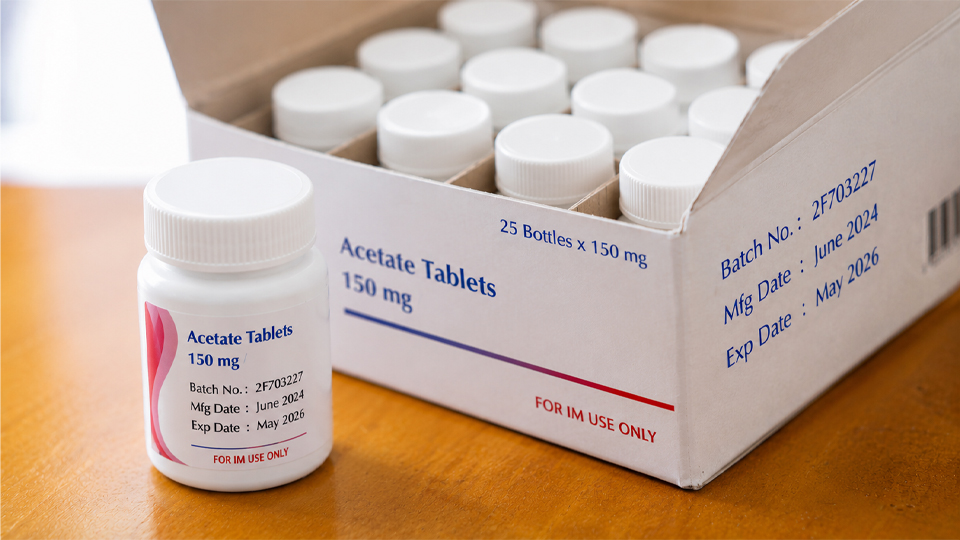
Regardless of format, the batch number is recorded in all production records. It’s “documented consistently and systematically – from production through to storage”. Usually it’s printed on both primary packaging (like a pill bottle) and on secondary packaging (like a carton or box). 要するに, the batch number is the link between the product on the shelf and its manufacturing history.

Batch Numbers on carton and pill bottles


Why Are Batch Numbers Required?

Having a batch number might seem like just an extra label, but it’s actually a GMP要件 and a critical quality tool. Regulators around the world mandate batch numbering for pharmaceutical products. 例えば, the US FDA’s CGMP rules (21 CFR 211.130) explicitly require drug labels to bear a lot or control number that “permits determination of the history of the manufacture and control of the batch”. 言い換えると, every medicine sold in the US must have a batch (多く) number on it so its full history can be traced. 同様に, EU and PIC/S GMP guidelines make clear that each batch must be uniquely identified and recorded to ensure product quality and patient safety.

Why is it so important? We can group the reasons into traceability, コンプライアンス, 品質, 思い出す, and investigations:

Ensure Product Traceability

Batch numbers are traceability anchors. They create a direct link between the finished product and everything that went into making it. With a batch number, you can answer “which raw materials, operators, 機械, and test results went into this batch?」. 例えば, if a medication batch is marked BN12345, quality teams know exactly which ingredients lot numbers were used (言う, API lots and 賦形剤 lots), which tablet press was used, which operators were on duty, and even the outcomes of in-process checks and final QC tests. “batch numbers serve one fundamental purpose: トレーサビリティ”. They let you pinpoint problems and verify every step from start to finish. 要するに, every batch number is like a detailed breadcrumb trail in the manufacturing process.

Support GMP Compliance

Pharmaceutical GMP (優れた製造業) 規則 必要とする this traceability. Agencies expect that every batch’s history is recorded. 例えば, in EU GMP Q&a, inspectors note that bulk and finished product batches should be traceably linked (often by using related batch codes). They warn that having unrelated batch numbers on bulk vs. final packs is “undesirable” because it can confuse recall efforts. At a higher level, PIC/S guidelines state that companies must keep distribution records for each batch so that any batch can be quickly recalled if needed. 同じく, ICH Q7A (API用) says “a system should be in place by which the distribution of each batch … can be readily determined to permit its recall”. 言い換えると, regulators expect that batch numbers are tied into the entire GMP record system: batch manufacturing records, packaging records, distribution logs, 等. Without batch numbers, meeting these requirements would be impossible.

Improve Quality Control

Having a batch number makes quality control systematic. Each batch is tested on its own merits: assay, 解散, 純度, sterility and so on. テストが失敗した場合, the lab can quickly identify the batch by its number and remove all units with that code. As one guide points out, “if a quality issue is detected, the affected batch can be quickly isolated and analyzed to identify and resolve the root cause”. 実際に, this means inconsistent or substandard results affect only one batch, not the entire production. The batch number ties the failing test result to the actual batch material. This approach guarantees that corrective actions (like reprocessing or rejection) apply only where needed, and not to other good batches by mistake.

Enable Efficient Product Recalls

Batch numbers are indispensable in a recall situation. If a safety concern arises – say, an impurity found in lab testing or adverse events reported by patients – the company needs to identify exactly which products are affected. Because each shipped box or bottle has that unique batch code, the recall can target only those units. PIC/S guidance says distribution records for every batch must be maintained “in order to facilitate recall”. And industry experts echo this: “Batch traceability is essential for product recall effectiveness”. GMP Trends warns that without unique batch numbers, a recall becomes a nightmare. If two different products share a batch number, you might have to pull more off the market than necessary, risking patient harm or legal fallout. With proper batch coding, only the problematic batch is withdrawn, saving time, cost and worry. “Instead of recalling all products, only the affected batches need to be withdrawn” in a targeted recall.

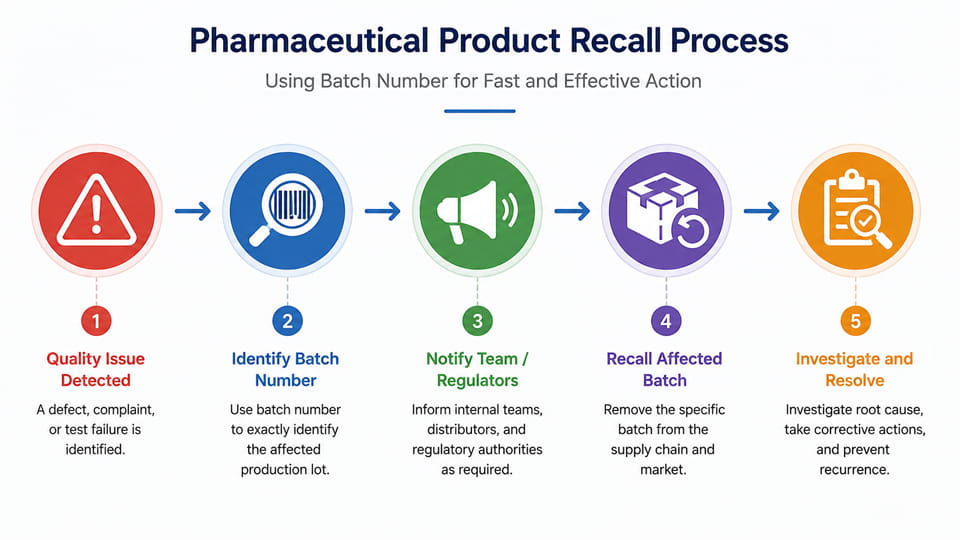
Pharmaceutical Product Recall Process

形: Simplified product recall process using batch numbers.

Simplify Investigations

Whenever something goes awry – whether it’s a customer complaint, a deviation, or a failed test – batch numbers make investigations straightforward. Quality teams can trace back all aspects of that batch. They know exactly who handled it, いつ そして where it was made, そして what materials were used. “Who manufactured a product, when it was manufactured, where it was manufactured, which machines and raw materials were used”. This information means you don’t have to guess. 例えば, if a 錠剤の硬度 test fails, the QA can check if that particular batch had a different granulation moisture or a different press speed. 言い換えると, batch numbers eliminate blind spots and speed up root-cause analysis.

要約すれば, batch numbers are required by regulators (FDA, EMA/PIC/S, 誰が) because they ensure full traceability and control of every manufactured batch. They directly support GMP compliance, 品質保証, そして安全, efficient recalls. 実際には, in regulated industries like pharma, batch numbering isn’t optional – it’s a legal requirement. If a manufacturer can’t trace a defect to its batch, regulators can impose penalties and recalls could become disastrously broad.


Batch Number vs Lot Number

多くの業界で, 条件 バッチ番号 そして ロット番号 多くの場合同じ意味で使用されます. 医薬品で, “batch number” is more common (tied to GMP and the batch record), but the concept is similar. The main difference is scope:

Batch Number Lot Number
意味 Identifies a single production run of a product under one set of conditions. Often refers to a larger group that may include multiple batches sharing the same recipe or timeframe.
Industry Use Standard in pharmaceuticals (and biologics) for batch production and release testing. Common in food, 化粧品, 等; sometimes used in pharma, but can cover multiple batches.
トレーサビリティ Tied to one batch’s detailed history (材料, 装置, 記録). Ties together several batches, usually for grouping in sampling or QA, rather than detailed tracing.
Batch #001 for a run on Jan 1, 2024 of an antibiotic tablet (one run). Lot 202401 might include Batch #001 そして #002 of the same antibiotic tablets made in January 2024.

a バッチ番号 usually refers to one specific manufacturing run, 一方、 ロット番号 might encompass multiple runs made under similar conditions. 実際に, some companies use them synonymously. But in strict GMP terms, それぞれ バッチ has its own record and number. Many regulatory documents (like FDA and PIC/S) actually refer to lot or batch number together, acknowledging they’re functionally the same for traceability purposes.


How Is a Batch Number Created?

A batch number may look like a simple combination of letters and numbers, but behind it is a carefully designed identification system. Every pharmaceutical company establishes its own numbering rules through internal Standard Operating Procedures (SOP), ensuring that no two production batches ever receive the same identifier.
A typical batch number usually combines several pieces of manufacturing information. 例えば:
TAB-240501-001
Rather than being random characters, each section carries specific meaning. “TABmay represent a tablet product, “240501” indicates the manufacturing date, その間 “001” identifies the first production batch completed on that day.

Some manufacturers also include additional identifiers such as production lines, workshops, or shifts. A capsule manufacturer, 例えば, might generate a batch number like CAP-250318-B02, where “b” refers to Production Line B and “02” represents the second batch produced during that shift.

The exact format varies from one company to another, but every effective batch numbering system follows three basic principles:

  • Each batch number must be unique.
  • The numbering format should be easy for operators and auditors to understand.
  • Every batch number must connect directly to the company’s production records and quality documentation.

These principles allow manufacturers to retrieve the complete production history of any product within minutes, which is exactly what regulatory inspectors expect during GMP audits.


Batch Manufacturing Records (BPR/BMR)

The entire manufacturing process for each batch must be documented in a Batch Production Record (BPR), also referred to as a Batch Manufacturing Record (BMR). These records serve as the production diary for each batch, demonstrating that the product was manufactured according to the approved formula, manufacturing instructions, およびGMP要件. Under FDA regulations, a batch production and control record must be prepared for every drug product batch and include complete production and control information.

A typical BPR includes:

  • Copy of the Master Manufacturing Instructions: Including the approved formula, manufacturing procedures, and bill of materials (BOM).
  • Production Data: Records of each manufacturing step, including production dates, equipment and production lines used, material quantities, and operator signatures.
  • Quality Control Results: Test reports for raw materials, in-process materials, and finished products, such as assay, 不純物, 解散, and microbiological testing.
  • Packaging and Labeling Records: Including label samples, packaging verification records, and confirmation of the printed batch number.
  • Cleaning Records: Equipment cleaning verification and line clearance documentation after production.
  • Deviations and Corrective Actions: Any manufacturing deviations, investigations, and corrective or preventive actions (キャパ) implemented during production.

バッチ番号 appears throughout the entire BPR and serves as the key identifier linking all manufacturing records together. Once production is completed, the BPR must be reviewed and approved by the Quality Assurance (QA) department before the batch can be released. During GMP inspections, regulatory authorities carefully verify that the information recorded in the BPR matches the batch number printed on the finished product. A comprehensive batch record system allows manufacturers to quickly retrieve production records, laboratory results, and distribution information whenever a quality investigation, customer complaint, または product recall 発生する, making it one of the cornerstones of modern pharmaceutical quality management.


How Packaging Machines Print Batch Numbers

Modern pharmaceutical packaging lines are commonly integrated with automatic coding and inspection systems that can print and verify batch numbers automatically throughout the packaging process. 梱包形態による, different types of equipment apply batch information in different ways:

  • ブリスター包装機: After tablets or capsules are sealed inside the blister, an integrated laser coder or continuous inkjet printer prints the バッチ番号, manufacturing date, 有効期限, and other variable information directly onto the aluminum foil or blister card.
  • Bottle Packaging Lines: After filling and capping, batch numbers and expiry dates are typically printed on the bottle label or bottle cap using integrated inkjet coding systems or labeling machines equipped with laser coding technology.
  • 箱詰め機: During secondary packaging, automatic cartoning machines can print batch numbers, バーコード, QRコード, and other variable data directly onto pharmaceutical cartons. As integrated coding systems become increasingly common, manufacturers can improve both product traceability and brand presentation.
  • ラベル貼付機: Labeling equipment can print variable information such as batch numbers, シリアル番号, manufacturing dates, and expiry dates directly onto bottle or carton labels during the labeling process.
  • Inkjet and Laser Coding Systems: Many pharmaceutical packaging lines install standalone continuous inkjet (CIJ) or laser coding systems at the end of the line to automatically print batch numbers, 生産日, バーコード, またはQRコード. These systems can communicate directly with the PLC or MES, ensuring that the correct batch information is automatically assigned to each production order and verified by vision inspection cameras after printing.

Jinlu Packaging’s turnkey pharmaceutical packaging solutions integrate coding, 検査, and automation into a single production line. 例えば, a blister packaging line can automatically print a unique バッチ番号 and QR code on every blister pack while an inline vision inspection system immediately verifies the print quality and accuracy. This automated verification significantly reduces human error while improving product traceability and data integrity.

要約すれば, a wide range of pharmaceutical packaging equipment—including 打錠機, カプセル充填機, ブリスター包装機, bottle packaging lines, ラベル貼り機, そして 箱詰め機—can be integrated with inkjet or laser coding systems to print batch numbers and other traceability information on primary or secondary packaging. By automating batch number management, pharmaceutical manufacturers can improve production efficiency, strengthen product traceability, and ensure compliance with global GMP requirements.


結論

要約すれば, batch production and batch numbering are the backbone of safe, compliant pharmaceutical manufacturing. They let companies produce drugs with confidence – knowing they can always trace back and isolate any problem. Batch production ensures uniform quality and discrete control, while batch numbers provide the tracking anchor. 一緒に, they fulfill GMP rules and protect patient safety. The alternative – producing without clear batches or numbers – is virtually unthinkable in a regulated environment.

医薬品用, investing in capable packaging machinery is also investing in traceability. Jinlu Packing’s coders, ラベル貼り機, cartoners and inspection systems are built with GMP in mind – ensuring every unit carries the correct batch information. To ensure your next batch is safe, compliant and fully documented, 考慮する ターンキーソリューション that integrate batch coding and automatic traceability.

Ready to improve your traceability? Explore Jinlu Packing’s full range of 医薬品包装機 – from batch coders and labelers to cartoners and vision inspection – designed to print, verify, and record your batch numbers flawlessly. ジンルに連絡する to discuss how to build a packaging line that keeps every batch on track.


医薬品錠剤の破砕性と硬度に関するよくある質問

What is a batch number?

A batch number (or lot number) is a unique code given to one production run of a drug. It identifies all units made together under the same conditions. The code links that product to its manufacturing records (材料, プロセス, テスト). 本質的には, it’s an ID tag for a batch of medicine.

Why do medicines have batch numbers?

Batch numbers allow traceability. If any quality issue or safety concern arises, companies and regulators can quickly trace that batch back through every step – raw materials, 装置, operators, テスト結果, 分布, 等. This is required by GMP rules and makes it possible to recall only the affected batch instead of everything.

Is a batch number the same as a lot number?

医薬品で, they are often used interchangeably, but sometimes with nuance. A batch number usually refers to one specific manufacturing run. A lot number can sometimes refer to a group of batches made under similar conditions. Many manufacturers treat them as synonyms, but the key is consistency in your documentation.

What is batch production?

Batch production means making a finite quantity of product in one run. Each batch goes through the full manufacturing process, then is completed before starting the next. It’s the traditional way tablets, カプセル, 等. are made – step by step – in contrast to a continuous flow process.

How are batch numbers generated?

Companies create batch numbers using a set format. Common elements include a date (例えば。, YYMMDD), a product or plant code, shift or line identifier, and a sequential number. 例えば, “TAB240501-001” might mean tablets from 2024-05-01, バッチ 001. Some add letters for more info. The exact format varies, but it’s defined in the quality system and used consistently.

What information does a batch number contain?

Depending on your company’s scheme, a batch number can encode things like the production date, product code, equipment line, shift and sequence. The goal is to make the batch uniquely identifiable. 例えば, Yaveon explains that in a code like B12345678-AB, “B” could indicate product type, “12345678” the specific batch, and “AB” the site or line.

Why is traceability important in pharmaceuticals?

Traceability means you can follow a product’s journey through manufacturing. It’s vital for patient safety and regulatory compliance. If a drug safety issue appears, you must know which batches might be affected. Traceability lets you answer, “Which batches used that raw material?” and “Which units went to which markets?” Without it, companies couldn’t conduct precise recalls or investigations. Regulators mandate traceability in GMPs for exactly this reason.

What happens during a product recall?

If a defect or contamination is discovered in a drug, the company uses batch records to figure out which product units are affected. They notify regulators, then instruct wholesalers and pharmacies to return or quarantine the affected batch numbers. Because of batch numbers, only the bad batch is pulled. This is why we maintain distribution records “for each batch…to facilitate recall”. After removing the product, QA investigates the root cause to prevent recurrence.

What is a Batch Manufacturing Record (BMR)?

A BMR (also called Batch Production Record) is the detailed log of everything done in manufacturing a batch. It includes the product name, バッチ番号, formulas, equipment used, operators’ names, timestamps, and all test results. GMP requires the BMR to list “the name and batch number of the product”. The BMR is essentially the “birth certificate” of a batch.

Why use batch production instead of continuous manufacturing?

Batch production offers flexibility for multi-product plants and simpler documentation for each run. It’s easier to validate and qualifies processes stage-by-stage. If an issue is found late in a batch, the whole batch can be scrapped without affecting other products. Continuous manufacturing has efficiency benefits but often requires heavy investment and strict controls. Many pharma companies still rely on batch mode, especially for smaller scale or specialized drugs.


参考文献:
1.Batch production\Lot number—— ウィキペディア
2.Questions and Answers on Current Good Manufacturing Practice Requirements—Records and Reports - 私たち. 食品医薬品局
3.21 CFR § 211.188 – Batch production and control records. —— 法務情報機構
4.Q7A 医薬品有効成分に関する適正製造基準ガイダンス - 私たち. 食品医薬品局

この記事をシェアする:
の写真 ペティフー
ペティフー

ペティフー, 金魯包装の創設者, もたらす 20 製薬機械分野における長年の専門知識. 彼のリーダーシップの下で, Jinlu はデザインを統合する信頼できるサプライヤーに成長しました, 生産, と販売. ペティは、クライアントが医薬品包装の複雑さを乗り越えられるよう、業界の深い知識を共有することに情熱を持っています。, 機器だけでなく確実に受け取れるようにする, しかし、生産目標に合わせて調整された真のワンストップ サービス パートナーシップ.

目次

お問い合わせを送信してください

返信を残す

あなたのメールアドレスは公開されません. 必須フィールドにマークが付いています *

無料見積もりを取得する

*私たちはあなたの機密性を尊重し、すべてのデータは保護されます. あなたの個人データは、JL ソリューションのためにのみ使用および処理されます。.