
- Macchine
- Competenza
- Risorse
- Certificati
- Di
- Contatto
- Macchine
- Competenza
- Risorse
- Certificati
- Di
- Contatto
Per un produttore farmaceutico a contratto, IL la migliore macchina per il riempimento di capsule di solito non è la macchina con la velocità nominale più alta. È la macchina che può spostarsi in modo affidabile tra i vostri prodotti reali con la minima perdita totale di tempo di produzione.
Ciò significa guardare oltre le “capsule all’ora”. È necessario considerare un CMO o un CDMO multiprodotto dimensioni delle capsule, comportamento della polvere, pellet, microcompresse, prodotti combinati, requisiti di pulizia, cambiamenti di attrezzatura, contenimento, tempo dell'operatore, convalida, e controllo di qualità a valle. Maggiore fornitori di attrezzature per il riempimento di capsule esprimere lo stesso punto in modi diversi: la flessibilità deriva da sistemi di dosaggio intercambiabili, ampia compatibilità del prodotto, brevi cambi, facile pulizia, e controllo integrato del peso, non solo della velocità.
Per la maggior parte dei produttori a contratto più SKU su scala commerciale, un flessibile macchina per il riempimento di capsule completamente automatica nella gamma di velocità media è spesso il miglior punto di partenza. Le attrezzature semiautomatiche hanno ancora senso quando i lotti sono piccoli e cambiano frequentemente. Le macchine ad altissima velocità hanno senso quando le grandi campagne dominano il programma. E se sono coinvolti composti potenti, il contenimento può prevalere su ogni altro criterio di selezione. Con OEB 4/OEB sono disponibili apparecchiature specializzate per il riempimento di capsule 5 sistemi di contenimento e pulizia a umido o washing-in-place, il che dimostra quanto questo requisito sia diverso dall’acquisto di un incapsulatore standard per uso generale.
La regola pratica è semplice:
Scegli la macchina riempitrice per capsule che ti offre la massima produzione giornaliera utilizzabile per l'intero mix di prodotti, non la massima produzione oraria teorica su un semplice prodotto.
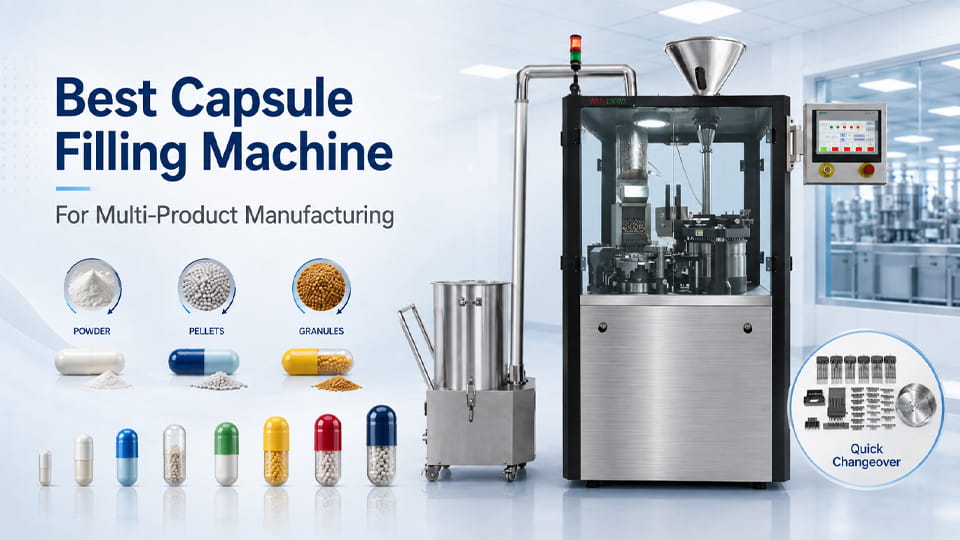
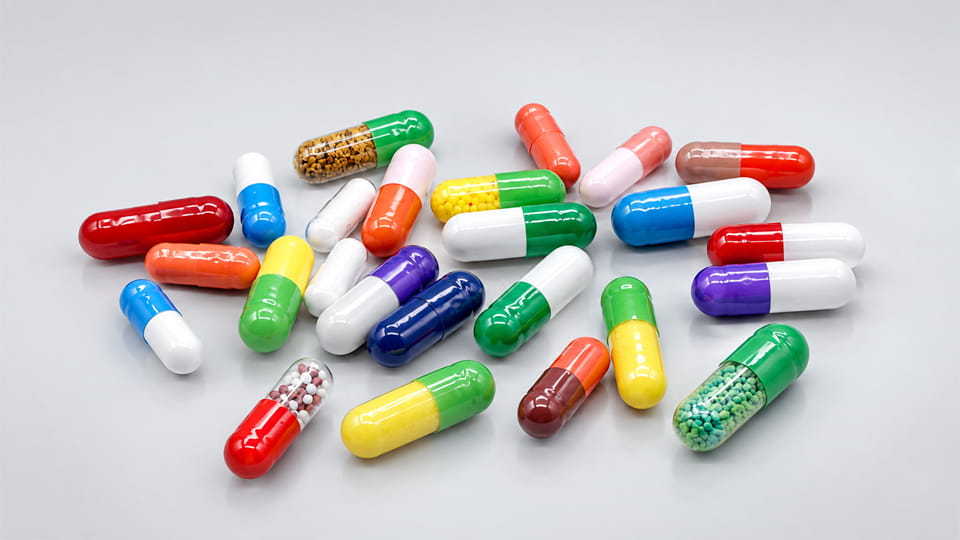
CMO farmaceutici (produttori a contratto) eseguire molti SKU su linee condivise. Spesso devono passare da un prodotto all'altro, dimensioni delle capsule, e formule rapidamente. Una macchina monouso (configurato per una taglia o un prodotto) non è possibile soddisfare questa varietà senza più unità. Un riempitivo multi-formato copre #000–#5 (capsula dura dalla più grande alla più piccola) in una macchina. Ciò consente ai CMO consolidare le apparecchiature, risparmiando spazio e capitale. Accelera anche il lancio di nuovi prodotti: invece di ordinare una nuova macchina di incapsulamento per ogni SKU, una macchina regolabile può produrre più ricette.
Tuttavia, la flessibilità comporta dei compromessi. I cambi diventano un collo di bottiglia se gli scambi di attrezzature sono lenti o complessi (vedere la sezione successiva). Pulizia e validazione sono anche critici: una macchina riempitrice di capsule CMO deve essere facile da disinfettare tra diversi farmaci per evitare la contaminazione incrociata (attrezzature non dedicate dovere essere pulito tra un lotto e l'altro). Insomma, I CMO necessitano di riempitrici di capsule progettate per rapidi cambi di stampo, pulizia delicata, e dosaggio preciso in modo che una macchina possa produrre in modo affidabile molti prodotti GMP regole.
Quando si valutano le macchine per un ambiente multiprodotto, concentrarsi su questi fattori (tabella sottostante), poi leggi i dettagli dopo. Una scelta ben bilanciata riduce al minimo i compromessi nel tuo portafoglio.
| Fattore | Cosa cercare |
| Gamma di dimensioni delle capsule | Supporta tutte le dimensioni necessarie (#000–Il numero 5 è comune nel settore farmaceutico) senza modifiche speciali. Altrettanto importante è il rapido passaggio da una dimensione all'altra. |
| Tipi di formulazione | Gestisce le vostre polveri/granuli. Controlla se può dosare la tua polvere API specifica, pellet o microcompresse. Alcuni modelli dosano anche liquidi (richiedono ugelli speciali). |
| Velocità di produzione | Potenza nominale (capsule/ora) dovrebbe superare la velocità di esecuzione più alta. Ma si noti che le velocità indicate presuppongono condizioni ideali (misurare #00, polvere scorrevole). |
| Facilità di cambio | Cerca strumenti modulari e design a regolazione rapida. Le macchine moderne possono scambiare i set di stampi <30 minuti (15 min nei modelli avanzati). |
| Progettazione pulizia/CIP | Le GMP richiedono una pulizia convalidata tra i prodotti. Preferisci parti di contatto in acciaio inossidabile e funzionalità CIP o smontaggio senza attrezzi. |
| Precisione di riempimento | Controllare il sistema di dosaggio (coclea/disco, perni di compressione) e specifiche di precisione. I buoni riempitivi raggiungono una variazione di peso di circa ± 1–3%.. Pubblicizzano le linee di fascia alta >97% precisione del riempimento. |
| Livello di automazione | Le macchine completamente automatiche funzionano continuamente con una manodopera minima (caricamento/blocco automatico, Controlli PLC), mentre il semiautomatico richiede l'intervento dell'operatore ma costa meno (vedere sotto). |
| Supporto per la convalida | Verificare che la macchina supporti i protocolli IQ/OQ/PQ, registri dati e CFR21 Part 11 se necessario. Controlla se il fornitore fornisce documenti di convalida o assistenza. |
| Orma & Scalabilità | Per i CMO, lo spazio occupato e la crescita futura sono importanti. Una singola macchina flessibile consente di risparmiare spazio rispetto a più unità dedicate, ma assicurati che possa scalare (per esempio. aggiungere stazioni o collegare riempitivi se i volumi aumentano). |
Ciascun fattore di cui sopra dovrebbe essere adattato alla tua situazione. Per esempio, se maneggi potente API, IL Progettazione pulizia/CIP diventa estremamente cruciale (avrai bisogno di un contenimento completo o di frequenti pulizie convalidate per proteggere gli operatori e prevenire la contaminazione incrociata). Se cambi spesso tra diverse dimensioni di capsule, quindi la “facilità di cambio” è fondamentale; come indicato di seguito, saltare l'automazione del cambio formato può costare ore di inattività.
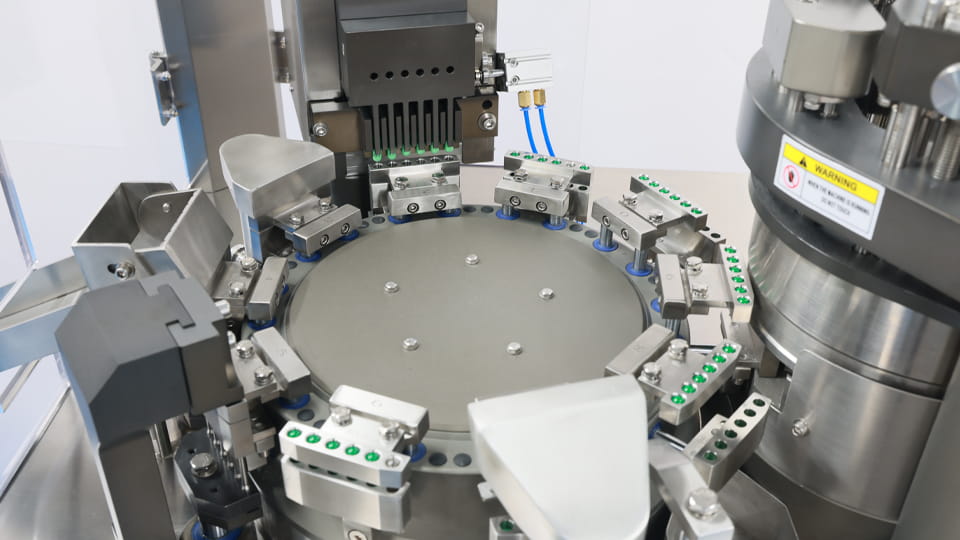
L'elevata produttività delle capsule è interessante, ma l’efficienza nel mondo reale non dipende solo dalla velocità massima. I produttori spesso indicano la capacità della macchina in condizioni ideali, ma la produzione effettiva può esserlo molto più basso se il tuo prodotto è impegnativo. Ad esempio, polveri fini o appiccicose potrebbero intasare la coclea, o le piccole capsule producono un ritmo più lento. Considerare sempre gli effetti della dimensione della capsula, flusso di polvere, e tempi di inattività.
Per la pianificazione della capacità, inizia con l'output richiesto (capsule per lotto o per anno) e lavorare all'indietro. Determina quante ore di produzione puoi realisticamente eseguire (per esempio. due turni anziché 24 ore su 24, 7 giorni su 7). Quindi dividi le capsule necessarie per le ore di funzionamento per ottenere un target di capsule/ora. Confrontalo con la velocità effettiva della macchina (spesso l'80-90% della sua valutazione massima). Nota: Il sovradimensionamento può ritorcersi contro altre apparecchiature di linea (conteggio, tappatura, etichettatura) non riesco a tenere il passo. Come ha detto una guida, ha causato l'installazione di una riempitrice da 150k/ora su una linea da 80k/ora 47% tempo inattivo, sprecare soldi. Mirare sempre a un throughput di linea bilanciato.
Per catturare l’efficienza, tengono conto anche delle perdite derivanti dal cambio formato e dalla pulizia. Anche un cambio di “30 minuti” riduce la capacità se avviene tra un lotto e l’altro. Se la tua linea cambia frequentemente SKU, includere tali finestre di inattività nel calcolo. In pratica, scegli come target un riempitivo il cui efficace capacità (output effettivo del tempo di esecuzione) supera il tuo fabbisogno massimo, quindi hai margine per cambi o rallentamenti minori.
Lunghi cambi di produzione possono erodere i vantaggi di qualsiasi macchina flessibile. Spesso sono necessarie le tradizionali macchine riempitrici rotative per capsule 4–6 ore per un cambio taglia. I design moderni utilizzano servoazionamenti e piastre di stampo a bloccaggio rapido per ridurre drasticamente questo problema, spesso fino a 30–45 minuti per uno scambio a grandezza naturale. Nel valutare, chiedi ai fornitori di dimostrare un cambio di dimensione sulle dimensioni delle capsule.
La facilità di sostituzione deriva dai componenti modulari: tipicamente la stazione di alimentazione delle capsule, le piastre dello stampo superiore/inferiore, il disco dosatore e il raschietto, le bacchette di riempimento, e le guide di scarico devono essere tutte sostituite con una nuova dimensione. In questo caso le macchine dotate di morsetti senza utensili o alloggiamenti per stampi indicizzati possono risparmiare tempo. Per esempio, La serie NJP di Jinlu utilizza a progettazione di stampi modulari che consente cambi completi dello stampo in sotto 15 minuti. In un caso reale, passaggio da un riempitore a camme a un cambio a taglio singolo servocomandato 6 ore a 35 minuti, risparmiando \$120,000 all'anno.
In sintesi, ridurre al minimo il cambio: cercare macchine con sgancio rapido dello stampo, funzioni di regolazione preimpostate, e “ricette” memorizzate in modo che gli operatori non debbano mettere a punto manualmente gli offset ogni volta. Se prevedi decine di cambi taglia a trimestre, la velocità di cambio dovrebbe essere un criterio di selezione fondamentale.
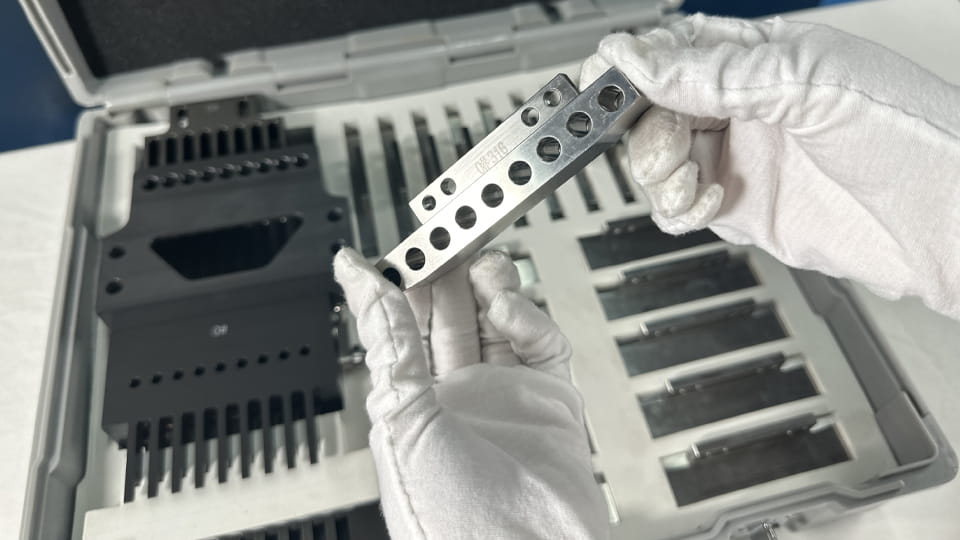
Un CMO farmaceutico deve applicare severi controlli di pulizia e contaminazione quando si eseguono più prodotti su una macchina. Guida della FDA (e semplice logica GMP) affermatelo le apparecchiature non dedicate devono essere pulite tra prodotti diversi per prevenire la contaminazione incrociata. Infatti, una lettera di avvertimento della FDA ha recentemente sottolineato che è "inaccettabile, ai sensi del CGMP, produrre farmaci utilizzando le stesse apparecchiature... utilizzate anche per fabbricare prodotti non farmaceutici" senza una pulizia rigorosa.
Per soddisfare questi requisiti, scegli un riempitivo per capsule di pillole con progettazione sanitaria: struttura liscia in acciaio inossidabile 316L, bordi arrotondati, fessure minime, e cuscinetti sigillati ove possibile. Molte macchine ora supportano Pulito sul posto (CIP): sfere spray integrate e sistemi di pulizia circolari che consentono di lavare le superfici interne senza smontarle completamente. Se CIP non è disponibile, verificare che tutte le tramogge, dischi dosatori, e i vassoi di alimentazione possono essere rimossi o aperti senza attrezzi per la pulizia manuale.
Stabilire inoltre protocolli di pulizia convalidati: sporco peggiore (per esempio. ingredienti altamente potenti o appiccicosi) deve essere rimovibile entro limiti di residui accettabili. Il fornitore di apparecchiature farmaceutiche dovrebbe fornire guide per la pulizia o anche test di contaminazione simulata. Finalmente, conservare registri di pulizia approfonditi come richiesto di seguito 21 CFR 211.67(B). (Come ha ricordato un ispettore della FDA, una convalida inadeguata della pulizia costituisce una violazione ripetuta.) Insomma: progettare per la pulibilità e documentare tutto. Garantire cambi rapidi è controverso se la macchina non può essere pulita in modo rapido e affidabile tra un lotto e l'altro.
Non tutte le formule scorrono allo stesso modo. Le apparecchiature per il riempimento delle capsule utilizzano diversi meccanismi di dosaggio per gestire la variabilità del prodotto. I sistemi comuni includono:
Puntare a una precisione del peso di riempimento compresa tra ±1–3% del target. Macchine di altissimo livello (come il settore farmaceutico di fascia alta macchine per la produzione di capsule) pubblicizzare la precisione in questo intervallo. Per esempio, Il riempitore automatico NJP-3800D di Jinlu mantiene >97% precisione del peso. Verificare sempre con i dati di test: chiedi ai fornitori la variazione di peso tipica in base alle dimensioni e al peso della capsula target.
La selezione del sistema di dosaggio deve corrispondere al materiale. Se te la cavi molto bene, elettrostatico, o polveri coesive, assicurarsi che siano disponibili funzionalità come rivestimenti antistatici o piattaforme fluidificanti. E assicurati sempre che il materiale delle parti di contatto sia adatto alla tua chimica (generalmente 304 O 316 acciaio inossidabile è standard). In sintesi, abbina la tecnologia di dosaggio al tuo prodotto e confermare le specifiche di precisione con prove.
Scegliere tra una macchina multiformato o più macchine dedicate è un classico compromesso. Considera questi pro e contro (tabella sottostante) nel contesto dei tuoi SKU e dei tuoi volumi.
| Aspetto | Una macchina multiformato | Molteplici macchine dedicate |
| Gamma di capsule | Gestisce la gamma completa (per esempio. #000–#5) con cambi. Richiede scambi di strumenti tra dimensioni. | Ogni macchina è adattata ad una taglia (non sono necessari scambi per macchina). |
| Costo del capitale | In basso in anticipo: acquistare un'unità di fascia alta invece di molte. | Più alto: più macchine (spesso con caratteristiche sovrapposte). |
| Spazio sul pavimento | Risparmia spazio con un ingombro. | Ingombro maggiore; più unità richiedono più spazio. |
| Produttività | Limitato dalla velocità massima di una macchina. Se i volumi sono alti, potresti aver bisogno di una macchina molto grande. | La produttività combinata può essere maggiore (corsa parallela); la dimensione può corrispondere al volume di ciascun prodotto. |
| Flessibilità del mix di prodotti | Molto alto: qualsiasi prodotto può utilizzare la stessa macchina (con cambio). Ottimo per molti SKU. | Risolto dalla macchina; cambiare prodotto significa spostare lotti tra macchine o acquistare unità aggiuntive. |
| Cambio & Tempi di inattività | Subirai tempi di inattività per ogni cambio di taglia (e pulizia) su quella riga. | Nessun tempo di inattività per cambio formato su ciascuna unità (rimangono impostati); ma avrai comunque bisogno di essere pulito. |
| Rischio di contaminazione incrociata | Ogni lotto di pulizia tra i prodotti, rischio di contagio incrociato più elevato se non puliti bene. | Se dedicato per SKU o contenimento, minor rischio di contagio incrociato (con meno cicli di pulizia necessari). |
| Manutenzione | Una sola macchina per la manutenzione e l'inventario dei pezzi di ricambio. | Più macchine significano più manutenzione e più parti da gestire. |
| Utilizzo | Potrebbe avere tempi di inattività se la domanda è bassa per alcune dimensioni. | Ogni macchina può funzionare continuamente alla dimensione designata se esiste domanda. |
| Scalabilità futura | Scala effettuando l'aggiornamento a un modello più veloce o aggiungendo la macchina dello stesso tipo in un secondo momento. | Per aumentare la capacità di una taglia, aggiungi più unità di quella dimensione. |
Un singolo riempitivo flessibile è generalmente migliore se: ne hai molti lotti medio-piccoli e necessitano di spazio o di efficienza del capitale, ed è possibile programmare i cambi. È meglio avere più macchine dedicate: uno o due prodotti dominano il volume (giustificare le proprie macchine), o se il rischio di contaminazione richiede una rigorosa separazione (per esempio. una macchina per altamente potente, un altro per lo standard formulazioni). Per la maggior parte dei CMO con multiplo prodotti di medio volume, una macchina adattabile – o una coppia di macchine flessibili – è spesso ottimale.
Le macchine per il riempimento di capsule semiautomatiche e completamente automatiche hanno ciascuna casi d'uso. Generalmente:
| Caratteristica | Riempitrice semiautomatica | Riempitrice completamente automatica |
| Produzione (tappi/ora) | Moderare: ~ 10.000–40.000 (tipico) | Alto: ~30.000–200.000+ (fino a 468k nei modelli di punta) |
| Costo dell'investimento | Inferiore (decine di migliaia di dollari). | Molto più alto (cartellini dei prezzi tipicamente a sei cifre). |
| Manodopera dell'operatore | Richiede 1 operatore che carica capsule e polvere. | Minimo (1–2 operatori) – la macchina si alimenta ed espelle automaticamente. |
| Flessibilità | Bene: molti possono cambiare dimensione, ma il caricamento manuale aggiunge tempo di ciclo. | Bene: alcuni possono anche cambiare dimensione, ma con programmi preimpostati; funzionamento continuo molto veloce. |
| Cambio | Generalmente più facile (meno stazioni), ma ci vogliono ancora pochi minuti per scambiare le parti. | Richiede anche pochi minuti, ma le macchine spesso includono regolazioni automatizzate e memorizzazione di ricette per il cambio. |
| Spazio sul pavimento | Ingombro ridotto. | Più grande, con più stazioni/torrette. |
| Utenti tipici | Piccole aziende, nutraceutici, laboratori a contratto, o CMO con <40fabbisogno in k/ora (come soluzione “ponte”.). | Grandi produttori di prodotti farmaceutici/nutritivi con una domanda elevata. Meglio se la domanda lo giustifica >50produttività in k/ora. |
In pratica, molti produttori di contratti trovano macchine riempitrici semiautomatiche per capsule ideale per volumi iniziali o lotti pilota, poiché riducono notevolmente la manodopera rispetto a quella manuale senza spendere troppo per una linea completa. Ma man mano che le linee di prodotti crescono o si diversificano, la consistenza e la velocità delle macchine rotative completamente automatiche diventano attraenti. IL tabella sopra sottolinea che i semiautomatici barattano la velocità con il costo e la semplicità, mentre i sistemi automatici eccellono ad alti volumi ma richiedono investimenti significativi e competenze tecniche per funzionare.

Quando parli con produttori di macchinari farmaceutici o OEM, chiedi direttamente:
Bonus: “Quali funzionalità di sicurezza/contenimento per le API potenti?" Se applicabile, verificare gli isolatori del vano portaoggetti o i sistemi di filtraggio. La volontà del fornitore di rispondere in modo approfondito a queste domande distinguerà un partner che comprende le esigenze dei CMO.
Per dimensionare l'attrezzatura o scegliere le quantità della macchina, seguire questi passaggi:
Sbaglia sempre per eccesso flessibilità con margine. Per lavori a contratto, la domanda può aumentare o cambiare. Scegliere una macchina che soddisfi esatto la linea di base potrebbe causare successivamente una crisi di capacità. Se i budget lo consentono, una macchina con una capacità extra del 20–30%. (o la possibilità di aggiungere facilmente un'altra unità) è spesso più sicuro.
Riassumendo le considerazioni:
In pratica, la maggior parte dei CMO inizia con una macchina per capsule flessibile semiautomatica o automatica più piccola (ricoprire il ruolo di generalista) e aggiungere macchine specializzate solo quando il volume di un prodotto o le esigenze normative lo giustificano.
Come esempio di macchina multiprodotto, Quello di Jinlu Serie NJP di riempitrici automatiche di capsule illustra molte delle specifiche desiderate. Ad esempio, IL NJP-1500D modello:

Jinlu supporta anche le macchine con garanzie e documentazione (vedi il nostro Ottieni un preventivo e pagine di contatto). Mentre evidenziamo le specifiche NJP a scopo illustrativo, qualsiasi fornitore dovrebbe idealmente eguagliare o superare queste funzionalità per un'applicazione CMO.
Utilizza questo elenco di controllo per confrontare i fornitori fianco a fianco. Il migliore dispositivo di riempimento delle capsule per il tuo CMO soddisferà le tue attuali esigenze E lasciare un po’ di spazio per i progetti di domani.
Scegliere la giusta macchina per la produzione di capsule è un equilibrio di flessibilità, velocità, e qualità. Per CMO multiprodotto, una riempitrice automatica per capsule di fascia alta offre spesso la versatilità necessaria: supporta tutte le dimensioni (#000–#5), cambi rapidi dello stampo, e pulizia convalidata. La serie NJP di Jinlu è un esempio di tali apparecchiature, ma i principi si applicano a qualsiasi modello di fornitore. Valuta le macchine rispetto al tuo portafoglio e alle tue priorità specifici, e non esitare a coinvolgere tempestivamente i team di ingegneria e QA.
Quando sei pronto per procedere, esplora le offerte di riempitivi per capsule di Jinlu (vedi il nostro Macchina per il riempimento di capsule sezione) oppure contatta i nostri tecnici commerciali per un preventivo personalizzato. Assicurati che il fornitore comprenda il tuo flusso di lavoro multi-SKU e i requisiti normativi. Con la macchina giusta a posto, il tuo CMO può produrre in modo efficiente un'ampia gamma di prodotti, soddisfare gli standard GMP, e rispondere agilmente alle richieste dei clienti.
Pronti a discutere le vostre esigenze di riempimento delle capsule? Contatta Jinlu Packing tramite il nostro Mettiti in contatto pagina oppure richiedi un preventivo dettagliato per avere indicazioni sulla soluzione ottimale.
Per la maggior parte dei CMO commerciali multiprodotto, la scelta migliore è una macchina riempitrice per capsule flessibile e completamente automatica, dimensionata sui volumi reali dei lotti piuttosto che sulla massima velocità possibile. Dare priorità alla compatibilità della formulazione, cambio meccanico rapido, pulibilità, gamma di dimensioni delle capsule, dosaggio ripetibile, supporto alla validazione e risultati giornalieri efficaci.
SÌ, a condizione che la macchina sia progettata con le parti sostituibili richieste. Jinlu attualmente elenca #000, #00, #0, #1, #2, #3, #4 E #5 capsule rigide per NJP-1200C, NJP-1500D e NJP-7800D. La modifica della dimensione della capsula normalmente richiede modifiche al formato/attrezzatura, quindi gli acquirenti dovrebbero includere tutte le dimensioni pianificate nell'URS e nel preventivo.
SÌ, gli idonei riempitori di capsule industriali possono trattare polveri e pellet, e alcune architetture possono riempire combinazioni nella stessa capsula utilizzando stazioni di dosaggio separate. Acg, Syntegon e MG2 documentano tutti la capacità di riempimento multi-materiale o combinato nei loro portafogli di riempimento di capsule. La configurazione esatta deve essere verificata poiché "supporta polvere e pellet" non significa necessariamente che il riempimento combinato simultaneo sia incluso come standard.
Separare sempre il cambio meccanico dal cambio prodotto convalidato. Jinlu pubblica dati relativi al cambio stampo ogni 15 minuti per l'NJP-1200C, NJP-1500D e NJP-7800D, ma il cambio completo del prodotto può includere anche lo sgombero della linea, smontaggio, pulizia, essiccazione, ispezione, verifica e rilascio documentato. La FDA si aspetta che i processi di pulizia si dimostrino efficaci, quindi il tempo di sostituzione completo dipende fortemente dal prodotto e dalla procedura di pulizia convalidata del sito.
Una riempitrice semiautomatica per capsule può essere una scelta valida per piccoli lotti perché il costo di capitale è inferiore e l’attrezzatura è relativamente semplice. Una riempitrice per capsule completamente automatica diventa più attraente in termini di volumi commerciali, costi del lavoro, i requisiti di ripetibilità e l’aumento dell’automazione a valle. L'attuale CGN-208D semiautomatico di Jinlu è elencato fino a 30,000 capsule/ora, rispetto a 72,000, 90,000 E 468,000 capsule/ora per i tre modelli automatici sopra discussi.
Inizia con il design igienico, parti accessibili a contatto con il prodotto, un controllo efficace delle polveri e una procedura di pulizia scientificamente giustificata. Quindi convalidare la pulizia come richiesto dal sistema di qualità della struttura. Per prodotti potenti, valutare se sono necessarie attrezzature dedicate o un contenimento progettato ad hoc invece di fare affidamento sulla normale estrazione delle polveri. La FDA identifica la prevenzione della contaminazione e del trascinamento come motivo principale per la pulizia delle apparecchiature, mentre l'attrezzatura specializzata per capsule è disponibile con contenimento classificato OEB e pulizia WIP.
Non esiste un prezzo utile per la macchina riempitrice per capsule singole per la produzione farmaceutica multiprodotto perché la configurazione determina i costi. Produzione, utensileria per capsule, moduli di dosaggio, alimentatori di polvere o pellet, contenimento, controllo del peso, automazione, documentazione di validazione, installazione, i pezzi di ricambio e l'assistenza incidono tutti sul progetto. Confronta il costo totale di proprietà e il costo per capsula vendibile, non solo il prezzo di acquisto.
L’esatta strategia di qualificazione appartiene al sistema di qualità del produttore farmaceutico e ai requisiti di mercato applicabili. Allegato GMP dell'UE 15 descrive esplicitamente il QI, OQ e PQ e tratta anche di URS e FAT/SAT. Allo stesso modo, la guida alla convalida del processo della FDA prevede che le apparecchiature siano qualificate come idonee all’uso previsto prima della qualificazione del processo commerciale. La documentazione del fornitore può supportare questo lavoro, ma non sostituisce le responsabilità approvate di qualificazione e convalida dell'utente.
Il sistema di dosaggio ideale dipende dalle caratteristiche del prodotto.
• Le formulazioni in polvere spesso utilizzano sistemi di compressione o dosatori.
• I granuli richiedono meccanismi di alimentazione dedicati.
• I pellet e le microcompresse potrebbero necessitare di unità di dosaggio specializzate.
Una macchina riempitrice per capsule flessibile dovrebbe supportare più metodi di riempimento per soddisfare le mutevoli esigenze di produzione.
Dipende dalla strategia di produzione. Una macchina riempitrice per capsule flessibili è spesso adatta per i produttori con molti SKU, frequenti cambi di prodotto, e medi volumi di produzione. Le macchine dedicate possono essere più efficienti per prodotti di volume molto elevato o applicazioni specializzate.
Riferimenti:
1.Effetti delle proprietà del flusso della polvere sull'uniformità del peso di riempimento delle capsule —— Taylor & Francesco in linea
2.Riempimento di capsule a basso dosaggio di prodotti inalatori: attributi critici dei materiali e parametri di processo —— Biblioteca nazionale di medicina
3.L'effetto delle caratteristiche del materiale e dei parametri di processo sull'uniformità del letto di polvere durante un processo di riempimento delle capsule di un dosatore a basso dosaggio —— ScienceDirect
4.MODELLAZIONE DI UN PROCESSO DI RIEMPIMENTO DELLA CAPSULA DOSATRICE PER CAPSULE A GUSCIO DURO —— Biblioteca in linea WILEY
5.Riempimento della polvere in capsule di gelatina dura su una macchina riempitrice a pressa —— ScienceDirect