
- Macchine
- Competenza
- Risorse
- Certificati
- Di
- Contatto
- Macchine
- Competenza
- Risorse
- Certificati
- Di
- Contatto
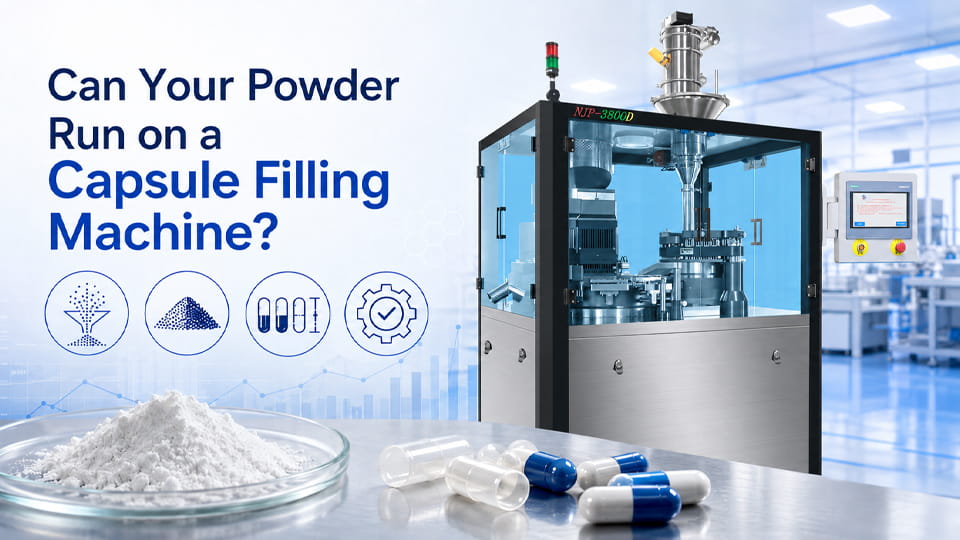
Acquistando un Macchina per il riempimento di capsule non è solo una decisione basata su velocità e prezzo. Una macchina può essere progettata per riempire polvere, ma la tua formulazione effettiva può ancora creare ponte nella tramoggia, attenersi alle parti di dosaggio, produrre un peso di riempimento della capsula instabile, generare troppa polvere, o comportarsi diversamente quando la linea passa dalla velocità di prova alla piena produzione. Il comportamento delle polveri farmaceutiche è multidimensionale, e l'USP avverte specificamente che nessun singolo semplice test di flusso può caratterizzarlo completamente.
La domanda migliore è:
Questa macchina può riempire ripetutamente la mia formulazione alla dimensione della capsula richiesta, riempire il peso, precisione e velocità di produzione?
Risposta rapida: Molte formulazioni in polvere possono essere incapsulate, ma la compatibilità dipende dall'interazione tra scorrevolezza della polvere, densità apparente, densità sfruttata, distribuzione granulometrica, umidità, coesione, compattabilità, peso di riempimento target, dimensione della capsula e meccanismo di dosaggio della macchina. Il modo più affidabile per confermare la compatibilità è testare la formulazione effettiva su quella proposta Attrezzatura di riempimento della capsula in condizioni operative realistiche. La ricerca che ha confrontato i sistemi di riempimento delle capsule mostra che diversi principi di dosaggio possono richiedere caratteristiche di formulazione diverse.
Per gli acquirenti, responsabili della produzione e team di formulazione, questo approccio è molto più sicuro che chiedere solo, “Questo riempitivo per capsule gestisce la polvere?"
Prima di organizzare a prova in polvere o prova a campione, costruire un profilo formulativo di base. Non è necessario trasformare ogni acquisto di macchine in un progetto di ricerca, ma hai bisogno di dati materiali sufficienti per capire dove sia il rischio. L'USP tratta il flusso della polvere come una combinazione di proprietà anziché come un singolo numero, mentre gli studi sul riempimento delle capsule mostrano quella densità, coesione, comprimibilità e flusso possono interagire in modo diverso con diversi meccanismi di riempimento.
| Fattore | Perché è importante nel riempimento delle capsule | Possibile problema |
| Scorrevolezza della polvere | Controlla la coerenza con cui il materiale raggiunge la zona di dosaggio | Colmare, tana dei topi, alimentazione intermittente |
| Massa / densità sfruttata | Influisce sul volume, comportamento dell'imballaggio e peso di riempimento ottenibile | Riempimento insufficiente, deriva del peso, dimensione capsula errata |
| Distribuzione granulometrica | Flusso di influenze, polvere e segregazione | Spolverare, demiscelazione, dosaggio incoerente |
| Umidità / igroscopicità | Può alterare la coesione e l'adesione | Aggregazione, attaccarsi, pulizia difficile |
| Coesione / compattabilità | Influisce sulla formazione e sul rilascio della dose di polvere | Spine deboli, attaccarsi, scarsa espulsione |
| Meccanismo di dosaggio | Sistemi diversi interagiscono in modo diverso con la stessa formulazione | Potrebbe essere necessario riottimizzare una formulazione una volta trasferita |
USP <616> definisce la densità apparente in termini di massa di polvere rispetto al volume sfuso e alla disposizione di imballaggio, Mentre USP <1063> rileva che il flusso controllato della polvere durante il trasferimento e l'alimentazione può influire su attributi quali il peso e l'uniformità del contenuto.
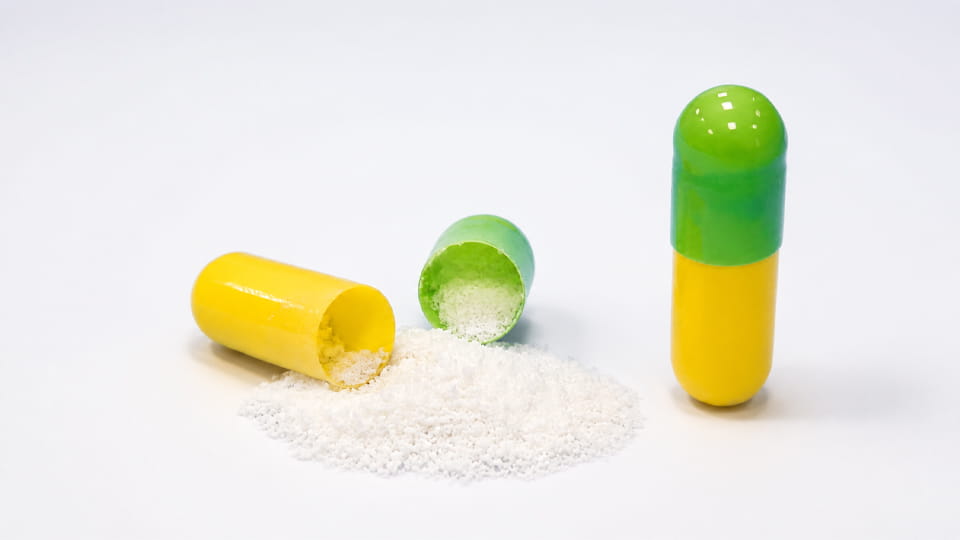
Due utili indicatori di screening sono Indice di Carr E Rapporto Hausner, entrambi derivati dalla densità apparente e sfruttata:
Indice di Carr = × 100
Rapporto Hausner = Densità sfruttata ÷ Densità apparente
Puoi anche utilizzare l'angolo di riposo come semplice indicatore, mentre i test con cellule di taglio o una reologia delle polveri più dettagliata possono essere utili per formulazioni difficili. Il punto chiave è non trasformare alcun risultato in una regola universale pass/fail. USP <1174> descrive esplicitamente il comportamento delle polveri farmaceutiche come sfaccettato e afferma che un singolo semplice test non è sufficiente per caratterizzare adeguatamente il flusso delle polveri.
Ciò è importante perché la relazione tra flusso e precisione del riempimento della capsula cambia con il principio di riempimento. In uno studio sugli ugelli dosatori, le proprietà del flusso della polvere erano fortemente correlate al peso della capsula e alla variabilità del peso. Un altro studio che utilizzava apparecchiature di riempimento del tipo a pressatura ha rilevato che il flusso da solo non era un predittore affidabile dell'uniformità del peso delle capsule. In termini pratici: utilizzare l'indice di Carr, Rapporto Hausner e relativi test per identificare il rischio, quindi confermare le prestazioni sul sistema di dosaggio effettivo.
La densità apparente ti dice approssimativamente quanto spazio fisico occupa la tua polvere sfusa. Ciò è particolarmente importante quando un cliente specifica qualcosa come “500 mg in una dimensione 0 capsula." I milligrammi descrivono la massa, non volume. Due 500 formulazioni mg con densità molto diverse possono richiedere volumi di capsule molto diversi. USP <616> allo stesso modo sottolinea che la densità apparente dipende sia dalla densità del materiale che dal modo in cui le particelle sono impacchettate nel letto di polvere.
Un utile calcolo di primo passaggio è:
Volume di polvere sciolta richiesto ≈ Peso di riempimento target ÷ Densità apparente
Prendi un Misurare 0 capsula come semplice esempio. Il produttore di capsule Suheung elenca un volume nominale di circa 0.68 ml per Dimensioni 0. Se la tua formulazione ha una densità apparente di 0.60 g/ml, il materiale sfuso corrispondente a quel volume è di circa:
0.68 ml× 0.60 g/ml = 0.408 g = 408 mg.
COSÌ, se il peso di riempimento della capsula target è 500 mg, Misurare 0 sembra stretto se giudicato solo dal volume di massa sciolto.
Questo sì non Significare 500 mg è automaticamente impossibile. La compattazione o il riempimento del dosatore possono consolidare la polvere oltre il suo stato sfuso. Ma il calcolo dice immediatamente al tuo ingegnere qualcosa di utile: dimensione della capsula, volume di dosaggio, la compattabilità della polvere e il grado di densificazione richiesto devono essere verificati piuttosto che supposti.
Per maggiori dettagli sulle dimensioni della calotta, impara di più da Jinlu Guida completa alle dimensioni delle capsule, che copre le taglie da 000 Attraverso 5 e discute la capacità in relazione alla densità della formulazione.
Le polveri molto fini possono essere coesive, polverosi o difficili da spostare in modo coerente. USP <786> rileva che per le particelle piccole, le forze superficiali di coesione e adesione diventano sempre più importanti, questo è uno dei motivi per cui le polveri molto fini possono comportarsi diversamente dai granuli grossolani. La distribuzione delle dimensioni delle particelle è importante anche quando i componenti di una miscela hanno caratteristiche particellari molto diverse, perché la movimentazione e le vibrazioni possono contribuire al rischio di segregazione.
L'umidità aggiunge un'altra variabile. Una polvere igroscopica o appiccicosa può gradualmente aderire alla tramoggia, disco dosatore, perni di compressione o superfici del dosatore. Ciò può far sì che una formulazione che funziona bene inizialmente diventi meno stabile più avanti nel batch.
Ecco perché una riempitrice per capsule per polvere appiccicosa, materiale soffice o polvere poco fluida dovrebbe essere valutato come un processo piuttosto che scelto solo da una scheda tecnica. I principali OEM di apparecchiature farmaceutiche offrono configurazioni specificamente mirate a prodotti difficili.
Due importanti principi industriali di dosaggio delle polveri sono perno di compressione / disco dosatore E dosator riempimento.
Con sistema a dischi dosatori, la polvere entra nelle cavità di un disco dosatore e viene progressivamente consolidata perni di compressione prima che la dose venga trasferita nel corpo della capsula. Con un sistema di dosaggio, un tubo di dosaggio cavo entra in un letto di polvere, mantiene un tappo di polvere misurato, si sposta verso il corpo della capsula ed espelle la dose.
Nessuno dei due sistemi è universalmente “migliore”. Un confronto sperimentale diretto ha rilevato diversi requisiti per la fluidità della formulazione, lubrificazione e compattabilità. In quello studio, la macchina dosatrice richiedeva un grado più elevato di compattabilità della formulazione, mentre sulla macchina a dischi dosatori potrebbe essere sufficiente una quantità relativamente inferiore di lubrificante. I ricercatori hanno inoltre concluso che il trasferimento di una formulazione tra le due sottoclassi di macchine potrebbe essere impegnativo.
| Comportamento della formulazione | Perno di compressione / Disco dosatore | Dosator |
| Polvere scorrevole | Solitamente realizzabile con la normale ottimizzazione della configurazione | Solitamente realizzabile se è possibile mantenere una dose stabile |
| Coeso / polvere poco fluida | Può rispondere agli aggiustamenti del letto di polvere e della pigiatura; prova necessaria | Può funzionare, ma è necessario verificare la formazione e il rilascio del tappo |
| Polvere altamente compattabile | Spesso gestibile tramite le impostazioni del disco e della pressatura | Può supportare la formazione di tappi; l'espulsione deve ancora essere controllata |
| Appiccicoso / polvere igroscopica | Prova fortemente consigliata | Prova fortemente consigliata |
| A basso dosaggio / formulazione speciale | Dipende dagli strumenti e dalla progettazione del processo | I sistemi di dosaggio specializzati sono ampiamente utilizzati per applicazioni a basso dosaggio |
| Trasferimento da un altro principio di dosaggio | Potrebbe essere necessaria una nuova ottimizzazione | Potrebbe essere necessaria una nuova ottimizzazione |
Sette segnali pratici di avvertimento meritano attenzione: ponti di polvere sopra l'uscita della tramoggia; il materiale aderisce fortemente alle superfici in acciaio inossidabile; la miscela genera fini o polvere eccessivi; la densità apparente cambia notevolmente tra i lotti o durante la manipolazione; gli ingredienti mostrano segregazione dopo il trasferimento; riempire il peso deriva durante la corsa; oppure il processo non può formarsi ripetutamente, trasferire ed espellere una dose di polvere stabile.
Nessuno di questi sintomi dimostra che la tua formulazione non può essere incapsulata. La ricerca sulle macchine riempitrici a compattazione ha dimostrato che anche le polveri con flusso scarso possono talvolta essere gestite ottimizzando l'altezza del letto di polvere e le impostazioni della macchina. Ti dicono semplicemente che è corretto test del campione del riempitivo della capsula vale la pena farlo prima che la configurazione dell'apparecchiatura sia finalizzata.
Per una formulazione sconosciuta, la prova più forte è reale prova in polvere utilizzando apparecchiature che riproducono il processo produttivo proposto. Utilizzare la miscela di produzione reale ove possibile, non un sostituto più semplice. Utilizzare la gelatina prevista, HPMC o altro involucro della capsula, quello proposto dimensione della capsula, e il peso effettivo di riempimento della capsula target.
Inizia registrando il lotto di formulazione, densità apparente, densità sfruttata, guscio della capsula, misurare, parti di dosaggio, livello del letto di polvere e impostazioni iniziali della macchina.
Quindi eseguire la riempitrice della capsula in più di una condizione. Iniziare a una velocità conservativa per confermare l'alimentazione, separazione delle capsule, dosaggio, trasferimento e bloccaggio. Prossimo, passare alla normale velocità operativa pianificata. Finalmente, testare la velocità di produzione superiore target quando tale velocità fa parte delle specifiche di acquisto.
Questo è importante perché la velocità non è sempre solo un numero di throughput. Uno studio sui dosatori ha rilevato che l’aumento della velocità della macchina aumenta le vibrazioni della macchina, che ha densificato il letto di polvere e ha modificato in modo significativo il peso di riempimento raccolto nel sistema di prova. Quindi una dimostrazione pulita di cinque minuti a bassa velocità non può, da solo, dimostrare che la stessa formulazione si comporterà in modo identico alla velocità di produzione.
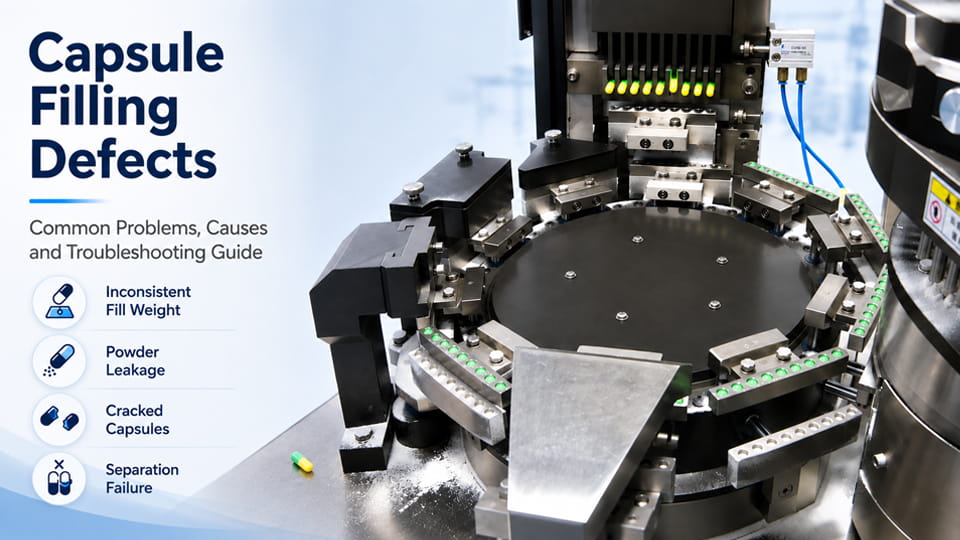
Capsule campione al inizio, metà e fine della prova. Registrare i dati concordati sul peso di riempimento lordo o netto, calcolare le statistiche di variabilità richieste e documentare gli scarti. Fare attenzione ai ponti di polvere, fame, polvere, accumulo di residui, attaccarsi, trasferimento debole della dose, problemi di bloccaggio della capsula, perdite ed eccessiva richiesta di pulizia. Questi sono anche collegamenti utili con Jinlu Difetti di riempimento della capsula: Problemi comuni, Cause & Guida alla risoluzione dei problemi, che copre la variazione del peso di riempimento, perdita, problemi di bloccaggio e alimentazione.
Fare non applicare una regola universale inventata come “La FDA richiede ±3%”. I criteri di accettazione dovrebbero provenire dalle specifiche del prodotto, UR, strategia di sviluppo o validazione e requisiti di qualità applicabili. Per un test FAT o un campione di formulazione dell'apparecchiatura, potresti concordare in anticipo il peso di riempimento e la variabilità target, velocità di produzione sostenuta, tasso di rifiuto, qualità della chiusura della capsula, perdita di polvere e tempo di funzionamento stabile. I valori esatti dovrebbero essere il prodotto- e specifici del progetto.
Richiedi i dati del test, non solo un video che mostra le capsule che escono dalla macchina. Un utile rapporto del fornitore dovrebbe indicare il modello della macchina e la configurazione del dosaggio, dimensione della capsula, lotto di polvere, velocità target e effettiva, risultati del campione a peso pieno, rifiuta, aggiustamenti apportati durante il test, parametri finali raccomandati ed eventuali limitazioni osservate.
Per retrofit di macchine, utilizzare la stessa logica. Alimentazione migliorata, agitazione, l'estrazione della polvere o il controllo del peso possono migliorare la stabilità del processo, ma non si può presumere che un retrofit elimini una discrepanza fondamentale tra il comportamento della polvere e il principio di dosaggio. Riprodurre prima il problema esistente, quindi confrontare la modifica utilizzando la stessa polvere e gli stessi criteri di accettazione. Si tratta di una raccomandazione tecnica basata sulla sensibilità documentata del riempimento delle capsule alle caratteristiche del materiale, impostazioni della macchina e principio di dosaggio.
Considerare anche la normale variabilità delle materie prime. Una prova effettuata con un lotto insolitamente facile da gestire potrebbe non rappresentare una futura produzione commerciale. Dove possibile, registrare la densità del lotto testato, profilo di umidità e dimensione delle particelle in modo che i lotti successivi possano essere confrontati con il materiale utilizzato durante l'esercizio di qualificazione. I capitoli sulle polveri dell’USP supportano il trattamento di queste proprietà dei materiali come input significativi per lo sviluppo del processo.
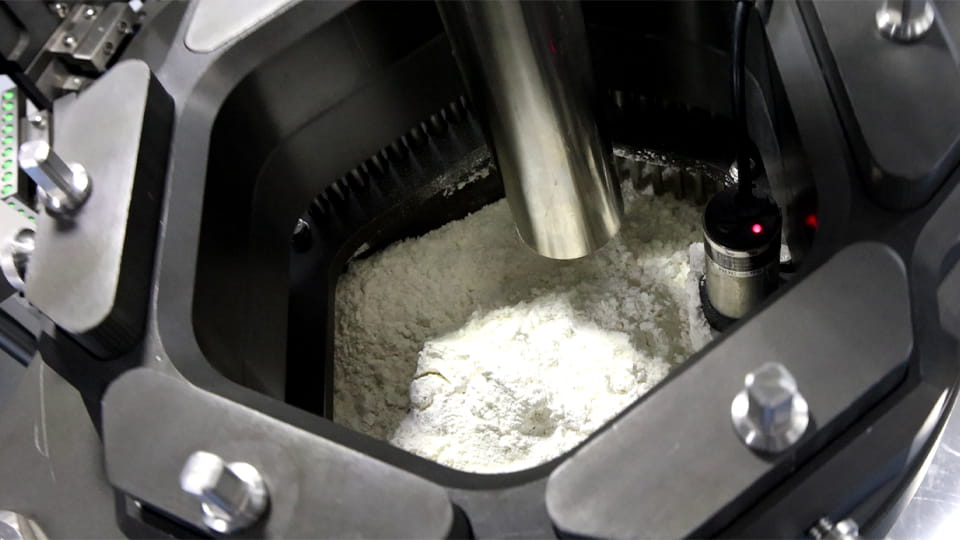
UN produttore di macchine per il riempimento di capsule può darti una raccomandazione più utile quando la tua richiesta include dati di formulazione.
Al minimo, invia il tipo di prodotto, peso di riempimento target, dimensione della capsula e capacità produttiva richiesta. Idealmente, forniscono anche la densità apparente, densità sfruttata, Indice di Carr, Rapporto Hausner, distribuzione granulometrica, informazioni sull'umidità o sull'igroscopicità, se la polvere scorre liberamente, coeso o appiccicoso, materiale del guscio della capsula, requisiti di contenimento ove pertinente e criteri di peso di riempimento specifici del prodotto.
Tali informazioni aiutano il fornitore dell'attrezzatura a decidere se utilizzare un sistema automatico standard Macchina per il riempimento di capsule è adatto o se l'applicazione richiede un'alimentazione diversa, dosaggio, installazione di controllo o contenimento delle polveri. L’attuale gamma di riempimento capsule di Jinlu include quella automatica, apparecchiature semiautomatiche e di riempimento di liquidi.
Quando un processo mostra problemi, separato ottimizzazione lato macchina da ottimizzazione lato formulazione.
Le modifiche lato macchina possono includere l'altezza del letto di polvere, dimensioni del disco dosatore, profondità o sequenza del perno di compressione, impostazioni del dosatore, comportamento di alimentazione o agitazione, velocità di produzione, vuoto, estrazione della polvere e frequenza di pulizia. Il lavoro sperimentale di riempimento della capsula ha dimostrato che l'altezza del letto di polvere e le impostazioni di compressione possono influenzare le prestazioni di riempimento della capsula, soprattutto con polveri difficili.
I cambiamenti dal lato della formulazione possono comportare il controllo delle dimensioni delle particelle, granulazione, gestione dell'umidità o modifiche ai glidanti, lubrificanti o eccipienti. Tali decisioni possono influenzare più della semplice lavorabilità, quindi appartengono alla formulazione del cliente, team di qualità e regolamentazione. La ricerca sulle formulazioni delle capsule lubrificate mostra perché questa cautela è importante: la concentrazione del lubrificante può influenzare il comportamento della polvere, variabilità di riempimento e funzionamento della macchina in modi diversi.
Un fornitore di macchine dovrebbe dirti cosa ha osservato l'attrezzatura. Non dovrebbe trasformare casualmente una sperimentazione meccanica in un esercizio di sviluppo di formulazioni incontrollato.
Quando si confrontano i riempitivi per capsule, mantenere semplice il percorso decisionale:
Caratterizzare la polvere → confermare il volume di riempimento → abbinare il principio di dosaggio → testare la formulazione effettiva → confrontare i risultati con criteri di accettazione predefiniti.
Questa sequenza di cinque fasi porta alla formulazione, ingegneria e approvvigionamento nella stessa decisione invece di lasciare che ogni team valuti la macchina da una prospettiva diversa. La letteratura scientifica supporta questa visione combinata di materiali e processi: Il comportamento di riempimento della capsula dipende sia dagli attributi della formulazione che dal meccanismo di riempimento.
La risposta più affidabile a “Questa macchina riempitrice per capsule può gestire la mia polvere?" non è quindi una dichiarazione da brochure.
È:
Dati di test ripetibili dalla formulazione attuale, sul sistema di dosaggio proposto, alla dimensione della capsula richiesta, peso di riempimento e velocità di produzione.
Checklist finale pre-acquisto
☐ Peso di riempimento target e dimensione della capsula confermati
☐ Misurazione della densità apparente e della densità di prelievo
☐ Indice di Carr / Rapporto Hausner rivisto come indicatori di screening
☐ Dimensione delle particelle, valutazione dell'umidità e della viscosità
☐ Confermati il principio di dosaggio e il metodo di alimentazione
☐ Test del campione di polvere effettivo completato
☐ Velocità di produzione normale e target testate
☐ Dati sul peso di riempimento, rifiuta e registra le osservazioni del processo
☐ Criteri di accettazione concordati prima del processo
☐ Impostazioni finali e limitazioni note documentate
I moderni riempitivi per capsule sono costruiti per essere flessibili. La stessa macchina può spesso lavorare polveri diverse – ma non necessariamente con la stessa configurazione.
Per esempio, Riempitrici automatiche di JinLu (Piace NJP-1200C E NJP-1500D) può gestire le polveri, granuli, pellet e perfino microcompresse. Supportano le dimensioni delle capsule #000–#5 con parti a cambio rapido. Tuttavia, se passi da una polvere all'altra, essere pronti ad adattarsi: polveri diverse potrebbero richiedere dischi dosatori o perni di pressatura diversi, e avrai bisogno di una pulizia completa.

Come notato in precedenza, il trasferimento di una formula tra i dischi dosatori e le macchine dosatrici deve essere effettuato con attenzione. Se hai prodotti diversi (Dire, sia una miscela vitaminica fine che un granello più grossolano), potrebbe essere necessario modificare i meccanismi di dosaggio. Anche, polvere contro. i riempimenti di liquidi richiedono macchine o moduli diversi.
In pratica, molti clienti prenotano una macchina per linea di prodotto o scaricano accuratamente il sistema. Ma un riempitivo versatile significa che puoi potenzialmente riempire la tua linea di capsule su un'unica piattaforma semplicemente cambiando le parti.
UN Macchina per il riempimento di capsule può sembrare perfetto sulla carta ed essere comunque la configurazione sbagliata per una polvere difficile. Ciò non significa necessariamente che la macchina sia scadente o che la formulazione sia scadente. Di solito significa che la macchina e il materiale devono essere valutati insieme.
Inizia con le basi: scorrevolezza della polvere, densità apparente, densità sfruttata, distribuzione granulometrica, umidità, peso di riempimento della capsula target e dimensione della capsula. Quindi osserva attentamente il meccanismo di dosaggio, soprattutto quando confronti disco dosatore / perno di compressione vs. dosator sistemi. Finalmente, testare la formulazione reale in condizioni che assomigliano alla produzione. Ricerca e commerciale R&Entrambe le apparecchiature D supportano questo approccio incentrato sulla lavorabilità.
Questa sequenza fornisce all’approvvigionamento una base più forte per confrontare i fornitori, offre alla produzione una visione più realistica del risultato ottenibile, e fornisce ai formulatori informazioni utili prima che la configurazione della macchina venga congelata.
A Imballaggio Jinlu, la migliore informazione di partenza è il comportamento della tua formulazione, densità apparente e sfruttata, se disponibile, dose target, dimensione della capsula e potenza richiesta. Per non familiare, appiccicoso, soffice o polveri poco scorrevoli, un test campione può aiutare a valutare la configurazione di alimentazione e dosaggio proposta prima dell'acquisto.
Richiedi una prova della polvere O Invia i tuoi dati di formulazione a Jinlu Packing per esaminare la domanda e identificare una configurazione idonea per il riempimento delle capsule.
Non necessariamente. Una macchina riempitrice per capsule può essere progettata per le polveri, ma le prestazioni effettive dipendono dalla scorrevolezza della polvere, densità apparente, dimensione delle particelle, umidità, coesione, comprimibilità, peso di riempimento target, e il sistema di dosaggio. Il modo più sicuro per confermare la compatibilità è testare la formulazione effettiva in condizioni di produzione realistiche.
Le proprietà principali includono la scorrevolezza della polvere, densità apparente e sfruttata, distribuzione granulometrica, umidità, coesione, lubrificazione, e comprimibilità. Queste proprietà influenzano la coerenza con cui la polvere raggiunge l'area di dosaggio, forma una dose, si trasferisce nella capsula, e mantiene il peso di riempimento stabile.
Inizia con test di screening come l’indice di Carr, Rapporto Hausner, angolo di riposo, densità apparente, e densità sfruttata. Questi test aiutano a identificare i rischi di flusso, ma nessun singolo valore dimostra che una formulazione verrà eseguita con successo. La conferma finale dovrebbe arrivare da una prova sulla macchina riempitrice di capsule prevista.
La densità apparente determina quanto volume occupa una determinata massa di polvere. Per esempio, 500 mg di polvere a bassa densità richiedono un volume della capsula maggiore di 500 mg di polvere densa. La dimensione della capsula deve pertanto essere selezionata utilizzando sia il peso di riempimento target che la densità della formulazione, poi confermato da una vera e propria prova di riempimento.
Spesso sì, ma le polveri difficili di solito richiedono una configurazione e un test della macchina più accurati. Le modifiche possono comportare l'alimentazione della polvere, agitazione, altezza del letto di polvere, impostazioni di compressione, parti di dosaggio, o velocità operativa. Per appiccicoso, coeso, soffice, o polveri igroscopiche, si consiglia vivamente di effettuare un test su un campione reale prima della scelta finale della macchina.
Le cause più comuni includono un flusso di polvere incoerente, cambiamenti nella densità apparente, condizioni irregolari del letto di polvere, cambiamenti di umidità, segregazione, impostazioni di dosaggio errate, effetti della velocità della macchina, e usura meccanica. Perché il riempimento delle capsule è spesso volumetrico, anche un piccolo cambiamento nella densità della polvere o nel comportamento di alimentazione può modificare il peso di riempimento effettivo.
Un perno di compressione o un sistema a disco dosatore compatta gradualmente la polvere all'interno delle cavità del disco dosatore prima di trasferire la dose nella capsula. Un sistema di dosaggio raccoglie e comprime la polvere all'interno di un tubo di dosaggio cavo prima di espellere la dose. I due sistemi interagiscono in modo diverso con il flusso della polvere, compattabilità, e lubrificazione.
Nessuno dei due sistemi è universalmente migliore. La scelta migliore dipende dalla fluidità della formulazione, compattabilità, lubrificazione, dose target, dimensione della capsula, e requisiti di produzione. La ricerca che mette a confronto i due sistemi mostra che possono avere requisiti di formulazione diversi, quindi i test comparativi sono preferibili per i prodotti difficili.
SÌ, soprattutto per gli sconosciuti, appiccicoso, coeso, igroscopico, bassa densità, o formulazioni di alto valore. Una prova utile dovrebbe utilizzare la dimensione della capsula e il peso di riempimento previsti e dovrebbe valutare la consistenza del peso di riempimento, stabilità alimentare, attaccamento della polvere, perdita, bloccaggio della capsula, rifiuta, e prestazioni a velocità macchina realistiche.
Al minimo, fornire il tipo di prodotto, dimensione della capsula, peso di riempimento target, e la capacità produttiva richiesta. Se disponibile, inviare anche la densità apparente, densità sfruttata, dimensione delle particelle, umidità, comportamento del flusso di polvere, tipo di guscio della capsula, criteri di peso di riempimento richiesti, e informazioni sull'eventuale appiccicosità della formulazione, coeso, o igroscopico.
Riferimenti:
1.Densità apparente delle polveri —— Farmacopea degli Stati Uniti
2.Confronto tra i requisiti di formulazione delle macchine opercolatrici automatiche dosatrici e a disco dosatore —— Biblioteca nazionale di medicina
3.Effetti delle proprietà del flusso della polvere sull'uniformità del peso di riempimento delle capsule —— Biblioteca nazionale di medicina
4.Sviluppo farmaceutico —— Io Q8(R2)
5.La scorrevolezza della polvere come indicazione delle prestazioni di riempimento delle capsule —— ScienceDirect
6.Gli effetti delle caratteristiche del materiale sul peso di riempimento delle capsule e sulla variabilità del peso nelle macchine con ugelli dosatori —— ScienceDirect