
Di dalam manufaktur farmasi, memastikan pemasok peralatan Memenuhi standar GMP sama pentingnya dengan memeriksa vendor bahan mentah. Sebuah menyeluruh audit pemasok membantu perusahaan farmasi memverifikasi sistem kualitas produsen peralatan, dokumentasi, dan proses, mengurangi risiko mesin cacat atau tidak patuh memasuki produksi. Panduan peraturan (FDA, Ema, SAYA, SIAPA) menekankan a program kualitas pemasok berbasis risiko: melakukan audit kualifikasi pemasok untuk vendor penting, meninjau sistem manajemen mutu dan riwayat kepatuhannya, dan menindaklanjuti dengan tindakan perbaikan dan persetujuan.
Artikel ini menjelaskan mengapa dan kapan harus mengaudit pemasok peralatan, menguraikan proses audit langkah demi langkah (dengan diagram alur), menyediakan daftar periksa audit yang berfokus pada peralatan, membandingkan di tempat vs. audit jarak jauh, dan menunjukkan bagaimana FAT/SAT dan IR/WH/PQ sesuai dengan kualifikasi pemasok. Tabel merangkum jenis audit dan tingkat risiko, dan nasihat praktis (dengan contoh dunia nyata dan kutipan peraturan) akan membantu pengadaan, Tim QA dan teknik melaksanakan audit yang berhasil. Pendeknya, program audit terstruktur—didukung oleh dokumentasi yang komprehensif dari pemasok yang memahami GMP—memastikan mesin baru Anda “siap diaudit” untuk kualifikasi IQ/OQ dan penggunaan GMP.
Dalam farmasi yang diatur, tidak ada yang bisa dibiarkan begitu saja. Bahkan jika mesin dibuat dengan baik, segala penyimpangan kualitas di pemasok (QMS yang buruk, perubahan yang tidak terdokumentasi, instrumen yang tidak dikalibrasi, dll.) dapat membahayakan produk Anda. Karena produsen obat memang demikian pada akhirnya bertanggung jawab untuk kualitas dan kepatuhan produk akhir, regulator mengharapkan mereka untuk mengaudit pemasok penting. Misalnya, Panduan ICH Q10 FDA mencatat bahwa pemberi kontrak “harus bertanggung jawab untuk menilai kesesuaian dan kompetensi” pemasok, dan semua aktivitas yang berhubungan dengan kualitas harus didefinisikan dalam perjanjian tertulis. Dalam praktiknya, ini berarti mengaudit vendor peralatan untuk memastikan mereka mengikuti kontrol seperti GMP. Seperti yang dijelaskan oleh salah satu pakar industri, audit pemasok adalah inspeksi rutin yang meningkatkan kualitas bahan mentah, peralatan, dan pasokan yang diterima perusahaan…dan membantu mencapai kepatuhan terhadap persyaratan peraturan yang ketat.
Alasan utama untuk mengaudit pemasok peralatan meliputi::
“Audit pemasok adalah penilaian independen terhadap proses atau produk pemasok berdasarkan kriteria yang dijadikan patokan… yang dimaksudkan untuk mengungkap peluang untuk meningkatkan produk, proses, atau sistem,” menjelaskan sumber industri yang berkualitas. Di bidang farmasi, ini berarti memeriksa manual kualitas vendor peralatan Anda, mengubah kendali, CAPA, dan dokumentasi semuanya memenuhi harapan GMP. Program audit yang solid (awal dan periodik) membantu memverifikasi bahwa peralatan akan berfungsi dengan aman dalam kondisi GMP.
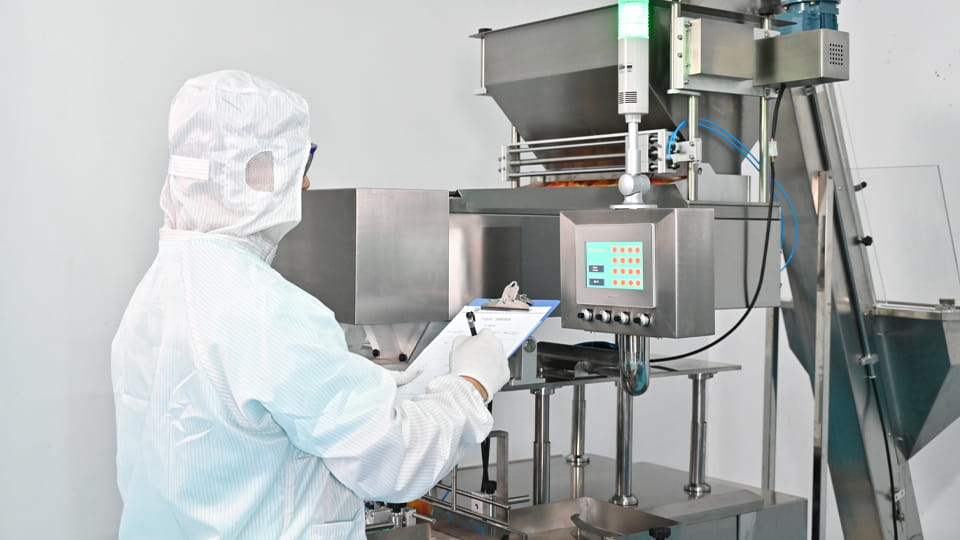
Audit harus direncanakan pada tahap-tahap utama. Pengaturan waktu yang umum termasuk:
Tabel di bawah ini merangkum jenis-jenis audit umum dan tujuannya:
| Jenis Audit | Tujuan |
| Awal (Kualifikasi) | Menilai a baru pemasok sebelum disetujui; verifikasi QMS, dokumentasi, dan kemampuan. |
| Berkala (Dijadwalkan) | Evaluasi kembali pemasok yang ada (misalnya. setiap tahun) untuk memastikan kepatuhan yang berkelanjutan. |
| Untuk-Penyebab (Pemicu) | Selidiki masalah tertentu (misalnya. keluhan, penyimpangan, 483 pengamatan) di pemasok. |
| Menindaklanjuti | Verifikasi tindakan perbaikan/pencegahan tersebut (CAPA) dari audit sebelumnya telah dilaksanakan. |
| Audit Jarak Jauh/Meja | Tinjau sistem dan dokumen kualitas pemasok secara virtual; biaya lebih rendah/lebih cepat, namun cakupannya terbatas. |
Dalam semua kasus, gunakan a pendekatan berbasis risiko untuk memutuskan ruang lingkup. Pemasok berisiko tinggi (peralatan kritis) menjamin lebih dalam, audit di tempat, sedangkan negara-negara yang berisiko rendah mungkin hanya memerlukan kajian pustaka atau pengambilan sampel. Pertanyaan EMA&A mengingatkan kita meskipun pemasok memiliki sertifikat GMP atau laporan inspeksi, tanggung jawab hukum produsen tidak terpenuhi sampai perusahaan tersebut melaksanakan program auditnya sendiri. Dengan kata lain, gunakan penilaian eksternal untuk menginformasikan daftar prioritas Anda, tapi percaya – dan verifikasi – melalui audit Anda sendiri.
Matriks risiko sederhana membantu mengkategorikan pemasok dan memandu frekuensi audit. Misalnya:
| Tingkat Risiko | Contoh | Tindakan Audit |
| Tinggi | Pengisi cairan aseptik, alat sterilisasi, pengisi kapsul; pemasok pertama kali atau sumber tunggal | Audit awal di lokasi secara menyeluruh; audit tahunan atau dua tahunan; cakupan penuh (SMM, fasilitas, dokumen, GEMUK). |
| Sedang | Mesin pengemas yang tidak steril (misalnya. melepuh, kartoner); vendor kedua atau pemasok terkenal | Audit awal yang terperinci; audit lokasi setiap 2–3 tahun; cakupan moderat (fokus pada proses kritis, ditambah dokumentasi). |
| Rendah | Peralatan bantu (misalnya. konveyor, pompa dasar); pedagang komoditas | Kualifikasi dasar (ulasan dokumen, kuesioner); audit di tempat hanya jika timbul masalah; penilaian ulang secara berkala (3–5 tahun atau sesuai kebutuhan). |
Penilaian risiko ini harus dipertimbangkan dampak (seberapa penting peralatan tersebut terhadap keamanan/kualitas produk?) Dan kemungkinan (apakah pemasok mempunyai masalah di masa lalu? desain baru? teknologi yang kompleks?). Misalnya, jalur pengisian kapsul baru di pabrik obat yang steril mempunyai dampak yang tinggi (kontak langsung, presisi tinggi), sehingga tetap berada dalam kategori risiko tinggi dan memerlukan audit penuh. Sebaliknya, konveyor sederhana yang tidak pernah menghubungi produk secara langsung mungkin berisiko rendah – audit jarak jauh atau kuesioner mungkin sudah cukup pada awalnya, dengan pemeriksaan di tempat hanya jika tingkat risiko berubah.
Di bawah ini adalah diagram alur proses audit tingkat tinggi, diikuti dengan detail pada setiap langkah:
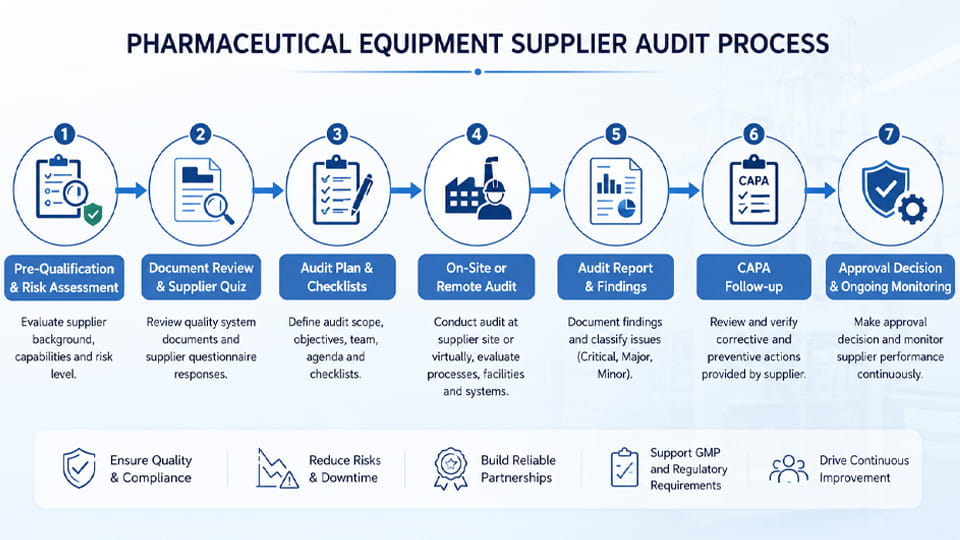
Setiap langkah diuraikan di bawah ini:
Jika melakukan a audit jarak jauh, fokus pada peninjauan dokumen, penelusuran video langsung, dan wawancara. Seperti yang dicatat EMA, audit jarak jauh dapat menginformasikan program audit Anda, namun pemeriksaan tersebut tidak selengkap inspeksi di lokasi terhadap pemasok berisiko tinggi. Selalu bertujuan untuk melakukan audit penuh di lokasi untuk peralatan yang benar-benar penting.
Di bawah ini adalah daftar ringkas bidang-bidang utama dan contoh pertanyaan yang perlu dipertimbangkan selama audit pemasok peralatan. (Sesuaikan ini dengan mesin spesifik dan tingkat risiko Anda.)
Daftar periksa ini adalah titik awal. Sesuaikan dengan peralatan spesifik: Misalnya, A pengepakan melepuh audit akan fokus pada kalibrasi pemanas, pengkode tanggal, dan penanganan film, sementara a pengisi kapsul audit akan menekankan pemeriksaan akurasi dosis dan verifikasi kunci kapsul. Tujuannya adalah untuk menilai keduanya apa yang ada di kertas (prosedur, catatan) Dan apa yang terjadi di lantai (praktik yang diamati).
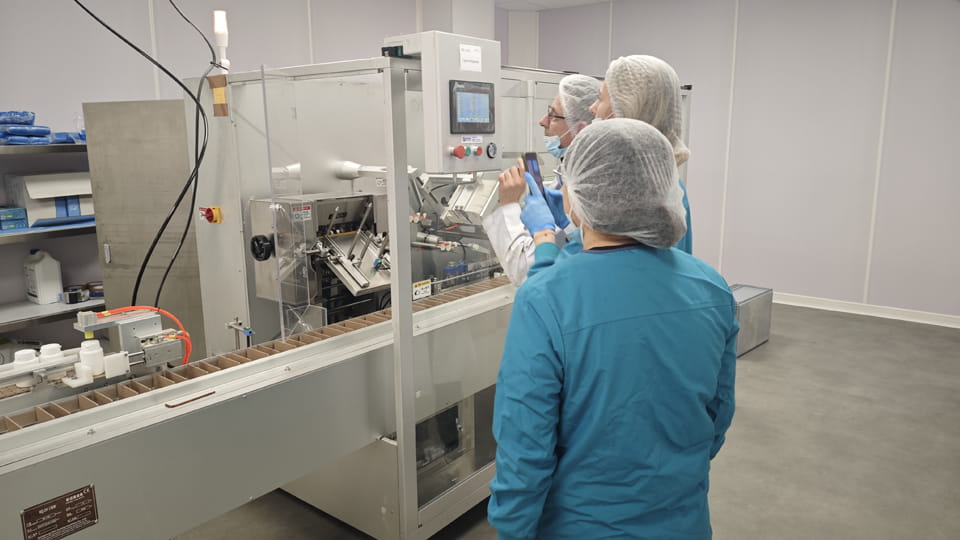
Saat mengaudit pemasok peralatan, beberapa masalah yang paling sering diamati meliputi:
Jika Anda mengalami hal-hal tersebut, bekerja dengan pemasok untuk mengembangkan rencana perbaikan. Menutup temuan audit dengan benar sangatlah penting sebelum mendapatkan persetujuan akhir. Selalu catat item tindakan dan tindak lanjutnya – pemasok tidak memenuhi syarat sampai semua CAPA penting diverifikasi.
| Aspek | Audit di Tempat | Audit Jarak Jauh |
| Cakupan | Akses penuh (fasilitas, rakyat, dokumen). | Terbatas pada dokumen, catatan, dan tur virtual. |
| Kedalaman Inspeksi | Tinggi: dapat memeriksa mesin secara fisik, rumah tangga, praktik yang tidak terlihat. | Sedang: terutama tinjauan dokumentasi dan wawancara. |
| Biaya & Waktu | Lebih tinggi (waktu dan biaya perjalanan, tantangan penjadwalan). | Lebih rendah (tidak ada perjalanan; penjadwalan lebih cepat). |
| Efektivitas | Paling teliti (lebih disukai untuk pemasok berisiko tinggi). | Baik untuk vendor tindak lanjut atau berisiko rendah; solusi sementara untuk kebutuhan mendesak. |
| Fleksibilitas | Kurang fleksibel (harus menyinkronkan jadwal/ketersediaan). | Lebih fleksibel (sering kali dapat mengaudit beberapa situs melalui video). |
| Bukti Audit | Pengamatan langsung terhadap proses, foto/video; lebih mudah untuk menemukan perbedaan. | Bergantung pada apa yang ditunjukkan pemasok; risiko kehilangan masalah tersembunyi. |
Umumnya, audit di tempat tetap menjadi standar emas, terutama untuk pemasok berisiko tinggi atau pemasok baru yang memenuhi syarat. Para regulator mencatat bahwa audit jarak jauh “berbasis kertas” tidak sepenuhnya menggantikan jaminan bahwa audit dilakukan di lokasi. Namun, audit jarak jauh dapat bermanfaat (Misalnya, sebagai tindakan sementara jika perjalanan dibatasi) dan dapat secara efisien meninjau catatan kualitas pemasok. Pendekatan hibrid adalah hal yang umum: gunakan audit jarak jauh untuk tinjauan dokumentasi dasar, lalu jadwalkan kunjungan lapangan untuk penyelaman mendalam terakhir, atau bergantian antara di tempat dan jarak jauh untuk pemeriksaan rutin.
Audit peralatan harus mendapat perhatian khusus dokumentasi validasi. Sebelum membeli, mengkonfirmasi bahwa pemasok memiliki prosedur FAT yang kuat. FAT lengkap memverifikasi bahwa mesin berfungsi pada URS Anda dalam kondisi terkendali. Selama audit, meninjau laporan FAT pemasok sebelumnya untuk mesin serupa: periksa apakah kriteria dan hasil pengujian didokumentasikan dengan jelas dan memenuhi spesifikasi. Pastikan juga rencana SAT formal akan dijalankan setelah instalasi. Tes penerimaan ini sangat penting untuk kualifikasi.
Juga, memastikan pemasok memberikan dukungan IQ/OQ penuh. Pengalaman Jinlu menunjukkan bahwa vendor yang dapat dipercaya mengirimkan mesin “dengan dukungan penuh IQ/OQ/PQ dan layanan validasi siap pakai”. Dalam praktiknya, ini berarti mereka harus memberi Anda daftar IQ, Skrip tes OQ, dan contoh protokol PQ untuk Anda tinjau. Vendor sering kali melakukan FAT dan dapat membantu IQ dengan melakukan pra-penyelarasan dan memasang mesin dalam kondisi terkendali. Tapi ingat: itu tim QA pembeli pada akhirnya bertanggung jawab untuk menyelesaikan IQ/OQ/PQ di tempat. Audit Anda harus memastikan bahwa pemasok telah melatih staf atau kontraktor yang tersedia untuk mendukung validasi dan akan memberikan laporan yang diperlukan, gambar, dan catatan kalibrasi.
Ajukan pertanyaan langsung, Misalnya: “Apakah Anda memiliki protokol FAT berdasarkan URS kami?”, “Maukah Anda menyaksikan tes IQ/OQ di lokasi, dan memberikan dokumentasi yang divalidasi setelahnya?”. Pemasok yang baik akan siap dengan template dan akan menganggap hal ini sebagai rutinitas – ini adalah bagian dari kesiapan GMP.
Selama audit (atau diskusi pra-audit), pembeli sering bertanya kepada pemasok:
Jawaban atas pertanyaan ini membantu mengukur kedewasaan pemasok. Misalnya, pemasok berpengalaman harus segera menunjukkan sertifikat QA (ISO 9001/13485) dan tidak kesulitan merinci proses validasinya. Jika pemasok ragu-ragu atau mengalihkan pertanyaan ini, hal ini dapat menunjukkan adanya kesenjangan dalam sistem mereka.
Setelah mengaudit dan mengumpulkan tanggapan, langkah terakhir adalah persetujuan pemasok. Setelah semua temuan audit ditutup atau diselesaikan, secara resmi menyetujui pemasok dalam sistem mutu Anda. Hal ini dapat mencakup pengaturannya pada Daftar Vendor yang Disetujui dan menentukan ketentuan apa pun (Misalnya, “Pesanan awal memerlukan persetujuan QA saya setelah SAT”). Komunikasikan persetujuan ini kepada tim pengadaan dan proyek, sehingga mereka tahu pemasoknya memenuhi syarat. Pastikan pemasok memahami ekspektasi yang tersisa (seperti memberikan bukti CAPA terbaru atau metrik kinerja dalam laporan mendatang).
Bahkan setelah disetujui, lanjutkan pemantauan. Terus lacak metrik pemasok utama (pengiriman tepat waktu, masalah lapangan, skor audit). Integrasikan persyaratan FDA atau EMA baru yang ada (jika peraturan berubah, Anda mungkin perlu mengaudit ulang atau meminta dokumentasi baru). Intinya, program audit tidak berhenti pada persetujuan—program audit menjadi bagian dari jaminan kualitas berkelanjutan Anda untuk setiap peralatan penting.
Program audit pemasok terstruktur merupakan investasi dalam keamanan produk dan kepercayaan terhadap peraturan. Dengan memeriksa sistem mutu produsen peralatan secara metodis, dokumentasi, dan proses—dipandu oleh prinsip GMP—Anda meminimalkan kejutan dan memastikan hanya mesin yang memenuhi persyaratan yang masuk ke lini produk Anda. Ingat: akuntabilitas bersama adalah kuncinya. Pemasok harus membawa mesin yang siap GMP dengan paket lengkap FAT/SAT/IQ/OQ, tetapi perusahaan Anda harus memverifikasinya sebelum produksi. Pendekatan berbasis risiko memfokuskan upaya pada hal yang penting, dan temuan apa pun harus mengarah pada CAPA dan keputusan persetujuan akhir.
Dan Jeinlu memetik, kami memahami ketatnya audit GMP: mesin pengemasan kami dirancang dan didokumentasikan untuk memenuhi kebutuhan tersebut. Setiap mesin dikirimkan dengan kit validasi lengkap (Protokol FAT/SAT/IQ/OQ) untuk menyederhanakan kualifikasi Anda. Dengan memilih pemasok yang berpengalaman dalam kepatuhan farmasi, Anda menyederhanakan audit dan menjaga proyek Anda tetap pada jalurnya.
Siap mengaudit dengan percaya diri? Hubungi Pengepakan Jinlu untuk peralatan kelas farmasi yang datang siap audit. Tim kami dapat membantu menentukan URS Anda, menjalankan FAT, dan menyediakan dokumentasi turnkey IQ/OQ/PQ sehingga audit dan kualifikasi pemasok Anda berjalan lancar.
Audit pemasok adalah evaluasi sistematis terhadap sistem mutu produsen peralatan farmasi, proses manufaktur, kemampuan teknis, dan praktik kepatuhan. Tujuannya adalah untuk memverifikasi bahwa pemasok dapat secara konsisten mengirimkan mesin yang memenuhi persyaratan GMP, baku mutu, dan spesifikasi proyek.
Audit pemasok membantu perusahaan farmasi mengurangi risiko proyek, memverifikasi kemampuan pemasok, menilai kesiapan kepatuhan, dan memastikan produsen peralatan dapat memberikan dokumentasi dan dukungan validasi yang diperlukan untuk produksi yang diatur GMP.
Tanpa audit pemasok yang tepat, pembeli mungkin menghadapi masalah seperti validasi yang tertunda, kinerja mesin yang buruk, dokumentasi yang tidak lengkap, atau tantangan kepatuhan terhadap peraturan.
Dokumen penting mencakup manual mutu pemasok, Sops (CAPA, mengubah kendali, dll.), Sertifikasi ISO/GMP, catatan batch untuk produk sampel, catatan pelatihan, log pemeliharaan/kalibrasi, dan laporan audit sebelumnya. Sertifikat analisis (CoA) untuk batch terbaru dan data stabilitas pemasok juga penting. Intinya, meninjau segala sesuatu yang menunjukkan sistem kualitas dan kontrol pelepasan produk mereka.
Ya. Audit pemasok jarak jauh dapat dilakukan menggunakan konferensi video, ulasan dokumen digital, dan tur pabrik virtual.
Namun, untuk peralatan farmasi penting seperti mesin pengisian kapsul, mesin press tablet, mesin pengepakan melepuh, dan peralatan pemrosesan aseptik, audit di tempat umumnya direkomendasikan karena memungkinkan pembeli menilai praktik manufaktur secara langsung, kontrol kualitas, dan kondisi fasilitas.
Kualifikasi pemasok adalah keseluruhan proses persetujuan vendor (termasuk kuesioner, peninjauan dokumen, pengujian sampel, dan audit). Audit pemasok adalah salah satu langkah spesifik dalam proses tersebut (atau dalam pemantauan berkala). Kualifikasi menggunakan dokumen dan audit di tempat. Setelah kualifikasi sukses, audit menjadi pemeriksaan berulang (kualifikasi ulang).
Baik FDA maupun EMA mengharapkan produsen obat mengendalikan rantai pasokan mereka. Q10 FDA menekankan evaluasi pemasok berbasis risiko dan secara khusus menyerukan audit pemasok untuk memverifikasi kualitas pemasok. GMP UE (Mencaplok 16 dan Bagian I Bab 7) mengharuskan audit terhadap semua lokasi yang terlibat dalam pembuatan atau pengujian produk tersedia bagi Orang yang Berkualifikasi. saya Q7 (untuk API) dan pedoman PIC/S juga mengamanatkan pengawasan pemasok yang kuat. Pendeknya, regulator menganggap Anda mengaudit pemasok Anda sebagai bagian dari kepatuhan GMP.
Frekuensi tergantung pada risiko pemasok dan kinerja masa lalu. Pemasok berisiko tinggi (Lebah, komponen steril) sering mendapatkan audit tahunan, sementara pemasok berisiko rendah mungkin ada di mana-mana 2-3 bertahun-tahun. Juga audit setelah perubahan besar atau peristiwa berkualitas. Sistem manajemen mutu Anda harus menentukan interval spesifik berdasarkan kategori risiko. Ingatlah bahwa kinerja buruk atau kejadian keselamatan di pemasok memerlukan audit “karena sebab” terlepas dari jadwalnya.
GEMUK (Uji Penerimaan Pabrik) adalah pengujian formal yang dilakukan di fasilitas pemasok sebelum pengiriman peralatan.
FAT memverifikasi hal itu:
• Mesin memenuhi persyaratan pengguna
• Fungsi-fungsi penting beroperasi dengan benar
• Sistem keselamatan bekerja sesuai harapan
• Dokumentasi selesai
FAT yang berhasil membantu mengurangi risiko pemasangan dan menyederhanakan aktivitas kualifikasi selanjutnya.
Beberapa pertanyaan penting antara lain:
• Berapa banyak proyek farmasi yang telah Anda selesaikan?
• Bisakah Anda memberikan FAT, DUDUK, dan dokumentasi IQ/OQ?
• Bagaimana Anda mengelola perubahan desain?
• Sertifikasi apa yang dimiliki perusahaan Anda?
• Bagaimana Anda menangani keluhan pelanggan dan CAPA?
• Bagaimana kebijakan dukungan suku cadang Anda?
• Layanan pelatihan apa yang tersedia setelah instalasi?
• Bagaimana Anda memastikan ketertelusuran dan pengendalian dokumentasi?
Pertanyaan-pertanyaan ini membantu pembeli mengevaluasi kompetensi teknis dan potensi kemitraan jangka panjang.
Pembeli harus menilai:
• Pengalaman tim teknik
• Keahlian otomasi
• Kemampuan pemrograman PLC dan HMI
• Pengalaman penyesuaian
• Pengetahuan desain GMP
• Proyek farmasi sebelumnya
• Pengalaman dukungan validasi
Kemampuan teknik pemasok sering kali berdampak langsung pada keandalan alat berat, skalabilitas, dan kinerja jangka panjang.
Referensi:
1.Sistem mutu farmasi ICH Q10 – Pedoman ilmiah — Badan Obat Eropa
2.Q10 Sistem Mutu Farmasi — KITA. Badan Pengawas Obat dan Makanan
3.EudraLex – Volume 4 – Praktik manufaktur yang bagus (GMP) pedoman — Komisi Eropa
4.VDI 6306 – Audit Pemasok di Industri Farmasi – Asosiasi Insinyur Jerman VDI e.V.