
Sekilas, suplemen makanan dan obat-obatan bisa terlihat sangat mirip. Keduanya dapat dijual sebagai tablet, kapsul, bubuk, permen karet, atau cairan, dan keduanya sering kali menggunakan proses manufaktur dan pengemasan yang sebanding. Namun, kesamaannya sebagian besar berakhir di situ.
Saat membandingkan Suplemen Diet vs Obat-obatan, perbedaan terbesar terletak pada tujuan penggunaannya, persyaratan peraturan, baku mutu, dan kewajiban kepatuhan. Suplemen makanan dirancang untuk melengkapi diet dan mendukung kesehatan secara keseluruhan, ketika obat-obatan dimaksudkan untuk mendiagnosis, merawat, mencegah, atau mengelola penyakit. Karena tujuan yang berbeda ini, produsen harus mengikuti aturan formulasi yang berbeda, produksi, validasi, pelabelan, dan pengemasan.
Untuk produsen suplemen dan farmasi, memahami perbedaan ini sangat penting ketika memilih peralatan produksi, merancang jalur pengemasan, dan memastikan kepatuhan terhadap peraturan. Dalam panduan ini, kita akan mengeksplorasi perbedaan utama antara suplemen makanan dan obat-obatan serta apa artinya bagi operasi manufaktur dan pengemasan modern.
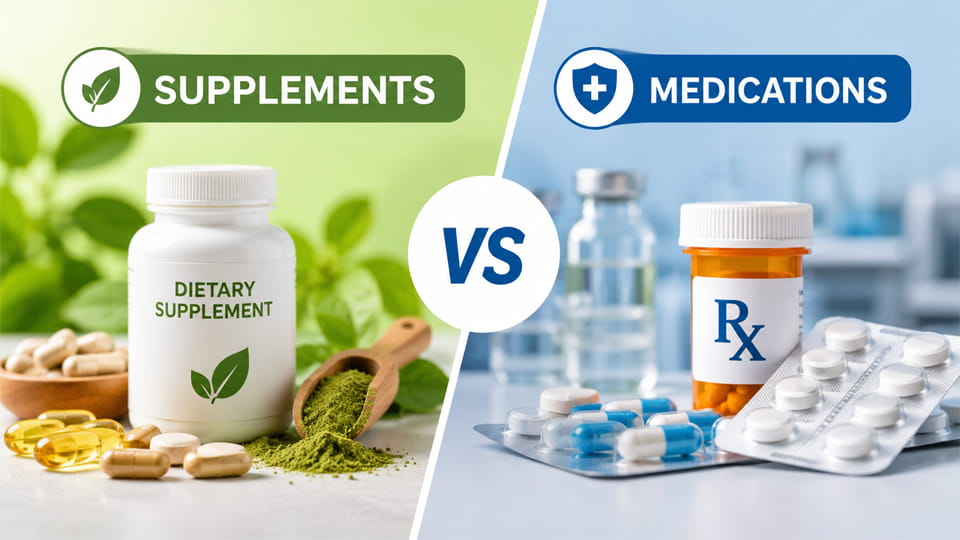
Suplemen makanan (juga disebut nutraceutical atau suplemen makanan) adalah produk yang diminum untuk menambah nilai gizi. Berdasarkan hukum AS (DSHEA 1994), suplemen harus mengandung satu atau lebih “bahan makanan” seperti vitamin, mineral, Herbal, asam amino atau tumbuhan lainnya, dimaksudkan untuk suplemen pola makan. Contohnya termasuk tablet multivitamin, kapsul minyak ikan, Ekstrak herbal, atau bubuk protein. Di UE, istilah tersebut suplemen makanan digunakan: mereka adalah “sumber nutrisi atau zat lain yang terkonsentrasi” dalam bentuk dosis (kapsul, bubuk, cairan, dll.). Suplemen dapat memberikan nutrisi yang hilang dari makanan atau mendukung kesehatan secara umum, tapi memang begitu bukan berwenang mengklaim pengobatan atau pencegahan penyakit. Label biasanya memuat a Fakta Tambahan panel dan penafian (misalnya. “tidak dimaksudkan untuk mendiagnosis, merawat, menyembuhkan, atau mencegah penyakit apa pun”). Undang-undang UE menyelaraskan vitamin/mineral yang diperbolehkan dalam suplemen (Petunjuk 2002/46/EC) dan memerlukan penilaian risiko bahan-bahan baru oleh EFSA.
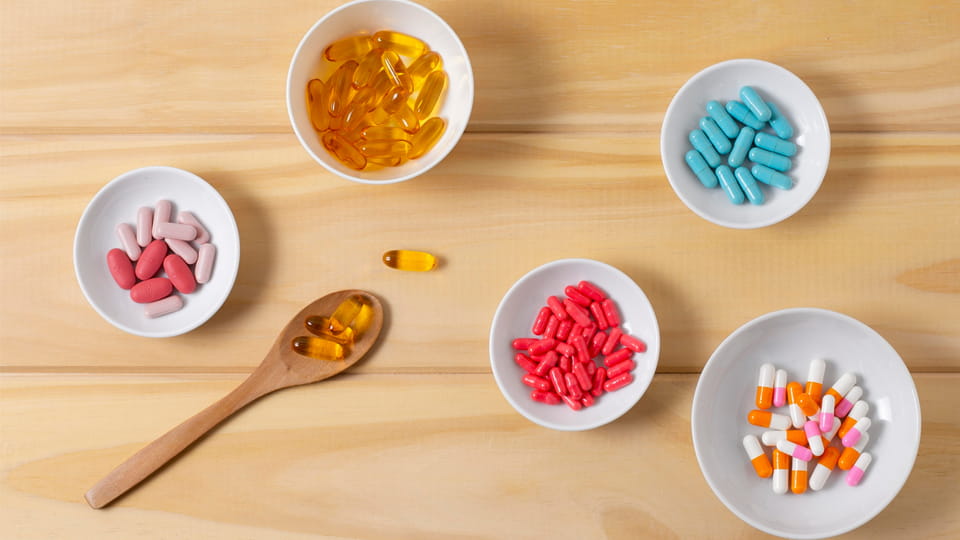
Poin-poin penting untuk suplemen: tidak diperlukan resep; diatur sebagai makanan; pelabelan harus mencantumkan bahan dan saran penggunaan; produsen harus mengikuti aturan cGMP diet FDA (21 CFR111) untuk memastikan identitas, kemurnian, dan kekuatan produk. FDA melakukannya bukan meninjau suplemen untuk keamanan atau kemanjuran sebelum dijual, jadi tanggung jawab ada pada pembuatnya (yang harus memberi tahu FDA jika terjadi efek samping yang serius, lihat di bawah).
Obat-obatan (narkoba) termasuk obat resep dan obat bebas (OTC) obat yang digunakan untuk mengobati, menyembuhkan, mengurangi atau mencegah penyakit manusia. FDA mendefinisikan a obat sebagai zat apa pun yang dimaksudkan untuk digunakan dalam diagnosis, menyembuhkan, mitigasi, perlakuan, atau pencegahan penyakit, atau mempengaruhi struktur/fungsi tubuh. Ini mencakup obat-obatan bermerek dan generik, biologis, dan pengobatan OTC tertentu (penghilang rasa sakit, antasida, sirup obat batuk, dll.). Sebaliknya, suplemen makanan secara khusus mengecualikan zat yang dipasarkan untuk pengobatan penyakit.
Obat-obatan harus memenuhi standar peraturan yang ketat. Di AS, obat baru memerlukan Aplikasi Obat Baru (NDA) atau Disingkat NDA (untuk obat generik), didukung oleh data uji klinis yang menunjukkan keamanan dan kemanjuran. Pusat Evaluasi dan Penelitian Obat FDA (CDR) memantau ~11.000 obat yang dipasarkan, menegakkan Praktik Manufaktur yang Baik Saat Ini (CGMP) untuk obat-obatan (21 CFR210–211) untuk memastikan kualitas yang konsisten. Di UE, obat-obatan harus mendapat izin dari EMA atau lembaga nasional, dan produsen harus mematuhi GMP UE (seperti yang dikoordinasikan oleh EMA) untuk memastikan kualitas tinggi dan kepatuhan terhadap dokumen yang disetujui. Kemasan obat biasanya memerlukan fitur seperti segel anti rusak, wadah tahan anak (Undang-Undang Pencegahan Racun), pelacakan serial (DSCSA, FMD UE), dan pelabelan yang luas (kode NDC, instruksi, kadaluarsa) yang lebih ketat dibandingkan suplemen.
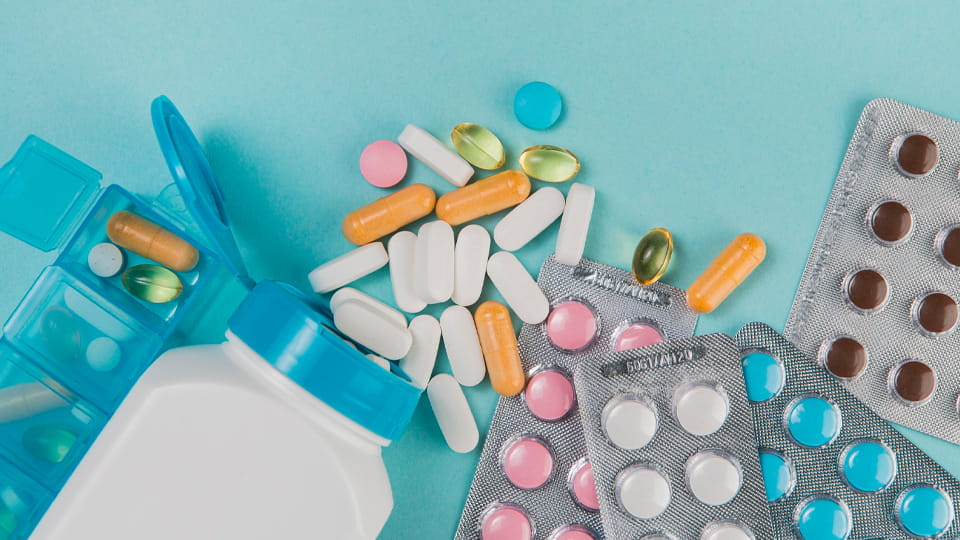
Poin-poin penting untuk pengobatan: Persetujuan FDA/EMA diperlukan sebelum dipasarkan; uji klinis dan berkas teknis; kepatuhan cGMP yang ketat; pelabelan yang diatur (Fakta Narkoba); dan baik Rx maupun banyak obat OTC memerlukan kontrol keamanan/kualitas yang kuat.
Perbedaan intinya adalah maksud. Pengobatan secara khusus ditujukan untuk mendiagnosis, merawat, atau menyembuhkan penyakit. Suplemen dimaksudkan untuk melengkapi diet. Dengan demikian:
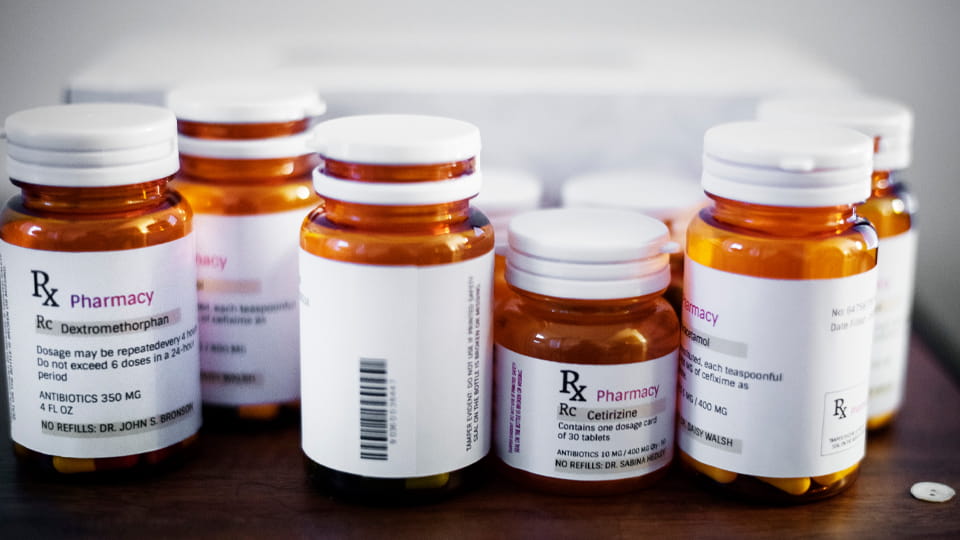
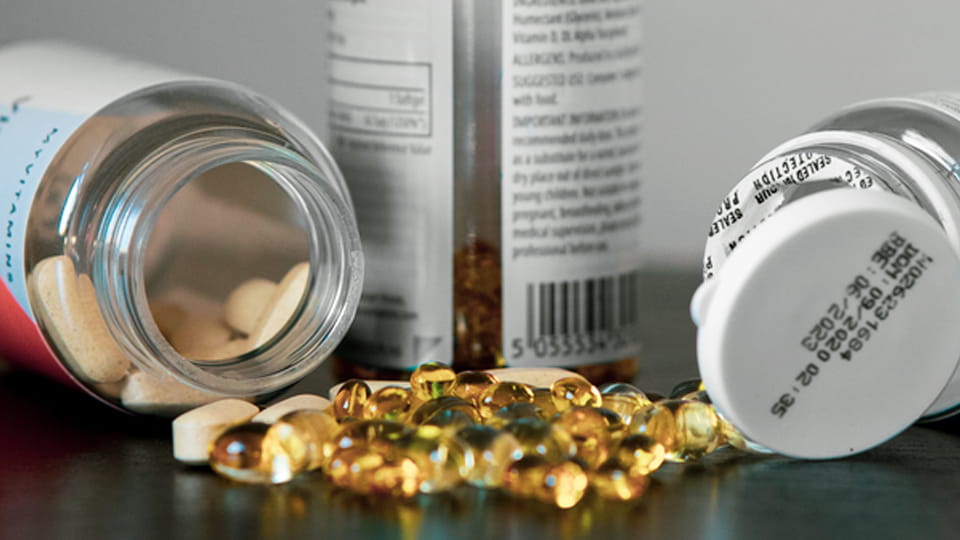
Banyak bentuk sediaan yang tumpang tindih antara suplemen dan obat-obatan. Keduanya bisa saja:
Dari segi peralatan, mesinnya sangat mirip. Sesuai GMP garis penghitungan/pengisian yang menangani botol vitamin 50mL seringkali juga dapat mengisi botol farmasi dengan ukuran yang sama (mungkin dengan sedikit penyesuaian). Garis lepuh untuk dosis padat menangani pil apa pun. Mesin tablet berputar atau pengisi kapsul di sisi hulu menghasilkan bentuk sediaan; hilir, garisnya sedikit berbeda sampai pelabelan/inspeksi. Perbedaan utama dalam permesinan berasal dari skala produksi dan fitur peraturan (misalnya. kamera inspeksi yang lebih canggih di lini farmasi).
Saat memilih peralatan, fokus pada produk format, volume, dan kebutuhan kepatuhan:
Tabel di bawah ini rangkum perbedaan utama dan saran peralatan per jenis produk.
| Atribut | Suplemen Makanan | Obat-obatan (Narkoba) |
| Definisi/Kegunaan | Nutrisi/herbal untuk melengkapi diet | Mengobati/mendiagnosis/mencegah penyakit |
| Diperlukan Persetujuan | Tidak ada persetujuan awal FDA (DSHEA) | Persetujuan FDA/EMA (NDA/ANDA/BLA) |
| Uji Klinis | Tidak ada uji klinis wajib | Uji coba yang ketat untuk keamanan/kemanjuran |
| Rezim GMP | GMP makanan (21 CFR111) | Farmasi GMP (21 CFR210–211, GMP UE) |
| Pelabelan | Fakta Tambahan; penafian “tidak untuk pengobatan”. | Fakta Narkoba; termasuk indikasi, dosis, efek samping |
| Klaim | Hanya klaim struktur/fungsi | Klaim terapi khusus diperbolehkan |
| Kontrol Pengemasan | Kelas makanan standar; topi anak jika diperlukan | Penutupan wajib anti rusak/tahan anak; serialisasi |
| Pengujian Kualitas | Pengujian batch oleh pembuat (identitas, kemurnian) | QC yang komprehensif (potensi, pembubaran, stabilitas) |
| Contoh Produk | Vitamin, mineral, Herbal, asam amino | Aspirin, antibiotik, hormon, Analgesik yang dijual bebas |
| Formulir Produk | Format Kemasan Khas | Mesin yang Direkomendasikan |
| Tablet | Botol (menghitung & topi); Kartu Lepuh | Tablet Tekan; pelapis; Mesin penghitungan; Pengisi Botol & Capper; Mesin Melepuh; pembuat karton |
| Kapsul | Botol (dengan pengering); Kartu Lepuh | Mesin Pengisian Kapsul; Mesin penghitungan; Pengisi Botol & Capper; Mesin Melepuh; pembuat karton |
| Bubuk/Butiran | Paket Sachet/Tongkat; Kantong Stand-up; stoples (bak mandi) | Mixer/Granulator; Sachet/Pembungkus Tongkat; Pengisi Kantong Premade; Pengisi Toples Bubuk; penyegel; pembuat karton |
| Cairan | Botol (penetes atau tutup); Ampul | Jalur Pengisian Cairan; Mesin capping (tahan anak jika diperlukan); pemberi label; pembuat karton |
| Permen Jeli/Kunyahan | Paket blister; Botol | Penyimpan Gummy; Mesin Pengepakan Blister; Mesin penghitungan; Pengisi Botol; pembuat karton |
Setiap sel mencantumkan lini suplemen dan obat: mesin yang sama seringkali dapat menangani keduanya dengan sedikit penyesuaian. Misalnya, Jinlu mesin pengepakan melepuh bisa mengemas vitamin, pil atau suplemen bergetah seperti halnya tablet farmasi.
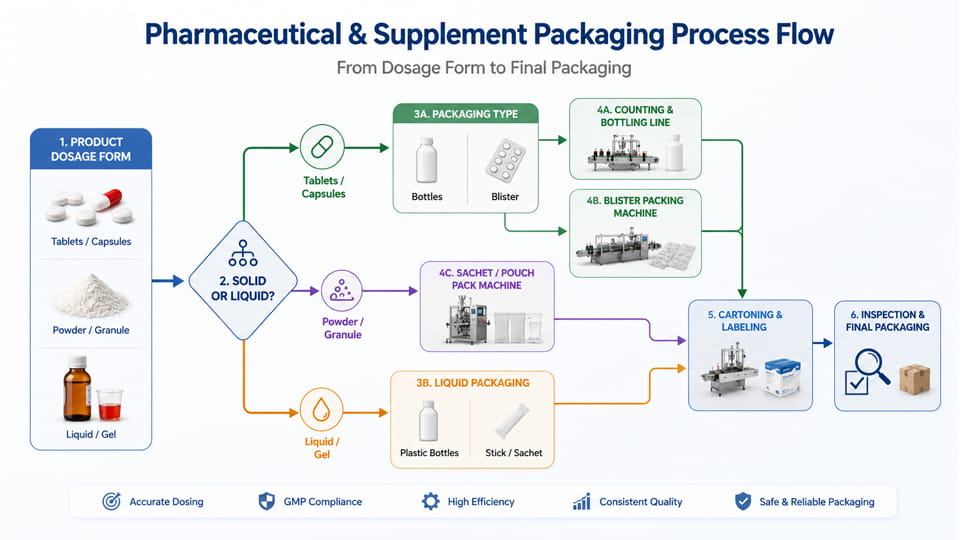
Diagram Putri Duyung: Diagram alur di atas menggambarkan proses pengambilan keputusan yang disederhanakan. Mulailah dengan bentuk produk (tablet padat, kapsul, bubuk, dll.), menggunakan peralatan produksi yang sesuai (tekan, batang, pengaduk), lalu pilih jalur pengemasan. Botol, lepuh, sachet, dan karton adalah titik akhir yang umum.
Kedua industri mungkin menggunakan unit operasi yang serupa (mencampur bubuk, granulasi, kompresi tablet, pengisian kapsul). Namun, langkah-langkah tertentu berbeda:
Meskipun ada perbedaan-perbedaan ini, Keahlian Jinlu dalam pengemasan farmasi membuat peralatannya cocok untuk suplemen dengan sedikit perubahan. Misalnya, mesin penghitung kapsul kami mencantumkan “penggunaan farmasi dan medis, menghitung tablet, kapsul, pil, dll., 2-40mm, keluaran 100 botol/jam, ketepatan >99.98%”. Mesin yang sama dapat menghitung Vitamin bergetah atau suplemen hewan peliharaan semudah pil.
Rangkaian botol tablet/kapsul khas untuk suplemen mungkin termasuk: pengurai botol → penghitung tablet/kapsul → penempatan tutup/torsi → penyegel foil induksi → pelabel → pembuat kode inkjet → konveyor. Untuk pengobatan, garisnya mungkin sangat mirip tetapi tertutup dalam tudung aliran laminar (untuk lingkungan steril/tidak terkontaminasi) dan akan mencakup sistem penglihatan untuk memeriksa label dan bukti kerusakan. Garis penghitungan Jinlu dapat diintegrasikan dengan peralatan pembatasan dan pelabelan secara lengkap solusi turn-key.

Untuk produksi farmasi berkecepatan tinggi, mesin melepuh (misalnya. JL DPP-270Max) membentuk dan menyegel lembaran melepuh, yang dimasukkan langsung ke dalam kartoner. Pembuat karton mengambil setiap kartu melepuh dan memasukkannya ke dalam kotak karton yang dicetak, kemudian menutup dan terkadang menyegel karton tersebut. Keseluruhan aliran ini dapat berjalan dengan kecepatan beberapa ribu unit per jam. Produsen suplemen sering kali menggunakan produk serupa untuk produk seperti tablet effervescent atau vitamin yang dikemas dalam kemasan melepuh. Mesinnya sebagian besar sama (Mesin pengepakan blister kami dapat meningkatkan produktivitas dalam pengemasan tablet, kapsul…), namun fitur ruang bersih dan inspeksi dapat ditingkatkan untuk memenuhi GMP.
[jl_youtube src=”https://www.youtube.com/embed/1Bb_J6rluac”]
Memahami perbedaan antara suplemen makanan dan obat-obatan adalah kunci bagi perencana peralatan dan manajer produksi di industri produk kesehatan. Sedangkan mesin pengolah aktif (mesin press tablet, pengisi kapsul, lepuh, menghitung garis, dll.) sebagian besar dibagikan, tuntutan peraturan berbeda: suplemen termasuk dalam aturan makanan/Diet dan bergantung pada keamanan yang dikelola produsen, sedangkan obat-obatan memerlukan proses yang tervalidasi dan persetujuan peraturan. Saat memilih peralatan pengemasan, pembeli harus menyelaraskan mesin dengan bentuk produk dan kebutuhan peraturan: memastikan kepatuhan terhadap GMP, penanganan material yang tepat, dan fitur khusus apa pun (tahan terhadap anak, anti rusak, serialisasi) diperlukan untuk obat-obatan. Mitra peralatan yang berpengetahuan luas dapat menyesuaikan solusi untuk setiap kasus.
Dengan mencocokkan jenis produk dengan peralatan secara cermat—menggunakan sumber daya seperti Pengepakan JinluMesin Pengisian Kapsul, Penekan Tablet, Pengemas Blister, Menghitung Garis, Pengisi Sachet/Kantong, dan Cartoners—produsen dapat membangun lini produksi yang efisien yang memenuhi permintaan pasar dan standar peraturan. Sinergi antara pengetahuan proses dan mesin yang tepat memastikan keamanan, produksi yang sesuai apakah Anda membuat suplemen atau obat-obatan.
Suplemen makanan dimaksudkan untuk melengkapi pola makan dan mendukung kesehatan secara keseluruhan, sementara obat-obatan dirancang untuk mendiagnosis, merawat, mencegah, atau mengelola penyakit. Karena tujuan yang berbeda ini, obat-obatan tunduk pada persetujuan peraturan yang lebih ketat, pengujian, dan persyaratan kepatuhan daripada suplemen.
TIDAK. Di sebagian besar yurisdiksi, termasuk Amerika Serikat, suplemen makanan diatur secara berbeda dari obat-obatan. Suplemen umumnya diklasifikasikan berdasarkan peraturan terkait makanan, sedangkan obat diatur sebagai obat dan harus memenuhi persyaratan keamanan dan kemanjuran tertentu sebelum dipasarkan.
Seringkali ya, dengan penyesuaian. Jika saluran dibangun untuk cGMP (tahan karat, mudah dibersihkan, dll.), itu dapat menjalankan jenis produk apa pun. Anda mungkin perlu mengubah cetakan atau pengaturan. Kehati-hatian utama adalah peraturan: memastikan suplemen diberi label dengan tepat, dan jika beralih ke obat, memvalidasi setiap langkah sterilisasi/pembersihan. Mesin Jinlu serbaguna – misalnya, bahan pengisi penghitung dikatakan ideal untuk “hampir semua bentuk tablet dan kapsul”.
Umumnya, tidak – Undang-Undang Pengemasan Pencegahan Racun (PPPA) mencakup obat-obatan dan zat berbahaya tertentu. Beberapa suplemen (misalnya. pil besi, yang dapat menjadi racun bagi anak-anak) mungkin termasuk dalam PPPA. Kebanyakan vitamin dan pil herbal tidak secara hukum memerlukan tutup yang tahan terhadap anak, namun banyak produsen menggunakannya sebagai tindakan keamanan dan pemasaran. Praktik terbaiknya adalah mengikuti ekspektasi konsumen.
Keduanya memiliki GMP, tapi GMP tambahan (21 CFR111) adalah bagian dari GMP farmasi (21 CFR210/211). Misalnya, suplemen memerlukan pengujian identitas bahan dan beberapa pengujian pengotor, tetapi tidak mewajibkan validasi proses secara klinis. Namun, semua GMP berarti Anda harus menjaga kebersihan, mencatat data produksi, dan menguji produk untuk memastikan klaim label. Jika FDA memeriksa lini suplemen, mereka akan memeriksa pembersihan yang benar, prosedur yang terdokumentasi, dan hasil tes seperti yang dilakukan di pabrik obat. Untuk obat-obatan, FDA mengharapkan lapisan tambahan: metode yang divalidasi, studi stabilitas, pengendalian lingkungan yang lebih ketat, dll..
Itu tetap penting. Meskipun perusahaan suplemen tidak mengajukan laporan ke FDA, mereka tetap harus membuktikan bahwa produk mereka sesuai dengan apa yang mereka katakan. Ini berarti peralatan (seperti mesin press tablet atau mesin melepuh) harus memenuhi syarat (IR/WH/PQ) untuk memastikan secara konsisten menghasilkan bentuk sediaan yang benar. Minimal, USP atau standar perusahaan memerlukan penimbangan dan pengujian konten. Praktik Kualitas Modern yang Baik (MQP) dalam suplemen semakin mencerminkan farmasi, khususnya untuk pasar ekspor. Mereka, Misalnya, menyebutkan kepatuhan terhadap “cGMP, Ce, FDA, dan EMA” untuk mesin kantongnya, menunjukkan bahwa mereka merancang mesin untuk memenuhi persyaratan tersebut.
Faktor kuncinya meliputi: kecepatan mesin vs volume yang diharapkan, fleksibilitas (dapatkah itu menangani berbagai bentuk botol atau jenis lepuh?), kemudahan pembersihan (bagian tahan karat, CIP), dan fitur otomatisasi (seperti kontrol servo, HMI, dan inspeksi). Pertimbangkan juga layanan purna jual dan suku cadangnya. Jinlu menyoroti pengiriman 7 hari dan garansi 3 tahun untuk mesinnya, mencerminkan dukungan purna jual yang kuat. Pembeli juga harus bertanya tentang integrasi (misalnya. dapatkah mesin hitung dengan mudah melakukan sinkronisasi dengan kartoner yang ada?). Akhirnya, kepatuhan: memastikan mesin dapat menghasilkan kemasan “tingkat farmasi” jika diperlukan, bahkan untuk suplemen. Lini pengemasan Jinlu melewati standar terkait CE dan FDA, dan mereka menekankan penggunaan komponen nama merek (seperti Omron, Siemens) untuk keandalan.
Referensi:
1.Tanya Jawab tentang Suplemen Diet — KITA. Badan Pengawas Obat dan Makanan
2.Praktik Manufaktur yang Baik Saat Ini (CGMP) untuk Makanan dan Suplemen Diet — KITA. Badan Pengawas Obat dan Makanan
3.Suplemen Makanan dan Herbal — NCCIH
4.Panduan Kepatuhan Entitas Kecil: Praktik Manufaktur yang Baik Saat Ini di Bidang Manufaktur, Kemasan, Pelabelan, atau Mengadakan Operasi Suplemen Diet – KITA. Badan Pengawas Obat dan Makanan
5.Suplemen Makanan: Yang Perlu Anda Ketahui — Institut Kesehatan Nasional
6.Pedoman mutu: manufaktur — Badan Obat Eropa