
Maraknya suplemen bergetah telah menantang model tablet/kapsul tradisional dalam industri vitamin. Gummies populer karena rasanya seperti permen dan mudah ditelan, tetapi sering kali mengandung tambahan gula dan cenderung kurang stabil seiring waktu dibandingkan pil. Tablet dan kapsul, sebaliknya, dapat memberikan dosis nutrisi yang lebih tinggi dengan umur simpan yang lebih lama dan akurasi dosis yang tepat. Artikel ini membandingkan Vitamin Gummies vs Pil dalam hal penyerapan, pengalaman pengguna, stabilitas, kandungan gula, dosis, dan umur simpan. Kami memeriksa mengapa permen karet sedang booming (terutama di kalangan anak-anak, manula dan pasar saat bepergian), ketika pil lebih disukai (untuk dosis tinggi dan kepatuhan yang ketat), dan bagaimana produsen mengemas setiap format. Kami juga menyoroti peran peralatan seperti mesin hitung, pengisi, capper dan pelabel di a lini pengemasan suplemen, dengan contoh solusi Jinlu Packing.
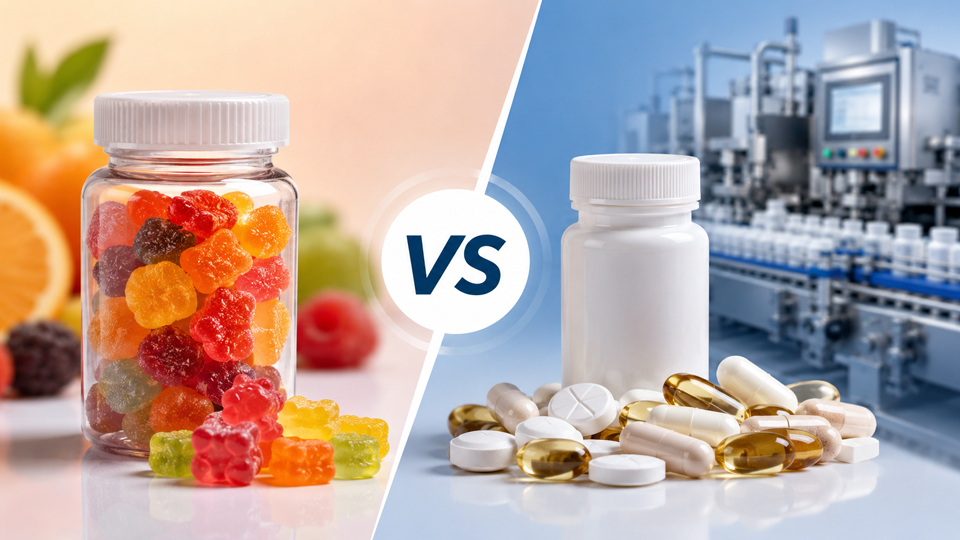
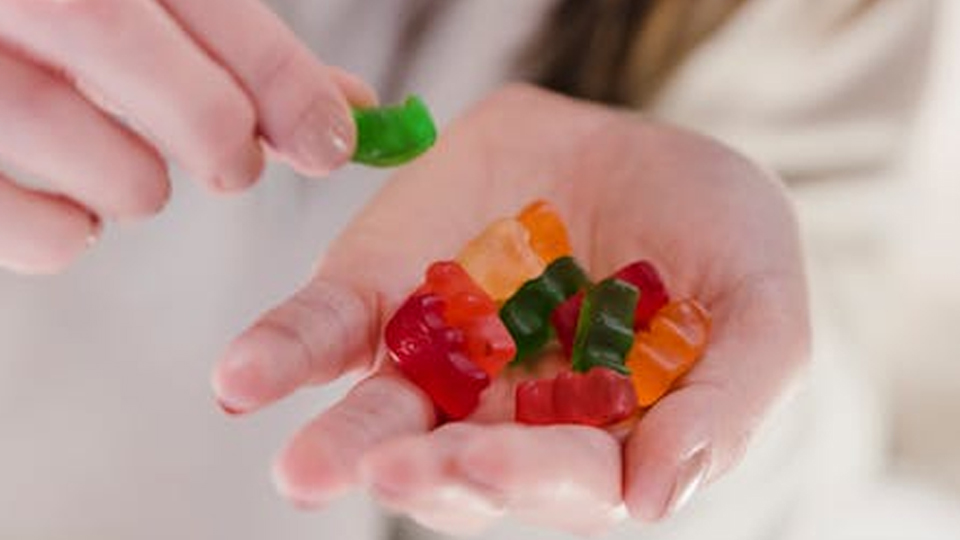
Permen karet vitamin adalah permen bergetah kunyah yang diformulasikan dengan vitamin, mineral atau suplemen lainnya. Bentuknya seperti permen rasa buah (sering berbentuk beruang atau cincin) dan gunakan agar-agar, pektin atau dasar pati untuk daya kunyah. Gummies dirancang untuk membuat konsumsi suplemen lebih menyenangkan. Misalnya, multivitamin bergetah mungkin mengandung vitamin C, D atau B12, dibumbui dan diwarnai sesuai selera seperti camilan.
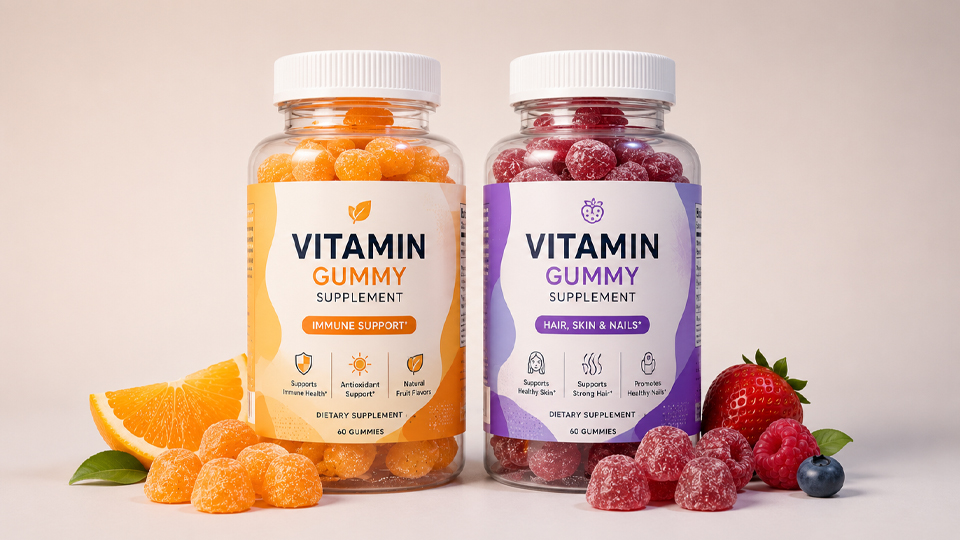
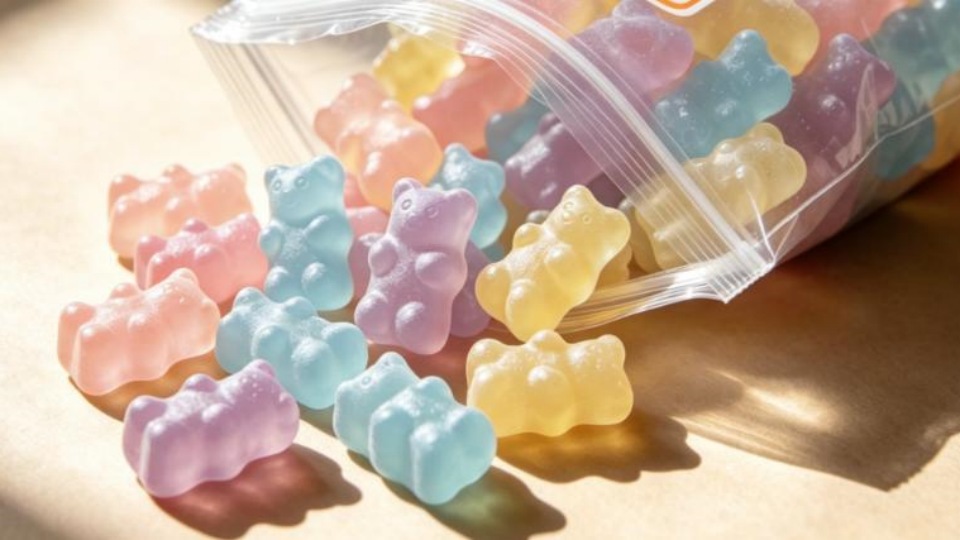
Angka: Suplemen vitamin gummy dalam bentuk permen. Permen karet menarik terutama bagi konsumen yang tidak suka menelan pil. Seperti yang dicatat oleh UCLA Health, permen karet “rasanya seperti permen” dan lebih enak di perut karena tidak mengandung bahan pengikat yang terdapat pada tablet. Penghitung bergetah modern bahkan dapat menangani berbagai ukuran (misalnya. Mesin Jinlu memproses permen karet dengan panjang 2–130 mm). Hasilnya adalah portabel, vitamin kunyah yang terlihat dan terasa seperti suguhan.
Yang dimaksud dengan “pil” termasuk tablet, kapsul dan kapsul gel lunak – familiar format padat untuk suplemen. Pil tablet adalah bubuk atau butiran terkompresi (dengan pengikat) terbentuk pada tekanan tinggi. Mesin press tablet putar dapat menghasilkan keluaran puluhan ribu tablet per jam. Tablet serba guna: mereka bisa dilapisi (misalnya. film atau dilapisi gula) untuk rasa atau rilis tertunda, dan dapat dibentuk atau dicetak. Kapsul terdiri dari dua bagian cangkang (biasanya agar-agar atau HPMC) yang berisi bubuk, butiran atau bahkan cairan. Kapsul gel lunak adalah cangkang gelatin satu bagian yang mengandung vitamin atau minyak cair (menyukai minyak ikan). Pil perlu ditelan tetapi sangat efisien dalam memberikan nutrisi. Tablet yang dirancang dengan baik akan memilikinya berat badan stabil, kekerasan yang tepat, penampilan halus dan kualitas konsisten.
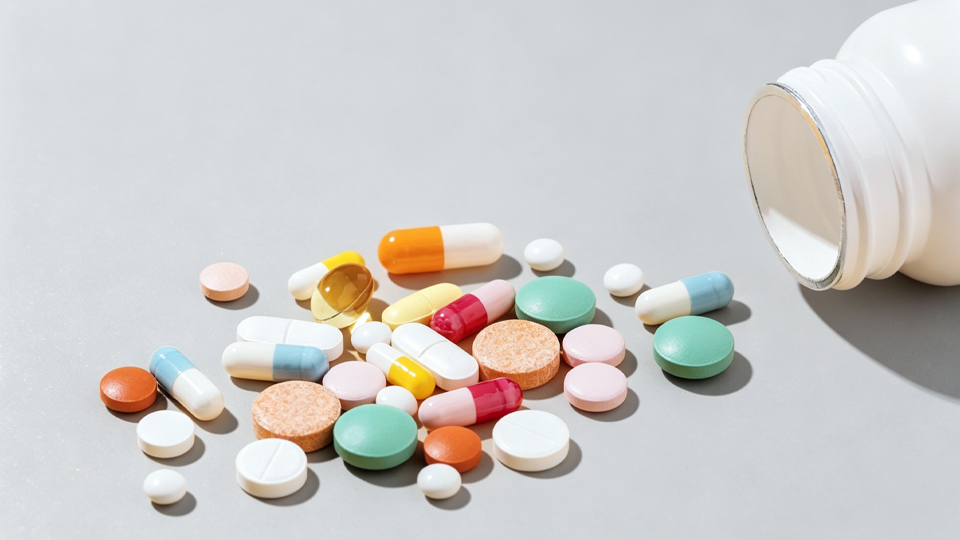
Angka: Pil Vitamin termasuk tablet, kapsul dan softgel. Tablet dan kapsul umumnya memiliki konsentrasi bahan aktif yang lebih tinggi dibandingkan permen karet. Karena tablet/kapsul merupakan padatan yang dikompres atau dienkapsulasi, mereka sering kali tetap kuat selama bertahun-tahun jika disimpan dengan baik. Misalnya, lini tablet bergaya farmasi dapat mencakup pencampuran, granulasi, kompresi (tablet tekan) dan lapisan opsional, diikuti dengan penghitungan dan pembotolan. Mesin pengisian kapsul modern dapat memproses ratusan ribu kapsul per jam. Ringkasnya, pil adalah throughput yang tinggi, bentuk dosis tinggi yang disukai oleh produsen massal.
Studi tentang bioavailabilitas menunjukkan hasil yang beragam. Beberapa penelitian menemukan bahwa penyerapan nutrisi bisa serupa (atau bahkan lebih tinggi) dalam permen karet vs pil. Misalnya, A 2019 sekolah di Nutrisi melaporkan bahwa permen karet vitamin D mencapai bioavailabilitas yang sedikit lebih baik dibandingkan tablet. Juga, Catatan Kesehatan UCLA: “Penelitian menunjukkan tubuh Anda dapat menyerap nutrisi dalam vitamin bergetah semudah vitamin tradisional”. Hal ini disebabkan karena mengunyah permen karet mencampurkan vitamin dengan air liur, memulai penyerapan lebih awal. Namun, tidak semua nutrisi memiliki kandungan yang sama dalam permen karet; vitamin dan mineral yang larut dalam air dapat terdegradasi atau larut ke dalam matriks bergetah.
Dalam praktiknya, permen karet sering kali memiliki kekuatan dengan dosis label yang lebih rendah. Klinik Cleveland mencatat “vitamin bergetah sebenarnya memiliki lebih sedikit vitamin dan mineral dibandingkan vitamin biasa” dan produsen mungkin “mengemasnya dengan lebih banyak dari yang tertera pada label” untuk mengkompensasi kerugian seiring berjalannya waktu.. Pendeknya, sedangkan gummy yang diformulasikan dengan baik dapat memberikan nutrisi secara efektif, pil umumnya menjamin dosis yang tepat. Meja:
| Aspek | permen karet | pil (Tablet/Kapsul) |
| Kandungan gizi | Biasanya lebih rendah per unit; seringkali ditambahkan tambahan untuk mengimbangi degradasi | Beban nutrisi tinggi; potensi yang lebih dapat diprediksi |
| Penyerapan | Sebanding dengan banyak vitamin; dimulai saat mengunyah | Setelah larut dalam lambung/usus; efisien untuk sebagian besar suplemen |
| Batasan Formulasi | Mungkin kekurangan vitamin tertentu (besi, B12) karena rasa/stabilitas | Dapat mencakup jangkauan luas (bahkan bahan aktif yang sensitif); pelapis masker secukupnya |
| Tablet vs Gummy | Bisa dikunyah, mungkin melewatkan kebutuhan air; lebih baik untuk orang yang pilih-pilih menelan | Ditelan utuh; lebih mudah untuk dosis sangat tinggi atau kadar farmasi |
Rasa adalah tempat dimana permen karet bersinar. Tersedia dalam rasa buah dan tekstur kenyal yang terasa seperti permen. Ini manis, pengalaman yang menyenangkan mendorong kepatuhan, terutama pada anak-anak dan manula. Seperti yang dicatat oleh VitaMedica, permen karet mengatasi masalah menelan pil: “Jika Anda pernah kesulitan dengan suplemen tradisional, permen karet kunyah bisa jadi mudah, alternatif yang nyaman”. Sebaliknya, Tablet sering kali memiliki rasa tidak enak atau tekstur berkapur (kecuali dilapisi), dan kapsulnya bisa berukuran besar atau sulit ditelan.
Namun, rasa seperti permen memiliki sisi negatifnya: gula dan bahan tambahan. Kebanyakan permen karet menggunakan gula, jus buah atau pemanis untuk menutupi rasa pahit. UCLA Health melaporkan sebagian besar suplemen bergetah memilikinya 2–8 gram gula per porsi, yang bisa bertambah (AHA merekomendasikan <25g setiap hari untuk wanita). Versi bebas gula menggunakan gula alkohol (sorbitol, xylitol) atau pemanis yang intens, tapi itu bisa menyebabkan gangguan pencernaan pada orang yang sensitif. Pil umumnya tidak mengandung pemanis (hanya eksipien dan bahan pengikat).
Dalam ringkasan, penawaran permen karet a lezat pengalaman pengguna: mudah, lezat, dan menyenangkan. Pil mengutamakan fungsi: konsumsi dosis tinggi yang efisien. Bagi banyak orang, pilihannya tergantung pada preferensi dan gaya hidup.
Stabilitas adalah perbedaan utama. Format kunyah (permen karet atau kunyah) adalah rentan terhadap penyerapan air. Healthline dan Medical News Today keduanya mencatat hal itu permen karet terdegradasi lebih cepat daripada tablet. Kandungan air/kelembaban pada permen karet menyebabkan vitamin (terutama C, B) untuk rusak atau kehilangan potensi selama berbulan-bulan. Produsen mengatasi hal ini dengan permen karet yang “diperkuat secara berlebihan”., tetapi potensinya masih bisa turun di bawah label yang diklaim seiring berjalannya waktu. Sebaliknya, tablet (kering, terkompresi) mempertahankan potensi selama beberapa tahun jika disimpan dengan benar.
Pengemasan membantu memperpanjang umur simpan. Botol bergetah biasanya membutuhkan pengering dan segel yang rapat untuk mengurangi kelembapan. Sebagai perbandingan, Tablet sering kali dikemas dalam kemasan blister atau botol sederhana dengan masalah kelembapan yang jauh lebih sedikit.
Permen karet hampir selalu mengandung bahan pemanis. Seperti disebutkan di atas, menambahkan gula adalah sebuah kekhawatiran. Selain masalah gigi/kesehatan, pemanis (bahkan konsentrat jus “alami”.) encerkan nilai gizi per gummy. Pewarna dan perasa buatan juga biasa ditemukan pada permen karet untuk membuatnya menarik. Orang dengan pembatasan diet (diabetes, fenilketonuria) atau mereka yang menghindari bahan-bahan buatan mungkin menganggap permen karet bermasalah.
Sebaliknya, tablet/kapsul menggunakan eksipien (pengisi, pengikat) yang biasanya tidak berasa dan lembam. Banyak pil bebas gula (dilapisi atau tidak dilapisi). Ada pilihan bergetah bebas gula, tapi ini sering kali menggunakan sorbitol atau xylitol yang dapat menyebabkan gas atau efek pencahar.
Karena permen karet terlihat seperti permen, konsumen terkadang mengambil ekstra. Risiko overdosis adalah nyata: nutrisi seperti vitamin A, D, E, K atau mineral seperti besi mempunyai batas atas. UCLA memperingatkan, “Sangat menggoda untuk mengonsumsi lebih dari dosis yang dianjurkan… Terlalu banyak zat besi dan seng dapat menyebabkan sakit perut, muntah atau lebih buruk lagi”. Permen karet mungkin juga memiliki potensi yang bervariasi: sebuah penelitian mencatat dosis gummy individu dapat bervariasi, meskipun diberi label.
Tablet dan kapsul hadir dengan dosis standar per unit. Satu kali telan memberikan miligram yang tepat, dan presisi ini lebih mudah dikontrol di bidang manufaktur. Garis penghitungan otomatis memastikan secara tepat, mengatakan, “100 tablet per botol,” sedangkan permen karet bisa menggumpal atau menempel, menjadikan penghitungan sebagai sebuah tantangan. (Namun, penghitung bergetah modern tercapai >99.9% akurasi penghitungan setelah diatur dengan benar.)
Seperti yang diisyaratkan di atas, umur simpan sangat berbeda. Tablet/kapsul biasanya memiliki umur simpan 2-3 tahun, seringkali kedaluwarsa lama setelah produksi. permen karet, dengan kelembapan dan gulanya, seringkali hanya bertahan 1–2 tahun dalam kondisi terbaik. Poin-poin penting:
Ini berarti pengecer dan konsumen harus merotasi stok bergetah lebih cepat. Untuk produsen, hal ini berarti siklus produksi ke pasar yang lebih cepat dan pengemasan yang kuat (lihat di bawah) untuk menjaga kualitas.
Maraknya permen karet didorong oleh perubahan preferensi konsumen. Sebuah fenomena yang dikenal sebagai “pil kelelahan” mendorong orang untuk menuntut format yang lebih menyenangkan. Seperti yang dicatat Glanbia, banyak konsumen sekarang menganggap pil tidak menarik, mengemudi “baru, format suplemen menyenangkan yang memenuhi kenyamanan, mencicipi, dan personalisasi”. Tren pasar menggambarkan hal ini:
Pendeknya, permintaan konsumen akan kesenangan, suplemen rasa tinggi. Pasar suplemen merespons: permen karet multivitamin tumbuh menjadi kategori bernilai miliaran dolar, dan laporan industri memperkirakan pertumbuhan tinggi yang berkelanjutan (misalnya. Glanbia memperkirakan pasar suplemen bergetah global meningkat hampir tiga kali lipat 2034). Gummies telah beralih dari niche ke mainstream, didorong oleh tren kelelahan pil dan daya tarik demografis yang luas.
Vitamin bergetah bisa efektif jika diformulasikan dan dikonsumsi dengan benar, tetapi mereka mempunyai keterbatasan. Pertimbangan utama:
Dalam praktiknya, vitamin bergetah memang berfungsi, terutama untuk menjembatani kesenjangan gizi kecil. Ingatlah saja: tablet tersebut mungkin tidak sepenuhnya menggantikan tablet dengan potensi lebih tinggi, dan mereka harus melengkapi diet seimbang. Selalu simpan sesuai petunjuk (Dingin, kering) dan perhatikan kandungan gula saat merencanakan asupan harian Anda.
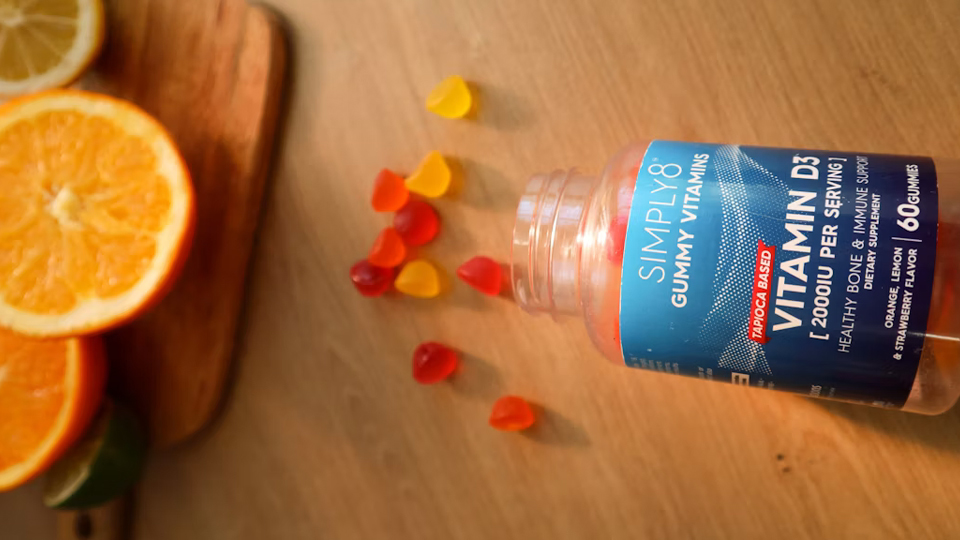
Pendeknya, permen karet cocok untuk mereka yang membutuhkan bentuk suplemen yang enak. Obat-obatan tersebut harus dipilih ketika kenyamanan dan kepatuhan melebihi kebutuhan akan dosis yang sangat tinggi.
Dari sudut pandang produksi, permen karet dan pil menghadirkan tantangan yang berbeda:
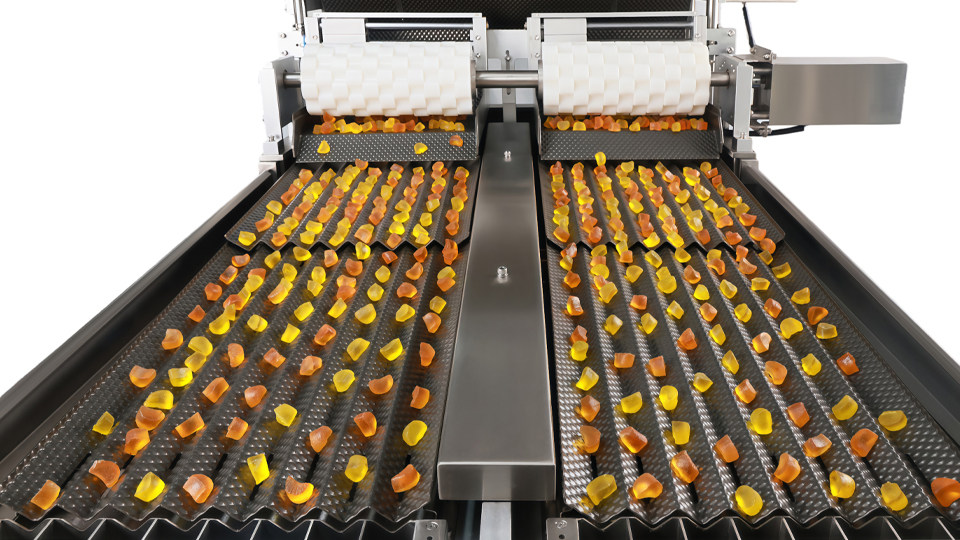
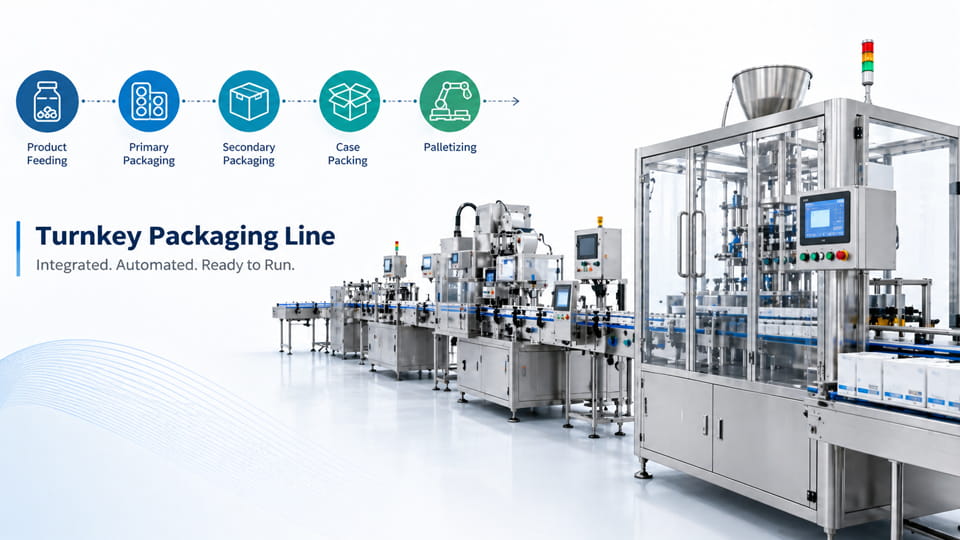
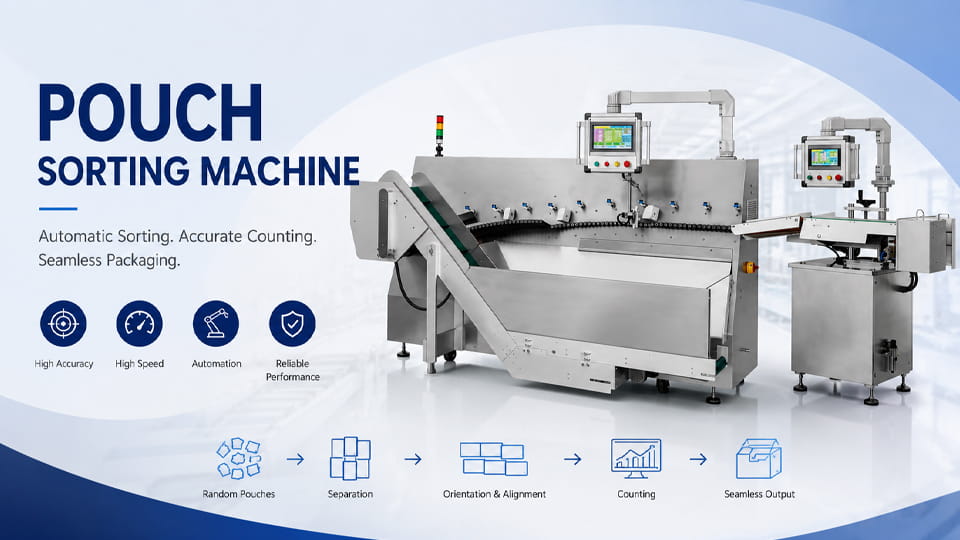
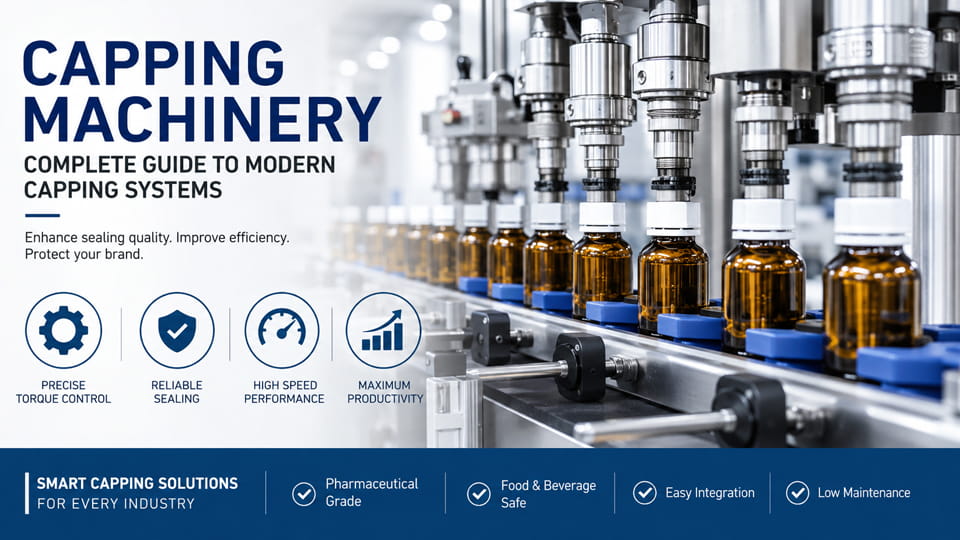
Angka: Mesin penghitung bergetah memisahkan dan menghitung potongan pada rol yang bergetar (gambar: Pengepakan Jinlu). Integrasi adalah kuncinya. Catatan Jinlu asli, penghitung bergetah modern adalah “integrasi siap” – mereka dihubungkan dengan pengurai botol di bagian hulu dan penutup di bagian hilir, sealer induksi, dan pelabel. Dalam praktiknya, jalur pengemasan bergetah yang sepenuhnya otomatis memindahkan botol dari pengurai ke pengisian (perhitungan) untuk memberi dosis (pengering) untuk membatasi dan memberi label tanpa intervensi manual. Untuk pil, garis analog ada: penghitung tablet mengisi botol, lalu seorang capper mengencangkan tutupnya, penyegel foil dapat menggunakan segel, dan pelabelan menyelesaikan prosesnya.
Peralatan Terkait (Contoh Jinlu):
Setiap peralatan dapat ditautkan di situs Jinlu untuk info lebih lanjut. Alat-alat ini membantu produsen meningkatkan skala produksi dalam format apa pun.
Tidak ada satu format vitamin “terbaik” yang cocok untuk semua orang. permen karet menang dalam hal rasa, kenyamanan dan kepatuhan bagi banyak demografi, tapi mengorbankan potensi dan stabilitas penyimpanan. pil memberikan nutrisi maksimal, umur simpan yang lebih lama dan ketepatan dosis, tetapi bisa jadi lebih sulit untuk diterima dan kurang menyenangkan. Produsen harus mempertimbangkan target pelanggannya: jika rasa dan kenyamanan adalah rajanya (misalnya. untuk permen karet atau vitamin anak-anak), format bergetah tetap masuk akal meskipun ada tantangannya. Jika diperlukan dosis tinggi atau peraturan yang ketat, tablet/kapsul tetap menjadi pekerja keras.
Peralatan pengemasan menjembatani kesenjangan tersebut: penghitungan otomatis, jalur pengisian dan penyegelan memastikan format mana pun dapat diproduksi dalam skala besar. Jangkauan Jinlu—dari penghitung bergetah dan jalur botol ke mesin press tablet dan mesin melepuh—mengilustrasikan bagaimana pabrik suplemen modern dapat beradaptasi dengan pasar mana pun. Dengan memahami kelebihan dan kekurangan setiap format (Vitamin Gummies vs Pil), pembeli industri dapat memilih produk dan peralatan yang tepat untuk kebutuhan pelanggan mereka.
Permen karet vitamin belum tentu lebih baik daripada pil, tetapi seringkali lebih mudah dan menyenangkan untuk dilakukan. Permen karet dapat meningkatkan kepatuhan terhadap suplemen karena orang cenderung meminumnya secara konsisten. pil, di sisi lain, biasanya menawarkan stabilitas nutrisi yang lebih baik, umur simpan lebih lama, dan kapasitas dosis yang lebih tinggi.
Beberapa vitamin bergetah mungkin lebih cepat larut dan masuk ke sistem pencernaan lebih cepat, terutama nutrisi tertentu seperti Vitamin D atau B12. Namun, dalam banyak kasus, perbedaan penyerapan keseluruhan antara permen karet dan pil relatif kecil jika produk diproduksi dengan benar.
Vitamin bergetah menjadi populer karena rasanya yang lebih enak, lebih mudah dikonsumsi, dan mengurangi “kelelahan pil”. Banyak konsumen lebih memilih permen karet karena lebih terasa seperti camilan dibandingkan suplemen tradisional. Tren kesehatan di media sosial dan produk nutrisi yang dipersonalisasi juga telah mempercepat permintaan pasar.
Ya. Vitamin bergetah berkualitas tinggi bisa efektif untuk orang dewasa jika mengandung dosis nutrisi yang tepat dan disimpan dengan benar. Banyak orang dewasa memilih suplemen bergetah untuk kenyamanan dan meningkatkan konsistensi harian.
Kebanyakan vitamin bergetah mengandung beberapa bentuk pemanis, seperti gula, sirup glukosa, atau konsentrat buah alami. Namun, banyak produsen sekarang menawarkan vitamin bergetah bebas gula untuk memenuhi permintaan konsumen yang berlabel bersih dan sadar kesehatan.
Vitamin bergetah mungkin ada:
• Umur simpan lebih pendek
• Stabilitas nutrisi yang lebih rendah
• Terbatasnya kemampuan formulasi dosis tinggi
• Sensitivitas yang lebih tinggi terhadap panas dan kelembapan
• Tambahan gula atau bahan penyedap rasa
Faktor-faktor ini dapat menciptakan tantangan tambahan dalam proses produksi dan pengemasan.
Pil vitamin seringkali lebih baik:
• Pengguna suplemen dosis tinggi
• Program nutrisi profesional
• Aplikasi nutrisi olahraga
• Konsumen yang sadar akan gula
• Persyaratan penyimpanan jangka panjang
Tablet dan kapsul juga memberikan kontrol dosis yang lebih akurat bagi produsen farmasi.
Ya. Produksi suplemen bergetah umumnya lebih kompleks dibandingkan pembuatan tablet tradisional. Permen karet memerlukan kontrol kelembapan yang ketat, manajemen suhu, sistem penyetoran yang akurat, terowongan pendingin, dan peralatan pengemasan khusus untuk mencegah lengket atau berubah bentuk.
Peralatan pengemasan vitamin bergetah yang umum meliputi:
• Mesin hitung bergetah
• Jalur pengisian botol
• Sisipan pengering
• Mesin penutup
• Sistem pelabelan
• Mesin penyegel induksi
Pengemasan yang tepat sangat penting karena produk bergetah sensitif terhadap kelembapan dan panas.
Gummies biasanya membutuhkan jalur khusus: mesin penghitung bergetah (memisahkan bagian-bagian yang lengket) diikuti dengan penyisipan pengering, pembatasan dan pelabelan. Pil dapat melalui penghitung pil standar dan mesin pembotolan atau mesin melepuh dengan lebih sedikit kebutuhan akan kontrol kelembapan. Jinlu menawarkan jalur terintegrasi untuk kedua tipe.
Referensi:
1.Apakah Vitamin Gummy Bekerja? Manfaat dan Kerugiannya —— Jalur Kesehatan
2.Apakah Vitamin Gummy Bekerja Sama Seperti Vitamin Tradisional? —— Klinik Cleveland
3.Vitamin bergetah vs pil. Apakah itu penting?? —— Reddit
4.Suplemen makanan: Nilai yang meragukan, bahaya tersembunyi —— Penerbitan Kesehatan Harvard