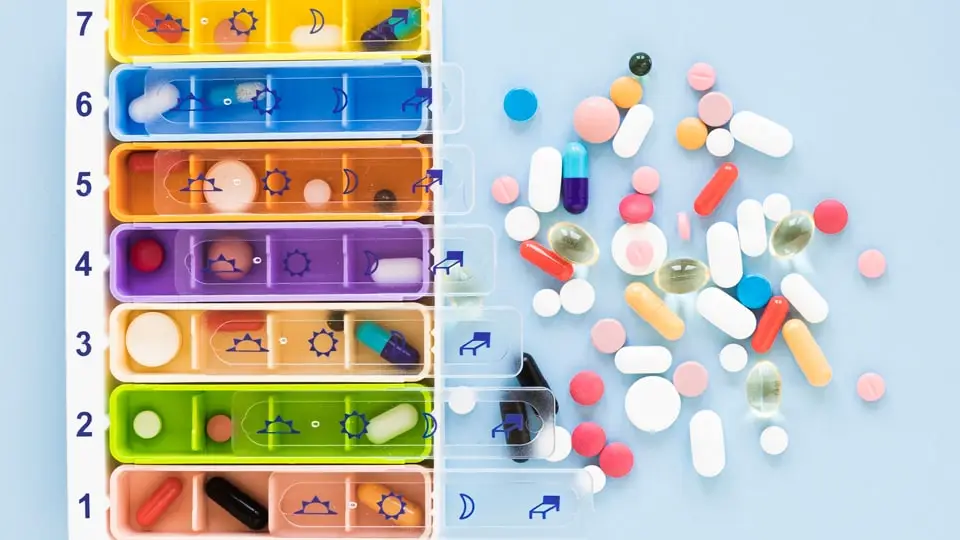
Penghitungan yang akurat adalah kritis dalam kemasan farmasi. Jika botol mengatakan 100 pil, dia harus punya persisnya 100 – kesalahan dapat menyebabkan penarikan produk, tindakan FDA, atau lebih buruk lagi: membahayakan pasien. Praktik Manufaktur yang Baik (GMP) dan peraturan (misalnya. Bagian FDA 21CFR 11 pada catatan elektronik) ketertelusuran permintaan dan tingkat kesalahan mendekati nol. Otomatis penghitung tablet/kapsul memecahkan masalah kesalahan manusia: mereka dengan cepat hitung ribuan pil per jam dengan sub-0.1% tingkat kesalahan. Penggunaan counter tradisional fotolistrik (sinar cahaya) sensor, teknologi yang matang sejak tahun 1980an. Baru-baru ini, Penghitung visi yang digerakkan oleh AI (dengan kamera dan analisis gambar) telah muncul sebagai alternatif kelas atas. Setiap pendekatan memiliki trade-off dalam hal kecepatan, ketepatan, biaya, dan kepatuhan. Kami akan membandingkan prinsip kerja mereka, pro/kontra, kasus penggunaan yang ideal, dan implikasi peraturan untuk membantu manajer operasi farmasi memilih solusi penghitungan terbaik.

A fotolistrik (DAN) menangkal menggunakan sensor sinar cahaya sederhana untuk mendeteksi pil. Dalam praktiknya, pil dimasukkan melalui satu atau lebih jalur getar ke dalam saluran sempit. A pancaran sinar infra merah melintasi jalan. Ketika sebuah pil jatuh, dia blok (menyela) balok, menghasilkan pulsa yang didaftarkan sensor sebagai satu hitungan. Anggap saja seperti a tripwire berkecepatan tinggi – pecahkan baloknya, mendaftarkan pil. Penghitung ini seringkali multi-saluran (8, 12, 16 jalur, dll.) untuk throughput tinggi.
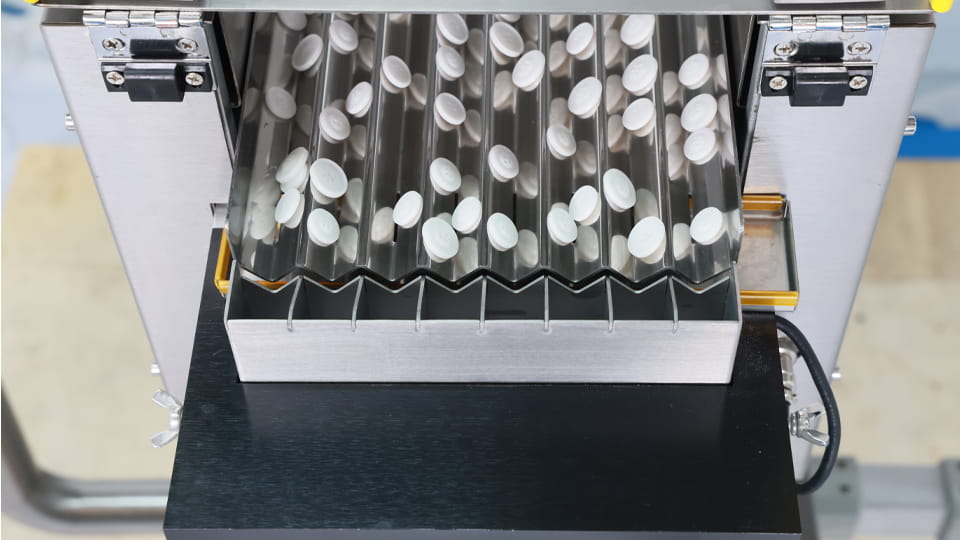
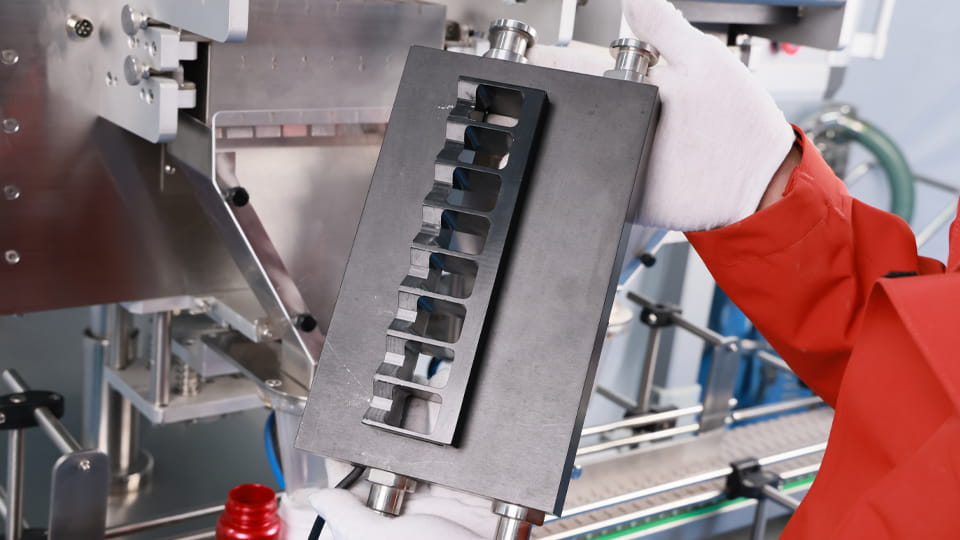
Terlepas dari kekuatan mereka, penghitung fotolistrik miliki kelemahan yang melekat di lingkungan farmasi dunia nyata:
Dalam ringkasan, penghitung fotolistrik (kadang-kadang dipanggil penghitung elektronik atau optik) adalah yang luar biasa solusi pekerja keras untuk banyak jalur konvensional, terutama ketika jenis produk seragam dan anggaran terbatas. Mereka hemat biaya dan mudah, tetapi memerlukan pil yang disortir dengan baik dan lingkungan yang bersih untuk menghindari kesalahan penghitungan.
A penglihatan (berbasis kamera) menangkal menggunakan pencitraan berkecepatan tinggi plus perangkat lunak untuk lihat dan hitung setiap pil. Alih-alih seberkas cahaya, mesin ini memiliki satu atau lebih kamera industri yang ditempatkan di atas saluran musim gugur. Kamera-kamera ini menangkap video pil secara terus-menerus saat dimasukkan ke dalam botol. Di belakang layar, sistem AI/visi komputer menganalisis setiap frame, mengidentifikasi bentuknya, ukuran, warna, dan fitur lain dari setiap tablet atau kapsul.
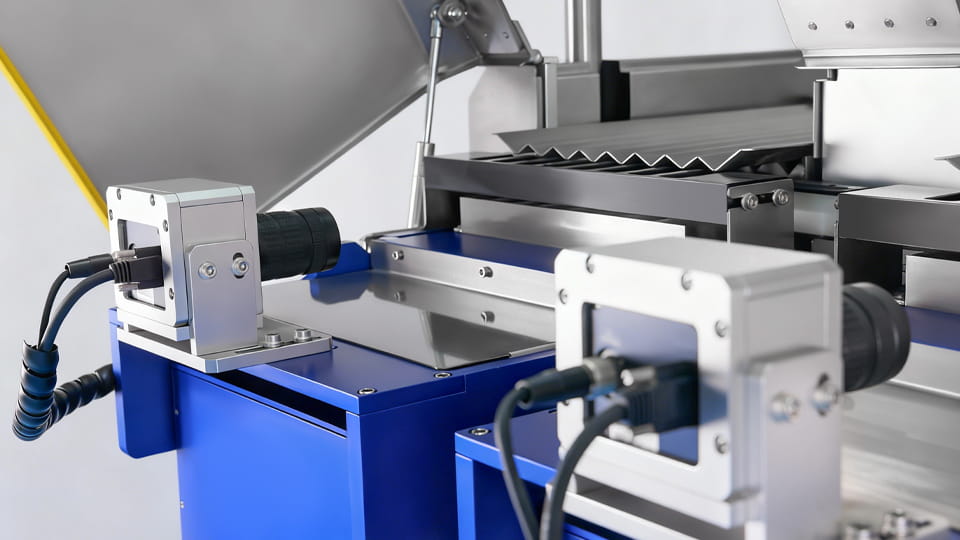
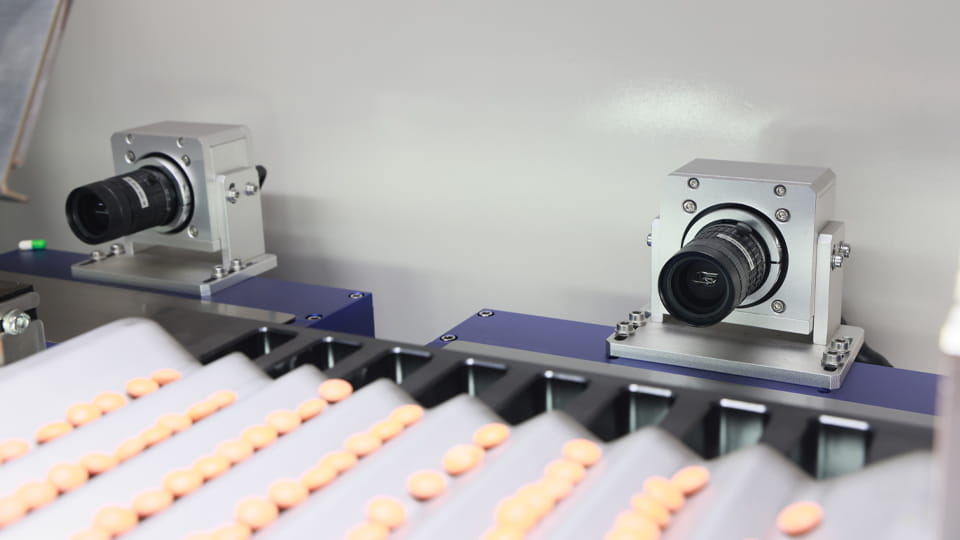
Dibandingkan dengan fotolistrik, penghitungan penglihatan seperti beralih dari sensor buta ke kamera berkecepatan tinggi yang “mengetahui” seperti apa bentuk pil yang bagus. Ini adalah lompatan teknologi yang besar.
[jl_youtube src=”https://www.youtube.com/embed/2x_DyT_SkGU”]
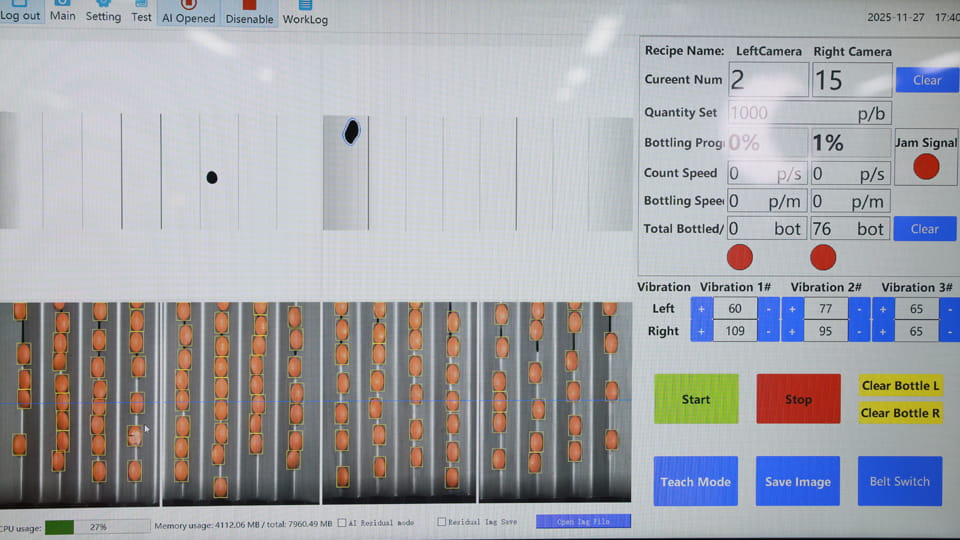
Dalam ringkasan, mesin penghitung berbasis penglihatan menawarkan a diisi ulang solusi penghitungan: mereka menghitung pil dan sekaligus memeriksanya, memberikan jaminan digital bahwa setiap botol benar. Imbalannya adalah biaya dan kompleksitas pengaturan. Untuk bernilai tinggi, berkecepatan tinggi, atau lini produk yang kompleks (misalnya. mengekspor ke pasar yang ketat), akurasi ekstra dan ketertelusuran sering kali membenarkan investasi tersebut.
| Fitur | Penghitung Fotolistrik | Penghitung Visi |
| Prinsip Menghitung | Gangguan IR/pancaran cahaya | Pencitraan berkecepatan tinggi + Analisis gambar AI |
| Ketepatan | Hingga ~99,9% (jika pil diisolasi dengan sempurna) | Hingga ~99,99% (bahkan dengan tumpang tindih) |
| Jenis Produk (Ideal) | Buram, tablet/kapsul yang seragam | Transparan, softgel, produk tidak beraturan atau dilapisi |
| Pil yang Tumpang Tindih | Tidak dapat membedakan (menghitung pil yang tumpang tindih sebagai satu) | Algoritma membagi blob – menghitung masing-masing blob secara terpisah |
| Pemeriksaan Permukaan/Kualitas | Tidak ada inspeksi (hanya menghitung kehadiran) | Periksa setiap pil untuk mengetahui adanya cacat, warna, tanda |
| Lingkungan Debu | Toleransi lebih rendah (debu pada lensa = jumlah yang salah) | Toleransi tinggi (pengurangan latar belakang menyaring kotoran statis) |
| Ketertelusuran Data | Log dasar (jumlah batch, mungkin alarm sederhana) | Jejak audit terperinci (gambar yang diberi cap waktu, mengubah log) |
| Dukungan Regulasi | Memenuhi akurasi pengisian (CGMP) | Mendukung 21 CFR 11 kepatuhan terhadap catatan digital |
| Kecepatan/Throughput | Sangat tinggi (respons mikrodetik, ribuan hitungan/menit) | Sangat tinggi (bingkai kamera menutupi banyak pil, multi-jalur untuk skala) |
| Pengaturan & Kompleksitas | Kalibrasi sederhana (sesuaikan sensitivitas) | Kompleks (pengaturan pencahayaan, penyetelan perangkat lunak per SKU) |
| Biaya Awal | Lebih rendah (teknologi matang, komponen yang lebih murah) | Lebih tinggi (kamera, perangkat keras komputasi, lisensi perangkat lunak) |
| ROI Jangka Panjang | ROI yang stabil untuk jalur sederhana | ROI melalui lebih sedikit kesalahan, ingat, dan manfaat kepatuhan |
Data dikumpulkan dari sumber industri dan literatur produsen.
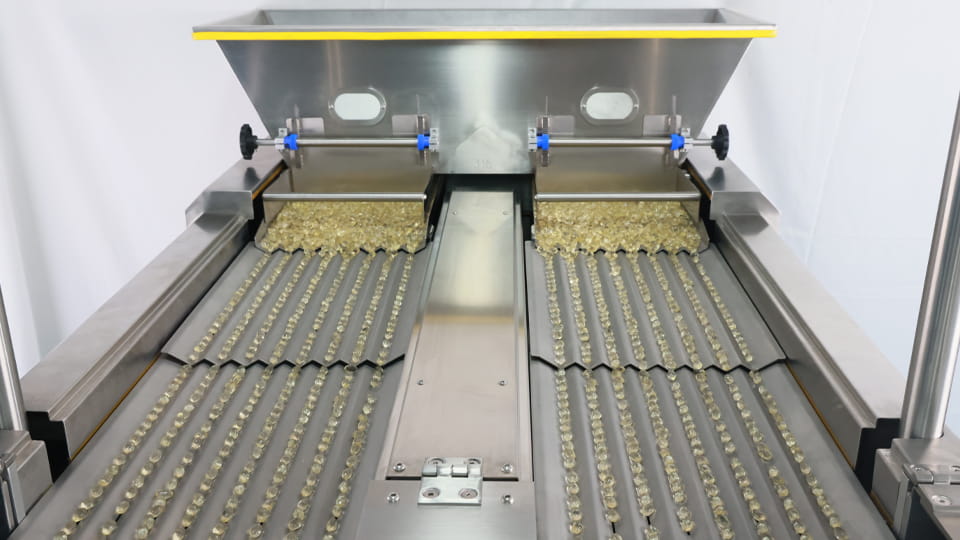
Penghitung penglihatan bersinar saat menghitung produk yang menantang yang mengalahkan sensor sinar cahaya sederhana. Ini termasuk:
Pendeknya, penghitung penglihatan ideal untuk kapsul dan tablet non-standar: tembus cahaya, multi-bentuk, atau produk premium. Jika operasi Anda ditangani dengan jelas softgel, dua lapisan., atau sering berganti resep, sistem penglihatan canggih memastikan setiap item dihitung dan diperiksa dengan benar.
Penghitung fotolistrik tetap ada sangat efektif untuk kasus-kasus sederhana:
Dalam ringkasan, gunakan penghitungan fotolistrik saat produk berada seragam, buram, dan lingkungan terkendali, atau ketika biaya awal menjadi perhatian besar. Obat ini tetap menjadi “pekerja keras” yang hemat biaya di antara banyak lini produk farmasi.
Konter farmasi harus sejajar dengan CGMP persyaratan (21 CFR 210/211) dan semakin banyak dengan 21 Bagian CFR 11 (jika catatan elektronik disimpan). Faktor penting termasuk akurasi penghitungan, kebersihan, dan integritas data.
Dalam praktiknya, setiap mesin hitung di bidang farmasi harus dilengkapi dengan sertifikat cGMP (ISO, Ce, dll.) dan dokumentasi yang baik (log pemeliharaan, Sops). Pilih sebuah sistem (fotolistrik atau penglihatan) yang terintegrasi dengan Catatan Batch Elektronik Anda (EBR) atau Sistem Eksekusi Manufaktur (MES). Penghitung visi secara lebih alami memungkinkan integrasi digital penuh, membuat audit lebih sederhana dan mengurangi rawan kesalahan.
Investasi Awal: Penghitung fotolistrik jauh lebih murah di muka. Seperti disebutkan sebelumnya, penghitung IR yang matang menggunakan optik dan elektronik sederhana. Sebaliknya, sistem penglihatan mungkin memerlukan optik khusus, beberapa kamera, dan prosesor AI (sering berjalan pada chip NVIDIA atau sejenisnya). Satu penghitung IR 8 jalur mungkin berharga lima digit hingga menengah, sedangkan mesin vision 8 jalur kelas atas bisa berharga puluhan ribu dolar atau lebih.
Biaya Operasional: Sistem fotolistrik memiliki biaya perawatan yang rendah (sesekali bersihkan sensor, ganti LED IR). Sistem visi memiliki lebih banyak bagian (kamera, komputer) tetapi banyak yang dirancang untuk masa pakai jangka panjang dan memiliki unit modular yang dapat diganti. Kedua jenis ini mendapat manfaat dari unit pengumpul debu dan memerlukan suku cadang (peluncuran botol, tabung, dll.).
Risiko Penarikan Produk: Di bidang farmasi, itu biaya kesalahan dapat mengerdilkan biaya peralatan. Satu botol yang salah hitung dalam satu batch dapat memicu penarikan kembali yang mengakibatkan hilangnya penjualan dan kerusakan merek sebesar jutaan dolar. Sistem visi secara dramatis mengurangi risiko ini dengan menghindari pengisian yang kurang/lebih yang tidak terdeteksi. Mereka juga meminum pil yang tidak sesuai spesifikasi (menghindari insiden kualitas). Selama bertahun-tahun, menghindari penarikan kembali dan denda kepatuhan dapat membenarkan biaya modal vision yang lebih tinggi.
Penghematan Tenaga Kerja: Sistem penglihatan yang sepenuhnya otomatis mengurangi kebutuhan pemeriksaan manual dan pengerjaan ulang pasca-pengemasan. Satu operator dapat mengawasi jalur penghitungan penglihatan yang besar dibandingkan dengan beberapa staf yang memeriksa botol secara manual. Pengurangan tenaga kerja ini merupakan ROI yang tersembunyi.
ROI Jangka Panjang: Untuk lini produk yang konsisten, mesin fotolistrik mungkin akan membuahkan hasil dengan cepat (ROI yang dapat diprediksi). Untuk lini yang beragam atau berkualitas tinggi, ROI Vision berasal dari peningkatan kualitas. Secara statistik, mendorong akurasi dari 99.90% ke 99.99% (satu lagi “9”) cara 90% lebih sedikit kesalahan. Hal ini berarti lebih sedikitnya penolakan atau penarikan kembali pada ribuan botol.
Ringkasan Biaya: Penghitung fotolistrik unggul dalam hal biaya awal yang rendah dan kesederhanaan. Penghitung visi lebih mahal di muka, tetapi mereka menambah kemampuan (inspeksi, ketertelusuran) yang seringkali menghemat biaya nantinya. Seperti yang diungkapkan oleh seorang ahli, sistem fotolistrik menawarkan “titik masuk berisiko rendah dengan ROI yang dapat diprediksi” untuk pengoperasian standar. Sementara itu, sistem visi memberikan “kecerdasan berkualitas” yang dapat meningkatkan pendapatan dengan melindungi merek.
Catatan: Jika anggaran terbatas, pertimbangkan untuk memulai dengan mesin fotolistrik dan merencanakan jalur peningkatan. Misalnya, Jinlu Mesin Hitung Tablet JL-8C adalah penghitung IR 8 jalur yang ekonomis (99.8%+ ketepatan) cocok untuk banyak lini kapsul/tablet. Untuk kebutuhan tingkat yang lebih tinggi, Jinlu Mesin Penghitung Visi CCD JL-8Pro penawaran >99.99% akurasi dengan inspeksi visual penuh. (Lihat “Cara Memilih” di bawah.)

Memilih teknologi penghitungan yang tepat bermuara pada mencocokkan Anda campuran produk, anggaran, dan sasaran kualitas. Berikut panduan keputusan sederhana:
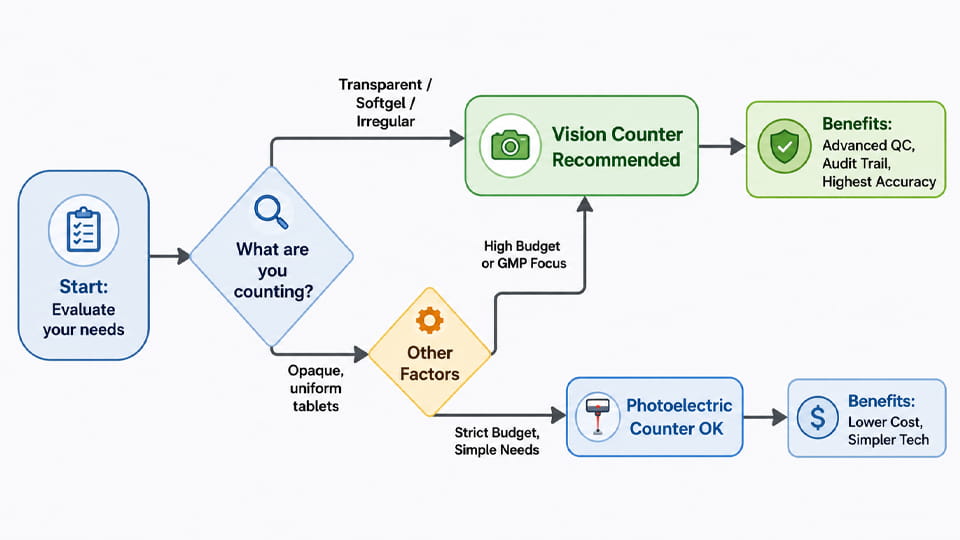
Dalam praktiknya, banyak lini farmasi modern bergerak menuju penghitung penglihatan, terutama di pasar negara maju. Jika kualitas “tanpa cacat” adalah tujuan Anda, biaya di muka untuk mendapatkan penglihatan semakin dipandang sepadan. Namun, mesin penghitung fotolistrik tetap menjadi pilihan yang masuk akal untuk aplikasi standar yang mengutamakan efisiensi biaya.
Intinya: Tradisional penghitung fotolistrik tetap hemat biaya, pilihan yang dapat diandalkan untuk yang sederhana, jalur throughput tinggi dengan pil seragam dalam kondisi bersih. Penghitung penglihatan, Namun, dengan cepat menjadi mutakhir solusi untuk kemasan farmasi. Harganya lebih mahal di muka tetapi memberikan akurasi yang tak tertandingi, inspeksi, dan fitur kepatuhan – kunci untuk produk yang kompleks atau bernilai tinggi. Ketika peraturan diperketat dan kualitas “tanpa cacat” menjadi hal yang biasa, banyak pabrik farmasi yang meningkatkan sistem penghitungan dan pemeriksaan berbasis penglihatan.
Apa pun teknologi yang Anda pilih, Jinlu Packing menawarkan keduanya: mulai dari penghitung IR 8 jalur yang kokoh hingga penghitung penglihatan AI yang canggih. Pakar kami dapat membantu Anda memilih peralatan yang tepat untuk tablet Anda, kapsul atau garis bergetah. Hubungi kami untuk mendiskusikan solusi penghitungan khusus yang memastikan setiap botol terisi dengan benar, secara efisien, dan sepenuhnya mematuhi standar farmasi.
Penghitung fotolistrik menghitung tablet atau kapsul dengan mendeteksi gangguan pada berkas cahaya saat produk melewati saluran penghitungan. Penghitung penglihatan menggunakan kamera industri dan perangkat lunak pengolah gambar untuk mengidentifikasi dan menghitung setiap produk berdasarkan bentuknya, ukuran, dan karakteristik visual.
Perbedaan utamanya adalah sistem visi dapat melakukan penghitungan dan inspeksi secara bersamaan, sedangkan sistem fotolistrik fokus utamanya pada penghitungan.
Dalam sebagian besar aplikasi farmasi, teknologi penghitungan penglihatan menawarkan akurasi yang lebih tinggi, terutama saat menangani kapsul transparan, softgel, tablet tidak teratur, atau produk yang mungkin tumpang tindih selama penghitungan.
Karena sistem penglihatan menganalisis gambar daripada hanya mengandalkan interupsi sinar, mereka dapat membedakan produk satu per satu dengan lebih baik dan mengurangi kesalahan penghitungan.
Penghitung fotolistrik mungkin mengalami kesulitan saat menghitung kapsul gel lunak transparan atau semi transparan karena cahaya dapat menembus atau membias di sekitar produk.
Sistem penghitungan penglihatan umumnya lebih cocok untuk aplikasi softgel karena sistem ini mengenali profil visual produk dibandingkan bergantung pada penyumbatan cahaya.
Ya. Mesin penghitung penglihatan modern dapat dirancang untuk mendukung persyaratan GMP dengan menyediakan catatan elektronik, ketertelusuran batch, jalur audit, dan fungsi pemeriksaan kualitas.
Banyak produsen farmasi memilih sistem visi karena sistem ini membantu mendukung integritas data dan inisiatif kepatuhan terhadap peraturan.
Ya. Salah satu keuntungan terbesar dari teknologi penghitungan berbasis visi adalah kemampuannya untuk memeriksa produk sambil menghitung.
Sistem canggih dapat mengidentifikasi tablet yang terkelupas, kapsul rusak, variasi warna, dan benda asing tertentu, membantu meningkatkan kualitas produk dan mengurangi risiko produk cacat sampai ke pasar.
Meskipun biaya pembelian awal biasanya lebih tinggi, banyak produsen farmasi menemukan bahwa sistem penglihatan memberikan laba atas investasi jangka panjang yang kuat.
Manfaatnya mungkin termasuk peningkatan akurasi penghitungan, lebih sedikit penarikan produk, mengurangi pemeriksaan manual, tingkat penolakan yang lebih rendah, dan meningkatkan kemampuan kepatuhan.
Mesin penghitung fotolistrik seringkali merupakan pilihan yang baik:
• Produk berupa tablet standar atau kapsul keras
• Persyaratan produksi relatif mudah
• Anggaran adalah perhatian utama
• Transparansi produk tidak menjadi masalah
• Tidak diperlukan fungsi inspeksi tambahan
Untuk banyak produk farmasi generik, penghitungan fotolistrik tetap menjadi solusi yang andal dan hemat biaya.
Ya. Sistem penghitungan penglihatan modern dirancang untuk lingkungan produksi farmasi berkecepatan tinggi dan dapat memproses tablet dan kapsul dalam jumlah besar dengan tetap menjaga akurasi penghitungan.
Banyak sistem menggabungkan kamera berkecepatan tinggi, pemrosesan gambar waktu nyata, dan mekanisme penolakan otomatis untuk mendukung pengoperasian berkelanjutan.
Sistem penghitungan penglihatan sangat bermanfaat:
• Kapsul gel lunak
• Kapsul transparan
• Tablet dua lapis
• Tablet effervescent
• Tablet berbentuk tidak beraturan
• Permen karet nutraceutical
• Produk farmasi bernilai tinggi
Produk-produk ini dapat menjadi tantangan bagi sistem penghitungan fotolistrik tradisional, menjadikan teknologi visi sebagai pilihan yang lebih disukai.
Pilihan terbaik bergantung pada karakteristik produk Anda, tujuan produksi, persyaratan kepatuhan, dan anggaran.
Pilih penghitung fotolistrik jika Anda memerlukan solusi hemat biaya untuk tablet dan kapsul standar. Pilih penghitung penglihatan jika Anda memerlukan akurasi yang lebih tinggi, kemampuan inspeksi produk, dukungan untuk bentuk sediaan kompleks, dan ketertelusuran data yang lebih kuat.
Untuk perusahaan farmasi yang merencanakan peningkatan otomatisasi jangka panjang, teknologi penghitungan penglihatan semakin menjadi solusi pilihan.
Referensi:
1.Sumber Daya Integritas Data untuk Manufaktur Farmasi — Asosiasi Obat Parenteral
2.TRS 986 – Mencaplok 2: Praktik manufaktur yang baik dari WHO untuk produk farmasi: Prinsip utama — SIAPA
3.Memastikan Jumlah Tablet yang Benar — farmasi.com
4.Pendekatan Penghitungan Objek berbasis Pemrosesan Gambar untuk Aplikasi Machine Vision – arxiv.org