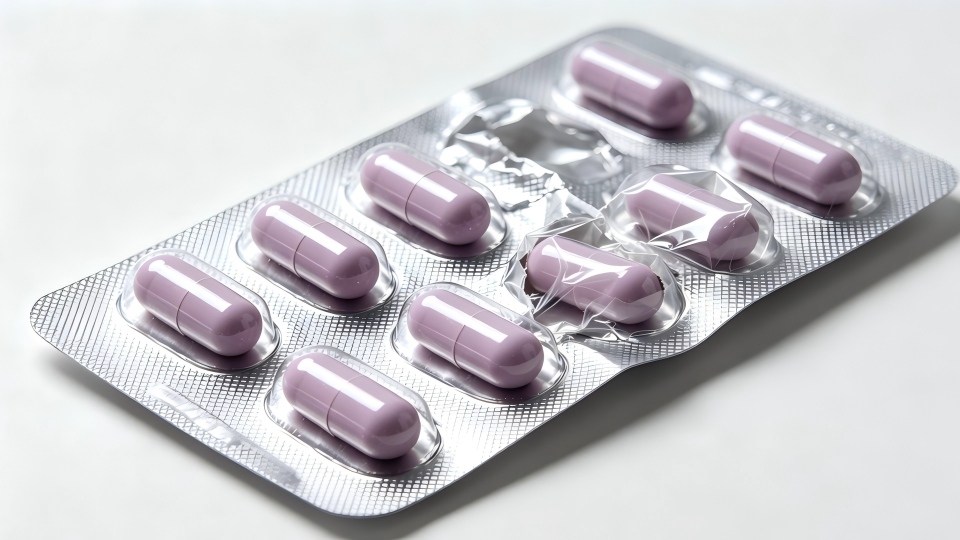

Memilih yang benar mesin pengepakan melepuh adalah keputusan penting bagi produsen farmasi. Tablet dan kapsul berbeda ukurannya, membentuk, dan sensitivitas, yang artinya mesin yang mengemasnya juga pasti berbeda. Panduan ini menjelaskan perbedaan utama antara mesin melepuh tablet dan mesin melepuh kapsul, mencakup segala hal mulai dari geometri rongga dan pengumpan hingga kecepatan produksi dan kepatuhan terhadap peraturan. Kami membandingkan sistem thermoforming vs cold-forming dan flat-plate vs rotary, menguraikan faktor-faktor utama yang perlu dipertimbangkan, dan tunjukkan kesalahan umum dalam memilih mesin yang salah. Pada akhirnya, Anda akan memahami dengan tepat apa yang harus dicari—apakah Anda memerlukan produk tablet yang diberi sikat atau produk kapsul yang sepenuhnya otomatis dengan pengumpan orientasi—sehingga Anda dapat membuat keputusan pembelian yang tepat.
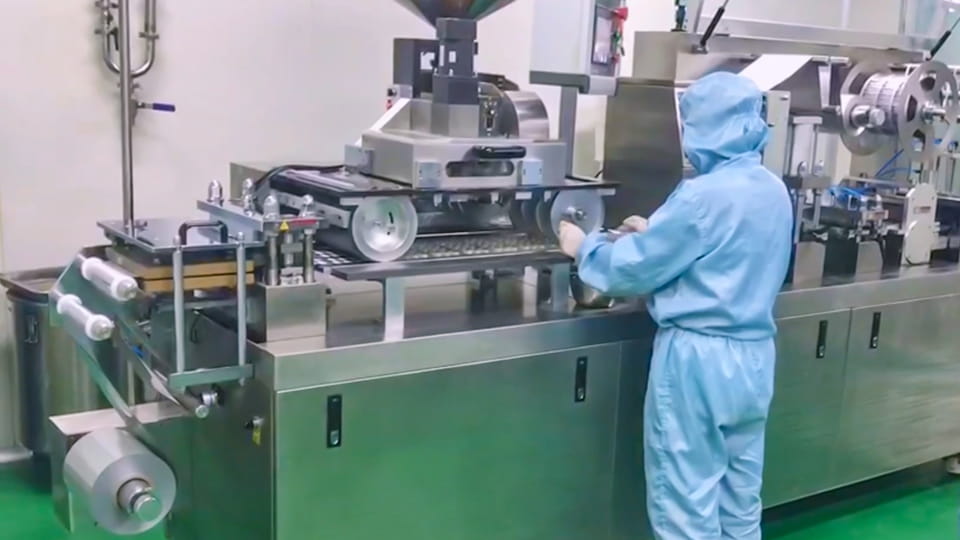
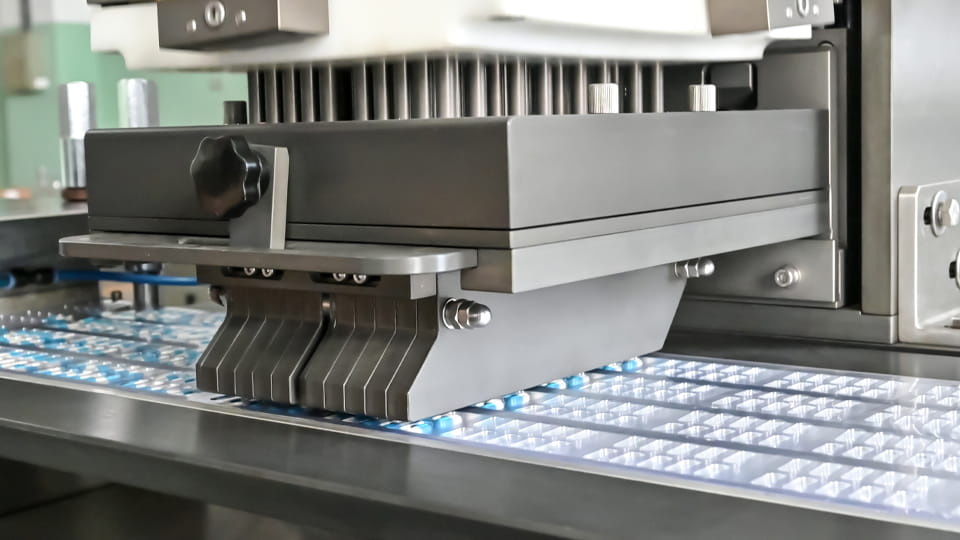
Angka: Jalur pengemasan lepuh tablet/kapsul modern di ruang bersih GMP. Mesin Blister mengotomatiskan pembentukan, isian, penyegelan, dan pemotongan film PVC atau aluminium untuk membuat kemasan dosis satuan.
Mesin pengemas Blister adalah peralatan khusus yang membentuk rongga tersendiri (lepuh) dari film plastik atau aluminium, isi dengan produk, lalu tutup dengan kertas timah. Mereka melakukan empat langkah inti—pembentukan, isian, penyegelan, dan memotong—Untuk menghasilkan rapi, paket anti rusak. Mesin-mesin ini ada di mana-mana di bidang farmasi: Anda akan menemukannya mengemas tablet, kapsul, atau bahkan rokok elektrik dan barang habis pakai berukuran kecil. Mesin pengepakan blister berkualitas tinggi memastikan keamanan produk dan umur simpan dengan menyegel setiap unit secara tepat, sambil mematuhi standar GMP/FDA yang ketat.
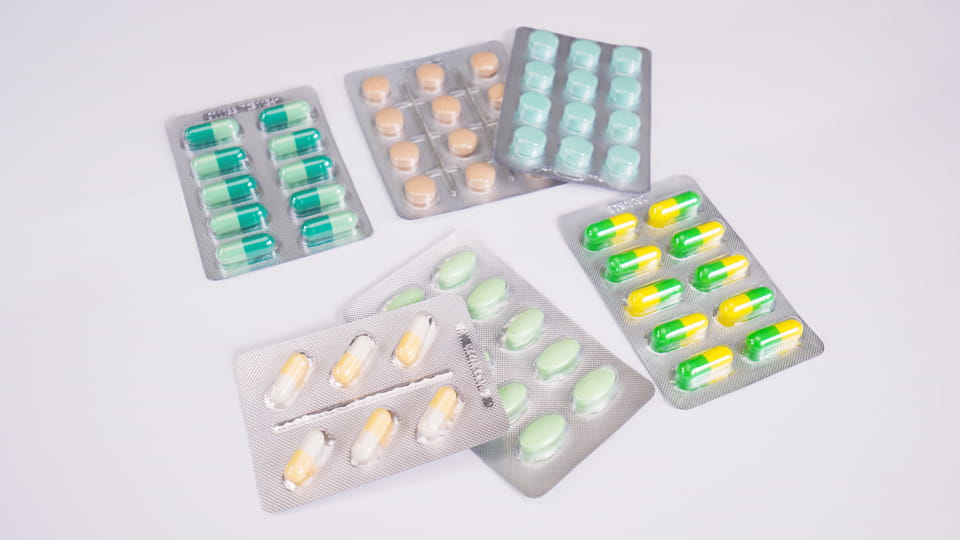
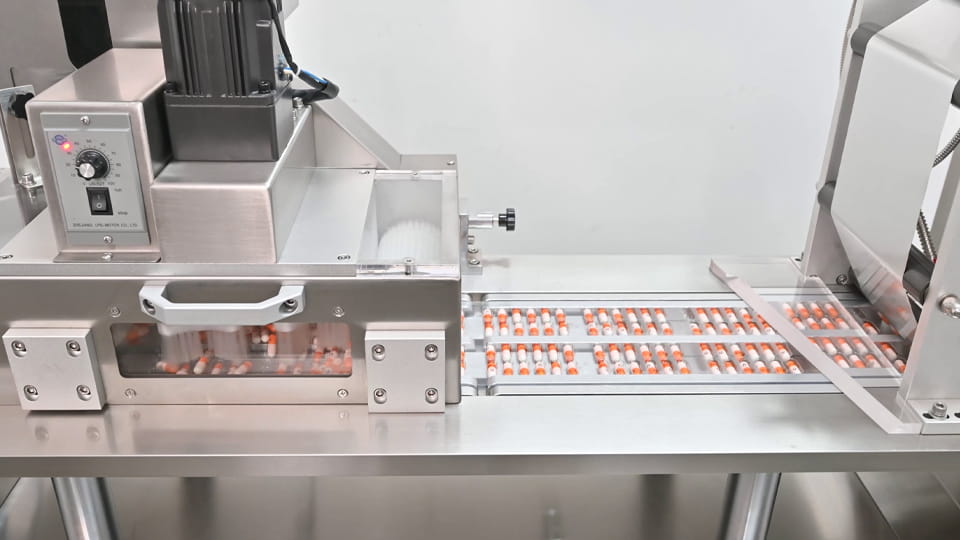
Garis lepuh tablet dan kapsul memiliki arsitektur dasar yang sama, tapi detailnya berbeda. Saku (rongga) Geometri untuk tablet bundar sangat berbeda dengan tablet panjang, kapsul dua potong, dan sistem pemberian makan/orientasi harus sesuai. Misalnya, tablet bulat standar 10mm hanya membutuhkan yang dangkal, saku melingkar, sementara a 0# (21.7 mm) kapsul gelatin keras membutuhkan yang dalam, rongga oval memanjang. Sebagai akibat, garis lepuh kapsul biasanya dilengkapi dengan “pengumpan orientasi” untuk menyusun kapsul dengan benar (kepala-ke-ekor) sebelum mereka memasuki stasiun pengisian bahan bakar. Kapsul bisa jatuh atau terbalik, jadi a pengumpan pemutar kapsul sering digunakan untuk membalik setiap kapsul ke posisi yang seragam. Sebaliknya, tablet lebih mudah untuk diberikan dengan a pengumpan sikat atau pelat getar, karena sebagian besar tablet berbentuk simetris dan dapat dimasukkan secara acak ke dalam kantong melingkar.
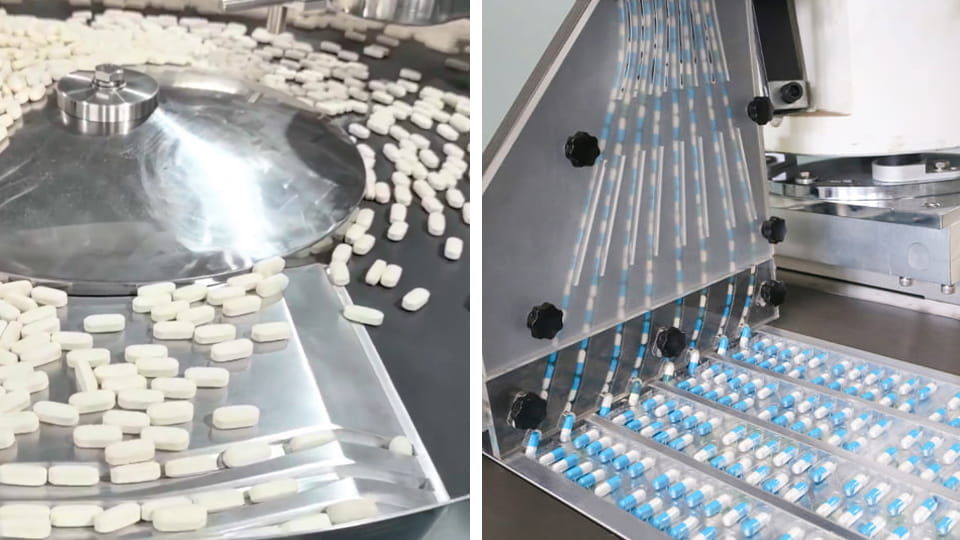
Angka: Garis melepuh untuk kapsul. rongga tablet (bundar) vs rongga kapsul (lonjong memanjang) menentukan desain pengumpan dan kondisi pembentukan yang berbeda.
A mesin pengepakan melepuh adalah peralatan farmasi yang mengotomatiskan pengemasan dosis satuan. Ini membentuk rongga (lepuh) dalam jaring plastik atau aluminium, mengisinya dengan produk, lalu tutup dengan foil atau alas kertas. Di bidang farmasi, film pembentuk biasanya PVC/PVDC atau aluminium (untuk bentuk dingin), dan penutupnya adalah aluminium foil. Urutan dasarnya adalah: pelepasan film → stasiun pembentukan → stasiun pengisian/pengumpanan → stasiun penyegelan → pelubangan/pemotongan.
[jl_youtube src=”https://www.youtube.com/embed/hC-yo-ToX6s”]
Proses ini menghasilkan kemasan melepuh yang tersegel anti rusak, higienis, dan mudah digunakan oleh pasien. Mesin pengepakan melepuh yang baik memastikan kualitas pembentukan dan penyegelan yang konsisten, sering kali mengintegrasikan sistem penglihatan untuk mendeteksi dan menolak kantong kosong atau unit yang salah diisi.
Meski sekilas lini tablet dan kapsul terlihat serupa, milik mereka perbedaan utama berarti Anda tidak bisa begitu saja menukar produk di mesin mana pun tanpa penyesuaian. Tiga perbedaan perangkat keras utama adalah: bentuk saku (geometri mati), pengumpan/orientasi, dan menolak logika.
Melakukan kesalahan dapat merusak produksi: bentuk kantong yang salah menyebabkan kegagalan segel atau lecet yang berubah bentuk, dan kesalahan pemberian makan menyebabkan kerusakan atau mengingat. Seperti yang dicatat oleh Jinlupacking, ”geometri perkakas, mekanisme pemberian makan, dan logika penolakan itulah yang menentukan apakah Anda mendapatkannya 98.5% efisiensi atau 84% efisiensi pada minggu pertama produksi”.
Untuk meringkas dalam referensi cepat, beginilah tipikalnya mesin melepuh tablet dibandingkan dengan a mesin melepuh kapsul:
| Fitur | Mesin Blister Tablet | Mesin Blister Kapsul |
| Bentuk Rongga | Oval melingkar atau dangkal (dasar datar) | Oval memanjang (penarikan lebih dalam) |
| Kedalaman Rongga Khas | ~4–8 mm | ~9–14mm |
| Bahan Pembentuk | PVC/PVDC atau PET (untuk thermoforming) | Seringkali PVC/PVDC atau aluminium (untuk thermoforming atau bentuk dingin) |
| Suhu Pembentukan | ~120–140 °C (PVC) | ~145–165 °C (PVC; atau tanpa pemanas untuk Alu-Alu bentuk dingin) |
| Sistem Pemberian Makan | Pengumpan sikat atau pelat getar (tidak berorientasi) | Pengumpan orientasi (saluran gravitasi, rel panduan, atau orbital) |
| Orientasi Produk | acak (tablet simetris) | Memperbaiki kepala-ke-ekor (kapsul harus menghadap ke arah yang sama) |
| Logika Visi/Tolak | Mendeteksi tablet kosong/rusak | Deteksi hilang, terbalik, atau kapsul muatan silang |
| Efisiensi Kecepatan | Biasanya lebih tinggi (pengisian yang lebih sederhana) | Sedikit lebih rendah (karena langkah orientasi) |
| Biaya Pergantian | Lebih rendah (cetakan datar sederhana) | Lebih tinggi (cetakan kompleks untuk bentuk kapsul) |
| Menangani Resiko | Rendah (tablet kuat) | Lebih tinggi (kapsul dapat dibelah atau ditutup terpisah) |
Kuncinya: Mesin tablet gunakan cetakan datar sederhana dan pengumpan standar, ketika mesin kapsul sering menambahkan saluran orientasi atau pengumpan berputar dan cetakan yang lebih dalam. Banyak mesin kelas atas (seperti model Jinlu) dibangun untuk menangani keduanya, tetapi memerlukan pergantian alat/cetakan yang tervalidasi dan terkadang peralihan pengumpan otomatis untuk melakukannya. Jika mesin itu benar-benar berfungsi ganda, sistem pengumpannya harus mendukung kedua mode tersebut (misalnya. rel pemandu yang dapat disesuaikan dan dapat dinonaktifkan untuk tablet).
Saat merencanakan lini pengemasan Anda, mempertimbangkan teknologi pembentuk (thermoforming vs pembentukan dingin) Dan gaya mesin (pelat datar vs putar):
Kapan Menggunakan Yang Mana: Memilih pembentukan termal jika produk Anda stabil terhadap kelembapan dan Anda memerlukan kecepatan dan visibilitas (misalnya. tablet yang dijual bebas, suplemen). Memilih bentuk dingin (Alu-Alu) jika obat Anda sensitif terhadap oksigen/kelembaban atau memerlukan umur simpan yang sangat lama. Beberapa jalur menggunakan pendekatan hibrida (film thermoform dengan penutup Alu atau lapisan PVDC) untuk menyeimbangkan biaya dan hambatan.
Mesin Blister juga hadir dalam dua format mekanis utama:
Yang mana yang harus dipilih? Jika Anda memproduksi banyak SKU berbeda atau membutuhkan deep draw (seperti Alu-Alu), A pelat datar mesin biasanya yang terbaik. Jika Anda menjalankan satu produk dalam jumlah yang sangat besar (misalnya. jutaan kemasan blister per bulan), A berputar mesin terbayar dalam throughput. Misalnya, Jinlu DPP-180Pro adalah model pelat datar (maks ~4.800 piring/jam) bagus untuk fleksibilitas, sedangkan Model putar DPH-270Max bisa mengenai 11,200 lecet/jam untuk keluaran massal berkecepatan tinggi.
| Fitur | Mesin Pelat Datar | Mesin Putar |
| Gaya Pembentukan | Berselang (pelat menekan setiap siklus) | Kontinu (drum berputar) |
| Maks. Kecepatan | Sedang (puluhan hingga ~100 pemotongan/menit) | Sangat tinggi (sering 180+ pemotongan/menit) |
| Terbaik untuk | Batch kecil/menengah; gambar yang dalam (Alu-Alu) paket | Paket Alu-PVC bervolume tinggi (produksi massal) |
| Biaya Cetakan | Lebih rendah (pelat datar lebih murah) | Lebih tinggi (cetakan silinder presisi) |
| Waktu Pergantian | Cepat (pertukaran cetakan lebih sederhana) | Lebih lambat (penyelarasan dan penggantian itu rumit) |
| Jejak per Keluaran | Lebih besar (beberapa mesin diperlukan untuk keluaran yang sama) | Lebih kompak (satu mesin sama dengan banyak pelat datar) |
Saat memilih jalur pengemasan melepuh, fokus pada tujuh faktor ini untuk memastikan kesesuaian terbaik dan menghindari kesalahan yang merugikan di kemudian hari:
Dengan mengevaluasi setiap faktor secara cermat, Anda akan menghindari jebakan umum: membeli mesin yang lebih murah yang sesuai dengan kebutuhan saat ini tetapi gagal memenuhi kebutuhan masa depan (Misalnya, kekurangan pengumpan untuk SKU kapsul baru atau memerlukan penggantian lengkap untuk kecepatan yang lebih tinggi).
Memilih mesin blister adalah suatu hal yang rumit, keputusan berisiko tinggi. Tim pengadaan sering melakukan kesalahan ini:
Dengan belajar dari kesalahan ini, Anda dapat memprioritaskan nilai dan kinerja jangka panjang daripada hanya mencentang kotak lembar spesifikasi.
Jika Anda Kebanyakan Memproduksi Tablet:
Jika Anda Kebanyakan Memproduksi Kapsul:
Jika Anda Melakukan Keduanya:
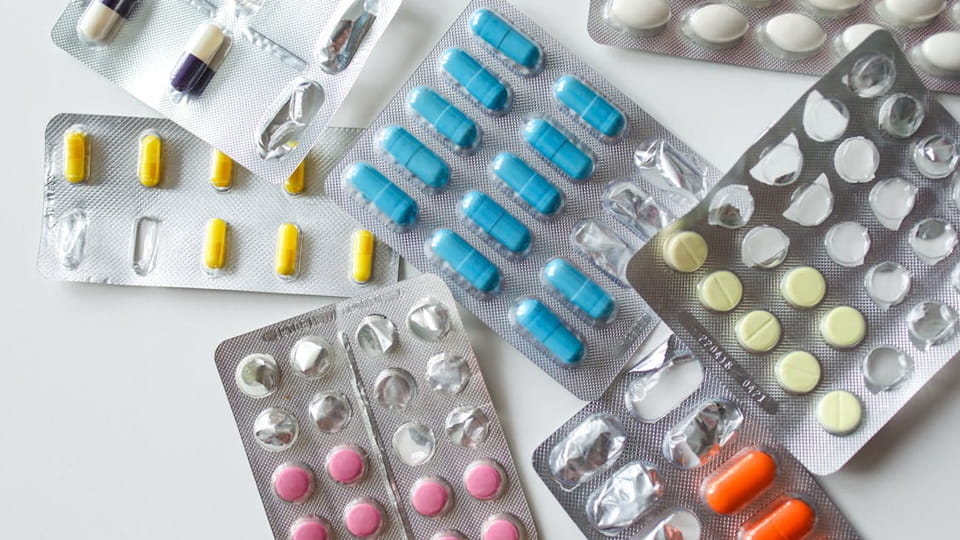
Tidak semua mesin pengepakan melepuh diciptakan sama. Anda menginginkan pemasok yang memahami kebutuhan farmasi dan menawarkan dukungan yang kuat. Pengepakan Jinlu, misalnya, highlight:
Memilih pabrikan yang memiliki reputasi baik hampir sama pentingnya dengan spesifikasi mesin. Carilah mereka yang menerbitkan dokumen validasi, menawarkan pelatihan, dan memiliki rekam jejak instalasi farmasi.
Memilih mesin pengepakan blister yang tepat merupakan keputusan yang strategis. Dengan mencocokkan secara cermat jenis mesin untuk Anda produk (tablet vs kapsul) Dan kebutuhan produksi, Anda dapat memaksimalkan efisiensi dan kualitas. Ingatlah untuk mempertimbangkan desain pengumpan, format mesin, kompatibilitas material, dan kepatuhan peraturan. Melewatkan detail ini dapat mengakibatkan downtime dan produk terbuang. Alih-alih, ikuti pendekatan daftar periksa pembeli: tentukan kebutuhan Anda, verifikasi setiap mesin terhadap mereka, dan libatkan pemasok yang Anda percayai (dengan jaminan dan dukungan yang kuat).
Memilih yang benar Mesin Pengepakan Blister bukan hanya soal peralatan — ini soal memastikan produksi yang stabil, kualitas produk, dan ROI jangka panjang. Jika Anda berencana meningkatkan lini pengemasan farmasi atau masih membandingkan opsi tablet vs kapsul, sekarang adalah waktu yang tepat untuk mengambil tindakan.
👉 Bicaralah dengan tim kami di Jinlu Packing hari ini
👉 Dapatkan solusi khusus berdasarkan produk dan kapasitas Anda
👉 Minta penawaran atau konsultasi teknis — tidak ada kewajiban
Kami akan membantu Anda mencocokkan mesin pengemas blister yang tepat dengan kebutuhan produksi Anda yang sebenarnya — bukan hanya spesifikasi di atas kertas.
Mungkin, tapi itu tergantung pada desain mesinnya. Mesin blister format ganda harus memiliki perkakas yang dapat diganti (set cetakan) dan sistem pemberian makan yang mampu memberi makan tablet secara acak dan memberi makan kapsul yang berorientasi. Dalam praktiknya, ini berarti biaya tambahan (perkakas cetakan khusus dan pengumpan orientasi kapsul). Jika produksi campuran sesekali, satu mesin dengan kit pergantian dapat berfungsi, tetapi untuk peralihan yang sering, mesin khusus mungkin lebih praktis.
Untuk obat yang sangat sensitif terhadap kelembaban atau cahaya, bentuk dingin (Alu-Alu) kemasan blister lebih disukai. Laminasi aluminium lengkap memberikan penghalang yang hampir kedap air, memperpanjang umur simpan. Perhatikan bahwa mesin harus mendukung pembentukan dingin (tekanan tinggi, tidak ada panas). Jika kecepatan dan visibilitas diperlukan, beberapa menggunakan paket hybrid (rongga thermoform dengan lapisan aluminium atau PVDC) untuk perlindungan menengah.
Thermoforming (PVC/PET) berfungsi untuk sebagian besar tablet yang tidak terlalu sensitif terhadap kelembapan. Ini menawarkan produksi yang cepat dan jelas, paket yang dapat diperiksa. Namun, untuk tablet dengan granulasi basah atau kandungan higroskopis, Anda mungkin memerlukan film berlapis PVDC atau beralih ke bentuk dingin. Juga, beberapa bahan (seperti retinoid) dapat berinteraksi dengan PVC, jadi pengujian kompatibilitas adalah bijaksana.
Garis kapsul biasanya menggunakan pengumpan orientasi. Tipe umum termasuk pengumpan rel pemandu, peluncuran gravitasi, atau alat pemutar kapsul. Tujuannya adalah untuk memasukkan setiap kapsul terlebih dahulu ke dalam rongga. Jinlu dan lainnya menawarkan pengumpan orbital atau saluran bergetar untuk mencapai hal ini. Selalu tanyakan kepada pemasok apakah pengumpan mereka dapat menangani ukuran dan bentuk kapsul Anda.
• Optimalkan Pemberian Makan: Pastikan halus, pemberian makan bebas selai. Pengumpan yang dirancang dengan baik dengan pengadukan atau orientasi yang tepat akan mengurangi penghentian
• Kecepatan vs Stabilitas: Sesuaikan kecepatan pengoperasian dengan toleransi produk. Berlari lebih lambat dari kecepatan maksimal dapat mengurangi penolakan dan waktu henti.
• Pengurangan Pergantian: Standarisasi ukuran lepuh jika memungkinkan. Gunakan sistem pergantian cepat (seperti perubahan cetakan Jinlu selama 15 menit).
• Pemeliharaan Preventif: Jaga agar peralatan tetap terkalibrasi (suhu, tekanan) dan bersih. Sistem penglihatan harus diperiksa dan dibersihkan secara teratur.
• Pelatihan Operator: Operator terampil yang memahami nuansanya (MISALNYA., koreksi pemberian makan, pengaturan cetakan) sangat berharga.
• Integrasi Tata Letak: Memperlancar aliran material. Tautan otomatis ke mesin cetak tablet dan kartoner mengurangi waktu menganggur.
• Pemantauan Data: Gunakan data PLC untuk melihat tren (suhu melampaui batas, menolak paku) dan memperbaikinya sejak dini.
Dengan mengatasi faktor-faktor ini, Anda memaksimalkan hasil dan waktu aktif pada jalur melepuh Anda.
Referensi:
1.Paket melepuh ——Wikipedia
2.Panduan Lengkap Mesin Pengemas Blister —— farmasi-tech.com
3.Mengoptimalkan desain kemasan melepuh untuk obat-obatan bentuk padat —— Sains Langsung
4.Kemasan lepuh farmasi, bagian II: Mesin dan perakitan —— Gerbang Penelitian
5.Deteksi Cacat Kemasan Blister Farmasi Berdasarkan Pencocokan Bentuk Template —— Gerbang Penelitian