Panduan Lengkap Pilihan Kemasan Kapsul: Jenis, Bahan, dan Mesin Pengemasan Farmasi
Panduan Lengkap Pilihan Kemasan Kapsul: Jenis, Bahan, dan Mesin Pengemasan Farmasi
April 25, 2026
Tidak ada komentar
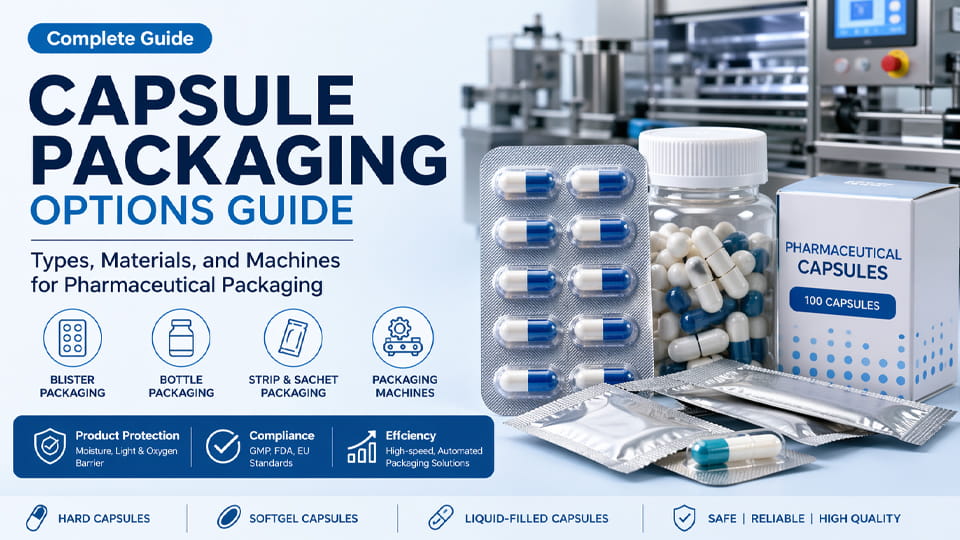
Kemasan kapsul mengacu pada bagaimana kapsul farmasi (cangkang keras atau softgel) tertutup untuk didistribusikan dan digunakan. Itu termasuk kemasan primer (wadah langsung yang bersentuhan dengan kapsul, misalnya. rongga atau botol yang melepuh) Dan kemasan sekunder (karton luar, kotak, dan label yang selanjutnya melindungi dan mengidentifikasi produk). Kemasan kapsul yang baik harus melindungi obat dari kelembapan, lampu, dan kontaminasi, memastikan stabilitas melalui umur simpan, dan memenuhi persyaratan peraturan. Misalnya, WHO mencatat hal itu “Komponen pengemasan mengelilingi produk mulai dari produksi hingga penggunaan,” dan harus memenuhi fungsi seperti perlindungan, stabilitas, dan identifikasi. Peraturan GMP FDA (21 CFR 211) memerlukan prosedur tertulis untuk memeriksa dan menguji bahan kemasan setelah diterima, dan mewajibkan pelabelan yang aman dan pengendalian kerusakan. Dalam praktiknya, kita harus mencocokkannya produk kapsul (bentuk sediaan, kepekaan, dosis, dll.) dengan format dan bahan kemasan yang sesuai.
Kemasan utama kapsul farmasi – sangat penting untuk perlindungan produk, kepatuhan, dan keselamatan pasien: Itu membuat kapsul tetap kering, tidak terkontaminasi, dan diberi label dengan jelas. Misalnya, kemasan melepuh dan botol amber dikenal ideal untuk obat-obatan yang sensitif terhadap kelembapan. Kemasan yang tepat juga mendukung kepatuhan pasien (dosis unit dosis melepuh, botol tahan anak, pelabelan yang jelas) dan kebutuhan rantai pasokan (serialisasi, logistik). Di bawah ini kami meninjau setiap opsi secara detail.
Jenis Kemasan Kapsul
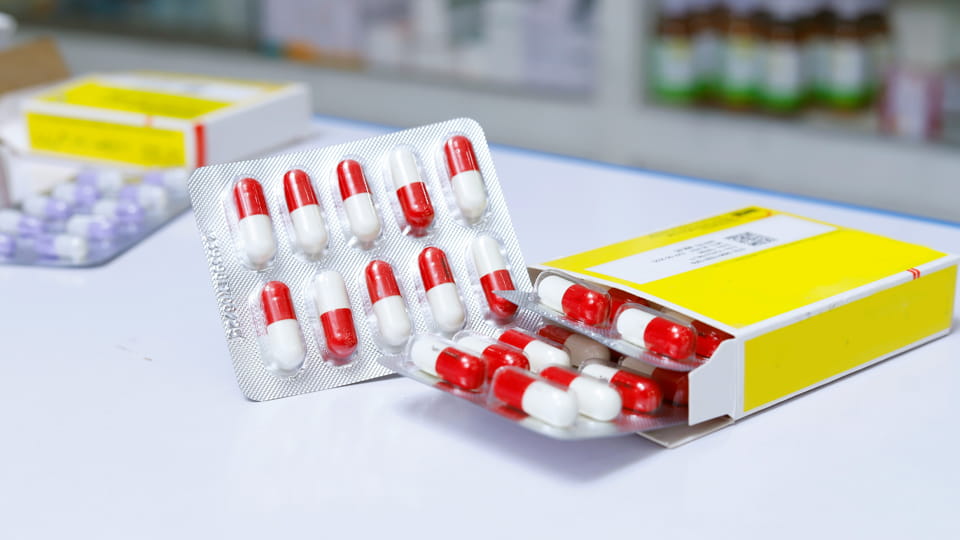
Kemasan Blister untuk Kapsul
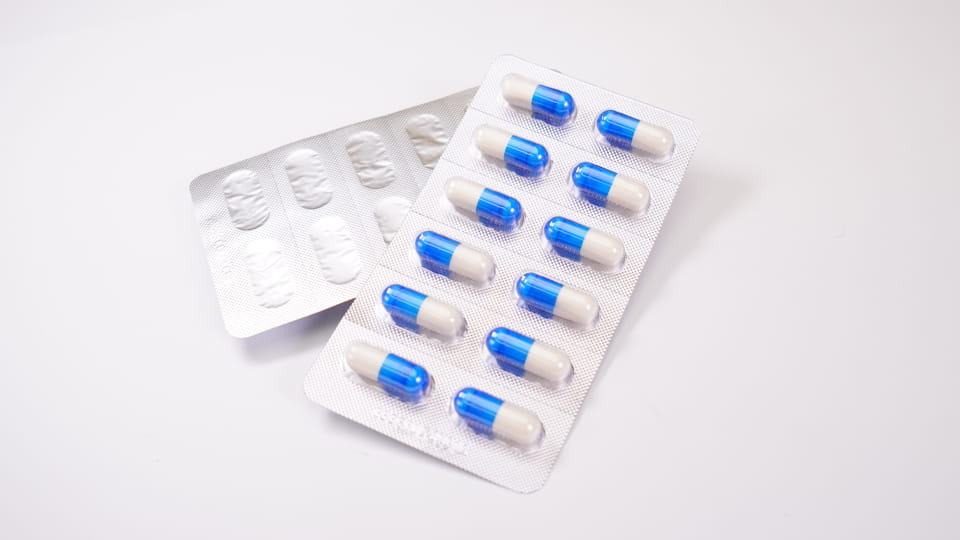
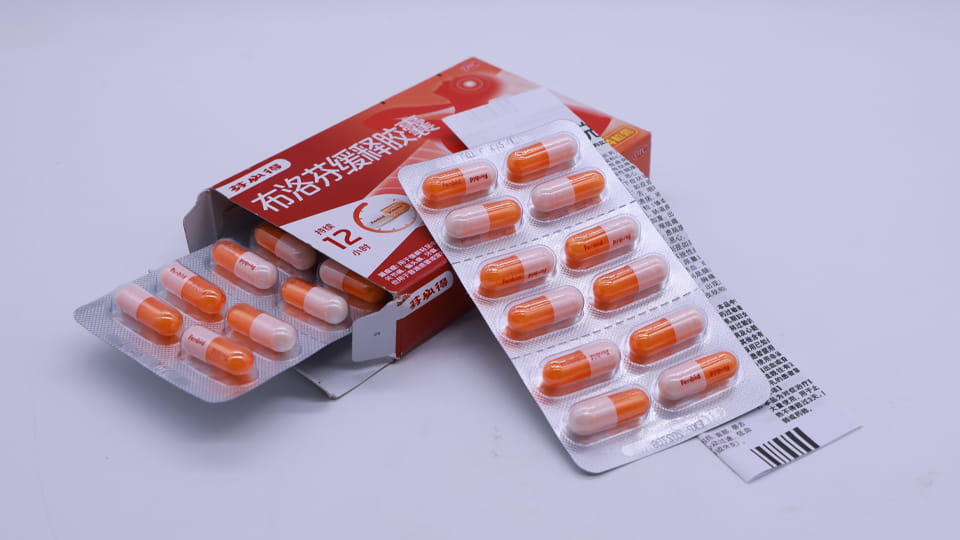
Paket blister terdiri dari rongga plastik yang telah dibentuk sebelumnya (“lepuh”) yang menampung kapsul individu, disegel dengan dukungan (kertas timah atau plastik). Ini kemasan primer penawaran perlindungan dosis unit. Lepuh menyediakan penghalang yang sangat baik properti: mereka dapat dibuat dengan bahan seperti PVC/PVDC atau foil (Alu-PVC, Alu-Alu) untuk menghalangi kelembapan, oksigen dan cahaya. Misalnya, Mesin melepuh DPP-180Pro Jinlu dapat membentuk dan menyegel hingga 4,800 lepuh kapsul per jam dalam laminasi Alu-PVC atau Alu-Alu. Fitur utama dari kemasan kapsul melepuh meliputi:
Perlindungan: Setiap rongga tertutup rapat, melindungi kapsul dari kelembaban, oksigen dan cahaya. Seperti yang dicatat oleh sebuah penelitian, lepuh “memberikan perlindungan unggul terhadap kelembapan dan cahaya” (lebih baik dari botol). Foil penghalang tinggi (misalnya. Alu-Alu) memperpanjang umur simpan kapsul higroskopis atau sensitif terhadap oksigen.
Bukti kerusakan: Lepuh dengan jelas menunjukkan apakah dosisnya telah dihilangkan atau segelnya rusak. Hal ini memastikan integritas produk dan keselamatan pasien.
Kenyamanan: Lepuh dosis satuan memungkinkan pasien meminum satu kapsul dalam satu waktu, mengurangi kesalahan dosis dan pemborosan. Mereka sangat berguna untuk jadwal pemberian dosis pendek atau formulasi pediatrik.
Kustomisasi: Paket Blister dapat dibuat dalam berbagai bentuk dan ukuran rongga agar sesuai dengan dimensi kapsul yang berbeda. Mesin modern (seperti mesin thermoforming atau plug-assist) mudah beradaptasi dengan ukuran kapsul.
Efisiensi Ruang: Lepuh berbentuk kompak dan dapat ditumpuk. Mereka meminimalkan ruang kosong dibandingkan dengan botol, menghemat pengiriman dan ruang rak.
mesin melepuh Jinlu (misalnya. DPP-180Pro) secara otomatis dapat membentuk gigi berlubang, kapsul pakan, segel, potong piring, dan bahkan mencetak kode lot. Mereka biasanya berlari dengan kecepatan sedang-tinggi (ribuan rongga per jam), Ideal untuk produksi massal. Format lepuh berbeda (Alu-PVC vs Alu-Alu) dipilih berdasarkan produk: Alu-Alu (foil-foil) menawarkan penghalang tertinggi (terbaik untuk obat yang sangat sensitif terhadap kelembaban), sedangkan PVC/PVDC umum untuk kapsul standar. Kemasan melepuh juga menyederhanakan penghitungan dan pemeriksaan: sebagian besar lini dengan mudah mengintegrasikan inspeksi kamera atau mesin penghitung tablet untuk memverifikasi pengisian kapsul.
Botol (Botol/Toples Kapsul) Kemasan
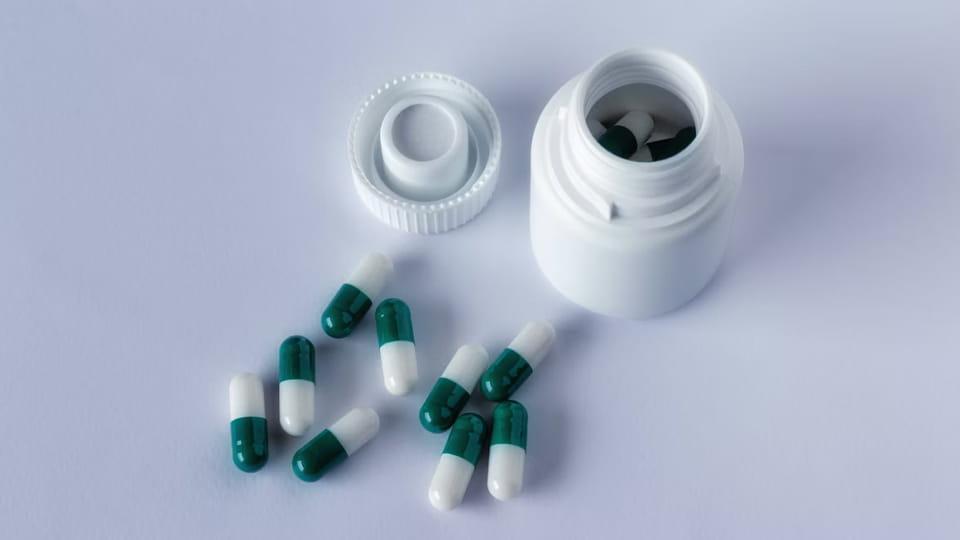
Botol adalah wadah multidosis klasik. Kapsul diisi ke dalam botol (plastik atau kaca) yang kemudian ditutup. Format ini terkenal dengan vitaminnya, suplemen, dan banyak pil resep. Fitur utama:
Keserbagunaan: Botol dapat menampung jumlah banyak (50–1000+ kapsul) dan berbagai produk (tablet, kapsul, bubuk, bahkan cairan). Biasanya terbuat dari plastik HDPE atau PET, atau kaca (untuk kelembaman kimia yang kuat).
Kemasan Massal: Untuk kapsul dimaksudkan untuk diminum berulang kali (vitamin harian, terapi jangka panjang), botolnya nyaman. Pasien dapat memberikan beberapa dosis sekaligus.
Efisiensi biaya: Jalur pengisian botol relatif sederhana. Mesin menghitung atau menimbang dosis lebih cepat (misalnya. JL-16H Jinlu dapat terisi hingga 100 botol/menit). Biaya bahan per unit seringkali lebih rendah daripada bahan melepuh, terutama dalam skala besar.
Penanganan Mudah: Konsumen tahu cara membuka botol. Mungkin lebih mudah bagi pasien lanjut usia untuk membuka botol (terutama dengan tutup yang mudah dibuka atau tahan anak) daripada mengupas lepuh.
Kemasan Sekunder: Botol memungkinkan dimasukkannya barang-barang tambahan seperti paket pengering (untuk kontrol kelembaban) atau kapas. Mereka juga mengakomodasi label produk lengkap di sekitar badan botol, dan dapat dikemas ke dalam karton.
Angka: Jalur pembotolan kapsul/tablet Jinlu JL-16H (100 botol/menit) dengan pengurai, batang, capper, dan pemberi label.
Jalur pembotolan kapsul mengintegrasikan beberapa mesin: A pengurai botol (atau memberi makan hopper), A mesin pengisian hitung (yang menjatuhkan X kapsul ke dalam setiap botol), A mesin penutup/penyegel (pasang dan kencangkan tutupnya), dan sebuah mesin pelabelan. Misalnya, JL-16H Jinlu dapat menangani kapsul 3–40 mm, mencapai ~100 botol/menit dengan >99.8% akurasi penghitungan. Botol dapat diisi dalam jumlah besar dengan sangat cepat. Untuk memenuhi peraturan, jalur botol sering kali dilengkapi stasiun untuk memasukkan bahan pengering (misalnya. bungkus silika) dan stasiun segel anti rusak. Topi yang tahan terhadap anak adalah fitur umum lainnya untuk obat-obatan anak.
Dalam memilih kemasan botol, mempertimbangkan volume dan stabilitas produk: produk bervolume tinggi (misalnya. vitamin harian) botol jas, sedangkan kapsul bervolume rendah atau sangat sensitif mungkin lebih menyukai lepuh. Botol catatan umumnya menawarkan perlindungan kelembaban/oksigen yang lebih rendah dibandingkan lepuh dengan penghalang tinggi. Kaca kuning atau wadah buram dapat menambah perlindungan terhadap cahaya, dan segel bagian dalam (pelapis aluminium foil) dapat meningkatkan penghalang.
Sachet & Paket Tongkat (Kantong dosis tunggal)
Sachet (dan bungkusan tongkat) adalah paket fleksibelyang menampung satu dosis bedak, butiran atau cairan. Meskipun tidak umum untuk kapsul, mereka relevan untuk bentuk sediaan terkait (misalnya. kapsul nutraceutical dipecah menjadi bubuk, atau pengisi bubuk itu sendiri). Namun, bungkus sachet dan stick layak disebutkan dalam panduan pengemasan kapsul:
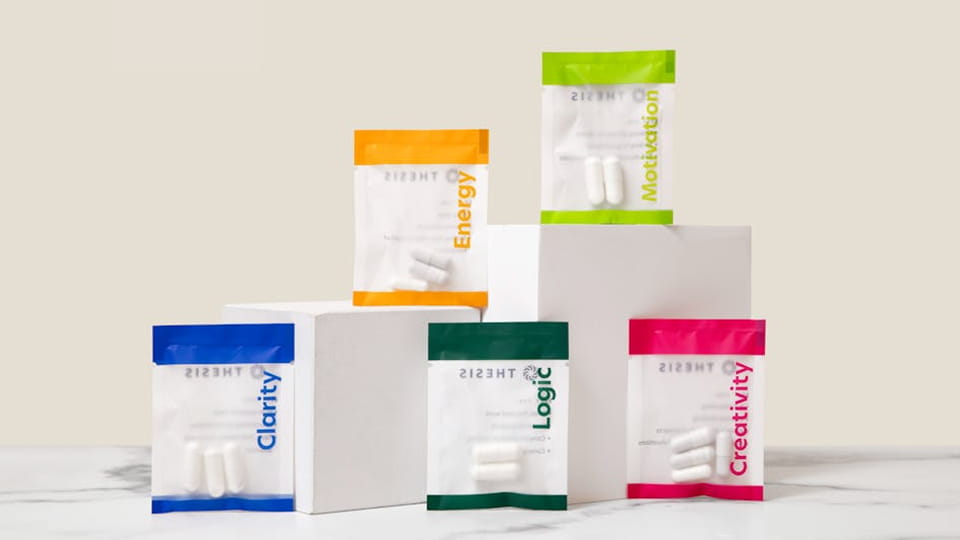
Sachet biasanya berupa paket datar atau berbentuk bantal yang disegel 3 atau 4 sisi. Mereka sering digunakan untuk bubuk dosis tunggal (misalnya. butiran effervescent) atau kapsul yang sangat kecil (beberapa apotek mengeluarkan kapsul dalam bentuk sachet untuk dosis pediatrik). Mesin form-fill-seal modern dapat mengisi sachet dengan volume yang sangat kecil. Keuntungannya termasuk portabilitas (pas di saku), kenyamanan, dan dosis yang tepat (tidak ada limbah parsial). Sachet juga memberikan penyegelan yang baik: segel kedap udara memperpanjang umur simpan dan mencegah kontaminasi. Banyak obat-obatan (bubuk, gel, salep, pil dosis tunggal) menggunakan sachet; Misalnya, larutan rehidrasi suntik darurat atau bubuk antibiotik sekali pakai.
Paket Tongkat panjang, sachet sempit (sering disegel sepanjang satu jahitan panjang ditambah jahitan ujung). Mereka populer untuk suplemen bubuk (misalnya. campuran minuman instan) dan dapat digunakan untuk bubuk kapsul. Kemasan stick umumnya menggunakan bahan lebih sedikit dibandingkan sachet dan hasil mesin lebih tinggi (30–50% lebih cepat). Mereka ideal untuk bedak yang mengalir bebas karena bukaannya yang ramping.
Baik kemasan sachet maupun stick diproduksi oleh segel pengisian formulir vertikal (Vffs) atau mesin FFS horizontal. Seri JL-VP Jinlu, misalnya, adalah mesin FFS stick/sachet multi-jalur (40 Tas/Min/Lane, akurasi ±0,02g) untuk bubuk, butiran, cairan atau gel. Kalau kapsul sendiri akan dikemas dalam sachet, seseorang akan membuka bungkusnya untuk mengambil dosisnya – tetapi lebih umum, kapsul dikemas utuh dalam lepuh atau botol, sedangkan kemasan sachet/stick menangani isi bubuk.
Catatan peraturan: kemasan sachet dan stick diperbolehkan untuk obat padat dan setengah padat (sesuai definisi WHO). Kemasan dianggap primer jika mengandung produk secara langsung. Seperti lecet, sachet dapat dirancang tahan terhadap anak-anak atau dengan lekukan sobek.
Strip Kemasan
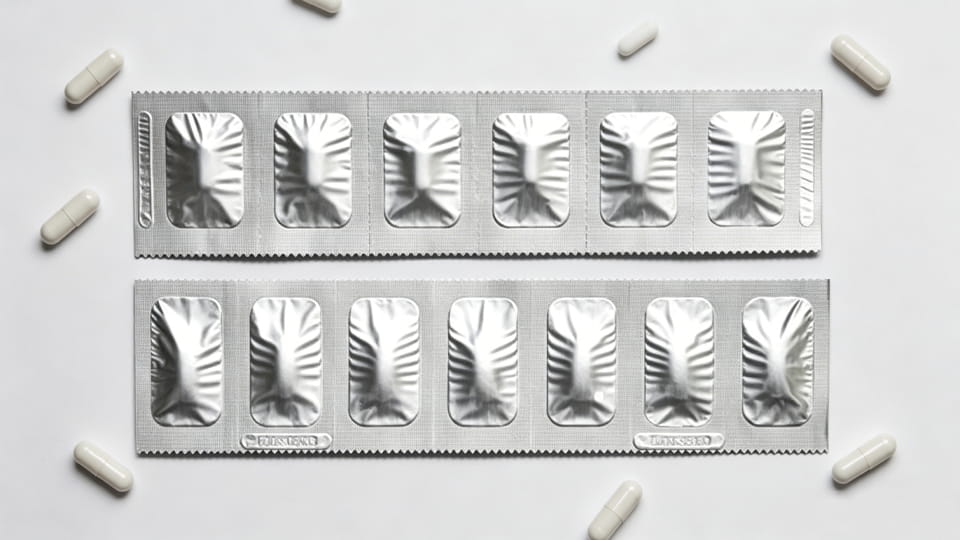
Paket strip (juga disebut strip foil atau “pita dosis”) adalah bentuk lain dari paket primer dosis unit. Strip biasanya merupakan jaringan material yang sempit (seringkali aluminium atau laminasi multi-lapis) dilipat dan disegel, dengan perforasi di antara dosis. Berbeda dengan lecet, paket strip tidak membentuk rongga yang dalam – sebaliknya, kapsul diapit di antara dua lapisan film. Paket strip banyak digunakan di Asia dan untuk produk yang membutuhkan perlindungan kelembaban tinggi namun lepuhnya terlalu besar. Poin-poin penting:
Penghalang Luar Biasa: Paket strip sering kali menggunakan aluminium foil yang kedap terhadap kelembapan dan oksigen. Hal ini menjadikannya ideal untuk kapsul yang sensitif terhadap kelembapan atau obat anak yang memerlukan umur simpan yang lama. WHO bahkan mendefinisikan kemasan strip sebagai kemasan yang cocok untuk “dosis tunggal… sediaan padat atau semi padat”.
Kompak & Unit-dosis: Seperti lecet, paket strip memungkinkan penggunaan satu dosis pada satu waktu. Bentuknya lebih ringan dan rata dibandingkan lecet, menghemat ruang.
Peralatan: Mesin pengepakan strip membentuk dan menutup foil di sekitar setiap kapsul. Jinlu juga menawarkan mesin pengepakan strip. Misalnya, Paket strip catatan Rich Packing menggunakan laminasi aluminium atau plastik dan dapat mencapai panjang banyak dosis.
Angka:Mesin pengepakan strip
Dari sudut pandang seleksi, paket strip menempati jalan tengah di antara botol (dalam jumlah besar) dan melepuh (kekakuan). Mereka sering dipilih kapan penghalang kelembaban yang sangat tinggi diperlukan tetapi dalam jumlah yang tipis, bentuk yang ringan. (Catatan: kemasan strip mungkin tidak memberikan bukti kerusakan sejelas lecet kecuali jika digunakan segel tambahan.)
Kemasan Sekunder & Pelabelan
Setelah memilih paket utama, kapsul biasanya ditempatkan ke dalam kemasan sekunder seperti kotak karton atau terbungkus menyusut kasus. Karton memberikan perlindungan ekstra selama pengiriman, izinkan pelabelan tambahan (informasi obat, branding, segel anti rusak), dan membantu mengatur produk multi-paket. Pertimbangan utama untuk kemasan sekunder:
Karton & Sisipan: Karton medis harus menyertakan sisipan produk (Selebaran dengan petunjuk dosis, nomor batch, kadaluarsa, informasi pabrikan, dll.). Ini sering kali berupa selebaran kertas yang dimasukkan ke dalam kotak.
Segel Tamper: Kemasan sekunder umumnya memiliki segel anti rusak (misalnya. kaset keamanan, pita menyusut) untuk menunjukkan apakah kotak telah dibuka.
Serialisasi/Lacak & Jejak: Di banyak pasar (DSCSA AS, FMD UE), paket individual harus memiliki kode seri yang unik (kode batang/QR) untuk anti-pemalsuan. Solusi pengemasan yang tangguh mencakup printer label atau pembuat kode inkjet untuk mencetak nomor lot/batch dan kode 2D pada karton.
Fitur Tahan Anak dan Keamanan: Untuk obat-obatan tertentu, peraturan (misalnya. 21 CFR 211) mengamanatkan kemasan tahan anak. Hal ini dapat mencakup lapisan film melepuh yang sulit dibuka oleh anak-anak, atau tutup khusus pada botol. Kotak sekunder mungkin juga memiliki kunci atau memerlukan pembukaan dua langkah jika diperlukan.
Stabilitas dan Kepatuhan: Gabungan sistem primer+sekunder harus menjaga produk tetap stabil dalam kondisi penyimpanan berlabel. Misalnya, Studi stabilitas ICH secara eksplisit memerlukan pengujian bentuk sediaan kemasan akhir.
Dalam ringkasan, kemasan sekunder membungkus produk untuk distribusi akhir dan memastikan semua fitur pelabelan dan kepatuhan tersedia. Desain yang bagus di sini meningkatkan citra merek dan kenyamanan pengguna (karton yang mudah dibuka, pelabelan yang jelas).
Bahan Kemasan Kapsul
Memilih bahan kemasan yang tepat sangat penting untuk melindungi kapsul. Bahan harus kompatibel dengan obat, memenuhi kebutuhan penghalang, dan mematuhi peraturan (ISO 15378 GMP untuk bahan pengemas, dll.). Bahan umum meliputi:
Film Melepuh:
PVC (Polivinil Klorida): Biaya rendah, plastik bening sering digunakan untuk lecet. PVC bersifat permeabel terhadap kelembapan (tidak sebagai protektif) kecuali dilapisi.
PVC/PVDC: PVC dilapisi dengan PVDC (polivinilidena klorida) secara dramatis mengurangi masuknya kelembapan (Blister Alu-PVC yang umum menggunakan penghalang PVDC).
Alu-PVC or Alu-Alu: Aluminium foil dilaminasi menjadi PVC atau PET. Alu-PVC memberikan penghalang yang baik terhadap kelembaban/oksigen (umum), sedangkan Alu-Alu (foil-foil) menyediakan paling tinggi penghalang (digunakan untuk kapsul yang sangat higroskopis atau peka cahaya).
Polipropilena (hal): Muncul sebagai alternatif yang berkelanjutan. PP melepuh (monomaterial) dapat sepenuhnya didaur ulang, seperti pada liner PharmaGuard Südpack, dan masih berkinerja baik di jalur otomatis.
Bahan Botol:
HDPE (Polietilen Kepadatan Tinggi): Plastik biasa untuk botol farmasi; relatif lembam dan hemat biaya.
PELIHARAAN (Polietilen Tereftalat): Menawarkan kejelasan dan kekakuan yang lebih baik; penghalang yang baik vs gas. Sering digunakan untuk nutraceutical/suplemen.
Kaca (Borosilikat tipe I): Digunakan untuk produk yang sangat sensitif terhadap kelembapan atau parenteral; kaca menawarkan penghalang yang sangat baik terhadap kelembapan dan kelembaman bahan kimia. Kaca kuning juga menghalangi sinar UV.
Film Lainnya: Untuk kemasan sachet dan stick, film laminasi multi-lapis (misalnya. PET/Pergi/PE) digunakan untuk mengontrol kelembaban dan penyegelan.
Umumnya, pilih penghalang tertinggi yang masuk akal untuk kapsul Anda. Misalnya, kapsul gelatin yang peka terhadap kelembapan mungkin memerlukan lepuh Alu-Alu atau botol kaca kuning dengan bahan pengering. Sebaliknya, kapsul yang tidak sensitif mungkin menggunakan lepuh PVC standar atau botol HDPE. Pertimbangkan juga umur simpan: produk jangka panjang membutuhkan penghalang yang lebih kuat.
Catatan keselamatan/daur ulang: Tren berkelanjutan mendukung kemasan mono-material (misalnya. PP melepuh, botol PET yang dapat didaur ulang). Menguji bahan untuk diekstraksi, kesesuaian, dan memenuhi batasan FDA/UE (misalnya. USP <661> untuk pemlastis) merupakan bagian dari kepatuhan pengemasan.
Jenis Kapsul dan Dampak Kemasannya
Kapsul tersedia dalam berbagai jenis dan formulasinya menentukan kebutuhan pengemasan:
Kapsul Gelatin Keras: Cangkang dua bagian yang paling umum. Mereka mengandung bubuk/butiran kering. Cangkang gelatin menahan sedikit kelembapan dan menjadi rapuh jika terlalu kering, atau lembut jika terlalu basah. Umumnya, kapsul gelatin keras memerlukan sedang kontrol kelembaban. Kondisi penyimpanan yang banyak dikutip adalah 15–25°C dan kelembapan relatif 35–65%.. Pengemasan harus menjaga lingkungan ini: Misalnya, kemasan melepuh dengan lapisan PVDC atau Alu-Alu, atau botol dengan pengering, membantu menstabilkan kapsul.
HPMC (Vegetarian) Kapsul: Terbuat dari selulosa tumbuhan, cangkang ini biasanya memiliki kelembapan yang lebih rendah dibandingkan gelatin dan tahan hingga ~70% RH. Mereka sering digunakan untuk API yang sensitif terhadap kelembaban. Namun, bahkan kapsul HPMC memerlukan kemasan penghalang untuk bahan pengisi yang sangat higroskopis atau sensitif terhadap cahaya. Dalam praktiknya, kapsul HPMC + Lepuh PVC sering kali sudah cukup, tapi penghalang tinggi tetap menambah keamanan.
Kapsul Softgel (Berisi Cairan):Gel lunak punya agar-agar (atau gelatin yang dimodifikasi) cangkang berisi minyak atau cairan lainnya. Mereka mengandung banyak air (sering ~5–10%) dalam cangkang dan dapat kehilangan kelembapan atau teroksidasi. Softgels sangat sensitif terhadap kelembapan: mereka biasanya membutuhkan botol kaca kuning (dengan pengering) atau kemasan lepuh dengan penghalang tinggi untuk mencegah kehilangan air dan menjaga potensi. Karena cangkang softgel sensitif terhadap suhu/kelembaban selama pembuatan, rantai dingin dan kemasan khusus terkadang diperlukan.
Kapsul Pelepasan Enterik/Dimodifikasi: Ini memiliki lapisan khusus untuk menunda pelepasan di saluran pencernaan. Lapisan ini menambah lapisan sensitivitas lainnya (itu bisa sensitif terhadap pH atau lebih rapuh). Kapsul tersebut harus tetap kering dan biasanya dikemas dalam lepuh atau botol seperti kapsul lainnya. Pelapisan menuntut kondisi yang konsisten; oleh karena itu pengemasan yang menjamin kontrol suhu/RH selama distribusi adalah hal yang penting.
Pendeknya, itu bahan cangkang kapsul dan jenis isian akan mempengaruhi pilihan kemasan. Formulasi yang sangat sensitif terhadap kelembapan selalu mengutamakan penghalang yang paling ketat (Alu-Alu melepuh, bungkus foil, atau botol tertutup dengan pengering). Formulasi yang kurang sensitif memiliki lebih banyak pilihan. Selalu uji stabilitas kapsul kemasan akhir (ICH Q1A memerlukan stabilitas dalam wadah yang diusulkan).
Memilih Kemasan yang Tepat (Diagram Alir Keputusan)
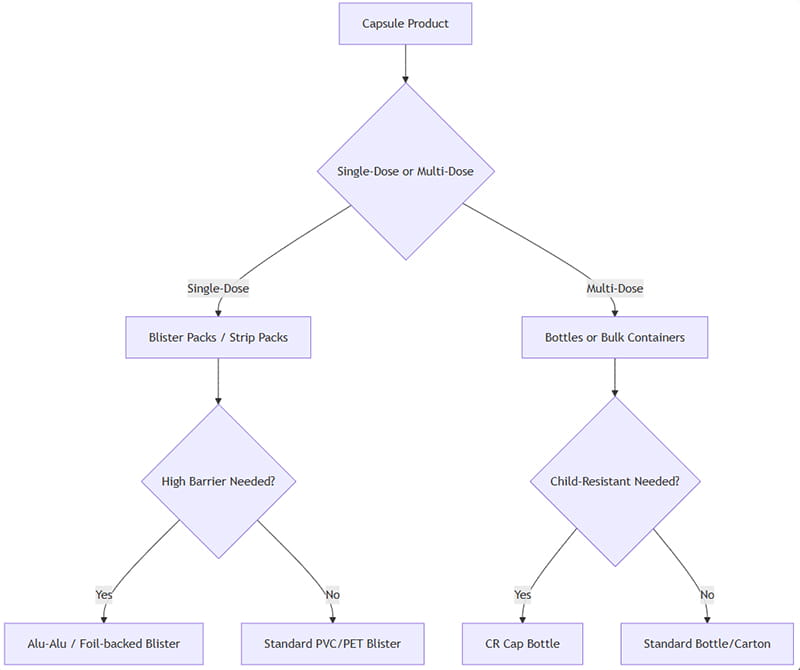
Memilih kemasan kapsul yang optimal melibatkan evaluasi berbagai faktor: bentuk sediaan, kepatuhan pasien, sensitivitas produk, umur simpan, persyaratan peraturan, dan biaya. Di bawah ini adalah kerangka keputusan yang disederhanakan:
Bagaimana menerapkan ini: Jika kapsul dimaksudkan sebagai satu kesatuan (misalnya. dosis ketat atau kartu lepuh eceran), lecet/strip lebih disukai. Untuk multidosis (misalnya. suplemen atau obat-obatan dengan kegunaan tinggi), botol lebih efisien. Jika perlindungan kelembaban/cahaya sangat penting, pilih opsi penghalang tinggi (Alu-Alu, botol kuning). Jika keselamatan pediatrik diperlukan, gunakan penutup botol yang tahan terhadap anak-anak atau desain lepuh anti rusak.
Kriteria lain dari industri meliputi:
Bentuk sediaan: Tablet/kapsul → melepuh, botol, atau mengupas; Bubuk → kemasan sachet/stik.
Sensitivitas produk: Untuk obat yang sensitif terhadap kelembaban, gunakan lepuh Alu-Alu atau kantong foil. Untuk peka cahaya, gunakan botol kuning atau film buram.
Kepatuhan pasien: Format dosis satuan (lecet/strip) kepatuhan bantuan. Botol yang mudah dibuka membantu manula.
Peraturan: Sertakan bukti kerusakan dan patuhi pedoman pengemasan FDA/EMA.
Umur simpan: Umur simpan yang lebih lama membutuhkan bahan dengan penghalang yang lebih tinggi (Alu-Alu, film multi-lapis).
Skala produksi: Mesin Blister berkecepatan tinggi (volume sedang), lini botol unggul dalam jumlah besar, mesin sachet menangani tarif jalur fleksibel.
Biaya: Seimbangkan biaya bahan vs mesin. Misalnya, botol mungkin memiliki tenaga kerja per unit yang lebih rendah tetapi biaya plastiknya lebih tinggi; paket stick menggunakan sedikit film per dosis.
Akhirnya, pengujian percontohan (studi stabilitas, studi konsumen) dan analisis total biaya akan memandu keputusan akhir. Diagram alur di atas adalah titik awal untuk skenario umum.
Peralatan Pengemasan Kapsul
Pengemasan kapsul memerlukan mesin khusus. Setelah kapsul terisi (dengan pengisi kapsul), ini ditransfer ke jalur pengemasan:
Mesin Melepuh: Kami sudah mencatat Jinlu DPP-180Pro, mesin melepuh thermoforming berkecepatan tinggi. Ini membentuk rongga (Film PVC atau PET), memberi makan kapsul (atau tablet), dan segel dengan kertas timah, semuanya secara otomatis. Jinlu menawarkan mesin (misalnya. DPP-180, DPP-270Maks) hingga 4.800–11.200 gigi berlubang/jam. Mesin melepuh dipasangkan dengan pengumpan penghitung untuk menjatuhkan tepat satu kapsul per kantong, dan sering kali memiliki pemotong untuk memisahkan lecet menjadi kartu. Modul tambahan (pencetakan/inspeksi) pastikan setiap lepuh dapat terbaca dan benar.
Perhitungan & Mengisi Garis (Garis Botol): Ini mengubah kapsul lepas menjadi botol. Garis yang khas memiliki: pengurai botol (mengatur botol kosong), penghitung tablet/kapsul (mangkuk getar atau sistem optik yang menghitung dan memasukkan nomor tertentu ke dalam setiap botol), mesin penutup/penyegel, dan stasiun pelabelan. Jinlu JL-16H garis, Misalnya, mengacak botol, menghitung kapsul 3–40mm ke dalamnya, menerapkan topi, dan memberi label hingga 100 botol/menit dengan 99.98% ketepatan. Untuk volume tinggi (pengepakan massal) operasi, jalur modular dengan beberapa kepala penghitung atau pengisi auger dapat mencapai kecepatan yang lebih tinggi. Penyegel induksi atau penyusut juga dapat ditambahkan untuk penutup foil.
Mesin Sachet/Stick-Pack: Ini adalah segel pengisian formulir (FFS) mesin. Jinlu JL-VP seri ini adalah sistem VFFS multi jalur yang dapat menghasilkan 30–40 bungkus sachet atau stick per menit per jalur. Ini justru memberi dosis bubuk atau cairan (sekrup auger untuk bedak, pompa untuk cairan) dan segel 3- atau sachet 4 sisi atau kemasan stik 3 sisi. Mesin dilengkapi kontrol PLC untuk panjang tas, pengumpan servo untuk akurasi (±0,02g), dan penyegelan panas kedap udara. Mesin seperti ini ideal untuk produk dosis tunggal, meskipun kapsulnya sendiri jarang yang “dikemas dalam sachet” utuh.
Mesin Pengepakan Strip: Paket strip dibuat pada mesin khusus yang menyegel panas foil atau film yang tumpang tindih. Ini sering kali menyerupai mesin melepuh tetapi menggunakan film datar. (Jika Jinlu menawarkan pengepakan strip, integrasi serupa seperti mesin sachet.)
Mesin Pengemas Sekunder:Mesin karton dapat mendirikan karton, masukkan lepuh atau botol dan selebaran, dan tutup kotak. Pembuat karton farmasi sering kali menangani papan melepuh foil atau kantong kapsul. Pengemas kasus (untuk kasus luar) dan pembuat palet melengkapi lini produksi massal.
Kepatuhan peralatan: Semua mesin pengemasan untuk obat-obatan harus memenuhi desain GMP (baja tahan karat, permukaan yang dapat dibersihkan, kinerja yang divalidasi). Mesin Jinlu bersertifikat CE/cGMP, seringkali dengan pelindung yang dapat dikonfigurasi dan sistem penolakan untuk pil di luar spesifikasi. Integrasi adalah kuncinya: Misalnya, mesin melepuh dapat dimasukkan langsung ke dalam kartoner yang membuat kotak dan mengemas setiap kartu melepuh. Sistem yang komprehensif (dari pengisian hingga kotak akhir) memungkinkan otomatisasi pengemasan kapsul secara menyeluruh.
Pertimbangan Peraturan dan Kepatuhan
Kemasan kapsul untuk obat-obatan harus mematuhi peraturan yang ketat. Poin-poin penting meliputi:
Persyaratan GMP: FDA 21 CFR 211 Subbagian G mensyaratkan prosedur tertulis untuk penerimaan dan pengujian semua bahan kemasan sebelum digunakan. Ini berarti lecet, botol, label, karton dll. harus memenuhi spesifikasi (tidak ada cacat). Penyimpanan terpisah bahan kemasan berdasarkan produk diwajibkan untuk mencegah tertukarnya produk. Lampiran GMP WHO 9 juga merinci kontrol pengemasan. Praktik Manufaktur yang Baik menuntut ketertelusuran (nomor lot pada kemasan) dan penanganan yang bersih.
Stabilitas dan Pedoman ICH: saya Q1A(R2) menetapkan bahwa studi stabilitas dilakukan pada produk dalam bentuk finalnya sistem penutupan kontainer. Dalam praktiknya, ini berarti Anda harus mengemas kumpulan uji kapsul persis seperti yang direncanakan (foil melepuh yang sama, jenis botol yang sama) dan memaparkannya pada kondisi stabilitas real-time. Setiap perubahan dalam kemasan mungkin memerlukan pengujian stabilitas baru.
Serialisasi & Ketertelusuran: Di banyak pasar, pengidentifikasi unik (barcode/kode 2D) pada kemasan sekunder (dan terkadang lepuh primer) diharuskan untuk melacak obat-obatan melalui rantai pasokan. Jalur harus menyertakan printer atau aplikator untuk kode-kode ini. Desain kemasan juga sering kali menyertakan bukti kerusakan (sesuai hukum AS/UE).
Kemasan Tahan Anak dan Ramah Lansia: Zat yang dikendalikan atau obat-obatan tertentu memerlukan fitur yang tahan terhadap anak. Hal ini sering kali berarti tutup khusus pada botol (misalnya. dorong-dan-putar) atau lecet yang sulit dikupas. Namun, aksesibilitas pasien juga harus dipertimbangkan (mudah dibuka untuk manula). Mengkonsultasikan Undang-Undang Pengemasan Pencegahan Racun (KITA) atau peraturan daerah serupa diperlukan.
Standar ISO: Pemasok kemasan utama harus mengikuti ISO 15378 (GMP untuk bahan pengemas primer) untuk memastikan kualitas. Meski tidak dikutip langsung di sini, ini adalah standar umum yang diakui oleh produsen kemasan. Mesin itu sendiri harus mematuhi standar mesin farmasi (Ce, Ul, dll.) Dan 21 Bagian CFR 11 jika ada rekaman data.
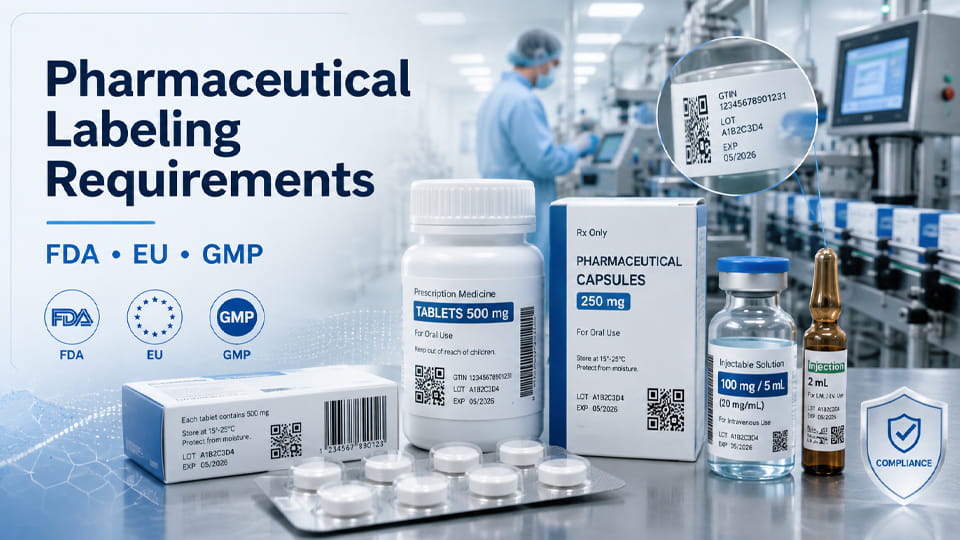
Peraturan Pelabelan: Kapsul harus diberi label dengan nama produk, dosis, kedaluwarsa, pabrikan, dll.. Hal ini juga berlaku pada karton dan lecet (terkadang setiap segmen melepuh membawa beberapa informasi tercetak). FDA dan EMA memiliki persyaratan khusus mengenai informasi apa yang harus dicantumkan pada label primer dan sekunder.
Keseluruhan, bertemu FDA, Pedoman EMA dan WHO sangat penting. Banyak pengemas bekerja dengan pemasok teregulasi (seperti Jinlu) yang dapat menyediakan mesin dan dokumentasi yang divalidasi (IR/WH/PQ).
Kesimpulan
Memilih kemasan kapsul yang tepat memerlukan perlindungan yang seimbang, kegunaan, dan biaya. Paket blister, botol, sachet, dan strip masing-masing mempunyai tempatnya masing-masing kemasan farmasi. Faktor-faktor seperti sensitivitas kelembaban, bentuk dosis, dan kebutuhan pasien memandu keputusan. Di samping, peraturan yang ketat dan persyaratan GMP harus dipenuhi.
Pada Pengepakan Jinlu, kami berspesialisasi dalam solusi pengemasan farmasi ujung ke ujung. Peralatan kami – dari mesin melepuh berkecepatan tinggi ke penghitungan yang sepenuhnya otomatis & jalur pembotolan – membantu Anda mengemas kapsul secara efisien dan patuh. Kami juga mendukung pilihan yang berkelanjutan (misalnya. mesin yang menjalankan film baru yang dapat didaur ulang) dan menawarkan layanan satu atap (penyesuaian, validasi). Tim kami dapat membantu Anda mengevaluasi sistem pengemasan kapsul terbaik untuk produk Anda.
Siap mengoptimalkan kemasan kapsul Anda?Hubungi Jinlu Packing hari ini untuk bimbingan ahli dan kutipan. Solusi kami didukung oleh standar kualitas global dan seterusnya 3,000 pelanggan yang puas di seluruh dunia. Mari kemas kapsul Anda untuk sukses!
FAQ tentang Kemasan Kapsul
Apa itu kemasan kapsul?
Pengemasan kapsul mengacu pada proses penutupan kapsul farmasi dalam bahan pelindung untuk menjaga stabilitas, keamanan, dan kepatuhan. Format umum termasuk kemasan melepuh, botol, dan mengupas kemasannya. Dalam praktik farmasi, kemasan bukan sekadar penahan—tetapi juga melindungi kapsul dari kelembapan, oksigen, dan kontaminasi, yang secara langsung mempengaruhi kualitas obat dan umur simpan.
Apa kemasan terbaik untuk kapsul farmasi?
Tidak ada satu pilihan “terbaik”—ini bergantung pada produk dan pasar Anda. • Kemasan melepuh → paling baik untuk obat yang sensitif terhadap kelembapan atau bernilai tinggi • Kemasan botol → terbaik untuk penyimpanan massal dan suplemen • Pengemasan strip → umum terjadi di pasar yang sensitif terhadap biaya Kemasan melepuh sering kali lebih disukai karena memberikan perlindungan dosis satuan dan isolasi lingkungan yang lebih baik.
Bahan apa yang harus saya gunakan untuk melindungi produk kapsul saya?
Gunakan bahan yang memblokir ancaman utama (kelembaban, oksigen, lampu). Misalnya, Lepuh foil Alu-Alu atau botol kaca amber menawarkan penghalang yang sangat baik untuk kapsul yang sensitif terhadap kelembapan. Lepuh PVC atau PET dengan lapisan PVDC umum digunakan dan lebih murah untuk produk yang stabil. Botol HDPE merupakan botol standar tetapi mungkin memerlukan kantong pengering jika kapsulnya sensitif. Evaluasi tingkat transmisi uap air (WVTR) film. Dalam produksi yang sadar keberlanjutan, pertimbangkan monomaterial yang dapat didaur ulang (misalnya. PP melepuh). Selalu uji kompatibilitas kemasan melalui studi stabilitas.
Kapsul sensitif terhadap faktor lingkungan seperti kelembapan, oksigen, dan cahaya. Kemasan yang tepat: • Mencegah penyerapan air • Mengurangi oksidasi • Menjaga stabilitas kimia Kemasan lecet, secara khusus, menciptakan lingkungan mikro tertutup untuk setiap kapsul, memperpanjang umur simpan secara signifikan.
Mesin pengemas mana yang saya perlukan untuk kapsul?
Itu tergantung pada formatnya. Untuk lecet, Anda memerlukan mesin pembentuk/penyegel melepuh (dengan cetakan rongga agar sesuai dengan kapsul Anda) ditambah mungkin kartoner. Untuk botol, Anda memerlukan garis pengisian/penutup botol (pengurai, pengisi tandingan, capper, pemberi label). Untuk paket tongkat, gunakan mesin sachet pengisi bentuk vertikal. Jinlu menawarkan semua ini: misalnya. seri DPP kami melepuh, Garis hitung JL-16H, dan pengemas sachet JL-VP. Memilih mesin yang tepat melibatkan kapasitas, ukuran kapsul, dan integrasi yang diperlukan (sistem penglihatan, menolak stasiun, dll.).
Bagaimana cara memutuskan antara kemasan blister dan botol kapsul?
Pertimbangkan faktor-faktor seperti dosis (tunggal vs. banyak), kebutuhan stabilitas, dan penggunaan pasien. Untuk kenyamanan dosis tunggal dan perlindungan tinggi (terutama untuk kapsul yang sensitif terhadap kelembaban/cahaya), lepuh seringkali lebih disukai. Untuk alasan volume besar atau ekonomis, botol biasanya dipilih. Juga, jika diperlukan fitur yang tahan terhadap anak-anak atau ramah lansia, botol mungkin menawarkan lebih banyak pilihan. Sebagai aturan, cocokkan sifat kapsul Anda dengan kemasannya: misalnya. kapsul sangat higroskopis → Lepuh Alu-Alu; suplemen dengan permintaan tinggi → botol.
Fu Kecil, Pendiri Jinlupacking, membawa 20 keahlian bertahun-tahun di sektor mesin farmasi. Di bawah kepemimpinannya, Jinlu telah berkembang menjadi pemasok tepercaya yang mengintegrasikan desain, produksi, dan penjualan. Petty bersemangat berbagi pengetahuan industrinya yang mendalam untuk membantu klien menavigasi kompleksitas pengemasan farmasi, memastikan mereka menerima bukan hanya peralatan, namun merupakan kemitraan layanan terpadu yang disesuaikan dengan tujuan produksi mereka.