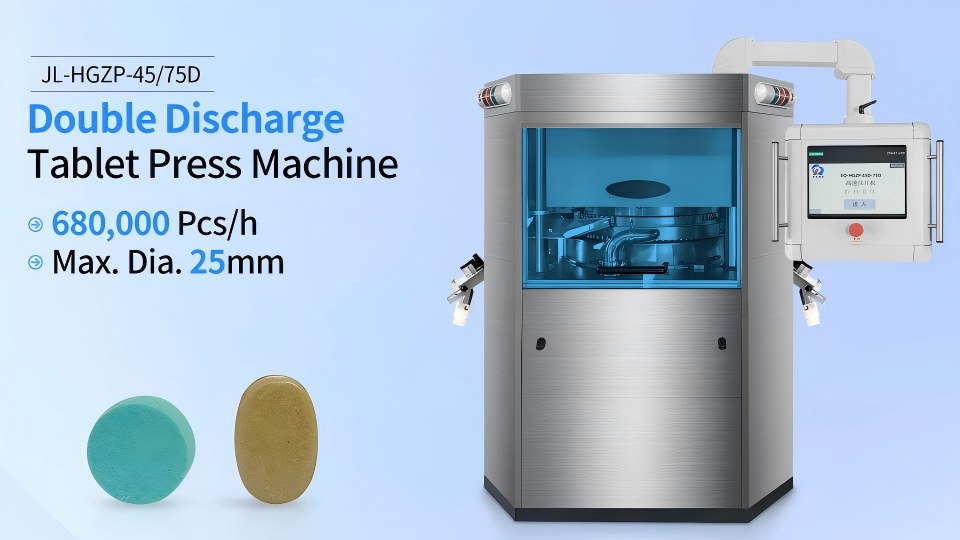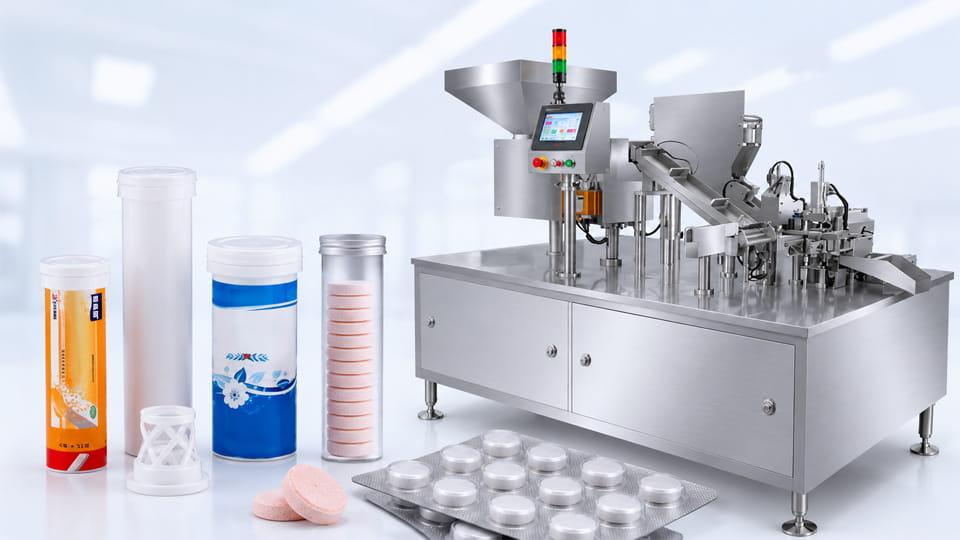

पाउडर या कणिकाओं को एक डाई में डाला जाता है और एक ऊपरी पंच और निचले पंच द्वारा संपीड़ित किया जाता है टेबलेट संपीड़न मशीन. एक साथ, ये पंच और डाई टैबलेट का अंतिम आकार और खुराक बनाते हैं. प्रेस के बुर्ज के प्रत्येक घुमाव में एक पंच ऊपर और एक पासे के नीचे होता है. जब घूंसे उच्च दबाव के साथ एक साथ आते हैं, एक गोली बन जाती है. सामान्य शर्तों में, टैबलेट प्रेस टूलींग पंचों और डाइज़ के सेट को संदर्भित करता है जिसका उपयोग टैबलेट पंचिंग मशीन गोलियां बनाने के लिए करती है.
टेबलेट निर्माण में, मुक्का मारता है और मर जाता है -सामूहिक रूप से जाना जाता है टेबलेट प्रेस टूलींग – प्रत्येक का निर्धारण करें टेबलेट का आकार, आकार और गुणवत्ता. चाहे आप इसे टैबलेट प्रेस कहें, गोली निर्माता मशीन, या रोटरी टैबलेट प्रेस, अंदर का टूलींग वास्तविक टैबलेटिंग कार्य करता है. सही टूलींग मानक चुनना महत्वपूर्ण है. सबसे आम मानक हैं बी टूलींग, डी टूलींग, और उनके छोटे वेरिएंट बीबी और डीबी. प्रत्येक मानक अलग-अलग पंच बैरल और डाई व्यास निर्दिष्ट करता है, उन्हें विशिष्ट टैबलेट आकारों और मशीनों के अनुकूल बनाना. यह मार्गदर्शिका बताती है कि बी क्या है, डी, बीबी और डीबी टूलींग का मतलब, वे कैसे भिन्न हैं, और अपनी टैबलेट निर्माता मशीन के लिए सर्वोत्तम टूलिंग कैसे चुनें.
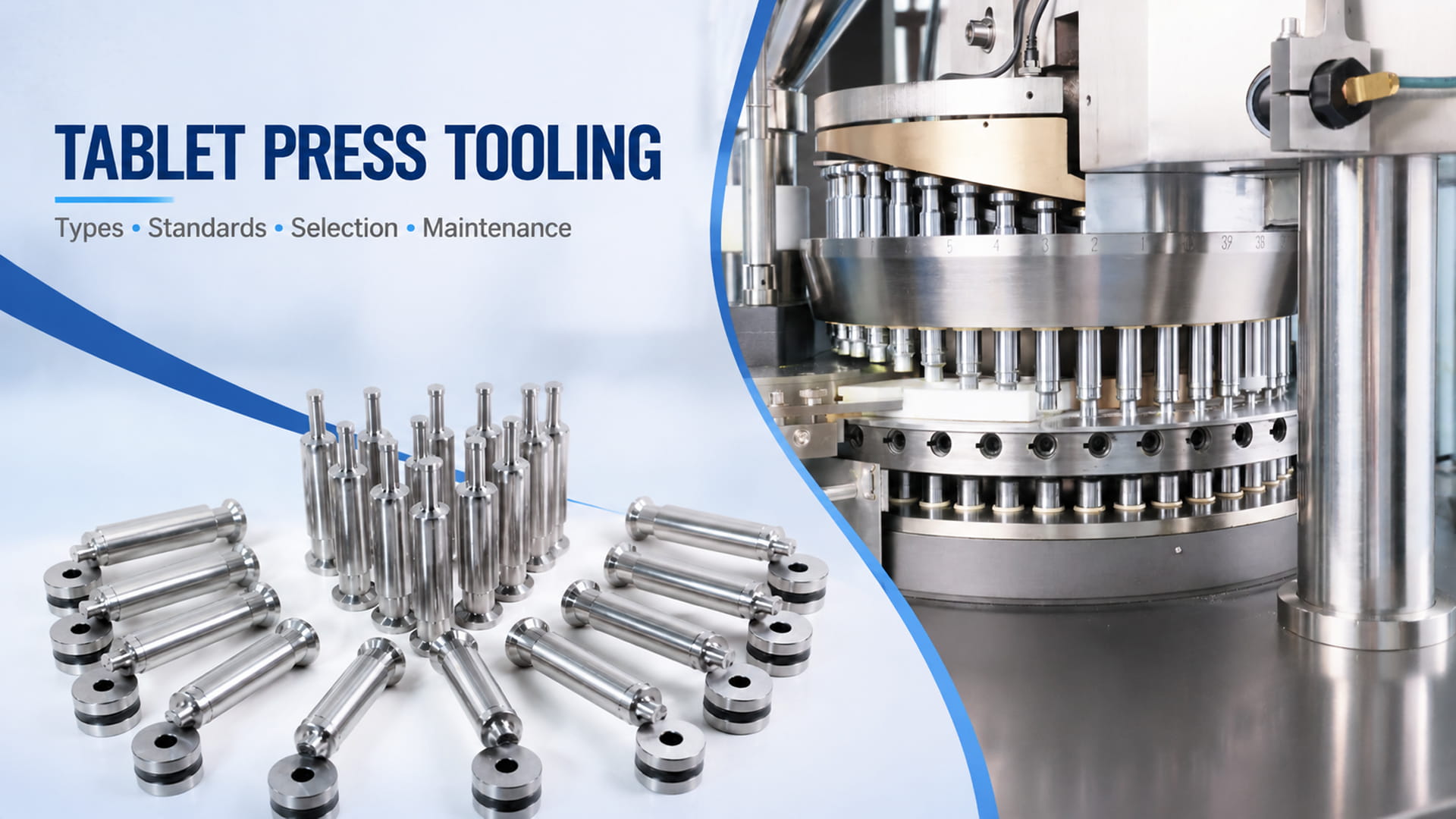
टेबलेट प्रेस मशीन पर टूलींग का तात्पर्य है मुक्कों के जोड़े और मर जाते हैं वह पाउडर को आकार देता है और गोलियों में संपीड़ित करता है. डाई एक खोखली गुहा है (अक्सर गोल) जो टैबलेट के व्यास और मोटाई को परिभाषित करता है, घूंसा मारते समय (ऊपरी और निचला) पाउडर को संपीड़ित करने के लिए ऊपर और नीचे से डाई में फिट करें. अनिवार्य रूप से, टूलींग टैबलेट ज्यामिति को नियंत्रित करती है और प्रेस से बिल्कुल मेल खाना चाहिए. सही टूलिंग एक समान वजन सुनिश्चित करती है, टेबलेट पर मोटाई और छाप. उच्च गुणवत्ता वाली टूलींग (GCR-15 जैसे कठोर स्टील से बना है) घिसाव को भी रोकता है और बचाता है कैपिंग या लेमिनेशन जैसे मुद्दे.
विभिन्न अंतर्राष्ट्रीय टूलींग मानक हैं. उत्तरी अमेरिका में, the AAP/TSM standard is common, जबकि आईएसओ 18084 (यूरोपीय) मानक का उपयोग विश्व स्तर पर किया जाता है. इन मानकों के भीतर, टैबलेट प्रेस टूलींग को आकार वर्गों द्वारा वर्गीकृत किया गया है: बी, डी, बी बी, और डीबी टूलींग. प्रत्येक वर्ग में पंच बैरल और डाई व्यास निश्चित होते हैं (और ऊंचाई), जो बदले में अधिकतम टैबलेट व्यास को नियंत्रित करता है. उदाहरण के लिए, जिन्लू पैकिंग ध्यान दें कि सभी टूलींग को बुर्ज और टैबलेट आयामों से मेल खाना चाहिए - छोटा 6-8 मिमी चबाने योग्य गोलियाँ बीबी टूलींग का उपयोग करें, मानक 12-13 मिमी टैबलेट बी टूलींग का उपयोग करते हैं, और बड़े 25+मिमी टैबलेट को डी टूलींग की आवश्यकता होती है.
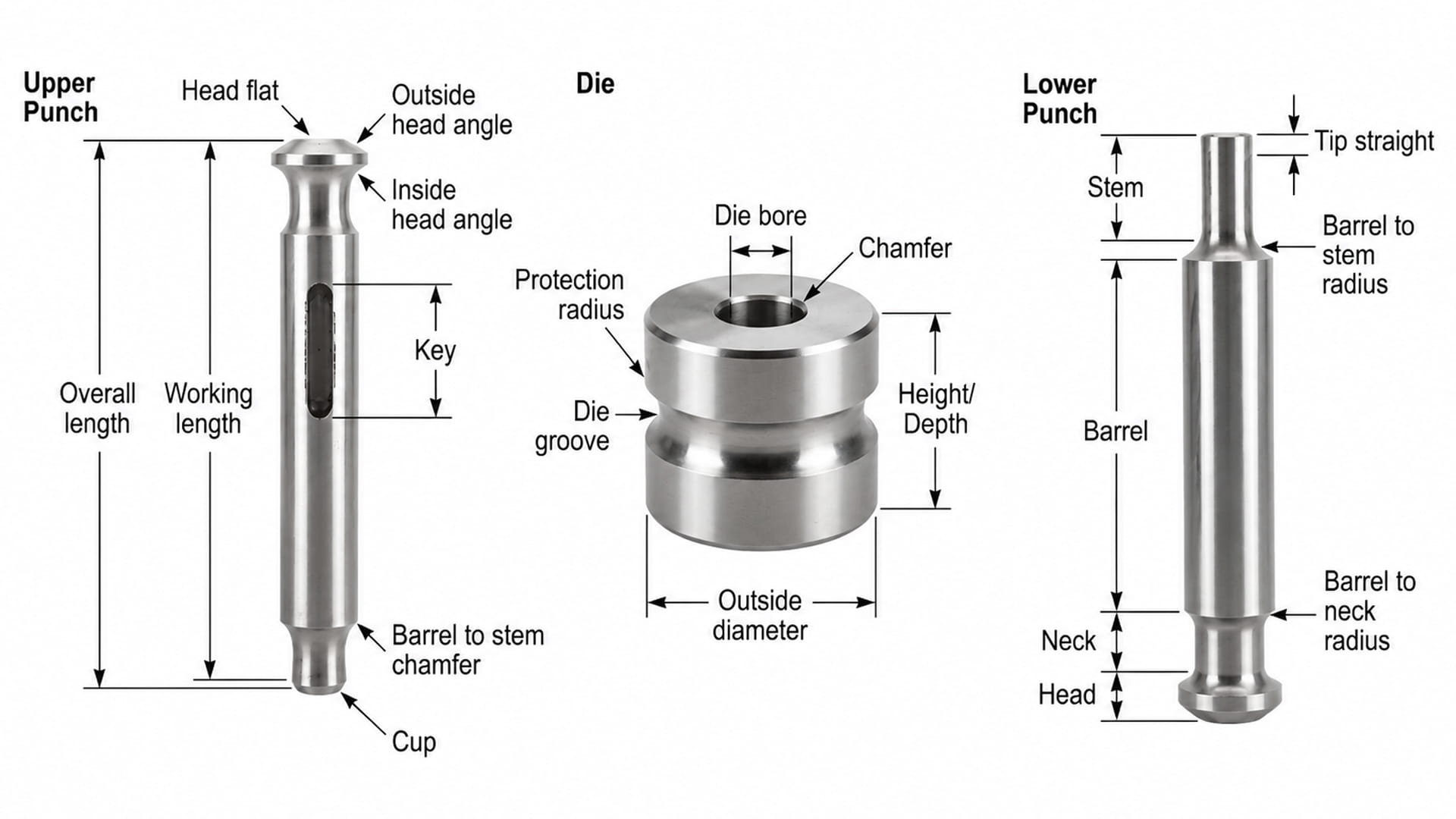
लगातार टैबलेट गुणवत्ता और स्थिर उत्पादन प्रदर्शन प्राप्त करने के लिए विभिन्न टैबलेट उत्पादों को अलग-अलग टूलींग कॉन्फ़िगरेशन की आवश्यकता होती है. एक टेबलेट संपीड़न मशीन में, सबसे आम टैबलेट प्रेस टूलींग प्रकारों में शामिल हैं बी टूलींग, डी टूलींग, बीबी टूलींग, और डीबी टूलींग. ये टूलींग विकल्प मुख्य रूप से पंच आकार में भिन्न होते हैं, डाई आयाम, संपीड़न क्षमता, और उपयुक्त टेबलेट अनुप्रयोग. इन टूलींग प्रकारों के बीच अंतर को समझने से दवा निर्माताओं को मदद मिलती है, उत्पादन इंजीनियर, और मशीन उपयोगकर्ता अपनी टैबलेट मशीन के लिए सही सेटअप का चयन करते हैं.
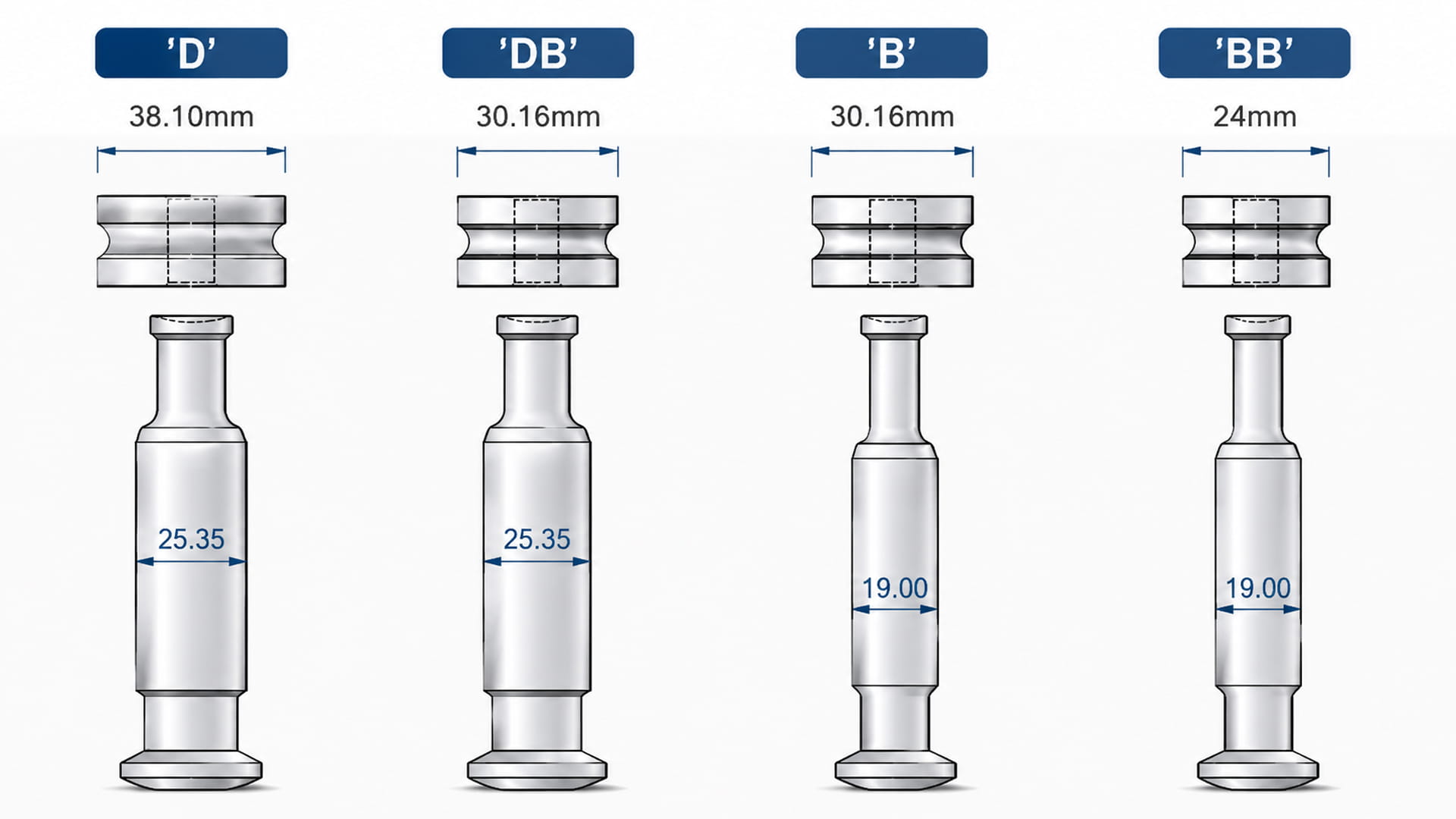
फार्मास्युटिकल उद्योग में, बी-प्रकार टूलींग सबसे सामान्य मानकों में से एक है. B टूलींग का उपयोग करता है a 19.0 मिमी पंच बैरल और ए 30.16 मिमी डाई बाहरी व्यास (का). इसके घूंसे में एक विशिष्ट प्रक्षेपण होता है निकला हुआ किनारा या होंठ सिर पर, जो बुर्ज में बंद हो जाता है. दूसरे शब्दों में, बी मुक्का मारता है एक उठा हुआ रिम है कि एक लॉकिंग क्लैंप लगा हुआ है.
बी टूलींग बहुत बहुमुखी है. यह है एक अवतल पंच टिप (कप के आकार) और एक गोल पासा, और यह लगभग सभी आधुनिक टैबलेट प्रेस के साथ संगत है (उदाहरण के लिए, कई माध्यम- फेटे से हाई-स्पीड रोटरी प्रेस तक, वहाँ है, मताधिकार, वगैरह. बी-प्रकार के हैं). इस टूलींग का उपयोग विभिन्न आकारों की मानक ठोस गोलियों के लिए किया जाता है (आम तौर पर लगभग 4-16 मिमी गोल, या आकृतियों के लिए ~19 मिमी तक भी). सामान्य अनुप्रयोगों में विटामिन जैसी पारंपरिक गोल और अंडाकार गोलियाँ शामिल हैं, अनुपूरकों, और फार्मास्युटिकल गोलियाँ जहां मध्यम आकार और खुराक की आवश्यकता होती है.
बी टूलींग लोकप्रिय है क्योंकि यह उच्च मात्रा में उत्पादन के लिए व्यापक रूप से उपलब्ध है और लागत प्रभावी है. ए 30.16 मिमी डाई ~16-18 मिमी तक की गोलियाँ तैयार कर सकता है (घेरा) या आकार में थोड़ा अधिक. उदाहरण के लिए, अधिकांश छोटी/मध्यम गोली निर्माण लाइनें दक्षता और लचीलेपन के लिए बी टूलींग का उपयोग करेंगी.
डी-प्रकार टूलींग के लिए डिज़ाइन किया गया है बड़ी या मोटी गोलियाँ. डी टूलींग पंच बैरल बड़ा है (25.35 मिमी व्यास) और डाई OD है 38.10 मिमी. बी टूलींग के विपरीत, एक डी-प्रकार का पंच होता है कोई रिम या निकला हुआ किनारा नहीं - यह सिर्फ एक फ्लैट डिस्क हेड है. घूंसे एक के माध्यम से बुर्ज में बंद हो जाते हैं कुंजी और अनुचर फ़्लैंज क्लैंप के बजाय सिस्टम.
डी टूलींग को कभी-कभी "यूरोपीय टूलींग" भी कहा जाता है (हालाँकि यह अमेरिका में भी आम है). यह ऐतिहासिक रूप से पुराने हेवी-ड्यूटी टैबलेट प्रेस पर मानक था और अभी भी बहुत बड़ी टैबलेट या बहुत उच्च संपीड़न बल के लिए उपयोग किया जाता है. उदाहरण के लिए, D टूलींग किसके लिए लोकप्रिय है? जल्दी घुलने वाली गोलियाँ, पशु चिकित्सा गोलियाँ, और उच्च खुराक वाली फार्मास्युटिकल गोलियाँ जिसके लिए बड़े व्यास और मोटाई की आवश्यकता होती है. डी टूलिंग के फ्लैट-फेस वाले पंच उन टैबलेट के लिए अच्छे हैं जिनमें जटिल डिज़ाइन हो सकते हैं या विश्वसनीय एम्बॉसिंग की आवश्यकता हो सकती है (सपाट चेहरा अंकन में मदद करता है).
व्यवहारिक अर्थों में, एक डी टूलींग सेटअप (25.35 मिमी पंच, 38.10 मिमी मरो) मोटे तौर पर गोलियाँ बनायेगा 5 मिमी तक 25 मिमी व्यास. यह उच्च संपीड़न क्षेत्र प्रदान करता है और बहुत कठोर टैबलेट प्राप्त कर सकता है. यदि आपका ऑपरेशन बड़े का उपयोग करता है रोटरी टैबलेट प्रेस मशीन बड़ी विटामिन गोलियों या स्तरित उत्पादों के लिए, यह संभवतः डी टूलींग का उपयोग करता है. याद करना: D घूंसे का कोई होंठ नहीं होता, इसलिए देखने में वे एक फ्लैट डिस्क टॉप की तरह दिखते हैं.
बीबी-प्रकार टूलींग मूलतः एक है बी टूलींग का छोटा संस्करण बहुत छोटी गोलियों के लिए. बीबी टूलींग में भी एक है 19.0 मिमी पंच बैरल (जैसे बी) लेकिन ए का उपयोग करता है छोटा मरना का 24.00 मिमी आयुध डिपो. मुख्य अंतर यह है कि बीबी टूलींग बनाती है छोटी गोलियाँ या लोजेंजेस - उप-13 मिमी राउंड के बारे में सोचें.
जब आपको हाई स्टेशन काउंट या मल्टी-टिप पंच की आवश्यकता होती है तो बीबी टूलींग को प्राथमिकता दी जाती है. साथ 24 मिमी मर जाता है, आप एक पर कई स्टेशन फिट कर सकते हैं 24- या छोटी गोलियों के आउटपुट को बढ़ावा देने के लिए 32-स्टेशन प्रेस. इसका छोटा आकार परिशुद्धता से समझौता नहीं करता है: बीबी पंच बहुत समान मिनी-टैबलेट का उत्पादन करते हैं (उदाहरण के लिए, कफ ड्रॉप, सांस टकसाल, छोटे चबाने योग्य पदार्थ) जहां खुराक की सटीकता महत्वपूर्ण है.
सारांश, बीबी टूलींग = छोटे व्यास की गोलियाँ. यह अनिवार्य रूप से के लिए है कॉम्पैक्ट प्रेस या उच्च-आउटपुट मोड जहां प्रत्येक टैबलेट छोटा है. बीबी टूलींग सिस्टम को बी टूलींग के समान बुर्ज मानकों की आवश्यकता होती है (वही पंच हेड और रिटेंशन), तो बीबी मुक्का मारती है करना बी घूंसे की तरह होंठ/निकला हुआ किनारा रखें. इसका लाभ छोटे उपकरणों का उपयोग करके 24-स्टेशन सेटअप में पुराने 16-स्टेशन प्रेस को चलाने में सक्षम होना है.
डीबी-प्रकार टूलींग डी और बी की विशेषताओं को मिलाकर एक संकर प्रणाली है. एक डीबी सेटअप में, the पंच बैरल व्यास है 25.35 मिमी (डी के समान), लेकिन ओडी है 30.16 मिमी (बी के समान). दूसरे शब्दों में, यह एक बड़े व्यास वाले पंच हेड का उपयोग करता है (पसंद किया) एक छोटे डाई बोर के साथ (जैसे बी).
यह संयोजन आपको काफी बड़ा उत्पादन करने देता है, उच्च खुराक वाली गोलियाँ (D की तरह लंबा) जबकि फुल डी टूलींग की तुलना में अधिक स्टेशन फिट किए जा रहे हैं (चूँकि डाई छोटे होते हैं). डीबी टूलींग अक्सर लचीले उत्पादन के लिए डिज़ाइन की गई प्रेस पर दिखाई देती है: आपको बी-आकार के पासे के साथ डी पंच की उच्च संघनन क्षमता मिलती है. उदाहरण के लिए, डीबी पंच/डाई सेट का उपयोग घनी मल्टीविटामिन गोलियों या बड़ी पशु चिकित्सा गोलियों के लिए किया जा सकता है जहां आप एक बड़ा आकार चाहते हैं लेकिन पंचों की अदला-बदली करके बी-बुर्ज का पुन: उपयोग भी करना चाहते हैं।.
डीबी टूल का पंच बी पंच की तरह लॉक हो जाता है (इसके सिर पर एक निकला हुआ किनारा है) लेकिन इसका आकार D के करीब है. यह एक विशेष विकल्प है दक्षता के साथ मध्यम-बड़ी गोलियाँ मन में. मूल रूप से, डीबी का अर्थ है "बी से बड़ा लेकिन पूर्ण डी जितना बड़ा नहीं" - मध्यम से बड़े टैबलेट के उच्च आउटपुट की पेशकश करने वाला एक समझौता. डीबी टूलींग के लिए विशिष्ट टैबलेट का आकार लगभग 5-19 मिमी व्यास का होता है.
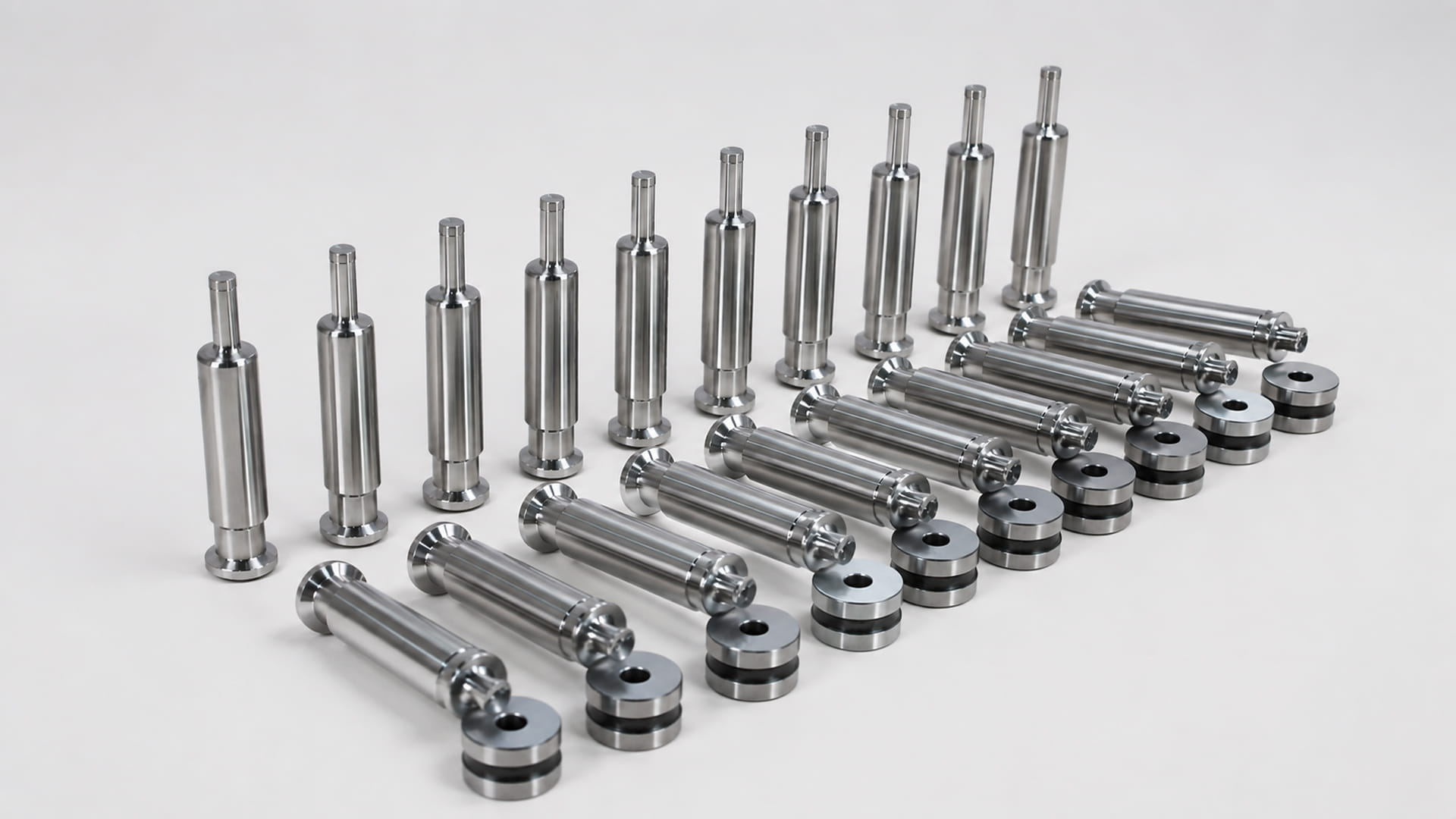
नीचे प्रत्येक टूलींग प्रकार के विशिष्ट आयामों और टैबलेट आकार श्रेणियों की त्वरित तुलना दी गई है, उद्योग मानकों के आधार पर:
| टूलींग प्रकार | पंच बैरल Ø | मरो Ø (का) | गोली का व्यास | सामान्य उपयोग |
| बी | 19.00 मिमी | 30.16 मिमी | ~4-16 मिमी | मानक गोलियाँ (फार्मा) |
| डी | 25.35 मिमी | 38.10 मिमी | ~10-25 मिमी | बड़ी गोलियाँ, चमकता हुआ |
| बी बी | 19.00 मिमी | 24.00 मिमी | ~4-13 मिमी | छोटी गोलियाँ, हाई-स्पीड लाइनें |
| डाटाबेस | 25.35 मिमी | 30.16 मिमी | ~5-19 मिमी | घनी छोटी-औषधीय गोलियाँ |
उदाहरण के लिए, जिनलुपैकिंग नोट्स बी टूलींग आम तौर पर 3-16 मिमी की गोलियाँ बनाती है, जबकि डी टूलींग 10-25 मिमी को कवर करती है. बीबी टूलींग अधिकतम 13 मिमी और डीबी लगभग 19 मिमी है. सटीक आकार टैबलेट के आकार पर भी निर्भर करता है (गोल, अंडाकार, वगैरह।).
ए से परे, बी, डी नामकरण, टूलींग को टैबलेट प्रेस में फिट करने के लिए एक मानक का पालन करना चाहिए. टूलींग मानकों के दो मुख्य परिवार हैं:
महत्वपूर्ण बात, यूरोपीय संघ (आईएसओ 18084) और टीएसएम पंच विनिमेय नहीं हैं. भले ही डाई के बाहरी व्यास समान हों (उदाहरण के लिए:. 38.10 डी के लिए मिमी, 30.16 बी के लिए मिमी), the पंच विवरण भिन्न हैं. उदाहरण के लिए, टीएसएम पंच हेड का असर सतहों पर आईएसओ वाले की तुलना में थोड़ा अलग कोण होता है, और कुंजी स्लॉट अलग तरीके से स्थित है. व्यवहार में, आईएसओ/डी पंच आम तौर पर टीएसएम/यूएस-शैली प्रेस में सही ढंग से फिट नहीं होगा, और इसके विपरीत. यह देखने के लिए कि क्या वह अपेक्षा करता है, हमेशा अपने प्रेस के दस्तावेज़ों की जाँच करें टीएसएम या आईएसओ/ईयू घूंसे और मरने का आदेश देने से पहले टूलींग.
सारांश: टीएसएम = यूएस/जापान मानक, ईयू = आईएसओ 18084 मीट्रिक. दोनों टैबलेट के आकार में सटीकता सुनिश्चित करते हैं, लेकिन उनके टूलींग हेड असंगत हैं.
अपनी पिल प्रेस मशीन के लिए टूलींग का चयन करते समय, विचार करना टेबलेट का आकार, उत्पादन की मात्रा, और गोली की कठोरता:
व्यवहार में, कई निर्माता (जिनलू पैकिंग सहित) मार्गदर्शन प्रदान करें. उदाहरण के लिए, जिनलू का ZP-17D टैबलेट प्रेस मानक GCR-15 पंचों का उपयोग करके इसे 100kN के लिए रेट किया गया है, इसलिए वे टेबलेट आकार के अनुसार टूलींग निर्दिष्ट करते हैं. वे यह भी ध्यान देते हैं कि दोनों टूलींग आकार और सामग्री मामला: मुश्किल, अपघर्षक गोलियाँ कठोर स्टील या विशेष कोटिंग का उपयोग करती हैं (टिन, सी.आर.एन) टूलींग जीवन का विस्तार करने के लिए.
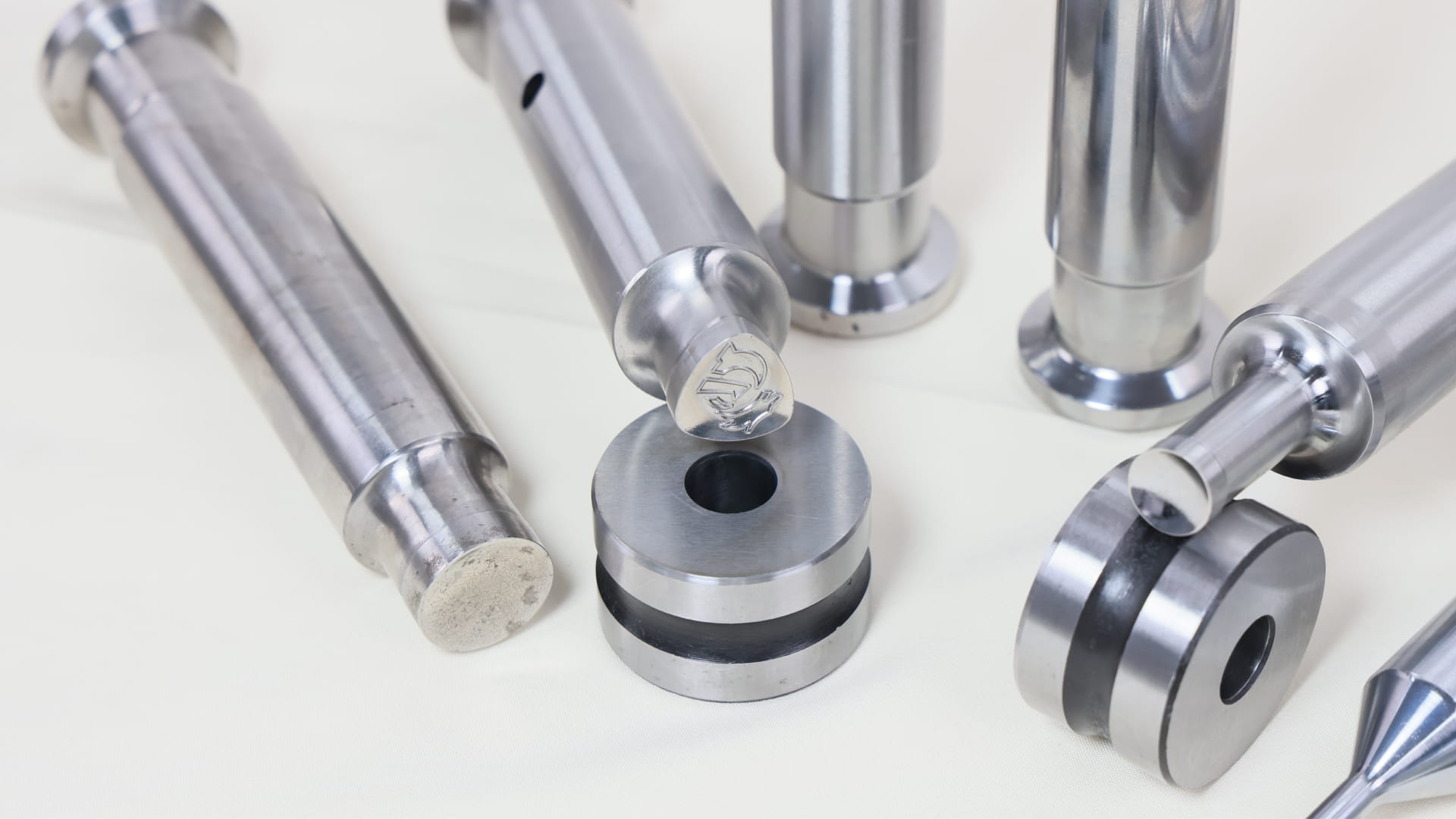
उचित रखरखाव उपकरण के जीवन को नाटकीय रूप से बढ़ाता है और टैबलेट की गुणवत्ता. उद्योग विशेषज्ञों का कहना है कि मोटे तौर पर 85% पंच-एंड-डाई की समस्याएँ खराब रखरखाव और हैंडलिंग से आती हैं. आपके टूलींग को सर्वोत्तम स्थिति में रखने के लिए यहां सर्वोत्तम अभ्यास दिए गए हैं:
इन चरणों का पालन करें (साफ, निरीक्षण करें, मरम्मत/पॉलिश, उपाय, चिकना, स्टोर - जिसे अक्सर "7-चरण टूलींग रखरखाव प्रक्रिया" कहा जाता है) डाउनटाइम को कम करेगा. जैसा कि एक इंजीनियर ने कहा, “एक साफ़, अच्छी तरह से बनाए रखा गया पंच चिपकने या टूटी हुई गोलियों के उत्पादन की बहुत कम संभावना है। व्यवहार में, सफाई है सबसे महत्वपूर्ण कदम: यह पुराने उत्पाद अवशेषों को हटा देता है जो चिपकने का कारण बन सकते हैं, चुनना, या क्रॉस-संदूषण.
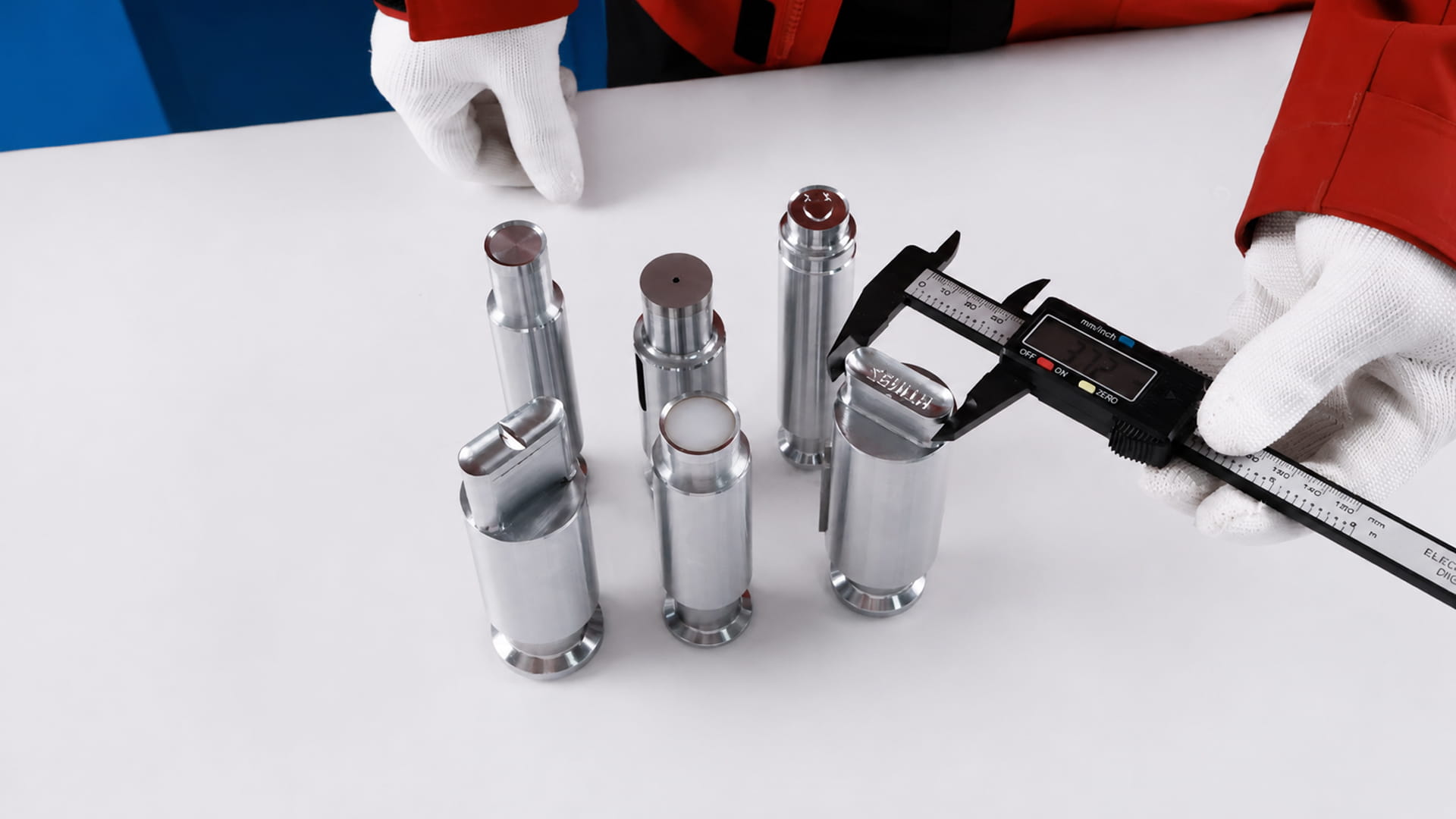
आयामों के अलावा, टूलींग सामग्री और समाप्ति आलोचनात्मक हैं. अधिकांश टैबलेट प्रेस पंच उच्च श्रेणी के कार्बन स्टील से बने होते हैं (उदाहरण के लिए:. जीसीआर-15) कठोरता के साथ ~60 एचआरसी, जो उच्च संपीड़न बलों का सामना करता है. नम या अम्लीय फॉर्मूलेशन के लिए (जड़ी-बूटियों या इफ्यूसेंट्स की तरह), स्टेनलेस स्टील या लेपित पंच (टिन, सी.आर.एन, डीएलसी) संक्षारण और चिपकने का प्रतिरोध कर सकता है.
हमेशा सुनिश्चित करें कि टूलींग विशिष्टताओं के अनुसार निर्मित की गई है. कई आपूर्तिकर्ता टैबलेट विशिष्टता मैनुअल का पालन करते हैं (टीएसएम) या सहनशीलता के लिए आईएसओ मानक. जिनलू, उदाहरण के लिए, नोट्स बीबी टूलींग अनुरोध पर प्रदान किए गए निरीक्षण दस्तावेजों के साथ सटीक टीएसएम/ईयू विशिष्टताओं के लिए बनाई गई है. उच्च गुणवत्ता वाली टूलींग दोषों से बचने और पंच जीवन को बढ़ाने में मदद करती है.
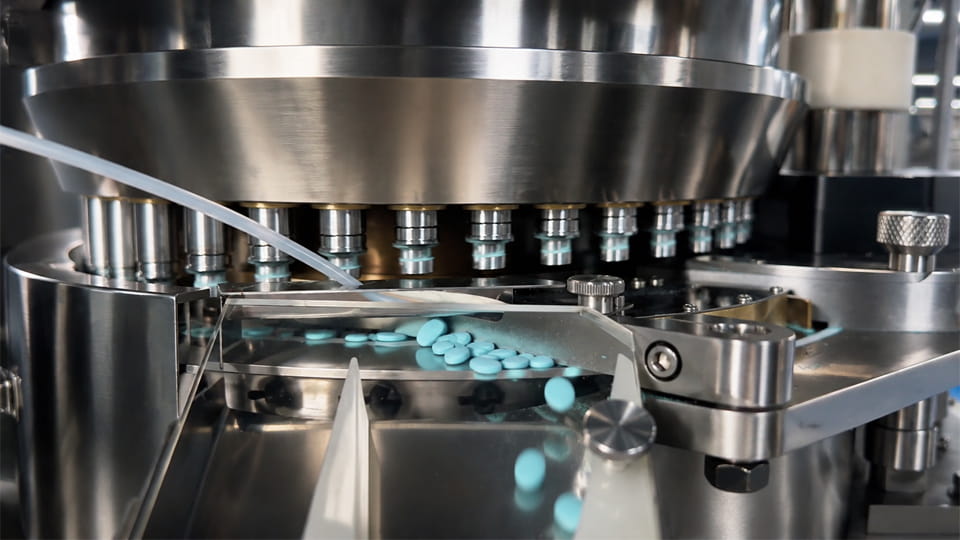
आकृति: हाई-स्पीड प्रेस और टूलींग कई टैबलेट को शीघ्रता से वितरित करते हैं
सम्मानित टैबलेट प्रेस निर्माता और टूलींग आपूर्तिकर्ता आपको सही मानक चुनने में मदद मिल सकती है. उदाहरण के लिए, जिंलू पैकिंग अक्सर ग्राहकों को बी के बीच चयन करने में सहायता करती है, डी, उत्पाद पर आधारित बीबी या डीबी टूलींग. हम निःशुल्क फ़ॉर्मूला परीक्षण प्रदान करते हैं और विशेष टूलींग की अनुशंसा कर सकते हैं (उत्कीर्ण, स्कोरिंग, वगैरह।) आपके प्रेस के लिए. पूर्ण उत्पादन लाइन को एकीकृत करते समय, ऐसा आपूर्तिकर्ता चुनें जो प्रेस और टूलींग दोनों प्रदान करता हो, इसलिए अनुकूलता की गारंटी है.
आगे, त्वरित-परिवर्तन टूलींग प्रणाली और रखरखाव योजना होने से डाउनटाइम कम हो जाता है. तेजी से डाई हटाने जैसी सुविधाओं की तलाश करें, बुर्ज त्वरित-रिलीज़, और नई प्रेसों पर उपकरण-रहित पंच हटाना. उदाहरण के लिए, जीएमपी डिजाइन पर जिंलू के फोकस का मतलब है कि उनकी मशीनों में त्वरित रिलीज बुर्ज और साफ करने में आसान संपर्क हिस्से हैं, यह सुनिश्चित करने में मदद करना कि टूलींग शीर्ष स्थिति में रहे.
उचित टैबलेट प्रेस टूलींग केवल एक उपभोज्य भाग से कहीं अधिक है - यह एक रणनीतिक विकल्प है जो सीधे आपके उत्पाद की गुणवत्ता और आपकी विनिर्माण दक्षता को प्रभावित करता है. के बीच के अंतर को समझकर बी, डी, बी बी, और डीबी टूलींग और चयन एवं रखरखाव में सर्वोत्तम प्रथाओं का पालन करना, फार्मास्युटिकल निर्माता महँगे दोषों और डाउनटाइम से बच सकते हैं. अपने टूलींग मानक से मेल खाना याद रखें (टीएसएम बनाम आईएसओ), अपने टेबलेट के लिए सही आकार चुनें, और सख्ती से पालन करें सफाई/निरीक्षण दिनचर्या. भुगतान एक समान गोलियाँ है, कम अस्वीकार, और एक अधिक विश्वसनीय उत्पादन लाइन.
यदि आप एक नई टैबलेट कंप्रेशन मशीन खरीदने या अपनी टूलींग को अपग्रेड करने की तैयारी कर रहे हैं, अनुभवी ओईएम तक पहुंचने पर विचार करें. जिंलू पैकिंग आपकी आवश्यकताओं के लिए सर्वोत्तम टूलींग सिस्टम पर मार्गदर्शन प्रदान करती है, और आपके टेबलेट को विशिष्ट बनाए रखने के लिए कस्टम पंच और डाई की आपूर्ति कर सकता है. हमारी टीम आपको सही टूलिंग सेट चुनने में मदद करने के लिए तैयार है ताकि आप अपने टैबलेट प्रेस से अधिकतम लाभ उठा सकें. हमसे संपर्क करें विशेषज्ञ की सलाह या गुणवत्तापूर्ण टैबलेट प्रेस टूलिंग और उपकरण पर उद्धरण के लिए.
टैबलेट प्रेस टूलिंग से तात्पर्य टैबलेट कंप्रेशन मशीन में पाउडर या कणिकाओं को टैबलेट में बनाने के लिए उपयोग किए जाने वाले पंचों और डाइज़ के सेट से है।. टूलींग टैबलेट के आकार को नियंत्रित करती है, आकार, मोटाई, और समग्र स्वरूप. एक पूर्ण टूलींग सेट में आमतौर पर एक ऊपरी पंच शामिल होता है, निचला पंच, और मर जाओ, जो संपीड़न प्रक्रिया के दौरान एक साथ काम करते हैं.
टैबलेट प्रेस टूलिंग के सबसे सामान्य प्रकारों में बी टूलिंग शामिल है, डी टूलींग, बीबी टूलींग, और डीबी टूलींग. ये टूलींग प्रकार मुख्य रूप से पंच आकार में भिन्न होते हैं, डाई आयाम, संपीड़न क्षमता, और उपयुक्त टेबलेट अनुप्रयोग. सही विकल्प टैबलेट के आकार पर निर्भर करता है, सूत्रीकरण विशेषताएँ, उत्पादन आवश्यकताएँ, और आपके टेबलेट संपीड़न मशीन की विशिष्टताएँ.
बी टूलींग और डी टूलींग के बीच मुख्य अंतर उनका आकार और संपीड़न क्षमता है. बी टूलिंग में एक छोटा पंच और डाई कॉन्फ़िगरेशन होता है और आमतौर पर मानक आकार की गोलियों के लिए उपयोग किया जाता है. डी टूलींग में एक बड़ा डिज़ाइन है, उच्च संपीड़न बल और बड़े टैबलेट उत्पादन की अनुमति. बड़े टैबलेट के लिए अक्सर डी टूलींग को प्राथमिकता दी जाती है, जबकि बी टूलींग आम फार्मास्युटिकल टैबलेट के लिए अधिक लचीलापन प्रदान करता है.
बीबी टूलींग एक छोटा टूलींग कॉन्फ़िगरेशन है जिसे छोटे टैबलेट के उत्पादन के लिए डिज़ाइन किया गया है. इसका उपयोग आमतौर पर उन उत्पादों के लिए किया जाता है जिनके लिए कॉम्पैक्ट टैबलेट आकार की आवश्यकता होती है, जैसे कि कुछ फार्मास्युटिकल गोलियाँ, अनुपूरकों, और विशेष उत्पाद. जब निर्माताओं को कुशल उत्पादन प्रदर्शन वाले छोटे टैबलेट की आवश्यकता होती है तो बीबी टूलींग एक उपयुक्त विकल्प हो सकता है.
डीबी टूलींग एक टूलींग कॉन्फ़िगरेशन है जो डी और बी टूलींग सिस्टम की विशेषताओं को जोड़ती है. यह छोटे पंच डिज़ाइन के साथ बड़े डाई कॉन्फ़िगरेशन का उपयोग करता है, विशिष्ट टैबलेट आकार और उत्पादन आवश्यकताओं के लिए लचीलापन प्रदान करना. डीबी टूलींग का चयन अक्सर तब किया जाता है जब निर्माताओं को टैबलेट आकार क्षमता और टूलींग दक्षता के बीच संतुलन की आवश्यकता होती है.
हमेशा नहीं. एक टैबलेट प्रेस मशीन विशिष्ट टूलींग विशिष्टताओं के लिए डिज़ाइन की गई है, और अनुकूलता बुर्ज डिज़ाइन पर निर्भर करती है, पंच आयाम, डाई साइज़, और टूलींग मानक. उदाहरण के लिए, मशीन अनुकूलता की पुष्टि किए बिना बी टूलींग और डी टूलींग एक-दूसरे को प्रतिस्थापित नहीं कर सकते. टूलींग बदलने से पहले हमेशा टैबलेट प्रेस मॉडल और टूलिंग विनिर्देश की जांच करें.
मुख्य टैबलेट प्रेस टूलींग मानकों में टीएसएम शामिल है (टेबलेट विशिष्टता मैनुअल), यूरोपीय संघ (यूरोपीय टूलींग मानक), और आईएसओ टूलींग मानक. टीएसएम का व्यापक रूप से उत्तरी अमेरिका में उपयोग किया जाता है, जबकि यूरोपीय संघ और आईएसओ मानक आमतौर पर कई अंतरराष्ट्रीय बाजारों में उपयोग किए जाते हैं. हालाँकि कुछ आयाम समान दिख सकते हैं, टीएसएम और ईयू टूलींग स्वचालित रूप से विनिमेय नहीं हैं.
सही टैबलेट प्रेस टूलींग का चयन कई कारकों पर निर्भर करता है, टैबलेट का आकार भी शामिल है, आकार, सूत्रीकरण, संपीड़न बल, उत्पादन की मात्रा, और टैबलेट प्रेस मॉडल. निर्माताओं को टूलींग मानकों पर भी विचार करना चाहिए, सामग्री चयन, और स्थिर टैबलेट गुणवत्ता और कुशल उत्पादन सुनिश्चित करने के लिए अपेक्षित उपकरण जीवन.
आम टैबलेट प्रेस टूलींग समस्याओं में चिपकना शामिल है, चुनना, टेबलेट कैपिंग, असमान टैबलेट वजन, पंच घिसाव, और क्षति मरो. ये समस्याएँ घिसे-पिटे टूलींग के कारण हो सकती हैं, गलत रखरखाव, अनुपयुक्त टूलींग सामग्री, या अनुचित टेबलेट संपीड़न सेटिंग्स. नियमित निरीक्षण और सही टूलींग चयन से उत्पादन समस्याओं को कम करने में मदद मिल सकती है.
टैबलेट प्रेस टूलींग का सेवा जीवन टैबलेट फॉर्मूलेशन जैसे कारकों पर निर्भर करता है, उत्पादन की गति, संपीड़न बल, टूलींग सामग्री, कलई करना, और रखरखाव प्रथाएँ. उचित सफाई के साथ, निरीक्षण, स्नेहन, और भंडारण, प्रतिस्थापन की आवश्यकता होने से पहले उच्च-गुणवत्ता वाले पंच और डाइज़ लाखों टैबलेट का उत्पादन कर सकते हैं.
संदर्भ:
1.टेबलेट के लिए प्रेस उपकरण - पंच और डाईज़ —— आईएसओ 18084:2011
2.अध्याय 32 – विकास, अनुकूलन, और प्रक्रिया पैरामीटर्स का स्केल-अप: गोली संपीड़न —— साइंसडायरेक्ट
3.टैबलेट टूलींग मानकीकरण के लाभ —— फार्मटेक
4.टैबलेट-प्रेस टूलींग रखरखाव और भंडारण में सुधार —— फार्मटेक
5.पंच ज्यामिति का प्रभाव (सिर-सपाट व्यास) और टूलींग प्रकार ('बी’ या 'डी') फॉर्मूलेशन टैबलेट के भौतिक-यांत्रिक गुणों पर —— नेशनल लाइब्रेरी ऑफ मेडिसिन
6.टैबलेट टूलींग प्रौद्योगिकी में प्रगति पर एक अद्यतन —— साइंसडायरेक्ट