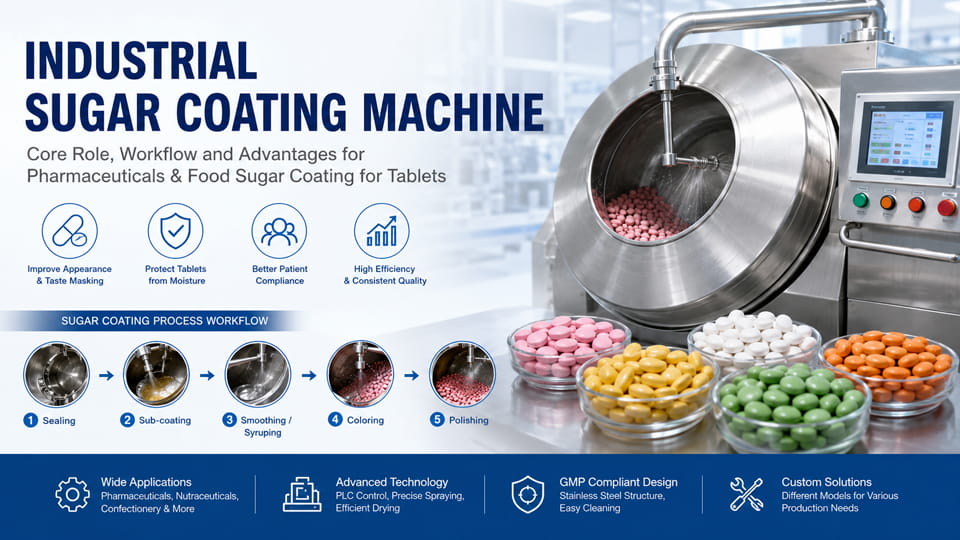
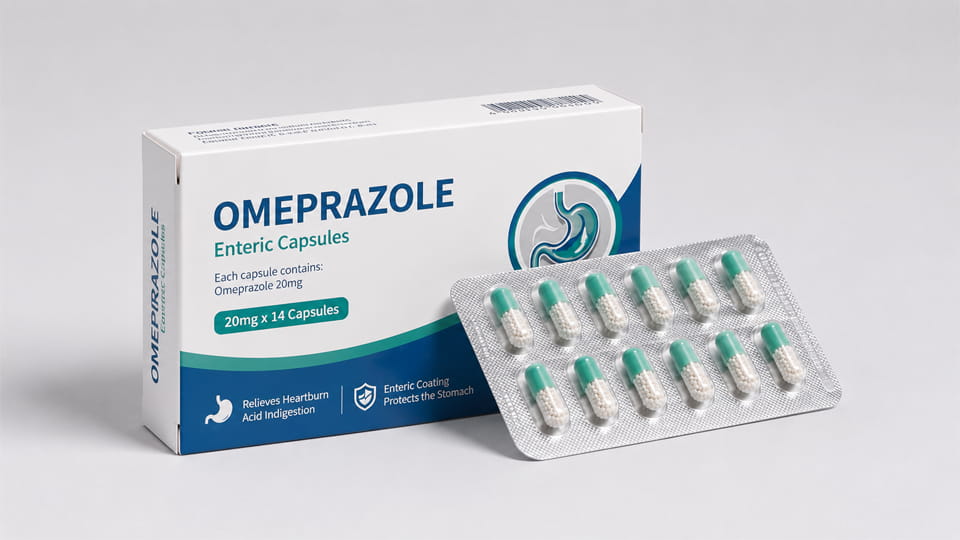
आंत्र कैप्सूल सामान्य गोलियों की तरह दिखती हैं लेकिन पेट के एसिड का प्रतिरोध करने और आंत में उनकी सामग्री को छोड़ने के लिए विशेष कोटिंग होती है. आंतों का (या गैस्ट्रो-प्रतिरोधी) कैप्सूल विशेष रूप से पेट के माध्यम से सुरक्षित रूप से यात्रा करने और छोटी आंत में घुलने के लिए डिज़ाइन किए गए हैं. शब्द "एंटेरिक" ग्रीक से आंत के लिए आया है. व्यवहार में, आंत्र कैप्सूल को पीएच-संवेदनशील कोटिंग दी जाती है या पीएच-संवेदनशील सामग्री से बनाया जाता है ताकि वे अम्लीय पेट में बरकरार रहें (पीएच ~1.5-3.5) लेकिन जब वे छोटी आंत के उच्च पीएच तक पहुंचते हैं तो तेजी से घुल जाते हैं. स्पष्ट शब्दों में, एंटेरिक कैप्सूल पेट में एसिड से दवा या पूरक की रक्षा करते हैं, यह सुनिश्चित करना कि कैप्सूल के आंत में जाने के बाद ही सक्रिय तत्व जारी हों. रिलीज़ साइट में यह साधारण परिवर्तन कई दवाओं और पूरकों की प्रभावशीलता और सहनशीलता में बड़ा अंतर ला सकता है.
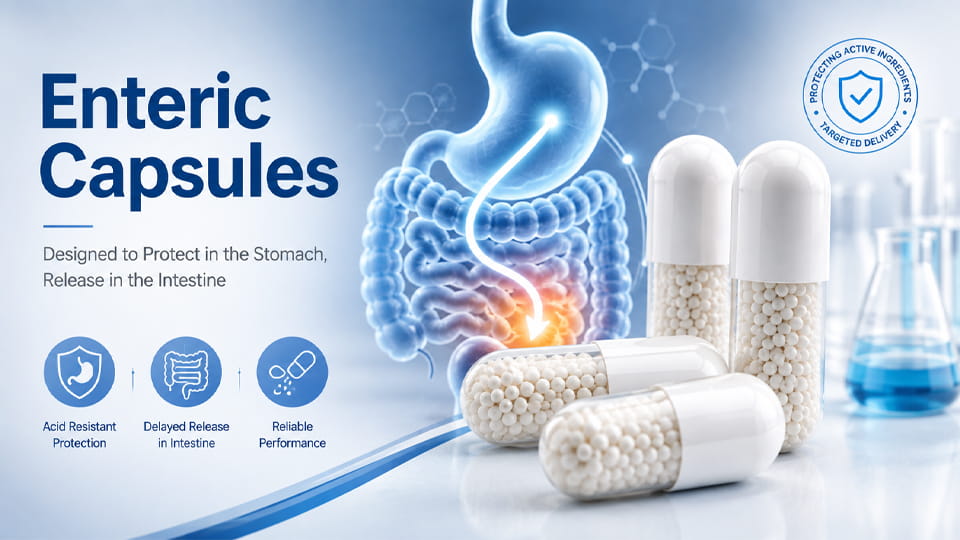
आंतों का (एसिड-प्रतिरोधी, गैस्ट्रो-प्रतिरोधी) कैप्सूल मौखिक खुराक रूप हैं पेट के एसिड का विरोध करने और छोटी आंत में घुलने के लिए डिज़ाइन किया गया. उत्पाद डिज़ाइन पर निर्भर करता है, गैस्ट्रो-प्रतिरोधी कार्य से आ सकता है कैप्सूल खोल स्वयं, एक आंत्रिक कोटिंग, या आंत्र-लेपित सामग्री जैसे छर्रों या कणिकाओं. यह दृष्टिकोण आमतौर पर तब उपयोग किया जाता है जब एपीआई गैस्ट्रिक एसिड के प्रति संवेदनशील होता है, जब पेट में रिलीज अवांछनीय हो, या जब फॉर्मूलेशन का उद्देश्य इसके सक्रिय घटक को जठरांत्र पथ के माध्यम से आगे पहुंचाना हो. व्यवहार में, वे पेट के माध्यम से दवाओं को बरकरार रखते हैं और उन्हें उच्च पीएच पर छोड़ते हैं (आमतौर पर पीएच 5.5-6.0 से ऊपर). यह pH-ट्रिगर रिलीज़ दो मुख्य उद्देश्यों को पूरा करता है:
ये लाभ बताते हैं कि क्यों फॉर्मूलेशन चिकित्सकीय दवाओं से लेकर पूरक और न्यूट्रास्यूटिकल्स तक होते हैं. उदाहरण के लिए, एंटेरिक कैप्सूल में जीवित प्रोबायोटिक्स पहुंचाने से यह सुनिश्चित होता है कि जीव पेट के एसिड से बचे रहें. उसी प्रकार, दर्द निवारक दवाओं को देर से जारी करने से पेट खराब होने से बचाव होता है. राशि में, आंत्र कैप्सूल सक्षम करें विलंबित-रिलीज़ डिलीवरी: कैप्सूल पेट से होकर गुजरता है (अक्षुण्ण रहना) और केवल तभी खुलता है जब यह उच्च-पीएच आंतों तक पहुंचता है.
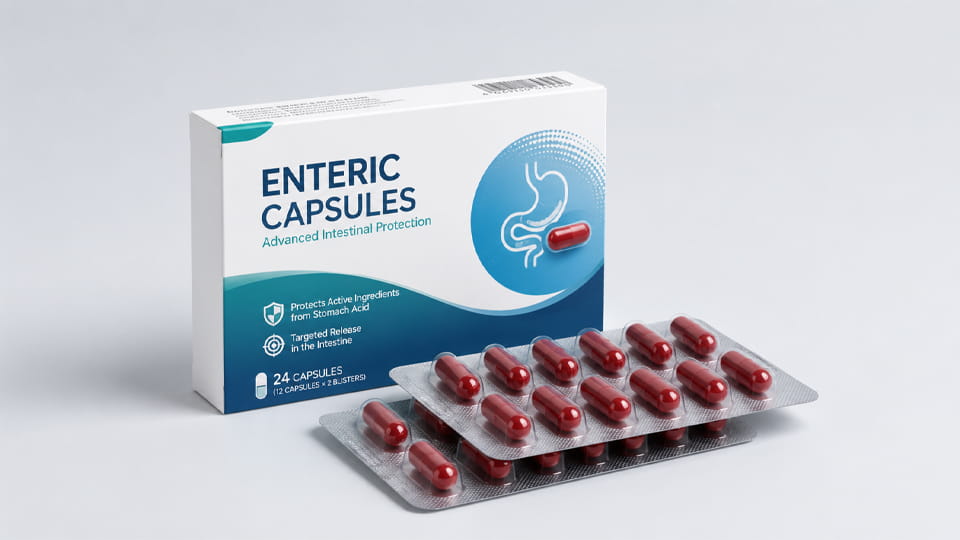
हालाँकि आंत्र कैप्सूल अक्सर सामान्य जिलेटिन या वेजी कैप्सूल की तरह ही दिखते हैं, उनमें विशेष पॉलिमर होते हैं जो उन्हें पेट के एसिड में एक साथ रखते हैं. आंत्र कैप्सूल का रहस्य पीएच है. पेट के अम्लीय वातावरण में, इनका विशेष लेप या खोल ठोस रहता है (घुलता नहीं). एक बार कैप्सूल छोटी आंत में चला जाता है (आमतौर पर पीएच 5.5-7.5), उच्च pH के कारण कोटिंग टूट जाती है. उदाहरण के लिए, एक सामान्य पॉलिमर जिसे एचपीएमसीपी कहा जाता है (हाइड्रॉक्सीप्रोपाइल मिथाइलसेलुलोज फ़ेथलेट) आंत्र कैप्सूल के लिए चुना जाता है क्योंकि यह लगभग pH5.5 से नीचे अघुलनशील रहता है. व्यवहार में, एचपीएमसीपी वाला एक कैप्सूल पेट में 1-3 घंटे तक सुरक्षित रूप से गुजरेगा और आंत में पहुंचने पर ही घुलना शुरू करेगा. यह pH-ट्रिगर रिलीज़ कैप्सूल के भरने को सुनिश्चित करता है (चाहे पाउडर, तरल या अन्य रूप) सही स्थान पर जारी किया गया है.
नियामक परीक्षण इस कार्रवाई की पुष्टि करते हैं. डिज़ाइन द्वारा, एक आंत्रीय खुराक प्रपत्र अवश्य होना चाहिए नहीं अलग हो जाना या इसकी सामग्री नकली गैस्ट्रिक द्रव में लीक हो जाना (पीएच 1.2) 1-2 घंटे तक, और अवश्य पूरी तरह से विघटित हो जाता है और अपनी सामग्री को आंतों की स्थिति में छोड़ देता है (पीएच ~6.8). सामान्य शर्तों में, फार्माकोपिया नियमों के अनुसार इससे अधिक की आवश्यकता नहीं है 10% कैप्सूल की सामग्री का कुछ हिस्सा पेट जैसे एसिड में छोड़ा जा सकता है, जबकि कम से कम 80% उच्च-पीएच में जारी किया जाना चाहिए (आंतों) बफर. यह सुनिश्चित करता है कि आंत्र कैप्सूल वास्तव में छोटी आंत तक रिलीज़ होने में "देरी" करते हैं.
एक प्रभावी आंत्र कैप्सूल के लिए सही सामग्री का चयन करना महत्वपूर्ण है. प्रमुख घटकों में शामिल हैं पॉलीमर(एस) कोटिंग के लिए (या खोल) और excipients. सामान्य एंटिक पॉलिमर और सामग्रियां हैं:
इसके अलावा, कैप्सूल खोल सामग्री वे स्वयं आंत्रीय व्यवहार में योगदान दे सकते हैं. उदाहरण के लिए, कुछ उत्पाद कोटिंग चरण से बचने के लिए पूर्व-निर्मित एसिड-प्रतिरोधी कैप्सूल का उपयोग करते हैं. उदाहरणों में कैप्सुगेल शामिल हैं EnTRinsic® (एक सेलूलोज़ एसीटेट फ़ेथलेट खोल) और कैप्सकनाडा का एआर कैप्स® (एचपीएमसी और हाइपोमेलोज़ फ़ेथलेट का मिश्रण). ये विशेष शैल गैस्ट्रिक पीएच में स्थिर रहने के लिए डिज़ाइन किए गए हैं (उदाहरण के लिए:. एआर कैप्स के लिए स्थिर हैं 60 पेट जैसी स्थिति में न्यूनतम) और फिर आंतों के pH पर विघटित हो जाता है. ऐसे एंटरिक कैप्सूल शेल का उपयोग करके उत्पादन को सरल बनाया जा सकता है (किसी कोटिंग चरण की आवश्यकता नहीं है), लेकिन मालिकाना कैप्सूल को स्वयं सोर्स करने की आवश्यकता होती है.
सामग्रियों को संक्षेप में प्रस्तुत करना: अधिकांश आंत्र कैप्सूल एक का उपयोग करते हैं पॉलिमर कोटिंग भरने के बाद लागू किया गया, या एक आंत्र-ग्रेड कैप्सूल खोल; सामान्य पॉलिमर मेथैक्रिलेट्स हैं (यूड्रैगिट एल/एस), सीएपी/एचपीएमसीपी, या प्राकृतिक रेजिन. एकरूपता सुनिश्चित करने के लिए फॉर्म्युलेटर प्लास्टिसाइज़र और सॉल्वेंट सिस्टम को भी समायोजित करते हैं, दोष-मुक्त फिल्म.
जब आपको लक्षित या संवेदनशील डिलीवरी की आवश्यकता होती है तो एंटरिक कैप्सूल कई स्पष्ट लाभ प्रदान करते हैं:
कुल मिलाकर, एंटरिक कैप्सूल अनिवार्य रूप से आपको नियंत्रण करने देते हैं कहाँ और कब आपका उत्पाद अपना पेलोड जारी करता है. यह संवेदनशील एंजाइमों या एसिड-लेबिल पोषक तत्वों वाले फॉर्मूलेशन के लिए बहुत बड़ा है, समय-विमोचन खुराक के लिए, और रोगी के आराम के लिए. जैसा कि एक कैप्सूल विशेषज्ञ कहते हैं, एंटरिक शेल्स की एसिड-प्रतिरोधी प्रकृति उन्हें सामान्य से अधिक विशिष्ट दवा वितरण कार्यों के लिए उपयुक्त बनाती है जिलेटिन या वनस्पति कैप्सूल”.
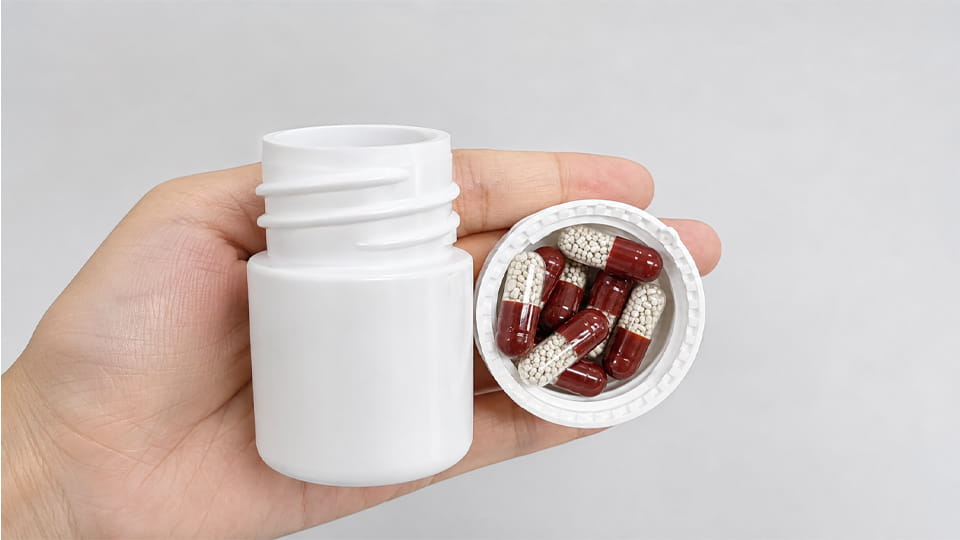
एंटेरिक कैप्सूल के बीच चयन करना, मानक जिलेटिन कैप्सूल, और एचपीएमसी कैप्सूल केवल शेल सामग्री का सवाल नहीं है. अम्लीय परिस्थितियों में उनका व्यवहार, नमी प्रतिक्रिया, इच्छित रिलीज़ प्रोफ़ाइल, और हैंडलिंग आवश्यकताएँ काफी भिन्न हो सकती हैं. निम्नलिखित तुलना दवा निर्माताओं और उत्पादन टीमों को प्रमुख अंतरों का त्वरित अवलोकन देती है.
| तुलना आयाम | आंतों का / एसिड प्रतिरोधी कैप्सूल | मानक जिलेटिन कैप्सूल | मानक एचपीएमसी कैप्सूल |
|---|---|---|---|
| विघटनकारी व्यवहार | गैस्ट्रिक स्थितियों में विघटन का विरोध करने और बाद में आंतों की स्थितियों में सामग्री को जारी करने के लिए डिज़ाइन किया गया | आम तौर पर अपेक्षाकृत तेजी से विघटन के लिए डिज़ाइन किया गया है | आम तौर पर तेजी से विघटन के लिए डिज़ाइन किया गया; प्रदर्शन सूत्रीकरण पर निर्भर करता है |
| पीएच सीमा | एंटेरिक पॉलिमर और फॉर्मूलेशन पर निर्भर करता है; कम गैस्ट्रिक पीएच का विरोध करने और उच्च पीएच पर रिलीज करने के लिए डिज़ाइन किया गया | कोई अंतर्निहित पीएच-ट्रिगर आंत्र सुरक्षा नहीं | मानक एचपीएमसी स्वाभाविक रूप से एंटरिक नहीं है जब तक कि विशेष रूप से तैयार या लेपित न किया गया हो |
| नमी की मात्रा | शेल संरचना और विनिर्माण प्रक्रिया पर निर्भर करता है; पर्यावरण नियंत्रण महत्वपूर्ण हो सकता है | इसमें अपेक्षाकृत अधिक नमी होती है और आर्द्रता परिवर्तन से प्रभावित हो सकता है | आम तौर पर जिलेटिन की तुलना में इसमें नमी की आवश्यकता कम होती है और यह कुछ नमी-संवेदनशील फॉर्मूलेशन के लिए उपयुक्त हो सकता है |
| आदर्श अनुप्रयोग | एसिड-संवेदनशील एपीआई, विलंबित-रिलीज़ फॉर्मूलेशन, और आंत्र-लक्षित डिलीवरी | पारंपरिक तत्काल-रिलीज़ फार्मास्युटिकल और न्यूट्रास्युटिकल उत्पाद | एचपीएमसी शेल की आवश्यकता वाले उत्पाद, जिसमें कई शाकाहारी या नमी-संवेदनशील फॉर्मूलेशन शामिल हैं |
| विचारों को संभालना | शेल हैंडलिंग पर सावधानीपूर्वक नियंत्रण की आवश्यकता है, पैरामीटर भरना, और यांत्रिक तनाव | पारंपरिक कैप्सूल भरने की प्रक्रियाओं के साथ अच्छी तरह से स्थापित और आम तौर पर संगत | यांत्रिक और नमी का व्यवहार जिलेटिन से भिन्न होता है और इसे चयनित भरने वाले उपकरण पर मान्य किया जाना चाहिए |
एंटरिक कैप्सूल का उत्पादन नियमित कैप्सूल के समान ही मुख्य चरणों का पालन करता है - लेकिन सामग्री और कोटिंग में कुछ बदलाव के साथ. एक कैप्सूल निर्माण सुविधा में, विशिष्ट चरण हैं:
सारांश, एंटरिक कैप्सूल बनाने में परिचित कैप्सूल तकनीक का उपयोग होता है लेकिन सामग्री और परीक्षण में अतिरिक्त देखभाल की आवश्यकता होती है. पिन-डिपिंग या रिबन फिलिंग जैसे सामान्य चरण अभी भी लागू होते हैं, लेकिन मिश्रण में एंटरिक पॉलिमर के साथ. कई निर्माता उन्नत कैप्सूल निर्माण लाइनें चुनते हैं जो कई कैप्सूल सामग्रियों का समर्थन करती हैं. जैसा कि एक पैकेजिंग गाइड सलाह देता है, दोबारा जांच लें कि आपका उपकरण "एंटेरिक कैप्सूल" को वैसे ही संभाल सकता है जैसे वह जिलेटिन या शाकाहारी गोले को संभाल सकता है. अच्छा उपकरण डिज़ाइन (चिकनी धातु की सतहें, एचपीएमसी के लिए उपयुक्त टूलींग, वगैरह।) भरने के दौरान उन विशेष शैलों को होने वाले नुकसान को रोकने में मदद करता है.
मजबूत QA आवश्यक है आंत्रिक कार्य सुनिश्चित करें. प्रमुख गुणवत्ता मेट्रिक्स में शामिल हैं:
नियामक संस्थाओं को इसकी आवश्यकता है विलंबित-जारी प्रपत्र सख्त विघटन मानदंडों को पूरा करें. फार्माकोपियास के अनुसार, स्वीकृति मानदंड बता सकते हैं, उदाहरण के लिए, “एसिड चरण में X% से अधिक रिलीज नहीं; बफ़र चरण में Z मिनट के भीतर कम से कम Y% रिलीज़। विशिष्ट सीमाएँ दवा मोनोग्राफ पर निर्भर करती हैं. व्यवहार में, निर्माता उपरोक्त परीक्षणों का उपयोग करके इन फार्माकोपियल मानकों के विरुद्ध अपने एंटरिक कैप्सूल बैचों को मान्य करते हैं. यह सुनिश्चित करने के लिए स्थिरता परीक्षण भी किया जाता है कि शेल्फ जीवन के दौरान आंत्रीय गुणों को बनाए रखा जाता है.
एंटेरिक कैप्सूल दवा वितरण और रोगी के आराम को बेहतर बनाने का एक शक्तिशाली तरीका प्रदान करते हैं, यह सुनिश्चित करके कि दवाएँ बिना रिलीज़ हुए पेट से गुजरें और छोटी आंत में सक्रिय हो जाएँ।. आंत्र कैप्सूल सुरक्षित सक्षम बनाते हैं, स्मार्ट फॉर्मूलेशन और सटीक विनिर्माण के संयोजन से अधिक प्रभावी दवा वितरण. उनकी सफलता कड़ी कोटिंग और परीक्षण प्रक्रियाओं पर निर्भर करती है, साथ ही उच्च गुणवत्ता वाले एनकैप्सुलेशन उपकरण. चाहे आप क्लिनिकल-ट्रायल बैच या प्रति वर्ष लाखों कैप्सूल का उत्पादन कर रहे हों, सही मशीनरी महत्वपूर्ण है. किसी भी दवा के लिए, पौष्टिक-औषधीय, या एंटरिक फॉर्मूलेशन पर विचार करने वाली पूरक कंपनी, उत्पाद की सफलता के लिए इन बिंदुओं को समझना आवश्यक है.
यदि आप एक परिचालन या खरीद प्रबंधक हैं जो एंटरिक कैप्सूल का उत्पादन करना चाहते हैं, जिनलू पैकिंग आपको सही मशीनरी में मदद कर सकती है. हम उन्नत कैप्सूल फिलिंग और पैकेजिंग समाधान प्रदान करते हैं जो एंटरिक और अन्य विशेष कैप्सूल के साथ संगत हैं. हमारी मशीनें परिशुद्धता के लिए डिज़ाइन की गई हैं, सफाई में आसानी, और फार्मा मानकों का अनुपालन. आपके आंत्र कैप्सूल उत्पादन को अनुकूलित करने के लिए तैयार है? आज ही जिनलू पैकिंग से संपर्क करें आपकी कैप्सूल आवश्यकताओं के अनुरूप कस्टम समाधान या उद्धरण के लिए.
एंटेरिक कैप्सूल देरी से रिलीज़ होने वाले कैप्सूल हैं जिन्हें गैस्ट्रिक तरल पदार्थ का प्रतिरोध करने और पेट में समय से पहले दवा के रिलीज़ होने से रोकने के लिए डिज़ाइन किया गया है. उन्हें उचित आंत्रीय वातावरण में पहुंचने के बाद अपनी सामग्री को मुक्त करने के लिए डिज़ाइन किया गया है. सूत्रीकरण पर निर्भर करता है, आंत्रीय कार्य कैप्सूल खोल से आ सकता है, एक बाहरी लेप, या आंत्र-लेपित छर्रों या कणिकाओं को कैप्सूल में भरा जाता है.
एंटेरिक कैप्सूल का उपयोग तब किया जाता है जब किसी फॉर्मूलेशन को गैस्ट्रिक एसिड से सुरक्षा की आवश्यकता होती है, जब पेट में रिलीज अवांछनीय हो, या जब सक्रिय घटक को जठरांत्र पथ के साथ आगे जारी करने का इरादा हो. वे एसिड-संवेदनशील एपीआई की रक्षा करने और पेट पर कुछ फॉर्मूलेशन के अवांछित जोखिम को कम करने में मदद कर सकते हैं.
एंटेरिक कैप्सूल एक गैस्ट्रो-प्रतिरोधी डिज़ाइन का उपयोग करते हैं जो अम्लीय गैस्ट्रिक स्थितियों के तहत बरकरार रहता है और जब खुराक का रूप उपयुक्त आंतों के वातावरण तक पहुंच जाता है तो दवा जारी करने की अनुमति देता है।. कई आंत्र प्रणालियां पीएच-उत्तरदायी पॉलिमर पर निर्भर करती हैं, हालाँकि सटीक रिलीज़ तंत्र उपयोग किए गए फॉर्मूलेशन और पॉलिमर पर निर्भर करता है.
एंटेरिक कैप्सूल आम तौर पर एक प्रकार का विलंबित-रिलीज़ कैप्सूल होता है. "विलंबित रिलीज़" रिलीज़ प्रोफ़ाइल का वर्णन करता है, जबकि "आंत्र" या "गैस्ट्रो-प्रतिरोधी" एक सामान्य तंत्र का वर्णन करता है जिसका उपयोग गैस्ट्रिक स्थितियों से खुराक के रूप की रक्षा करके रिलीज में देरी करने के लिए किया जाता है. तथापि, प्रत्येक विलंबित-रिलीज़ सिस्टम को एंटरिक तंत्र का उपयोग करने की आवश्यकता नहीं होती है.
मानक जिलेटिन कैप्सूल आम तौर पर गैस्ट्रोइंटेस्टाइनल तरल पदार्थ के संपर्क के बाद अपेक्षाकृत तेजी से विघटन और रिलीज के लिए डिज़ाइन किए जाते हैं, जबकि एंटेरिक कैप्सूल विशेष रूप से गैस्ट्रिक स्थितियों का प्रतिरोध करने और रिलीज़ में देरी करने के लिए डिज़ाइन किए गए हैं. विशिष्ट शेल सामग्रियों के माध्यम से एंटरिक प्रदर्शन प्राप्त किया जा सकता है, कोटिंग्स, या आंत्र-लेपित सामग्री, इसलिए दो कैप्सूल प्रकारों के लिए अलग-अलग फॉर्मूलेशन की आवश्यकता हो सकती है, हैंडलिंग, और विनिर्माण विचार.
हाँ, लेकिन एक मानक एचपीएमसी कैप्सूल स्वचालित रूप से एक एंटरिक कैप्सूल नहीं है. एचपीएमसी का उपयोग एंटरिक डिलीवरी सिस्टम में कैप्सूल-शेल सामग्री के रूप में किया जा सकता है, लेकिन आवश्यक गैस्ट्रो-प्रतिरोधी प्रदर्शन विशिष्ट फॉर्मूलेशन पर निर्भर करता है, पॉलिमर प्रणाली, कलई करना, या कैप्सूल-शेल प्रौद्योगिकी. अंतिम उत्पाद का मूल्यांकन उसके इच्छित विघटन और रिलीज़ आवश्यकताओं के अनुरूप किया जाना चाहिए.
एंटरिक सिस्टम पीएच-उत्तरदायी पॉलिमर जैसे सेलूलोज़ डेरिवेटिव का उपयोग कर सकते हैं, जिसमें हाइड्रॉक्सीप्रोपाइल मिथाइलसेलुलोज फ़ेथलेट शामिल है (एचपीएमसीपी), सेलूलोज़ एसीटेट फ़ेथलेट (टोपी), और मेथैक्रेलिक एसिड कॉपोलिमर. चुनाव आवश्यक रिलीज़ प्रोफ़ाइल पर निर्भर करता है, सूत्रीकरण अनुकूलता, संसाधन विधि, और विनियामक विनिर्देश.
विनिर्माण के कई दृष्टिकोण हैं. एक निर्माता बाद के प्रसंस्करण चरण के रूप में कैप्सूल पर एक एंटरिक कोटिंग लगा सकता है, भरने से पहले कैप्सूल खोल को कोट करें, गैस्ट्रो-प्रतिरोधी पॉलिमर से बने कैप्सूल शेल का उपयोग करें, या पारंपरिक कैप्सूल के खोल को आंत्र-लेपित छर्रों या कणिकाओं से भरें. उपयुक्त मार्ग सूत्रीकरण और आवश्यक रिलीज़ विशेषताओं पर निर्भर करता है.
हाँ. आंत्र-लेपित छर्रों या कणिकाओं को विलंबित आंत्र रिहाई को प्राप्त करने के एक दृष्टिकोण के रूप में कठोर कैप्सूल में भरा जा सकता है. उत्पादन के दौरान, निर्माताओं को पेलेट प्रवाह क्षमता पर विचार करने की आवश्यकता है, कैप्सूल-भरने की सटीकता, यांत्रिक तनाव, और रख-रखाव के दौरान कोटिंग को नुकसान पहुंचने की संभावना. उपकरण सेटिंग्स को विशिष्ट फॉर्मूलेशन और कैप्सूल प्रकार के साथ मान्य किया जाना चाहिए.
एंटरिक कैप्सूल का मूल्यांकन आमतौर पर अम्लीय स्थितियों के प्रति उनके प्रतिरोध और एक उपयुक्त बफर या आंत-चरण माध्यम में उनके बाद के रिलीज व्यवहार के लिए किया जाता है।. फार्माकोपियल विलंबित-रिलीज़ परीक्षण में एक एसिड चरण और उसके बाद एक बफर चरण शामिल हो सकता है, लागू मोनोग्राफ या उत्पाद विनिर्देश द्वारा परिभाषित स्वीकृति मानदंड के साथ.
संदर्भ:
1.इंटरनेशनल फार्माकोपिया: विलंबित-रिलीज़ कैप्सूल (आंत्र कैप्सूल)—— कौन
2.विस्तारित रिलीज़ मौखिक खुराक प्रपत्र: विकास, मूल्यांकन, और इन विट्रो/इन विवो सहसंबंधों का अनुप्रयोग —— हम. खाद्य एवं औषधि प्रशासन
3.व्यावसायिक रूप से उपलब्ध एंटरिक खाली हार्ड कैप्सूल, उत्पादन प्रौद्योगिकी और अनुप्रयोग —— नेशनल लाइब्रेरी ऑफ मेडिसिन
4.एंटरिक-कोटेड एचपीएमसी कैप्सूल का इन विट्रो मूल्यांकन - उत्पाद प्रदर्शन पर फॉर्मूलेशन कारकों का प्रभाव —— नेशनल लाइब्रेरी ऑफ मेडिसिन
5.आंत्र-लेपित एचपीएमसी कैप्सूल: एंटरिक कोटिंग्स की तुलना और इन-विट्रो विघटन और विघटन समय के बीच संबंध की जांच —— जोहान्स गुटेनबर्ग विश्वविद्यालय मेन्ज़
6.फार्मास्युटिकल कोटिंग और इसके विभिन्न दृष्टिकोण, एक समीक्षा —— नेशनल लाइब्रेरी ऑफ मेडिसिन