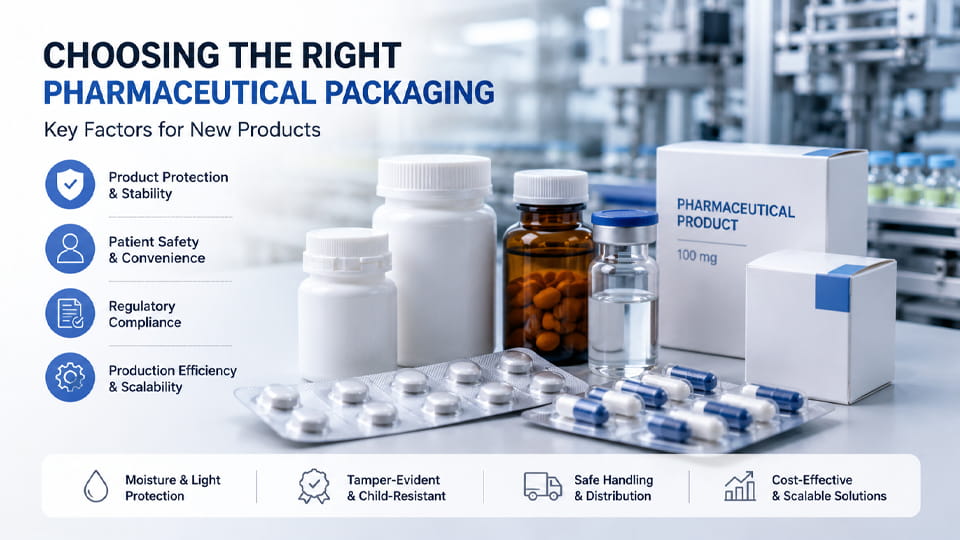

Les erreurs et la non-observance des médicaments sont des préoccupations majeures dans le domaine des soins de santé. Des doses mal organisées peuvent entraîner des doses manquées ou doubles, efficacité réduite du traitement, et même des risques pour la sécurité. L'emballage joue un rôle crucial en aidant les patients à prendre la bonne pilule au bon moment. Packs de cloques et dosette (pilulier) boîtes sont deux systèmes d'emballage populaires conçus pour organiser les doses et améliorer l'adhérence. Alors que les deux visent à aider les patients à prendre correctement leurs médicaments, ils fonctionnent de manières très différentes. Les blisters sont scellés, fabriqué en usine, sachets unidose souvent utilisés dans la distribution pharmaceutique et la production de masse; Les boîtes Dosette sont des organisateurs multi-compartiments réutilisables remplis par des patients ou des pharmaciens. Chaque méthode présente des avantages et des compromis en termes de protection, commodité, coût, et l'adhésion.
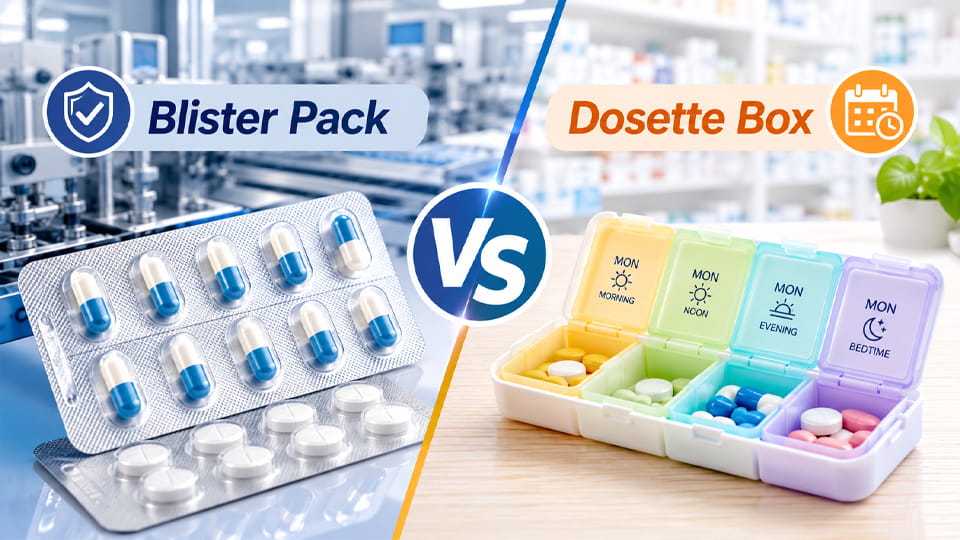
Cet article explore « Blister ou boîte dosette » en profondeur. Nous définirons chacun, regarde comment ils sont fabriqués, comparer leurs caractéristiques dans un tableau clair, et examinez les avantages et les inconvénients. Nous examinerons également les données probantes sur l’observance et la sécurité des médicaments., guider quand choisir une option plutôt qu’une autre, et discuter de la manière dont les fabricants de produits pharmaceutiques font ces choix. Enfin, nous répondrons aux FAQ courantes sur les deux types d'emballage. À la fin, vous comprendrez quelle solution d'emballage correspond le mieux à votre situation ou à vos besoins de production.
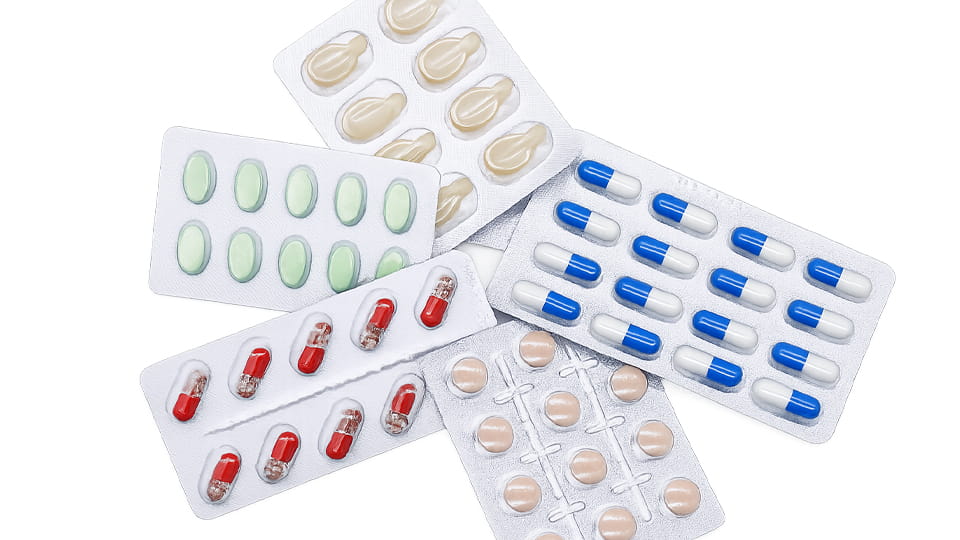
UN pack de cloques est un scellé, dose unique (dose unitaire) emballage couramment utilisé dans l’industrie pharmaceutique. Il se compose de cavités individuelles (clochards) réalisé par thermoformage de feuilles de plastique (souvent du PVC ou des matériaux similaires) et les sceller avec un support (papier d'aluminium ou papier laminé). Chaque cavité contient une dose (comprimé, capsule, ou une ampoule), l'isoler de l'environnement. Cette conception offre une haute protection contre l'humidité, oxygène, et contamination, prolonger la durée de conservation.
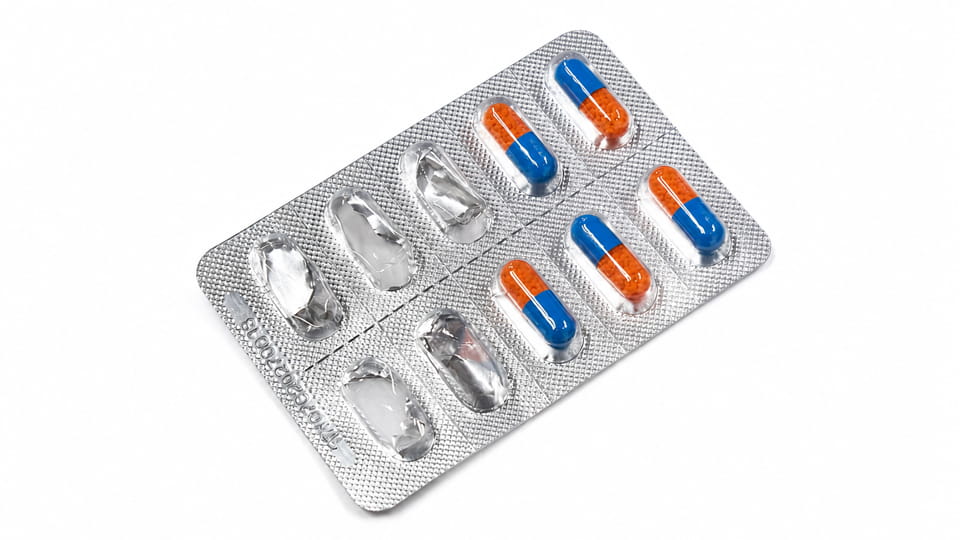
Chiffre: Exemple de blister de gélules individuelles scellées dans des pochettes en plastique thermoformé (soutenu par du papier d'aluminium).
Les blisters sont essentiellement petits, compartiments transparents qui permettent aux patients et aux pharmaciens de voir visuellement la forme posologique tout en la gardant scellée en toute sécurité. Le blister en plastique est souvent transparent (pour la visibilité) et le support peut être une feuille d'aluminium ou un carton imprimé avec des informations de dosage, dates d'expiration, ou image de marque. Cet étiquetage aide les utilisateurs à suivre un programme de médicaments.
Les blisters modernes sont généralement produits sur des machines à grande vitesse. Un Machine d'emballage blister automatique formes, remplit, scellés, et poinçonne les paquets dans un processus continu. Par exemple, La machine à plaques planes DPP-270Max de Jinlu forme des cavités, dépose des pilules ou des capsules dans chaque cavité, puis thermoscellez le couvercle en aluminium. Ces machines répondent normes cGMP et peut fonctionner à 50+ cycles par minute (ou jusqu'à 450 plaques par minute sur le modèle JL-DPH-270Max à grande vitesse). Le résultat est une preuve d'inviolabilité, pochette de médicaments prête à l'emploi en pharmacie. Parce que la production est automatisée, les plaquettes thermoformées sont idéales pour les gros lots dans la fabrication pharmaceutique ou nutraceutique, obtenir une qualité constante et un débit élevé.
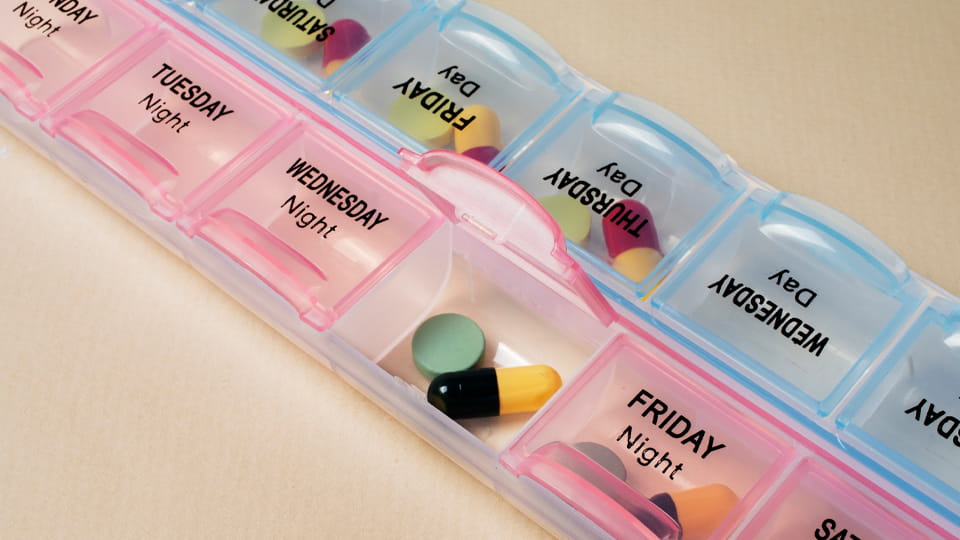
UN dosette box (également appelé pilulier ou pilulier) est un simple, récipient réutilisable avec compartiments pour doses individuelles. Typiquement, il s'agit d'un plateau en plastique divisé en sections par jour de la semaine et/ou heure de la journée (matin, midi, soirée, heure du coucher). Patients, soignants, ou un service de distribution remplit manuellement chaque compartiment avec les pilules requises pendant une semaine ou un mois.
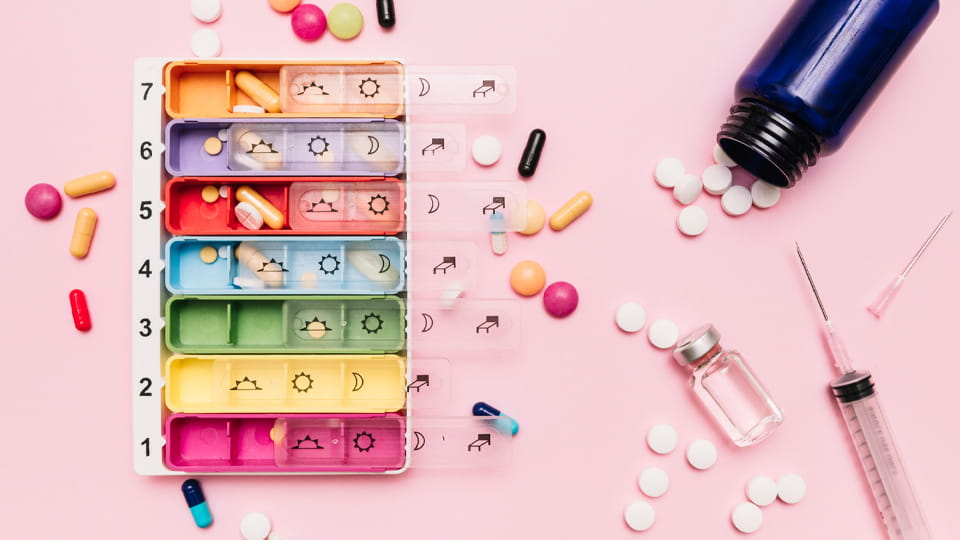
Les boîtes dosettes sont généralement en plastique moulé par injection (comme le polypropylène). Ils ont des couvercles à charnières ou des couvercles coulissants étiquetés pour chaque temps de dosage. Certaines dosettes ont des rainures individuelles pour le comptage des pilules ou des séparateurs encliquetables. Il n’y a pas de film d’étanchéité – chaque compartiment dose est ouvert jusqu’à ce que le patient y accède.
Les boîtes dosettes sont très courantes à domicile et dans les établissements de soins pour organiser les médicaments.. Ils sont particulièrement utiles pour les patients qui gèrent eux-mêmes leurs médicaments et préfèrent une solution simple., système à faible coût.
| Facteur | Pack de cloques | Dosette Box (Pilulier) |
| Type d'emballage | Emballage unitaire scellé (plastique/feuille) | Plateau en plastique segmenté réutilisable |
| Comment ça marche | Film plastique thermoformé en cavités, puis thermoscellé avec du papier d'aluminium ou du film, une dose par sceau | Compartiments étiquetés par jour/heure; l'utilisateur recharge des pilules à chaque cycle |
| Qui le remplit | Fabricant ou pharmacie (automatisé) | Patient, soignant, ou service de pharmacie (manuel) |
| Réutilisabilité | À usage unique, jetable après consommation | Réutilisable (remplir à nouveau chaque semaine) |
| Durée de conservation / Protection | Excellente barrière contre l'humidité et la lumière, longue durée de conservation | Protection limitée (pas de joints); le contenu se dégrade plus rapidement |
| Preuve de falsification | Haut (chaque cavité scellée; la déchirure de la feuille montre l'ouverture) | Aucun (les compartiments ouverts peuvent être soulevés ou ouverts accidentellement) |
| Adhésion aux médicaments | Haut (étiquetage des doses unitaires, calendriers dose guide) | Modéré (organise les doses, mais la précision dépend d'un remplissage correct) |
| Facilité d'utilisation | Très simple – les patients n’enlèvent qu’une dose à la fois | Simple une fois rempli; mais le remplissage demande du temps et des soins |
| Idéal pour | Régimes complexes, patients âgés ou ayant des troubles de la mémoire, pharmaciens | Régimes simples, utilisateurs indépendants, budgets limités |
| Flexibilité | Faible (contenu fixe; un nouveau pack est nécessaire si le médicament change) | Haut (peut mettre à jour les compartiments à tout moment) |
| Méthode de production | Automatisé (machines d'emballage en cloque) | Manuel (pas de machinerie spéciale) |
| Coût | Généralement plus élevé (machine & matériels) | Inférieur (simple boîte en plastique) |
| Impact environnemental | Plus de déchets plastiques/films à usage unique | Réutilisable, moins de déchets (sauf élimination périodique) |
Tableau: Principales différences entre les blisters et les dosettes (pilulier) boîtes en emballage pharmaceutique.
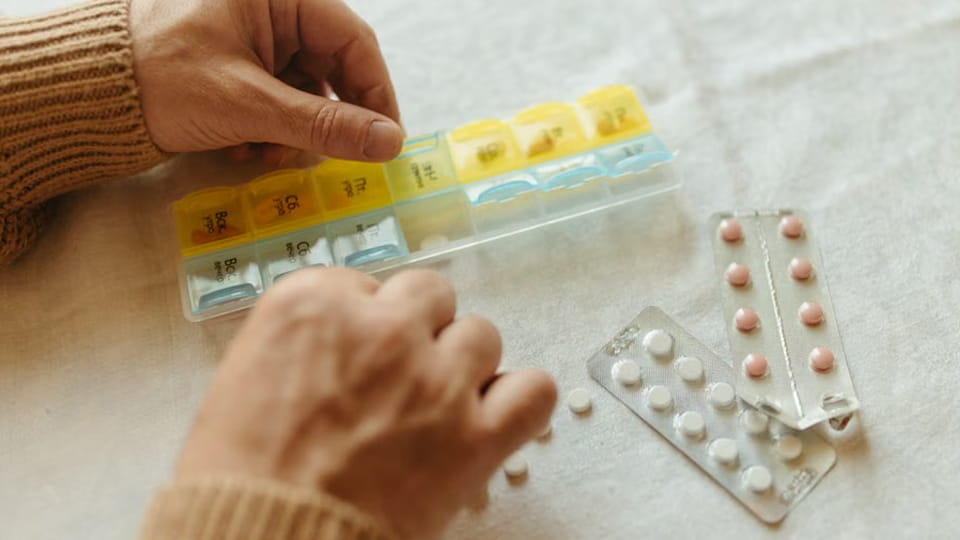
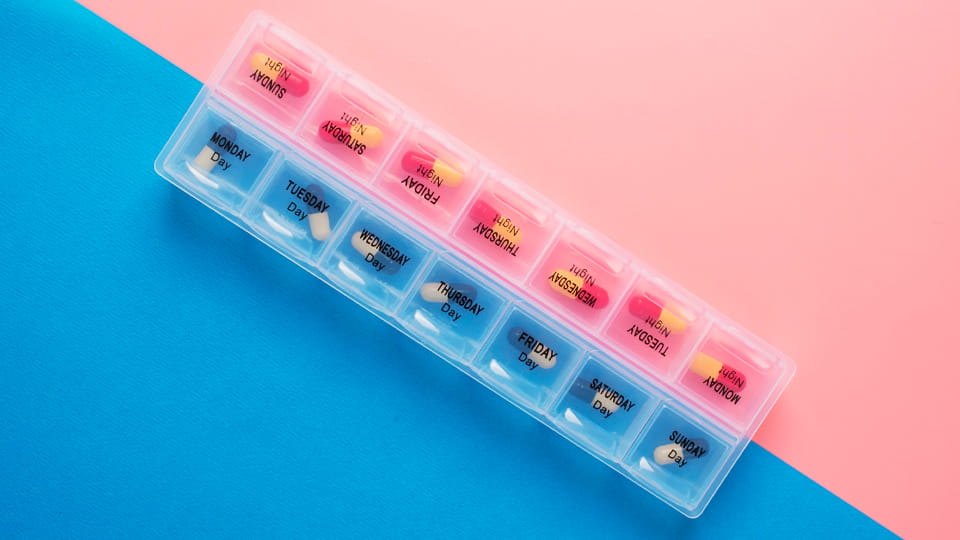
Observance des médicaments (prendre les médicaments correctement comme prescrit) est crucial pour le succès du traitement. Les interventions d'emballage telles que les blisters et les organisateurs sont souvent utilisées pour améliorer l'adhésion. La recherche montre les plaquettes thermoformées ont tendance à être plus efficaces pour améliorer l’observance que des casemates remplies à la maison. Dans une revue systématique, les interventions utilisant des emballages blister ont eu des effets beaucoup plus importants (ES ≈ 0.80) sur les résultats d’observance par rapport à ceux utilisant des piluliers (ES ≈ 0.38). Cliniquement, des études sur les soins chroniques et psychiatriques ont révélé que chaque étude portant sur des médicaments sous blister a entraîné une amélioration des taux d'observance.
Pourquoi les ampoules aident-elles davantage? La clé est la structure et l’implication de la pharmacie. Les blisters sont accompagnés d'indications de dosage claires et sont remplis par des professionnels, réduire l’oubli et la confusion. Comme le note un blog de l'industrie, les plaquettes thermoformées utilisent des compartiments étiquetés afin que les patients « n'aient pas à se demander ou à vérifier quels médicaments sont censés être pris à quel moment ». En revanche, Les boîtes de dosettes dépendent entièrement du patient qui suit correctement les instructions. Si un patient oublie quelle pilule va où, l'organisateur de dosettes n'offre aucune garantie.
Cela dit, les boîtes dosette peuvent encore améliorer l’observance pour les cas plus simples. Pour quelqu'un qui prend un ou deux comprimés par jour, le simple fait de les trier par jour/heure est un rappel utile. Ils sont « particulièrement utiles pour les patients âgés, patients vulnérables, les personnes ayant des difficultés de mémoire, et les aidants familiaux » pour maintenir une routine. Cependant, même dans ces cas, Certaines pharmacies préviennent que les régimes complexes ou les changements fréquents devraient plutôt utiliser le service sous blister..
Dans les situations de soins d’urgence, les blisters ont un avantage: ils affichent clairement tous les médicaments et le calendrier d'un patient sur une seule carte. Cela peut être critique pour les premiers intervenants ou le personnel hospitalier. En résumé, si l'adhésion est la priorité, l'emballage sous blister est généralement préféré (notamment pour les polypharmacies ou les patients à haut risque). Les dosettes servent d’outil de secours ou de deuxième niveau à faible coût lorsque l’emballage blister n’est pas disponible ou nécessaire.
Choisir packs de cloques quand:
Secteurs et applications: Médicaments, suppléments, comprimés nutritionnels, certains dispositifs médicaux (comme des couches ou des bandelettes de diagnostic), et même des articles non médicamenteux (piles, électronique) utiliser des blisters. Dans tous ces cas, l'investissement dans une machine d'emballage sous blister automatique est rentable en termes de rapidité et de fiabilité.
Utilisez un dosette box quand:
Cependant, même dans ces cas, il est important d’assurer un soutien adéquat. Les pharmacies conseillent souvent aux patients que si un régime devient complexe, passer à l’emballage blister pourrait être plus sûr. Les dosettes sont les plus efficaces pour maintenir un planning déjà simple, pas pour organiser un risque élevé.
Les fabricants et emballeurs de produits pharmaceutiques prennent en compte plusieurs facteurs lorsqu’ils choisissent entre un emballage blister ou la fourniture de dosettes.:
En résumé, emballage blister pharmaceutique est la norme pour les projets à grande échelle, produits à haute adhérence. Dosette boxes sont davantage choisis par les prestataires de soins de santé et les consommateurs pour leur flexibilité et leur faible coût. De nombreux fabricants proposent des produits sous blister et permettent aux patients ou aux pharmacies de transférer les pilules dans des dosettes si nécessaire à la maison..

Dans le Blister vs boîte dosette débat, la « meilleure » option dépend du contexte. Les blisters gagnent en haute protection, remplissage professionnel, et aide à l'observance – idéal pour les prescriptions complexes et la production pharmaceutique à grande échelle. Les boîtes dosettes gagnent à faible coût, réutilisabilité, et flexibilité – idéal pour les régimes simples gérés à la maison. De nombreux systèmes de santé utilisent en fait une combinaison: la pharmacie remplit les blisters pour la distribution, tout en permettant aux prescriptions répétées d'être placées dans des dosettes à domicile si le patient préfère.
Pour les fabricants de produits pharmaceutiques ou les pharmacies souhaitant améliorer la sécurité et la conformité, investir dans équipement d'emballage blister automatisé est la clé. Et la cueillette de Jeinlu, nous sommes spécialisés dans machines d'emballage sous blister pharmaceutique qui répondent aux normes mondiales. Nos machines avancées (modèles à plaque plate et à plaque à rouleaux) peut gérer les blisters PVC-Al et Alu-Alu, gélules, comprimés, et plus, à des vitesses allant jusqu'à 48,000 assiettes par heure. En intégrant les blisters Jinlu et en complétant lignes de conditionnement, les fabricants peuvent produire des produits de haute qualité, des plaquettes thermoformées inviolables qui améliorent l'adhésion des patients et la confiance dans la marque.
Prêt à optimiser le conditionnement de vos médicaments? Contactez Jinlu Packing aujourd’hui pour discuter de nos machines automatiques de conditionnement sous blister, options de personnalisation, et solutions clé en main pour emballage blister pharmaceutique. Laissez-nous vous aider à livrer de manière plus sûre, une observance plus efficace des médicaments grâce à une technologie de pointe.
Un blister est un emballage scellé, emballage à usage unique en plastique et aluminium, créé industriellement. Chaque pilule est dans sa propre cavité scellée, souvent avec des instructions imprimées au dos. Une boîte dosette est un organisateur en plastique réutilisable divisé en compartiments par jour/heure. Les patients ou les soignants placent manuellement les pilules dans chaque emplacement. Les blisters sont préparés en pharmacie ou en machine et ne peuvent pas être réutilisés, tandis que les dosettes que vous remplissez à la maison et utilisez à plusieurs reprises.
En général, Oui. Les blisters sont reconnus pour améliorer l'adhérence car ils sont pré-triés et étiquetés par des professionnels. Chaque dose est clairement indiquée, donc c'est facile de voir ce qui a été pris. La recherche montre que les interventions sous blister ont des gains d'observance plus élevés que les piluliers ou les flacons auto-remplis.. Les boîtes dosettes aident également certains patients à rester organisés, mais les ampoules fournissent des contrôles de sécurité supplémentaires (implication du pharmacien) qui réduisent les erreurs.
Non, Les boîtes de dosettes standard offrent une protection minimale contre l'humidité. Puisqu'il s'agit simplement de compartiments ouverts, l'humidité de l'air peut atteindre les pilules. Ils sont mieux utilisés pour les médicaments stables dans les conditions ambiantes.. En revanche, un blister (surtout avec un support en aluminium) scelle chaque pilule à l'abri de l'air et de l'humidité, prolonge considérablement la durée de conservation.
Les blisters sont souvent plus adaptés aux personnes âgées, surtout ceux qui prennent plusieurs médicaments. La disposition structurée et le remplissage préparé en pharmacie réduisent la confusion. Une dosette peut encore fonctionner pour les seniors qui ne prennent que quelques comprimés et qui ont une bonne dextérité. Mais pour des raisons de sécurité et de commodité, de nombreux soignants préfèrent les emballages blister pour les personnes âgées soumises à des régimes complexes.
Les fabricants privilégient les blisters car ils garantissent une qualité et une conformité constantes.. Les machines blister peuvent répondre à des réglementations GMP strictes, et la conception scellée préserve la stabilité du médicament. L'emballage blister permet également un étiquetage clair, ce qui est essentiel pour le contrôle des prescriptions et les rappels. Enfin, les blisters soutiennent la marque et les instructions sur chaque emballage, quelles bouteilles ou quels sacs ne. Tous ces facteurs font du conditionnement sous blister la norme industrielle pour de nombreux médicaments..
Vous avez besoin d'une machine d'emballage sous blister (machine de formage) et équipement de soutien. Cela comprend généralement une unité de thermoformage (façonner le plastique dans des cavités), une station de dosage/remplissage (placer des pilules dans des cavités), une station de thermoscellage (à sceller dans du papier d'aluminium ou du film), et une station de poinçonnage (pour découper des ampoules individuelles ou des sections de bandelettes). Lignes de blister automatiques modernes (comme le DPP-270Max de Jinlu) combinez-les dans une seule machine continue. Des composants supplémentaires peuvent inclure des compteurs de capsules alimentant les remplisseurs, imprimantes de codage de date, et systèmes d'inspection par vision. En bref, la production industrielle de blisters nécessite des machines spécialisées – ce n’est pas un processus manuel.
Oui. Les plaquettes thermoformées avec calendrier peuvent aider les patients à savoir s'ils ont pris une dose et à réduire le risque d'oubli ou de duplication de médicaments.. Ils sont largement utilisés comme solution d'emballage pour l'observance des médicaments dans les pharmacies de détail et les établissements de soins de santé..
Les blisters sont largement utilisés pour les comprimés, gélules, gélules, vitamines, produits nutraceutiques, médicaments en vente libre, et les médicaments sur ordonnance qui nécessitent un conditionnement en dose unitaire et une longue durée de conservation.
Dans de nombreux cas, Oui. Les plaquettes thermoformées offrent une preuve d'inviolabilité et réduisent les risques de confusion entre les médicaments, car chaque dose est séparée et clairement identifiée.. Les boîtes Dosette dépendent d’un remplissage manuel, ce qui peut augmenter le risque d'erreur humaine.
Oui. Dans certains milieux de soins, les médicaments sont d'abord fournis sous blister, puis organisés en boîtes dosettes en fonction des horaires de chaque patient. Cette combinaison peut améliorer la gestion des médicaments tout en maintenant l'organisation et la commodité des doses..
Références:
1.Pilulier —— Wikipédia
2.Interventions d’emballage pour augmenter l’observance des médicaments: revue systématique et méta-analyse —— Bibliothèque nationale de médecine
3.Médicaments: conditionnement, étiquetage et brochures d'information pour les patients —— gov.uk
4.Comprendre les définitions d'emballage des médicaments —— tga.gov.au
5.Emballages et notices pharmaceutiques —— Bibliothèque nationale de médecine
6.Dispensation des soins?: La boîte dosette et le statut des technologies low‐fi dans les pratiques de soins de fin de vie des personnes âgées —— Bibliothèque nationale de médecine
7.Fidélité des interventions du pilulier dans la recherche sur l'observance médicamenteuse: Une revue systématique ——ScienceDirect


Une réponse
Comparaison très instructive entre les blisters et les boîtes dosettes. Le choix du bon format d'emballage dépend non seulement de la commodité mais également de la protection du produit., exigences de conformité, et expérience utilisateur. Il est utile de voir les avantages et les limites de chaque option expliqués si clairement. Merci d'avoir partagé vos idées.