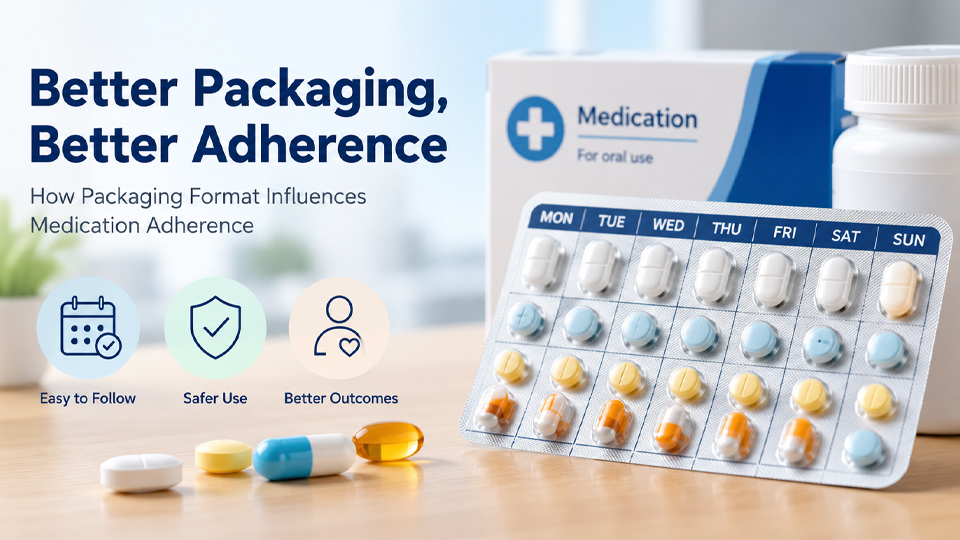

دارو فقط در بطری ها یا جعبه ها نیست، بلکه وارد می شود اشکال دارویی. بوها فرم دوز فیزیکی است فرم که در آن یک دارو تهیه و تجویز می شود. در داروخانه, این یعنی دارو ماده فعال با مواد دیگر ترکیب می شود (مواد کمکی) و به شکل تبلت در آمد, کپسول, مایع, خامه, یا فرمت دیگر. به زبان ساده, در تعریف فرم دوز عبارت است از "نحوه فرمولاسیون و تحویل دارو" تا دوز مناسب به طور ایمن به بدن شما برسد. به عنوان مثال, یک داروی رایج ممکن است به عنوان یک دارو فروخته شود 500 کپسول میلی گرم یا یک 250 میلی گرم قرص جویدنی – همان دارو, متفاوت فرم دوز.
درک اشکال دوز برای هر کسی در تولید یا تهیه دارو کلیدی است. انتخاب فرم بر استفاده بیمار تأثیر می گذارد, پایداری دارو, و روش های تولید. در این راهنما, ما شکست خواهیم داد شکل دوز در داروخانه به چه معناست, چرا مهم است, و انواع اشکال دارویی مواجه خواهید شد. ما همچنین به چگونگی تجهیزات مدرن خواهیم پرداخت (مانند پرس قرص و پرکننده کپسول) تولید و بسته بندی این فرم ها را آسان تر می کند.
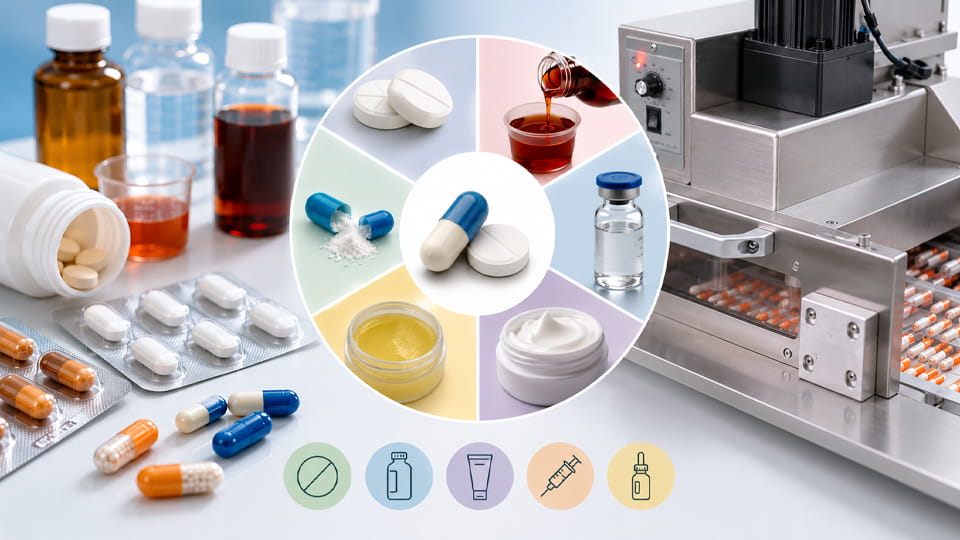
طبق تعریف, بوها فرم دوز است شکل فیزیکی یک محصول دارویی. به عبارت دیگر, این است که چگونه داروی فعال و هر ماده بی اثر ترکیب شده و برای تجویز ارائه می شود. براقیت NIH آن را به سادگی به این صورت تعریف می کند "شکل فیزیکی که دارو در آن تولید یا تجویز می شود". منبع دیگری توضیح می دهد که اشکال دارویی محصولات دارویی هستند «به شکلی خاص برای استفاده ارائه شده است,” حاوی ترکیبی از اجزای فعال و غیر فعال, به یک فرم خاص پیکربندی شده است.
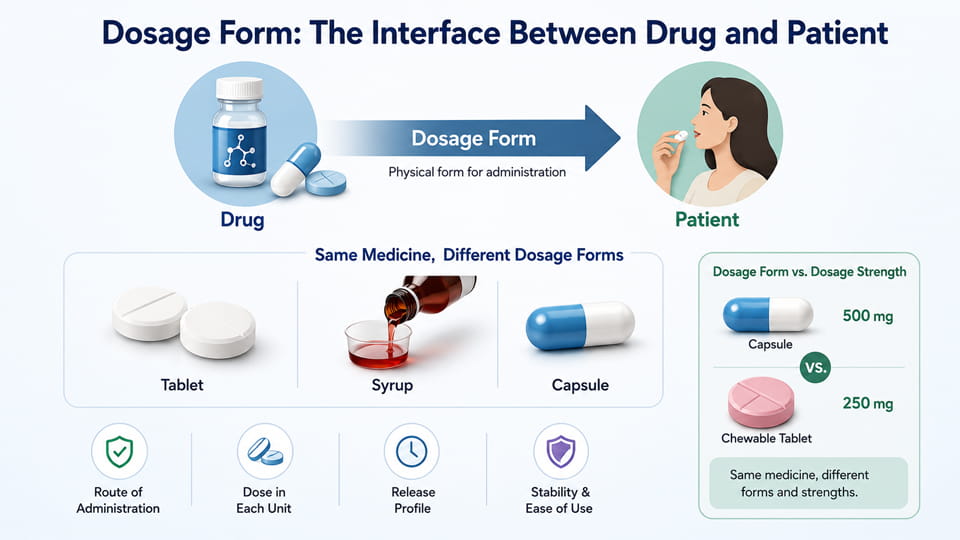
شکل دوز را در نظر بگیرید رابط کاربری بین دارو و بیمار. به عنوان مثال, پاراستامول به صورت قرص عرضه می شود, شربت, و حتی شیاف; اینها همه اشکال دوز متفاوتی از یک ماده فعال هستند. هر فرم یک است فرمول دوز - دستور العمل خاصی از داروی فعال + مواد کمکی به چیزی مناسب تبدیل شده اند. همانطور که یکی از راهنمای JinLuPacking آن را بیان می کند, ساخت یک فرم دوز جامد در مورد "تبدیل مولکول های دارو به شکل جامد پایدار" با مخلوط کردن مواد فعال با بنده و پرکننده ها. فرم تمام شده می تواند یک قرص گرد باشد, یک پوسته کپسول, یا یک بسته پودر – هر کدام به گونه ای طراحی شده اند که بتوان دارو را به طور موثر تحویل داد.
در عمل, وقتی داروسازان یا تولیدکنندگان در مورد آن صحبت می کنند فرم دوز, آنها عواملی مانند:
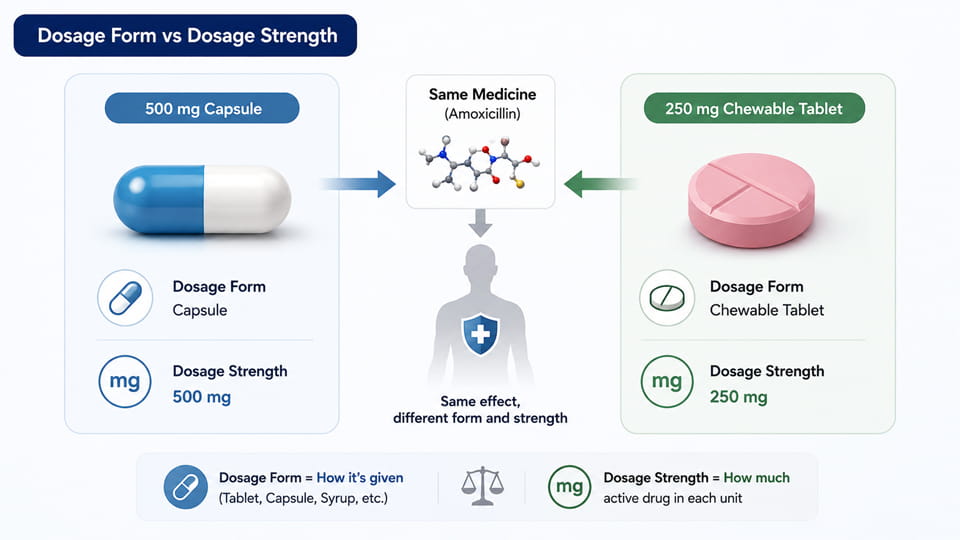
به عنوان مثال, همان دارو (بگو, آموکسی سیلین) ممکن است در "اشکال دوز" مانند a 500 مگس کپسول یا الف 250 مگس قرص جویدنی”. هر دو آموکسی سیلین تحویل می دهند, اما شکل و دوز متفاوت است. این تفاوت بین شکل دوز را برجسته می کند (کپسول در مقابل رایانه لوحی) و قدرت دوز (500 میلی گرم در مقابل 250 مگس).
انتخاب فرم دوز مناسب به چند دلیل بسیار مهم است:
به طور خلاصه, اشکال دوز چیزی بیش از "فقط بسته بندی" است. آنها نقش مهمی در نحوه عملکرد یک دارو و اینکه چگونه می توان آن را به راحتی تهیه کرد و به طور ایمن از آن استفاده کرد، ایفا می کند.
دارو را می توان به اشکال مختلفی فرموله کرد, هر کدام برای اهداف خاصی مناسب است. در زیر دسته بندی های اصلی آورده شده است:
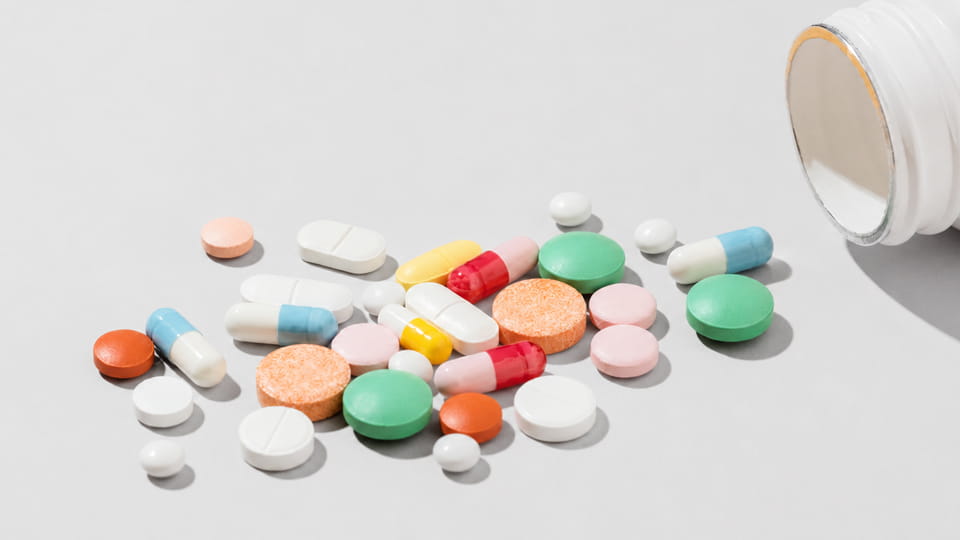
شکل: کپسول ها و قرص ها نمونه هایی از اشکال دوز جامد هستند که برای تحویل خوراکی استفاده می شوند.
اشکال دوز جامد هستند رایج ترین در صنعت داروسازی. از جمله تبلت ها هستند (قرص پودر فشرده), کپسول ها (ژلاتین یا HPMC پوسته های پر شده با پودر یا گلوله), و پودرهای فله یا گرانول. تبلت ها را می توان در انواع مختلفی طراحی کرد (به عنوان مثال. جویدنی, جوشان, انتشار تمدید شده) برای کنترل سرعت انتشار دارو در بدن. کپسول ها اغلب از یک پوسته حل شونده استفاده می کنند که در معده تجزیه می شود تا دارو را آزاد کند.
چرا جامدات? آنها پایدار و راحت هستند. قرص های جامد معمولا مدت بیشتری در قفسه باقی می مانند و نیازی به یخچال ندارند. هر واحد حاوی دوز دقیق دارو است, بنابراین دوز دقیق است. برای ساخت, اشکال جامد کارآمد هستند: مدرن ماشین های مطبوعاتی و دستگاه های پر کردن کپسول (مانند کسانی که توسط JinLu) می تواند صدها هزار قرص در ساعت تولید کند. دستگاه های بسته بندی تاول و خطوط پرکن بطری سپس این قرص ها یا کپسول ها را در محصولات نهایی بسته بندی می کنند. (کارت های تاول زده, بطری ها, نوارها, و غیره).
نمونه هایی از فرم های دوز جامد:
یادداشت تجهیزات: تولید اشکال جامد نیاز به ماشین آلات تخصصی دارد. به عنوان مثال, پرس قرص چرخشی (مانند دستگاه پرس تبلت JinLu) پودر را به قرص فشرده می کند. دستگاه های پرکن کپسول (دستی یا اتوماتیک) پودر را داخل پوسته کپسول بریزید. پس از تشکیل, قرص ها / کپسول ها ممکن است از پوشش عبور کنند, شمارش, و تجهیزات بسته بندی.
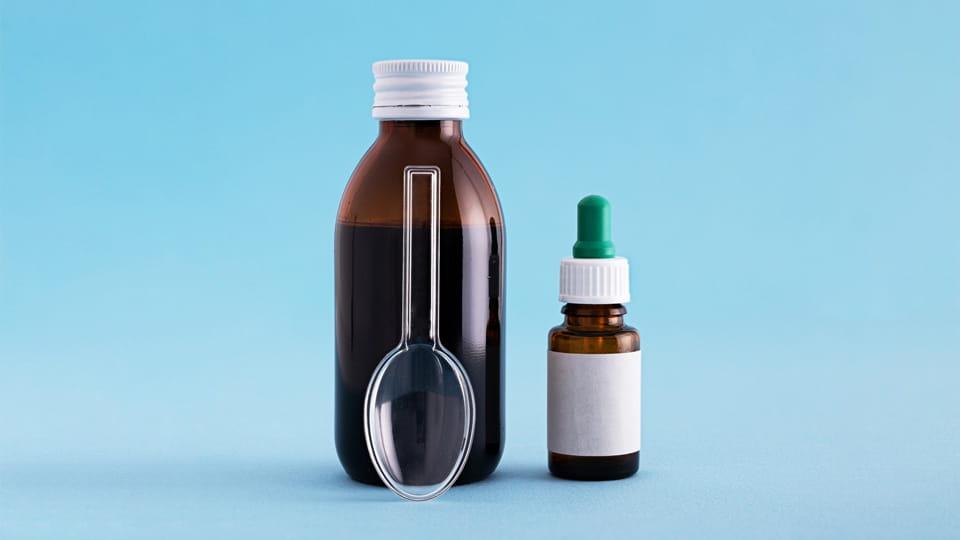
شکل: شربت یک شکل دوز مایع رایج است, برای بیمارانی که در بلع مواد جامد مشکل دارند مفید است.
اشکال دوز مایع شامل راه حل ها, تعلیق, امولسیون ها, و شربت ها. اینها زمانی ایده آل هستند که بلعیدن مواد جامد دشوار است (مانند کودکان یا افراد مسن) یا زمانی که شروع سریع مورد نیاز است. به عنوان مثال می توان به شربت های سرفه اشاره کرد (شیرین شده تا طعم دارو را بپوشاند), قطره های خوراکی, و راه حل های IV.
چرا مایعات? اجازه می دهند دوز انعطاف پذیر (می توانید یک قاشق را اندازه بگیرید) و در مواقعی که نیاز به جذب سریع باشد به خوبی عمل می کند. به عنوان مثال, یک دارو به شکل محلول سریعتر از یک قرص وارد جریان خون می شود. مایعات نیز به اطمینان کمک می کنند کوچکتر بیماران دوزهای دقیق تری دریافت می کنند.
یادداشت تجهیزات: فرم های مایع اغلب نیاز به مخلوط کن و ماشین های پرکننده دارند. پس از مخلوط کردن (به عنوان مثال. در یک میکسر گرانولاتور یا خشک کن بستر مایع), داروی مایع توسط پر شده است ماشین های پرکن بطری یا به داخل ویال پمپ می شود (مثل آمپول). به عنوان مثال, JinLuPacking ارائه می دهد خطوط پر کردن بطری که می تواند آبکشی کند, پر کردن, و در هر دقیقه صدها بطری را برای شربت ها یا محلول ها ببندید.
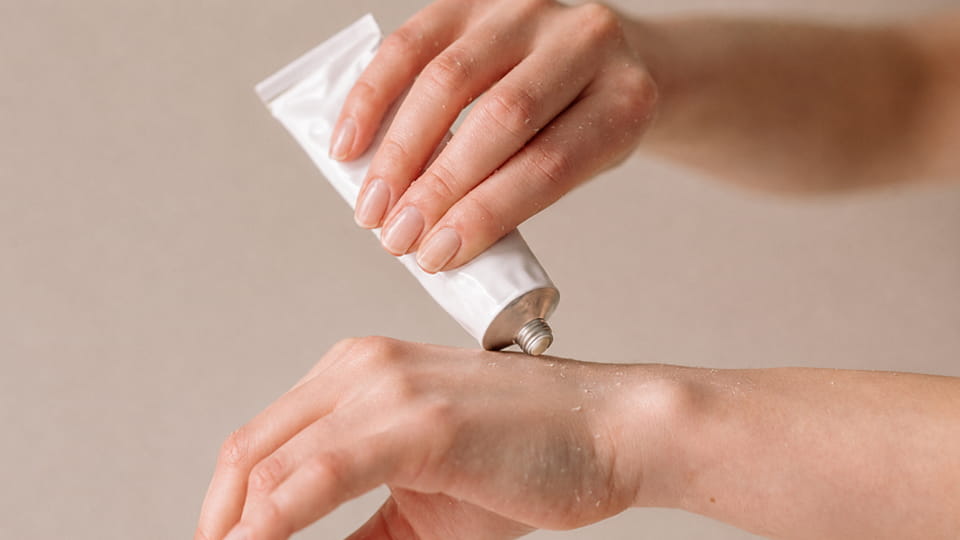
شکل: کرم ها و پمادها فرم های دوز موضعی نیمه جامد هستند که روی پوست اعمال می شوند.
اشکال دارویی نیمه جامد هستند بیشتر برای استفاده موضعی - یعنی, روی پوست یا غشاهای مخاطی اعمال می شود. اینها شامل کرم, پماد, ژل, لوسیون ها, و رب ها. به عنوان مثال, یک کرم ضد قارچ یا پماد هیدروکورتیزون به دارو اجازه می دهد مستقیماً روی یک مشکل پوستی تأثیر بگذارد. بسیاری از لوازم آرایشی و بهداشتی (لوسیون های پوست) همچنین اشکال دوز موضعی برای مواد فعال هستند.
چرا نیمه جامد? دارو تحویل می دهند به صورت محلی با حداقل اثرات سیستمیک. دارو بدون عبور از کل بدن به ناحیه آسیب دیده می رود, کاهش عوارض جانبی. به عنوان مثال, کرم های پوستی بیشتر روی پوست باقی می مانند.
فرمولاسیون و تجهیزات: ساخت کرم ها و لوسیون ها نیاز به مخلوط کردن فازهای روغن و آب با امولسیفایرها دارد. جین لو میکسر امولسیفایر خلاء برای ترکیب این مایعات غیر قابل اختلاط در یک کرم یا لوسیون پایدار طراحی شده است. پس از مخلوط کردن, بوها دستگاه پرکن لوله یا خط پرکن شیشه محصول را در لوله ها بسته بندی می کند, بطری ها, یا کوزه ها. همانطور که JinLu توضیح می دهد, یک امولسیفایر خلاء مایعات غیر قابل اختلاط را با هم ترکیب می کند (روغن & آب) به یک امولسیون پایدار" تحت خلاء. این مرحله برای کرم ها و ژل های ثابت ضروری است.
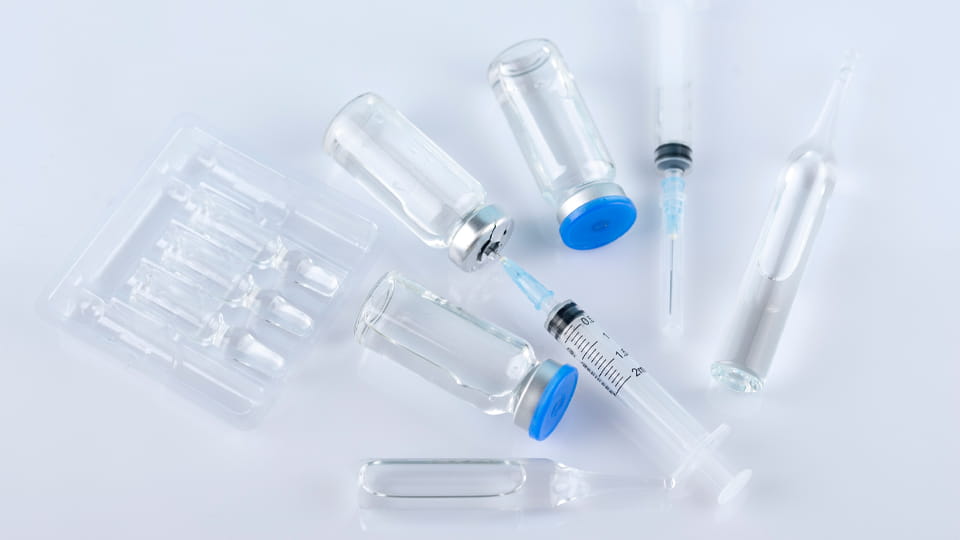
شکل: قابل تزریق در ویال یا آمپول تهیه می شود.
جدا از خوراکی و موضعی, تزریقی (قابل تزریق) اشکال انتقادی هستند. مواد تزریقی شامل داخل وریدی (من), داخل عضلانی (IM), زیر جلدی (SC) تزریق و تزریق. این اشکال دوز مایع استریل هستند و برای دور زدن هضم برای عمل سریع طراحی شده اند. بسیاری از داروهای نجات دهنده زندگی (به عنوان مثال. واکسن ها, انسولین, آنتی بیوتیک های خاص) از فرم های تزریقی استفاده کنید.
هر یک از اینها یک فرم دوز تخصصی است که برای مزایای خاص انتخاب شده است (سرعت, اثر محلی, راحتی). طراحی کلی فرم دوز بخش اصلی آن است فرمولاسیون های دارویی - مهندسان و داروسازان فرمول را تنظیم خواهند کرد (دوز و شکل) متناسب با نیازهای بیمار و خواص دارویی.
داروسازان و مهندسان هنگام انتخاب فرم دارویی برای یک دارو، فاکتورهای زیادی را در نظر می گیرند:
جای تعجب نیست که گزینه های فرم دوز زیادی وجود دارد. هر کدام راحتی را متعادل می کند, اثربخشی, و امکان سنجی. فرمول دارویی خوب "نقطه شیرین" را بین نیاز بیمار و ویژگی های دارو پیدا می کند.
مهم این است که اشتباه نگیرید فرم دوز با قدرت دوز. این فرم دوز است ظاهر دارو چگونه است و چگونه مصرف می شود (تبلت, شربت, و غیره), در حالی که قدرت دوز است چه مقدار داروی فعال در هر واحد وجود دارد. به عنوان مثال, دو نسخه از آنتی بیوتیک آموکسی سیلین می تواند باشد: 500 کپسول میلی گرم و 250 میلی گرم قرص جویدنی. اینجا, کپسول/قرص شکل دارویی است, و اعداد (500 مگس, 250 مگس) نقاط قوت دوز هستند. هر دو آموکسی سیلین را به بیمار تحویل می دهند, اما در اشکال و نقاط قوت مختلف.
در عمل, سازندگان برای هر فرم چندین قوت ایجاد می کنند تا پزشکان بتوانند به راحتی دوز را تنظیم کنند. فرم (جامد, مایع, و غیره) به طور عمده به «چگونه داده می شود» پاسخ می دهد?” سوال, در حالی که قدرت پاسخ می دهد "هر دوز حاوی چه مقدار دارو است."
اشکال دارویی پلی بین توسعه دارو و مصرف بیمار هستند. در داروخانه, منظور آنها خاص است فرمولاسیون - تبلت ها, کپسول ها, شربت ها, کرم, تزریقات, و بیشتر - که مواد فعال را به بدن حمل می کند. انتخاب فرم مناسب بسیار مهم است: بر نحوه جذب دارو تأثیر می گذارد, چقدر برای بیماران آسان است, و اینکه چقدر می توان آن را تولید و بسته بندی کرد.
تجهیزات دارویی مدرن تولید هر نوع دوزی را به طور قابل اعتماد امکان پذیر می کند. به عنوان مثال, JinLuPacking راه حل های کاملی را ارائه می دهد: پرس های قرص با سرعت بالا برای مواد جامد خوراکی, دستگاه پرکن کپسول برای گرانول, خطوط پرکننده مایع برای شربت ها و مواد تزریقی, و ماشین آلات بسته بندی (تاول بسته کننده ها, درب بطری, ماشین های شمارش) تا کار را تمام کند. با تخصص و ماشین آلات مناسب, هر شکل دوزی - چه یک قرص پایدار یا یک کرم پیچیده - می تواند با کیفیت بالا تولید شود.
در نتیجه, درک تعریف فرم دوز در داروخانه یعنی تشخیص آن فرم مهم است. تجربه بیمار را تعیین می کند, عمل دارویی, و روش های ساخت. با طراحی و انتخاب اشکال دارویی موثر, مهندسان داروسازی کمک می کنند تا اطمینان حاصل شود که داروها هم برای کاربران ایمن و راحت هستند.
آماده بحث در مورد نیازهای تولید داروی شما? این که آیا در حال ساخت تبلت هستید, کپسول ها, کرم, یا شربت ها, تیم ما می تواند کمک کند. تماس بگیرید JinLuPacking برای کشف خطوط تولید سفارشی و راه حل های بسته بندی برای هر شکل دوزی. ما ارائه می دهیم تجهیزات کلید در دست از پرسهای قرصهای پرسرعت گرفته تا خطوط بستهبندی تاولهای خودکار و پر کردن بطری - همه برای ارائه یکپارچه طراحی شدهاند., فرم های دارویی با کیفیت بالا برای محصولات شما.
فرم دوز شکل فیزیکی است که در آن دارو تولید و به بیماران تجویز می شود. این ماده دارویی فعال را ترکیب می کند (API) با مواد کمکی برای ایجاد محصولاتی مانند قرص, کپسول ها, مایع, کرم, تزریقات, یا پودرها. فرم دوز مناسب به اطمینان از دوز دقیق کمک می کند, ثبات محصول, و دارورسانی موثر.
بسیاری از مردم این دو اصطلاح را اشتباه می گیرند.
• فرم دوز به شکل فیزیکی دارو اشاره دارد, مانند تبلت, کپسول, شربت, یا خامه.
• قدرت دوز به مقدار ماده فعال موجود در هر واحد اشاره دارد, مانند 250 میلی گرم یا 500 مگس.
به عنوان مثال, بوها 500 قرص میلی گرم و الف 500 کپسول میلی گرم دارای قدرت دوز یکسان اما اشکال دوز متفاوت است.
اشکال دارویی به طور کلی به چند دسته تقسیم می شوند:
• اشکال دوز جامد (قرص ها, کپسول ها, پودرها)
• اشکال دوز مایع (راه حل ها, تعلیق, شربت ها)
• اشکال دوز نیمه جامد (کرم, پماد, ژل)
• اشکال تزریقی
• اشکال دوز استنشاقی و ترانس درمال
هر نوع برای رفع نیازهای مختلف درمانی و بیمار طراحی شده است.
فرم دوز صحیح مستقیماً تأثیر می گذارد:
• جذب دارو
• انطباق بیمار
• دقت دوز
• ثبات محصول
• کارایی تولید
به عنوان مثال, کودکان ممکن است اشکال دوز مایع را ترجیح دهند, در حالی که بزرگسالان اغلب برای راحتی کار، انواع قرص یا کپسول را انتخاب می کنند.
نمونه های فرم دوز دارویی رایج عبارتند از:
• فرم دوز قرص
• فرم دارویی کپسول
• محلول خوراکی
• شربت
• تعلیق
• محلول تزریقی
• کرم
• پماد
• ژل
• پودر برای بازسازی
هر فرمول دارویی بر اساس خواص دارو و مسیر تجویز مورد نظر ایجاد می شود.
فرم دوز جامد خوراکی پرمصرف ترین شکل دارویی دارویی در سراسر جهان است.
اشکال دارویی قرص و کپسول به دلیل ارائه آنها محبوب هستند:
• راندمان تولید بالا
• ماندگاری طولانی
• دوز دقیق
• حمل و نقل آسان
• ساخت مقرون به صرفه
به همین دلیل است که اکثر خطوط تولید دارویی برای تولید دوز جامد خوراکی طراحی شده اند.
یک خط تولید معمولی با دوز جامد خوراکی ممکن است شامل باشد:
• تجهیزات ساخت تبلت
• دستگاه پرکن کپسول
• میکسر برش بالا
• خشک کن بستر مایع
• دستگاه روکش تبلت
• دستگاه شمارش تبلت
• دستگاه بسته بندی تاول
• خط پر کردن بطری
• دستگاه کارتن سازی
خطوط تولید دارویی مدرن این ماشین ها را برای تولید خودکار و مطابق با GMP یکپارچه می کند.
فرم ها نیازهای مختلفی را برآورده می کنند. به عنوان مثال, یک آنتی بیوتیک ممکن است به صورت قرص در دسترس باشد (برای بزرگسالان), یک تعلیق (برای کودکان), و یک فرم تزریقی (برای بیماران بستری در بیمارستان). هر فرم ثبات را بهینه می کند, راحتی, یا جذب برای استفاده مورد نظر.
دوز مقدار داروی مصرف شده در یک زمان است (به عنوان مثال. 250 میلی گرم). شکل دوز، شکل فیزیکی حاوی آن دارو است (به عنوان مثال. یک قرص 250 میلی گرمی یا یک کپسول 250 میلی گرمی). به عبارت دیگر, دوز = مقدار دارو; شکل دوز = قرص, مایع, و غیره.
یک دارو چقدر سریع حل می شود. قرص ها باید قبل از جذب دارو متلاشی شوند, در حالی که مایعات سریعتر عمل می کنند. قرصهای رهش کنترلشده برای افزایش اثر، انحلال را آهسته میکنند. مواد موضعی از طریق پوست جذب می شوند, در حالی که مواد تزریقی به طور کامل موانع را دور می زنند. انتخاب فرم با خواص دارو و هدف درمانی مطابقت دارد.
مراجع:
1.فرم های دارویی —- ایالات متحده. سازمان غذا و داروی
2.شکل دوز و روش مصرف —- ایالات متحده. سازمان غذا و داروی
3.فرم های دارویی —— usp.org
4.طراحی فرمولاسیون, چالش ها, و ملاحظات توسعه برای ترکیب دوز ثابت (FDC) از اشکال دوز جامد خوراکی —— tandfonline.com
5.فرم دوز —— ویکی پدیا
6.اشکال دارویی قابل پخش در دهان: بهبودهای بیودارویی و الزامات نظارتی —— ScienceDirect