
بسته بندی شکر فراتر از پر کردن یک کیسه است. این به معنای محافظت از محصول در برابر رطوبت و آلودگی است, کنترل بخش, و اطمینان از جابجایی آسان و جذابیت در قفسه. بسته بندی شکر می تواند اشکال مختلفی داشته باشد - کیسه ها, بسته های, کیسه, جعبه, کوزه, یا کیسه های فله - بسته به فرم محصول (دانه بندی شده, قهوه, پودری, مکعب شده, و غیره) و استفاده نهایی (خرده فروشی, خدمات غذایی, صنعتی). در این راهنما, ما از طریق کلید عبور خواهیم کرد انواع و مواد بسته بندی شکر, نحوه انتخاب قالب مناسب برای نیازهای خود را توضیح دهید, و ماشین های رایج مورد استفاده را شرح دهد. این که آیا شما یک مهندس تدارکات هستید, مدیر عملیات, یا طراح بسته بندی, این بینش به شما کمک می کند تا یک راه حل بسته بندی شکر را برنامه ریزی کنید که هزینه را متعادل می کند, عملکرد, و جذابیت مشتری.
بسته بندی باید چالش های ویژه شکر را برطرف کند. یک بسته شکر خوب نیاز به یک مانع رطوبت عالی و قدرت بدنی, بنابراین در حین حمل و نقل و ذخیره سازی، رطوبت را پاره نمی کند و نمی گذارد. همچنین باید از نشت و آلودگی محصول جلوگیری کند (برای مثال, مورچه ها جذب شکر می شوند). در همان زمان, سبک بسته باید متناسب با اندازه و بازار باشد: از بسته های شکر قهوه یک بار مصرف تا 50 گونی های فله کیلوگرمی برای کارخانه های مواد غذایی. به طور خلاصه, "بسته بندی شکر" شامل هر ظرف یا کیسه ای است که برای نگهداری شکر روی میز استفاده می شود, پخت شکر, شکر قهوه ای, خاردار (نیشکر تصفیه نشده), شکر خرما, یا شیرین کننده های مشابه.
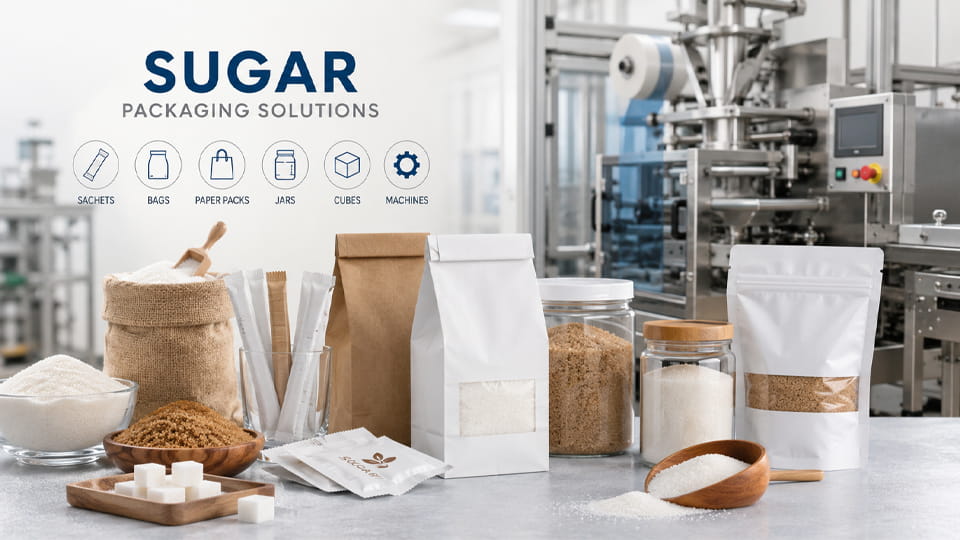
بسته بندی شکر به نحوه بسته بندی یا بسته بندی شکر برای فروش و استفاده - از بسته های کوچک یک بار مصرف تا کیسه های بزرگ فله اشاره دارد.. تمام قالب های بسته بندی محصولاتی مانند شکر سفید دانه بندی شده را پوشش می دهد, شکر قهوه ای, پودری (آیسینگ) شکر, شکر کپسول, شکر حبه ای, و حتی شیرین کننده های تخصصی مانند پودر انگور. اهداف مشترک هستند: شکر را خشک و بدون جریان نگه دارید, کنترل اندازه بخش, و در هنگام حمل و نقل از آن محافظت کنید. به عنوان مثال, ساشه های قندی که در کافه ها یا خطوط هوایی استفاده می شوند برای بهداشت و راحتی طراحی شده اند (یک بسته در هر فنجان), در حالی که کیسه های شکر خرده فروشی (0.5-5 کیلوگرم) باید از پر کردن با سرعت بالا پشتیبانی کند و مصرف کنندگان را در قفسه سوپرمارکت جذب کند.
در محیط های غذایی و صنعتی, شکر اغلب در بسته های بزرگتر عرضه می شود (5– گونی های 50 کیلوگرمی), که در آن تمرکز بر روی راندمان انباشته شدن و جلوگیری از فساد است. در تمام موارد, بسته بندی باید قند را از رطوبت محافظت کند (برای جلوگیری از کلوخه شدن), از آفات, و از آسیب. همانطور که یکی از منابع صنعتی اشاره می کند, یک بسته شکر خوب دارای خواص بازدارندگی عالی و محافظت فیزیکی است، بنابراین در حین حمل و نقل آسیبی نمی بیند یا اجازه نمی دهد محصول نشت کند..
در اینجا توضیحی سریع از اهمیت بسته بندی شکر ارائه شده است:
در بخش های بعدی, ما متفاوت را تجزیه خواهیم کرد اشکال محصول شکر, و آنها را به سبک های بسته بندی مناسب نقشه برداری کنید, مواد, و ماشین آلات.
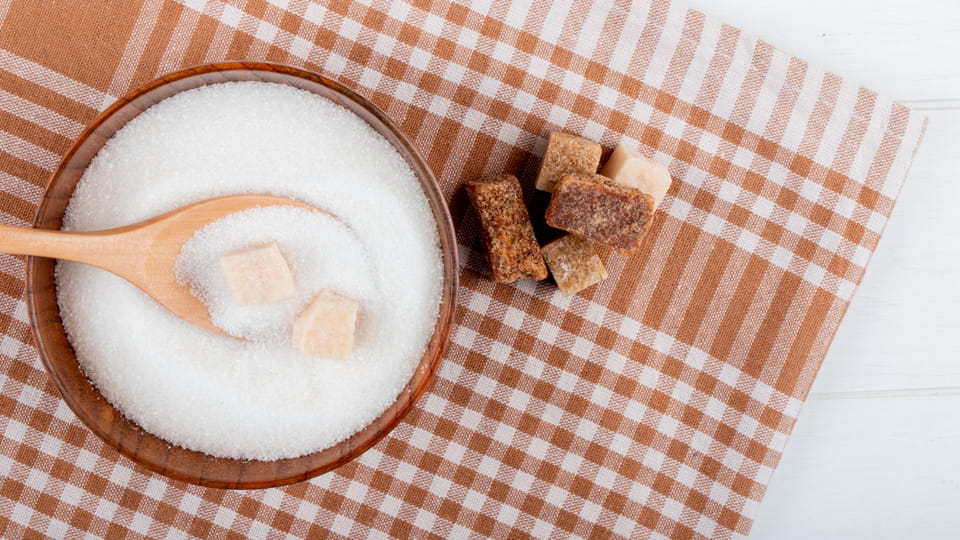
شکر به اشکال مختلف فیزیکی وجود دارد, هر کدام ملاحظات بسته بندی خاص خود را دارند:
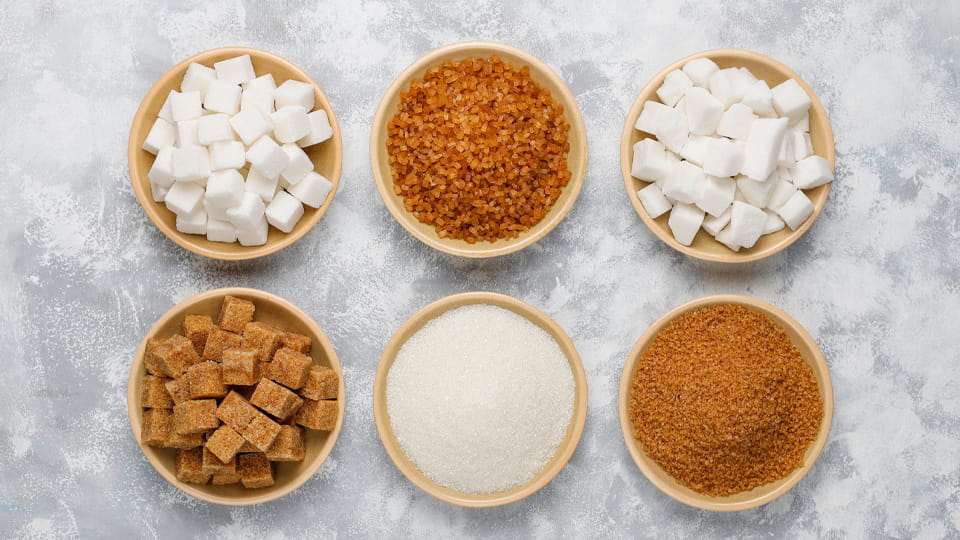
خلاصه, انواع مختلف شکر ویژگی های بسته بندی متفاوتی را می طلبد: شکرهای پودری و قهوه ای به ویژه به مواد مانع بالا نیاز دارند, قند گرانول به کنترل دقیق وزن نیاز دارد, و مکعب ها باید به آرامی دست به کار شوند و له شوند.
چگونه می توانید شکر را بسته بندی کنید? در اینجا فرمت های اصلی وجود دارد که با آنها روبرو خواهید شد:
«بستههای قند» و «میلههای قهوه» اینجا میافتند. اینها کوچک هستند, بسته های با دوز فردی (معمولا 3-10 گرم). آنها در خدمات غذایی بسیار محبوب هستند, رستوران ها, کافه ها, و خطوط هوایی. دو تنوع وجود دارد:
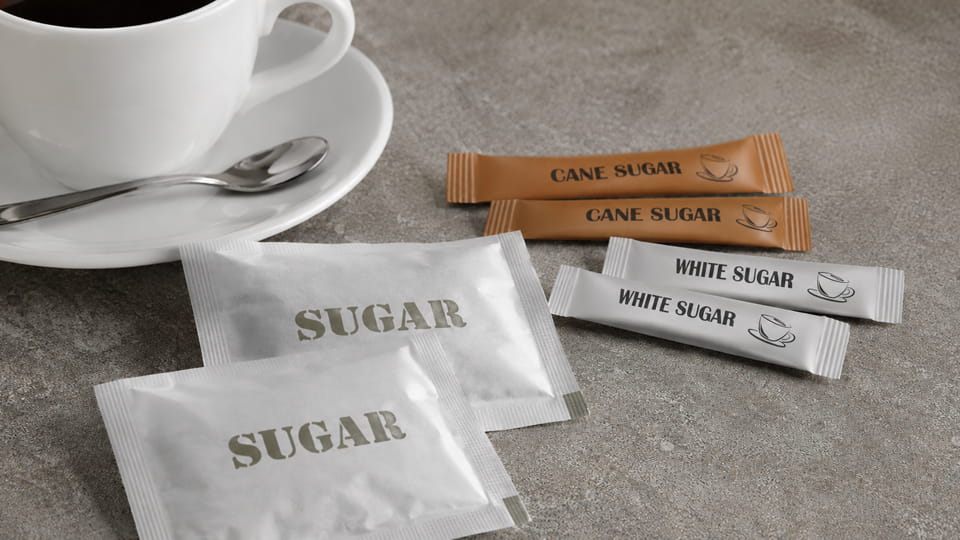 شکل: ساشه های قند و کیسه های چوبی یک بار مصرف
هم کیسه ها و هم بسته های چوبی برای کنترل بخش و بهداشت ایده آل هستند. تفاوت ها: ساشه ها از مواد بیشتری استفاده می کنند اما فضای چاپ بیشتری را ارائه می دهند, در حالی که بسته های چوبی باریک تر و از نظر مواد کارآمدتر هستند. دستگاههای بستهبندی چند لاین میتوانند صدها یا حتی بیش از هزار بسته قند باریک در دقیقه تولید کنند., آنها را برای حجم های بالا بسیار کارآمد می کند.
"کیسه های شکر مصرفی" به اینجا بروید. هنگام فروش شکر در سوپرمارکت ها یا فروشگاه های آنلاین, شما اغلب کیسه های بزرگتر را می بینید:
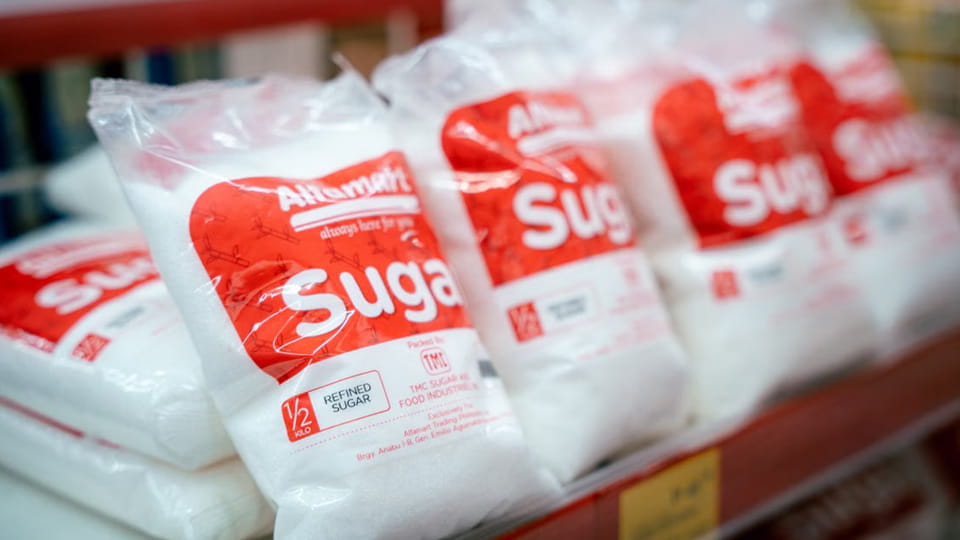
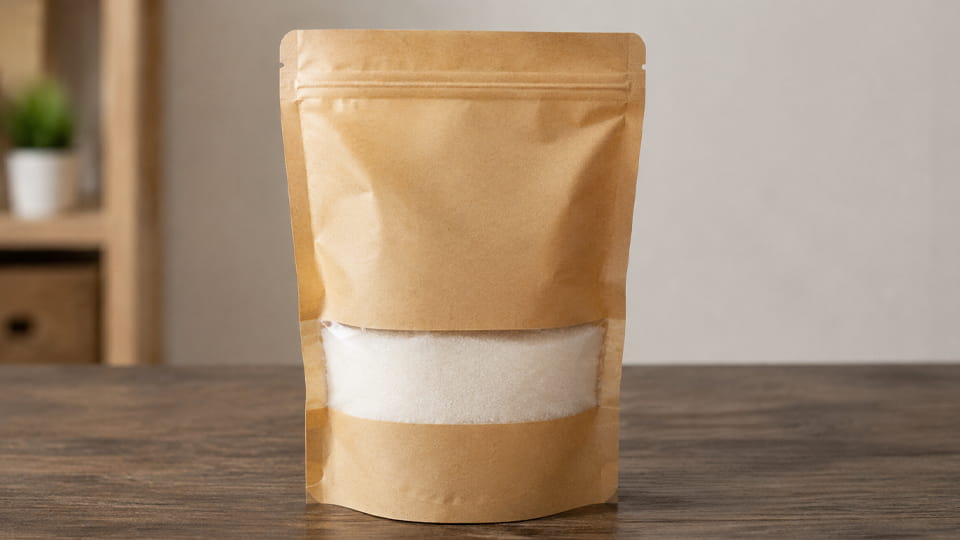
کیسه های ایستاده (مخصوصا با زیپ قابل آب بندی) راحتی و خواص مانع خوبی را فراهم می کند. با توجه به راهنمای صنعت, دوی پک ها کیفیت چاپ بالا و گزینه های نمایش را ارائه می دهد (پنجره ها, رنگ های روشن) که می تواند جذابیت بصری محصول شکر را افزایش دهد. کیسه های بالش و بالشتک بیشتر بر کارایی تمرکز دارند - آنها به راحتی پر می شوند و در سرعت های بالا آب بندی می شوند..
کاغذ هنوز یک انتخاب رایج برای شکر است, مخصوصا فله و کارتن:
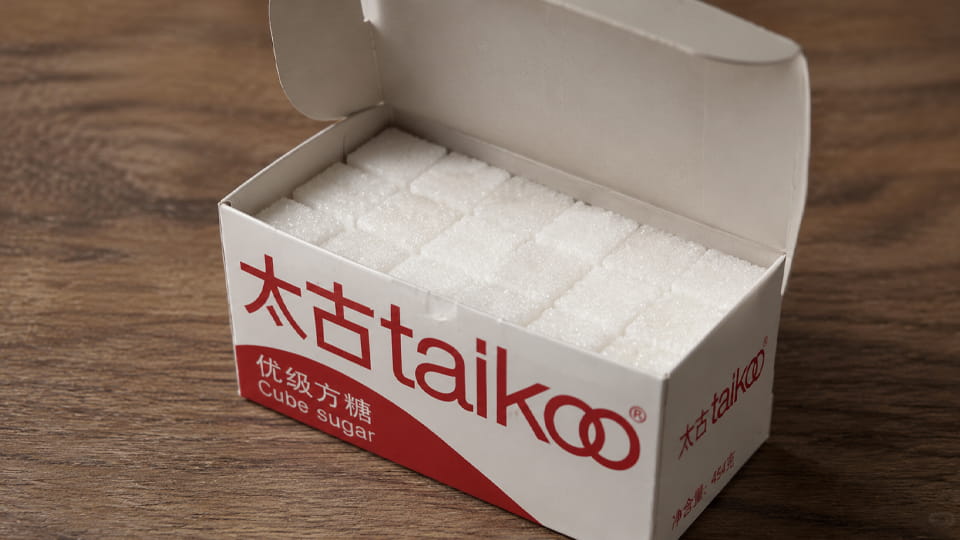
کاغذ (کرافت یا لمینیت) زیست تخریب پذیر و کم هزینه است. زمانی که برندها می خواهند تصویری سازگار با محیط زیست داشته باشند، اغلب استفاده می شود. داد و ستد: کاغذ معمولی نسبت به پلاستیک مقاومت کمتری در برابر رطوبت دارد, پس قند گران قیمت (به خصوص قندهای مرطوب یا مستعد توده) ممکن است از کامپوزیت کاغذ چند لایه استفاده شود.
برای برخی از محصولات قندی, ظروف سفت استفاده می شود:
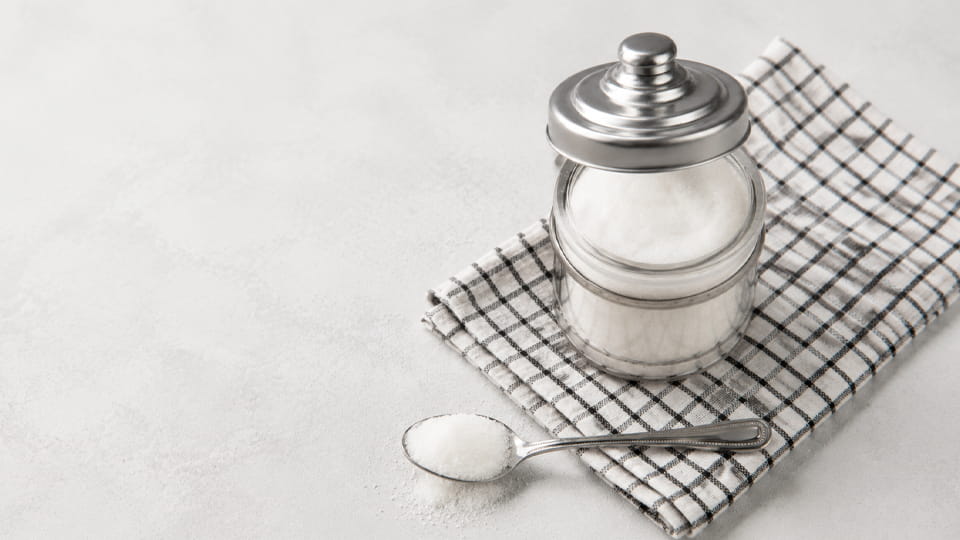
استفاده از شیشه یا قوطی مانند ارزش افزوده است (نمای واضح محصول, ظرف قابل استفاده مجدد) با هزینه بالاتر. ماشینهای پرکننده شیشهها معمولاً شامل پرکنندههای فنجان و ایستگاههای درببندی هستند.
برای کارخانه ها, زنجیر قهوه, یا تولیدکنندگان مواد غذایی, شکر در حجم زیادی جابجا می شود:
بسته بندی فله بر توان و قدرت اولویت دارد. مواد سنگین هستند (کاغذ چند لایه پلی اتیلن, و غیره), و از خطوط پرکننده قالب یا توزین های سنگین استفاده می شود.
انتخاب مواد مناسب به اندازه سبک بسته مهم است. شکر مخصوصاً به مقاومت در برابر رطوبت نیاز دارد تا آزاد بماند. مواد متداول شامل:
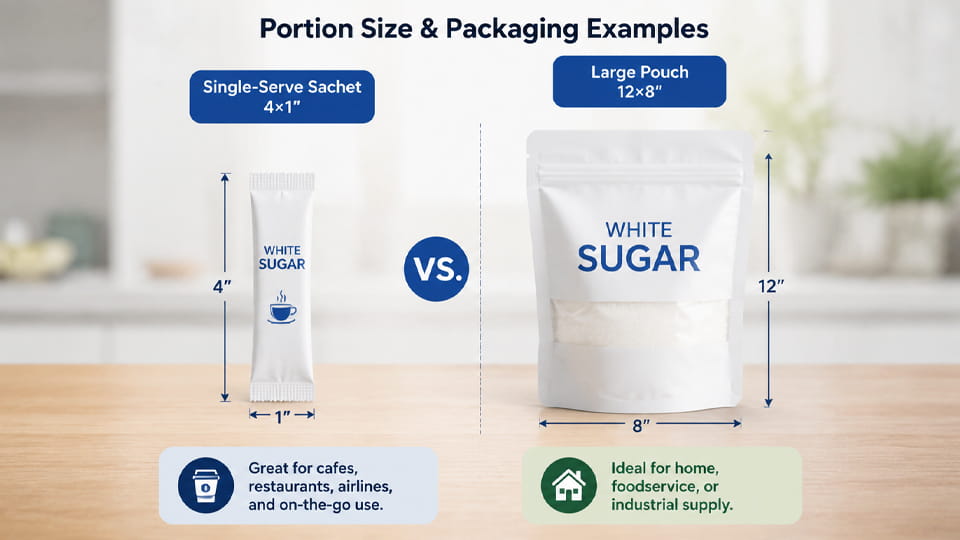
شکل: نمونه های اندازه و بسته بندی. یک کیسه شکر یک بار مصرف (4×1 اینچ, سمت چپ) در مقابل یک کیسه بزرگتر 12×8 (درست است) نشان می دهد که چگونه قالب بسته با استفاده از حالت مقیاس می شود. ساشه های تکی برای کافه ها و خطوط هوایی عالی هستند, در حالی که کیسه های بزرگتر مناسب لوازم خانگی یا صنعتی هستند.
برای گزینه های پایدار, سازندگان در حال بررسی فیلم های زیست تخریب پذیر یا مقوا با پوشش های رطوبتی هستند. به عنوان مثال, کیسه های ساخته شده از فیبر نیشکر (باگاس) یا PLA در حال توسعه هستند, اگرچه آنها هنوز باید با نیازهای آب بندی و مانع شکر مطابقت داشته باشند. (حتی باگاس نیشکر را می توان به صورت سینی یا جعبه قالب گیری کرد, اما معمولا شکر در قفسه هنوز به یک لایه مانع رطوبت نیاز دارد).
نکته کلیدی: خواص مانع (نرخ انتقال بخار آب, سرعت انتقال اکسیژن) انتقادی هستند. یک مانع ضعیف می تواند منجر به کیک شدن یا فساد شود. به همین دلیل است که اکثر لفافهای شکر حداقل یک لایه پلاستیکی یا فویل دارند.
انتخاب فرمت بهینه شامل در نظر گرفتن محصول است, مورد استفاده, و عوامل تولید. در اینجا معیارهای اصلی آورده شده است:
در عمل, در "فرمت درست" اغلب یک سازش است. به عنوان مثال, سرویس قهوه ممکن است از بسته های چوب پلاستیکی استفاده کند (برای بهداشت و پروفایل باریک) حتی اگر یک پاکت کاغذی چاپ شده بتواند استفاده از فیلم را کاهش دهد, زیرا چوب باریک مدرن تر به نظر می رسد و بهتر می ریزد.
پس از انتخاب فرمت, مرحله بعدی ماشین آلات است. مدرن خطوط بسته بندی شکل دهی خودکار, پر کردن, و آب بندی. ماشین آلات رایج برای شکر عبارتند از:


[jl_youtube src=”https://www.youtube.com/embed/WmcZoucwAz4″]
بالاخره, چند نکته برای انتخاب ماشین:
همانطور که یکی از کارشناسان جینلو اشاره می کند, دستگاه های چوب ساشه ما دارند دقت ± 0.02 گرم و کنترل های قابل برنامه ریزی برای رفع نیازهای دوز دقیق. چنین ویژگی هایی کمک می کند تا اطمینان حاصل شود که هر بسته شکر دقیقاً وزن مناسبی دارد و به درستی مهر و موم شده است.
خلاصه, بسته بندی شکر شامل متعادل کردن نیازهای محصول است (نوع شکر, اندازه بخش) با ملاحظات بازاریابی و تولید. ساشه ها و استیک های یک نفره در رستوران ها و کافی شاپ ها سرو می شود; کیسه ها و کیسه های انعطاف پذیر به مشتریان خرده فروشی خدمت می کنند; کوزه ها و کارتن ها جذابیت فوق العاده ای را ایجاد می کنند; و کیسه های فله تغذیه خطوط صنعتی. ترکیب مناسبی از قالب, مواد, و ماشین قند شما را آزاد نگه می دارد, ایمن از رطوبت, و روی برند.
اگر در حال برنامه ریزی برای یک خط بسته بندی شکر هستید, با تشریح فرم ها و بازارهای محصول خود شروع کنید. سپس یک قالب بسته بندی را انتخاب کنید (ساشه, کیسه, و غیره) و موادی که از شکر محافظت می کند و با تصویر برند شما مطابقت دارد. بالاخره, ماشین هایی را انتخاب کنید که نیازهای سرعت و دقت شما را برآورده کنند. سیستمهای بستهبندی خودکار مدرن - از دستگاههای بستهبندی چند خطی گرفته تا کیسههای VFFS - میتوانند هر چیزی از قندهای 5 گرمی تا کیسههای 50 کیلوگرمی را به طور مؤثر اداره کنند..
نیاز به کمک برای تجهیزات? با کارشناسان JinLu تماس بگیرید که محلول های بسته بندی شکر را طراحی می کنند. به عنوان مثال, یک کیسه چند لاین یا دستگاه VFFS با بسته بندی چوبی می تواند به سرعت تشکیل شود, پر کردن, و در هر ساعت هزاران بسته شکر را مهر و موم کنید. مهندسان می توانند به اندازه خط کمک کنند (فیلر به علاوه باگر به اضافه کارتن) و مطمئن شوید که مواد و ماشین آلات بسته بندی به خوبی با هم کار می کنند. با انتخاب دقیق قالب ها و تجهیزات بسته بندی, شما زنجیره تامین خود را شیرین کنید با صاف, خط کارآمد بسته بندی شکر.
بسته بندی شکر به فرمت های بسته بندی اشاره دارد, مواد, و سیستم های پرکننده مورد استفاده برای بسته بندی محصولات شکر برای خرده فروشی, خدمات غذایی, و مصارف صنعتی. این شامل همه چیز است، از کیسه های قند یک بار مصرف و بسته های چوبی گرفته تا کیسه های شکر خرده فروشی, بسته های کاغذی, کوزه, و کیسه های فله. بسته بندی خوب شکر باید محصول را از رطوبت محافظت کند, وزن پر را ثابت نگه دارید, پشتیبانی از حمل و نقل و ذخیره سازی, و با سرعت تولید خط بسته بندی مطابقت داشته باشد.
محصولات قندی مختلف اغلب به فرمتهای بستهبندی متفاوتی نیاز دارند، زیرا خاصیت جریان دارند, اندازه های بسته, و کاربردهای بازار یکسان نیست. نمونه های رایج شامل شکر دانه ای است, شکر قهوه ای, پودر قند, پودر قند, شکر حبه ای, خاردار, و پودر انگور.
به عنوان مثال, شکر گرانول معمولاً در کیسه بسته بندی می شود, بسته های, کیسه های کاغذی, یا کیسه های خرده فروشی, در حالی که پودر قند ممکن است به کنترل بهتر گرد و غبار و محافظت قوی تر در برابر رطوبت نیاز داشته باشد. شکر خرد شده اغلب در کارتن بسته بندی می شود, جعبه, کوزه, یا بسته های مکعب پیچیده شده.
بهترین گزینه برای هر محصول وجود ندارد. بسته بندی مناسب شکر به شکل شکر بستگی دارد, اندازه بسته, بازار هدف, نیازهای مانع, و سرعت تولید.
• کیسه ها و بسته های چوبی انتخابی قوی برای وعده های شکر تک نفره هستند.
• کیسه ها و کیسه های کاغذی برای بسته های خرده فروشی شکر رایج هستند.
• کوزه ها و قوطی ها می توانند برای شکر مخصوص یا پودر قند خوب کار کنند.
• کیسه های فله معمولاً برای کاربردهای صنعتی و تولید مواد غذایی استفاده می شوند.
در عمل, بهترین فرمت آن است که محافظت از محصول را متعادل کند, سازگاری ماشین, هزینه بسته بندی, و راحتی مشتری.
هر دو فرمت های بسته بندی منعطف تک خدمتی هستند, اما آنها دقیقاً یکسان نیستند. یک کیسه شکر معمولاً یک بسته صاف است که از سه یا چهار طرف مهر و موم شده است, در حالی که یک بسته چوبی باریک است, بسته لوله مانند از طول و در دو انتها مهر و موم شده است. ساشه ها اغلب برای بسته های قند سنتی مورد استفاده در هتل ها انتخاب می شوند, رستوران ها, و کافه ها. بستههای استیک زمانی محبوب هستند که برندها ظاهر باریکتری داشته باشند, ریختن پاک کننده در فنجان, و ظاهری مدرن تر. هر دو فرمت به طور گسترده برای شکر بسته بندی شده در بخش های کوچک استفاده می شود.
مواد معمول بسته بندی شکر شامل کاغذ است, پلی اتیلن (پستان), پلی پروپیلن (PP), فیلم های پلاستیکی چند لایه, و سازه های کاغذی-لمینیت. انتخاب دقیق به فرمت بسته بندی و حساسیت محصول به رطوبت بستگی دارد.
به عنوان مثال:
• کیسه های کاغذی یا بسته های کاغذی برای شکر خرده فروشی رایج هستند
• فیلم های لمینت به طور گسترده برای ساشه ها و بسته های چوبی استفاده می شوند
• شیشه های پلاستیکی یا ظروف سفت ممکن است برای شکر مخصوص یا پودر قند استفاده شود
• هنگامی که برای بستههای کوچک یا پر کردن خودکار با سرعت بالا نیاز به محافظت از رطوبت قویتر باشد، اغلب فیلمهای چند لایه ترجیح داده میشوند.
شکر به راحتی رطوبت را جذب می کند, و یک بار که این اتفاق می افتد, می تواند شروع به جمع شدن کند, کیک, یا جریان پذیری را از دست بدهند. که نه تنها برای مصرف کنندگان مشکل ایجاد می کند, بلکه برای خود خط بسته بندی. مسائل مربوط به رطوبت می تواند بر دقت پر کردن تأثیر بگذارد, کیفیت مهر و موم, ماندگاری, و ظاهر محصول. به همین دلیل است که بسته بندی شکر معمولاً به تعادل خوبی از عملکرد مانع نیاز دارد, یکپارچگی مهر و موم, و شرایط نگهداری مناسب, مخصوصا برای پودر قند, شکر قهوه ای, و بسته بندی پودر jaggery.
بله, بسته بندی شکر کاغذی به طور گسترده استفاده می شود, به ویژه برای بسته های شکر خرده فروشی و برخی از فرمت های خدمات غذایی. زمانی که هدف کنترل هزینه باشد، کاغذ به خوبی کار می کند, ارائه قفسه آشنا, و چاپ یا برندسازی راحت تر. با این حال, کاغذ به تنهایی همیشه برای هر محصول قندی کافی نیست. اگر محصول به رطوبت بسیار حساس است, یا اگر خط با سرعت بالا اجرا شود, سازندگان ممکن است ساختارهای کاغذی لمینت یا بسته بندی های مبتنی بر فیلم را ترجیح دهند که عملکرد بهتر آب بندی و مانع را ارائه می دهند..
شکر حبه ای اغلب متفاوت از شکر دانه ریز بسته بندی می شود زیرا مکعب ها باید دست نخورده و قابل ارائه باقی بمانند.. فرمت های رایج بسته بندی شامل بسته های مکعبی بسته بندی شده با کاغذ است, کارتن, جعبه های تاشو, کوزه های سفت و سخت, و ظروف خرده فروشی کوچک. بهترین گزینه بستگی به این دارد که آیا محصول برای سرویس میز در نظر گرفته شده است یا خیر, خرده فروشی ممتاز, مهمان نوازی, یا استفاده از خدمات غذایی فله. بسته بندی شکر مکعبی باید حبه ها را از شکستگی محافظت کند و در عین حال امکان بسته بندی کارآمد و توزیع آسان را فراهم کند..
دستگاه بسته بندی شکر دستگاهی است که برای دوز استفاده می شود, پر کردن, فرم, و شکر را در قالب بسته بندی انتخاب شده ببندید. بسته به اندازه محصول و بسته بندی, ممکن است برای کیسه ها استفاده شود, بسته های, کیسه, کیسه های خرده فروشی, یا کیسه های فله. یک دستگاه بسته بندی شکر معمولی ممکن است شامل یک سیستم دوز باشد, بخش تغذیه فیلم, بخش کیسه سازی, سیستم آب بندی, و نوار نقاله تخلیه. تنظیم صحیح دستگاه به نوع شکر بستگی دارد, خروجی مورد نیاز, اندازه بسته هدف, و مواد بسته بندی مورد استفاده.
بهترین راه برای انتخاب دستگاه بسته بندی شکر این است که با پنج سوال کاربردی شروع کنید:
1.چه نوع شکری را بسته بندی می کنید؟? شکر دانه ریز, پودر قند, شکر قهوه ای, شکر حبه ای, خاردار, و پودر jaggery دقیقاً یکسان رفتار نمی کنند.
2.به چه فرمت بسته ای نیاز دارید? ساشه, بسته چوبی, کیسه, کیسه کاغذی, کوزه, یا کیسه فله.
3.چه اندازه بسته را اجرا خواهید کرد? ماشینی برای 5 ساشه های گرم قند با یکی برای 1 کیسه های خرده فروشی کیلویی.
4.چه خروجی در دقیقه یا هر ساعت نیاز دارید?
5.به چه سطحی از اتوماسیون و دقت نیاز دارید?
وقتی این نکات مشخص شد, تطبیق پروژه با دستگاه بسته بندی شکر بسیار ساده تر می شود, دستگاه بسته بندی ساشه قند, دستگاه استیک پک, یا خط پر کردن کیسه.
مراجع:
1.قنادی شکری - متخصصان داروسازی
2.کیک کردن کریستال های ساکارز: تأثیر محتوای آب و اندازه کریستال - ResearchGate
3.اثرات تراکم مویرگی بر روی کیک شدن ساکارز حجیم – ScienceDirect
4.رطوبت و ماندگاری در شیرینی های قندی – کتابخانه ملی پزشکی