
به زبان روزمره "دارو" و "دارو" اغلب به جای یکدیگر استفاده می شوند. در صنعت داروسازی, هر چند, آنها معمولاً مستلزم مراحل مختلف چرخه عمر محصول هستند. بوها دارو به طور کلی ماده دارویی فعال است (API) که اثرات درمانی دارد. بوها دارو (گاهی اوقات به نام a محصول دارویی) محصول نهایی است - دارویی که برای استفاده بیمار فرموله و بسته بندی شده است. این تمایز بر نحوه توسعه محصولات تأثیر می گذارد, ساخته شده است, و بسته بندی شده است. به زبان ساده, هر دارویی با یک دارو شروع می شود (ماده فعال), اما هر دارویی به یک داروی قابل فروش تبدیل نمی شود. تفاوت در این اصطلاحات می تواند تأثیر بگذارد فرم دوز طراحی, وضعیت نظارتی, و انتخاب ماشین آلات بسته بندی.
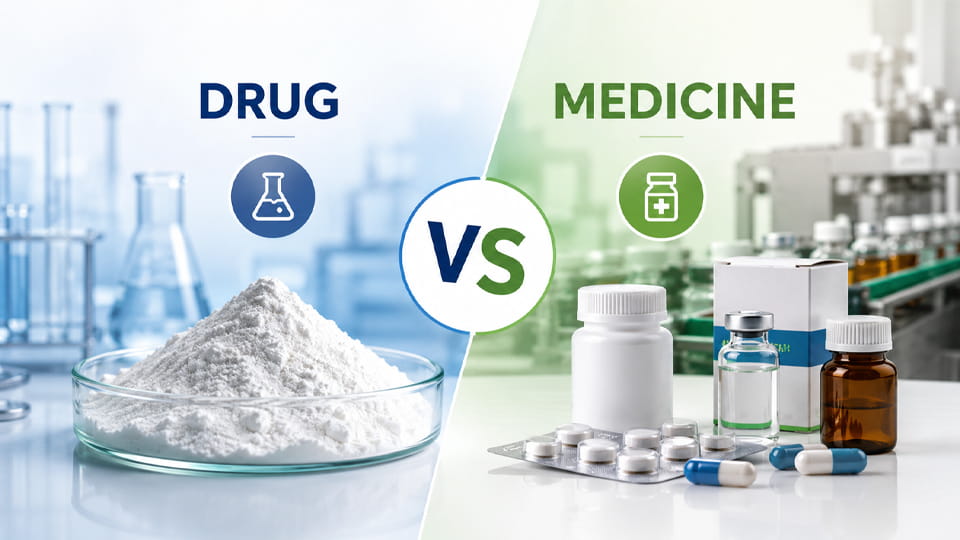
در اصطلاح دارویی, بوها دارو یک ماده شیمیایی یا بیولوژیکی فعال است که برای تشخیص استفاده می شود, درمان, کاهش دهد, درمان, یا پیشگیری از بیماری. FDA یک دارو را به طور کلی اینگونه تعریف می کند:ماده ای که برای استفاده در تشخیص در نظر گرفته شده است, درمان, کاهش, درمان, یا پیشگیری از بیماری” در انسان یا حیوان. در عمل, "دارو" اغلب به ماده فعال خالص اشاره دارد (API) خود. به عنوان مثال, ایبوپروفن یا آموکسی سیلین به عنوان یک پودر قبل از اینکه تبدیل به یک ماده دارویی شود، یک ماده دارویی نامیده می شود قرص یا کپسول.
نکات کلیدی در مورد مواد مخدر در تولید دارو:
خلاصه, بوها دارو ماده خام درمانی یا API است - "چیزی" که به دارو اثر می دهد. این اصطلاح در توسعه و تنظیم فرمولاسیون رایج است.
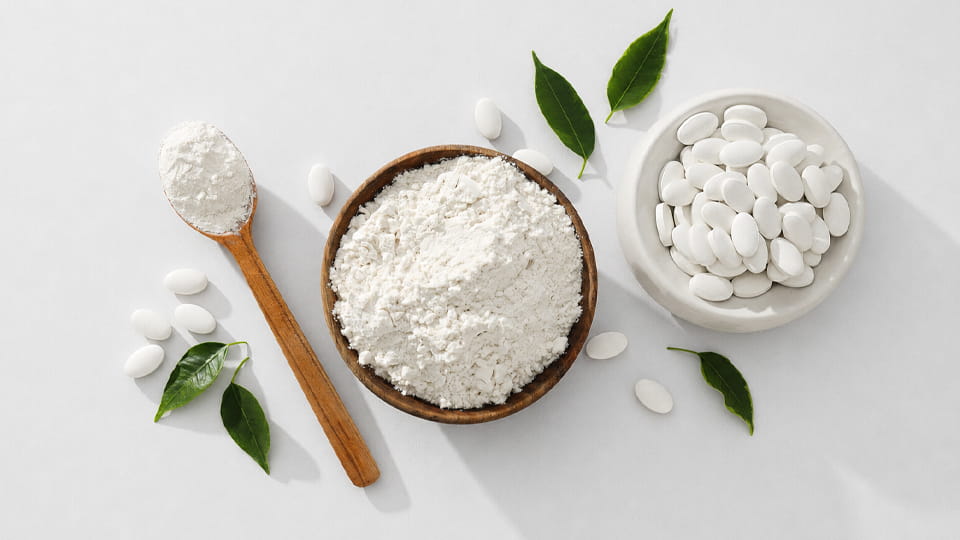
بوها دارو (یا محصول دارویی) یک است محصول دارویی تمام شده برای استفاده بیمار در نظر گرفته شده است. حاوی یک یا چند دارو است (API ها) به علاوه اجزای غیر فعال (مواد کمکی) و برای توزیع و استفاده ایمن بسته بندی شده است. به عبارت دیگر, هنگامی که یک دارو به شکل دوز فرموله می شود (تبلت, کپسول, مایع, و غیره) و در ظرفی برچسب گذاری شده است, تبدیل به یک داروی آماده برای فروش می شود.
به زبان ساده, بوها دارو بسته بندی شده است, محصول آماده برای بیمار که برای تشخیص یا درمان یک بیماری استفاده می شود. این شامل دارو به عنوان عنصر ستاره است, بلکه همه چیزهای دیگر (مواد کمکی, ظرف, برچسب زدن).
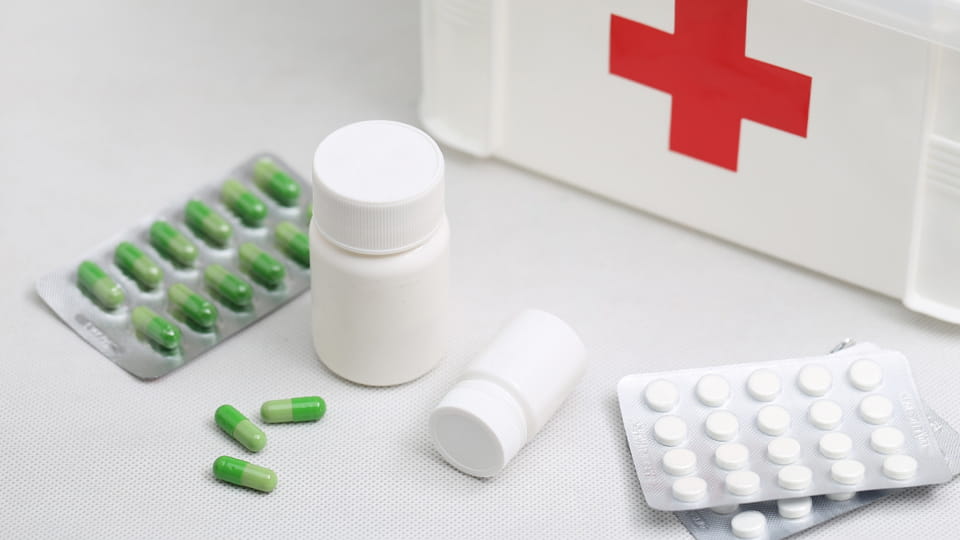
در زیر خلاصه ای از تمایزات کلیدی بین دارو و دارو. تفاوت ها در زبان ساده ظریف هستند اما در زمینه های تولیدی و نظارتی مهم هستند:
| جنبه | دارو | دارو (محصول دارویی) |
| معنی اساسی | ماده فعال (API) با اثر درمانی | محصول نهایی حاوی دارو, آماده برای استفاده بیمار |
| مرحله | اغلب به مواد اولیه یا ترکیب تحقیقاتی در مراحل اولیه اشاره دارد | به فرم دوز نهایی پس از فرمولاسیون و بسته بندی اشاره دارد |
| ترکیب | ماده فعال خالص (به عنوان مثال. پودر آسپرین) | شامل API است + مواد کمکی, ظرف, برچسب زدن (به عنوان مثال. قرص آسپرین در تاول) |
| از زمینه استفاده کنید | تولید, آر&D, نظارتی (فرآیند تایید) | استفاده بالینی, تجویز, توزیع (در بخش های مراقبت های بهداشتی) |
| مقررات | تعریف گسترده "دارو" FDA شامل APIها است | محصولات نهایی با نظارت دقیق (تاییدیه های FDA/EMA, GMP) |
| مثال | Ibuprofen API, پروتئین انسولین (ماده حجیم) | قرص ایبوپروفن, تزریق انسولین در ویال |
به زبان ساده: بوها دارو ماده شیمیایی/بیولوژیکی فعال با اثر فارماکولوژیک است. بوها دارو آن دارو به علاوه فرمولاسیون و بسته بندی است, برای استفاده ایمن توسط بیماران در نظر گرفته شده است. همانطور که یکی از منابع دارویی گفته است, هر دارویی به عنوان یک دارو شروع می شود, اما هر دارویی تبدیل به دارو نمی شود. به عنوان مثال, مورفین خالص یک ماده دارویی است; پس از فرمولاسیون به دوزهای تزریقی با سالین و بسته شدن در ویال, تبدیل به دارو می شود (یک محصول تسکین درد).
نکته مهم این است که دارو به معنای تنظیم شده است, محصول مصرفی, در حالی که دارو می تواند فقط به معنای ماده فعال خام یا دسته وسیع تری از ترکیبات باشد. جدول بالا این تفاوت ها را نشان می دهد.
برای درک کامل «دارو در مقابل دارو,به روشن شدن اصطلاحات مرتبط که اغلب در داروسازی استفاده می شود کمک می کند:
خط پایین: در تولید دارو, "ماده دارویی" API است, "محصول دارویی" فرم دوز فرموله شده است (قرص ها, کپسول ها, تزریق, و غیره), و "دارو" زمانی که یک محصول درمانی آماده بازار باشد، آن را محصول دارویی می نامید. به عنوان مثال, متفورمین یک ماده دارویی است, یک قرص 500 میلی گرمی متفورمین محصول دارویی است, و آن تبلت (در بسته بندی آن) دارویی است که بیمار مصرف می کند.
درک این اصطلاحات حیاتی است: زمانی که فرم دارویی یک محصول دارویی را شناختیم, ما می توانیم سمت راست را انتخاب کنیم خط بسته بندی تا آن را به یک داروی پایدار تبدیل کند.
تدوین & توسعه فرم دوز: یک خام ماده دارویی به خودی خود برای بیمار آماده نیست. باید به شکل دوز مناسب فرموله شود (تبلت, کپسول, شربت, تزریق, و غیره) - این بخش عمده ای از توسعه تولید است. هر فرم دارویی نیاز به مواد جانبی و پردازش خاصی دارد (مخلوط کردن, دانه, عقیم سازی) تبدیل شدن به یک محصول دارویی. به عنوان مثال, API های حساس برای بیولوژیک های تزریقی نیاز به پردازش آسپتیک دارند, در حالی که یک API پایدار برای یک قرص از طریق خشک کردن و فشرده سازی قرص انجام می شود.
تایید مقررات: آژانس هایی مانند FDA یا EMA داده های مربوط به ماده دارویی را بررسی می کنند و محصول/دارو. آنها ایمنی API و اثربخشی فرمول نهایی را ارزیابی می کنند. داروی تمام شده باید استانداردهای سختگیرانه را رعایت کند (GMP, ثبات, برچسب زدن). سازمان غذا و دارو CGMP قوانین به صراحت فرآیندها و تجهیزات بسته بندی را پوشش می دهند - بنابراین چگونه یک دارو را بسته بندی می کنید (حتی بیشتر از یک داروی خام) به شدت تنظیم شده است.
بسته بندی و برچسب گذاری: تمایز نیازهای بسته بندی را تعیین می کند. یک ماده دارویی معمولا دارای حداقل بسته بندی است (طبل ها, ویال برای نگهداری). یک دارو, هر چند, نیاز دارد بسته بندی اولیه که از دوز محافظت می کند (به عنوان مثال. بسته های تاول, بطری ها, ویال) و بسته بندی ثانویه (کارتن) برای اطلاعات و قابلیت ردیابی. به عنوان مثال, قرص ها (محصول نهایی) برای اطمینان از ماندگاری، به بسته های تاول ضد رطوبت یا سیستم های بطری و بسته کننده نیاز دارید.. یک داروی تزریقی به ویال ها یا آمپول های شیشه ای استریل به همراه مهر و موم های غیرقابل تغییر نیاز دارد. هر ترکیبی از API و فرم دوز دارای محلول بسته بندی منطبق است.
انتخاب تجهیزات: اگر فقط به API فکر می کنید, ممکن است راکتورها یا میکسرها را در نظر بگیرید. اما یک بار یک ماده یک محصول دارویی است که نیاز به بسته بندی دارد, شما به خط بسته بندی مناسب نیاز دارید. دستگاه های بسته بندی تاول, دستگاه های پر کردن کپسول, پرکننده های مایع, خطوط پر کردن ویال, ماشین های کارتن - همه مرتبط می شوند. شناخت "دارو" به این معنی است که محصول بسته بندی شده، خرید این ماشین ها را ضروری می کند.
به طور خلاصه, درک "دارو در مقابل دارو" به تیم های پروژه کمک می کند تا بدانند کی و چگونه برای ادغام بسته بندی در جریان کار تولید. این تضمین می کند که محصول دارویی فقط فرموله نشده است, اما به درستی محافظت شده و به بازار ارائه می شود.
بسته بندی آخرین مرحله حیاتی است که یک داروی فرموله شده را به دارویی تبدیل می کند که بیماران می توانند با خیال راحت از آن استفاده کنند. در بسته بندی دارویی, بسته بندی اولیه در تماس مستقیم با دوز است (محصول دارویی) و اولین مانع برای تخریب را فراهم می کند. به عنوان مثال, کپسول ها و قرص های ژلاتین سخت اغلب وارد آن می شوند آلومینیوم – پلاستیک بسته های تاول, در حالی که شربت های مایع وارد می شوند پلاستیکی (PET/HDPE) بطری ها. داروهای تزریقی پر می شوند ویال یا آمپول شیشه ای استریل. هر ظرف اولیه به دلیل بی اثر بودن و خاصیت مانع انتخاب می شود.
هنگامی که بسته بندی اولیه مهر و موم شد, بسته بندی ثانویه (کارتن, برچسب ها, جزوات) اطلاعات بیمار و داده های دسته ای را ارائه می دهد. به عنوان مثال, بستهها یا ویالهای بلیستر در کارتنهای مقوایی مارک دار با جزوههای دستورالعمل دستهبندی میشوند, شماره های دسته, و بارکد - برای رعایت و ایمنی بیمار بسیار مهم است.
در JinLuPacking, ماشین های ما این مراحل را خودکار می کنند. یک اتوماتیک دستگاه بسته بندی تاول می تواند هزاران قرص را به صورت تاول در ساعت ببندد; بوها دستگاه پرکن کپسول دارو را به صورت کپسول دوز می کند; بوها خط پر کردن و درب بطری قرص ها را می شمارد یا شربت ها را در بطری ها پر می کند; و الف دستگاه کارتن سازی محصولات نهایی را بسته بندی و جعبه می کند. تمام این مراحل - پر کردن, دربندی, بسته بندی - اطمینان حاصل کنید که داروی نهایی به طور دقیق دوز شده است, امن, و آماده توزیع.
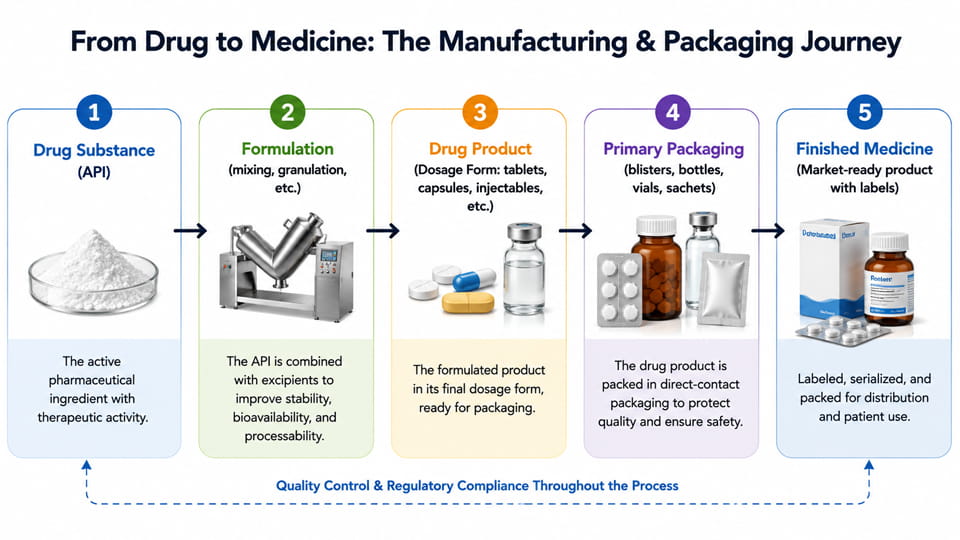
شکل: نمودار جریان دارو → پزشکی: فعال ماده دارویی (API) به صورت الف فرموله شده است محصول دارویی (فرم دوز خاص). سپس به داخل حرکت می کند بسته بندی اولیه (به عنوان مثال. بسته های تاول برای قرص, بطری برای شربت, ویال های شیشه ای برای تزریق). بالاخره, می شود a پزشکی تمام شده با بسته بندی ثانویه (کارتن/برچسب) برای استفاده بیمار.
اشکال مختلف دوز به محلول های بسته بندی متفاوتی نیاز دارند. جدول زیر جفت های معمولی را خلاصه می کند:
| فرم دوز | بسته بندی اولیه مشترک | نمونه JinLuEquipment |
| قرص (خوراکی جامد) | بسته های تاول (فویل PVC/PVDC), یا پلاستیک بطری ها با درپوش پیچ | دستگاه بسته بندی تاول; شمارش تبلت & خط بطری |
| کپسول (شفاهی) | بسته های تاول, یا بطری هایی شبیه به قرص ها | دستگاه پرکن اتوماتیک کپسول; دستگاه تاول |
| مایع خوراکی (شربت ها) | پلاستیکی (PET/HDPE) بطری ها با کلاه ایمنی کودک | سیستم پر کردن و درپوش مایع; بطری Unscrambler |
| پودر / ساشه | بسته های کیسه ای تک دوز (کیسه های فویل یا لمینت) | دستگاه بسته بندی ساشه/استیک پک; خط کیسه پیش ساخته |
| مواد تزریقی (استریل) | شیشه ای ویال, آمپول ها, یا سرنگ های از پیش پر شده, به علاوه مهر و موم فویل | پر کردن ویال / آمپول & خط توقف; سیلر القایی |
| پماد/کرم | لوله های چند لایه (آلومینیوم یا پلاستیک) | دستگاه پرکن و آب بندی لوله |
| کپسول سافت ژل | بطری (PET) یا بسته های تاول | دستگاه تاول کپسول سافت ژل; خط شمارش |
انتخاب به عواملی مانند ثبات فرم دوز بستگی دارد, عقیمی, و راحتی بیمار. به عنوان مثال, قرص ها و کپسول ها اغلب استفاده می شود دستگاه های تاول یا خطوط پر کردن بطری, در حالی که مایعات نیاز دارند بطری آبکش ها, پر کردن, و ماشین های دربندی. تزریقی داروها به سیستم های پر کردن استریل در شرایط اتاق تمیز نیاز دارند. هر راه حل توسط ماشین آلات بسته بندی تخصصی پشتیبانی می شود تا اطمینان حاصل شود که محصول دارویی محافظت شده است, برچسب زده شده است دارو که ملاقات می کند استانداردهای GMP.
تا آن را ملموس کند, در اینجا چند مثال وجود دارد که نشان می دهد چگونه داروهای خاص به دارو تبدیل می شوند:
هر مثال نشان می دهد: دارو (API) → تدوین (قرص سازی, پر کردن, و غیره) → بسته بندی (تاول, بطری, ویال, ساشه) → دارو (محصول نهایی با برچسب).
نه لزوما. هر دارویی از یک دارو شروع می شود, اما هر دارویی تبدیل به دارو نمی شود. بسیاری از ترکیبات شیمیایی یا بیولوژیکی (مواد مخدر) هرگز به بیماران نمی رسد. برخی از داروها در R&D یا فقط برای تحقیق استفاده می شوند, و دیگران در خارج از محیط های پزشکی استفاده می شوند (به عنوان مثال. مواد مخدر تفریحی). فقط زمانی که یک دارو فرموله شود, تست شده, و تایید شده آیا تبدیل به دارو می شود.
همانطور که یکی از پاسخ سوالات متداول یادداشت می کند, آسپرین هم دارو است و هم دارو. این یک دارو در شکل شیمیایی آن است (اسید استیل سالیسیلیک) و هنگامی که فرموله شود و برای درمان تب استفاده شود تبدیل به دارو می شود, درد, یا التهاب». کلید استفاده و ارائه مورد نظر است: استفاده به عنوان یک محصول آماده برای بیمار آن را به یک دارو تبدیل می کند.
خلاصه, فقط تایید شده, محصولات مورد نظر بیمار داروها هستند. درک این موضوع به تولیدکنندگان و تنظیمکنندهها کمک میکند تا بین مواد آزمایشی و محصولات واقعی بازار تمایز قائل شوند.
خلاصه, "دارو" معمولاً به ماده فعال یا هر عامل دارویی اشاره دارد, در حالی که "دارو" (محصول دارویی) به تمام شده اشاره دارد, محصول آماده برای بیمار حاوی آن دارو. این تمایز برای تولید دارو مهم است: R را راهنمایی می کند&D, وضعیت نظارتی, و انتخاب های بسته بندی. درک این اصطلاحات کمک می کند تا اطمینان حاصل شود که ما یک ماده دارویی را از طریق فرمولاسیون و بسته بندی به درستی برای تبدیل شدن به یک پایدار, پزشکی سازگار.
چه زمانی ایجاد یک فرم دارویی جدید, به یاد داشته باشید: خط بسته بندی مناسب (بسته بندی تاول, پرکننده کپسول, خط بطری, پرکننده ویال, کارتن ساز, و غیره) ضروری است برای محافظت از دارو و جلسه GMP. به عنوان مثال, تولیدکنندگان تبلت به آن متکی هستند دستگاه های بسته بندی تاول و شمارش/پر کردن خطوط, در حالی که محصولات تزریقی نیاز دارند دستگاه های پرکن و درپوش ویال/آمپول و بسته بندی ثانویه ایمن. JinLuPacking طیف کاملی از ماشین آلات بسته بندی دارو متناسب با هر فرم دوز - از تبلت & تاول زدن کپسول به بسته بندی ساشه و کارتن سازی.
آماده باشید تا داروی خود را به یک داروی آماده برای بازار تبدیل کنید? راه حل های ما را کاوش کنید: تبلت & دستگاه های بسته بندی تاول کپسول برای دوز جامد, ماشین آلات پر کردن کپسول برای پودر /کپسول های مایع, ساشه & دستگاه های کیسه ای از پیش ساخته شده برای پودرها, و دستگاه های کارتن سازی برای بوکس نهایی. تجهیزات ما به محافظت از کیفیت محصول کمک می کند, اطمینان از ایمنی بیمار, و خط تولید خود را از دارو به داروی نهایی ساده کنید.
نه دقیقا. در مکالمه گاه به گاه آنها با هم همپوشانی دارند, اما از نظر فنی یک دارو اغلب به معنای ماده فعال یا هر ماده دارویی است, در حالی که دارو محصول نهایی است که به بیماران داده می شود. می توان گفت: «هر دارویی حاوی یک دارو است, اما یک دارو به خودی خود ممکن است دارو نباشد تا زمانی که فرموله شود..
آنها اساساً در بیشتر زمینه های دارویی همان مفهوم هستند. یک محصول دارویی فرم دوز تکمیل شده است (تبلت, کپسول, تزریق) آماده برای فروش. دارو همان چیزی است که محصول دارویی هنگامی که برای استفاده بیمار بسته بندی می شود نامیده می شود. در عمل, محصولات دارویی تایید شده (با برچسب زدن) داروها هستند.
یک ماده دارویی (یا API) ماده فعال خالص است - ماده شیمیایی یا بیولوژیکی که اثر درمانی دارد. فرآورده دارویی، فرمول نهایی حاوی آن ماده است, به علاوه مواد کمکی, در فرم دوز (قرص, راه حل, و غیره). به نمک و نمکدان فکر کنید: نمک (ماده دارویی) ماده تشکیل دهنده است; نمک با ماده ضد انعقاد در یک بطری (محصول دارویی) محصول قابل استفاده است.
بسته بندی برای تبدیل دارو به دارو بسیار مهم است. همانطور که منابع JinLuPacking اشاره می کنند, بسته بندی دارویی (بسته های تاول, ویال, بطری ها) از پایداری و دوز محصول دارویی محافظت می کند, و رعایت مقررات را تضمین می کند. بسته بندی و برچسب گذاری مناسب یک ماده دارویی شل را به یک ماده بی خطر تبدیل می کند, داروی کاربر پسند.
بله. ترکیبی مانند ایبوپروفن یا استامینوفن یک ماده دارویی است. وقتی با دستورالعمل به تبلت OTC تبدیل می شود, دارو هم هست. بستگی به فرم و کاربرد دارد. همانطور که در بالا ذکر شد, آسپرین از نظر شیمیایی یک دارو است، اما زمانی که در قرص برای تسکین درد باشد، دارو نامیده می شود. در مورد بسیاری از مسکن ها نیز همین گونه است, آنتی بیوتیک ها, و غیره.
پزشکان اغلب از "دارو" به معنای خنثی هر عامل دارویی استفاده می کنند. در اصطلاحات بالینی و قانون (مانند قانون FDA), "دارو" اصطلاح رسمی برای یک ماده درمانی است. همه چیز از شربت سرفه گرفته تا شیمی درمانی را پوشش می دهد. در ضمن, "دارو" بیمار پسندتر است. بنابراین ممکن است پزشک ایبوپروفن را تجویز کند (دارو) به عنوان مسکن درد (دارو).
مراجع:
1.واژه نامه اصطلاحات Drugs@FDA —- ایالات متحده. سازمان غذا و داروی
2.طبقه بندی محصولات به عنوان داروها و دستگاه ها و مسائل دیگر طبقه بندی محصولات —- ایالات متحده. سازمان غذا و داروی
3.واژه نامه (شرایط P: محصول دارویی, ماده کمکی, مواد اولیه) -- سازمان بهداشت جهانی
4.واژه نامه پیش صلاحیت -- سازمان بهداشت جهانی
5.فرم های دارویی | FDA —- ایالات متحده. سازمان غذا و داروی
6.راهنمای عملکرد خوب تولید Q7A برای مواد فعال دارویی —- ایالات متحده. سازمان غذا و داروی
