
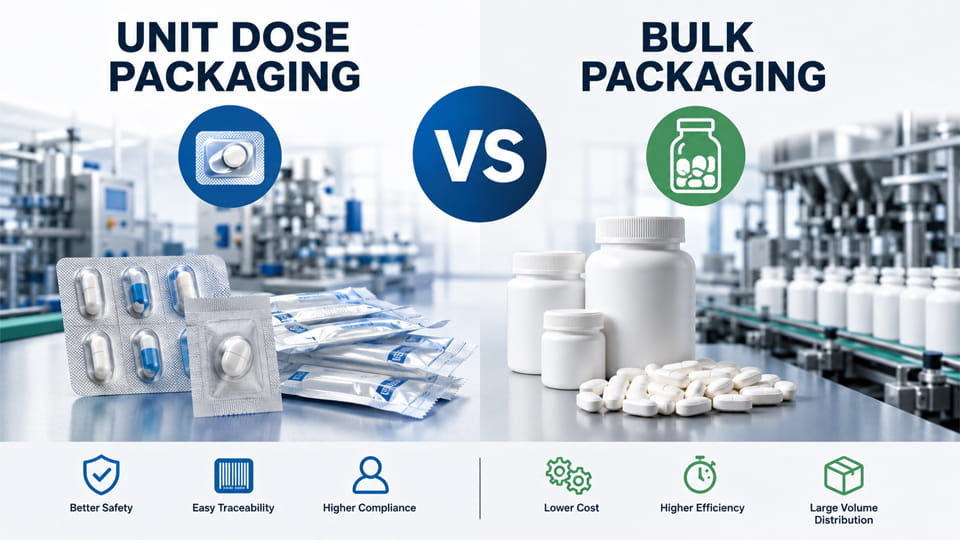
شرکت های داروسازی امروزه از هر جهت تحت فشار هستند. بیمارستان ها خواهان مدیریت ایمن تر دارو هستند. بازارهای خرده فروشی خواهان کاهش هزینه های بسته بندی هستند. تنظیم کننده ها انتظار ردیابی و سریال سازی بهتری دارند. در همان زمان, تولیدکنندگان در تلاش هستند تا کارایی تولید را بدون ایجاد زباله های غیر ضروری بسته بندی بهبود بخشند. به همین دلیل بحث پیرامون بسته بندی دوز واحد و بسته بندی فله در سال های اخیر اهمیت بیشتری پیدا کرده است. یک فرمت بر حفاظت در سطح دوز و ایمنی بیمار تمرکز دارد, در حالی که دیگری سرعت را در اولویت قرار می دهد, سادگی, و کارایی هزینه. هیچ یک از گزینه ها به طور خودکار برای هر محصول بهتر نیست. انتخاب مناسب به نوع داروی شما بستگی دارد, اهداف تولید, کانال توزیع, و قابلیت های خط بسته بندی. برای تولید کنندگان دارو, تیم های تدارکاتی, و مدیران عملیات, درک تفاوت های واقعی بین دوز واحد و بسته بندی فله قبل از سرمایه گذاری در بسته بندی جدید ضروری است سیستم بسته بندی دارویی یا ارتقاء موجود خط بسته بندی.
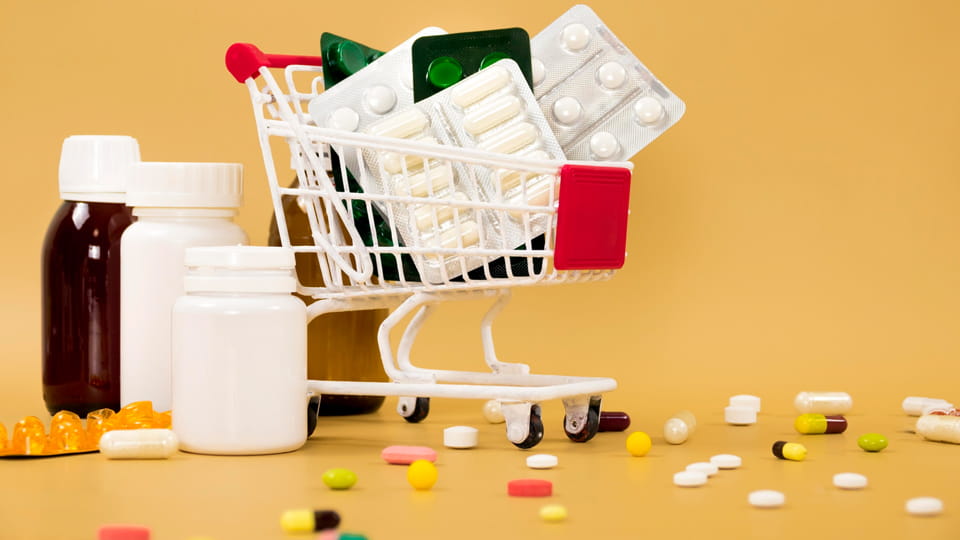
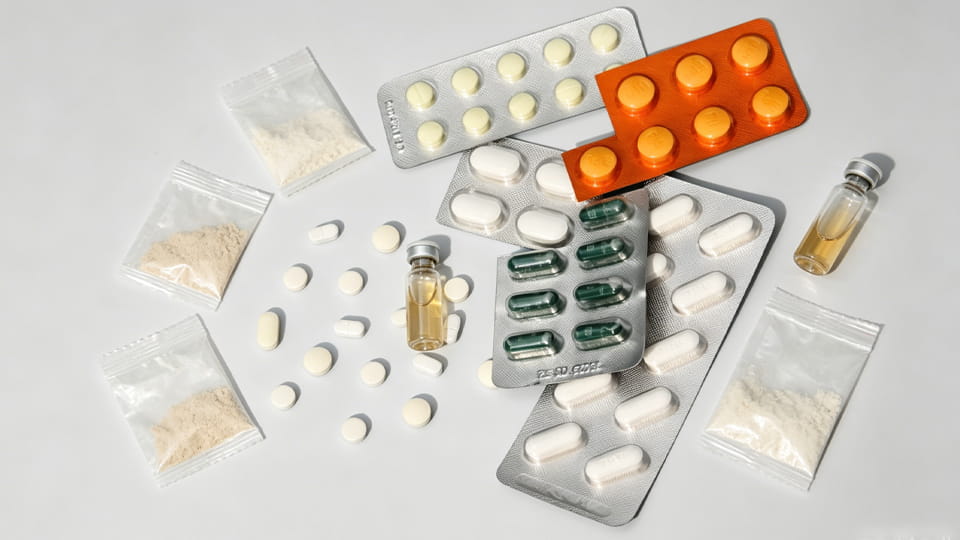
بسته بندی دوز واحد (نیز نامیده می شود بسته بندی تک دوز) به این معنی که هر دوز دارو به صورت جداگانه در بسته بندی خاص خود بسته می شود. به عنوان مثال, یک قرص ممکن است در جیب تاول یا کیسه خودش باشد. Jinlu Packing توضیح می دهد که "بسته بندی دوز واحد به این معنی است که هر دوز جداگانه از یک دارو به خودی خود از قبل بسته بندی شده و مهر و موم شده است.". در عمل, این می تواند یک کارت بلیستر تک قرصی باشد, یک بسته نواری (یک قرص در هر حفره), یک سرنگ از پیش پر شده, یک ویال, یا یک کیسه حاوی یک دوز مایع یا پودر. هر بسته دارای برچسب است (نام دارو, دوز, انقضا) بنابراین یک پرستار یا بیمار می تواند دارو را بدون شمارش قرص های موجود در شیشه تایید کند. در بیمارستان های آمریکا, تمام 75% داروهای خوراکی به شکل واحد دوز توزیع می شود.
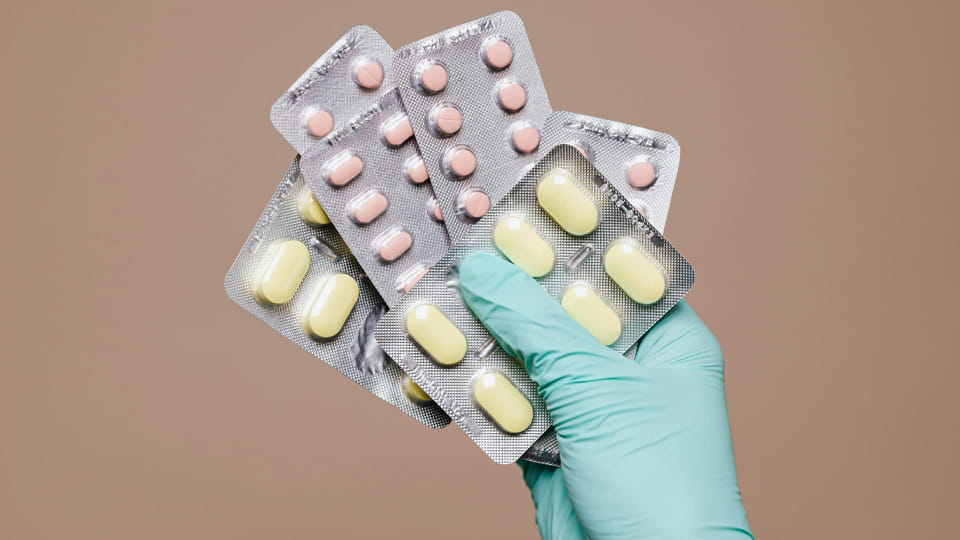
بسته های دوز واحد در این موارد رایج است بیمارستان, کلینیک ها, امکانات مراقبت طولانی مدت, و آزمایشات بالینی - اساساً در هر جایی که کنترل دقیق دوز و قابلیت ردیابی اهمیت دارد. آنها به جلوگیری از خطاهای دوز کمک می کنند زیرا هر بسته حاوی دقیقاً یک دوز است و به وضوح برچسب گذاری شده است. به عبارت دیگر, و جینلو یادداشت می کند, بسته های دوز واحد نیازی به شمارش ندارند - شما "فقط یک بسته را بردارید و آن را باز کنید", کاهش اشتباهات رسیدگی. سایر اصطلاحات استفاده شده عبارتند از تک دوز, واحد استفاده, یا واحد دارو بسته بندی. فرمت های معمولی شامل:
خلاصه, بسته بندی دوز واحد هر دوز را جداگانه جدا می کند, کمک به ایمنی, انطباق بیمار, و قابلیت ردیابی.
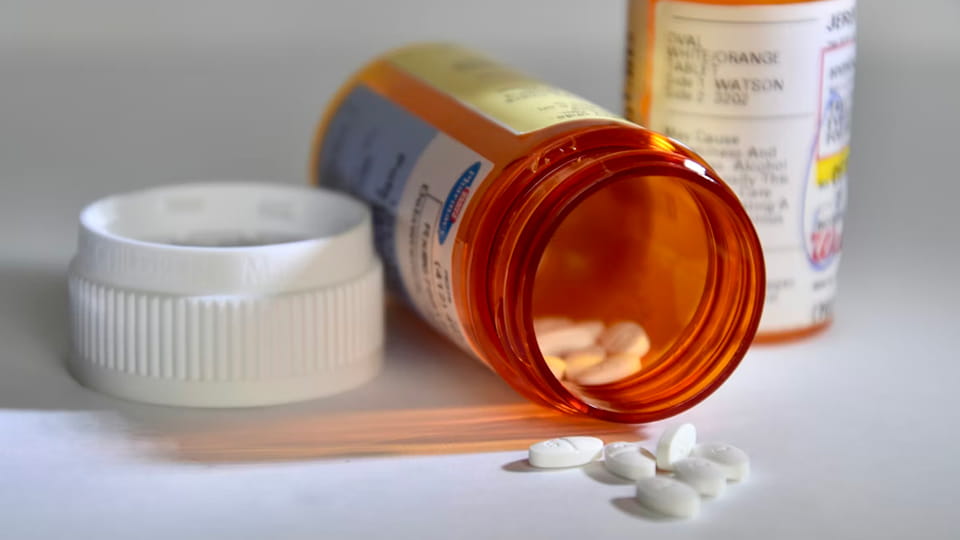
در مقابل, بسته بندی فله به بسته بندی چند دوز یا دسته جمعی داروها اشاره دارد. فرمت های فله ای رایج شامل بطری های قرص بزرگ است, کوزه, لوله های چند دوزی, و کیسه های فله یا جوراب. به عنوان مثال, یک بطری نسخه ای 100 قرصی یا یک شیشه ویتامین با 30 کپسول ها بسته بندی فله هستند. این ظروف نگه می دارند بسیاری دوزها با هم. بسته بندی فله هنجار محصولات داروخانه های مصرف کننده است, داروهای بدون نسخه, مکمل های غذایی, و اکثر قرص های عمومی. همچنین برای مراحل میانی تولید استفاده می شود (به عنوان مثال. کیسه های فله یا طبل).
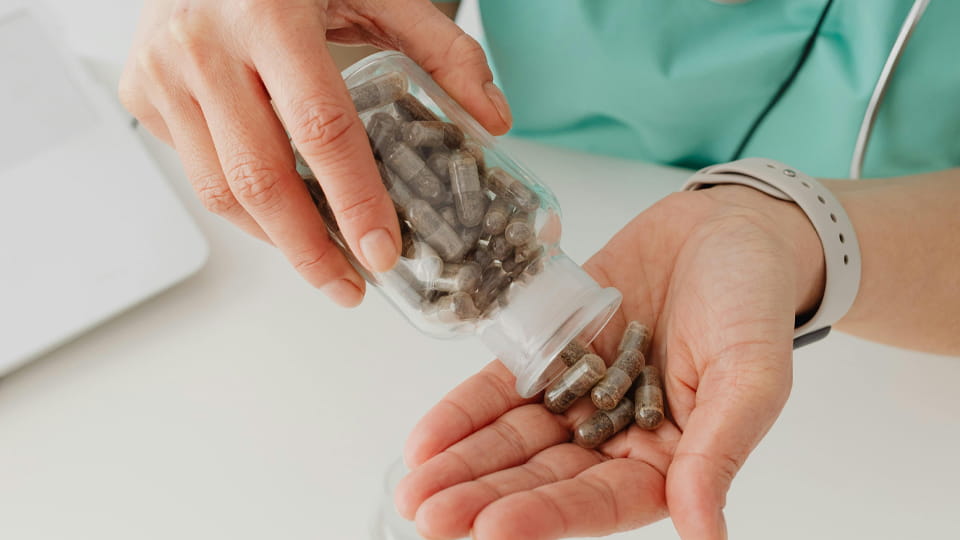
بسته بندی فله معمولاً در هر دوز مقرون به صرفه تر است و برای حجم بالا مناسب است, محصولات کالایی. تجهیزات خطوط فله شامل دستگاه های شمارش قرص/کپسول و پر کردن بطری, دربندی, آب بندی, و تجهیزات برچسب زنی. به عنوان مثال, یک خط شمارش قرص ممکن است از یک دستگاه شمارش خودکار برای پر کردن بطری ها استفاده کند, یک درپوش برای مهر و موم کردن آنها, و یک برچسب برای اتمام. خطوط حجیم اغلب سریعتر اجرا می شوند (شمارش صدها قرص در دقیقه) اما کنترل دوز به دوز کمتری را نسبت به سیستمهای دوز واحد ارائه میدهند. بسته بندی فله ایده آل است داروهای OTC در بازار انبوه, مکمل های غذایی, داروهای ژنریک, و هر محصولی که قیمت هر دوز آن حیاتی است و کنترل دوز فردی اهمیت کمتری دارد.
جدول زیر دو رویکرد را در مورد عوامل مهم مقایسه می کند:
| عامل | بسته بندی دوز واحد | بسته بندی فله |
| ایمنی دارو | عالی. هر دوز مهر و موم شده است, کاهش آلودگی. | پایین. دوزهای متعدد در یک ظرف. |
| سازگاری بیمار | بهتر است. دوزهای فردی به وضوح برچسب گذاری شده است; تأیید آسان تر. | پایین. بیماران دوزهای خود را می شمارند. |
| قابلیت ردیابی & سریال سازی | عالی. آسان برای سریال / پیگیری هر دوز. | محدود. فقط کانتینر ردیابی می شود, نه هر قرص. |
| هزینه بسته بندی | بالاتر در هر دوز. مواد بسته بندی بیشتر & دست زدن. | کمتر در هر دوز. یک بسته تعداد زیادی واحد را در خود جای می دهد. |
| توان تولید | معتاد. مراحل بیشتر در هر دوز (به عنوان مثال. تشکیل تاول). | بالاتر. شمارش/پر کردن ساده سریعتر است. |
| زباله های بسته بندی | بیشتر. بسته های یک دوز مصرف مواد را افزایش می دهند. | کمتر. حداقل بسته بندی در هر دوز (به عنوان مثال. یک بطری در مقابل. 100 تاول). |
| ماندگاری/محافظت | بهتر است. تاول ها/ویال ها اغلب دارای لایه های با مانع بالا هستند. | معتاد. بطری های فله در هر واحد کمتر محافظت می کنند, اگرچه عمر مفید می تواند مشابه باشد. |
| بهترین برای | بیمارستان ها, آزمایشات بالینی, داروهای با ارزش بالا, مواد کنترل شده, داروهای شخصی. | خرده فروشی OTC, داروهای ژنریک, ویتامین ها, مکمل, محصولات مصرفی با حجم بالا. |
همانطور که Jinlu Packing اشاره می کند, به آن مانند یک بطری فکر کنید 100 قرص ها (فله) در مقابل یک تاول با یک قرص (دوز واحد). بطری های فله به وضوح در کارایی و سرعت برنده می شوند, اما فرمتهای دوز واحد در ایمنی و کنترل برتری دارند. به عنوان مثال, بسته بندی تاول به طور جداگانه از هر قرص در برابر رطوبت و دستکاری محافظت می کند, در حالی که بطری های فله همه قرص ها را در معرض یک محیط قرار می دهند.
سیستم های دوز واحد چندین مزیت کلیدی را ارائه می دهند:
خلاصه, بسته بندی با دوز واحد ایمنی را به حداکثر می رساند, قابلیت ردیابی, و دوز بیمار محور, هزینه بسته بندی و جابجایی بالاتر. همانطور که جینلو خلاصه می کند, واحدهای دوز واحد "برای نگهداری مقداری از دارو در نظر گرفته شده برای تجویز به عنوان یک دوز طراحی شده اند", حصول اطمینان از اینکه «داروی مناسب با قدرت صحیح در زمان مناسب به بیمار مناسب می رسد, هر بار”.
فله (چند دوز) بسته بندی نقاط قوت خود را دارد:
بسته بندی فله در مقرون به صرفه بودن و مقیاس می درخشد, آن را برای محصولات با حجم بالا که در آن صرفه جویی در مقیاس بیشتر از نیاز به کنترل دوز فردی است، ایده آل است.. در واقع, تجربه Jinlu به عنوان یک تامین کننده نشان می دهد که خطوط بطری فله (از جمله شمارش, دربندی, و واحدهای لیبلینگ) ستون فقرات بسیاری از خطوط تولید داروهای تغذیهای و ژنریک را تشکیل میدهند.
بازارهای نهایی و موارد مصرف مختلف ترجیحات واضحی دارند. جدول زیر انتخاب های صنعتی معمولی را خلاصه می کند:
| صنعت / مورد استفاده | بسته بندی ترجیحی |
| بیمارستان ها & مراقبت های بهداشتی (مراقبت حاد) | واحد دوز (تاول, نوارها, سرنگ ها) |
| مراقبت طولانی مدت & داروخانه LTC | واحد دوز (کارت های تاول زده, بسته های از پیش پر شده) |
| آزمایشات بالینی & تحقیق کنید | واحد دوز (کنترل دقیق دوز برای آزمایشات) |
| با قدرت بالا / مواد کنترل شده | واحد دوز (امنیت, دوز) |
| ساخت قراردادی (CMO ها داروهای بیمارستانی را تولید می کنند) | واحد دوز |
| بدون نسخه (OTC) مواد مخدر | فله (بطری / لوله های قرص, کپسول ها) |
| مواد مغذی & مکمل ها | فله (بطری های ویتامین, ساشه ها) |
| داروسازی ژنریک (بازار انبوه) | فله (تمرکز بر هزینه) |
| سلامت مصرف کننده در حال ظهور (شستشو, ترکیبات غذایی) | فله |
| دامپزشکی / بهداشت حیوانات | فله (اغلب ویال های چند دوز یا افزودنی های خوراک را خرده فروشی می کنند) |
| کیت های اضطراری / کمک های اولیه | واحد دوز (کیسه های یکبار مصرف برای حمل و نقل) |
به عنوان مثال, جینلو خاطرنشان میکند که سیستمهای دوز واحد در بیمارستانها منشا گرفتهاند و اکنون به دلیل مزایای ایمنی بهطور گستردهای در زمینههای دیگر گسترش یافتهاند.. در واقع, تمام 75% ایالات متحده. داروهای خوراکی بیمارستانی واحد دوز می شوند, منعکس کننده ترجیح بخش. در مقابل, بازارهای مصرفکننده مانند مکملها و مسکنهای OTC معمولاً از ظروف حجیم استفاده میکنند زیرا هزینه واحد کمتر و حجم بالاتری را طلب میکنند.. محیط های بالینی و بیمارستانی به کنترل دوز تاول ها یا ساشه ها کمک می کنند, در حالی که تولید کنندگان و خرده فروشان داروهای ژنریک بر کارایی خطوط بطری تمرکز می کنند.
انتخاب بین دوز واحد و فله پیامدهای هزینه قابل توجهی دارد. فاکتورهای هزینه زیر را در نظر بگیرید:
خلاصه, بستهبندی با دوز واحد معمولاً به CAPEX بالاتر و هزینه بستهبندی در هر واحد نیاز دارد, اما می تواند باعث صرفه جویی از خطاها و ضایعات کمتر شود. بسته بندی فله هزینه مواد و تولید کمتری را در هر دوز ارائه می دهد. گزینه "بهتر" به تجزیه و تحلیل این هزینه ها در کنار استراتژی قیمت گذاری محصول و الزامات انطباق بستگی دارد..
خطوط بسته بندی با دوز واحد از تجهیزات تخصصی استفاده می کنند. ماشین های کلیدی شامل:
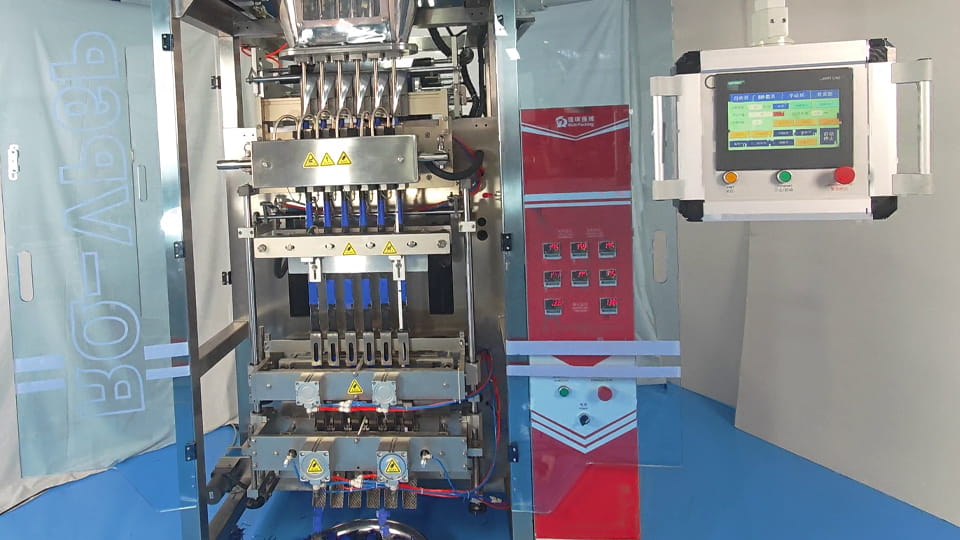
به طور خلاصه, بوها خط واحد دوز ممکن است از یک دستگاه تاول یا ساشه تشکیل شود (برای بسته بندی اولیه), به دنبال کارتن ساز (و به صورت اختیاری برچسب یا چاپگر). به عنوان مثال, یک خط دارویی معمولی بیمارستانی است: فیدر جهت تبلت ← دستگاه تاول ← کارتن گیر اتوماتیک ← بسته بندی کیس. ماشین آلات Jinlu برای این مراحل را می توان در یک جریان مرتبط کرد (ببین که "قابل اتصال به دستگاه های تاول زنی”).
[jl_youtube src=”https://www.youtube.com/embed/k0uybgttcu”]
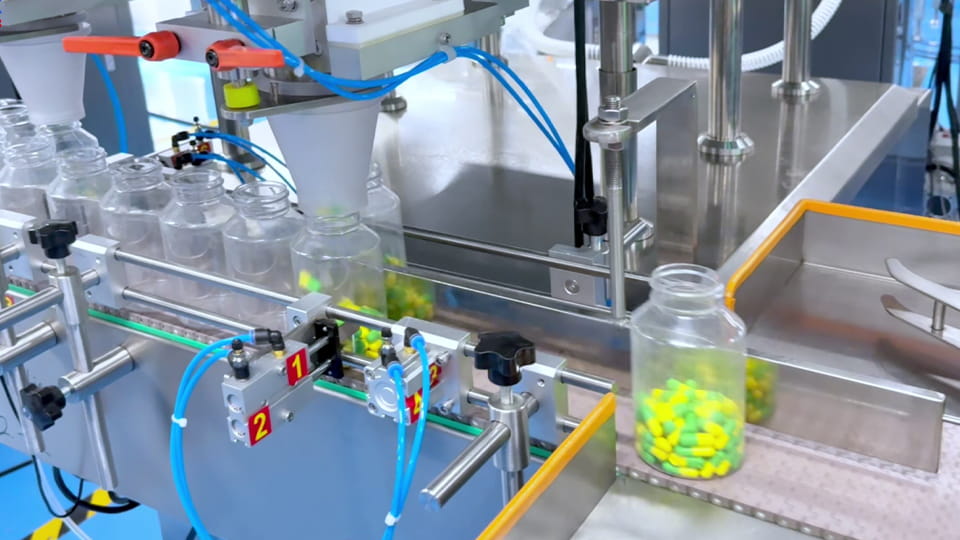
خطوط انبوه از تجهیزات بهینه شده برای سرعت و حجم استفاده می کنند:
در اثر, بوها خط بسته بندی فله به طور معمول به نظر می رسد: بطری حل کننده → دستگاه پرکن شمارنده قرص → درج خشک کن → درپوش → (فویل سیل) ← لیبل ← کارتن گیر. این ماشین های مدولار همچنین می توانند محصولات متنوعی را مدیریت کنند (مردانه, پودرها, مایع) تا زمانی که شمارش/پر کردن و دربندی تنظیم شده باشد. جینلو و صفحات نشان می دهد که چگونه چنین خطوطی یکپارچه شده اند.
به عنوان مثال, خط صمغی JL-16R «به طور خودکار تمام فرآیند بطریهای حل کردنی را کامل میکند, شمارش … درج ماده خشک کن, دربندی, آب بندی و برچسب زدن فویل آلومینیومی” در تا 80 بطری در دقیقه. این خطوط پیشرفته بر توان عملیاتی و ثبات تاکید دارند, آنها را برای بسته بندی محصولات فله ایده آل می کند.
انتخاب روش مناسب به عوامل متعددی بستگی دارد. از چک لیست و فلوچارت زیر به عنوان راهنما استفاده کنید:
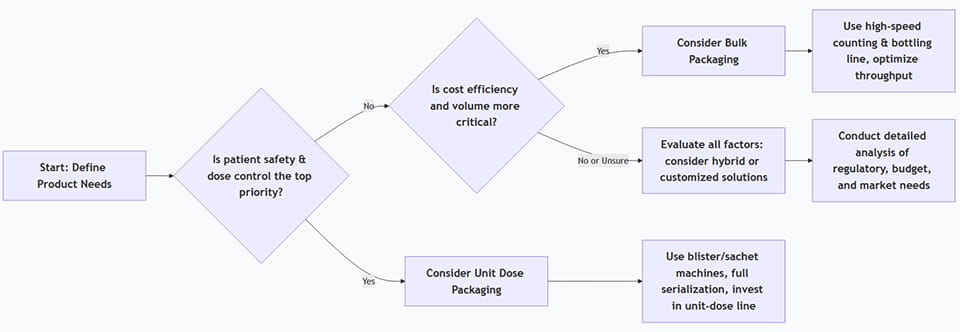
این نمودار یک راهنمای ساده را نشان می دهد: اگر ایمنی پزشکی/قابلیت ردیابی بیشتر از هزینه باشد, به سمت واحد دوز متمایل شوید. اگر بودجه و حجم غالب باشد, فله احتمالا بهترین است. در موارد واقعی, استراتژی های ترکیبی (به عنوان مثال. بطری فله داخل یک کارتن سریالی) را نیز می توان در نظر گرفت.
هیچ پاسخی برای همه وجود ندارد. انتخاب بین دوز واحد و بسته بندی فله بستگی به نیاز محصول و استراتژی کسب و کار شما دارد. بسته بندی با دوز واحد ایمنی بی نظیری را ارائه می دهد, رعایت, و راحتی برای بیمارستان ها, آزمایشات بالینی, و داروهای با ارزش بالا, اما نیاز به سرمایه گذاری بیشتر در ماشین آلات دارد (بسته بندی تاول یا ساشه, کارتن سازها) و مواد بسته بندی. بسته بندی فله (بطری ها, کوزه, لوله ها) با هزینه کم و توان عملیاتی بالا برتری دارد, ایده آل برای خرده فروشی داروها و مکمل ها, اما کنترل کمتری بر دوز فردی می دهد.
در عمل, بسیاری از شرکت ها استفاده می کنند هر دو روش هایی برای محصولات مختلف. به عنوان مثال, دارویی با شاخص درمانی باریک ممکن است در تاول های تک دوز برای فروش بیمارستان بسته بندی شود., در حالی که نسخه OTC همان دارو در بطری های 30 عددی فروخته می شود. هنگام طراحی خط خود, کل هزینه مالکیت را در نظر بگیرید (تجهیزات + مواد + خطاها) و نیازهای نظارتی.
برای تعیین بهترین رویکرد, عوامل فوق را مرور کنید: بازار هدف, فرم دوز, حجم, قوانین انطباق, و بودجه. کارشناس ماشین آلات بسته بندی (یا تیم سفارشی سازی Jinlu) می تواند یک خط مناسب طراحی کند. به عنوان مثال, بسته بندی جینلو فراهم می کند راه حل های کلید در دست – از ماشینهای تاولساز پرسرعت گرفته تا خطوط یکپارچه شمارش قرص و بطریسازی – متناسب با نیازهای دوز واحد و فله.
بسته بندی دوز واحد به این معنی است که هر دوز دارو به صورت جداگانه مهر و موم شده و برچسب گذاری شده است, مانند یک قرص در هر حفره تاول یا یک ساشه در هر بار استفاده. بسته بندی فله چندین دوز را با هم در یک بطری ذخیره می کند, ظرف, یا بسته بزرگتر. بسته بندی دوز واحد بیشتر بر ایمنی تمرکز دارد, قابلیت ردیابی, و کنترل دوز, در حالی که بسته بندی فله معمولاً برای تولید با حجم بالا مقرون به صرفه تر است.
هیچ پاسخ واحدی برای هر محصول دارویی وجود ندارد. بسته بندی دوز واحد اغلب برای بیمارستان ها بهتر است, محیط های بالینی, و داروهای با ارزش بالا، زیرا ایمنی و ردیابی دارو را بهبود می بخشد. بسته بندی فله معمولاً برای مواد غذایی ترجیح داده می شود, محصولات فرابورس, و توزیع خرده فروشی در مقیاس بزرگ زیرا هزینه بسته بندی را کاهش می دهد و سرعت تولید را بهبود می بخشد.
بیمارستانها معمولاً از بستهبندی دوز واحد استفاده میکنند، زیرا هر دوز به وضوح شناسایی و تا زمان تجویز محافظت میشود.. این به کاهش خطاهای دارویی کمک می کند, از سیستم های اسکن بارکد پشتیبانی می کند, و ایمنی بیمار را در حین توزیع بهبود می بخشد.
بله, در بیشتر موارد بسته بندی فله هزینه مواد بسته بندی کمتر و بازده خط بالاتری دارد. خطوط پر کردن بطری و سیستم های شمارش قرص معمولاً می توانند با سرعت بیشتری نسبت به سیستم های بسته بندی دوز جداگانه کار کنند.. با این حال, هزینه کل باید ضایعات دارویی را نیز در نظر بگیرد, کار, الزامات انطباق, و حفاظت از محصول.
بسته بندی فله به طور گسترده ای استفاده می شود:
• ویتامین ها و مکمل ها
• قرص ها و کپسول های ژنریک
• داروهای OTC
• محصولات غذایی
• داروهای خرده فروشی با حجم بالا
این محصولات اغلب با استفاده از ماشین های شمارش بسته بندی می شوند, خطوط پر کردن بطری, ماشین های دربندی, و سیستم های برچسب گذاری.
تجهیزات بسته بندی دوز واحد مشترک شامل:
• ماشین آلات بسته بندی تاول
• ماشین آلات بسته بندی نواری
• ماشین آلات بسته بندی ساشه
• ماشین آلات استیک پک
• ماشین آلات کارتن سازی
• سیستم های بازرسی بینایی
این دستگاههای بستهبندی دارویی به ایجاد دوزهای بستهبندی شده با محافظت و ردیابی بهتر محصول کمک میکنند..
بله. بسته بندی دوز واحد به کاهش خطر آلودگی کمک می کند, دوز نادرست, و اشتباهات رسیدگی به این دلیل که هر دوز تا زمان استفاده بسته می ماند. بسیاری از مراکز مراقبت های بهداشتی از سیستم های دوز واحد برای پشتیبانی از گردش کار توزیع ایمن تر و فرآیندهای تأیید بارکد استفاده می کنند..
بله. بسته بندی بلیستر دارویی یکی از رایج ترین شکل های بسته بندی با دوز واحد است. هر قرص یا کپسول در یک حفره جداگانه ذخیره می شود, که به محافظت از محصول در برابر رطوبت کمک می کند, اکسیژن, و آلودگی در حالی که ردیابی دوز را نیز بهبود می بخشد.
بسته بندی فله معمولا در:
• تولید مواد غذایی
• تولید مکمل
• توزیع خرده فروشی دارو
• دامپزشکی
• تولید قرص و کپسول با خروجی بالا
تولیدکنندگان بسته بندی دارویی فله را زمانی انتخاب می کنند که راندمان تولید و هزینه های بسته بندی کمتر اولویت اصلی باشد..
بهترین انتخاب به عوامل مختلفی بستگی دارد, از جمله:
• نوع محصول
• بازار هدف
• الزامات نظارتی
• بودجه بسته بندی
• حجم تولید
• نیازهای ماندگاری
• کانال های توزیع
به عنوان مثال, بیمارستان ها و محصولات بالینی اغلب از بسته بندی دوز واحد سود می برند, در حالی که مکمل های خرده فروشی و داروهای ژنریک با حجم بالا معمولا برای سیستم های بسته بندی فله مناسب تر هستند.
مراجع:
1. CPG Sec 430.100 برچسب گذاری دوز واحد برای اشکال خوراکی جامد و مایع —- ایالات متحده. سازمان غذا و داروی
2.راهنمای استانداردهای داده (تک نگاری ها) نوع بسته —- ایالات متحده. سازمان غذا و داروی
3.بسته بندی دارو —— ویکی پدیا
4.راهنمایی در مورد عملکرد خوب تولید و عملکرد خوب توزیع: پرسش و پاسخ - آژانس دارویی اروپا
5.ISO 15378 صدور گواهینامه – مواد بسته بندی اولیه برای استاندارد دارویی