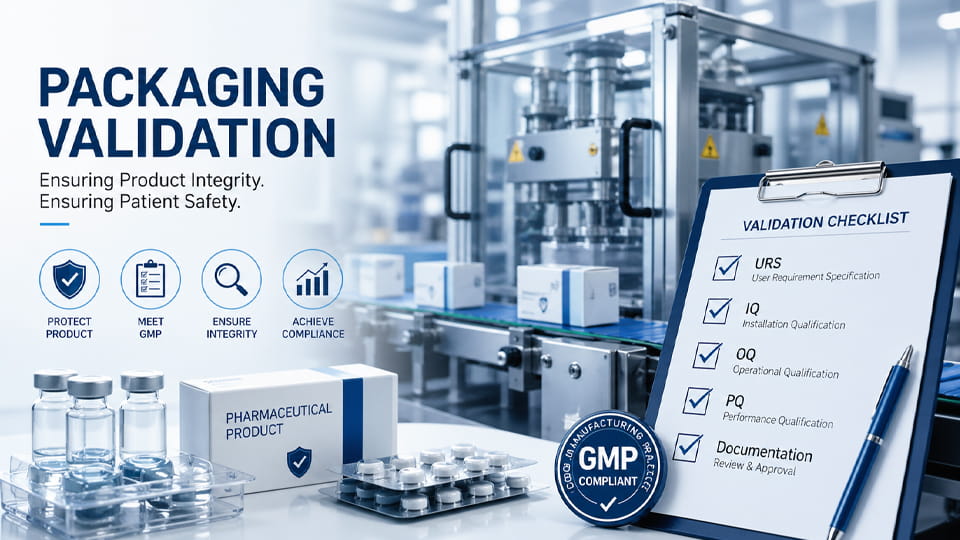
En la industria farmacéutica, La calidad y la seguridad del paciente son primordiales.. Cada tableta, frasco, o blister debe producirse bajo estrictos controles para garantizar su eficacia., puro, y seguro. Ahí es donde Cumplimiento de GxP entra. GxP es un término general que significa “Bien incógnita Práctica,” donde “x” puede ser Fabricación, Laboratorio, Clínico, Distribución, etc.. Esencialmente, Las pautas GxP son regulatorias sistemas de calidad que las empresas farmacéuticas debe seguir documentar y controlar todos los procesos. Juntos, Estas reglas garantizan que los medicamentos se produzcan y controlen consistentemente con estándares de alta calidad durante todo el desarrollo., fabricación, pruebas, embalaje, y distribución.
Los reguladores como el FDA (A NOSOTROS. Administración de Alimentos y Medicamentos), EMA (Agencia Europea de Medicamentos), OMS, y otros hacen cumplir los estándares GxP. Por ejemplo, Buenas prácticas de fabricación actuales de la FDA (CGMP) normas (21 CFR Partes 210–211) establecer requisitos mínimos para la fabricación, embalaje, y conservar los medicamentos para asegurarse de que sean seguros y tengan los ingredientes y la concentración correctos. Similarmente, Las directrices de la OMS y la UE cubren GMP/GLP/GDP/GVP a nivel mundial.. En la práctica, Las empresas farmacéuticas desarrollan Sistemas de Gestión de Calidad y procedimientos operativos estándar (Sops) en torno a los principios GxP. Cada lote de producto tiene registros rastreables de principio a fin.. Incluso los equipos deben estar cualificados (con calificación de instalación/operación/rendimiento – IQ/OQ/PQ) y validado para cumplir con los requisitos GxP.
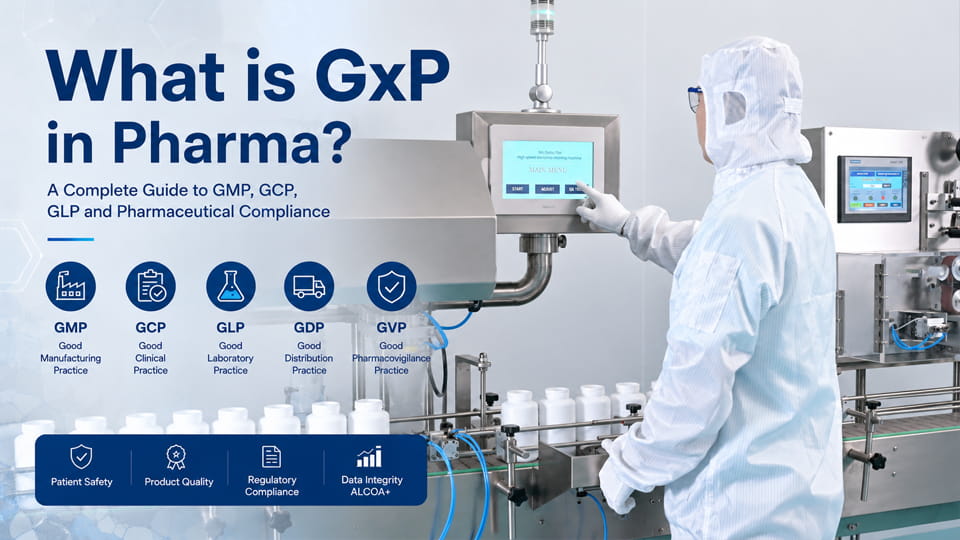
¿Qué significa GxP en productos farmacéuticos??
El acrónimo GxP representa Buena práctica “x”, donde el "GRAMO" es “bueno” y el "PAG" es "Práctica". La “x” representa varias disciplinas. GxP no es una norma única sino un conjunto de directrices de calidad. Las disciplinas clave de GxP incluyen:
- Buena práctica de fabricación (GMP): Garantiza que los productos se produzcan y controlen constantemente de acuerdo con los estándares de calidad.. GMP cubre la fabricación, equipo, instalaciones, personal, y documentación para minimizar la contaminación, confusiones, y errores.
- Buenas prácticas de laboratorio (BPL): Regula la realización de estudios de laboratorio no clínicos. (como pruebas de toxicología) para garantizar la integridad y reproducibilidad de los datos. GLP garantiza que las pruebas de laboratorio estén bien documentadas, auditable, y confiable.
- Buena práctica clínica (PCG): El estándar internacional para el diseño., conductible, escucha, y reportar ensayos clínicos. GCP protege los derechos de los pacientes, integridad de los datos, y garantiza que los resultados de los ensayos sean creíbles.
- Buenas prácticas de distribución (PIB): Establece los estándares para el almacenamiento, manejo, y transporte de productos farmacéuticos. El PIB garantiza que la calidad de los medicamentos se mantenga en toda la cadena de suministro, por ejemplo, controlando la temperatura, evitando la contaminación, y seguimiento de lotes.
- Buenas prácticas de farmacovigilancia (GVP): Proporciona directrices para el seguimiento de la seguridad de los medicamentos y la notificación de eventos adversos después de la comercialización de un producto.. GVP ayuda a las empresas farmacéuticas y a los reguladores a detectar, evaluar, y prevenir efectos secundarios negativos.
Cada área de GxP se aplica mediante regulaciones o pautas específicas. (P.EJ., FDA 21 CFR para GMP/GLP/GCP, EudraLex de la UE para GMP/PIB/GVP, yo pautas, OMS, etc.). Si bien los detalles difieren, el objetivo común es para garantizar que los productos farmacéuticos sean seguros, eficaz, y alta calidad en cada paso.
Mesa: Principales disciplinas de GxP(Tipos de regulaciones GxP)
| Tipo GxP |
Nombre completo |
Etapa del ciclo de vida del producto |
Enfoque/Propósito |
| BPL |
Buenas prácticas de laboratorio |
Investigación de drogas |
Gobierna los estudios de laboratorio no clínicos (como pruebas de toxicidad) para garantizar la calidad y la trazabilidad de los datos. GLP establece estándares para los procedimientos de laboratorio, grabación de datos, y reportando. |
| PCG |
Buenas prácticas de laboratorio |
Ensayos clínicos |
Estándares internacionales para ensayos clínicos. (I-GCP). Cubre el diseño de prueba., consentimiento informado, escucha, y un informe preciso de los resultados. |
| GMP |
Buena práctica clínica |
Fabricación |
Garantiza que los medicamentos se fabriquen y controlen de manera consistente en la fabricación/envasado.. Incluye estándares de instalaciones/equipos., capacitación de personal, pruebas de control de calidad. |
| PIB |
Buenas prácticas de distribución |
almacenamiento & Logística |
Garantiza el almacenamiento y transporte adecuados de los medicamentos. (P.EJ., temperatura correcta, manejo seguro) para que la calidad se mantenga a lo largo de la cadena de suministro. |
| GVP |
Buenas prácticas de farmacovigilancia |
Monitoreo post-comercialización |
Directrices para el seguimiento continuo de la seguridad de los medicamentos comercializados (notificación de eventos adversos, gestión de riesgos, comunicación con las autoridades). |
¿Por qué es importante GxP en la industria farmacéutica??
El cumplimiento de GxP es esencial porque La vida depende literalmente de ello.. Sus propósitos principales son:
- Seguridad del Paciente: Seguir las GxP minimiza riesgos como la contaminación, confusiones, o errores de dosificación. Por ejemplo, Reglas GMP (como saneamiento adecuado y control de procesos) ayudar a prevenir la contaminación cruzada entre productos. Sin GxP, Los medicamentos de calidad inferior podrían perjudicar a los pacientes o carecer de eficacia.. Los organismos reguladores enfatizan que “Las reglas GxP existen por una razón: para proteger a los pacientes”.
- Calidad y consistencia del producto: Los marcos GxP garantizan que cada lote de un medicamento cumpla con las mismas especificaciones. Esto incluye una potencia constante., pureza, y estabilidad. Aplicando controles rigurosos (p.ej. calibración de instrumentos, métodos validados, pruebas en proceso), Los fabricantes pueden garantizar que cada vial o tableta coincida con las afirmaciones de la etiqueta..
- Cumplimiento normativo y confianza: Adherirse a GxP es legalmente obligatorio. Agencias como la FDA, EMA, MHRA, PMDA, y la OMS confían en las inspecciones y auditorías de GxP. Las empresas que demuestran prácticas sólidas de GxP generan confianza con los reguladores. El incumplimiento puede dar lugar a cartas de advertencia, multas, retiradas de productos, o peor. Como señala una guía de la industria, Los reguladores realizan auditorías para "verificar el cumplimiento de los estándares GxP", lo que subraya la integridad del producto y la seguridad del paciente..
- Integridad de datos: Un aspecto crítico de GxP es garantizar que los datos sean precisos y confiables.. Regulaciones modernas (p.ej. FDA 21 Parte CFR 11, Anexo UE 11) Requerir que los registros electrónicos sean seguros., con marca de tiempo, y a prueba de manipulaciones. Principios clave como ALCOA+ (Atribuible, Legible, Contemporáneo, Original, Preciso, más completo, Coherente, Duradero, Disponible) Se utilizan para juzgar la calidad de los datos.. En la práctica, Esto significa implementar pistas de auditoría en el software., bloquear documentos maestros, y revisar periódicamente los registros de lotes. La sólida integridad de los datos es la piedra angular de GxP; sin eso, Ni siquiera se confiaría en los productos bien hechos..
En breve, GxP es la base de la gestión de calidad farmacéutica. Asegura que cada paso —desde las pruebas de laboratorio hasta el embalaje final— se realiza bajo condiciones controladas., condiciones documentadas. Por ejemplo, un guía observa que “El cumplimiento de GxP garantiza que se desarrollen medicamentos y productos biológicos, fabricado, y probado según estrictos estándares," evitando costosas contaminaciones o errores de etiquetado. De este modo, GxP no sólo protege a los pacientes sino que también respalda una reputación de marca confiable y el acceso al mercado para las compañías farmacéuticas..

Comprensión de GMP: el estándar GxP más importante
Si bien todas las áreas de GxP son críticas, GMP (Buena práctica de fabricación) A menudo se considera la base para el cumplimiento de la producción farmacéutica.. GMP cubre todo el proceso de fabricación de productos farmacéuticos., incluyendo materias primas, equipo, instalaciones, procesos, y líneas de envasado. Su objetivo principal es minimizar el riesgo de contaminación o desviación del producto mediante la aplicación de controles y documentación estrictos. Los elementos clave de GMP incluyen:
- Diseño de instalaciones y equipos: El equipo debe diseñarse para un funcionamiento higiénico.. Esto significa utilizar materiales de calidad farmacéutica. (p.ej. 316L acero inoxidable), soldaduras suaves, sin zonas muertas, y fácil acceso para la limpieza. Para máquinas de embalaje, esto podría implicar transportadores en voladizo, piezas de liberación rápida, y guardias cerrados. El diseño adecuado evita confusiones y facilita la validación de la limpieza. (procedimientos de limpieza validados).
- Utilidades y calibración: Todos los servicios públicos (agua, aire comprimido, eléctrico) debe cumplir con las especificaciones de calidad. Instrumentos y sensores (balanza, medidores de flujo, sondas de temperatura) requieren regular calibración bajo procedimientos escritos. La FDA espera explícitamente registros de calibración para equipos críticos. Por ejemplo, una línea de botellas llenas tendría sus bombas volumétricas calibradas para garantizar que cada dosis sea precisa.
- Validación y Calificación: GMP exige que los equipos y procesos estén calificados y validados. Esto implica la cualificación de la instalación. (coeficiente intelectual), Calificación operativa (OQ), y calificación de desempeño (PQ) para demostrar que el sistema funciona según lo previsto (discutido en detalle a continuación). Por ejemplo, Una nueva máquina empacadora de blister debe someterse a pruebas IQ/OQ/PQ para confirmar la temperatura de sellado., integridad del sello, y el sistema de indexación cumplen con las especificaciones. Cada máquina crítica (rellenos de cápsula, cartón, líneas de llenado de líquidos) debe seguir este ciclo de vida de validación.
- Procedimientos operativos estándar (Sops): Detallado, Los POE escritos son obligatorios para los pasos de fabricación., limpieza, mantenimiento, y controles de calidad. Los operadores deben recibir capacitación sobre estos POE y cualquier cambio debe controlarse a través de un sistema formal de control de cambios.. Los auditores buscan SOP y registros de capacitación actualizados.
- Buenas prácticas de documentación: GMP enfatiza que “si no está documentado, no sucedió”. Todos los procedimientos, registros de lotes, registros de limpieza, y las pruebas de control de calidad deben registrarse de forma legible y contemporánea. Un registro de fabricación por lotes completo (TMB) debe incluir la conciliación de materiales, configuración del equipo, controles en proceso, y cualquier desviación/corrección. Las tendencias modernas impulsan los registros electrónicos de lotes (eBR) con pistas de auditoría bajo 21 Parte CFR 11.
- Control de calidad (control de calidad) y lanzamiento por lotes: pruebas de control de calidad (p.ej. potencia, esterilidad, identificación) se realiza sobre materias primas y productos terminados.. Solo después de que los departamentos de control de calidad y control de calidad revisen toda la documentación y los resultados de las pruebas, se libera un lote.. Esta verificación final es una parte clave de GMP.
Blog de Jinlu Packing sobre envases GMP destaca varios de estos requisitos. Por ejemplo, se nota que mantenimiento preventivo y calibración están ordenados por GMP (21 CFR 211.68 requiere intervalos y registros definidos). También enfatiza automatización & prevención de errores: Las modernas líneas de envasado GMP utilizan inspección por visión, escaneo de código de barras, y enclavamientos para evitar errores humanos. La integridad de los datos y los controles informáticos también están cubiertos por las GMP.: todos los sistemas informatizados en línea (p.ej. PLC, sistemas de visión, HMI) debe cumplir con 21 Parte CFR 11 – es decir, inicios de sesión únicos, pistas de auditoría, firmas electrónicas, y mantenimiento seguro de registros. En la práctica, Esto significa que el software de control de la máquina registrará cada cambio de parámetro con una marca de tiempo y una identificación de usuario., y requerirá la firma electrónica de un gerente para aprobar un lote.
Lista de verificación de GMP para equipos de embalaje
Ayuda a ver los requisitos de GMP en forma de lista de verificación.. Para maquinaria de embalaje, Los fabricantes normalmente garantizan:
- Diseño & Materiales: Construcción higiénica (piezas de acero inoxidable, Sellos aprobados por la FDA), sin áreas "muertas", superficies inclinadas, fácil desmontaje para limpieza.
- Validación: Complete IQ/OQ/PQ en cada máquina. Pruebas documentadas de funciones. (caza de focas, relleno, peso) y rendimiento. (Consulte la sección Calificación del equipo a continuación.)
- Limpieza: Procedimientos de limpieza validados con pruebas de hisopo o enjuague. (normalmente utilizando TOC o ensayos específicos) y registros.
- Mantenimiento & Calibración: Programas de mantenimiento preventivo con registros.. Calibración de bombas dosificadoras., balanza, sensores para garantizar la precisión.
- Controles & Automatización: Sistemas de inspección por visión (P.EJ., detectores de metales, controladoras de peso) para detectar defectos, Sensores para evitar atascos., enclavamientos para detenerse si las puertas se abren.
- Integridad de datos: 21 Parte CFR 11 cumplimiento – pistas de auditoría, controles de acceso de usuarios, firmas electrónicas, datos asegurados. Todos los registros (Sops, datos por lotes, desviaciones) almacenado inalterablemente.
- Trazabilidad: Soporte para serialización/UID, código de barras, vincular cada paquete primario a registros de lote, habilitando la recuperación si es necesario. (Las máquinas Jinlu suelen integrar impresoras de etiquetas o lectores de códigos para la trazabilidad.)
- Ambiental & Controles de línea: Estándares apropiados para salas limpias si es necesario, Verificaciones documentadas de separación de líneas entre lotes., etiquetado y manejo de materiales adecuados para evitar confusiones.
Siguiendo estos controles, Los fabricantes pueden estar seguros de que sus equipos de envasado funcionarán dentro de las directrices GMP.. Por ejemplo, máquinas de llenado de cápsula y máquinas de embalaje de Jinlu están construidos con características listas para GMP (superficies lisas GMP, Capacidad CIP, etc.) para satisfacer estas demandas.
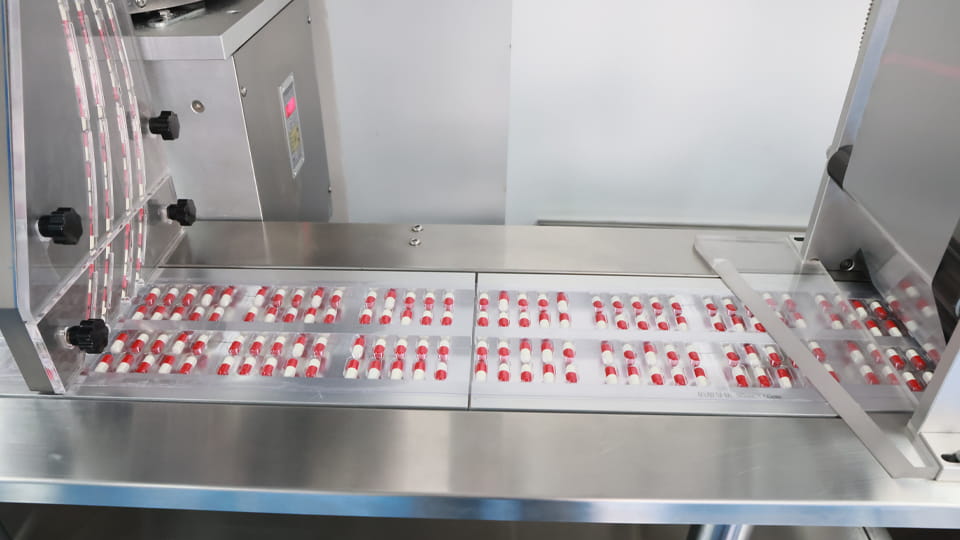
Requisitos GxP para fabricantes de equipos farmacéuticos
Los proveedores de equipos de embalaje desempeñan un papel vital en GxP. Los compradores esperan máquinas que no sólo sean robustas y eficientes, pero también diseñado para facilitar el cumplimiento normativo. Los requisitos clave incluyen:
- Soporte de calificación (IR/WH/PQ): Los vendedores deben proporcionar protocolos y asistencia para la calificación. Esto significa calificación de instalación documentada. (coeficiente intelectual) para mostrar que la máquina se instaló correctamente, Calificación operativa (OQ) para demostrar que funciona según las especificaciones, y calificación de desempeño (PQ) para verificar que produce consistentemente resultados aceptables. Por ejemplo, Jinlu Packing entrega cada máquina con un kit IQ/OQ/PQ y protocolos FAT/SAT completos. Estas plantillas a menudo pueden ser adaptadas por el equipo de control de calidad del comprador., ahorro de tiempo durante la validación. El proveedor también puede participar en carreras de calificación o proporcionar listas de verificación de equipos certificados..
- Paquete de documentación: Junto con la máquina, Los proveedores deben entregar un conjunto completo de documentos.. Los elementos típicos incluyen el Manual de usuario, Lista maestra de piezas, Esquemas eléctricos, y Instrucciones de mantenimiento. En tono rimbombante, GORDO (Prueba de aceptación de fábrica) y SE SENTÓ (Prueba de aceptación del sitio) Los informes documentan que la máquina pasó las pruebas de fábrica y en el sitio.. Se deben incluir certificados de calibración para cualquier dispositivo de medición.. En la práctica, un paquete de documentación compatible también enumerará las especificaciones del sistema, POE de limpieza, evaluaciones de riesgos, y cualquier historial de control de cambios.
- Funciones de integridad de datos: Los equipos modernos deben ofrecer controles electrónicos que se alineen con los estándares de datos GxP. Esto incluye cuentas de usuario seguras. (acceso basado en roles), firmas electrónicas obligatorias para acciones críticas, y pistas de auditoría completas de cualquier cambio en los parámetros. Por ejemplo, una pantalla HMI puede requerir el inicio de sesión del supervisor de turno para iniciar la producción, y cada receta o cambio de configuración tiene una marca de tiempo. Las máquinas también pueden admitir la salida de registros digitales por lotes., integración con sistemas MES/ERP.
- Herramientas de validación y prueba: Algunos proveedores incluyen herramientas de software para el registro de datos., calibración, o validación. Este podría ser un software preinstalado para realizar pruebas de sensores., o funcionalidad incorporada para bloquear parámetros durante las ejecuciones de PQ. Estas características reducen el esfuerzo manual durante la validación..
- Diseño higiénico y de seguridad: El equipo debe ser fácil de limpiar y mantener.. Funciones como piezas de liberación rápida, zonas sin producto, y CIP (Limpieza en el lugar) Las opciones ayudan a cumplir con las validaciones de limpieza.. Los materiales en contacto con el producto deben ser inertes. (p.ej. 316LSS, Plásticos aprobados por la FDA). Guardas de seguridad y enclavamientos protegen a los operadores, pero también garantizar el cumplimiento (p.ej. La máquina se detiene al abrirla.).
- Soporte posventa: El cumplimiento de GxP está en curso. Los fabricantes pueden requerir recalificación o recalibración periódica. Los proveedores deben ofrecer servicios de ciclo de vida.: piezas de repuesto (para una rápida sustitución de piezas validadas), contratos de mantenimiento, y actualizaciones de la documentación de validación si se producen cambios. La voluntad de un proveedor de proporcionar servicios de calificación en el sitio. (IR/WH/PQ) puede facilitar enormemente los esfuerzos de cumplimiento.
Lista de verificación de calificación del equipo: La siguiente tabla resume los pasos y documentos típicos para calificar una nueva máquina farmacéutica.:
| Fase |
Actividades clave |
Documentos típicos |
| Requisitos del usuario (URS) |
Definir especificaciones críticas (p.ej. tasa de salida, exactitud) |
Especificaciones de requisitos del usuario |
| Calificación de diseño (DQ) |
Verificar que el diseño del proveedor cumpla con URS |
Informe de revisión de especificaciones de diseño |
| Aceptación de fábrica (GORDO) |
Pruebas de fábrica de funciones principales., a menudo reflejan las pruebas de IQ/OQ |
informe de grasa |
| Calificación de instalación (coeficiente intelectual) |
Confirmar instalación correcta: utilidades, configuración mecánica, documentación (dibujos, certificados) |
protocolo de coeficiente intelectual & lista de verificación |
| Calificación operativa (OQ) |
Pruebe todas las funciones: rendimiento en vacío, controles, alarmas, características de seguridad |
protocolo de calidad & resultados |
| Calificación de desempeño (PQ) |
Ejecutar producción completa con producto real: comprobar la calidad de salida, consistencia, condiciones de estrés |
protocolo PQ, ejecutar registros, resultados de la prueba de muestra |
| Lanzamiento final |
Revisar todos los registros de calificación; Aprobación de control de calidad para colocar la máquina en producción GMP |
Informe resumido de calificación |
(Nota: Las máquinas de Jinlu vienen con Plantillas IQ/OQ/PQ y un completo Aceptación de fábrica paquete de documentación, que los clientes pueden adaptar según sea necesario.) Este enfoque estructurado, desde los requisitos del usuario hasta la PQ, es requerido por regulaciones como Anexo GMP de la UE 15 y directrices de la FDA. Omitir cualquier paso puede resultar en una brecha de cumplimiento.
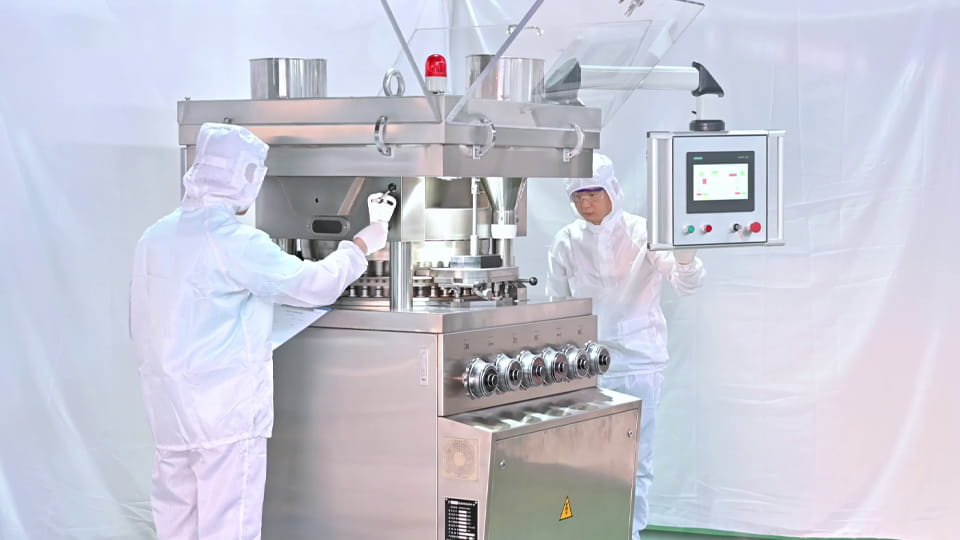
Desafíos comunes de cumplimiento de GxP
Incluso con reglas claras, Las empresas a menudo enfrentan obstáculos en el cumplimiento de GxP.. Algunos desafíos frecuentes incluyen:
- Validación o documentación incompleta: Una de las lagunas más graves es el uso de equipos sin registros completos de IQ/OQ/PQ.. “Saltar la validación,”o tener parcial calificación, se considera un “brecha fatal en GMP”. Similarmente, Los registros de lotes y los SOP faltantes o descuidados socavan el cumplimiento.: Los inspectores están capacitados para buscar documentación.. Como lo expresó un experto: “Si no está escrito, no sucedió”. Mal mantenimiento de registros (archivos perdidos, notas ilegibles, versiones obsoletas) es una señal de alerta común.
- Fallos en Mantenimiento y Calibración de Equipos: Los reguladores encuentran repetidamente problemas como fechas de vencimiento de calibración vencidas o reparaciones pospuestas. Un sensor roto o una báscula no calibrada dará lugar a datos o productos sospechosos.. (Por ejemplo, El análisis de Sokol señala que las calibraciones olvidadas y las piezas desgastadas son “fracasos simples” que puede desencadenar una retención por lotes.) Garantizar estrictos registros de mantenimiento, Uso de rastreadores digitales para programas de calibración., y empoderar al personal para que detecte los problemas rápidamente son las mejores prácticas para superar este problema..
- Problemas de integridad de datos: Las líneas GMP modernas se basan en sistemas electrónicos. Las fallas en los controles de datos pueden romper GxP. Los ejemplos incluyen pistas de auditoría deshabilitadas, contraseñas débiles, datos copiados/pegados en lugar de entradas originales, o no revisar los registros electrónicos. Las empresas deben hacer cumplir los principios de ALCOA+, p., asegurándose de que todas las entradas de datos estén Atribuible (vinculado a un usuario), Legible (claro), Contemporáneo (grabado en tiempo real), Original/Preciso, y Completo/Consistente. Capacitar a los operadores y automatizar cuando sea posible. (p.ej. registros bloqueados por computadora) ayudar a evitar sobrescrituras u omisiones manuales.
- Control de cambios y deficiencias de CAPA: Se necesita un proceso sólido de gestión de cambios para cualquier cambio. (actualizaciones de equipos, nuevos POE, nuevas materias primas). Un error común es no documentar un cambio u omitir la revalidación después de una modificación.. Similarmente, no investigar adecuadamente las desviaciones (descartar los problemas como meros “errores humanos” sin un análisis de la causa raíz) puede dejar que los problemas persistan. Los organismos reguladores esperan una CAPA sólida (acción correctiva y preventiva) sistemas para abordar cualquier desviación.
- Cuestiones de formación y cultura: GxP requiere que todo el personal esté capacitado y sea consciente de los procedimientos de calidad.. Los programas de formación inadecuados o la alta rotación pueden dar lugar a infracciones involuntarias.. Construyendo una cultura de calidad (donde el personal se siente responsable del cumplimiento y se le anima a informar problemas) es vital pero a menudo tarda en desarrollarse.
En resumen, Los desafíos son a menudo organizativos.: documentación, mantenimiento, capacitación, y prácticas de datos. Superarlos significa invertir en sistemas (como software de gestión de documentos electrónicos o seguimiento de calibración), POE disciplinados, y auditorías internas frecuentes. Las empresas que aborden proactivamente estas áreas encontrarán que el cumplimiento de GxP será más fluido durante las inspecciones oficiales..
Cómo las empresas farmacéuticas logran el cumplimiento de GxP
Lograr el cumplimiento de GxP es una proyecto que abarca toda la organización. A continuación se muestra una secuencia típica de pasos. (ilustrado en el diagrama de flujo) que sigue una empresa farmacéutica para construir un sistema compatible:
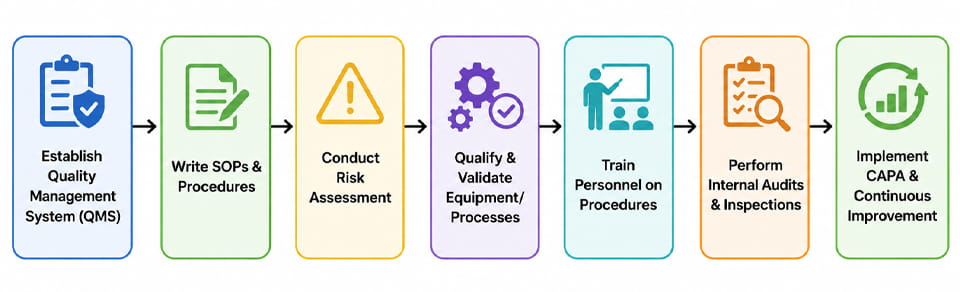
- Sistema de Gestión de Calidad (sistema de gestión de la calidad): Comience por definir la estructura organizacional para la calidad. (p.ej. manual de calidad, políticas). Esto incluye asignar roles y responsabilidades de calidad..
- Desarrollar POE & Documentación: Redactar y aprobar procedimientos estándar para la producción., pruebas, control de cambios, desviaciones, etc.. Asegúrese de que cada proceso esté claramente documentado..
- Evaluación de riesgos: Realizar evaluaciones formales de riesgos. (p.ej. AMEF) para identificar parámetros y controles críticos del proceso. Esto informa dónde enfocar la validación y el monitoreo..
- Calificación de Equipo/Proceso (IR/WH/PQ): Como en el apartado anterior, calificar todos los equipos y procesos de fabricación. Mantener protocolos e informes de validación detallados..
- Capacitación: Operadores de trenes, ingenieros, y personal de QA/QC sobre los procedimientos aprobados, los principios GxP, y el uso de equipos.
- Auditorías Internas: Realizar autoinspecciones de rutina o auditorías simuladas para verificar el cumplimiento y detectar problemas. (p.ej. comprobar registros de lotes, registros ambientales, estado de calibración).
- CAPA: Siempre que se identifique una desviación o hallazgo (internamente o por un regulador), investigar la causa raíz, aplicar acciones correctivas, y actualizar los procedimientos para evitar la recurrencia..
- Mejora continua: Usar datos (p.ej. análisis de tendencias a partir de informes de fabricación o registros de quejas) para impulsar mejoras de calidad y optimizar procesos.
Cada paso retrocede según sea necesario, p., un cambio encontrado durante la auditoría conduce a la actualización de los SOP y a la recapacitación. Las empresas también utilizan la Gestión de Riesgos de Calidad (QRM) y calidad por diseño (qbd) principios para hacer que este enfoque sea sistemático. El diagrama de flujo arriba ilustra este proceso cíclico.
La relación entre GxP y los equipos de embalaje
Moderno farmacéutico líneas de embalaje son complejos y deben incorporar los principios GxP directamente. Todas las máquinas de la línea (desde los posicionadores de botellas hasta las máquinas de blíster y estuchadoras) deben diseñarse y usarse de manera que respeten las GMP.. Aquí hay conexiones clave:
- Diseño higiénico: Las máquinas envasadoras están construidas para evitar la contaminación.. Por ejemplo, a máquina de envases de ampollas Tendrá una sección de formación cerrada y pistas de alimentación suaves., para que el producto no entre en contacto con el suelo o superficies polvorientas. Las herramientas y piezas para las áreas de contacto del producto suelen ser de acero inoxidable o plástico de grado médico., alineándose con los requisitos de materiales GMP.
- Listo para la validación: El equipo de embalaje debe ser totalmente calificable.. Los proveedores suelen diseñar máquinas para una fácil validación.: Áreas accesibles para sensores. (para controles de calibración), capacidad de ejecutar carreras vacías y llenas, y rendimiento estable. Los clientes esperan que las máquinas tengan especificaciones (POE y manuales) que se relacionan directamente con las actividades de IQ/OQ/PQ.
- Registros de lotes y trazabilidad: Cada paso en una línea GMP está documentado. Las máquinas de envasado automatizadas a menudo se integran con software para registrar los números de lote., velocidades de línea, y salida. Por ejemplo, una línea de embotellado podría etiquetar automáticamente cada botella con un código de lote y una marca de tiempo. Esos códigos están vinculados a la ejecución de producción.. Los sistemas también pueden registrar el peso o contar los rechazos. (p.ej. cápsulas insuficientemente llenas señaladas por una controladora de peso en línea). Estos datos pasan a formar parte del registro electrónico de lotes.. En breve, Las máquinas de embalaje ayudan a mantener trazabilidad de cada unidad, que es un requisito reglamentario.
- 21 Parte CFR 11 Cumplimiento: Como se mencionó anteriormente, controles computarizados en equipos de embalaje (como la interfaz hombre-máquina y el PLC) debe cumplir con las reglas de registros electrónicos. Esto significa que los operadores inician sesión con identificaciones únicas., y no se pueden cambiar parámetros sin autorización. Registros de datos (p.ej. ajustes, resultados de la prueba) debe ser seguro y tener marca de tiempo. Muchas máquinas modernas ahora incluyen niveles de acceso de usuario. (operador vs. supervisor) y funciones de registro de auditoría para satisfacer estas necesidades.
- Reducción de errores y automatización: El embalaje automatizado reduce los toques manuales, lo que reduce el error humano (un enfoque GxP). Por ejemplo, máquinas de llenado de cápsula de Jinlu puede funcionar a alta velocidad con una dosificación precisa, minimizando la necesidad de corrección manual. Asimismo, estuchadoras automatizadas asegurar un sellado consistente. Para el cumplimiento, Esto significa menos posibilidades de que los componentes se seleccionen mal o se etiqueten etiquetas incorrectas, algo crucial cuando se empaquetan diferentes productos uno al lado del otro..
- Características regulatorias: Nuevas regulaciones como DSCSA (EE.UU) o fiebre aftosa (UE) exigir números de serie en paquetes individuales. Las máquinas de embalaje suelen estar equipadas con impresoras de códigos 2D y cámaras de visión para aplicar/verificar estos códigos.. Estas características muestran cómo las leyes del mercado (en nombre de la trazabilidad GxP) funciones del equipo de forma.
- Soporte de cumplimiento: El equipo de Jinlu, Por ejemplo, Está preparado para GMP y a menudo viene con soporte para calificación y trazabilidad.. Un llenador de cápsulas típico puede incluir un CIP (limpieza en el lugar) Sistema y tolva de alimentación extraíble para esterilización.. A línea de ampolla Puede incluir puertas de protección con bloqueos de seguridad para evitar el funcionamiento cuando se abren.. Estos detalles de diseño respaldan directamente las GMP.
Eligiendo maquinaria de envasado teniendo en cuenta GxP, Las empresas farmacéuticas facilitan el cumplimiento. Por ejemplo, instalando un Jinlu máquina de llenado de cápsulas o máquina estuchadora significa que el comprador ya tiene una máquina construida según los estándares farmacéuticos, con documentacion (como FAT/SAT) listo para la validación. Al final, Un equipo bien diseñado es la piedra angular de un proceso de fabricación que cumpla con las normas..

Conclusión
GxP es la base de la calidad farmacéutica. No es sólo un conjunto de reglas, sino un compromiso de toda la empresa para hacer que sea seguro, medicamentos efectivos. En su esencia, GxP garantiza que "Los productos farmacéuticos se fabrican correctamente". Buena práctica de fabricación (GMP) Es la parte más destacada de GxP para la producción de medicamentos., cubriendo el diseño de equipos higiénicos., procesos validados, y documentación rigurosa. Otros componentes como GLP, PCG, PIB, y GVP abordan diferentes etapas (estudios de laboratorio, ensayos, distribución, y farmacovigilancia, respectivamente), pero todos comparten el objetivo de proteger a los pacientes.
Equipos de envasado farmacéutico. juega un papel vital en el cumplimiento de GxP. Máquinas como llenadoras de cápsulas., envasadores de blister, y las estuchadoras deben construirse y validarse para cumplir con los estándares GMP, por ejemplo, siendo fácil de limpiar, soporte de registros electrónicos de lotes, y manteniendo la trazabilidad. Al elegir Maquinaria lista para GMP y siguiendo protocolos de calificación (IR/WH/PQ), Las empresas pueden integrar los principios GxP en sus líneas de producción..
Listo para garantizar el cumplimiento de GxP en su línea de producción? Considere el equipo de embalaje avanzado de Jinlu Packing, que está diseñado para entornos GMP. Contacto Jinlu para solicitar una cotización u obtener más información sobre nuestras máquinas llenadoras de cápsulas que cumplen con GMP, envasadores de blister, y líneas de estuchado.
Preguntas frecuentes sobre GxP en el sector farmacéutico
¿Qué significa GxP??
GxP significa “Buenas Prácticas”. Es un término general para varias directrices de calidad en productos farmacéuticos.. La “x” puede ser M (Fabricación), l (Laboratorio), do (Clínico), D (Distribución), etc.. En otras palabras, Buena práctica de fabricación (GMP), Buenas prácticas de laboratorio (BPL), Buena práctica clínica (PCG), etc..
¿GMP es parte de GxP??
Sí. GMP (Buena práctica de fabricación) es uno de los componentes principales de GxP. GxP es el paraguas, y GMP se refiere específicamente a la fabricación.. Entonces, cuando hablamos de cumplimiento GxP, Las GMP suelen ser el enfoque más importante porque rigen la producción y el embalaje.. Otras piezas como GLP o GVP también pertenecen a la familia GxP..
¿Cuál es la diferencia entre GxP y GMP??
GxP es la categoría amplia de todas las “Buenas Prácticas” en el sector farmacéutico. (cubriendo el desarrollo a través de la distribución). GMP es solo una de esas prácticas, centrado en la producción. Piense en GxP como todo el marco de calidad, y GMP como la sección que trata de los estándares de pisos de fabricación..
¿Quién regula el cumplimiento de GxP??
Las agencias reguladoras hacen cumplir GxP. en los estados unidos, La FDA supervisa cGMP y GLP., y FDA/NIH supervisan las BPC en ensayos clínicos. En Europa, EMA (y organismos nacionales como MHRA) hacer cumplir las directrices GMP y GCP de la UE. La OMS publica una guía internacional GxP que muchos países adoptan. Cada país puede tener su propia versión., pero la FDA, EMA, La OMS es la principal autoridad a la que se hace referencia a nivel mundial..
Qué es 21 Parte CFR 11 y por qué es importante para GxP?
21 Parte CFR 11 es una regulación de la FDA de EE. UU. sobre registros electrónicos y firmas electrónicas. Para GxP, significa cualquier sistema computarizado que genere registros (como una máquina HMI o software LIMS) Debe tener controles para que los registros estén seguros., con marca de tiempo, y no puede ser manipulado. Por ejemplo, El sistema de control de una máquina empacadora de blister necesitará inicios de sesión seguros y un seguimiento de auditoría para los cambios de parámetros.. Cumplimiento de la Parte 11 es obligatorio en los EE. UU. y guía en otras regiones (Anexo UE 11) en sistemas electrónicos.
¿Las máquinas de envasado de productos farmacéuticos deben cumplir con GxP??
Absolutamente. Cualquier equipo utilizado para fabricar o empaquetar medicamentos debe cumplir con los criterios de validación y diseño GxP.. Esto significa máquinas de embalaje. (rellenos de cápsula, máquinas de ampolla, rellenos líquidos, cartón, etc.) debe tener un diseño higiénico, operación validada, y funciones de integridad de datos. Por ejemplo, una línea de envasado debe seguir procedimientos de limpieza documentados (un requisito GMP) y utilizar sistemas que registren datos por lotes. En muchos casos, Los proveedores de equipos de embalaje anuncian máquinas “compatibles con GMP” o “listas para la FDA”.. Al seleccionar el equipo, Los fabricantes solicitan características como piezas de contacto de acero inoxidable., fácil limpieza, y protocolos completos IQ/OQ/PQ. El equipo de Jinlu, Por ejemplo, está diseñado teniendo en cuenta estos estándares para admitir un entorno regulado por GxP.
Referencias:
1.Buenas prácticas de fabricación -- OMS
2.TRS 986 – Anexo 2: Buenas prácticas de fabricación de productos farmacéuticos de la OMS: Principios fundamentales -- OMS
3.Directrices de la OMS para la producción farmacéutica -- OMS
4.Orientación sobre buenas prácticas de fabricación y buenas prácticas de distribución: Preguntas y respuestas —— Agencia Europea de Medicamentos
5.Orientación de la MHRA sobre la integridad de los datos GxP —— gov.uk
6.Guía de buenas prácticas de GAMP: Operación de Sistemas Computarizados GxP —— ispe.org