
Luchando contra los blisters con fugas? Aprendamos cómo se produce este defecto de ampolla y cómo solucionar este problema.!
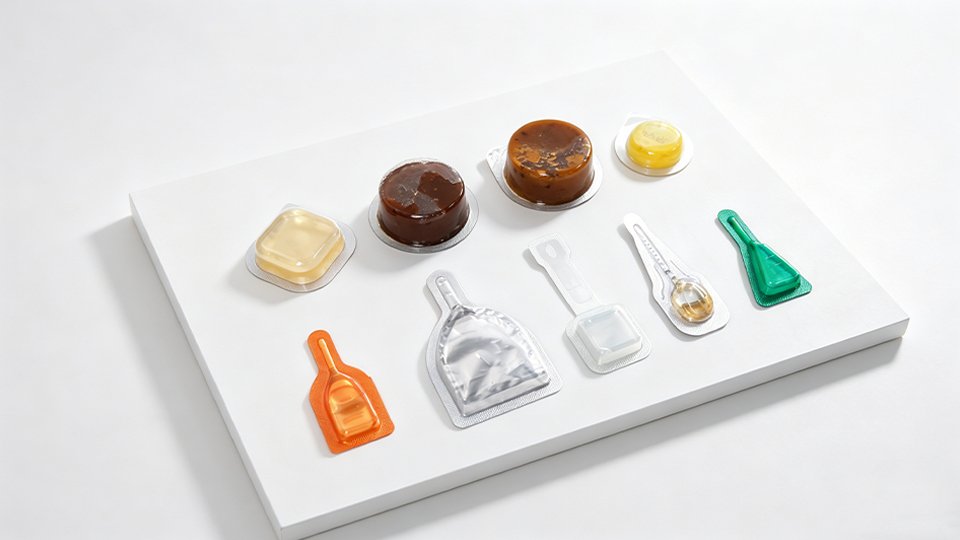
No importa lo que estés manejando Embalaje de ampolla líquida, o tratar con formas sólidas como embalaje de ampolla de cápsulas y Envasado en blister de pastillas., Las fugas son siempre un dolor de cabeza para los fabricantes farmacéuticos.. en el reino de Embalaje tipo blister en la industria farmacéutica., Los datos indican que incluso una tasa de defectos aparentemente insignificante de sólo 3%, causado por fugas o fallas en el sellado de ampollas, resulta en más 15,000 productos no calificados por mes. En otras palabras, El lucro cesante oculto resultante podría ascender a entre $50,000 y $100,000 anualmente.
Que numero tan asombroso! Entonces, comprender el problema de las fugas, Explorando las causas fundamentales de los defectos de las ampollas., y encontrar algo común problemas con la máquina de embalaje y las soluciones se vuelven valiosas y necesarias para cada fabricante farmacéutico y de suplementos..
Conclusiones clave
Bart, un analista senior consciente de la salud, depende de suplementos premium para mantener su estilo de vida de alto rendimiento. una mañana, descubrió un descolorido, píldora ineficaz causada por una brecha en el sello de la ampolla que permitió que la humedad arruinara los ingredientes activos. Furioso por este abuso de confianza, Bart descartó el blíster y puso la marca en la lista negra permanentemente.. Para el fabricante, Esta pequeña fuga puede provocar mucho más que un desperdicio de película, sino pérdidas de confianza de los clientes..
En su esencia, Las fugas en los envases tipo blister son bastante sencillas de entender: El sello del blíster que une el plástico del blíster a la lámina de sellado ha fallado. En el momento en que se produzca una ruptura en este sello, aire exterior, humedad, y las bacterias pueden deslizarse fácilmente dentro, haciendo que la barrera protectora sea completamente ineficaz.
Las consecuencias resultantes son extremadamente graves., con sus manifestaciones específicas dependiendo de la naturaleza del contenido del embalaje. Tomando como ejemplo formas farmacéuticas orales sólidas, como envases en forma de blíster de pastillas o de cápsulas., una fuga puede provocar niveles elevados de humedad dentro de la cavidad; la humedad, Sucesivamente, degrada e inactiva el ingrediente farmacéutico activo (API).
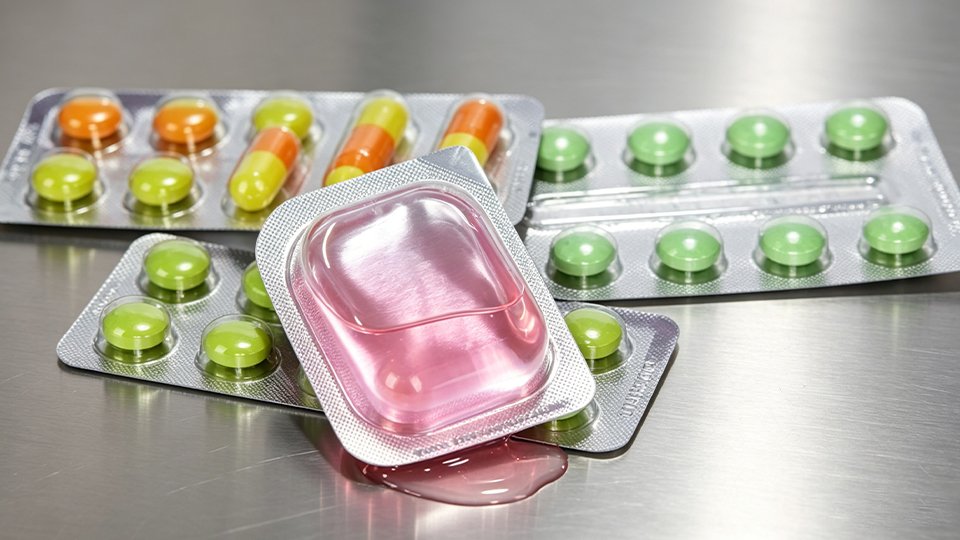
Para envases tipo blister de líquidos, el problema es aún más crítico: una fuga significa la pérdida real del contenido líquido, potencialmente resultando en el fallo completo de toda la bandeja del blíster, e incluso el rechazo total de todo el lote de producto.
En absoluto. Aunque no se pueden descartar por completo fallos mecánicos ocasionales, Tratar el defecto de ampolla como un hecho «normal» equivale a ignorar un barco que se está haciendo agua., y las consecuencias podrían ser catastróficas.
Esto es particularmente cierto para los envases tipo blister de líquidos.; Incluso la más mínima inconsistencia en la presión o la temperatura puede provocar fugas.. Si el líquido es comida como ketchup, el costo es manejable; sin embargo, si el liquido es caro, las pérdidas financieras resultantes podrían ser incalculables.
Dr. Sara Jenkins, Científico jefe de materiales del Global Packaging Institute, notas: «Los fabricantes suelen confundir la incompatibilidad de materiales con fallos mecánicos; todavía, en 80% de casos de fuga de líquido, La causa fundamental del fallo del sellado de las ampollas radica en pequeñas variaciones en la temperatura o presión del sellado.» Esta idea nos recuerda la complejidad del envasado en blíster: el defecto del blíster es el resultado de un complejo de factores.. En las siguientes secciones, Profundizaremos con mayor detalle en las causas subyacentes de las fugas en los envases tipo blister..
Desde comprender los defectos de las ampollas hasta diagnosticar sus causas fundamentales., Esta es una habilidad esencial para cualquier fabricante de productos farmacéuticos o suplementos para la salud.. Para facilitar mejor el desarrollo de soluciones, Primero nos centraremos en las causas subyacentes., realizar una clasificación y un análisis sistemáticos.
Tabla 1: Clasificación y descripción de los motivos de las fugas de los blisters
| Categoría | Razón específica | Breve descripción |
| Calibración de la máquina | Presión de sellado desigual | La máquina empacadora de blister no logra distribuir la fuerza de manera equitativa en todo el empaque de la bandeja blister.. |
| Variación térmica | Temperatura de sellado incorrecta | El calor es demasiado bajo para derretir el adhesivo o demasiado alto, quemando el plástico de la ampolla. |
| Cuestiones materiales | Películas incompatibles | La película de formación y la lámina de tapa. (P.EJ., Embalaje de papel blister versus embalaje blister de aluminio) no te unes bien. |
| Desgaste mecánico | Moldes de sellado desgastados | El desgaste de los moldes crea espacios en el sello del blíster.. |
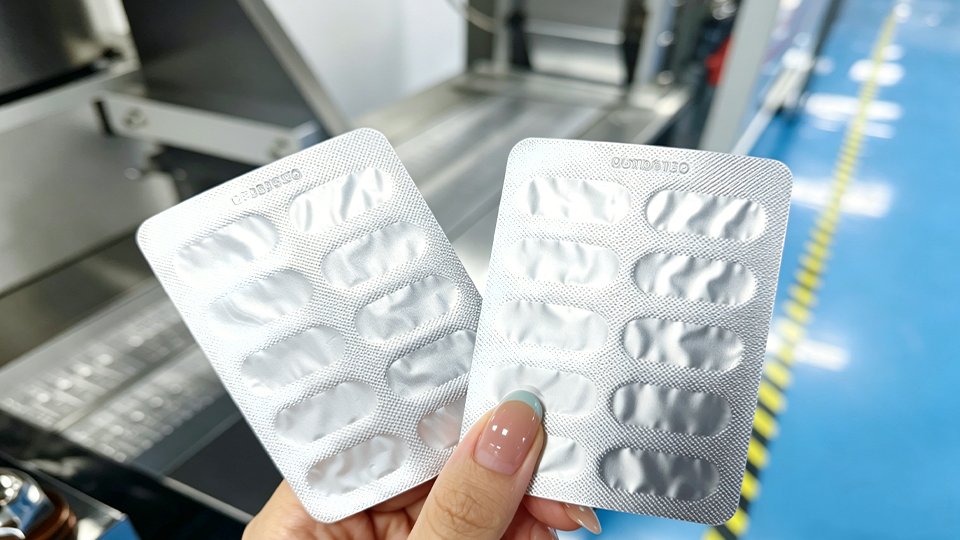
La imagen de arriba muestra un blister típico producido bajo presión desigual.. Como es evidente, el patrón texturizado en un lado es profundo, mientras que por el otro, es poco profundo. Sin embargo, Esto no es simplemente una cuestión estética.; refleja un problema subyacente: fuga en el blister.
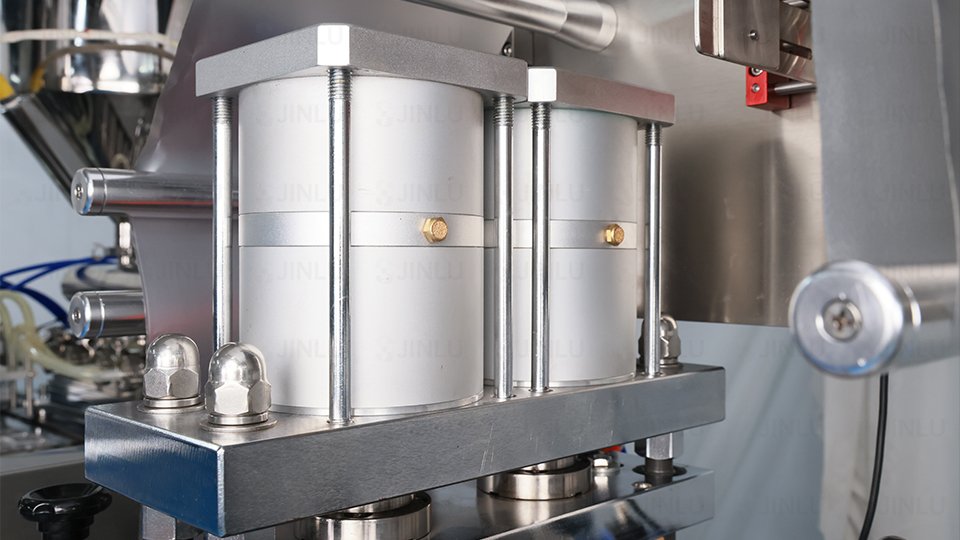
La presión de sellado desigual se debe principalmente a dos factores: sistemas monocilíndricos y moldes desgastados. por un lado, muchos modernos máquina selladora de envases blister adoptar un solo cilindro neumático en la estación de termosellado. Dado que este cilindro sirve como fuente principal de presión de termosellado, Esta construcción monocilíndrica suele resultar inadecuada cuando se procesan blisters de PET rígido o de gran superficie. Esta distribución desigual provoca inevitablemente que los blisters se arruguen y se produzcan fugas..
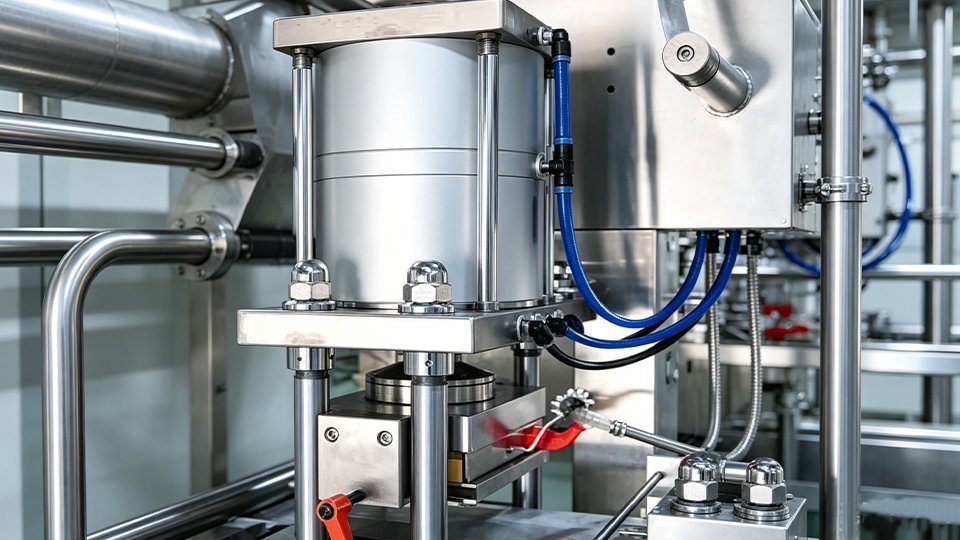
Por otro lado, el impacto del daño del moho, resultante del uso prolongado, tampoco se puede pasar por alto. Cuando el molde termosellador carece de suficiente paralelismo superficial, inevitablemente conduce a una distribución desigual de la presión en todo el blister durante el proceso de sellado.
Cuando se trata de control de temperatura, producir un blister impecable requiere la misma atención meticulosa a la «gestión del calor» que cocinar una comida gourmet. La temperatura inconsistente es el asesino silencioso del Embalaje blister Alu-Alu proceso. Si la temperatura es demasiado baja, el revestimiento termosellable de la lámina de embalaje farmacéutico no se activará para lograr la cohesión. En cambio, si la temperatura es demasiado alta, el plástico del blister puede derretirse por completo. Dr. Roberto Vance, Ingeniero jefe de la División de Termodinámica de la Packaging Science Foundation, explica: «La temperatura inconsistente es el asesino silencioso de los sellos de ampolla. Una fluctuación de tan solo 5 ℃ puede comprometer la integridad del sello hasta en un 40 %.»
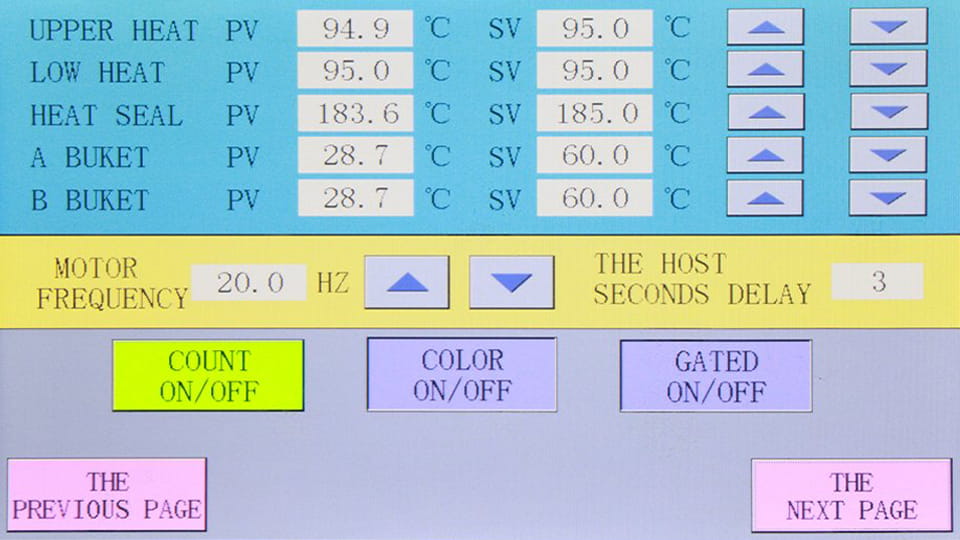
La disposición inadecuada de los elementos calefactores y una respuesta retardada en los sistemas de control de temperatura son los principales culpables de estas fluctuaciones de temperatura.. Si las varillas calefactoras eléctricas incrustadas dentro de la placa calefactora están escasamente distribuidas o dispuestas de manera desigual, Inevitablemente surgirán «puntos calientes» y «zonas frías» en la superficie de la placa.. Además, si los sensores dentro del sistema de control de temperatura están colocados demasiado lejos de la interfaz de sellado, o si el circuito de retroalimentación funciona demasiado lento, puede provocar una inestabilidad significativa de la temperatura.
Al cambiar los suministros de embalaje en blister, Algunos fabricantes pueden introducir inadvertidamente materiales que no se adhieren eficazmente en la configuración actual de su máquina de envasado en blister.. Por ejemplo, Mezcla de adhesivos para envases tipo blister de papel con películas incompatibles.. Esta incompatibilidad generalmente se manifiesta como delaminación del blíster, lo que indica una falta de adherencia adecuada.. Además, ciertos materiales ampollados emergentes requieren adhesivos especializados, lo cual es difícil de procesar para maquinaria más antigua.
Ahora que hemos identificado a los culpables de estos defectos en las ampollas, es hora de tomar medidas para optimizar su envasado en blister. Aprender a afrontar estos problemas es el paso final para transformar tus blisters en unos perfectos..
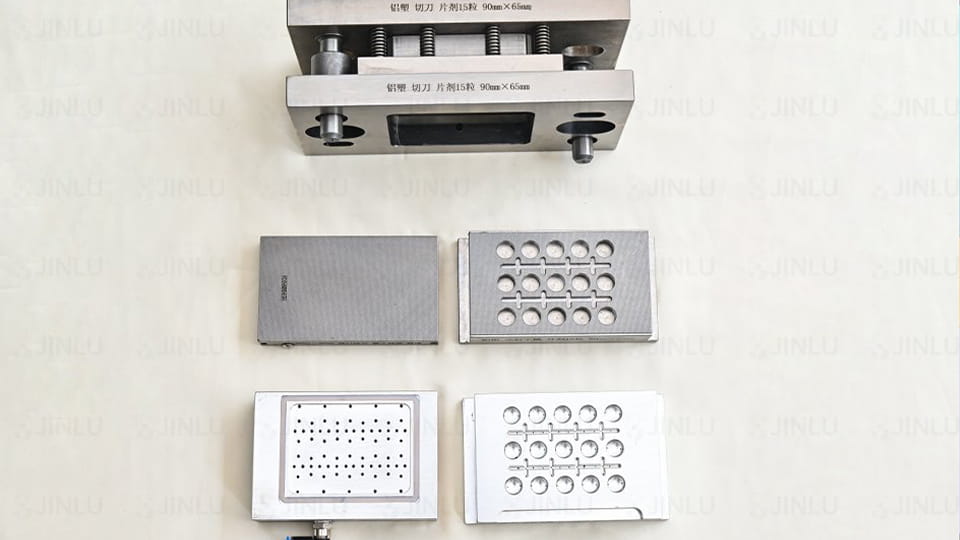
Arreglar los defectos de las ampollas requiere algo más que buenas intenciones; requiere equipo de clase mundial. Y Jeinlu eligiendo, nos hemos asociado con fortuna 500 gigantes farmacéuticos como Robinson, UCB, y US Pharma para abordar la Problemas con el embalaje en blister. Cumple con las certificaciones CE y cGMP, Jinlu Packing garantiza una calidad y cumplimiento incomparables para su embalaje de ampolla médica necesidades.

Nuestro máquina de envases de ampollas, que van desde máquina de ampolla de laboratorio a máquina envasadora de blister rotativa, está diseñado para abordar los problemas comunes más persistentes de las máquinas de embalaje con:
Diseño de doble cilindro:Ofrece enorme, presión perfectamente uniforme.
Aluminio-PVC y Aluminio-Alu Doble uso: Versatilidad que ahorra costes.
Diseño de ranura para molde tipo cajón: Cambio rápido de molde
Diseño estilo balcón: Limpieza cómoda sin rincones muertos
Más allá de nuestra vanguardia máquina de envases de ampollas tecnología, Nuestro compromiso de respaldar el embalaje de su línea de blíster se extiende mucho después de la venta.. Ofrecemos:
Pueden ocurrir defectos tipo ampolla en la producción diaria.. Puede ser significativo o menor., Dependiendo de su conocimiento sobre cómo manejar la complejidad del embalaje tipo blíster.. Pero una cosa es segura, un avanzado máquina de envases de ampollas Es imprescindible si desea que su línea de producción funcione sin problemas sin preocuparse por posibles paradas.. Contáctenos para más detalles!
En términos generales, la mayoría de los medicamentos se pueden envasar en blister, con la excepción de muy pocos medicamentos específicos, como los que son altamente reactivos o extremadamente sensibles a la luz., que a veces requieren el uso de botellas de vidrio hechas de materiales especializados.
El sellado del blíster es el proceso crítico que determina la integridad de un blíster.. Ya sea un blister sellado en frío o un blister formado al vacío, Una máquina de envasado en blister utiliza calor y presión para unir los materiales..
Los problemas más frecuentes incluyen un defecto de ampolla como una fuga., papel de aluminio arrugado, y relieve desigual. Estos problemas a menudo se relacionan con la presión desigual de la estación de termosellado..
No necesariamente! Un aumento irrazonable de la temperatura provoca que el material se derrita en su máquina envasadora de blister.. Lo que importa para resolver el problema de las fugas es encontrar el equilibrio perfecto.
Asombrosamente, No! Una máquina empacadora de blister de alta velocidad con un diseño de doble cilindro aplica presión de manera más eficiente, reduciendo la necesidad de ciclos de sellado repetidos y, en última instancia, ahorrando energía y al mismo tiempo previniendo defectos tipo ampolla..
Referencias
1.Investigación de gran vista: Tamaño del mercado de envases farmacéuticos, Compartir & Informe de análisis de tendencias
2.Revista Internacional de Farmacéutica: Impacto del desgaste del molde de sellado en la integridad del embalaje tipo blíster médico
3.Instituto Global de Embalaje: Dinámica térmica en la integridad del envasado en blister líquido