
Η κοκκοποίηση είναι ένα βασικό βήμα κατασκευή tablet που μετατρέπει τις λεπτές σκόνες σε μεγαλύτερες, ομοιόμορφοι κόκκοι. Χωρίς κοκκοποίηση, πολλές σκόνες (API και έκδοχα) έχουν χαμηλή ρευστότητα και συμπιεστότητα, που οδηγεί σε προβλήματα όπως ο διαχωρισμός, ανομοιόμορφη πλήρωση μήτρας, και αδύναμα δισκία. Στην πράξη, τα περισσότερα σκευάσματα δεν μπορεί συμπιέζονται απευθείας επειδή οι ακατέργαστες σκόνες τείνουν να είναι πολύ λεπτές και ασυνεπείς. Κοκκοποίηση (υγρό ή ξηρό) βελτιώνει τη ροή σκόνης, έλεγχος σκόνης, ομοιομορφία και δεσμευτικό μείγμα, το οποίο με τη σειρά του αποδίδει δισκία σταθερού βάρους, σκληρότητα και ενεργή κατανομή. Αν και η άμεση συμπίεση είναι απλούστερη (λιγότερα βήματα, χαμηλότερο κόστος), απαιτεί εξαιρετικές ιδιότητες πρώτης ύλης. Αυτό το άρθρο εξηγεί γιατί συνήθως απαιτείται κοκκοποίηση πριν από τη δισκιοποίηση, καλύπτει τα οφέλη και τις ανταλλαγές των υγρή έναντι ξηρής κοκκοποίησης, και προσφέρει πρακτική καθοδήγηση για την επιλογή της σωστής διαδικασίας.
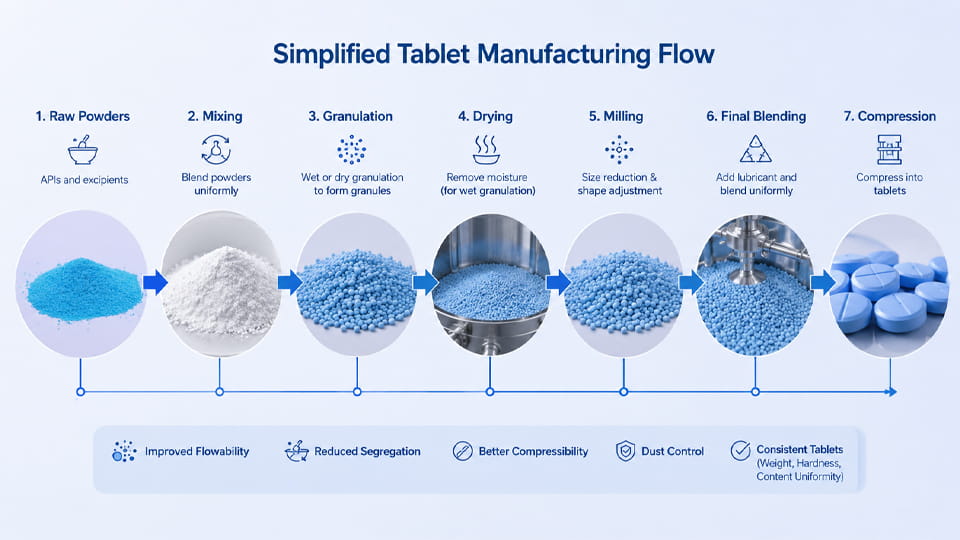
Εικόνα: Απλοποιημένο διάγραμμα ροής κατασκευής tablet. Ακατέργαστες σκόνες + τα έκδοχα αναμειγνύονται, κοκκοποιημένο (υγρό ή ξηρό), αποξηραμένα (αν είναι υγρό), αλεσμένο, αναμεμειγμένο με λιπαντικό, στη συνέχεια συμπιέζεται σε δισκία.
Η κοκκοποίηση είναι α σωματιδιακή μηχανική διαδικασία που «μετατρέπει τις λεπτές σκόνες σε μεγαλύτερες, ομοιόμορφα σωματίδια που ονομάζονται κόκκοι». Στη φαρμακευτική παραγωγή, κοκκοποίηση (υγρό ή ξηρό) χρησιμοποιείται για τη συσσωματοποίηση σκονών σε κόκκους με καλύτερο ρευστότητα, συμπιεστό, και ομοιομορφία. Για παράδειγμα, ένα κοκκοποιητής ανάμειξης υψηλής διάτμησης (υγρός κοκκοποιητής) προσθέτει βιβλιοδέτης διάλυμα στη σκόνη, σχηματίζοντας μια υγρή μάζα, το οποίο στη συνέχεια στεγνώνει (συνήθως σε στεγνωτήριο ρευστής κλίνης) και αλέθεται σε κόκκους. Εναλλακτικά, Η ξηρή κοκκοποίηση χρησιμοποιεί μηχανική πίεση (συμπίεση κυλίνδρων ή σάρωση) να συμπιέσει και να σπάσει τη σκόνη σε κόκκους.
Τόσο η υγρή όσο και η ξηρή κοκκοποίηση στοχεύουν στην παραγωγή κόκκων που είναι πυκνός, ελεύθερης ροής και ομοιογενής. Αυτοί οι κόκκοι τροφοδοτούνται στο πρέσα tablet πιο αξιόπιστα από τη χαλαρή σκόνη. Οι κόκκοι δημιουργούν επίσης λιγότερη σκόνη και τείνουν να συμπιέζονται σε ισχυρότερα δισκία. Εν συντομία, Η κοκκοποίηση είναι ένα κρίσιμο βήμα για να διασφαλιστεί ότι τα tablet πληρούν τα χαρακτηριστικά ποιότητας (ομοιόμορφο βάρος, δύναμη, ακρίβεια δόσης) όταν οι ακατέργαστες σκόνες από μόνες τους δεν είναι ιδανικές για απευθείας δισκιοποίηση.
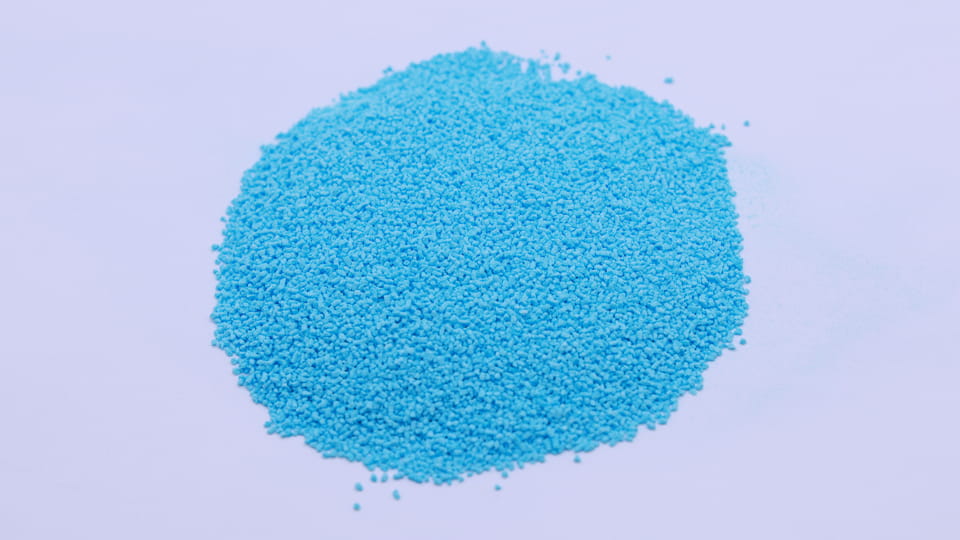
Θεωρητικά ναι (για ορισμένα σκευάσματα): Ορισμένα API και έκδοχα (π.χ.. μικροκρυσταλλική κυτταρίνη, λακτόζη αποξηραμένη με ψεκασμό) έχουν εξαιρετική συμφυής ρευστότητα και συμπιεστότητα. Αυτά τα σπάνια σκευάσματα μπορεί να είναι άμεση συμπίεση (DC) σε ταμπλέτες χωρίς προηγούμενη κοκκοποίηση. Η άμεση συμπίεση είναι η απλούστερη οδός: ανακατεύουμε σκόνες + λιπαντική ουσία, στη συνέχεια τροφοδοτήστε απευθείας σε μια πρέσα tablet. Αποφεύγει επιπλέον εξοπλισμό και βήματα (χωρίς στέγνωμα), εξοικονόμηση χρόνου και κόστους.
Στην πράξη όμως, οι περισσότερες σκόνες δεν μπορούν: Τα περισσότερα API μικρών μορίων είναι πολύ λεπτά και συνεκτικά, με κακές ιδιότητες ροής και συμπίεσης. Εάν οι σκόνες δεν ρέουν ομαλά, η κοιλότητα της μήτρας θα υπογεμίσει ή θα υπεργεμίσει, προκαλώντας διακύμανση βάρους του δισκίου. Εάν οι πούδρες δεν συμπιέζονται καλά, τα δισκία θα είναι μαλακά, καπάκι ή σπάσιμο. Μικρές δόσεις (λίγα mg API) αναμεμειγμένα με μεγάλους όγκους εκδόχων συχνά υποφέρουν από διαχωρισμό (Το fine API διαχωρίζεται από το χοντρό φορέα). Εν συντομία, εκτός από εξαιρετικά εξειδικευμένα έκδοχα άμεσης συμπίεσης, τα περισσότερα φαρμακευτικά μείγματα ανάγκη κοκκοποίηση για την επίλυση προβλημάτων ροής/συμπιεστότητας.
Η άμεση συμπίεση είναι βιώσιμη μόνο όταν το μείγμα ήδη έχει πολύ καλή ροή και συμπίεση. Για παράδειγμα, δυαδικά μείγματα εκδόχων πολύ ελεύθερης ροής με δισκίο υψηλής δόσης μπορεί να λειτουργήσουν. Η άμεση συμπίεση επιλέγεται επίσης για φάρμακα που είναι εξαιρετικά θερμικά- ή ευαίσθητο στην υγρασία, αφού παρακάμπτει τα βήματα διαβροχής και στεγνώματος. Ωστόσο, Αυτό απαιτεί προσεκτική επιλογή εκδόχου (Π.χ., λακτόζη άμεσης συμπίεσης, MCC, συνεπεξεργασμένα έκδοχα) και συχνά προσαρμοσμένες συνθέσεις.
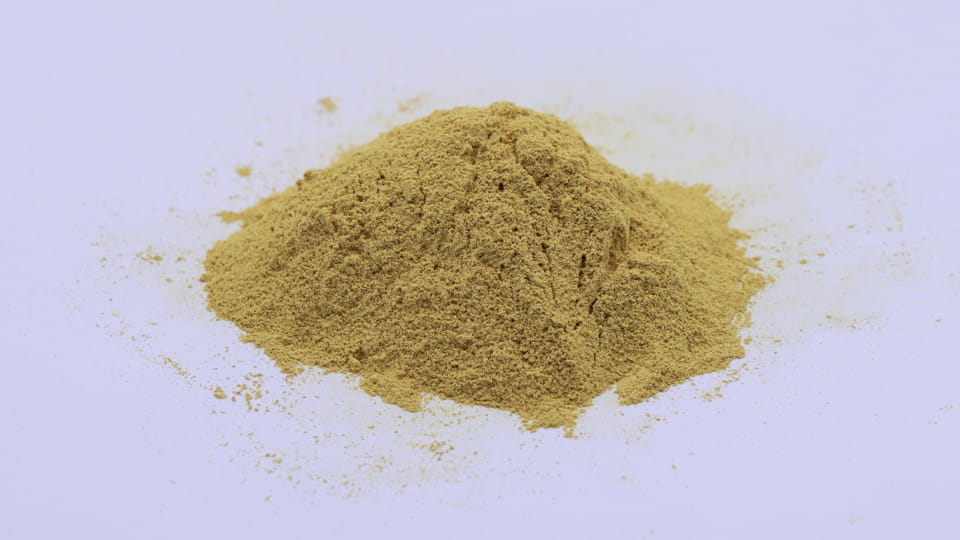
Συνοπτικά, Η κοκκοποίηση επιλύει τις κύριες προκλήσεις ροής/συμπίεσης των ακατέργαστων σκονών. Χωρίς αυτό, τα δισκία θα είχαν απαράδεκτη διακύμανση στο βάρος, σκληρότητα και δόση. Ο συμβιβασμός είναι επιπλέον βήματα (μίξη, ξήρανση, άλεσμα), αλλά για τα περισσότερα φαρμακευτικά προϊόντα, Η κοκκοποίηση είναι ο αξιόπιστος τρόπος για την εγγύηση της ποιότητας του προϊόντος.
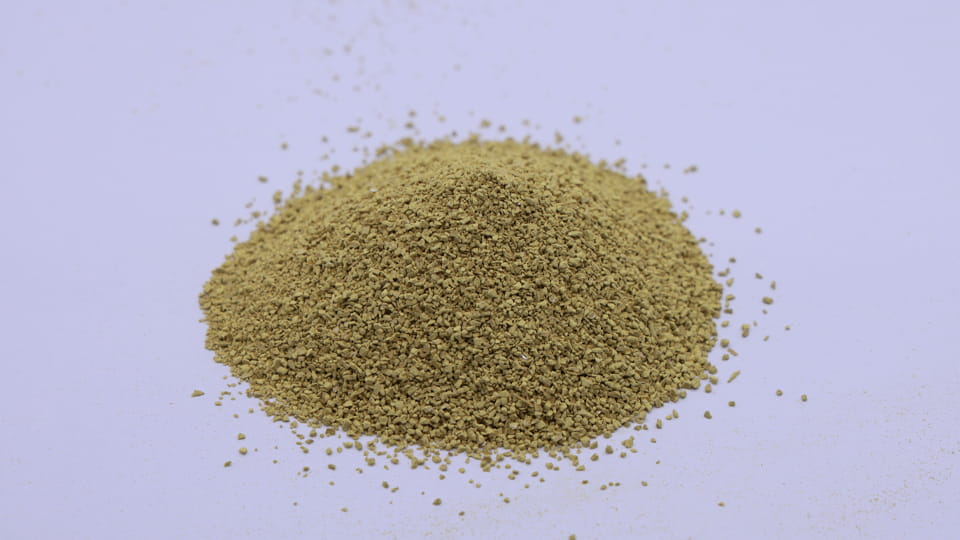
Άμεση συμπίεση (DC) είναι το πιο απλό, η πιο οικονομική διαδικασία tablet, και αυτό προτιμάται όταν θα λειτουργήσει. Το DC ελαχιστοποιεί τα βήματα (μόνο ανάμειξη και συμπίεση), απαιτεί λιγότερο εξοπλισμό (μίξερ + τύπος) και αποφεύγει το στέγνωμα. Είναι η βασική μέθοδος εάν το API και τα έκδοχα είναι ήδη πολύ ελεύθερα, εξαιρετικά συμπιεστό, και ανακατεύουμε ομοιόμορφα. Εξαιρετικά διαλυτά έκδοχα όπως λακτόζη ή αλκοόλες σακχάρου που έχουν ξηρανθεί με ψεκασμό, σε συνδυασμό με ένα API υψηλής δόσης, συχνά επιτρέπουν DC. Επιλέγεται επίσης για φάρμακα ευαίσθητα στην υγρασία/θερμότητα που θα αποικοδομούνταν σε υγρή διαδικασία.
Ωστόσο, Η ικανοποίηση αυτών των απαιτήσεων υλικού είναι πρόκληση. Τα έκδοχα για το DC πρέπει να επιλέγονται «κρίσιμα» ώστε να παρουσιάζουν εξαιρετική ροή και συμπιεστότητα. Εάν δεν πληρούνται αυτές οι προϋποθέσεις, Τα δισκία DC υποφέρουν από διακύμανση βάρους και χαμηλή αντοχή. Ετσι, Το DC είναι πραγματικά κατάλληλο μόνο για περίπου 10-20% των σκευασμάτων; Τα περισσότερα απαιτούν το μηχανικό βήμα της κοκκοποίησης.
Πλεονεκτήματα της άμεσης συμπίεσης: λιγότερες λειτουργίες της μονάδας, χαμηλότερο κόστος κεφαλαίου/εξοπλισμού, κανένα βήμα στεγνώματος (εξοικονομεί χρόνο/ενέργεια), και την απλούστερη επικύρωση. Χρησιμοποιείται επίσης συχνά σε προϊόντα συνδυασμού σταθερής δόσης με υψηλό κλάσμα άμεσα συμπιέσιμων πληρωτικών. Αλλά για οποιοδήποτε μείγμα με κακή ροή ή κίνδυνο διαχωρισμού, η κοκκοποίηση είναι συνήθως αναπόφευκτη.
Και οι δύο διαδρομές μπορούν να κάνουν tablet, αλλά διαφέρουν πολύ ως προς την πολυπλοκότητα και την απόδοση. Ο παρακάτω πίνακας συνοψίζει τις βασικές διαφορές:
| Παράμετρος | Άμεση Συμπίεση (DC) | Κοκκοποίηση (Υγρό/Στεγνό) |
| Πολυπλοκότητα διαδικασίας | Χαμηλός (ανακατεύουμε και μετά πιέζουμε) | Άνω (μείγμα, κοκκοποιώ, ξηρός, μύλος, μετά πατήστε) |
| Εξοπλισμός | Μίξερ, πρέσα tablet | Κοκκοποιητής ή συμπιεστής υψηλής διάτμησης, στεγνωτήριο, μύλος, πρέσα tablet |
| Απαιτήσεις ρευστότητας | Πρέπει να είναι εξαιρετικό | Η κοκκοποίηση βελτιώνει σημαντικά τη ροή |
| Συμπιεστό | Περιορίζεται από ιδιότητες ακατέργαστης σκόνης | Ενισχυμένο με δέσμευση κόκκων |
| Ομοιομορφία περιεχομένου | Πιο δύσκολο να επιτευχθεί (κίνδυνος διαχωρισμού) | Καλύτερα (ο διαχωρισμός ελαχιστοποιήθηκε) |
| Δημιουργία σκόνης | Ψηλά (λεπτές σκόνες) | Χαμηλός (κόκκους, λιγότερα πρόστιμα) |
| Κατάλληλο για τα περισσότερα API | Οχι (ελάχιστες εξαιρέσεις) | Ναί (ευρύ φάσμα, esp. API κακής ροής) |
| Ποιότητα tablet | Μέτριος (εξαρτάται από τη σύνθεση) | Ψηλά (σταθερό βάρος, δύναμη) |
Ολικός, Η κοκκοποίηση είναι πιο περίπλοκη και δαπανηρή, αλλά προσφέρει ανώτερες ιδιότητες σκόνης. Το DC είναι λιτό και οικονομικά αποδοτικό, αλλά μόνο όταν οι πρώτες ύλες πληρούν εγγενώς αυστηρά κριτήρια.
Μόλις χρειαστεί κοκκοποίηση, η επόμενη ερώτηση είναι υγρό vs ξηρό. Το καθένα έχει πλεονεκτήματα και μειονεκτήματα.


Επιλέγοντας υγρό έναντι ξηρού: Εάν το API σας μπορεί να χειριστεί την υγρασία/θερμότητα και το προϊόν απαιτεί κορυφαία ομοιομορφία, προτιμάται η υγρή κοκκοποίηση. Εάν η ενέργεια και το κεφάλαιο είναι περιορισμένα ή το φάρμακο είναι ευαίσθητο, η ξηρή κοκκοποίηση είναι ελκυστική. Στην πράξη, Η υγρή κοκκοποίηση είναι πιο κοινή για τα παραδοσιακά δισκία, ενώ η ξηρή κοκκοποίηση χρησιμοποιείται για συγκεκριμένες περιπτώσεις (π.χ.. μετφορμίνη, ασπιρίνη).
Ο βασικός εξοπλισμός στη σειρά κατασκευής tablet ευθυγραμμίζεται με την επιλεγμένη διαδικασία. Για υγρή κοκκοποίηση, ένα κοκκοποιητής ανάμειξης υψηλής διάτμησης (μηχανή υγρού κοκκοποιητή) χρησιμοποιείται για την ανάμειξη σκόνης και συνδετικού, ακολουθούμενο από α στεγνωτήριο υγρής κλίνης για να στεγνώσουν οι κόκκοι. Για ξηρή κοκκοποίηση, ένα συμπιεστή κυλίνδρων (μηχάνημα ξηρού κοκκοποιού) χρησιμοποιείται για τη συμπίεση της σκόνης σε κορδέλες. Οι κόκκοι (από υγρό ή ξηρό) στη συνέχεια αλέθονται εάν χρειάζεται και τελικά τροφοδοτούνται σε α περιστροφική πρέσα ταμπλετών, που τα συμπιέζει σε ταμπλέτες. Μετά από συμπίεση, τα δισκία μπορεί να πάνε σε α δισκίο ή μηχανή συσκευασίας.
| Εξοπλισμός (Παράδειγμα Jinlu) | Πρωτεύουσα Λειτουργία |
| Κοκκοποιητής μείκτη υψηλής διάτμησης | Αναμιγνύει σκόνες και υγρό συνδετικό για να σχηματίσει υγρούς κόκκους. (Υγρή κοκκοποίηση) |
| Στεγνωτήριο υγρού κρεβατιού | Στεγνώνει ομοιόμορφα τους υγρούς κόκκους (συχνά μετά από ανάμειξη υψηλής διάτμησης). |
| Συμπιεστής κυλίνδρων (Ξηρός κοκκοποιητής) | Συμπυκνώνει τη σκόνη σε κορδέλες ή γυμνοσάλιαγκες για ξηρή κοκκοποίηση. |
| Περιστροφική πρέσα ταμπλετών | Συμπιέζει τη σκόνη ή τους κόκκους σε δισκία σε υψηλή ταχύτητα. |
Καθένα από τα παραπάνω διατίθεται από την Jinlu Packing (βλέπω Κοκκοποιητής μίκτη υψηλής διάτμησης, Συμπιεστής κυλίνδρων (Ξηρός κοκκοποιητής), και Περιστροφική μηχανή πρέσας ταμπλετών στον κατάλογο προϊόντων μας).
Υπογράφει μια φόρμουλα που χρειάζεται κοκκοποίηση: Εάν παρατηρήσετε προβλήματα όπως το ασυνεπές βάρος, ξεσκόνισμα της σκόνης, πώμα δισκίου, ή διαχωρισμένα μείγματα κατά τη διάρκεια δοκιμών, πιθανώς απαιτείται κοκκοποίηση. Για παράδειγμα, εάν η ανάμειξη του API με το έκδοχο δίνει ένα πολύ αφράτο, ελαφρύ μείγμα, συχνά δεν συμπιέζεται καλά. Επίσης, API πολύ χαμηλής δόσης (<<50 mg) τυπικά απαιτούν κοκκοποίηση για να εξασφαλιστεί ομοιόμορφη κατανομή. Εν συντομία, εάν υπάρχει μεγάλο ακίνητο (ροή, πυκνότητα) είναι φτωχή σε ένα μείγμα σκοπιμότητας, σχέδιο κοκκοποίησης.
Συμβουλές για τη βελτίωση της ρευστότητας/συμπιεστότητας: Εκτός από την κοκκοποίηση, οι παρασκευαστές μπορούν να δοκιμάσουν: μηχανική μεγέθους (φρεζάρισμα ή πιο χονδροειδείς ποιότητες για την αποφυγή υπερβολικών προστίμων), χορός ολίσθησης (π.χ.. 0.5– 2% κολλοειδές πυρίτιο ή τάλκης προστέθηκε αμέσως πριν από την ταμπλέτα για μείωση της τριβής), ή λιπαντικά (στεατικό μαγνήσιο) φρόνιμα. Μερικές φορές η ξήρανση με ψεκασμό ή η χρήση σφαιρικών συσσωματωμάτων μπορεί να βοηθήσει. Η μείωση της περιεκτικότητας σε υγρασία και ο έλεγχος της υγρασίας αποτρέπουν επίσης τη συσσώρευση. Κατάλληλος αναμικτής σχέδιο (π.χ.. σίτιση υπό κενό) μπορεί να μετριάσει τη σκόνη. Τελικά, βελτιστοποίηση παραμέτρων τύπου tablet (βάθος πλήρωσης, χρόνος παραμονής) βοηθά στην αντιστάθμιση της οριακής ροής.
Παραγωγή με υψηλή ταχύτητα: Σε μια σύγχρονη περιστροφική πρέσα, Ακόμη και μικρά προβλήματα ροής προκαλούν μετατόπιση βάρους. Η ανάδραση βάρους σε πραγματικό χρόνο και η συχνή βαθμονόμηση είναι απαραίτητα. Τα μηχανήματα υψηλής ταχύτητας χρησιμοποιούν συχνά συμπίεση δύο σταδίων (ρολό προ-συμπίεσης) και τροφοδότες τύπου κουπιών για βελτίωση της συνοχής πλήρωσης. Εάν εσείς πρέπει δισκίο μια σκόνη με κακή ροή, εξετάστε το ενδεχόμενο αναβάθμισης σε μηχάνημα με εξαναγκασμένους τροφοδότες ή διπλούς έκκεντρους πλήρωσης. Να επικυρώνετε πάντα ότι η ομοιομορφία περιεχομένου ισχύει σε πλήρη ταχύτητα. Μια καλά κοκκοποιημένη τροφοδοσία απλοποιεί δραστικά τις διαδρομές υψηλής ταχύτητας – οι κόκκοι διατηρούν σταθερό γέμισμα ακόμα και σε 200,000 δισκία ανά ώρα.
Συνοπτικά, Απαιτείται "κοκκοποίηση πριν από τη δημιουργία δισκίων", επειδή τα περισσότερα API και έκδοχα δεν μπορούν να συμπιεστούν απευθείας σε ποιοτικά δισκία. Η κοκκοποίηση διορθώνει τα βασικά προβλήματα σκόνης - ροής, σκόνη, διαχωρισμός και συμπιεστότητα – που οι ακατέργαστες σκόνες δεν μπορούν να χειριστούν. Ενώ η άμεση συμπίεση έχει τη θέση της για πολύ εξειδικευμένες συνθέσεις, το βήμα κοκκοποίησης παρέχει ασφάλεια για σταθερή ποιότητα δισκίου. Επιλέγοντας την κατάλληλη τεχνική κοκκοποίησης (υγρό vs. ξηρός) και βελτιστοποίηση των παραμέτρων της διαδικασίας, Οι κατασκευαστές διασφαλίζουν ότι τα tablet πληρούν όλες τις προδιαγραφές (ομοιόμορφο βάρος, σκληρότητα, διάλυση) στην απαιτούμενη κλίμακα. Η κοκκοποίηση δεν είναι απλώς ένα επιπλέον κόστος - είναι το κλειδί για αξιόπιστη, παραγωγή tablet υψηλής ταχύτητας.
Είτε φτιάχνετε μια νέα γραμμή παραγωγής tablet, αναβάθμιση του υπάρχοντος εξοπλισμού, ή αξιολόγηση της καλύτερης διαδικασίας για μια συγκεκριμένη σύνθεση, Η επιλογή της σωστής τεχνολογίας κοκκοποίησης είναι μια σημαντική απόφαση.
Στο Συσκευασία Jinlu, βοηθάμε τους κατασκευαστές φαρμακευτικών προϊόντων, παραγωγούς διατροφικών προϊόντων, και συμβάσεις κατασκευαστικών οργανισμών (ΚΟΑ) επιλέξτε κατάλληλες λύσεις για υγρή κοκκοποίηση, ξηρή κοκκοποίηση, συμπίεση δισκίου, επένδυση, και τη συσκευασία. Η ομάδα μηχανικών μας μπορεί να παρέχει πρακτικές συστάσεις με βάση την παραγωγική σας ικανότητα, χαρακτηριστικά σύνθεσης, Απαιτήσεις GMP, και στόχοι αυτοματισμού. Στείλτε μας την Προδιαγραφή Απαιτήσεων Χρήστη (URS), στόχους παραγωγής, ή λεπτομέρειες προϊόντος, και θα σας βοηθήσουμε να προσδιορίσετε την καταλληλότερη λύση κατασκευής κοκκοποίησης και ταμπλέτας για το έργο σας.
Η κοκκοποίηση πριν από τη δισκιοποίηση χρησιμοποιείται για τη βελτίωση της ρευστότητας της σκόνης, συμπιεστό, και ομοιομορφία περιεχομένου. Οι λεπτές σκόνες συχνά δεν ρέουν σταθερά στο καλούπι πρέσας ταμπλέτας, που μπορεί να οδηγήσει σε διακύμανση βάρους, κακή σκληρότητα δισκίου, και κατασκευαστικά ελαττώματα. Μετατρέποντας τις σκόνες σε ομοιόμορφους κόκκους, Οι κατασκευαστές μπορούν να επιτύχουν πιο σταθερή και αποτελεσματική παραγωγή tablet.
Ναί, Ορισμένες συνθέσεις μπορούν να συμπιεστούν απευθείας χωρίς κοκκοποίηση. Αυτή η διαδικασία είναι γνωστή ως άμεση συμπίεση. Ωστόσο, Η άμεση συμπίεση λειτουργεί μόνο όταν το δραστικό φαρμακευτικό συστατικό (API) και τα έκδοχα έχουν εξαιρετική ρευστότητα και συμπιεστότητα. Πολλές φαρμακευτικές σκόνες απαιτούν κοκκοποίηση για να επιτευχθεί σταθερή ποιότητα δισκίου.
Τα κύρια οφέλη περιλαμβάνουν:
• Βελτιωμένη ρευστότητα σκόνης
• Καλύτερη συμπιεστότητα
• Μειωμένος διαχωρισμός συστατικών
• Βελτιωμένη ομοιομορφία περιεχομένου
• Χαμηλότερη δημιουργία σκόνης
• Βελτιωμένη σκληρότητα tablet
• Υψηλότερη παραγωγική απόδοση
Αυτά τα πλεονεκτήματα βοηθούν τους κατασκευαστές να παράγουν tablet με σταθερή ποιότητα και λιγότερα προβλήματα παραγωγής.
Η κακή ροή μπορεί να προκαλέσει ασυνεπή πλήρωση της μήτρας κατά τη συμπίεση. Ως αποτέλεσμα, τα δισκία μπορεί να έχουν διαφορετικά βάρη, ασυνεπής περιεκτικότητα σε φάρμακο, και υψηλότερα ποσοστά απόρριψης. Η κακή ροή σκόνης μπορεί επίσης να μειώσει την αποτελεσματικότητα της πρέσας ταμπλέτας και να αυξήσει το χρόνο διακοπής λειτουργίας.
Η κοκκοποίηση περιλαμβάνει τη μετατροπή των σκονών σε κόκκους πριν από τη συμπίεση, ενώ η άμεση συμπίεση παρακάμπτει το στάδιο της κοκκοποίησης και συμπιέζει απευθείας την αναμεμειγμένη σκόνη.
Η κοκκοποίηση γενικά παρέχει καλύτερη ρευστότητα, συμπιεστό, και ομοιομορφία περιεχομένου, ενώ η άμεση συμπίεση προσφέρει μια απλούστερη και πιο οικονομική διαδικασία όταν το σκεύασμα είναι κατάλληλο.
Η υγρή κοκκοποίηση χρησιμοποιείται συνήθως όταν οι σκόνες έχουν κακά χαρακτηριστικά ροής, κακή συμπιεστότητα, ή τάση για διαχωρισμό. Επιλέγεται επίσης συνήθως όταν οι κατασκευαστές πρέπει να βελτιώσουν τη σκληρότητα του tablet και την ομοιομορφία περιεχομένου. Η υγρή κοκκοποίηση είναι μια από τις πιο ευρέως χρησιμοποιούμενες μεθόδους στην παραγωγή φαρμακευτικών δισκίων.
Η ξηρή κοκκοποίηση προτιμάται για σκευάσματα που είναι ευαίσθητα στη θερμότητα ή την υγρασία. Επειδή δεν χρησιμοποιείται υγρό συνδετικό, βοηθά στην προστασία των ευαίσθητων στην υγρασία ή θερμικά ασταθών API, ενώ παράλληλα βελτιώνει τη ροή και τη συμπιεστότητα της σκόνης.
Ναί. Η κοκκοποίηση μπορεί να βελτιώσει τη σύνδεση των σωματιδίων κατά τη συμπίεση, με αποτέλεσμα ισχυρότερα δισκία με καλύτερη μηχανική ακεραιότητα. Τα σωστά κοκκοποιημένα υλικά συχνά παράγουν ταμπλέτες με υψηλότερη σκληρότητα και χαμηλότερη ευθρυπτότητα ενώ μειώνουν ελαττώματα όπως το πώμα και η πλαστικοποίηση.
Η κοκκοποίηση βοηθά στην πιο ομοιόμορφη κατανομή του API σε όλη τη σύνθεση και μειώνει τον διαχωρισμό κατά το χειρισμό και τη μεταφορά. Αυτό είναι ιδιαίτερα σημαντικό για σκευάσματα χαμηλής δόσης, όπου ακόμη και μικρές παραλλαγές στη διανομή API μπορούν να επηρεάσουν την ποιότητα του προϊόντος και τη συμμόρφωση με τους κανονισμούς.
Ο κοινός εξοπλισμός φαρμακευτικής κοκκοποίησης περιλαμβάνει:
• Κοκκοποιητές Αναμίκτη υψηλής διάτμησης
• Κοκκοποιητές Fluid Bed
• Συμπιεστές κυλίνδρων
• Ταλαντωτικοί κοκκοποιητές
• Στεγνωτήρια υγρών κρεβατιών
Η επιλογή του εξοπλισμού εξαρτάται από τα χαρακτηριστικά της σύνθεσης, κλίμακα παραγωγής, και εάν απαιτείται υγρή ή ξηρή κοκκοποίηση.
Αναφορές:
1.Q7A Οδηγίες ορθής παρασκευαστικής πρακτικής για ενεργά φαρμακευτικά συστατικά —— Η.Π.Α. Υπηρεσία Τροφίμων και Φαρμάκων
2.Παράρτημα 2 Ορθές πρακτικές παραγωγής του ΠΟΥ για φαρμακευτικά προϊόντα: βασικές αρχές -- ΠΟΥ
3.Μια κριτική ανασκόπηση για την κοκκοποίηση φαρμακευτικών προϊόντων και εκδόχων: Αρχή, ανάλυση και τυπικές εφαρμογές —— ScienceDirect
4.Άμεση συμπίεση έναντι κοκκοποίησης —— www.pharmtech.com
5.Μια μελέτη συμπιεστότητας και συμπιεστότητας πραγματικών μιγμάτων δισκιοποίησης: Η επίδραση της υγρής και ξηρής κοκκοποίησης έναντι ενός μείγματος άμεσης δισκιοποίησης —— ScienceDirect
6.Επίδραση των μεταβλητών της διαδικασίας κοκκοποίησης και συμπίεσης στον ρυθμό ροής των κόκκων και στις ιδιότητες των δισκίων, με ιδιαίτερη αναφορά στη διακύμανση βάρους —— ScienceDirect
7.Σωματιδιακή Μηχανική Εκδοχών για Άμεση Συμπίεση: Κατανόηση του ρόλου των υλικών ιδιοτήτων —— Εθνική Βιβλιοθήκη Ιατρικής