

Στη φαρμακευτική παραγωγή, Ο αποτελεσματικός καθαρισμός του εξοπλισμού είναι απαραίτητος για τη διατήρηση της ποιότητας του προϊόντος και την πρόληψη της διασταυρούμενης μόλυνσης μεταξύ των παρτίδων. Ένα καλοσχεδιασμένο επικύρωση καθαρισμού Η διαδικασία βοηθά τους κατασκευαστές να αποδείξουν ότι οι διαδικασίες καθαρισμού τους μπορούν να αφαιρέσουν με συνέπεια τα υπολείμματα του προϊόντος και να συναντηθούν Απαιτήσεις GMP. Για ομάδες παραγωγής και αγοραστές εξοπλισμού, επιλέγοντας φαρμακευτικά μηχανήματα με σχέδια που καθαρίζονται εύκολα μπορούν επίσης να κάνουν την επικύρωση ευκολότερη, μείωση του χρόνου διακοπής λειτουργίας, και βελτίωση της συνολικής παραγωγικής αποδοτικότητας.
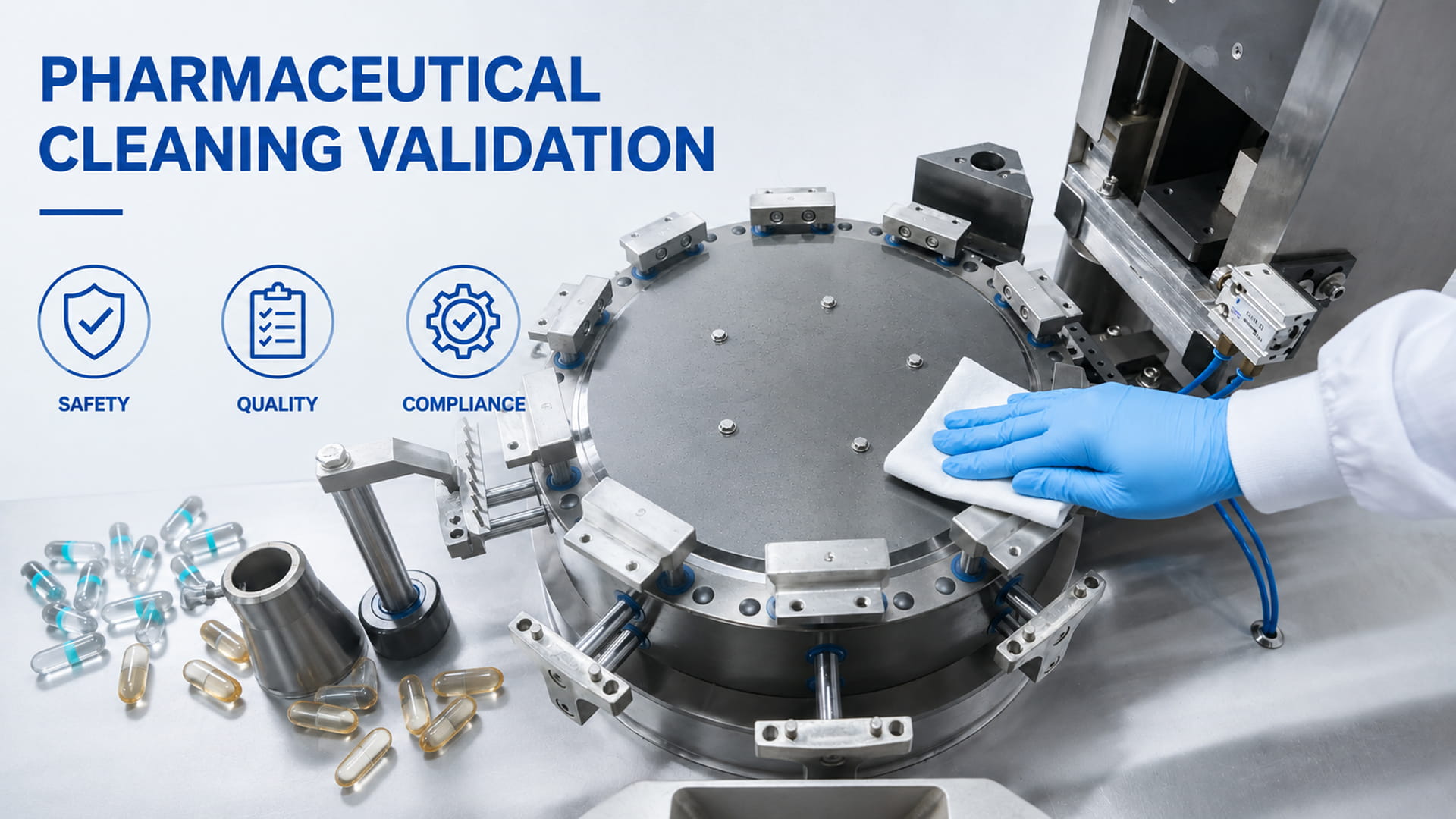
Με απλά λόγια, επικύρωση καθαρισμού παρέχει αντικειμενικές αποδείξεις ότι μια διαδικασία καθαρισμού πληροί με συνέπεια προκαθορισμένα πρότυπα. Όπως το θέτει μια πηγή του κλάδου, η επικύρωση καθαρισμού είναι α “Τεκμηριωμένη εγγύηση” ότι ο καθαρισμός μπορεί να πραγματοποιηθεί αξιόπιστα και επανειλημμένα για να επιτευχθεί ένα προκαθορισμένο επίπεδο καθαριότητας. Στην πράξη, αυτό σημαίνει να δείχνει ότι τα υπολείμματα προηγούμενων προϊόντων, καθαριστικά, και τα μικρόβια απομακρύνονται σε αποδεκτά επίπεδα σε όλες τις επιφάνειες που έρχονται σε επαφή με το προϊόν.
Οι ρυθμιστικές αρχές συμφωνούν. Για παράδειγμα, του FDA 21 CFR 211.67(ένα) απαιτεί κάθε εξοπλισμό (αποκλειστική ή πολλαπλής χρήσης) να είναι «Καθαρίστηκε… για να αποφευχθεί… μόλυνση που θα άλλαζε την ασφάλεια, ταυτότητα, δύναμη, ποιότητα, ή καθαρότητα του φαρμακευτικού προϊόντος». Ο ΠΟΥ εξηγεί ομοίως ότι ο στόχος της επικύρωσης καθαρισμού είναι να αποδειχθεί ότι ο εξοπλισμός καθαρίζεται με συνέπεια από το προϊόν, απορρυπαντικό, και μικροβιακά υπολείμματα σε αποδεκτό επίπεδο για την πρόληψη μόλυνσης και διασταυρούμενης μόλυνσης. Με άλλα λόγια, η επικύρωση καθαρισμού αφορά την ασφάλεια των ασθενών: διασφαλίζοντας ότι μια παρτίδα προϊόντος δεν μπορεί να «μεταφερθεί» και να μολύνει την επόμενη.
Ένα ενδελεχές πρόγραμμα επικύρωσης καθαρισμού δίνει στους κατασκευαστές εμπιστοσύνη (και τη διασφάλιση των ρυθμιστικών αρχών) ότι διασταυρούμενη μόλυνση ελέγχεται. Χωρίς αυτό, υπολείμματα ενός ισχυρού API ή αλλεργιογόνο από μια παρτίδα θα μπορούσε να καταλήξει στο επόμενο προϊόν, που ενδέχεται να βλάψει τους ασθενείς ή να προκαλέσει α ανάκληση. Ο FDA αναφέρει ρητά ότι οι εταιρείες «πρέπει να επικυρώσει ότι οι διαδικασίες καθαρισμού είναι επαρκείς για να διασφαλιστεί ότι δεν θα συμβεί διασταυρούμενη μόλυνση». Αυτό είναι ιδιαίτερα κρίσιμο σε εγκαταστάσεις πολλαπλών προϊόντων (κοινή σε CDMO και κατασκευαστές συμπληρωμάτων). Οι οδηγίες του ΠΟΥ τονίζουν ότι η επικύρωση καθαρισμού είναι ιδιαίτερα σημαντική σε φυτά πολλαπλών προϊόντων, και θα πρέπει να εφαρμόζεται σε όλο τον εξοπλισμό παραγωγής και τις διαδικασίες υγιεινής.
Πέρα από τη μόλυνση, η επικύρωση καθαρισμού αφορά τη διασφάλιση ποιότητα του προϊόντος. Εάν ο εξοπλισμός δεν έχει καθαριστεί σωστά, υπολειμματικά χημικά ή μικροβιακή ανάπτυξη θα μπορούσαν να θέσουν σε κίνδυνο την ταυτότητα, δύναμη, και αγνότητα των επόμενων παρτίδων. Εν συντομία, Η επικύρωση καθαρισμού προστατεύει την ποιότητα του προϊόντος και την υγεία των ασθενών. Είναι επίσης μια κανονιστική υποχρέωση. Είτε είστε υπό τη δικαιοδοσία του FDA (21 Μέρος CFR 211) ή GMP της ΕΕ (EMA/I), Οι αρχές απαιτούν τεκμηριωμένη επικύρωση καθαρισμού ως μέρος ενός πλήρους προγράμματος GMP. Η αποτυχία επικύρωσης του καθαρισμού μπορεί να οδηγήσει σε προειδοποιητικά γράμματα, κρατάει το προϊόν, και μάλιστα ανακαλεί.
Κανονιστικές απαιτήσεις: FDA, EMA, ΠΟΥ, PIC/S. Όλες οι κύριες οδηγίες απαιτούν επικύρωση καθαρισμού, αλλά με ελαφρώς διαφορετική έμφαση. Στο ΜΑΣ, CGMP του FDA (Τίτλος 21 CFR 211.67) θέτει τη βασική απαίτηση: Ο εξοπλισμός πρέπει να καθαρίζεται για να αποφευχθεί η διασταυρούμενη μόλυνση. Οι οδηγίες του FDA συνιστούν τη χρήση αποτελεσματικών μεθόδων δειγματοληψίας και ανάλυσης για την απόδειξη της καθαριότητας. Ιδιαίτερα, το διευκρινίζει ο FDA “Ξέβγαλμα μόνο… δεν θα ήταν αποδεκτό” για επικύρωση; Οι επιχειρήσεις θα πρέπει να καθαρίζουν απευθείας τις επιφάνειες όταν είναι εφικτό. Στην πράξη αυτό σημαίνει ότι συνήθως συνδυάζετε δειγματοληψία μπατονέτας και ξεβγάλματος για να καλύψετε όλες τις περιοχές.
Στο ΕΕ, του EMA Παράρτημα GMP της ΕΕ 15 (2015) και η καθοδήγηση EMA απαιτούν επικύρωση καθαρισμού ως μέρος της επικύρωσης της διαδικασίας. Παράρτημα 15 αναφέρει ρητά "Η επικύρωση καθαρισμού θα πρέπει να πραγματοποιείται προκειμένου να επιβεβαιωθεί η αποτελεσματικότητα οποιασδήποτε διαδικασίας καθαρισμού για όλο τον εξοπλισμό που έρχεται σε επαφή με το προϊόν.". Λέει επίσης ότι τα όρια μεταφοράς πρέπει να αιτιολογούνται από τοξικολογικά στοιχεία (με βάση την υγεία) εκτίμηση. Με άλλα λόγια, καθορίστε τα κριτήρια αποδοχής σας επιστημονικά (δείτε παρακάτω) και τεκμηριώστε το σκεπτικό. Η προσέγγιση της ΕΕ τονίζει α με βάση τον κίνδυνο, με βάση την υγεία στρατηγική: υπολογίστε τη Μέγιστη Επιτρεπόμενη Μεταφορά (χαριτωμένος) ή Επιτρεπόμενη Ημερήσια Έκθεση (ΠΔΕ) τιμές για ενεργά υπολείμματα.
ΠΟΥ και PIC/S προσφέρουν επίσης καθοδήγηση. Ο ΠΟΙΟΣ GMP TRS 1019 (2019) Παράρτημα σχετικά με την επικύρωση ορίζει αυτή την επικύρωση καθαρισμού «παρέχει τεκμηριωμένα στοιχεία ότι μια εγκεκριμένη διαδικασία καθαρισμού θα παρέχει καθαρό εξοπλισμό, κατάλληλο για την προβλεπόμενη χρήση του». Αυτό το έγγραφο του ΠΟΥ (κοινή αναφορά παγκοσμίως) υπογραμμίζει ότι δεν απαιτείται επικύρωση καθαρισμού για ασήμαντο καθαρισμό (ορόφους, τοίχους) αλλά είναι που απαιτείται για κρίσιμο εξοπλισμό επαφής προϊόντος σε εγκαταστάσεις πολλαπλών προϊόντων. Η επιτροπή PIC/S (μια κοινοπραξία ρυθμιστικών αρχών) Ομοίως ορίζει την επικύρωση καθαρισμού ως απόδειξη ότι τα υπολείμματα θα αφαιρεθούν «κάτω από το επιστημονικά καθορισμένο μέγιστο επιτρεπόμενο επίπεδο μεταφοράς».
Μαζί, αυτές οι πηγές καθορίζουν την ουσιαστικά στοιχεία: ορίζει αποδεκτά όρια υπολειμμάτων, αναπτύξτε στιβαρές διαδικασίες καθαρισμού, δείγμα χρησιμοποιώντας επικυρωμένες μεθόδους, αναλύονται με κατάλληλες αναλύσεις, και να δείξετε ότι κάθε κομμάτι του εξοπλισμού μπορεί να καθαρίζεται με συνέπεια σε αυτά τα όρια.
Η επικύρωση καθαρισμού είναι ουσιαστικά ένα έργο. Εδώ είναι ένα βήμα προς βήμα περίγραμμα της τυπικής διαδικασίας:
Η καθοδήγηση του FDA είναι σαφής “Το ξέβγαλμα από μόνο του δεν θα ήταν αποδεκτό” ως η μόνη μέθοδος επαλήθευσης. Στην πράξη, χρησιμοποιείται ένας συνδυασμός δειγμάτων επιχρίσματος και έκπλυσης. Επιλέξτε αντιπροσωπευτικές τοποθεσίες δειγματοληψίας σε κάθε εξοπλισμό (συνήθως τα πιο δύσκολα στον καθαρισμό σημεία). Πριν από τη δοκιμή, επικυρώστε ότι οι μέθοδοι δειγματοληψίας σας ανακτούν αρκετά από τα υπολείμματα-στόχους (γνωστές ως μελέτες αποκατάστασης).
Η επικύρωση καθαρισμού συχνά αντιμετωπίζει εμπόδια. Οι βασικές προκλήσεις περιλαμβάνουν:
Ολικός, η καλύτερη άμυνα είναι α προσέγγιση με βάση τον κίνδυνο (όπως ενθαρρύνεται από το ICH Q9 και την καθοδήγηση του κλάδου). Εστιάστε τις προσπάθειες επικύρωσης σε τομείς/προϊόντα υψηλού κινδύνου (ισχυρά API, κοινόχρηστο εξοπλισμό) και τεκμηριώστε αυτή την εστίαση.
Ένας τεράστιος παράγοντας επιτυχούς επικύρωσης καθαρισμού είναι σχεδιασμός εξοπλισμού. Ο FDA απαιτεί ρητά να σχεδιάζεται εξοπλισμός για να διευκολύνει τον καθαρισμό. Στην πράξη, αναζητώ:
Καθορίζοντας αυτά τα χαρακτηριστικά σχεδιασμού, μειώνετε δραστικά τον χρόνο καθαρισμού και την προσπάθεια επικύρωσης. Για παράδειγμα, Μηχανές πλήρωσης καψουλών Jinlu είναι κατασκευασμένα με εύκολα αποσπώμενες χοάνες, ανοξείδωτες χούφτες, και κλειστά προστατευτικά σκόνης – όλα για να ελαχιστοποιηθεί η συσσώρευση υπολειμμάτων. Ομοίως, φουσκάλα και μηχανές συσκευασίας σακουλών με πάνελ πρόσβασης χωρίς εργαλεία, βοηθούν τους χειριστές να φτάνουν σε όλες τις επιφάνειες για καθαρισμό. Η επιλογή του σωστού εξοπλισμού εκ των προτέρων είναι η μισή μάχη στην επικύρωση καθαρισμού.
Τα πληρωτικά καψουλών αξίζουν ιδιαίτερης αναφοράς. Αυτά τα μηχανήματα χειρίζονται σκόνες και κάψουλες, οπότε ο επιμελής καθαρισμός είναι απαραίτητος. Τα βασικά σημεία για τον καθαρισμό μιας γραμμής πλήρωσης κάψουλας περιλαμβάνουν:
Οι μηχανές κάψουλας στην υπηρεσία GMP εκτελούνται συχνά σε σκληρά περιβάλλοντα (σκονισμένη σκόνη). Τα γεμιστικά κάψουλας της Jinlu το αντιμετωπίζουν χρησιμοποιώντας αντιστατικές επιστρώσεις και κλειστές χοάνες για να περιορίσουν τη διαφυγή της σκόνης, καθιστώντας τον καθαρισμό ασφαλέστερο και την επικύρωση ευκολότερη.
Για να τα δέσει όλα μαζί, εδώ είναι μερικές γενικές βέλτιστες πρακτικές:
Εικών: Ένα καθαρό περιβάλλον εργαστηρίου ανάλυσης (συσκευασία blister ή εργαστήριο QA). Η καλή επικύρωση καθαρισμού απαιτεί τόσο κατάλληλες διαδικασίες καθαρισμού όσο και ακριβείς δοκιμές (π.χ.. HPLC, TOC) για να επιβεβαιώσετε ότι δεν υπάρχουν υπολείμματα. Λίστα ελέγχου επικύρωσης καθαρισμού: Ένας γρήγορος συνοπτικός πίνακας βασικών στοιχείων.
| Είδος | Απαίτηση |
| Προσδιορίστηκε εξοπλισμός | Καταχωρίστε όλα τα μηχανήματα επικοινωνίας με το προϊόν |
| Διαδικασία καθαρισμού | Γραπτός, εγκρίθηκε, και ακολούθησε (ΔΟΛΩΜΑ) |
| Σχέδιο δειγματοληψίας | Μέθοδοι (μπατονέτα/ξέπλυμα), τοποθεσίες, συχνότητα |
| Κριτήρια αποδοχής | Καθορισμένο (Όρια MACO/PDE) |
| Αναλυτικές μέθοδοι | Επικυρωμένες δοκιμές (HPLC, TOC, και τα λοιπά.) |
| Έκθεση επικύρωσης | Ολοκληρώθηκε το πρωτόκολλο, αποτελέσματα εγκεκριμένα από QA |
Η σωστή επικύρωση καθαρισμού είναι απαραίτητη για τη φαρμακευτική παραγωγή GMP. Προστατεύει την ποιότητα του προϊόντος και την ασφάλεια των ασθενών αποτρέποντας τη διασταυρούμενη μόλυνση. Ο καλά σχεδιασμένος εξοπλισμός μειώνει σημαντικά τους πονοκεφάλους επικύρωσης: λεία μέρη επαφής από ανοξείδωτο χάλυβα, ελάχιστες νεκρές ζώνες, και γρήγορη αποσυναρμολόγηση σημαίνει ότι ο καθαρισμός είναι ταχύτερος και πιο συνεπής. Και jeinlu picking, σχεδιάζουμε πληρωτικά καψουλών, blister packers, και συμπληρώνοντας τις γραμμές με αυτές τις αρχές κατά νου για να βοηθήσουμε τους κατασκευαστές να συμμορφωθούν με τα παγκόσμια πρότυπα GMP.
Συνοπτικά, επικύρωση φαρμακευτικού καθαρισμού πρόκειται για απόδειξη "καθαρός" με στοιχεία και τεκμηρίωση. Ακολουθώντας μια δομημένη διαδικασία – επιλέγοντας προϊόντα στη χειρότερη περίπτωση, θέτοντας όρια (όπως ο MACO), γράφοντας καθαρά SOP καθαρισμού, δειγματοληψία έξυπνα, και δοκιμή με HPLC/TOC – μπορείτε να αποδείξετε τη συμμόρφωση τόσο σε ρυθμιστικές αρχές όσο και σε ομάδες ποιότητας. Θυμάμαι: επενδύσει σε Εξοπλισμός φιλικός προς το GMP τώρα (ανοξείδωτος, εργονομικός σχεδιασμός) για εξοικονόμηση χρόνου επικύρωσης αργότερα. Αν ψάχνετε για μηχανές πλήρωσης ή συσκευασίας καψουλών που έχουν κατασκευαστεί για εύκολο καθάρισμα και συμμόρφωση, εξετάστε τη σύνθεση της Jinlu Packing μηχανές πλήρωσης καψουλών, blister packers, και φαρμακευτικές γραμμές πλήρωσης. Ο εξοπλισμός μας είναι σχεδιασμένος για γρήγορη εναλλαγή και σχολαστικό καθαρισμό, συμβάλλοντας στη διασφάλιση της ομαλής επικύρωσής σας.
Έτοιμος να βελτιστοποιήσει την επικύρωση καθαρισμού? Επικοινωνήστε με την Jinlu Packing για να μάθετε πώς τα μηχανήματα πλήρωσης και συσκευασίας καψουλών που είναι συμβατά με GMP μπορούν να καλύψουν τις φαρμακευτικές σας ανάγκες παρασκευής.
Η επικύρωση καθαρισμού είναι μια τεκμηριωμένη διαδικασία που χρησιμοποιείται για να αποδειχθεί ότι οι διαδικασίες καθαρισμού φαρμακευτικού εξοπλισμού μπορούν να αφαιρέσουν με συνέπεια τα υπολείμματα προϊόντος, ενεργά φαρμακευτικά συστατικά (API), καθαριστικά, και πιθανούς ρύπους σε αποδεκτό επίπεδο.
Στη φαρμακευτική παραγωγή, η επικύρωση καθαρισμού παρέχει στοιχεία ότι ο εξοπλισμός είναι κατάλληλος για την παραγωγή της επόμενης παρτίδας χωρίς να προκαλεί διασταυρούμενη μόλυνση ή να επηρεάζει την ποιότητα του προϊόντος.
Η επικύρωση καθαρισμού είναι σημαντική επειδή ο φαρμακευτικός εξοπλισμός χρησιμοποιείται συχνά για την κατασκευή διαφορετικών προϊόντων ή παρτίδων. Χωρίς αποτελεσματική επικύρωση, Τα υπολείμματα που απομένουν μπορεί να μολύνουν το επόμενο προϊόν και να επηρεάσουν την ασφάλειά του, ταυτότητα, δύναμη, ή αγνότητα.
Μια σωστά εκτελούμενη διαδικασία επικύρωσης καθαρισμού βοηθά τους κατασκευαστές:
• Αποτρέψτε τη διασταυρούμενη μόλυνση
• Να πληρούν τις απαιτήσεις συμμόρφωσης με GMP
• Βελτίωση της ασφάλειας παραγωγής
• Μειώστε τους κινδύνους ποιότητας κατά την αλλαγή προϊόντων
Η διαδικασία επικύρωσης καθαρισμού συνήθως περιλαμβάνει αξιολόγηση εξοπλισμού, ανάπτυξη διαδικασίας καθαρισμού, τον καθορισμό κριτηρίων αποδοχής, δειγματοληψία, αναλυτική δοκιμή, και τεκμηρίωση επικύρωσης.
Τα κριτήρια αποδοχής επικύρωσης καθαρισμού καθορίζουν τα μέγιστα επιτρεπόμενα επίπεδα υπολειμμάτων μετά τον καθαρισμό, συμπεριλαμβανομένων των υπολειμμάτων API, καθαριστικά, και πιθανούς ρύπους.
Ο περισσότερος εξοπλισμός φαρμακευτικής παραγωγής που έρχεται σε επαφή με προϊόντα απαιτεί επικύρωση καθαρισμού, συμπεριλαμβανομένων των μηχανών πλήρωσης καψουλών, πρέσες δισκίων, μίξερ, και εξοπλισμός χειρισμού σκόνης.
Οι δύο συνήθεις μέθοδοι δειγματοληψίας είναι η δειγματοληψία επιχρίσματος και η δειγματοληψία έκπλυσης. Οι κατασκευαστές συχνά επιλέγουν μεθόδους που βασίζονται στο σχεδιασμό του εξοπλισμού, προσιτότητα, και χαρακτηριστικά υπολειμμάτων.
Ο σχεδιασμός του εξοπλισμού επηρεάζει άμεσα την αποτελεσματικότητα καθαρισμού. Μηχανήματα με λείες επιφάνειες, λιγότερες νεκρές περιοχές, και τα εξαρτήματα που αφαιρούνται εύκολα καθαρίζονται και επικυρώνονται ευκολότερα.
Η συχνότητα επικύρωσης καθαρισμού εξαρτάται από τη χρήση του εξοπλισμού, αλλαγές προϊόντων, κινδύνους διαδικασίας, και κανονιστικές απαιτήσεις. Μπορεί να χρειαστεί επανεπικύρωση μετά από σημαντικές αλλαγές στον εξοπλισμό ή τις διαδικασίες καθαρισμού.
Η επαλήθευση καθαρισμού επιβεβαιώνει ότι μια συγκεκριμένη λειτουργία καθαρισμού πληροί τις απαιτήσεις, ενώ η επικύρωση καθαρισμού αποδεικνύει ότι η διαδικασία καθαρισμού είναι αξιόπιστη και επαναλαμβανόμενη με την πάροδο του χρόνου.
Οι κατασκευαστές εξοπλισμού μπορούν να υποστηρίξουν την επικύρωση καθαρισμού παρέχοντας σχέδια μηχανημάτων φιλικά προς το GMP, εύκολες στον καθαρισμό κατασκευές, προδιαγραφές υλικού, και τεκμηρίωση που απαιτείται για την πιστοποίηση και την επικύρωση.
Αναφορές:
1.Επικύρωση Διαδικασιών Καθαρισμού —— ΜΑΣ. Υπηρεσία Τροφίμων και Φαρμάκων
2.Ερωτήσεις και απαντήσεις σχετικά με τις τρέχουσες απαιτήσεις ορθής παρασκευαστικής πρακτικής | Εξοπλισμός —— ΜΑΣ. Υπηρεσία Τροφίμων και Φαρμάκων
3.Οδηγός: Κύκλος ζωής επικύρωσης καθαρισμού – Εφαρμογές, Μέθοδοι, & Έλεγχοι —— ISPE
4.Οδηγός επικύρωσης καθαρισμού (GUI-0028) —— Υγεία Καναδά
5.EudraLex – Τόμος 4 – Καλή πρακτική παραγωγής (GMP) κατευθυντήριες γραμμές —— Ευρωπαϊκή Επιτροπή
6.Επικύρωση καθαρισμού: Πλήρης Οδηγός για την Υγεία – Βασισμένη προσέγγιση στο Chemical Cross – Εκτίμηση κινδύνου μόλυνσης —— PDA JPST