Leitfaden für Verschließmaschinen – Typen, Arbeitsprinzipien & Kauftipps
Leitfaden für Verschließmaschinen – Typen, Arbeitsprinzipien & Kauftipps
Mai 22, 2026
Keine Kommentare
In moderner Verpackung, Verschließmaschinen ist der unbesungene Held, der Produkte sicher und lagerbereit hält. Ob es sich um eine Flasche Medizin handelt, ein alkoholfreies Getränk, oder ein Glas Soße, Die Kappe ist oft die „letzte Verteidigungslinie“ für die Produktqualität. Ein sicherer Verschluss schützt den Inhalt vor Feuchtigkeit, Luft, und Verunreinigungen, Verlängerung der Haltbarkeit und Wahrung des Markenrufs. Wie ein Experte feststellt, Eine gut ausgeführte Kappe „macht Ihr Produkt verkaufsfertig.“, schützt die Produktintegrität, verlängert die Haltbarkeit“. Einfach gesagt, Das richtige Verschlusssystem stellt sicher, dass jeder Behälter genau so verschlossen ist, wie er sein sollte, Den Produktionsfluss und die Sicherheit der Kunden gewährleisten.
Eine effiziente Verschließmaschine automatisiert oder halbautomatisiert den Prozess des Anbringens und Festziehens von Verschlüssen auf Behältern. Das steigert die Produktivität, reduziert die Arbeitskosten, und reduziert Fehler im Vergleich zu manuell angezogenen Kappen. In Verpackungslinien werden Lebensmittel verarbeitet & Getränk, pharmazeutisch, Kosmetik, Chemie- und Körperpflegeindustrie, Verschließmaschinen sorgen dafür konsistent, auslaufsichere Verschlüsse und tragen dazu bei, strenge Qualitätsvorschriften einzuhalten.
Verschließmaschinen verarbeiten viele Flaschentypen – Kunststoff, Glas, Metall, und mehr. Moderne Verschließer können Verschlüsse automatisch sortieren und zuführen und sich an unterschiedliche Flaschenformen anpassen. Wie ein Hersteller erklärt, Ein guter automatischer Verschließer „passt sich an verschiedene Flaschen- und Verschlusstypen an“ und weist sogar falsch ausgerichtete Verschlüsse zurück, um sicherzustellen, dass jede Flasche perfekt verschlossen ist. In einfachen Worten, Die richtige Verschließmaschine beschleunigt Ihre Linie und Garantien eine enge, konsistente Versiegelung auf jeder Flasche, jedes Mal. In diesem Ratgeber, Wir erklären Ihnen, wie diese Maschinen funktionieren, die wichtigsten Arten von Verschließern, wie man das Richtige auswählt, und Best Practices für Wartung und Betrieb.
Was sind Verschließmaschinen??
Verschließmaschinen (auch Flaschenverschließer oder Verschließmaschinen genannt) bezieht sich auf Geräte, die Platziert und sichert Deckel auf Behältern. Es kann vollständig manuell erfolgen, halbautomatisch oder vollautomatisch. Im einfachsten Fall, Bei einer manuellen Verschließmaschine handelt es sich möglicherweise nur um ein Tischgerät oder ein Handgerät für den Einsatz in kleinen Mengen. Bei halbautomatischen Verschließern muss ein Bediener Flaschen oder Verschlüsse positionieren, die Drehmomentwirkung erfolgt jedoch mechanisch. Eine vollautomatische Verschließmaschine erledigt alles in Linie: Es nimmt Flaschen von einem Förderband auf, nimmt Kappen auf und führt sie zu, strafft sie, und weist sogar schlechte Flaschen aus – und das alles mit minimalem menschlichen Eingriff.
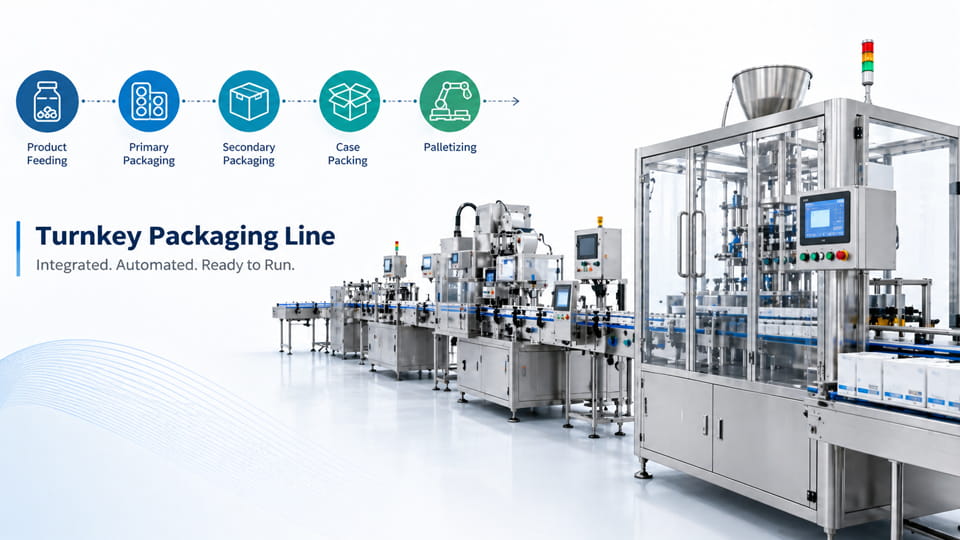
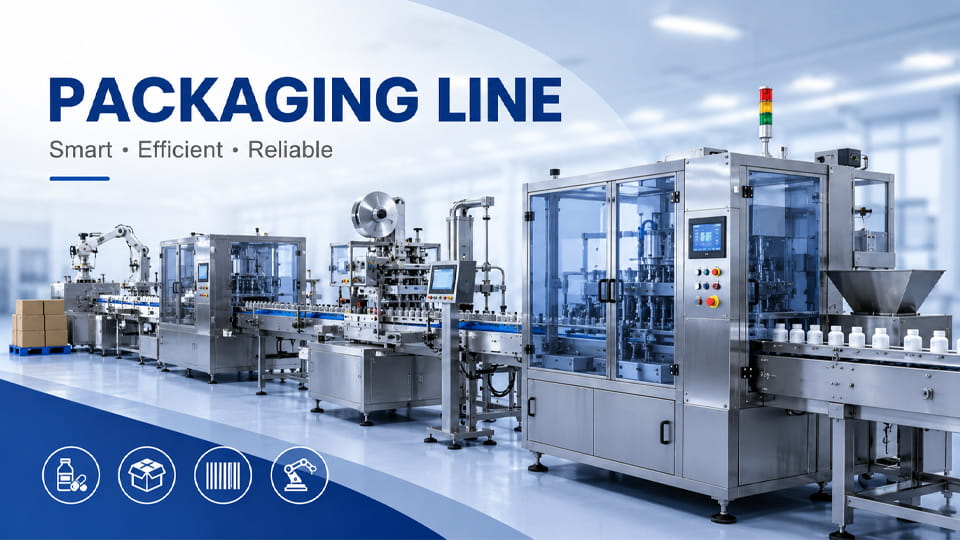
Die Hauptaufgabe aller Verschließmaschinen besteht darin, Behälter sicher zu verschließen, um das darin enthaltene Produkt zu schützen. Welche Maschine Sie auswählen, hängt von Ihrer Produktionslinie ab: Ein kleines Start-up könnte einen billigen handbetriebenen Verschließer verwenden, während eine große Fabrik in einen automatischen Rotationsverschließer investiert, der Hunderte von Flaschen pro Minute produziert. Moderne automatische Verschließer verfügen häufig über Funktionen wie Kappensortierung & Füttern, präzise Drehmomentregelung, und Online-Qualitätskontrollen. Diese fortschrittlichen Systeme sind für gute Herstellungspraktiken konzipiert (CGMP), oft mit rostfreier Konstruktion aus hygienischen Gründen, und sie können nahtlos in komplette Abfüll- und Verpackungslinien integriert werden.
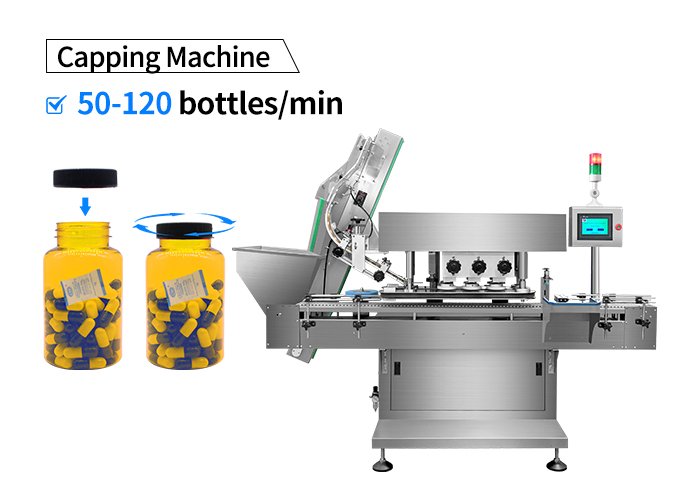
Automatische Verschließmaschine
Wie funktioniert eine Verschließmaschine??
Die meisten Verschließmaschinen folgen einer festgelegten Abfolge von Schritten, um jeden Behälter zuverlässig zu verschließen. Hier ist eine vereinfachte Darstellung fünfstufiger Prozess vielen Systemen gemeinsam:
Füttere die Flaschen – Leere Behälter werden über ein Förderband angeliefert, Steuerschraube oder Sternrad in die Verschließstation einführen. Sie müssen richtig ausgerichtet sein, damit sie nicht kollidieren oder verklemmen. Sensoren und Führungen halten die Flaschen beim Verschließen im richtigen Abstand und in der richtigen Ausrichtung.
Sortieren und liefern Sie die Kappen – Mützen (Schraubverschlüsse, Deckel, usw.) werden in eine geladen Kappensortierer/-zuführer System. Der Sortierer richtet jeden Verschluss in der richtigen Position aus und befördert ihn zur Verschließstation. Ein gut genährter Capper wird ein glattes haben, Kontinuierliche Zufuhr von Verschlüssen, sodass jede Flasche sofort einen Verschluss in der richtigen Ausrichtung erhält, verhindert Staus oder Fehlanpassungen.
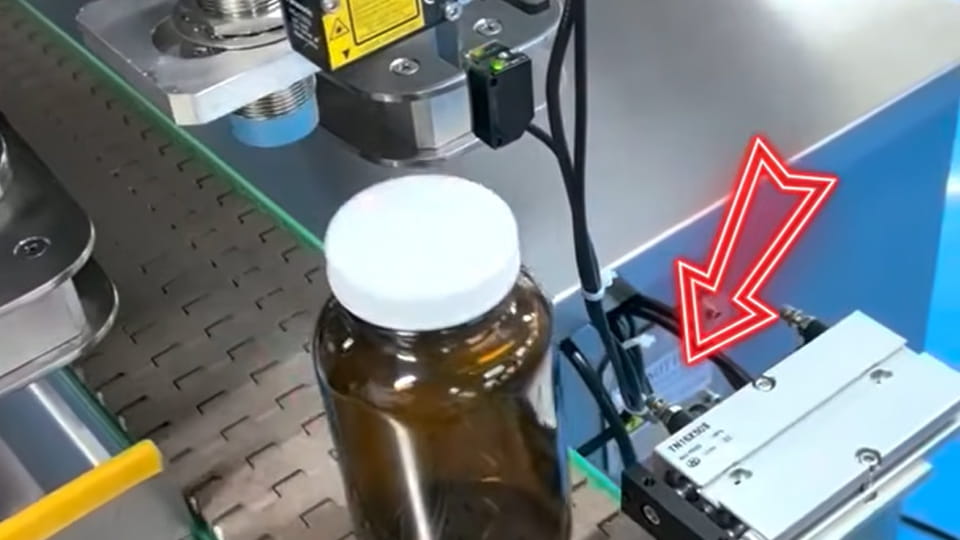
Setzen Sie die Kappe auf – Sobald Flasche und Verschluss ausgerichtet sind, ein mechanischer Kopf (oft mit einem Roboterarm, Pick-and-Place-Nadel, oder Schwerkraftzufuhr) Positioniert den Verschluss auf der Flaschenmündung. Genauigkeit ist hier der Schlüssel: wenn die Kappe auch nur leicht schief oder außermittig ist, Dies kann im nächsten Schritt zu einer schlechten Abdichtung oder zu einem Verkanten des Gewindes führen. Hochwertige Verschließer verwenden häufig Sensoren oder Bildkameras, um sicherzustellen, dass die Kappe richtig auf dem Hals sitzt.
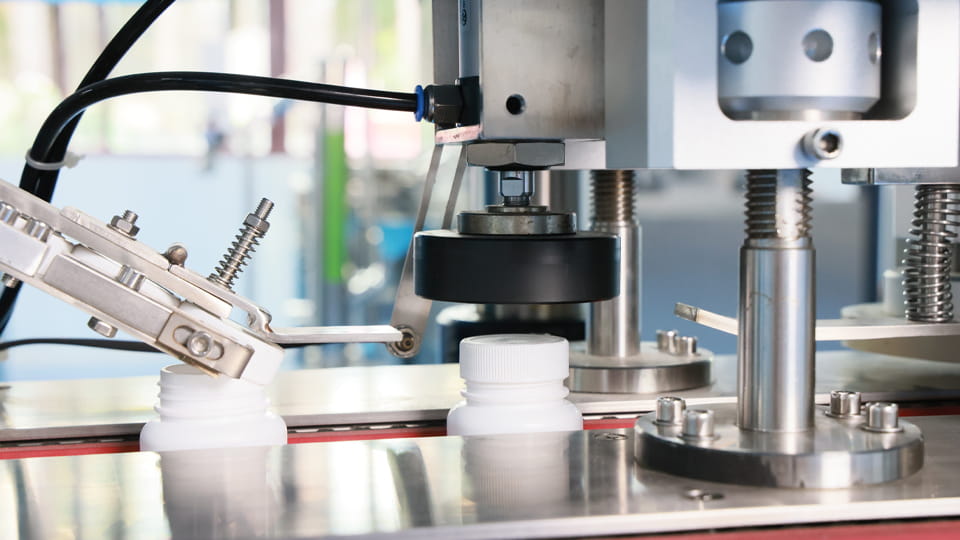
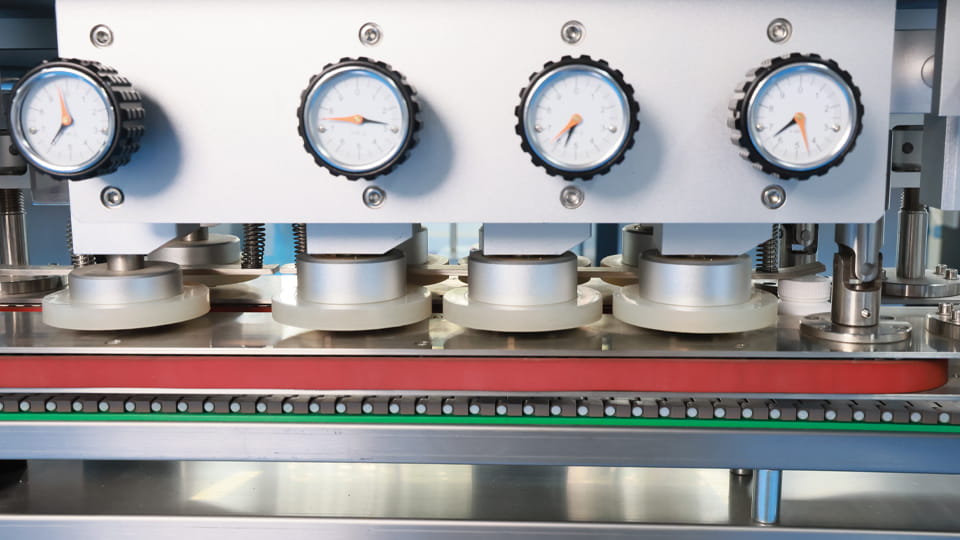
Gemäß Spezifikation festziehen – Das ist das Herzstück der Operation. Die Maschine wendet a an kontrolliertes Drehmoment um die Kappe genau auf die eingestellte Spezifikation festzuziehen. Je nach Ausführung, Ein Verschließer kann eine Spinnspindel verwenden, Futter, oder Press-Fit-System zum Drehen oder Aufdrücken der Kappe. Das Drehmoment ist so kalibriert, dass jede Kappe nicht zu locker sitzt (was auslaufen könnte) noch zu eng (Dadurch könnte die Flasche platzen oder das Öffnen erschweren). Einige Maschinen messen sogar das tatsächliche Drehmoment an jeder Kappe, um die Konsistenz zu gewährleisten.
Mängel prüfen und aussortieren – Nach dem Verschließen, Viele Maschinen verfügen über einen abschließenden Inspektionsschritt. Vision-Sensoren oder Drehmomentsensoren prüfen, ob die Kappe vorhanden ist, gerade, und zwar mit der richtigen Dichtheit. Wenn eine Flasche ausfällt (fehlende Kappe, schiefe Kappe, Streifen, usw.), es wird automatisch aus der Leitung ausgeworfen bzw. umgeleitet. Dadurch wird verhindert, dass schlechte Flaschen weitergegeben werden, und die Produktqualität bleibt erhalten.
Jeder Schritt ist auf Geschwindigkeit und Präzision abgestimmt. Zum Beispiel, Steuerschrauben und Führer (Schritt 1) Halten Sie die Flaschen gleichmäßig verteilt; eine glatte Kappenaufzug (Schritt 2) vermeidet Unterbrechungen bei der Fütterung; und der Drehmomentkopf (Schritt 4) ist oft ein Servo oder eine Kupplung, die bei jedem Zyklus genau die gleiche Kraft ausübt. Indem Sie diese Schritte genau befolgen, Mit einem Verschließsystem kann ein sehr hoher Durchsatz bei gleichzeitig sehr hoher Qualität erreicht werden.
Haupttypen von Verschließmaschinen
Verschließmaschinen werden oft nach der Kategorie kategorisiert Kappenstil und Dichtungsmethode sie nutzen. Hier sind die häufigsten Typen:
Schraubverschlussmaschinen: Der Schraubenschlappmaschine ist das Arbeitstier für Gewindekappen (wie typische Schraubverschlüsse aus Kunststoff oder Metall). Diese Maschinen verwenden entweder Spinnräder (Spindeln) oder ein vertikaler Spannkopf zum Greifen und Aufdrehen eines Schraubdeckels auf den Behälter. Spindelverschließer (mit rotierenden Scheiben) sind für ihre sehr hohe Geschwindigkeit und den einfachen Wechsel zwischen den Verschlussgrößen bekannt. Chuck-Verschließer verwenden einen absenkbaren Kopf, der auf die Kappe drückt und sie dann dreht; Sie bieten eine hervorragende Drehmomentkontrolle, Dadurch sind sie ideal für empfindliche oder präzise angezogene Verschlüsse.
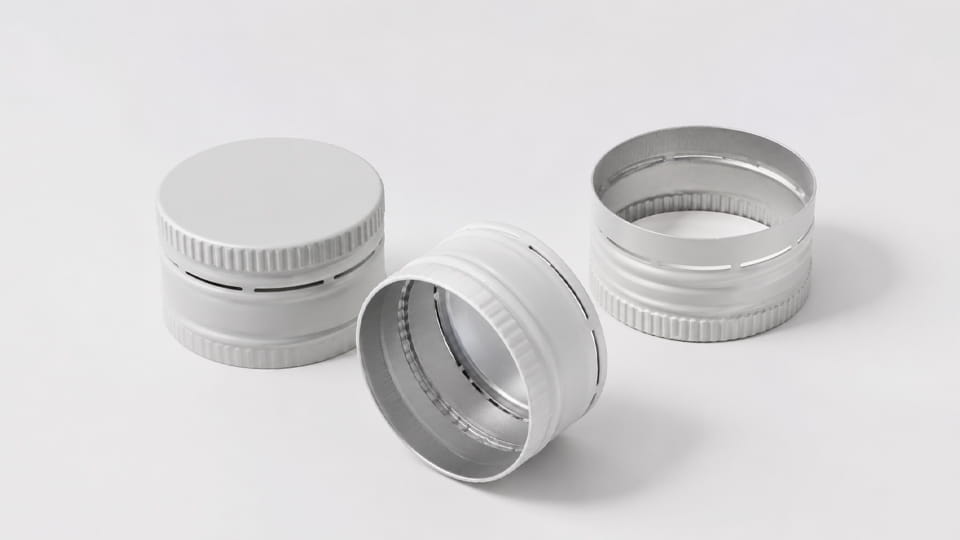
ROPP-Verschließmaschinen: UNHÖFLICH steht für Roll-on-Diebstahlschutz. Diese Verschließer sind auf Aluminiumverschlüsse spezialisiert (häufig bei Getränken und einigen Arzneimitteln). Eine ROPP-Kappe beginnt als Aluminiumdeckel ohne Gewinde. Während des Verschließens, Die Rollen der Maschine drücken und „rollen“ Fäden in das Verschlussmaterial selbst, während es auf die Flasche aufgetragen wird. Das Ergebnis ist ein manipulationssicheres Siegel, das sehr sicher ist. ROPP-Verschließmaschinen werden üblicherweise für Wein verwendet, Spirituosen, Soßen, und Medikamente. Sie stellen sicher, dass die Kappe nicht entfernt werden kann, ohne dass das Siegel beschädigt wird, was für die Verbrauchersicherheit und die Markenintegrität von entscheidender Bedeutung ist.Zum Beispiel, Eine ROPP-Verschließlinie in einem Weingut führt automatisch einen Aluminiumfolienverschluss zu, Legen Sie es auf eine Weinflasche, und rollen Sie die Gewindegänge ab, um eine perfekte, diebstahlsichere Versiegelung zu schaffen.
Snap Capper: Schnapp- oder Aufsteckkappen (Denken Sie an Sportflaschendeckel oder Milchbehälter) erfordern Schnappverschließer. Diese Maschinen drücken den Deckel einfach direkt auf den Behälter, ohne ihn zu verdrehen. Dies geschieht entweder durch einen Satz Kolben oder eine obenliegende Platte, die die Kappe an ihren Platz drückt. Schnappverschlüsse werden für leichte Kunststoffflaschen in der Körperpflege verwendet, Molkerei, und Haushaltsprodukte. Weil es keine Threads gibt, Der Schlüssel besteht darin, gleichmäßigen Druck auf die Kappe auszuüben, um sie fest zu verriegeln. Schnappverschließer haben im Allgemeinen ein einfacheres Design, müssen jedoch für verschiedene Flaschenhöhen und Verschlussgrößen geeignet sein.
Verkorkungsmaschinen: Verkorkungsmaschinen sind spezielle Verschließer zum Einsetzen von Korken in Wein- oder Spirituosenflaschen. Sie füttern automatisch Naturkorken (oder synthetische Korken) Anschließend verwenden Sie entweder pneumatischen Druck oder einen Drehmechanismus, um den Korken in der richtigen Tiefe einzuführen. Diese Maschinen sorgen für einen festen Sitz und eine gleichbleibende Korkqualität, was für die Weinkonservierung wichtig ist. (Verkorkungsmaschinen unterscheiden sich ein wenig von Schraubverschließern und sind normalerweise Teil einer speziellen Weinabfülllinie.)
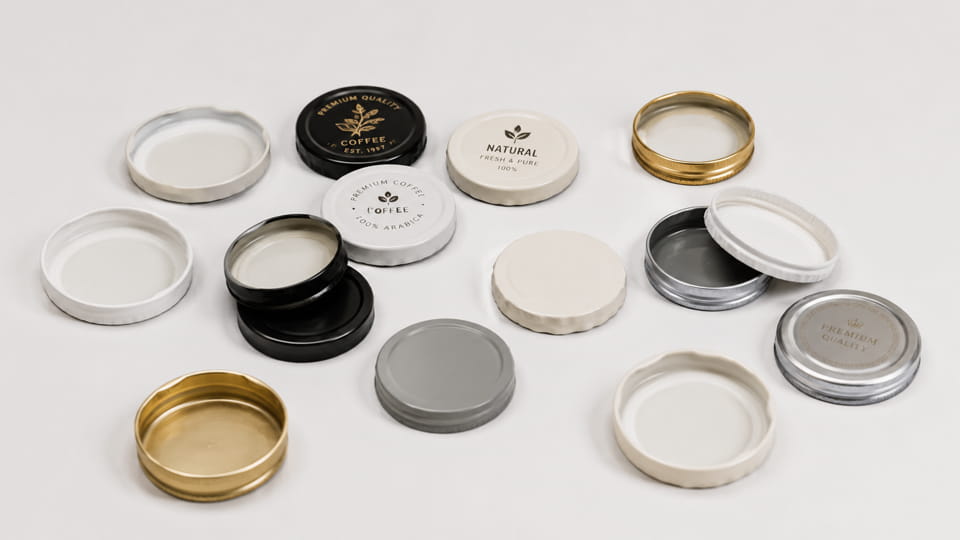
Schleppen & Vakuumverschließer: Für Weithalsgläser und Dosen (wie Soßengläser, Farbdosen, Lebensmittelbehälter), Maschinen zum Verschließen von Ösen (auch Vakuumverschließer genannt) werden verwendet. Diese Maschinen gelten Kappen im Laschenstil (die kleine Nasen/Zähne haben, die mit einer Vierteldrehung in das Gewinde eingreifen) und verfügen oft über eine Vakuumversiegelung. Ein Ösenverschließer setzt die Kappe auf und übt ein Drehmoment aus, bis das Vakuum seinen Höhepunkt erreicht, Gewährleistung einer hermetischen Abdichtung. Dies ist beispielsweise bei Produkten üblich, die eine modifizierte Atmosphäre oder ein „Frischesiegel“ erfordern, vakuumversiegelte Tomatensaucengläser. Maschinen zum Verschließen von Gläsern kombinieren ein hohes Drehmoment und manchmal Vakuum, um die Frische zu bewahren.
Inline vs. Rotationsverschließmaschinen
Verschließer unterscheiden sich auch in der Art und Weise, wie sie an der Linie aufgebaut sind. Inline-Verschließmaschinen haben typischerweise einen einzelnen Verschließkopf und sitzen direkt auf dem Förderband. Sie bieten eine hohe Präzision und werden häufig in pharmazeutischen Linien für den Dauerbetrieb eingesetzt. Ein Inline-Verschließer führt jeweils eine Flasche unter dem Verschließerkopf zu.
Im Gegensatz dazu, Rotationsverschließmaschinen Verwenden Sie mehrere Köpfe auf einem rotierenden Revolver. Flaschen werden in Taschen auf einem Drehteller eingeführt und gleichzeitig unter mehreren Verschließköpfen gedreht. Rotationsverschließer erzielen eine wesentlich höhere Leistung, Dadurch eignen sie sich für die Produktion mit sehr hoher Geschwindigkeit (Denken Sie an Wasser in Flaschen oder Massenverpackungen). Im Allgemeinen, Kleine oder Nischenlinien können Inline-Verschließer verwenden, während große Fabriken laufen 100+ Flaschen pro Minute werden oft mit Rotationssystemen geliefert.
Wichtige Faktoren, die bei der Auswahl einer Verschließmaschine zu berücksichtigen sind
Um die perfekte Verschließmaschine auszuwählen, müssen Ihre spezifischen Anforderungen berücksichtigt werden. Hier sind die kritische Faktoren, die es zu bewerten gilt:
Kompatibilität des Kappenstils: Erste, Identifizieren Sie Ihren Kappentyp(S). Verwenden Sie handelsübliche Schraubverschlüsse aus Kunststoff?, manipulationssichere, kindersichere Verschlüsse, Flip-Top-Kappen, ROPP-Aluminiumkappen, Schnappdeckel, oder etwas anderes? Jede Maschine ist für bestimmte Kappenarten ausgelegt. Zum Beispiel, Ein Schraubverschließer kommt mit einem Schnappverschluss nicht zurecht, und umgekehrt. Stellen Sie sicher, dass der Kopf und das Zuführsystem des Verschließers den Durchmesser und das Material Ihrer Verschlüsse verarbeiten können.
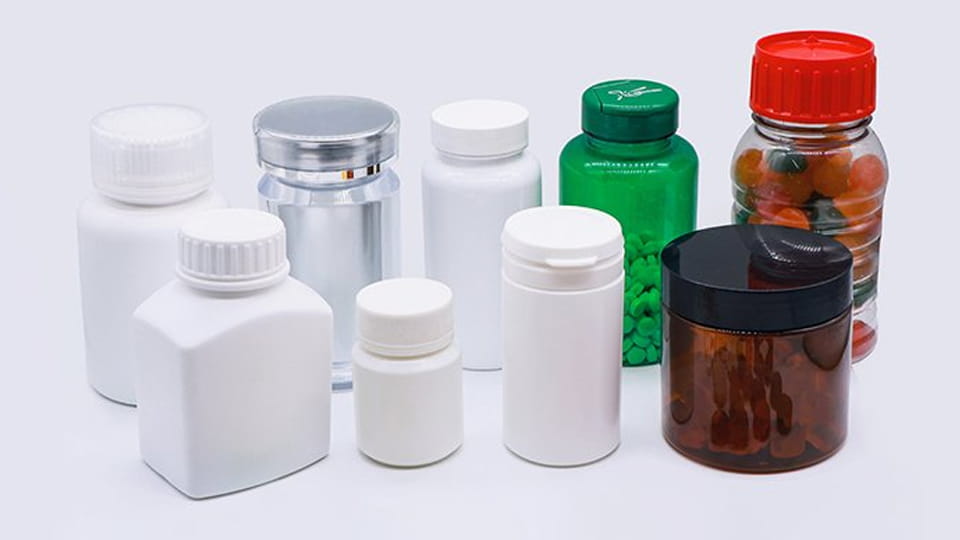
Containerspezifikationen: Beachten Sie die Formen und Größen Ihrer Behälter. Sind Ihre Flaschen groß und schmal?, oder kurz und breit? Sind sie aus Glas oder Kunststoff?? Überprüfen Sie den Leistungsbereich der Maschine: Einige Maschinen verarbeiten Flaschen nur bis zu einer bestimmten Höhe, Durchmesser, oder Halsabschluss. Wenn Sie Gläser oder Dosen haben, Möglicherweise benötigen Sie ein spezielles Verschlusssystem für Gläser. Überlegen Sie auch, ob Ihre Behälter eine gepolsterte Handhabung oder sanfte Führungen benötigen, wenn sie zerbrechlich sind.
Produktionsgeschwindigkeit (Kapazität): Wie viele Flaschen pro Minute (BPM) Muss man eine Kappe aufsetzen?? Wenn Ihr Ziel nur ein paar Dutzend pro Minute sind, Eine halbautomatische Maschine könnte ausreichen. Wenn Sie Hunderte pro Minute benötigen, Entscheiden Sie sich für einen automatischen Inline- oder Rotationsverschließer. Denken Sie daran, Wachstum zu planen: Wählen Sie eine Maschine, die mindestens Ihren aktuellen Bedarf bewältigen kann, oder etwas mehr, wenn Sie steigende Umsätze erwarten.
Automatisierungsgrad und Arbeitsaufwand: Bestimmen Sie, wie sehr Sie sich auf Handarbeit verlassen möchten. Vollautomatische Verschließer reduzieren Arbeitskosten und Fehler, verursachen jedoch höhere Vorlaufkosten. Halbautomaten nehmen einen Mittelweg ein, während manuelle Maschinen die Kosten niedrig halten, aber die Bediener binden. Denken Sie an Ihr Team: Halbautomatisch könnte es einem Arbeiter ermöglichen, eine Maschine mit zwei Köpfen zu verwalten, wohingegen die vollautomatische Funktion diese Person für andere Aufgaben frei machen könnte.
Drehmomentgenauigkeit & Qualitätskontrolle: Suchen Sie nach Maschinen, die ein konstantes Drehmoment liefern. In vielen Branchen (Pharma, Essen), Vorschriften verlangen, dass die Kappen weder zu eng noch zu locker sitzen. Einige Maschinen bieten eine Drehmomentüberwachung oder die Aussortierung von Flaschen, die nicht den Spezifikationen entsprechen, um die Qualität sicherzustellen. Zum Beispiel, Sicht- oder Drehmomentsensoren können eine verdrehte oder schlecht festgezogene Kappe vor dem Verpacken erkennen.
Integration mit Line: Passt der Verschließer in Ihre bestehende Produktionslinie?? Berücksichtigen Sie die Stellfläche der Maschine, Förderhöhe, und Schnittstelle zum Upstream (Füllung, entschlüsseln) und stromabwärts (Beschriftung, Kartonverpackung) Ausrüstung. Moderne Verschließer verfügen häufig über SPS und einfache HMIs für eine nahtlose Kommunikation. Durch die Sicherstellung der Kompatibilität werden Ausfallzeiten während der Installation minimiert.
Reinigung und Wartung: Vor allem im Essen, Pharma, und Kosmetika, Maschinensauberkeit ist wichtig. Suchen Sie nach Sanitärdesign: glatte Oberflächen, abtropfbare Pfannen, und leicht zugängliche Panels. Finden Sie heraus, ob Routineteile vorhanden sind (Gürtel, Siegel, Rollen) sind leicht zu reinigen oder auszutauschen. Berücksichtigen Sie auch etwaige spezifische Anforderungen (z.B. CIP – Clean-In-Place-Systeme für Hochgeschwindigkeitsstrecken).
Budget und Gesamtkosten: Achten Sie nicht nur auf den Aufkleberpreis. Bewerten Sie die Gesamtbetriebskosten: Energieverbrauch, Wartung, Ersatzteilverfügbarkeit, und erwartete Betriebszeit. Eine etwas teurere Maschine könnte sich durch eine höhere Zuverlässigkeit oder Effizienz auszahlen. Wie ein Branchenführer betont, Manuelle Maschinen sind günstig, aber die Investition in ein automatisches System „kann einen besseren ROI bieten, wenn Ihr Unternehmen wächst“.
Vorschriftenregulierung: Wenn Sie in einem regulierten Bereich tätig sind (Pharma, Essen, medizinisch, usw.), Stellen Sie sicher, dass die Maschine den relevanten Normen entspricht (CGMP, FDA, Ce, usw.). Funktionen wie Rückverfolgbarkeitsdruck, manipulationssichere Handhabung der Kappen, und möglicherweise sind Schmiermittel in pharmazeutischer Qualität erforderlich. Prüfen Sie, ob der Hersteller Validierungsdokumente oder Unterstützung bei Audits bereitstellt.
Indem Sie diese Faktoren sorgfältig auf Ihre Produkte und Ziele abstimmen, Sie vermeiden häufige Fallstricke (wie ein falsch dimensionierter Verschließer oder ein Flaschenhals) und stellen Sie sicher, dass Ihr Verschließvorgang reibungslos verläuft.
Häufige Probleme mit der Deckelung & Lösungen
Selbst die besten Verschließer können auf Probleme stoßen, wenn sie nicht richtig eingerichtet oder gewartet werden. Hier sind einige typische Probleme und wie man sie angeht:
Lockere oder undichte Kappen: Wenn sich die Kappen locker anfühlen, Die wahrscheinliche Ursache ist ein unzureichendes Drehmoment oder ein Verrutschen zwischen Kappe und Kopf. Lösung: Erhöhen Sie die Drehmomenteinstellung oder prüfen Sie, ob die Drehmomentkupplung kalibriert ist. Stellen Sie außerdem sicher, dass der Greifer oder das Spannfutter des Verschließers richtig auf Ihre Verschlussgröße eingestellt ist. Überprüfen Sie die Räder oder Greifer des Verschließers auf Abnutzung, die zum Durchrutschen führen könnte.
Zu fest angezogen (Zerquetscht) Mützen: Wenn die Verschlüsse zu fest sitzen oder die Flaschen platzen, Die Maschine übt zu viel Drehmoment aus. Beheben Sie dieses Problem, indem Sie das Drehmoment am Bedienfeld zurückdrehen. Stellen Sie sicher, dass die Kupplung bzw. der Luftdruck richtig eingestellt ist. Überprüfen Sie außerdem, ob die Flaschen- und Verschlussgrößen den Erwartungen entsprechen (Ein zu großer Verschluss oder eine zu kleine Flasche kann zu Blockaden führen).
Kappen mit Kreuzgewinde oder Schräggewinde: Wenn die Kappen nicht perfekt ausgerichtet sind, sie können sich schräg am Gewinde festklemmen. Um dies zu verhindern, Passen Sie die Führungen oder Rutschen, die die Flaschen dem Verschließer präsentieren, so an, dass jede Flasche mittig unter dem Kopf liegt. Entfernen Sie alle Rückstände oder klebrigen Rückstände, die sich am Rand der Kappe verfangen könnten. Möglicherweise müssen Sie die Flaschenabstandsschrauben oder -schienen feinjustieren, damit sich die Flaschen beim Verschließen nicht verschieben.
Staus bei der Kappenfütterung: Verschlüsse können zusammenkleben oder sich im Sortierer verklemmen, wenn sie verschmutzt sind oder die falsche Größe haben. Halten Sie den Kapselheber und die Zuführung frei von Staub und Öl. Passen Sie die Zufuhrschale oder die Rutschenführungen an das Kappenprofil an, und stellen Sie sicher, dass die Kappen nicht verzogen sind. Bei einigen Maschinen ist eine Geschwindigkeitsanpassung der Zuführung möglich, wenn die Verschlüsse zu groß/klein sind.
Flaschenstaus oder Brüche: Wenn die Flaschen nicht reibungslos transportiert werden, Überprüfen Sie, ob die Förderbandführungen oder Steuerschrauben falsch ausgerichtet sind. Stellen Sie sicher, dass die Fördergeschwindigkeit mit der Verschlussgeschwindigkeit übereinstimmt. Wenn Flaschen reißen oder sich verformen, Verringern Sie das Drehmoment oder überprüfen Sie den Verschließkopf auf Fehlausrichtung. Überprüfen Sie auch die Flaschentoleranzen (Form, Dicke) liegen innerhalb der Spezifikation – Flaschen, die nicht den Spezifikationen entsprechen, können bei normalem Verschließen zerbrechen.
Wenn Probleme auftreten, Stoppen Sie die Linie, Überprüfen Sie die Ursache (Etikett, Kappe, Maschineneinstellung) und Anpassungen vornehmen. Bevorratung von Ersatzteilen wie Greiferrädern, Spannfutter, Federn, und Dichtungen können Ausfallzeiten minimieren. Viele Verschließer verfügen über eine einfache mechanische oder Touchscreen-Schnittstelle, um diese Einstellungen schnell vorzunehmen.
Wartungstipps für Verschließmaschinen
Regelmäßige Wartung ist der Schlüssel zum einwandfreien Betrieb von Verschließsystemen. Hier sind einige Best Practices:
Halten Sie es sauber: Staub, Trümmer, und Produktrückstände können eine Maschine verkleben. Reinigen Sie den Abdeckbereich täglich, um eventuelle Ablagerungen zu entfernen. Wischen Sie die Führungen ab, Förderer, und Sensoren. In Lebensmittel- oder Pharmafabriken, Befolgen Sie alle empfohlenen CIP-Verfahren. Entfernen Sie Kappenstaub von der Sortierschüssel und den Schienen, da eingeklemmte Teile zu Staus führen können.
Bewegungsteile schmieren: Ketten regelmäßig schmieren, Getriebe, Lager, und Gleitwellen gemäß Herstellervorgabe. Verwenden Sie das zugelassene Fett oder Öl. Die richtige Schmierung reduziert Reibung und Verschleiß, Dadurch wird die Lebensdauer der Komponenten verlängert und unerwartete Stopps verhindert.
Überprüfen & Ersetzen Sie verschlissene Teile: Erstellen Sie einen vorbeugenden Wartungsplan. Riemen prüfen, Riemenscheiben, Lager, und Kupplungskomponenten wöchentlich oder monatlich. Verschlissene Zahnräder ersetzen, Kiefer, Federn, oder Dichtungen, bevor sie versagen. Lose Schrauben oder Bolzen festziehen. Ein einfaches Wartungsprotokoll hilft dabei, Teile zu identifizieren, die häufig verschleißen.
Drehmoment kalibrieren & Sensoren: Überprüfen Sie regelmäßig, ob die Maschine das richtige Drehmoment anwendet. Verwenden Sie, falls verfügbar, einen Drehmomentprüfer, um die Leistung zu überprüfen. Wenn das Drehmoment ausgeschaltet ist, Passen Sie die Einstellungen der Maschine an oder kalibrieren Sie die Kupplung. Testen Sie auch alle Kappenerkennungssensoren oder Kameras, um sicherzustellen, dass sie nicht falsch ausgerichtet sind.
Überprüfen Sie die Kontrollen & Verdrahtung: Überprüfen Sie die elektrischen Komponenten (Schalter, Drähte, Paneele) auf Beschädigungen oder lockere Verbindungen. Moderne Verschließer sind auf SPS und Servoantriebe angewiesen – stellen Sie sicher, dass ihre Lüfter oder Filter staubfrei sind und die Firmware gegebenenfalls aktualisiert wird.
Befolgen Sie die Richtlinien des Herstellers: Beachten Sie immer die Wartungshandbücher des OEM. Verwenden Sie nur empfohlene Ersatzteile und halten Sie die empfohlenen Wartungsintervalle ein. Wenn der Lieferant Außendienst oder Schulung anbietet, Nutzen Sie es, um die Bediener auf dem Laufenden zu halten.
Durch proaktive Wartung der Verschließmaschine (tägliche Reinigung, regelmäßige Kontrollen, rechtzeitige Reparaturen), Sie vermeiden kostspielige Ausfälle und sichern sich langfristig ab, zuverlässiger Betrieb. Gut gewartete Verschließer sorgen für eine bessere Betriebszeit und gewährleisten die für die Produktsicherheit erforderliche Versiegelungsgenauigkeit.
Abschluss
Die Wahl der richtigen Verschließmaschine ist für jede hochwertige Qualität von entscheidender Bedeutung Verpackungslinie. Der ideale Verschließer ist robust, Hochpräzises Verpackungsgerät, das zu Ihren Flaschen- und Verschlusstypen passt, erfüllt Ihre Geschwindigkeitsanforderungen, und umfasst die Sicherheits- und Kontrollfunktionen, die Ihre Branche erfordert. Ob es ein ist Inline-Verschließmaschine für eine flexible Pharmalinie, ein Mehrkopf Rotationsverschließmaschinen für ultraschnelle Ausgabe, oder ein halbautomatischer Tischverschließer für kleine Mengen, Das Ziel ist dasselbe: perfekte Dichtungen, jede Flasche.
Für fachkundige Beratung und zuverlässige, langlebige Maschinen, Ziehen Sie in Betracht, sich an einen spezialisierten Hersteller zu wenden. Jinlu Packing, Zum Beispiel, ist eine führende Lieferant von pharmazeutischen Verpackungsmaschinen mit über 30 jahrelange Erfahrung. Unser automatischer Verschließer verfügt über Funktionen wie die Touchscreen-Steuerung von Siemens, Automatische Kappensortierung, und Fehlerzurückweisung in Echtzeit. Wenn Sie eine maßgeschneiderte Verschlusslösung benötigen – vielleicht eine Hochgeschwindigkeitsmaschine zum Verschließen von Flaschenverschlüssen oder ein spezielles Inline-Verschließsystem – kann Ihnen das Team von Jinlu bei der Entwicklung behilflich sein, installieren, und unterstützen Sie mit der richtigen Ausrüstung für Ihre Produktionslinie.
Bereit, die Effizienz und Sicherheit Ihrer Linie zu verbessern? Kontaktieren Sie die Spezialisten von Jinlu Packing Besprechen Sie noch heute Ihren Verschließbedarf und holen Sie sich ein Angebot ein. Eine gut ausgewählte Verschließmaschine steigert nicht nur Ihren Durchsatz, sondern sichert auch die Qualität und den Ruf Ihrer Produkte.
Weitere Informationen zu Hochgeschwindigkeits-Flaschenverschließern und anderen Verpackungsmaschinen, besuchen Jinlupacking.com Oder fordern Sie ein detailliertes Angebot an, um die beste Verschließmaschinenlösung für Ihr Unternehmen zu finden.
FAQs zu Verschließmaschinen
Wofür werden Verschließmaschinen verwendet??
Verschließmaschinen dienen zum automatischen Aufsetzen und Festziehen von Verschlüssen auf Flaschen, Gläser, oder Behälter während des Verpackungsprozesses. Diese Maschinen helfen Herstellern, die Siegelkonsistenz zu verbessern, Leckage verhindern, Arbeitskosten senken, und die Produktionseffizienz steigern. Verschlusssysteme werden in der Pharmaindustrie häufig eingesetzt, Essen, Getränk, Kosmetik, und chemische Industrie.
Wie funktioniert eine Flaschenverschließmaschine??
Eine Flaschenverschließmaschine arbeitet normalerweise in mehreren Schritten: Flaschenfütterung, Kappensortierung, Platzierung der Kappe, Anzugsdrehmoment, und Entlastung. Moderne automatische Verschließmaschinen verfügen häufig über einen Verschlusssortierer, Fördersystem, SPS-Steuerung, und Drehmoment-Einstellfunktionen, um eine genaue und zuverlässige Kappenversiegelung zu gewährleisten.
Was sind die wichtigsten Arten von Verschließmaschinen??
Zu den gebräuchlichsten Arten von Verschließmaschinen gehören:: • Schraubverschlussmaschinen • Rotationsverschließmaschinen • ROPP-Verschließmaschinen • Schnappverschlussmaschinen • Maschinen zum Verschließen von Ösen • Vakuumverschließmaschinen • Maschinen zum Verkorken von Flaschen Verschiedene Verschlussverschließmaschinen sind für unterschiedliche Flaschentypen konzipiert, Kappenmaterialien, und Produktionsgeschwindigkeiten.
Was ist der Unterschied zwischen Inline- und Rotationsverschließmaschinen??
Inline-Verschließmaschinen verschließen Flaschen in einer geraden Förderlinie und sind in der Regel flexibler für unterschiedliche Flaschengrößen. Rotationsverschließmaschinen verwenden ein rotierendes Revolversystem und eignen sich besser für Hochgeschwindigkeitsproduktionsumgebungen mit großen Produktionsanforderungen. Inline-Flaschenverschließer werden üblicherweise für die Produktion mittlerer Geschwindigkeit verwendet, während Rotationsverschlusssysteme ideal für große Pharma- und Getränkefabriken sind.
Wie wähle ich die richtige Verschließmaschine für meine Produktionslinie aus??
Bei der Auswahl einer Verschließmaschine, solltest du bedenken: • Flaschenform und -größe • Kappentyp • Produktionsgeschwindigkeit • Automatisierungsgrad • Drehmomentgenauigkeit • Zukünftige Produktionserweiterung • Kompatibilität mit bestehenden Verpackungslinien Für pharmazeutische Anwendungen, GMP-Konformität und stabile Drehmomentkontrolle sind besonders wichtig.
Was ist ein Verschlusssortierer in einem Verschlusssystem??
Ein Verschlusssortierer ist ein Gerät, das Verschlüsse automatisch in der richtigen Ausrichtung anordnet und der Verschließmaschine zuführt. Es verbessert die Effizienz der Automatisierung und reduziert den manuellen Arbeitsaufwand. Verschlusssortierer werden üblicherweise in Hochgeschwindigkeitsmaschinen zum Verschließen von Flaschen integriert.
Warum ist die Drehmomentkontrolle bei Kappenverschließmaschinen wichtig??
Durch die richtige Drehmomentkontrolle wird sichergestellt, dass die Kappen gleichmäßig festgezogen werden, ohne zu locker oder zu fest zu sitzen. Ein falsches Drehmoment kann zu Undichtigkeiten führen, Kontamination, beschädigte Kappen, oder Schwierigkeiten beim Öffnen der Flasche. Moderne Maschinen zum Verschließen von Flaschenverschlüssen verwenden häufig Servomotoren oder Drehmomentüberwachungssysteme für das präzise Anbringen des Verschlusses.
Was sind häufige Probleme bei Verschließvorgängen??
Zu den häufigsten Capping-Problemen gehören:: • Lose Kappen • Quereinfädeln • Zu festes Anziehen • Kappenstaus • Flaschenschaden • Inkonsistente Abdichtung Regelmäßige Wartung, richtige Maschineneinrichtung, und die richtige Auswahl der Kappe kann dazu beitragen, diese Probleme zu reduzieren.
Wie oft sollten Verschließmaschinen gewartet werden??
Verschließmaschinen sollten regelmäßig überprüft und gewartet werden, um eine stabile Produktionsleistung sicherzustellen. Tägliche Reinigung, wöchentliche Inspektionen, Schmierung, Drehmomentkalibrierung, und vorbeugende Wartungspläne können Ausfallzeiten erheblich reduzieren und die Lebensdauer der Maschine verlängern. Für pharmazeutische Verpackungslinien, Für die GMP-Konformität und Produktionssicherheit ist die routinemäßige Wartung besonders wichtig.
In welchen Branchen werden Flaschenverschließmaschinen häufig eingesetzt??
Flaschenverschließmaschinen werden häufig verwendet: • Pharmazeutische Herstellung • Nutraceutical-Produktion • Lebensmittel- und Getränkeverpackungen • Kosmetik- und Hautpflegeverpackungen • Chemikalienverpackung • Verpackung von landwirtschaftlichen Flüssigkeiten Jede Branche, die eine sichere Flaschenversiegelung benötigt, kann von automatisierten Verschlussversiegelungsgeräten profitieren.
Kleines Fu, Gründer von Jinlupacking, bringt vorbei 20 langjährige Erfahrung im pharmazeutischen Maschinenbau. Unter seiner Führung, Jinlu hat sich zu einem vertrauenswürdigen Lieferanten für integriertes Design entwickelt, Produktion, und Verkäufe. Petty teilt mit Leidenschaft sein umfassendes Branchenwissen, um Kunden bei der Bewältigung der Komplexität von Pharmaverpackungen zu unterstützen, Sicherstellen, dass sie nicht nur Ausrüstung erhalten, sondern eine echte, auf ihre Produktionsziele zugeschnittene Servicepartnerschaft aus einer Hand.