
ফার্মাসিউটিক্যাল প্যাকেজিং আবশ্যক দূষণ প্রতিরোধ করুন এবং সনাক্তযোগ্যতা নিশ্চিত করুন, কঠোর বৈশ্বিক মান অনুযায়ী. ভাল উত্পাদন অনুশীলন (জিএমপি) স্বাস্থ্যকর সরঞ্জাম নকশা প্রয়োজন, অ প্রতিক্রিয়াশীল উপকরণ, এবং পূর্ণ যোগ্যতা (IR/WH/PQ) মেশিনের. মূল প্রবিধান অন্তর্ভুক্ত এফডিএ 21 সিএফআর যন্ত্রাংশ 210/211, যা পরিষ্কারযোগ্য সরঞ্জাম এবং রক্ষণাবেক্ষণ লগ বাধ্যতামূলক করে, ইইউ জিএমপি (EudraLex Vol4) (পার্ট I Ch.3 এবং অ্যানেক্স 1) জীবাণুমুক্ত প্যাকেজিংয়ের জন্য, এবং আইএসও 15378, প্রাথমিক প্যাকেজিং উপকরণের জন্য QMS মান. অপরিহার্য প্রয়োজনীয়তা কভার উপাদান সামঞ্জস্য, যাচাইকৃত পরিচ্ছন্নতা/সিআইপি, ক্রমিককরণ, এবং ডেটা অখণ্ডতা (21 CFR পার্ট 11/ইইউ অ্যানেক্স 11). এই নির্দেশিকা এই মান ব্যাখ্যা করে এবং কিভাবে জিএমপি-সম্মত প্যাকেজিং মেশিন নির্বাচন করবেন (ফোস্কা, বোতল ভর্তি, কার্টোনিং, লেবেলিং, ইত্যাদি) নিরাপদের জন্য, সনাক্তযোগ্য ড্রাগ পণ্য.
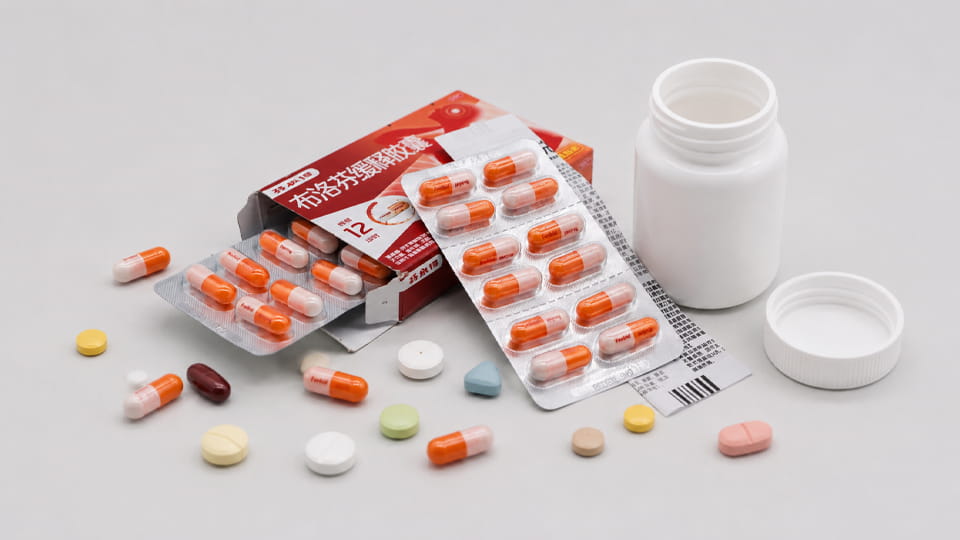
ফার্মাসিউটিক্যাল প্যাকেজিং ওষুধের মতোই গুরুত্বপূর্ণ - এটি পণ্যের পরিচয় রক্ষা করে, শক্তি এবং বন্ধ্যাত্ব. WHO নোট করে যে প্যাকেজিং অবশ্যই অবাঞ্ছিত রাসায়নিক থেকে ওষুধকে রক্ষা করবে, জৈবিক বা শারীরিক দূষণ এবং, জীবাণুমুক্ত পণ্যের জন্য, "বন্ধ্যাত্ব বজায় রাখতে হবে". অনুশীলনে, এর মানে প্রতিটি ফোস্কা প্যাক, মিক্স-আপ বা দূষণ রোধ করতে বোতল বা শক্ত কাগজের প্যাকেজ অবশ্যই জিএমপির অধীনে উত্পাদিত এবং সঠিকভাবে লেবেল করা উচিত. বিশ্বব্যাপী নিয়ন্ত্রক (এফডিএ, ইএমএ, WHO) প্যাকেজিং প্রক্রিয়া এবং সরঞ্জামগুলি ওষুধ উত্পাদনের মতোই বৈধ এবং নিয়ন্ত্রণ করা দরকার. সংক্ষেপে, ফার্মা প্যাকেজিং মান ওষুধ ঠিক রেখে রোগীর নিরাপত্তা নিশ্চিত করার জন্য বিদ্যমান, বিশুদ্ধ এবং বিতরণ জুড়ে ট্রেসযোগ্য.

জিএমপি ওষুধের গুণমানের জন্য ছাতা কাঠামো. প্যাকেজিংয়ের জন্য, জিএমপি আদেশ স্বাস্থ্যকর নকশা এবং কঠোর নিয়ন্ত্রণ ক্রস-দূষণ এবং মিক্স-আপ প্রতিরোধ করতে. সরঞ্জাম হতে ডিজাইন করা আবশ্যক "সহজে এবং পুঙ্খানুপুঙ্খভাবে পরিষ্কার", নিয়ন্ত্রক রাষ্ট্র হিসাবে. উদাহরণস্বরূপ, এফডিএ নির্দেশিকা সেই সরঞ্জামগুলি নির্দিষ্ট করে "নির্মাণ করা উচিত এবং পরিষ্কার করা সহজ করার জন্য অবস্থিত হওয়া উচিত... দূষণ প্রতিরোধ করা". WHO/PIC/S নির্দেশিকা একইভাবে স্যানিটারি ডিজাইন সহ সরঞ্জাম এবং প্রক্রিয়াগুলির বৈধতাকে জোর দেয়. সারমর্মে, প্যাকেজিংয়ের জন্য জিএমপি প্রয়োজন: পরিষ্কারযোগ্য স্টেইনলেস-স্টীল (প্রায়ই SUS316L) সরঞ্জাম, নথিভুক্ত পরিষ্কার প্রোটোকল, পূর্ণ যোগ্যতা (IR/WH/PQ) এবং সঠিক লেবেলিং রেকর্ড. এই অনুশীলনগুলি প্রতিটি প্যাকেজিং ধাপে পণ্যের পরিচয় এবং গুণমান রক্ষা করে.
মার্কিন যুক্তরাষ্ট্রে, এফডিএ এর 21 সিএফআর যন্ত্রাংশ 210 এবং 211 কভার ড্রাগ উত্পাদন এবং প্যাকেজিং. অংশ 211 (সাবপার্ট ডি/ই) সরঞ্জাম নকশা নির্দিষ্ট নিয়ম অন্তর্ভুক্ত, পরিষ্কার এবং ক্রমাঙ্কন. উদাহরণস্বরূপ, সমস্ত সরঞ্জাম স্পেসিফিকেশন মধ্যে কাজ করতে হবে এবং লিখিত পদ্ধতি অনুযায়ী পরিষ্কার করা আবশ্যক. অংশ 211 মিক্স-আপগুলি প্রতিরোধ করার জন্য উপাদানগুলি সনাক্তকরণ এবং লেবেল করা প্রয়োজন, এবং প্যাকেজিংয়ের সময় সম্পূর্ণ ব্যাচ রেকর্ড বজায় রাখা. গুরুত্বপূর্ণভাবে, 21 সিএফআর অংশ 11 কম্পিউটারাইজড নিয়ন্ত্রণে প্রযোজ্য প্যাকেজিং লাইন: এটি অনন্য ব্যবহারকারী লগইন বাধ্যতামূলক করে, ডেটা অখণ্ডতা নিশ্চিত করতে অডিট ট্রেল এবং ইলেকট্রনিক স্বাক্ষর. অনুশীলনে, এর মানে আধুনিক প্যাকেজিং মেশিনগুলিকে ব্যাচের ডেটা এনক্রিপ্ট করতে হবে, ব্যবহারকারীর অ্যাক্সেস সীমাবদ্ধ করুন, এবং প্রতিটি পরিবর্তন লগ, FDA নিয়ম মেনে.
ইইউ জিএমপি গাইড (ইউড্রেক্স ভলিউম 4) সরঞ্জামের জন্য এফডিএ নীতির সাথে ঘনিষ্ঠভাবে সারিবদ্ধ. খণ্ড I অধ্যায় 3 (প্রাঙ্গণ এবং সরঞ্জাম) যে সরঞ্জাম প্রয়োজন "সহজে পরিষ্কার" অ প্রতিক্রিয়াশীল যোগাযোগ অংশ সঙ্গে. অ্যানেক্স 15 (ইইউ) পূর্ণ যোগ্যতা বাধ্যতামূলক (IR/WH/PQ) সমস্ত যন্ত্রপাতি. কম্পিউটারাইজড সিস্টেমের জন্য, ইইউ অ্যানেক্স 11 (এখানে দেখানো হয়নি) একইভাবে বৈধতা এবং নিরাপদ অডিট ট্রেইল দাবি করে, FDA এর অংশের মত 11. একটি মূল আপডেট হয় ইইউ জিএমপি অ্যানেক্স 1 (জীবাণুমুক্ত পণ্য), থেকে সম্পূর্ণরূপে প্রযোজ্য 2024. অ্যানেক্স 1 জীবাণুমুক্ত প্যাকেজিংয়ের জন্য বার বাড়ায়: এটি একটি নথিভুক্ত দূষণ নিয়ন্ত্রণ কৌশল প্রয়োজন (সিসিএস) এবং উচ্চ-গ্রেড ক্লিনরুম মান (আইএসও 5/7 গ্রেড), পাশাপাশি বাধা প্রযুক্তি (আইসোলেটর/আরএবিএস) এবং বৈধ নির্বীজন পদ্ধতি. ধারক বন্ধ অখণ্ডতা (সিসিআই) এক্সট্রাক্টেবল/লিচেবলের উপর পরীক্ষা এবং নিয়ন্ত্রণের উপরও জোর দেওয়া হয় দূষণের ঝুঁকি কমানো. জীবাণুমুক্ত ইনজেকশনের জন্য সমস্ত EU-ভিত্তিক বা রপ্তানি লাইন এই মানদণ্ড পূরণ করতে হবে.
আইএসও 15378 জন্য আন্তর্জাতিক মান ঔষধি পণ্যের প্রাথমিক প্যাকেজিং উপকরণ. এটি একটি মান ব্যবস্থাপনা সিস্টেম নির্দিষ্ট করে (QMS) ISO এর সাথে সারিবদ্ধ 9001, GMP এর রেফারেন্স সহ. অন্য কথায়, আইএসও 15378 নকশা উপর ফোকাস, ফার্মা প্যাকেজিং উপাদান উত্পাদন এবং সরবরাহ (ফোস্কা ফয়েল, বোতল, শিশি, ইত্যাদি), নিশ্চিত করা যে তারা ধারাবাহিকভাবে গ্রাহক এবং নিয়ন্ত্রক প্রয়োজনীয়তা পূরণ করে. যখন আইএসও 15378 সরঞ্জাম প্রস্তুতকারকদের পরিবর্তে উপাদান সরবরাহকারীদের লক্ষ্য করা হয়, মেশিন নির্মাতাদের অবশ্যই অনুগত উপকরণ মিটমাট করা আবশ্যক (যেমন. অনুমোদিত প্লাস্টিক বা ল্যামিনেট) এবং ডকুমেন্টেশন প্রদান করুন (উপাদান ট্রেসেবিলিটি সার্টিফিকেট) যাতে চূড়ান্ত প্রাথমিক প্যাকেজিং ISO-15378-প্রত্যয়িত হয়. ISO অর্জন 15378 সার্টিফিকেশন আপনার উৎপাদনে জিএমপি-মানের প্যাকেজিং উপকরণের প্রতি প্রতিশ্রুতি প্রদর্শন করে.
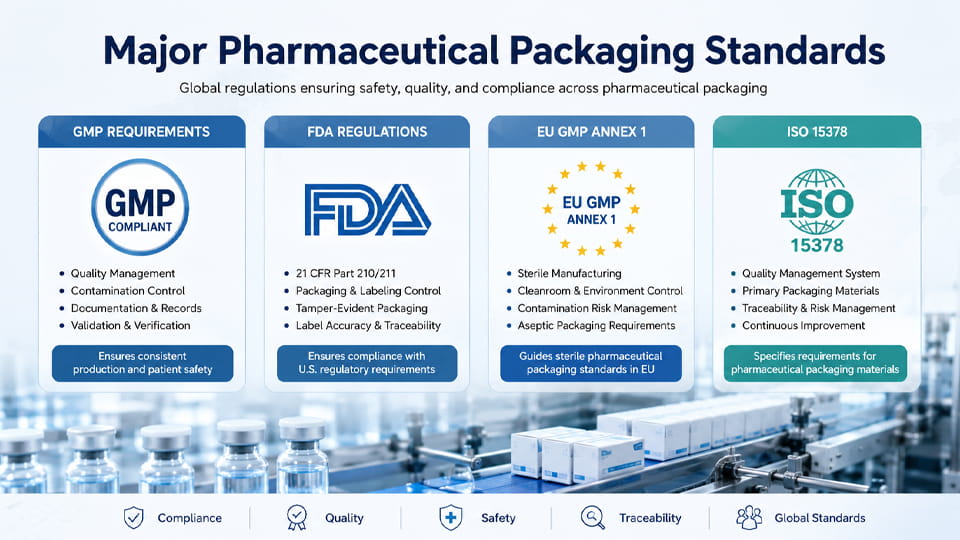
ফার্মা প্যাকেজিং মেশিনগুলিকে অবশ্যই উপরের মানগুলি মেনে চলার জন্য কঠোর প্রযুক্তিগত মানদণ্ড পূরণ করতে হবে. নীচের সারণীটি মূল প্রয়োজনীয়তাগুলিকে সংক্ষিপ্ত করে৷:
| প্রয়োজনীয়তা | মূল পয়েন্ট |
| স্বাস্থ্যকর নকশা | স্টেইনলেস স্টীল মধ্যে সরঞ্জাম (যেমন. 316এল), মসৃণ welds, ঢালু পৃষ্ঠতল. ক্যান্টিলিভার ফ্রেম (বিচ্ছিন্ন ড্রাইভ) লুকানো এলাকা মুছে ফেলার জন্য, পরিচ্ছন্নতা সক্ষম করে. |
| উপাদান সামঞ্জস্যতা | সমস্ত অংশ স্পর্শ পণ্য অ প্রতিক্রিয়াশীল/অ-শোষক হতে হবে (316এল এসএস, পিটিএফই, ফার্মা-গ্রেড প্লাস্টিক) তাই তারা সক্রিয়কে লিচ বা বাঁধতে পারে না. খাদ্য-গ্রেড লুব্রিকেন্ট এবং সীল ব্যবহার করুন (পিটিএফই, ইপিডিএম) পরিষ্কার এজেন্ট প্রতিরোধী. |
| সরঞ্জাম বৈধতা | পূর্ণ IR/WH/PQ প্রতিটি মেশিনের জন্য: নথিভুক্ত ইনস্টলেশন যোগ্যতা, কার্যকরী পরীক্ষা, এবং একটি সিমুলেটেড বা বাস্তব ব্যাচের সময় কর্মক্ষমতা পরীক্ষা. প্রতিটি নতুন বা পরিবর্তিত মেশিন ব্যবহারের আগে যোগ্যতা অর্জন করতে হবে. |
| পরিষ্কার & স্যানিটাইজেশন | প্রতিটি পণ্য পরিবর্তনের জন্য বৈধ পরিষ্কার/সিআইপি পদ্ধতি. পরিষ্কারের এসওপি লিখতে হবে, সম্পাদিত এবং পর্যায়ক্রমে পুনর্বিন্যাস করা হয়. শুধুমাত্র পণ্য-যোগাযোগ এলাকায় বৈধকরণ নমুনা প্রয়োজন. |
| রক্ষণাবেক্ষণ & ক্রমাঙ্কন | জীর্ণ অংশ প্রতিস্থাপনের জন্য নির্ধারিত প্রতিরোধমূলক রক্ষণাবেক্ষণ. ক্রমাঙ্কন পদ্ধতি (যেমন. দাঁড়িপাল্লা জন্য, প্রবাহ মিটার) রেকর্ড সহ (এফডিএর জন্য 21 সিএফআর 211.68) নির্ভুলতা নিশ্চিত করা. SOP অনুযায়ী সেন্সর এবং অ্যাকচুয়েটরগুলিতে নিয়মিত চেক করা. |
| অটোমেশন & নিরাপত্তা | দৃষ্টি পরিদর্শন মত ত্রুটি-প্রতিরোধ বৈশিষ্ট্য, বারকোড স্ক্যানিং এবং স্বয়ংক্রিয় প্রত্যাখ্যান গেট মানুষের ত্রুটি হ্রাস করে. ইন্টারলক (যেমন. দরজা সেন্সর) জ্যামে মেশিন বন্ধ করুন. লেবেল লাইন জন্য, ক্যামেরা সঠিক লেবেল আবেদন যাচাই. |
| ডেটা ইন্টিগ্রিটি | নিয়ন্ত্রণ অবশ্যই FDA পূরণ করতে হবে 21 CFR পার্ট 11/ইইউ অ্যানেক্স 11: নিরাপদ ব্যবহারকারী অ্যাকাউন্ট, অপরিবর্তনীয় অডিট ট্রেইল, এবং রেকর্ডে ইলেকট্রনিক সাইন-অফ. ব্যাচ রেকর্ড সংরক্ষণাগারের জন্য MES/ERP ইন্টিগ্রেশন. সেটিংস এবং বিচ্যুতির ডিজিটাল লগ. |
| সিরিয়ালাইজেশন & ট্রেসেবিলিটি | সরঞ্জামগুলি অবশ্যই অনন্য শনাক্তকারী মুদ্রণ বা এচিং সমর্থন করতে হবে (যেমন. 2D DataMatrix কোড) প্রতিটি প্রাথমিক প্যাকেজে. ট্র্যাক-এন্ড-ট্রেস সিস্টেমের সাথে ইন্টিগ্রেশন নিশ্চিত করে যে প্রতিটি কোড একটি ব্যাচ/লটের সাথে লিঙ্ক করা আছে. লাইনটি অবশ্যই কোড দ্বারা ট্রেসব্যাক এবং প্রত্যাহার করার অনুমতি দেবে. |
উদাহরণস্বরূপ, একটি নতুন ইনস্টল করার পরে ফোস্কা লাইন বা বোতল ফিলার, GMP প্রতিটি ফাংশন প্রমাণ করতে নথিভুক্ত IQ/OQ/PQ পরীক্ষার প্রয়োজন (ভলিউম পূরণ করুন, sealing গুণমান, প্রত্যাখ্যান করে) চশমা পূরণ. একইভাবে, প্রতিটি ব্যাচের পরে, মেশিন একটি বৈধ পদ্ধতি দ্বারা পরিষ্কার করা আবশ্যক. নিয়ন্ত্রকদের দাবি এই পরিচ্ছন্নতার প্রক্রিয়া হওয়া উচিত "নথিভুক্ত, যাচাই করা হয়েছে, এবং পর্যায়ক্রমে পুনরায় যাচাই করা হয়". অটোমেটেড ক্লিনিং-ইন-প্লেস (সিআইপি) কঠিন পদার্থের জন্য তরল ফিলার বা দ্রাবক-ভিত্তিক পরিষ্কারের সিস্টেমগুলি সাধারণ. সমালোচনামূলক পৃষ্ঠতল (ফড়িং, অগ্রভাগ, সীল) swab-পরীক্ষিত বা পরিমাপ করা হয় (যেমন. মোট জৈব কার্বন) নিশ্চিত করার জন্য কোন অবশিষ্টাংশ অবশিষ্ট নেই. সংক্ষেপে, আপনি অবশ্যই ডকুমেন্টেশনের মাধ্যমে দেখাতে সক্ষম হবেন যে প্রতিটি ফিল/প্যাক অপারেশন একটি যোগ্য ব্যবহার করেছে, স্যানিটারি মেশিন.
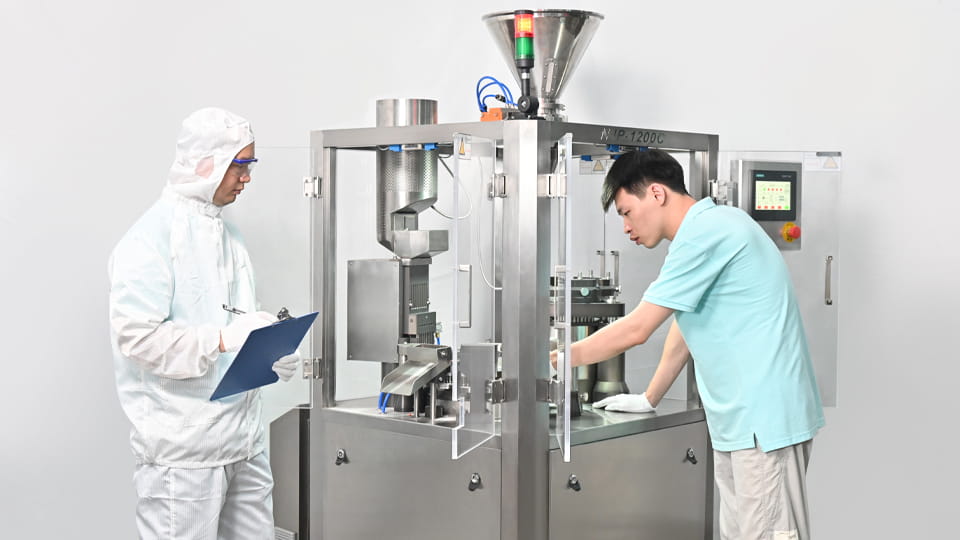
ফার্মা উৎপাদন লাইন বিভিন্ন ধরণের বিশেষ মেশিন ব্যবহার করুন. সাধারণ সরঞ্জামগুলির মূল GMP-সম্পর্কিত বৈশিষ্ট্যগুলি অন্তর্ভুক্ত:
এই মেশিনগুলির প্রতিটিকে জিএমপি ডিজাইন মাথায় রেখে নির্বাচন করা উচিত (মসৃণ স্টেইনলেস পৃষ্ঠতল, সিআইপি, প্রয়োজন হলে HEPA বাতাস). বিস্তারিত উদাহরণের জন্য, জিনলু প্যাকিংয়ের পণ্যের পৃষ্ঠাগুলি দেখুন, যা ক্যান্টিলিভার ফ্রেম এবং CE/GMP সার্টিফিকেশনের মতো সম্মতি বৈশিষ্ট্যগুলিকে হাইলাইট করে৷.
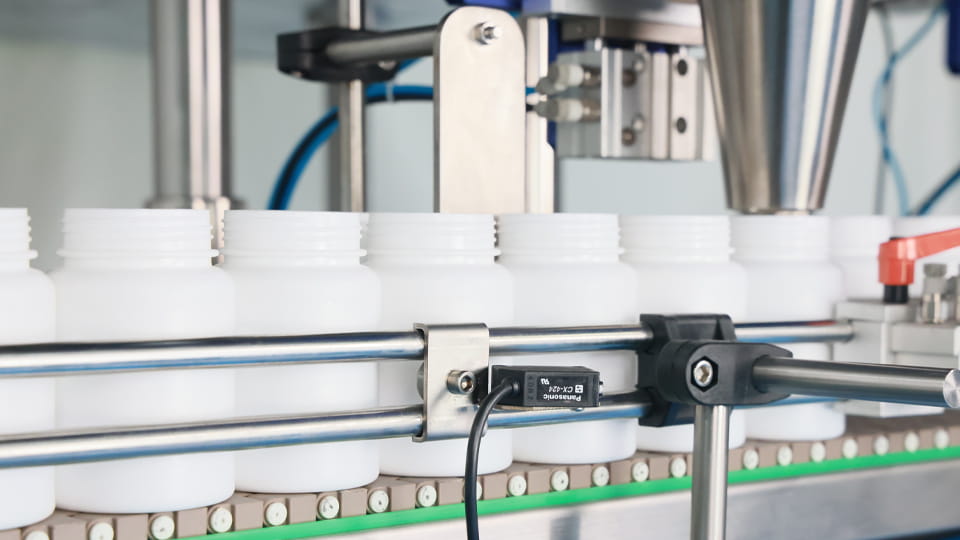
ফার্মা প্যাকেজিং মানগুলি পূরণ করা চ্যালেঞ্জগুলি উপস্থাপন করে: নিয়ন্ত্রক প্রয়োজনীয়তা বাজার দ্বারা পরিবর্তিত হয়, এবং প্রতিটি নতুন ওষুধের জন্য বিভিন্ন প্যাকেজিং স্পেস প্রয়োজন হতে পারে (যেমন. শিশু-প্রতিরোধী বন্ধ, নির্দিষ্ট আবরণ). বৈধতা এবং ডকুমেন্টেশন সময় এবং খরচ যোগ করে - প্রতিটি নতুন প্যাকেজ আকার বা পণ্য পরিবর্তন পুনরায় বৈধতা ট্রিগার করতে পারে. ক্রমিককরণের নিয়ম (মার্কিন যুক্তরাষ্ট্রে DSCSA, ইইউতে এফএমডি, ইত্যাদি) জটিল এবং বিকশিত হয়, নিয়মিত সফ্টওয়্যার আপডেট এবং কর্মীদের প্রশিক্ষণ প্রয়োজন. ক্লিনরুমের প্রয়োজনীয়তা (জীবাণুমুক্ত পণ্যের জন্য) এছাড়াও সুবিধা খরচ বাড়াতে. অবশেষে, ট্র্যাকিং এবং সম্মতি প্রমাণ করা (ব্যাচ রেকর্ড এবং অডিট ট্রেইল মাধ্যমে) মানে শক্তিশালী সফ্টওয়্যার এবং রেকর্ড রাখা. এই চ্যালেঞ্জগুলি কাটিয়ে উঠতে ইঞ্জিনিয়ারিংয়ের মধ্যে ঘনিষ্ঠ সহযোগিতা প্রয়োজন, QA এবং সরবরাহকারী, এবং অভিযোজিত নির্বাচন, ভাল সমর্থিত সরঞ্জাম.
একটি জন্য যন্ত্রপাতি নির্বাচন করার সময় ফার্মাসিউটিক্যাল প্যাকেজিং লাইন, একটি GMP চেকলিস্ট অনুসরণ করুন:
ফার্মাসিউটিক্যাল প্যাকেজিংয়ের ভবিষ্যত ক্রমবর্ধমান ডিজিটাল এবং টেকসই. সিরিয়ালাইজেশন এবং ট্র্যাক & ট্রেস বিশ্বব্যাপী প্রসারিত হবে, সাপ্লাই চেইন সুরক্ষিত করার জন্য সম্ভবত ব্লকচেইন ব্যবহার করা. স্মার্ট প্যাকেজিং (RFID ট্যাগ, NFC সেন্সর) স্টোরেজ অবস্থার নিরীক্ষণ শুরু করতে পারে বা ইভেন্টগুলি হস্তক্ষেপ করতে পারে. সরঞ্জামের দিকে প্রবণতা রয়েছে শিল্প 4.0 - IIoT সেন্সর এবং AI-চালিত ভিশন সিস্টেমের সাথে লাইন যা ত্রুটির পূর্বাভাস দেয় বা আরও নির্ভরযোগ্যভাবে বড়ি গণনা করে. চূড়ান্ত প্যাকেজিংয়ের জন্য রোবোটিক্স (কেস হ্যান্ডলিং, প্যালেটাইজিং) এবং উন্নত অ্যাসেপটিক বাধা (যেমন. বন্ধ অ্যাসেপটিক সিস্টেম) এছাড়াও বাড়ছে. উপকরণের দিকে, পুনর্ব্যবহারযোগ্য বা বায়োডিগ্রেডেবল প্যাকেজিং উপাদানগুলির জন্য একটি ধাক্কা আছে, তাই মেশিনগুলিকে অবশ্যই নতুন ফিল্ম প্রকারগুলি পরিচালনা করতে হবে. সামগ্রিকভাবে, অটোমেশন, ডাটা কানেক্টিভিটি এবং পরিবেশগত নিরাপত্তা হল নেক্সট-জেনার ফার্মা প্যাকেজিং গঠনের মূল প্রবণতা.
ফার্মাসিউটিক্যাল প্যাকেজিং মান মেনে চলা হয় আলোচনার অযোগ্য ওষুধ প্রস্তুতকারকদের জন্য. জিএমপি বোঝার মাধ্যমে, এফডিএ এবং আইএসও-এর প্রয়োজনীয়তা-এবং সেগুলি পূরণ করার জন্য তৈরি যন্ত্রপাতি বেছে নেওয়ার মাধ্যমে-আপনি পণ্যের গুণমান এবং রোগীর নিরাপত্তা রক্ষা করেন. সম্মতি কঠোর নকশা দাবি (মসৃণ 316L পৃষ্ঠতল, সিআইপি/সিওপি পরিষ্কার করা), সম্পূর্ণ বৈধতা (IR/WH/PQ) এবং চলমান ডকুমেন্টেশন (রক্ষণাবেক্ষণ এবং অডিট লগ). এফডিএ এর মত প্রবিধান সহ 21 CFR এবং EU এর অ্যানেক্স 1, ফার্মাসিউটিক্যাল লাইন শর্টকাট বহন করতে পারে না.
জন্য প্যাকেজিং সরঞ্জাম সমাধান, অভিজ্ঞ সরবরাহকারীদের সাথে কাজ করুন. জিনলু প্যাকিং, উদাহরণস্বরূপ, GMP-সঙ্গতিপূর্ণ ফোস্কা মেশিনে বিশেষজ্ঞ, তরল ভর্তি লাইন, কার্টোনিং এবং আরও অনেক কিছু. আমাদের মেশিনে ক্যান্টিলিভার ডিজাইন রয়েছে, এফডিএ-গ্রেড সামগ্রী এবং বাক্সের বাইরে ক্রমিককরণ সমর্থন করে. জিনলু প্যাকিং এর সাথে যোগাযোগ করুন আপনার পরবর্তী প্যাকেজিং লাইন সম্পূর্ণ বৈধতা সমর্থন সহ বিশ্বব্যাপী GMP মান পূরণ করে তা নিশ্চিত করতে আজ.
ফার্মাসিউটিক্যাল প্যাকেজিং স্ট্যান্ডার্ড হল নিয়ন্ত্রক প্রয়োজনীয়তা যা নিশ্চিত করে যে ওষুধের প্যাকেজগুলি দূষিত বা মিশ্রিত পণ্য নয়. এর মধ্যে FDA এবং EMA-এর মতো সংস্থাগুলির GMP নির্দেশিকা অন্তর্ভুক্ত৷, যা স্বাস্থ্যকর সরঞ্জাম ডিজাইন বাধ্যতামূলক করে, পরিষ্কারের বৈধতা এবং পুঙ্খানুপুঙ্খ ডকুমেন্টেশন. আইএসও এর মত স্ট্যান্ডার্ড 15378 প্যাকেজিং উপকরণ নিজেদের মান ব্যবস্থাপনা উপর ফোকাস. তারা একসাথে নিশ্চিত করে যে প্যাকেজিং ওষুধের গুণমান রক্ষা করে এবং সঠিক তথ্য বহন করে.
এফডিএ এর 21 সিএফআর অংশ 211 প্যাকেজিং অপারেশন কভার করে. এটি প্রয়োজনীয় যে সরঞ্জাম রক্ষণাবেক্ষণ করা হবে, পরিষ্কার এবং ক্রমাঙ্কিত যাতে এটি ড্রাগের পরিচয় বা বিশুদ্ধতাকে প্রভাবিত করে না. উদাহরণস্বরূপ, FDA নির্দেশিকা বলে যে সরঞ্জামগুলি "পরিষ্কার সহজ করার জন্য তৈরি করা উচিত" এবং সতর্ক করে যে উপকরণগুলি ওষুধের সাথে প্রতিক্রিয়া দেখাবে না. লাইনে কম্পিউটার সিস্টেমগুলিও মেনে চলতে হবে 21 সিএফআর অংশ 11 (ইলেকট্রনিক রেকর্ড এবং অডিট ট্রেল).
আইএসও 15378 বিশেষ করে ফার্মাসিউটিক্যালসের প্রাথমিক প্যাকেজিং উপকরণের জন্য একটি ISO মান. এটি ISO বৃদ্ধি করে 9001 জিএমপি প্রয়োজনীয়তা সহ, প্যাকেজিং উপাদান সরবরাহকারীদের একটি QMS আছে তা নিশ্চিত করা যা ধারাবাহিকভাবে গ্রাহক এবং আইনি মান পূরণ করে. যদিও এটি সরাসরি সরঞ্জাম নিয়ন্ত্রণ করে না, GMP মেশিনে ISO 15378-প্রত্যয়িত উপকরণ ব্যবহার করে মানের জন্য নিয়ন্ত্রক প্রত্যাশা এবং গ্রাহকের চাহিদা মেটাতে সাহায্য করে.
অ্যানেক্স 1 ইইউ জিএমপি গাইড জীবাণুমুক্ত ঔষধি পণ্য কভার করে. এটি অ্যাসেপটিক উত্পাদনের জন্য কঠোর নিয়ম নির্ধারণ করে, ইনজেকশনের প্যাকেজিং সহ. মূল পয়েন্টগুলির মধ্যে একটি দূষণ নিয়ন্ত্রণ কৌশল বাস্তবায়ন অন্তর্ভুক্ত (সিসিএস), শ্রেণীবদ্ধ ক্লিনরুম ব্যবহার করে (আইএসও 5/7), আইসোলেটর বা বাধা প্রযুক্তি, এবং নির্বীজন/জীবাণুমুক্তকরণের পদক্ষেপগুলিকে বৈধ করা. অ্যানেক্স 1 সম্মতি নিশ্চিত করে যে প্যাকেজিংয়ের সময়ও, জীবাণুমুক্ত ওষুধগুলি জীবাণু এবং কণা থেকে মুক্ত থাকে - যা রোগীর নিরাপত্তার জন্য গুরুত্বপূর্ণ.
প্রথম, এর নকশা এবং উপকরণ পরীক্ষা করুন: এটি সমস্ত পণ্য-যোগাযোগ অংশগুলিতে 316L স্টেইনলেস স্টিল ব্যবহার করা উচিত এবং কোনও লুকানো ফাটল নেই. নিশ্চিত করুন যে বিক্রেতা সম্পূর্ণ IQ/OQ/PQ ডকুমেন্টেশন প্রদান করে. সিআইপি ক্ষমতা বা সহজ স্ট্রিপ-ডাউন পরিষ্কারের মতো বৈশিষ্ট্যগুলি সন্ধান করুন. এটি ইলেকট্রনিক ব্যাচ রেকর্ড ক্ষমতা আছে নিশ্চিত করুন (21 সিএফআর অংশ 11) এবং সিরিয়ালাইজেশন সমর্থন (2ডি কোডিং). অবশেষে, কোনো সার্টিফিকেশন চিহ্ন পর্যালোচনা (সিই, জিএমপি) এবং রেফারেন্স বা অডিট রিপোর্টের জন্য জিজ্ঞাসা করুন. সত্যই একটি GMP মেশিন বৈধতা সমর্থন এবং সম্পূর্ণ সম্মতি ডকুমেন্টেশন সহ আসবে.
সিরিয়ালাইজেশন আইন (যেমন. মার্কিন ড্রাগ সাপ্লাই চেইন নিরাপত্তা আইন, ইইউ মিথ্যা ওষুধের নির্দেশিকা) সাপ্লাই চেইনের মাধ্যমে ট্রেস করার জন্য প্রতিটি পৃথক প্যাকেজে একটি অনন্য কোড নির্দেশ করুন. প্যাকেজিং সরঞ্জামগুলি অবশ্যই এই কোডগুলি মুদ্রণ বা খোদাই করবে৷ (সাধারণত 2D বারকোড) প্রতিটি ফোস্কা বা বোতলে. এটি নিশ্চিত করে যে জালগুলি সনাক্ত করা যেতে পারে এবং প্রয়োজনে ব্যাচগুলি দ্রুত প্রত্যাহার করা যেতে পারে. অনুশীলনে, সিরিয়ালাইজেশন একটি কোডার এবং যাচাইকরণ ক্যামেরার মাধ্যমে প্যাকেজিং লাইনে একত্রিত করা হয়েছে, সম্পূর্ণ ট্রেসেবিলিটির জন্য প্রতিটি কোডকে ব্যাচ রেকর্ডের সাথে লিঙ্ক করার সফ্টওয়্যার সহ.
একটি জিএমপি কার্টোনার মসৃণ হওয়া উচিত, স্বাস্থ্যকর পৃষ্ঠতল এবং ধুলো কমানোর জন্য আবদ্ধ শক্ত কাগজ খাওয়ানো. প্রতিটি শক্ত কাগজের ব্যাচ কোড এবং বিষয়বস্তু যাচাই করতে এটি অবশ্যই লেবেল এবং কোড স্ক্যানারগুলিকে সংহত করতে হবে. মেশিনটি লাইন ক্লিয়ারেন্স করতে পারে তা পরীক্ষা করুন (পণ্যের মধ্যে খালি/পরিদর্শন) প্রতি এফডিএ নির্দেশিকা, এবং এটি শক্ত কাগজের আঠালো প্রয়োগকারীদের সহজে পরিষ্কার করার অনুমতি দেয়. উদাহরণস্বরূপ, কার্টন জ্যাম বা অনুপস্থিত সন্নিবেশ ধরার জন্য অনেক কার্টনারের মধ্যে ভ্যাকুয়াম কার্টন গ্রিপ এবং ভিশন সিস্টেম অন্তর্ভুক্ত থাকে, মিট আপ প্রতিরোধ নিয়ম মধ্যে 21 সিএফআর 211.
তথ্যসূত্র:
1.21 সিএফআর অংশ 211 – ফিনিশড ফার্মাসিউটিক্যালস জন্য বর্তমান ভাল উত্পাদন অনুশীলন —— আইনি তথ্য ইনস্টিটিউট
2.আইএসও 15378:2017 ঔষধি পণ্যের জন্য প্রাথমিক প্যাকেজিং উপকরণ —— iso.org
3.ইইউ জিএমপি অ্যানেক্স 1: জীবাণুমুক্ত ঔষধি পণ্য উত্পাদন —— gmp-compliance.org
4.ড্রাগ সাপ্লাই চেইন নিরাপত্তা আইন (ডিএসসিএসএ) ——ইউ.এস. খাদ্য ও ওষুধ প্রশাসন