ফার্মাসিউটিক্যাল কোম্পানিগুলো আজ সব দিক থেকে চাপের মুখে. হাসপাতালগুলি নিরাপদ ওষুধ পরিচালনা করতে চায়. খুচরা বাজার কম প্যাকেজিং খরচ চায়. নিয়ন্ত্রকরা আরও ভাল ট্রেসেবিলিটি এবং সিরিয়ালাইজেশন আশা করেন. একই সময়ে, নির্মাতারা অপ্রয়োজনীয় প্যাকেজিং বর্জ্য তৈরি না করে উত্পাদন দক্ষতা উন্নত করার চেষ্টা করছে. এ কারণে চারদিকে আলোচনা ইউনিট ডোজ প্যাকেজিং এবং বাল্ক প্যাকেজিং সাম্প্রতিক বছরগুলিতে অনেক বেশি গুরুত্বপূর্ণ হয়ে উঠেছে. একটি বিন্যাস ডোজ-স্তরের সুরক্ষা এবং রোগীর সুরক্ষার উপর দৃষ্টি নিবদ্ধ করে, অন্যটি গতিকে অগ্রাধিকার দেয়, সরলতা, এবং খরচ দক্ষতা. প্রতিটি পণ্যের জন্য কোন বিকল্প স্বয়ংক্রিয়ভাবে ভাল নয়. সঠিক পছন্দ আপনার ড্রাগ ধরনের উপর নির্ভর করে, উৎপাদন লক্ষ্য, বিতরণ চ্যানেল, এবং প্যাকেজিং লাইন ক্ষমতা. ফার্মা প্রস্তুতকারকদের জন্য, সংগ্রহ দল, এবং অপারেশন ম্যানেজার, একটি নতুন বিনিয়োগ করার আগে ইউনিট ডোজ এবং বাল্ক প্যাকেজিংয়ের মধ্যে প্রকৃত পার্থক্য বোঝা অপরিহার্য ফার্মাসিউটিক্যাল প্যাকেজিং সিস্টেম অথবা একটি বিদ্যমান আপগ্রেড প্যাকেজিং লাইন.
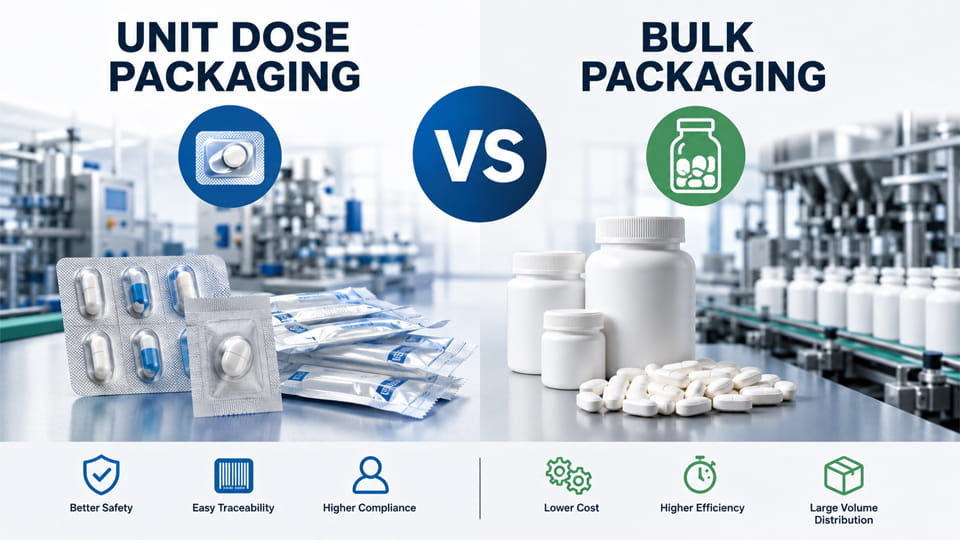
ইউনিট ডোজ প্যাকেজিং (এছাড়াও বলা হয় একক ডোজ প্যাকেজিং) মানে ওষুধের প্রতিটি ডোজ পৃথকভাবে নিজস্ব প্যাকেজে সিল করা হয়. উদাহরণস্বরূপ, একটি বড়ি তার নিজের ফোস্কা পকেটে বা থলিতে থাকতে পারে. জিনলু প্যাকিং ব্যাখ্যা করে যে "ইউনিট ডোজ প্যাকেজিং মানে একটি ওষুধের প্রতিটি পৃথক ডোজ প্রাক-প্যাকেজ করা এবং নিজেই সিল করা". অনুশীলনে, এটি একটি একক ট্যাবলেট ফোস্কা কার্ড হতে পারে, একটি স্ট্রিপ প্যাক (প্রতি গহ্বরে একটি ট্যাবলেট), একটি প্রিফিলড সিরিঞ্জ, একটি শিশি, বা তরল বা পাউডারের এক ডোজ ধারণকারী একটি থলি. প্রতিটি প্যাকেজ লেবেল বহন করে (ওষুধের নাম, ডোজ, মেয়াদ) তাই একজন নার্স বা রোগী বোতল থেকে বড়ি না গুনে ওষুধ নিশ্চিত করতে পারেন. মার্কিন হাসপাতালে, ওভার 75% মৌখিক ওষুধগুলি ইউনিট-ডোজ আকারে বিতরণ করা হয়.
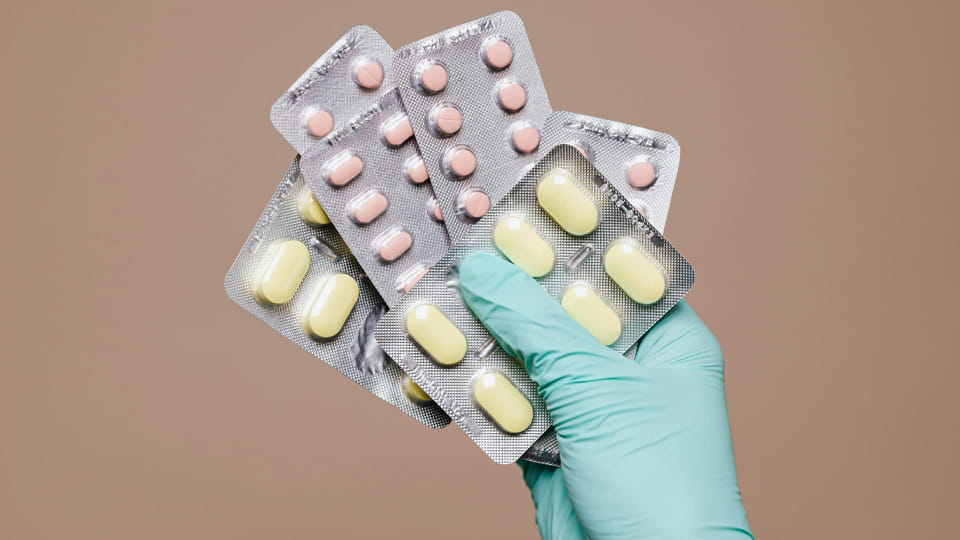
ইউনিট-ডোজ প্যাকগুলি সাধারণ হাসপাতাল, ক্লিনিক, দীর্ঘমেয়াদী যত্ন সুবিধা, এবং ক্লিনিকাল ট্রায়াল - মূলত যে কোন জায়গায় সুনির্দিষ্ট ডোজ নিয়ন্ত্রণ এবং ট্রেসেবিলিটি সবচেয়ে গুরুত্বপূর্ণ. তারা ডোজ ত্রুটি প্রতিরোধ করতে সাহায্য করে কারণ প্রতিটি প্যাকেটে ঠিক একটি ডোজ রয়েছে এবং স্পষ্টভাবে লেবেলযুক্ত. অন্য কথায়, এবং জিনলু নোট, ইউনিট-ডোজ প্যাকগুলির জন্য কোনও গণনার প্রয়োজন নেই - আপনি "শুধু একটি প্যাকেজ ধরুন এবং এটি খুলুন", হ্যান্ডলিং ভুল কমানো. ব্যবহৃত অন্যান্য পদ অন্তর্ভুক্ত একক ডোজ, ব্যবহারের ইউনিট, বা ওষুধের ইউনিট প্যাকেজিং. সাধারণ বিন্যাস অন্তর্ভুক্ত:
সংক্ষেপে, ইউনিট ডোজ প্যাকেজিং প্রতিটি ডোজ পৃথকভাবে বিচ্ছিন্ন করে, নিরাপত্তা সহায়ক, রোগীর সম্মতি, এবং ট্রেসেবিলিটি.
বিপরীতে, বাল্ক প্যাকেজিং বহু-ডোজ বা ওষুধের যৌথ প্যাকেজিং বোঝায়. সাধারণ বাল্ক ফরম্যাটের মধ্যে বড় বড়ির বোতল অন্তর্ভুক্ত, জারস, বহু-ডোজ টিউব, এবং বাল্ক ব্যাগ বা totes. উদাহরণস্বরূপ, একটি 100-ট্যাবলেট প্রেসক্রিপশন বোতল বা একটি ভিটামিন জার সঙ্গে 30 ক্যাপসুল বাল্ক প্যাকেজিং হয়. এই পাত্রে রাখা অনেক ডোজ একসাথে. বাল্ক প্যাকেজিং ভোক্তা ফার্মাসি পণ্যগুলির জন্য আদর্শ, ওভার-দ্য কাউন্টার ড্রাগস, পুষ্টিকর সম্পূরক, এবং বেশিরভাগ জেনেরিক ট্যাবলেট. এটি উত্পাদনের মধ্যবর্তী পর্যায়েও ব্যবহৃত হয় (যেমন. বাল্ক স্যাচেট বা ড্রামস).
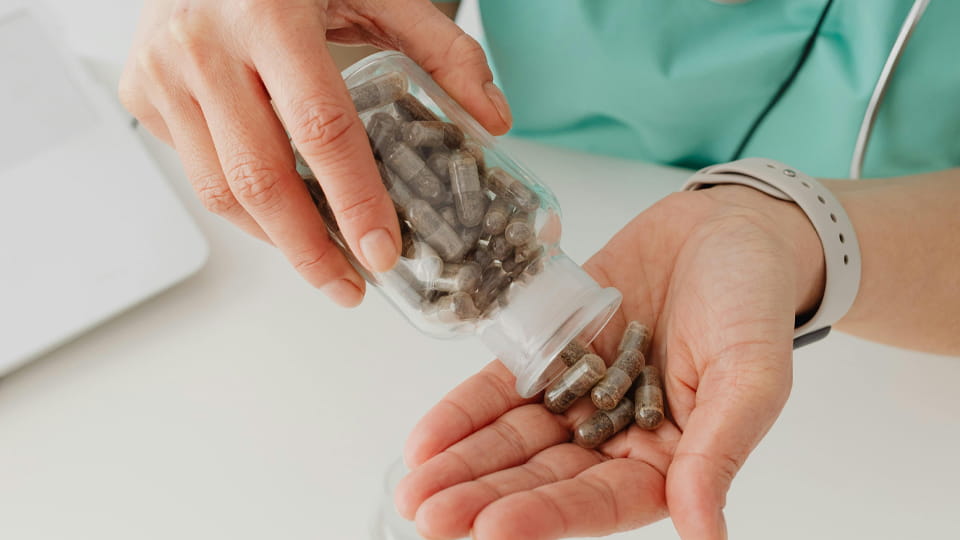
বাল্ক প্যাকেজিং সাধারণত ডোজ প্রতি আরও সাশ্রয়ী হয় এবং উচ্চ-ভলিউমের জন্য উপযুক্ত, পণ্য পণ্য. বাল্ক লাইন জন্য সরঞ্জাম অন্তর্ভুক্ত ট্যাবলেট/ক্যাপসুল গণনা এবং বোতল ভর্তি মেশিন, ক্যাপিং, sealing, এবং লেবেলিং সরঞ্জাম. উদাহরণস্বরূপ, একটি ট্যাবলেট-গণনা লাইন বোতলগুলি পূরণ করতে একটি স্বয়ংক্রিয় গণনা মেশিন ব্যবহার করতে পারে, তাদের সিল করার জন্য একটি ক্যাপার, এবং শেষ করার জন্য একটি লেবেলার. বাল্ক লাইনগুলি প্রায়শই দ্রুত চলে (প্রতি মিনিটে শত শত ট্যাবলেট গণনা করা হচ্ছে) কিন্তু ইউনিট-ডোজ সিস্টেমের তুলনায় কম ডোজ-বাই-ডোজ নিয়ন্ত্রণ অফার করে. বাল্ক প্যাকেজিং জন্য আদর্শ গণ-বাজার ওটিসি ওষুধ, পুষ্টিকর সম্পূরক, জেনেরিক ওষুধ, এবং যে কোনো পণ্য যেখানে প্রতি ডোজ মূল্য গুরুত্বপূর্ণ এবং পৃথক ডোজ নিয়ন্ত্রণ কম গুরুত্বপূর্ণ.
নীচের টেবিলটি গুরুত্বপূর্ণ কারণগুলির উপর দুটি পদ্ধতির তুলনা করে:
| ফ্যাক্টর | ইউনিট ডোজ প্যাকেজিং | বাল্ক প্যাকেজিং |
| ঔষধ নিরাপত্তা | উচ্চ. প্রতিটি ডোজ সিল, দূষণ হ্রাস. | নিম্ন. এক পাত্রে একাধিক ডোজ. |
| রোগীর সম্মতি | ভালো. স্বতন্ত্র ডোজ স্পষ্টভাবে লেবেলযুক্ত; যাচাই করা সহজ. | নিম্ন. রোগীরা তাদের নিজস্ব ডোজ গণনা করে. |
| ট্রেসেবিলিটি & সিরিয়ালাইজেশন | চমৎকার. প্রতিটি ডোজ সিরিয়ালাইজ/ট্র্যাক করা সহজ. | লিমিটেড. শুধুমাত্র ধারক ট্র্যাক করা হয়, প্রতিটি বড়ি নয়. |
| প্যাকেজিং খরচ | ডোজ প্রতি উচ্চ. আরো প্যাকেজিং উপাদান & হ্যান্ডলিং. | প্রতি ডোজ কম. একটি প্যাকেজে অনেকগুলো ইউনিট রয়েছে. |
| উৎপাদন থ্রুপুট | পরিমিত. ডোজ প্রতি আরো পদক্ষেপ (যেমন. ফোস্কা গঠন). | উচ্চতর. সহজ গণনা/ভর্তি দ্রুত. |
| প্যাকেজিং বর্জ্য | আরও. এক-ডোজ প্যাক উপাদান ব্যবহার বাড়ায়. | কম. ডোজ প্রতি ন্যূনতম প্যাকেজিং (যেমন. এক বোতল বনাম. 100 ফোস্কা). |
| শেলফ-লাইফ/প্রটেকশন | ভালো. ফোস্কা/শিশিতে প্রায়ই উচ্চ-বাধা ফিল্ম থাকে. | পরিমিত. বাল্ক বোতল প্রতি ইউনিট কম রক্ষা করে, যদিও শেলফ জীবন অনুরূপ হতে পারে. |
| জন্য সেরা | হাসপাতাল, ক্লিনিকাল ট্রায়াল, উচ্চ মূল্যের ওষুধ, নিয়ন্ত্রিত পদার্থ, ব্যক্তিগতকৃত ওষুধ. | খুচরা ওটিসি, জেনেরিক ওষুধ, ভিটামিন, পরিপূরক, বড় আয়তনের ভোক্তা পণ্য. |
জিনলু প্যাকিং নোট হিসাবে, একটি বোতল মত এটা চিন্তা 100 ট্যাবলেট (বাল্ক) একটি ট্যাবলেট সহ একটি ফোস্কা বনাম (ইউনিট ডোজ). বাল্ক বোতল স্পষ্টভাবে খরচ দক্ষতা এবং গতি জয়, কিন্তু ইউনিট-ডোজ ফরম্যাট নিরাপত্তা এবং নিয়ন্ত্রণের ক্ষেত্রে এক্সেল. উদাহরণস্বরূপ, ফোস্কা প্যাকেজিং পৃথকভাবে প্রতিটি পিলকে আর্দ্রতা এবং টেম্পারিং থেকে রক্ষা করে, যেখানে বাল্ক বোতল সমস্ত ট্যাবলেট একই পরিবেশে প্রকাশ করে.
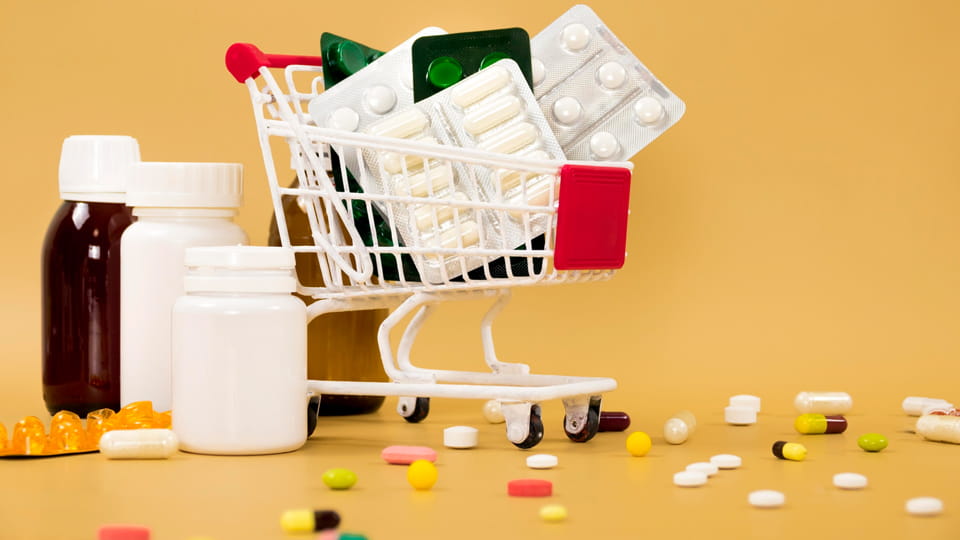
ইউনিট-ডোজ সিস্টেমগুলি বেশ কয়েকটি মূল সুবিধা প্রদান করে:
সংক্ষেপে, ইউনিট-ডোজ প্যাকেজিং নিরাপত্তা সর্বাধিক করে তোলে, ট্রেসেবিলিটি, এবং রোগীকেন্দ্রিক ডোজ, উচ্চতর প্যাকেজিং এবং হ্যান্ডলিং খরচের ব্যয়ে. জিনলু যেমন যোগ করে, ইউনিট-ডোজ ইউনিটগুলি "একক ডোজ হিসাবে প্রশাসনের উদ্দেশ্যে ওষুধের পরিমাণ রাখার জন্য ডিজাইন করা হয়েছে", নিশ্চিত করা "সঠিক শক্তিতে সঠিক ওষুধ সঠিক সময়ে সঠিক রোগীর কাছে পৌঁছায়, প্রতিবার".
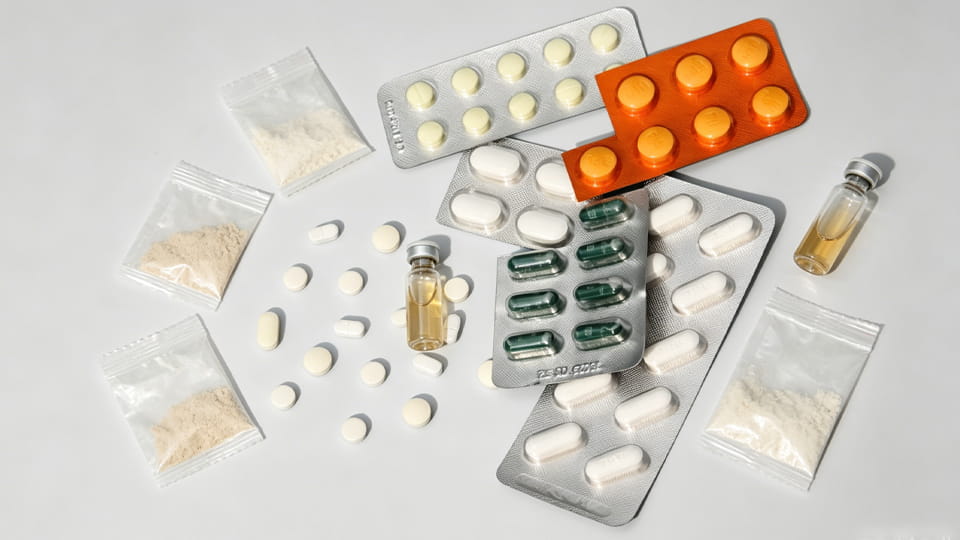
বাল্ক (মাল্টি ডোজ) প্যাকেজিংয়ের নিজস্ব শক্তি রয়েছে:
বাল্ক প্যাকেজিং খরচ-দক্ষতা এবং স্কেলে উজ্জ্বল, এটি উচ্চ-আয়তনের পণ্যগুলির জন্য আদর্শ যেখানে স্কেলের অর্থনীতি পৃথক-ডোজ নিয়ন্ত্রণের প্রয়োজনীয়তার চেয়ে বেশি. আসলে, একজন সরবরাহকারী হিসাবে জিনলুর অভিজ্ঞতা দেখায় যে বাল্ক বোতল লাইন (গণনা সহ, ক্যাপিং, এবং লেবেলিং ইউনিট) অনেক নিউট্রাসিউটিক্যাল এবং জেনেরিক ওষুধ উৎপাদন লাইনের মেরুদণ্ড গঠন করে.
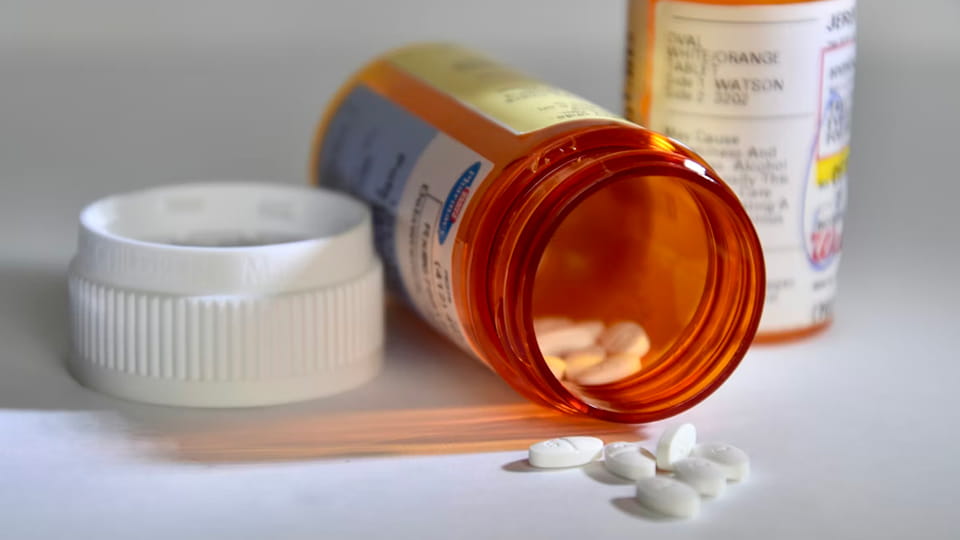
বিভিন্ন প্রান্তের বাজার এবং ব্যবহারের ক্ষেত্রে স্পষ্ট পছন্দ রয়েছে. নীচের সারণীটি শিল্পের সাধারণ পছন্দগুলিকে সংক্ষিপ্ত করে:
| শিল্প/ব্যবহারের ক্ষেত্রে | পছন্দের প্যাকেজিং |
| হাসপাতাল & স্বাস্থ্যসেবা (তীব্র যত্ন) | ইউনিট ডোজ (ফোস্কা, রেখাচিত্রমালা, সিরিঞ্জ) |
| দীর্ঘমেয়াদী যত্ন & এলটিসি ফার্মেসি | ইউনিট ডোজ (ফোস্কা কার্ড, প্রাক-ভরা প্যাক) |
| ক্লিনিকাল ট্রায়াল & গবেষণা | ইউনিট ডোজ (পরীক্ষার জন্য সুনির্দিষ্ট ডোজ নিয়ন্ত্রণ) |
| উচ্চ ক্ষমতা / নিয়ন্ত্রিত পদার্থ | ইউনিট ডোজ (নিরাপত্তা, ডোজ) |
| কন্ট্রাক্ট ম্যানুফ্যাকচারিং (হাসপাতালের ওষুধ উৎপাদনকারী সিএমও) | ইউনিট ডোজ |
| ওভার-দ্য-কাউন্টার (ওটিসি) ওষুধ | বাল্ক (ট্যাবলেটের বোতল/টিউব, ক্যাপসুল) |
| নিউট্রাসিউটিক্যালস & পরিপূরক | বাল্ক (ভিটামিন বোতল, sachets) |
| জেনেরিক ফার্মাসিউটিক্যালস (ভর বাজার) | বাল্ক (খরচ ফোকাস) |
| উদীয়মান ভোক্তা স্বাস্থ্য (কসমেটিকস, নিউট্রাসিউটিক্যাল কম্বোস) | বাল্ক |
| ভেটেরিনারি / পশু স্বাস্থ্য | বাল্ক (প্রায়ই খুচরা মাল্টি-ডোজ শিশি বা ফিড additives) |
| ইমার্জেন্সি কিটস / প্রাথমিক চিকিৎসা | ইউনিট ডোজ (বহনযোগ্যতার জন্য একক-ব্যবহারের পাউচ) |
উদাহরণস্বরূপ, জিনলু উল্লেখ করেছেন যে ইউনিট-ডোজ সিস্টেমগুলি হাসপাতালগুলিতে উদ্ভূত হয়েছিল এবং এখন নিরাপত্তা সুবিধার কারণে অন্যান্য ক্ষেত্রে "বিস্তৃতভাবে প্রসারিত" হয়েছে. প্রকৃতপক্ষে, ওভার 75% মার্কিন যুক্তরাষ্ট্রের. হাসপাতালের মৌখিক ওষুধ একক-ডোজ হয়, সেক্টরের পছন্দ প্রতিফলিত করে. বিপরীতে, ভোক্তা-মুখী বাজার যেমন সাপ্লিমেন্ট এবং ওটিসি ব্যথা নিরাময়কারীরা সাধারণত বাল্ক কন্টেইনার ব্যবহার করে কারণ তারা কম ইউনিট খরচ এবং উচ্চ আয়তনের দাবি করে. ক্লিনিকাল এবং হাসপাতালের পরিবেশ ফোস্কা বা থলির ডোজ নিয়ন্ত্রণের পক্ষে, যখন জেনেরিক-ড্রাগ নির্মাতারা এবং খুচরা বিক্রেতারা বোতল লাইনের দক্ষতার উপর ফোকাস করে.
একক-ডোজ এবং বাল্কের মধ্যে বেছে নেওয়ার উল্লেখযোগ্য খরচের প্রভাব রয়েছে. নিম্নলিখিত খরচ কারণ বিবেচনা করুন:
সংক্ষেপে, ইউনিট-ডোজ প্যাকেজিং সাধারণত উচ্চ CAPEX এবং প্রতি-ইউনিট প্যাকেজিং খরচের দাবি করে, তবে কম ত্রুটি এবং অপচয় থেকে সঞ্চয় করতে পারে. বাল্ক প্যাকেজিং প্রতি ডোজ কম উপাদান এবং উত্পাদন খরচ প্রস্তাব. "উন্নত" বিকল্পটি পণ্যের মূল্য নির্ধারণের কৌশল এবং সম্মতির প্রয়োজনীয়তার পাশাপাশি এই খরচগুলি বিশ্লেষণ করার উপর নির্ভর করে.
ইউনিট-ডোজ প্যাকেজিং লাইন বিশেষ সরঞ্জাম ব্যবহার করে. মূল মেশিন অন্তর্ভুক্ত:
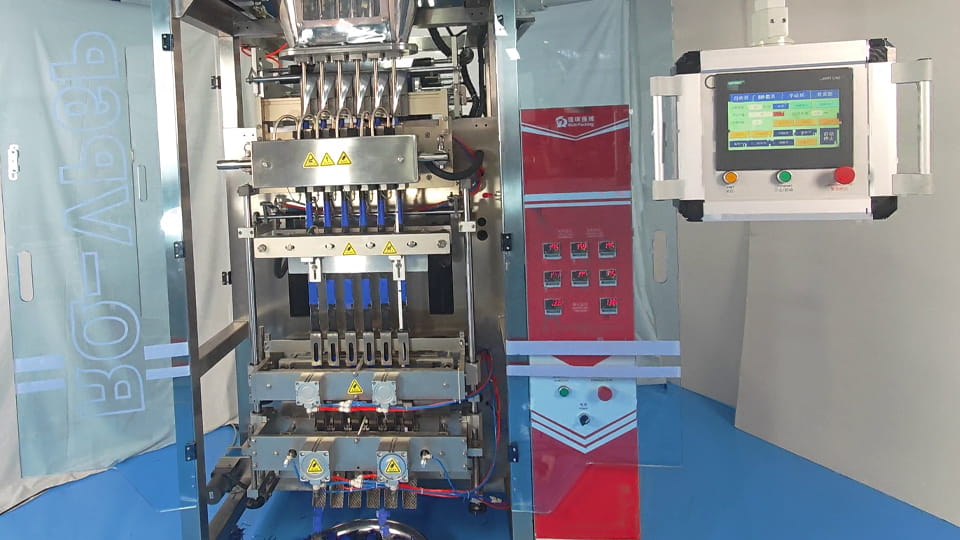
সংক্ষেপে, ক ইউনিট-ডোজ লাইন একটি ফোস্কা বা স্যাচে মেশিন গঠিত হতে পারে (প্রাথমিক প্যাকেজিংয়ের জন্য), একটি কার্টোনার দ্বারা অনুসরণ করা হয় (এবং ঐচ্ছিকভাবে লেবেলার বা প্রিন্টার). উদাহরণস্বরূপ, একটি সাধারণ হাসপাতালে ড্রাগ লাইন হয়: ট্যাবলেট ওরিয়েন্টেশন ফিডার → ব্লিস্টার মেশিন → স্বয়ংক্রিয় কার্টোনার → কেস প্যাকার. এই পদক্ষেপগুলির জন্য জিনলুর যন্ত্রপাতি এক প্রবাহে সংযুক্ত করা যেতে পারে (দেখুন যে "ফোস্কা মেশিনের সাথে সংযুক্ত করা যেতে পারে").
[jl_youtube src=”https://www.youtube.com/embed/k0uyybgttcu”]
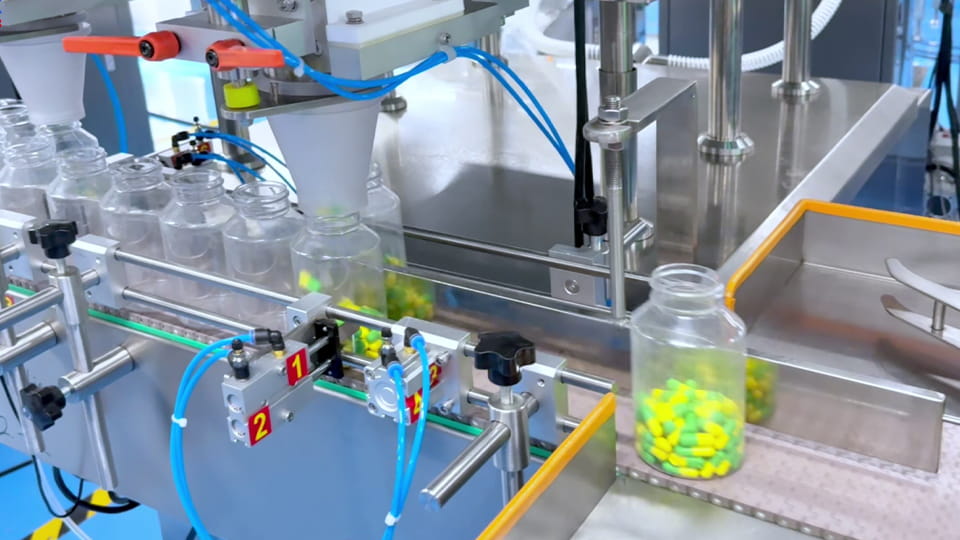
বাল্ক লাইন গতি এবং ভলিউমের জন্য অপ্টিমাইজ করা সরঞ্জাম ব্যবহার করে:
কার্যত, ক বাল্ক প্যাকেজিং লাইন সাধারণত মত দেখায়: বোতল আনস্ক্র্যাম্বলার → ট্যাবলেট কাউন্টার ফিলিং মেশিন → ডেসিক্যান্ট ইনসার্টার → ক্যাপার → (ফয়েল সিলার) → লেবেলার → কার্টোনার. এই মডুলার মেশিনগুলি বিভিন্ন পণ্য পরিচালনা করতে পারে (আঠালো, পাউডারস, তরল) যতক্ষণ গণনা/ভর্তি এবং ক্যাপিং সামঞ্জস্য করা হয়. জিনলু এবং পৃষ্ঠাগুলি এই ধরনের লাইনগুলিকে কীভাবে একত্রিত করা হয় তা ব্যাখ্যা করে.
উদাহরণস্বরূপ, JL-16R আঠালো লাইন "স্বয়ংক্রিয়ভাবে বোতলগুলি আনস্ক্র্যাম্বল করার সম্পূর্ণ প্রক্রিয়াটি সম্পূর্ণ করুন, গণনা করা হচ্ছে... ডেসিক্যান্ট ঢোকানো হচ্ছে, ক্যাপিং, অ্যালুমিনিয়াম ফয়েল সিলিং এবং লেবেল" এ আপ 80 বোতল/মিনিট. এই উন্নত লাইনগুলি থ্রুপুট এবং ধারাবাহিকতার উপর জোর দেয়, বাল্ক পণ্য প্যাকেজিং জন্য তাদের আদর্শ করে তোলে.
সঠিক পদ্ধতি নির্বাচন করা একাধিক কারণের উপর নির্ভর করে. নির্দেশিকা হিসাবে নীচের চেকলিস্ট এবং ফ্লোচার্ট ব্যবহার করুন:
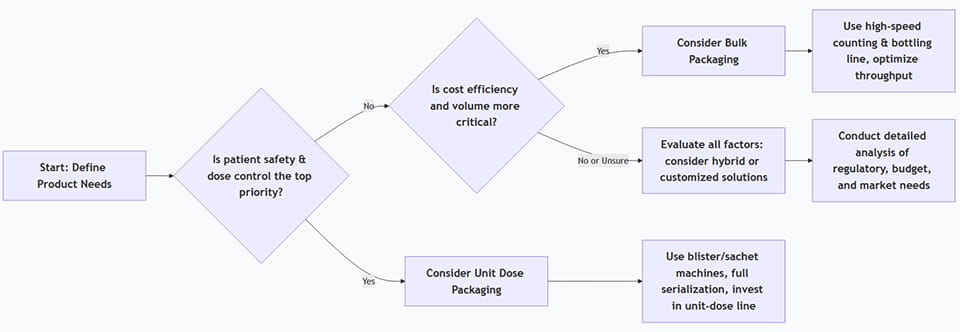
এই চার্টটি একটি সরলীকৃত গাইড দেখায়: যদি চিকিৎসা নিরাপত্তা/ট্র্যাকেবিলিটি খরচের চেয়ে বেশি হয়, ইউনিট-ডোজের দিকে ঝুঁক. বাজেট ও আয়তনের প্রাধান্য থাকলে, বাল্ক সম্ভবত সেরা. বাস্তব ক্ষেত্রে, মিশ্র কৌশল (যেমন. একটি ক্রমিক শক্ত কাগজ ভিতরে বাল্ক বোতল) এছাড়াও বিবেচনা করা যেতে পারে.
কোনো এক-আকার-ফিট-সব উত্তর নেই. ইউনিট ডোজ এবং বাল্ক প্যাকেজিংয়ের মধ্যে পছন্দ আপনার পণ্যের প্রয়োজনীয়তা এবং আপনার ব্যবসার কৌশলের উপর নির্ভর করে. ইউনিট-ডোজ প্যাকেজিং অতুলনীয় নিরাপত্তা প্রদান করে, সম্মতি, এবং হাসপাতালের জন্য সুবিধা, ক্লিনিকাল ট্রায়াল, এবং উচ্চ মূল্যের ওষুধ, কিন্তু এর জন্য যন্ত্রপাতিতে আরও বিনিয়োগ প্রয়োজন (ফোস্কা বা স্যাচে প্যাকার, কার্টোনার) এবং প্যাকেজিং উপাদান. বাল্ক প্যাকেজিং (বোতল, জারস, টিউব) কম খরচে এবং উচ্চ থ্রুপুটে এক্সেল, খুচরা ওষুধ এবং সম্পূরক জন্য আদর্শ, কিন্তু পৃথক ডোজ কম নিয়ন্ত্রণ দেয়.
অনুশীলনে, অনেক কোম্পানি ব্যবহার করে উভয় বিভিন্ন পণ্যের জন্য পদ্ধতি. উদাহরণস্বরূপ, একটি সংকীর্ণ থেরাপিউটিক সূচক সহ একটি ওষুধ হাসপাতালে বিক্রয়ের জন্য একক-ডোজের ফোস্কায় প্যাক করা হতে পারে, একই ওষুধের ওটিসি সংস্করণ 30-গণনা বোতলে বিক্রি হয়. আপনার লাইন ডিজাইন করার সময়, মালিকানার মোট খরচ বিবেচনা করুন (সরঞ্জাম + উপকরণ + ত্রুটি) এবং নিয়ন্ত্রক চাহিদা.
সর্বোত্তম পন্থা নির্ধারণ করতে, উপরের কারণগুলি পর্যালোচনা করুন: লক্ষ্য বাজার, ডোজ ফর্ম, আয়তন, সম্মতি নিয়ম, এবং বাজেট. একজন প্যাকেজিং যন্ত্রপাতি বিশেষজ্ঞ (বা জিনলুর কাস্টমাইজেশন দল) একটি উপযুক্ত লাইন ডিজাইন করতে পারেন. উদাহরণস্বরূপ, জিনলু প্যাকিং প্রদান করে টার্নকি সমাধান - উচ্চ-গতির ব্লিস্টার মেশিন থেকে ইন্টিগ্রেটেড ট্যাবলেট-গণনা এবং বোতলজাত লাইন - একক-ডোজ এবং বাল্ক প্রয়োজন উভয়ের জন্য.
ইউনিট ডোজ প্যাকেজিং মানে প্রতিটি ওষুধের ডোজ পৃথকভাবে সিল করা এবং লেবেলযুক্ত, যেমন প্রতি ফোস্কা গহ্বরে একটি ট্যাবলেট বা প্রতি ব্যবহারে একটি স্যাচেট. বাল্ক প্যাকেজিং একটি বোতলে একসাথে একাধিক ডোজ সংরক্ষণ করে, ধারক, বা বড় প্যাকেজ. ইউনিট ডোজ প্যাকেজিং নিরাপত্তার উপর আরো ফোকাস করে, ট্রেসেবিলিটি, এবং ডোজ নিয়ন্ত্রণ, যখন বাল্ক প্যাকেজিং সাধারণত উচ্চ-ভলিউম উত্পাদনের জন্য আরও সাশ্রয়ী হয়.
প্রতিটি ফার্মাসিউটিক্যাল পণ্যের জন্য কোন একক উত্তর নেই. ইউনিট ডোজ প্যাকেজিং প্রায়ই হাসপাতালের জন্য ভাল, ক্লিনিকাল পরিবেশ, এবং উচ্চ-মূল্যের ওষুধ কারণ এটি ওষুধের নিরাপত্তা এবং ট্র্যাকিং উন্নত করে. বাল্ক প্যাকেজিং সাধারণত নিউট্রাসিউটিক্যালের জন্য পছন্দ করা হয়, ওটিসি পণ্য, এবং বড় আকারের খুচরা বিতরণ কারণ এটি প্যাকেজিং খরচ হ্রাস করে এবং উত্পাদন গতি উন্নত করে.
হাসপাতালগুলি সাধারণত ইউনিট ডোজ প্যাকেজিং ব্যবহার করে কারণ প্রতিটি ডোজ স্পষ্টভাবে চিহ্নিত করা হয় এবং প্রশাসন না হওয়া পর্যন্ত সুরক্ষিত থাকে. এটি ওষুধের ত্রুটি কমাতে সাহায্য করে, বারকোড স্ক্যানিং সিস্টেম সমর্থন করে, এবং বিতরণের সময় রোগীর নিরাপত্তা উন্নত করে.
হ্যাঁ, বেশীরভাগ ক্ষেত্রেই বাল্ক প্যাকেজিং এর কম প্যাকেজিং উপাদান খরচ এবং উচ্চ লাইন দক্ষতা আছে. বোতল ভর্তি লাইন এবং ট্যাবলেট গণনা সিস্টেম সাধারণত পৃথক ডোজ প্যাকেজিং সিস্টেমের তুলনায় দ্রুত গতিতে চলতে পারে. তবে, মোট খরচ ঔষধ বর্জ্য বিবেচনা করা উচিত, শ্রম, সম্মতি প্রয়োজনীয়তা, এবং পণ্য সুরক্ষা.
বাল্ক প্যাকেজিং এর জন্য ব্যাপকভাবে ব্যবহৃত হয়:
• ভিটামিন এবং সম্পূরক
• জেনেরিক ট্যাবলেট এবং ক্যাপসুল
• ওটিসি ওষুধ
• নিউট্রাসিউটিক্যাল পণ্য
• উচ্চ-ভলিউম খুচরা ফার্মাসিউটিক্যালস
এই পণ্যগুলি প্রায়শই গণনা মেশিন ব্যবহার করে প্যাক করা হয়, বোতল ভর্তি লাইন, ক্যাপিং মেশিন, এবং লেবেলিং সিস্টেম.
সাধারণ ইউনিট ডোজ প্যাকেজিং সরঞ্জাম অন্তর্ভুক্ত:
• ফোস্কা প্যাকিং মেশিন
• স্ট্রিপ প্যাকিং মেশিন
• স্যাচে প্যাকিং মেশিন
• স্টিক প্যাক মেশিন
• কার্টোনিং মেশিন
• দৃষ্টি পরিদর্শন সিস্টেম
এই ফার্মাসিউটিক্যাল প্যাকেজিং মেশিনগুলি উন্নত পণ্য সুরক্ষা এবং ট্রেসেবিলিটি সহ পৃথকভাবে সিল করা ডোজ তৈরি করতে সহায়তা করে.
হ্যাঁ. ইউনিট ডোজ প্যাকেজিং দূষণের ঝুঁকি কমাতে সাহায্য করে, ভুল ডোজ, এবং ভুলগুলি পরিচালনা করা কারণ প্রতিটি ডোজ ব্যবহার না করা পর্যন্ত সিল করা থাকে. অনেক স্বাস্থ্যসেবা সুবিধাগুলি নিরাপদ বিতরণ কার্যপ্রবাহ এবং বারকোড যাচাইকরণ প্রক্রিয়াগুলিকে সমর্থন করার জন্য ইউনিট ডোজ সিস্টেম ব্যবহার করে.
হ্যাঁ. ফার্মাসিউটিক্যাল ব্লিস্টার প্যাকেজিং ইউনিট ডোজ প্যাকেজিংয়ের সবচেয়ে সাধারণ ফর্মগুলির মধ্যে একটি. প্রতিটি ট্যাবলেট বা ক্যাপসুল একটি পৃথক গহ্বরে সংরক্ষণ করা হয়, যা পণ্যটিকে আর্দ্রতা থেকে রক্ষা করতে সহায়তা করে, অক্সিজেন, এবং ডোজ ট্র্যাকিং উন্নত করার সময় দূষণ.
বাল্ক প্যাকেজিং সাধারণত ব্যবহৃত হয়:
• নিউট্রাসিউটিক্যাল ম্যানুফ্যাকচারিং
• সম্পূরক উত্পাদন
• খুচরা ফার্মাসিউটিক্যাল বিতরণ
• ভেটেরিনারি মেডিসিন
• উচ্চ-আউটপুট ট্যাবলেট এবং ক্যাপসুল উত্পাদন
উৎপাদন দক্ষতা এবং কম প্যাকেজিং খরচ প্রধান অগ্রাধিকার হলে নির্মাতারা বাল্ক ফার্মাসিউটিক্যাল প্যাকেজিং বেছে নেয়.
সেরা পছন্দ বিভিন্ন কারণের উপর নির্ভর করে, সহ:
• পণ্যের ধরন
• টার্গেট মার্কেট
• নিয়ন্ত্রক প্রয়োজনীয়তা
• প্যাকেজিং বাজেট
• উৎপাদন ভলিউম
• শেলফ-লাইফের প্রয়োজন
• বিতরণ চ্যানেল
উদাহরণস্বরূপ, হাসপাতাল এবং ক্লিনিকাল পণ্য প্রায়ই ইউনিট ডোজ প্যাকেজিং থেকে উপকৃত হয়, যদিও খুচরা পরিপূরক এবং উচ্চ-ভলিউম জেনেরিক ওষুধগুলি সাধারণত বাল্ক প্যাকেজিং সিস্টেমের জন্য আরও উপযুক্ত.
তথ্যসূত্র:
1. সিপিজি সেকেন্ড 430.100 সলিড এবং লিকুইড ওরাল ডোজ ফর্মের জন্য ইউনিট ডোজ লেবেলিং —— মার্কিন যুক্তরাষ্ট্র. খাদ্য ও ওষুধ প্রশাসন
2.ডেটা স্ট্যান্ডার্ড ম্যানুয়াল (মনোগ্রাফ) প্যাকেজের ধরন —— মার্কিন যুক্তরাষ্ট্র. খাদ্য ও ওষুধ প্রশাসন
3.ওষুধের প্যাকেজিং —— উইকিপিডিয়া
4.ভাল উত্পাদন অনুশীলন এবং ভাল বিতরণ অনুশীলনের নির্দেশিকা: প্রশ্ন এবং উত্তর —— ইউরোপিয়ান মেডিসিন এজেন্সি
5.আইএসও 15378 সার্টিফিকেশন – ঔষধ মান জন্য প্রাথমিক প্যাকেজিং উপাদান